The pre-dawn air of Soho in 1854 carried an unfamiliar heaviness. Even as the first golden rays of sunlight cautiously breached the London skyline, the bustling district was eerily quiet. The familiar clop of horse hooves and the distant chatter of vendors setting up their stalls were absent, replaced instead with a suffocating silence punctuated by the desperate cries of those struck by the unseen scourge. The smell of fear mixed with that of uncollected waste, creating a miasma that clung to the cloak of every passerby. Beneath this picturesque Victorian facade, a silent killer stalked the streets: cholera. And it had claimed fifty lives in a single day.
The Curate's Journey
While London's eminent physicians scrambled to understand the spread of this merciless disease, offering theories rooted in miasma and atmospheric phenomena, one local hero quietly disagreed. Henry Whitehead, a dedicated curate with a heart as big as the city, refused to accept the nebulous explanations that the disease floated invisibly through the air. Born and raised in this labyrinth of cobbled alleys and narrow passageways, Whitehead knew his parishioners like family, and he couldn't stand by as they fell like flies.
In a battle that many thought futile, Whitehead adopted an approach most doctors dismissed with a wave of the hand: he listened. He walked the winding streets of Soho, knocking door to door, spending hours in the small, dimly lit rooms of the afflicted. In these cramped quarters, he found not just sick bodies but stories — stories that brimmed with mundane details he believed might hold the key to stopping the epidemic. It was in these stories that the curate heard whispers of a pump on Broad Street.
An Unlikely Alliance
Whitehead's journey through the city brought him to an equally determined ally: a local physician named Dr. John Snow. Snow, whose name would one day be eponymous with innovation in epidemiology, was not a man welcomed into the inner circles of London's medical elite. The establishment largely ignored his outlandish theory that cholera was waterborne, a radical idea that flew in the face of established thought that disease was transmitted by polluted air or miasma.
Read next: The Day a Blind Pauper Boy Sang Before a Queen
However, Snow found a kindred spirit in Whitehead. Their partnership, a rare and unlikely collaboration, was built on dedication, trust, and an undying belief in the power of evidence over superstition. Snow's meticulous data analysis, when paired with Whitehead's exhaustive eyewitness accounts, pinpointed a common denominator among the afflicted: they had all consumed water from the public pump on Broad Street.
For days, they plotted their course of action. In a city that resisted change, they faced an even greater battle — convincing authorities to shut down the infamous water pump.
The Turning Point
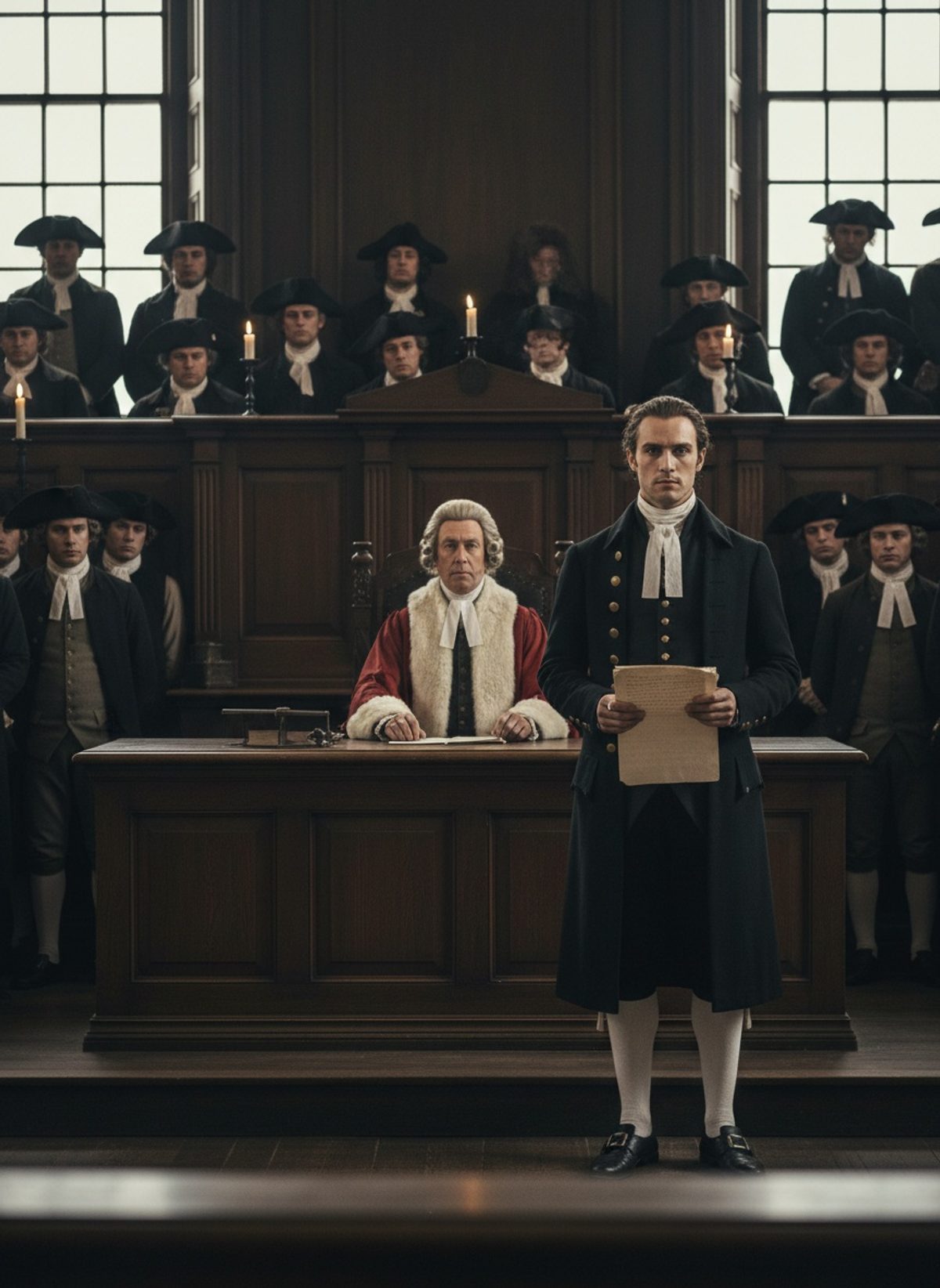
The morning of their presentation was grey and fraught with apprehension. London's public health officials gathered, their ink-stained fingers poised over paper, ready to dismiss yet another unnecessary meeting. Snow presented his findings with the conviction of a man who had stared into the abyss of disease and emerged with a solution. He described the detailed map he'd created, marking every fatality with a black bar, revealing a deadly constellation centered around the culprit pump.
Yet, it was Whitehead's testimony that turned the tide. With a voice tempered by grief, he shared the stories of the afflicted — his friends and neighbors. By weaving the tales of these lost souls into a coherent narrative, he demonstrated how their daily routines converged at Broad Street. The force of his words was undeniable.
That day, the pump handle was removed. It was a singular action with monumental consequences, a lever that tipped the scales from hopeless contagion to containment. The days that followed witnessed a drastic decline in cholera cases, a hopeful testimony to the power of tenacity and unconventional thinking.
The Legacy of Inquiry
The little pump's legacy echoes through the fabric of modern epidemiology like a bell that never ceases to toll. From the unassuming streets of Soho came revelations that shattered delusions of miasma and seeded the understanding of microorganisms and their transmission. Dr. John Snow’s work and Henry Whitehead’s relentless pursuit of truth forged an unlikely triumph over tragedy. It was a defining moment that paved the way for the germ theory of disease and revolutionized public health policy worldwide.
Yet, the day a curate helped a physician remove a pump handle is more than just a historical milestone. It is a testament to the power of partnership and persistence in the face of overwhelming odds. They proved, albeit unknowingly, that the smallest sniff of doubt against established norms, paired with the courage to ask questions, can spark a transformative approach to saving lives. Even in a world sometimes obscured by chaos, where the grand design of society appears immovable, change often starts with the simple act of listening — a lesson every era, including our own, would do well to heed.