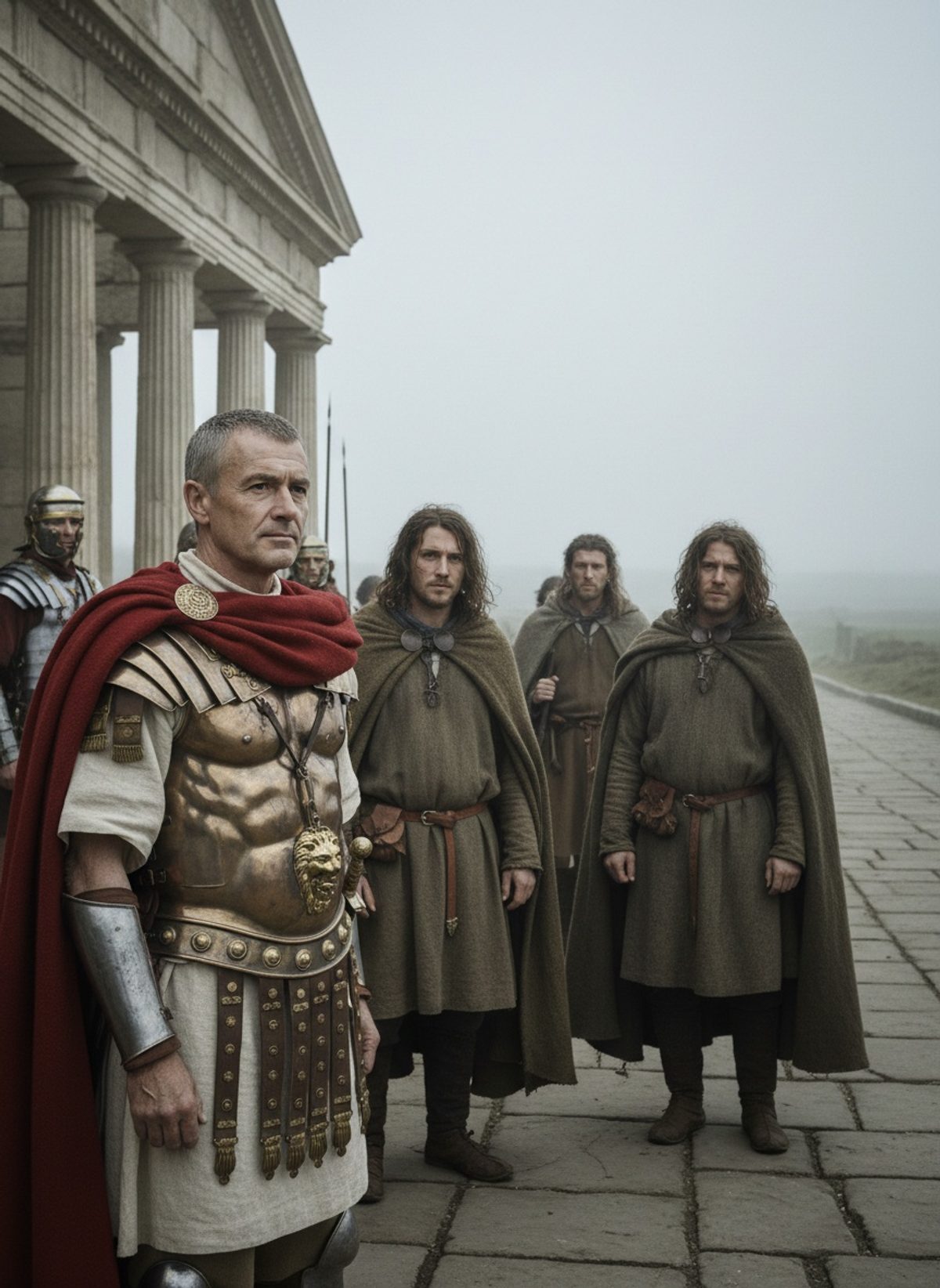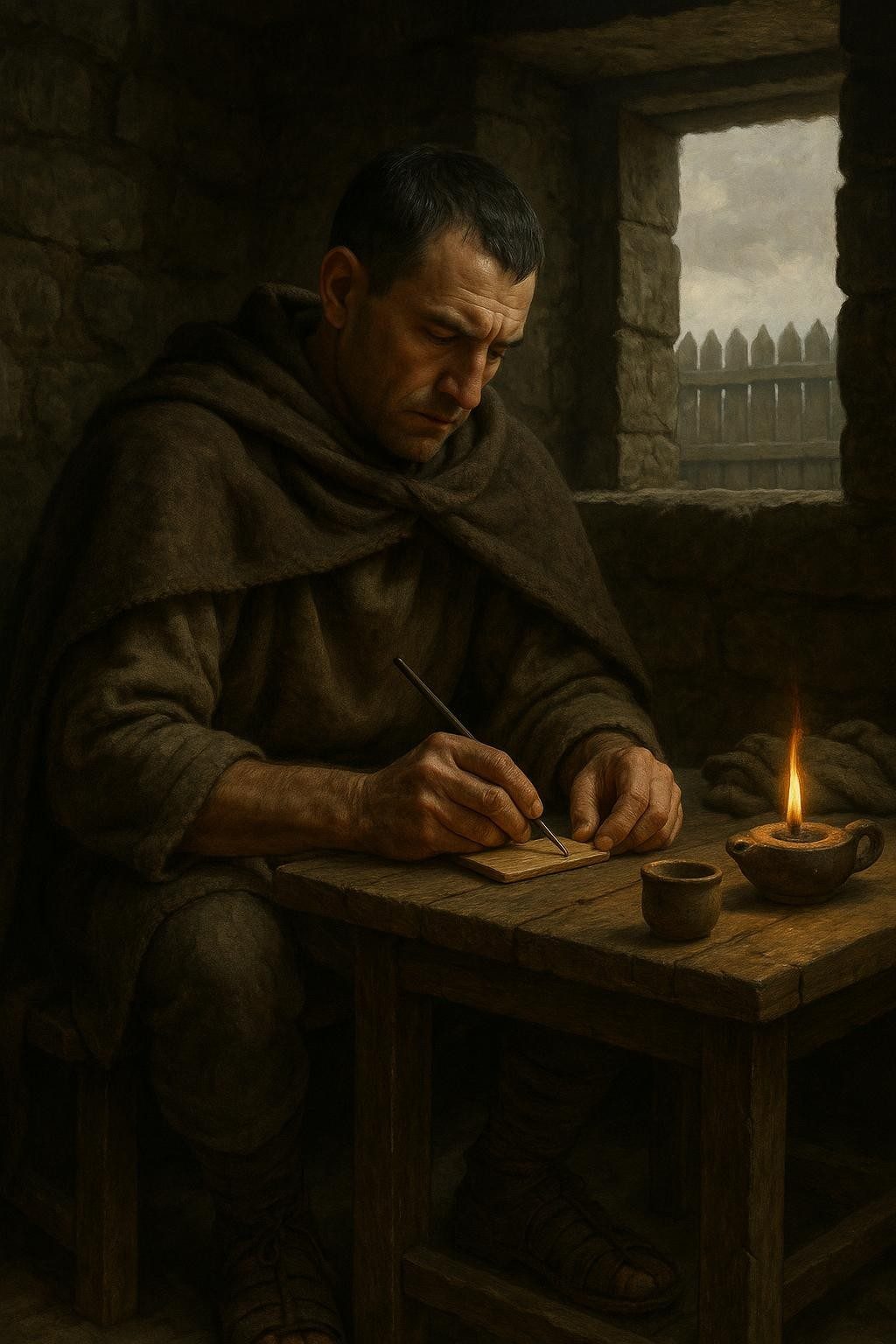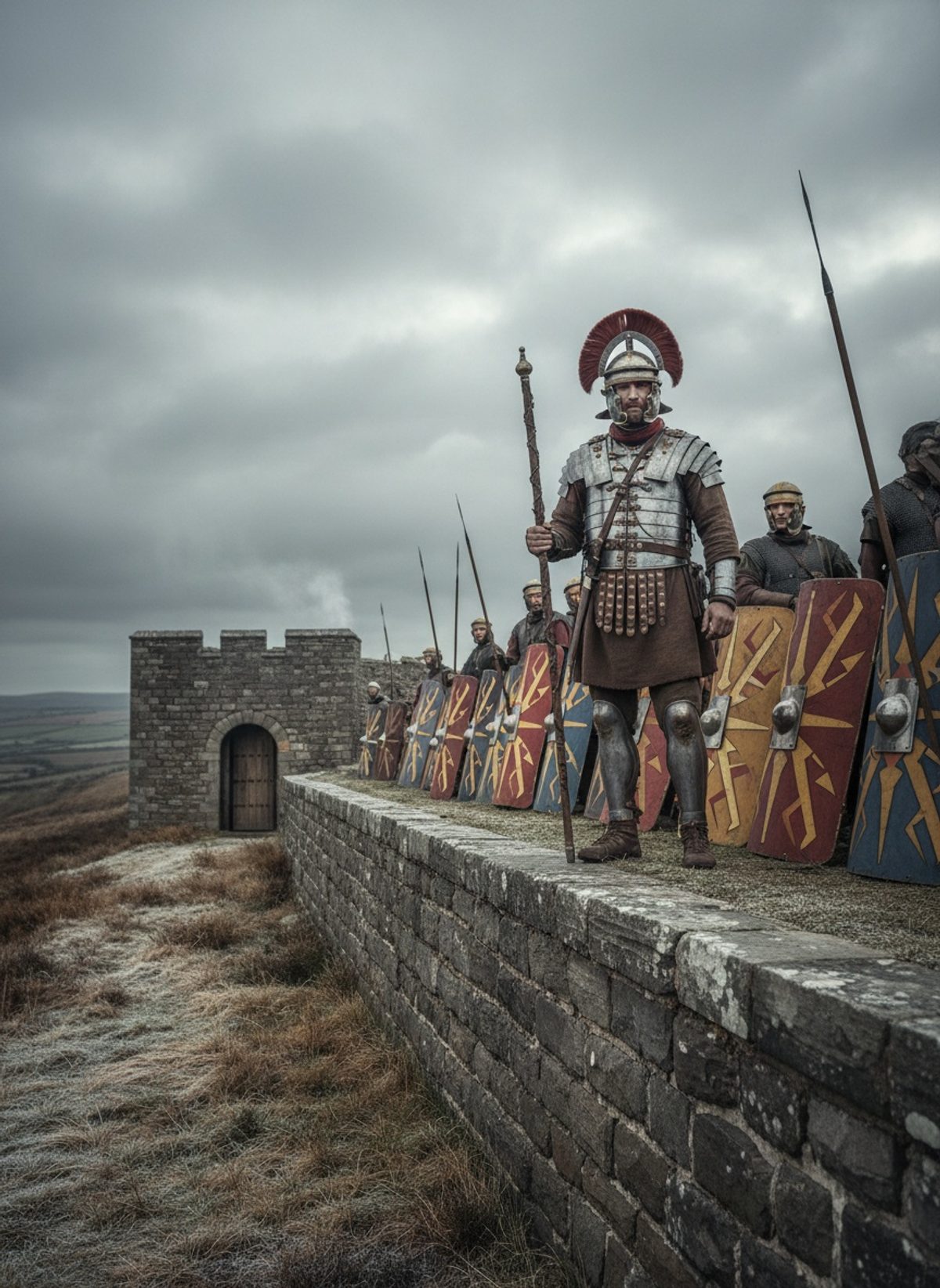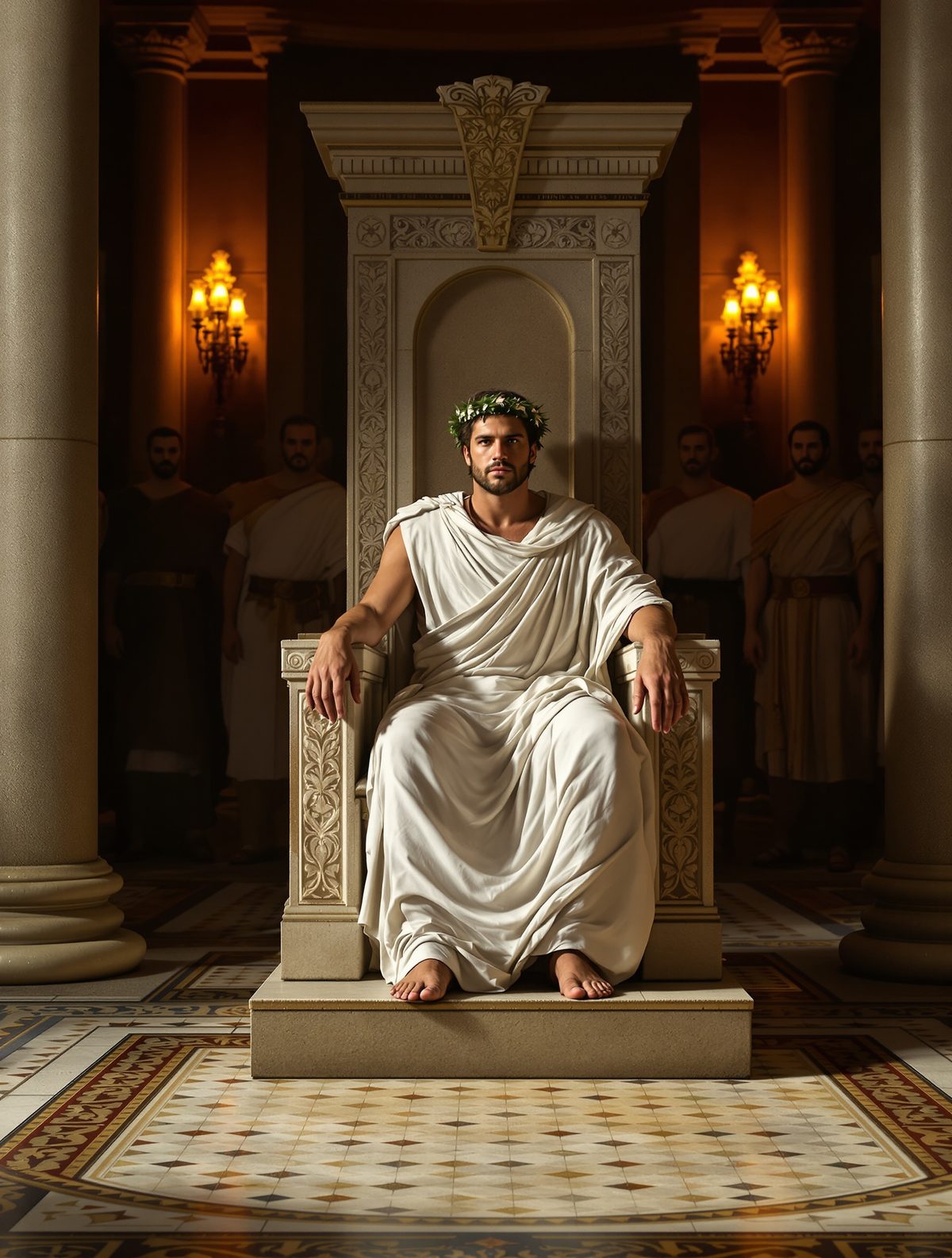
In the autumn of 1976, as the winds swept through the moors of Britain and the leaves blazed with autumn hues, an ancient emperor rose from the dust of history to command the living rooms across the nation. This emperor, once eclipsed by history, was Claudius, brought astonishingly to life by the gravitas of the BBC drama I, Claudius. Waves of viewers tuned in to witness a Rome not as a distant faculty of stony ruins but as a pulsating beast of political intrigue, human frailties, and chilling ambitions. Derek Jacobi's portrayal of the stammering, underestimated Claudius was a performance for the ages, transforming historical assumptions and capturing imaginations with an intensity few could have anticipated.
A Forgotten Emporer Resurrected
Before Derek Jacobi donned the imperial toga, Claudius was a footnote in the annals of Roman history for most Britons — the "stuttering fool" who inadvertently became one of the most reluctant yet enduring emperors of Rome from 41 to 54 AD. Historians wrote about his debilitating limp and crippling stammer, unfitting for the grandeur of Rome. Yet under Jacobi’s skilled performance, these very traits became his power. Claudius was no longer the pitiable figure in dusty textbooks; he was now a complex, calculating survivor navigating the lethal terrain of a family history steeped in treachery.
The Cast of Shadows and Steel
It wasn’t just Jacobi’s Claudius that captivated Britain; Siân Phillips as the chillingly manipulative Livia, John Hurt's ecstatic portrayal of the mad Caligula, and Brian Blessed’s towering Augustus all contributed to the dark brilliance of I, Claudius. And, let us not forget Patrick Stewart’s hairless and rigid Sejanus. Siân Phillips, in her memoir, recounted the thrill of embodying Livia — a woman of poison and plots who redefined the term "power behind the throne." Audiences were spellbound by these performances, which gave flesh and blood to history’s shadows, turning familial power struggles into visceral reality.
Romans on Primetime
Broadcast across 13 gripping episodes from September to December of 1976, I, Claudius emerged as a revolutionary event in television history. Filmed entirely in BBC studios, a production choice born of necessity rather than design, this constraint crafted a claustrophobic atmosphere perfect for the intrigue of the imperial court. Authenticity dripped from every scene, from the richly detailed togas to the intricately adorned furnishings of the emperor's palace, creating an immersive experience that transported viewers to the decadent, dangerous heart of an empire. The compelling power of the series lay in its ability to weave the arcane with humanity; the divine with the dictatorial, making the audience a part of the ancient soap opera.
Read next: The Day a Roman Soldier Defied an Emperor to Free a Province
Realism and Historical Accuracy
While the drama played with some artistic liberties, its careful attention to historical detail was remarkable. Historian Robert Graves' novels, upon which the series was based, served as both backdrop and battleground. The simple act of Claudius handling his scrolls or shuffling through the Senate brought with it the aroma of dusty vellum and echoing debates, rooting the show’s fiction in a bedrock of authentic context. One might ponder, did Claudius ever truly uncover Livia’s plots from within his attic of ancient lore? The compelling narrative suggested he did, pulling reality as taut as a bowstring before letting fly the arrows of its drama.
A Legacy Poured in Stone
The appeal of I, Claudius reached far beyond mere entertainment; it influenced generations of viewers and future storytellers by setting a benchmark for historical dramas. It was a modern lens into antiquity, provoking a renewed interest in Roman history that reverberated across academic and media landscapes. This very show opened pathways for future productions like Rome and Game of Thrones, where historical authenticity entwines with storytelling verve.
The Rippling Echo of Claudius
Fast forward to contemporary Britain, where the echoes of I, Claudius continue to resonate. The series served as a testament to the power of storytelling in connecting audiences to history, reminding us that every age has its shadows and Caesars. In a world where political machinations are ever-present, and power often lies in perception, Claudius becomes the mirror of unlikely ascendance and survival. His tale, once buried under the weight of historical oversight, was resurrected by the BBC in an electrifying manner that remains unparalleled. It is a legacy reminding us that history, given the right voice, is not just the past but a living narrative that speaks directly to our human condition.
Thus, the day the BBC drama brought Ancient Rome roaring back to life was not just a celebration of a series but a cultural milestone. It informed our television, taught us to see deeper into the annals of time, and revealed the eternal dance of influence and identity.