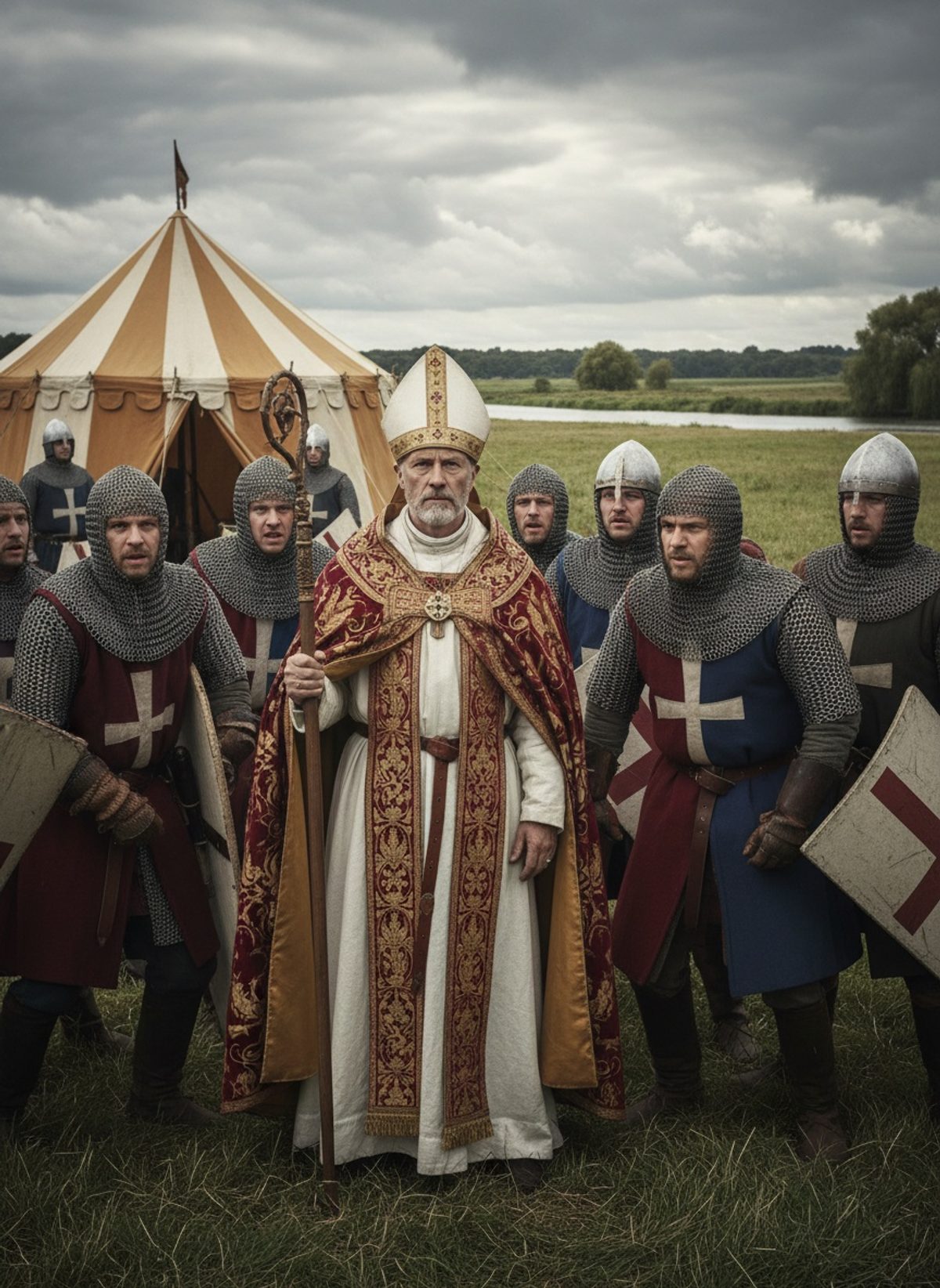
The hallowed fields of medieval Europe have witnessed countless tales of heroism and folly, but few carry the undying resonance of the day a blind king galloped into the chaos of battle. Picture it: the sky over Crécy, dark and ominous, the air thick with tension as warfare marched through the 26th of August, 1346. English archers prepared their longbows, while below, knights and soldiers braced themselves. Among them was a blind monarch, John of Bohemia, determined to see battle one last time — a testament to valor that echoes through history.
The Unseen King
Born in 1296, John of Bohemia was a formidable king by any measure, ruling the Kingdom of Bohemia from 1310 until his death. Renowned across Europe for his chivalry and martial prowess, he was a king who inspired loyalty and commanded respect. However, life's cruelties took a toll; by 1336, John was blind. A hereditary ailment clouded his vision, but not his spirit. His blindness did not banish him from the world's stage. In an era where sight was survival, John's unyielding determination kept him at the forefront of battle and politics.
This king of Bohemia, though sightless, found ways to perceive the unfolding world. He relied on the narratives of trusted aides, constructing the tapestry of his life through the voices of those around him. When war beckoned, he answered, unswayed by the darkness.
The Looming Thunder: Crécy
The Battle of Crécy unfolded against the backdrop of the Hundred Years' War. The English, led by the assertive King Edward III, clashed with French forces under King Philip VI. On this fateful August day, the fields near Crécy-en-Ponthieu in northern France became the stage for a spectacle of military innovation. English longbowmen, positioned for maximum effectiveness, unleashed a storm of arrows that cut through the French knights, defying the age-old supremacy of mounted cavalry.
Read next: The Day a Queen Walked Into a Rebel Camp Alone
The English strategy centered around disciplined infantry and archery, integrating lessons learned from their conflicts in Scotland and Wales. As the battle commenced, those who faced the English emerged not only against a well-prepared adversary but also a brilliant king who envisioned his reign extending its reach beyond the Channel.
John's Last Ride
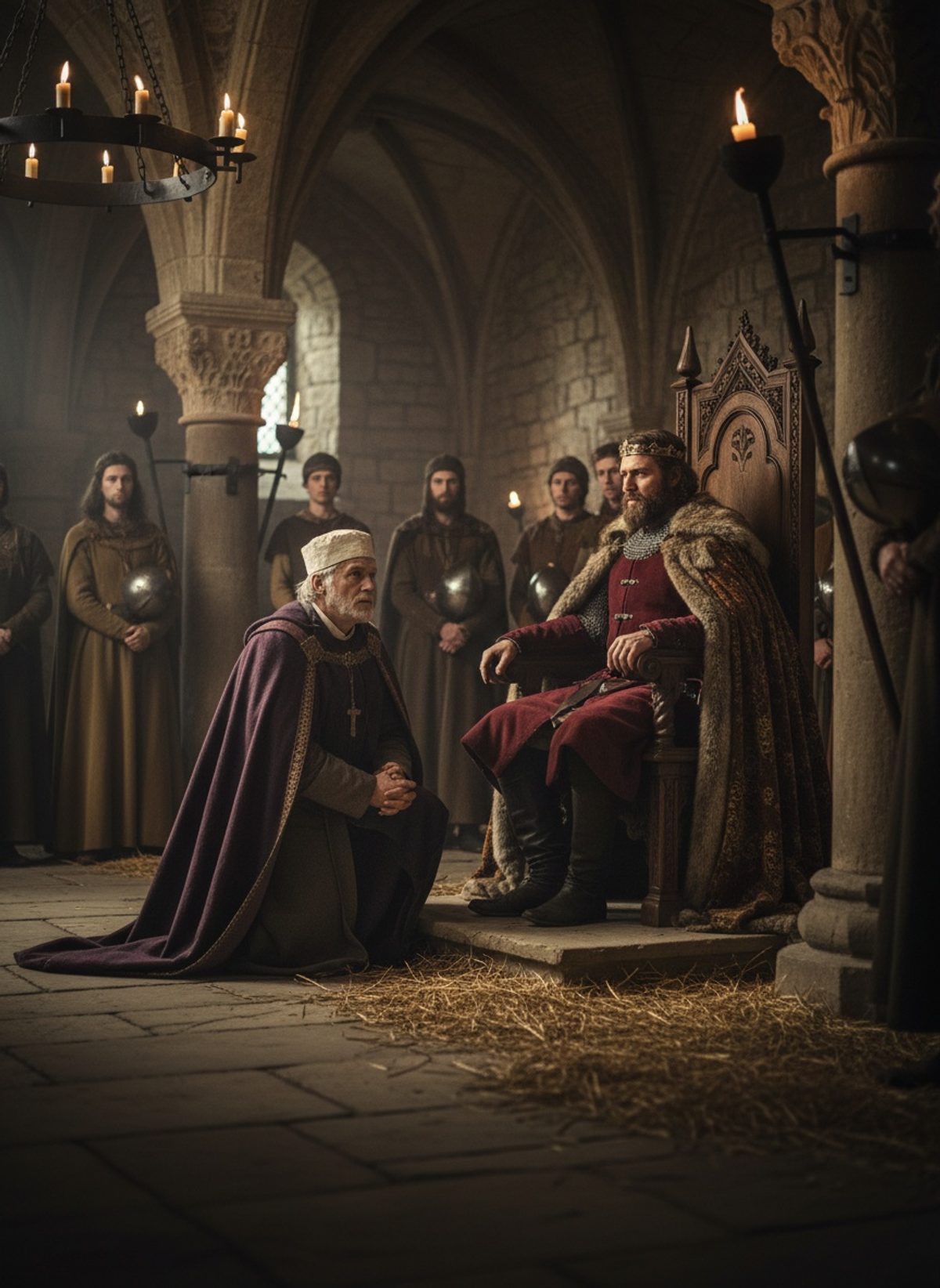
For John of Bohemia, the battle was not a matter of politics or territorial ambition. It was a challenge to his knightly honor. Despite his disability and advancing age, John yearned for a final act of chivalrous defiance — to prove that valor extended beyond mere sight. As the clash roared around Crécy, John called upon his closest knights. His request was simple yet profoundly dangerous: to guide him into the thick of combat, towards death or victory, tethered together like a living shield.
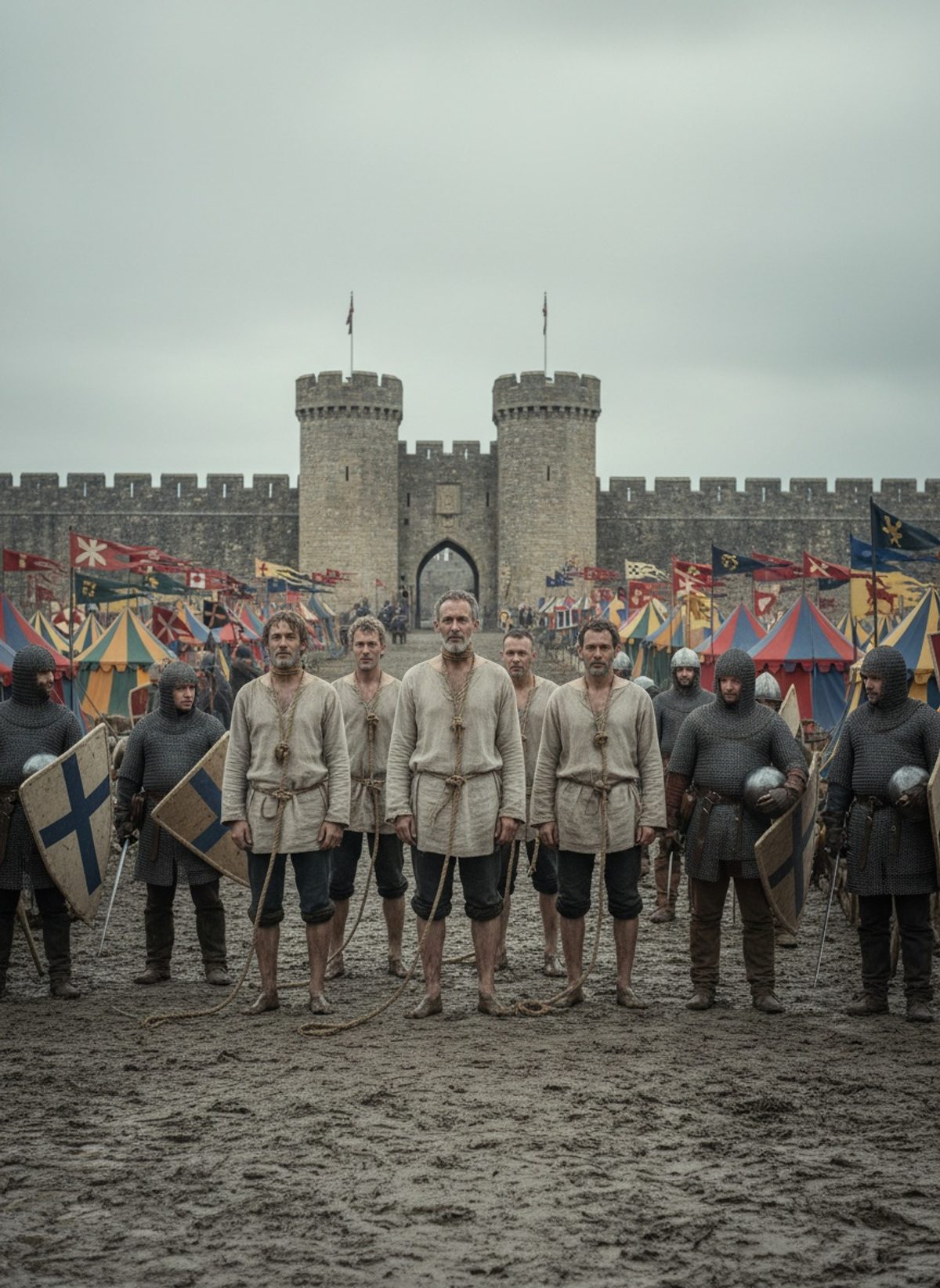
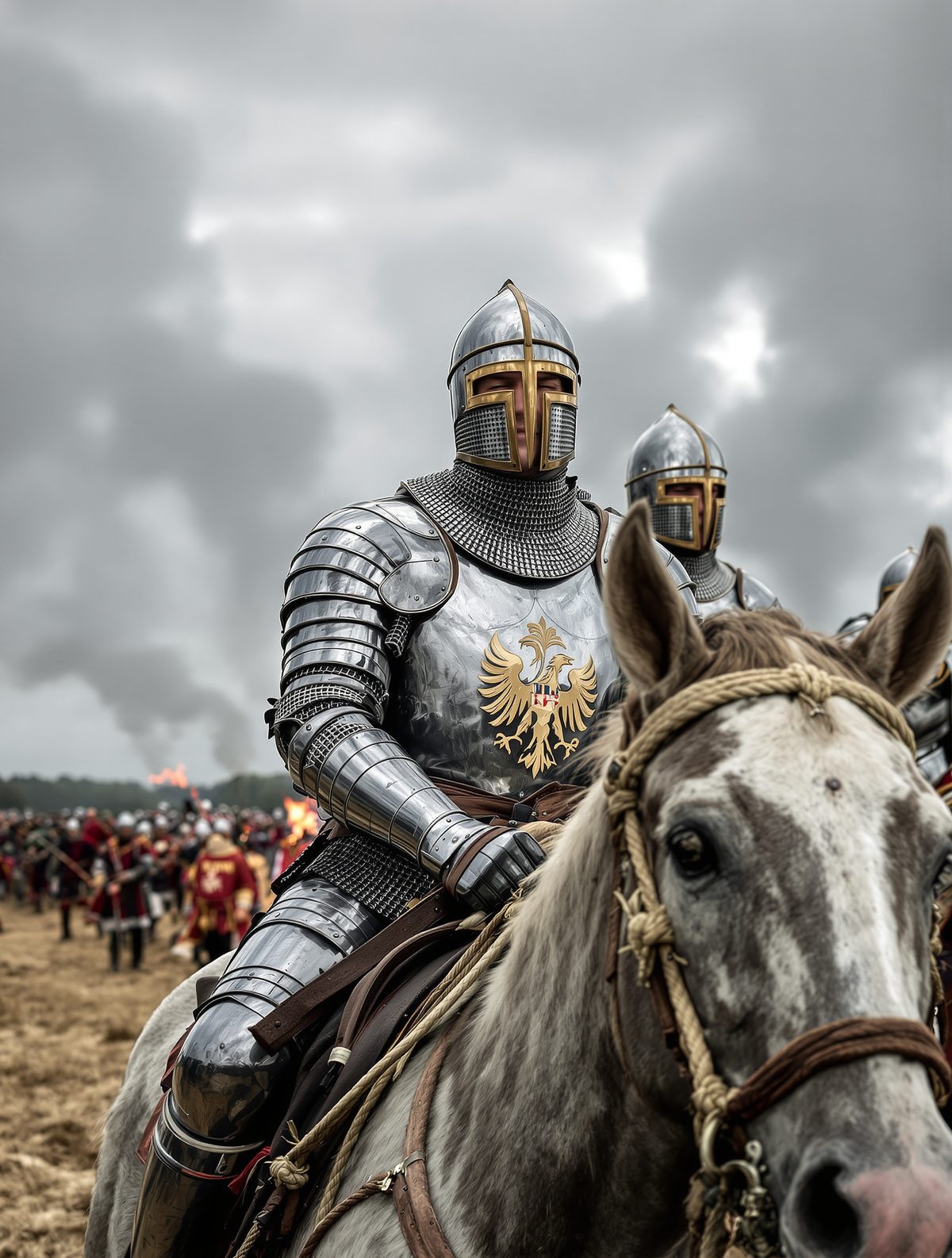
As the French charge faltered against English defenses, John and his loyal retinue, tied together with ropes, charged into battle. The lines of galloping horses, with John at their heart, sliced into the fray, a blind man's resolution as fierce as any king with perfect vision. It was an act of immense bravery and reckless resolve, a journey that would ensure his legacy.
An Enduring Legacy
John's gallant charge at Crécy culminated in his death, yet it carved a place for him among history's bravest figures. His crest, adorned with three white feathers and the motto “Ich Dien” (I serve), was adopted by Edward, the Black Prince, son of Edward III. So inspired was the English prince by John's valor that he wore the crest as his own. Since then, it has become the emblem of each Prince of Wales, a lasting tribute to a king who, unable to witness the world, left a legacy surpassing what mere sight could achieve.
This adoption might seem curious given John's position on the opposing side, yet it underscores the chivalric admiration fostered by his heroics. Such respect among adversaries transcends many modern examples, illustrating an era where honor outweighed rivalries.
Why This Matters Today
In today's world, where conflicts often seem devoid of personal honor or ethical valiance, John of Bohemia's story rekindles the notion that principles need not be compromised even in the face of insurmountable odds. His account harks back to the idea that strength is not solely defined by physical abilities but by the resolute spirit that drives action.
The story of John's ride into legend offers a timeless lesson: that perhaps the foundations of real vision lie within the heart and not the eyes. His legacy, tied so indelibly to a crest still worn by the heirs to the British throne, serves as a reminder that courage, honor, and duty carve paths that even the passage of centuries cannot erode.
So when you see the Prince of Wales donning his feathers, recall the blind king who rode with unwavering resolve into the storm of battle at Crécy. For those who champion bravery in all its forms, John of Bohemia's story is not just a forgotten tale from the medieval tapestries but a beacon guiding valor across the ages.