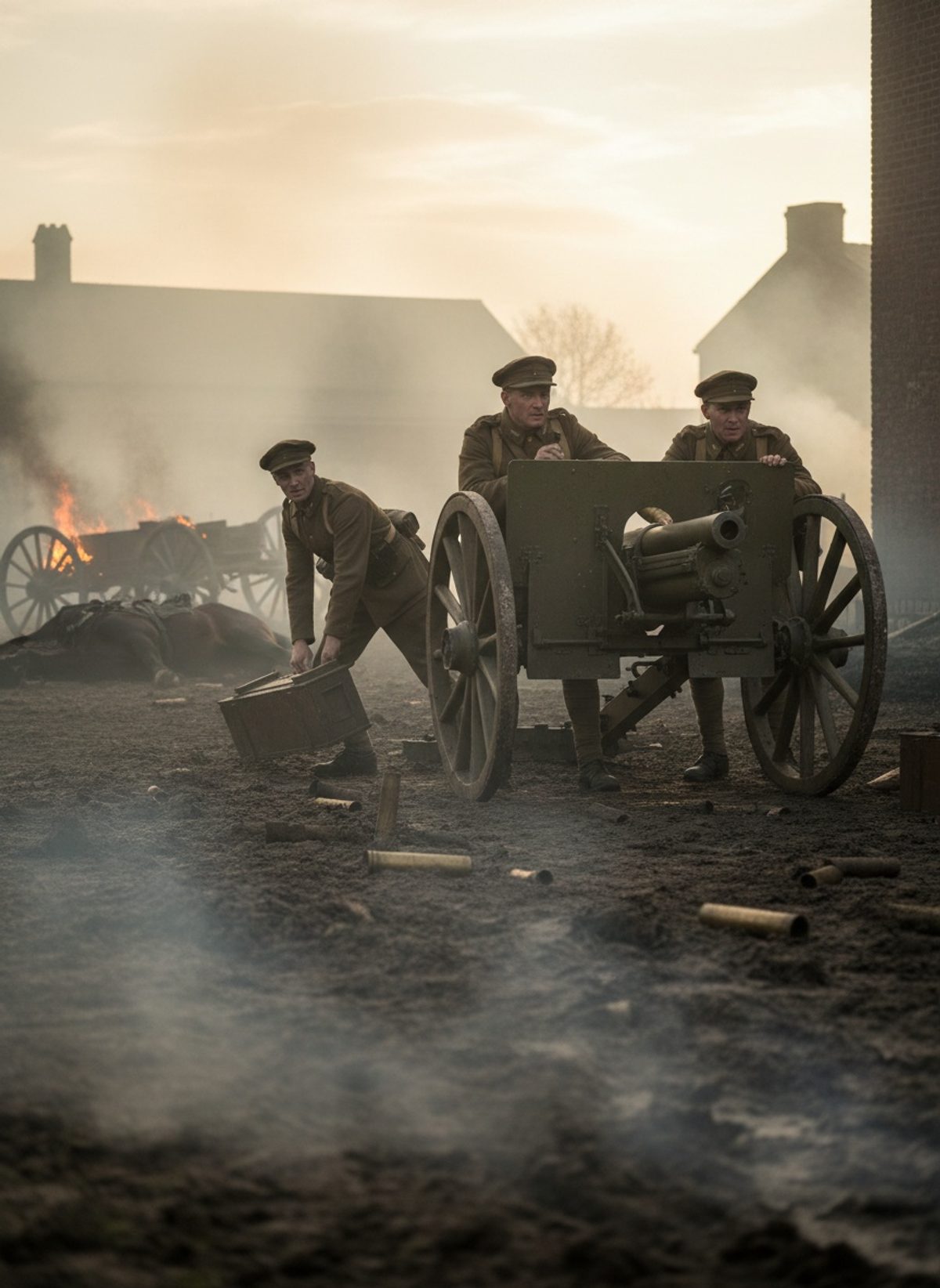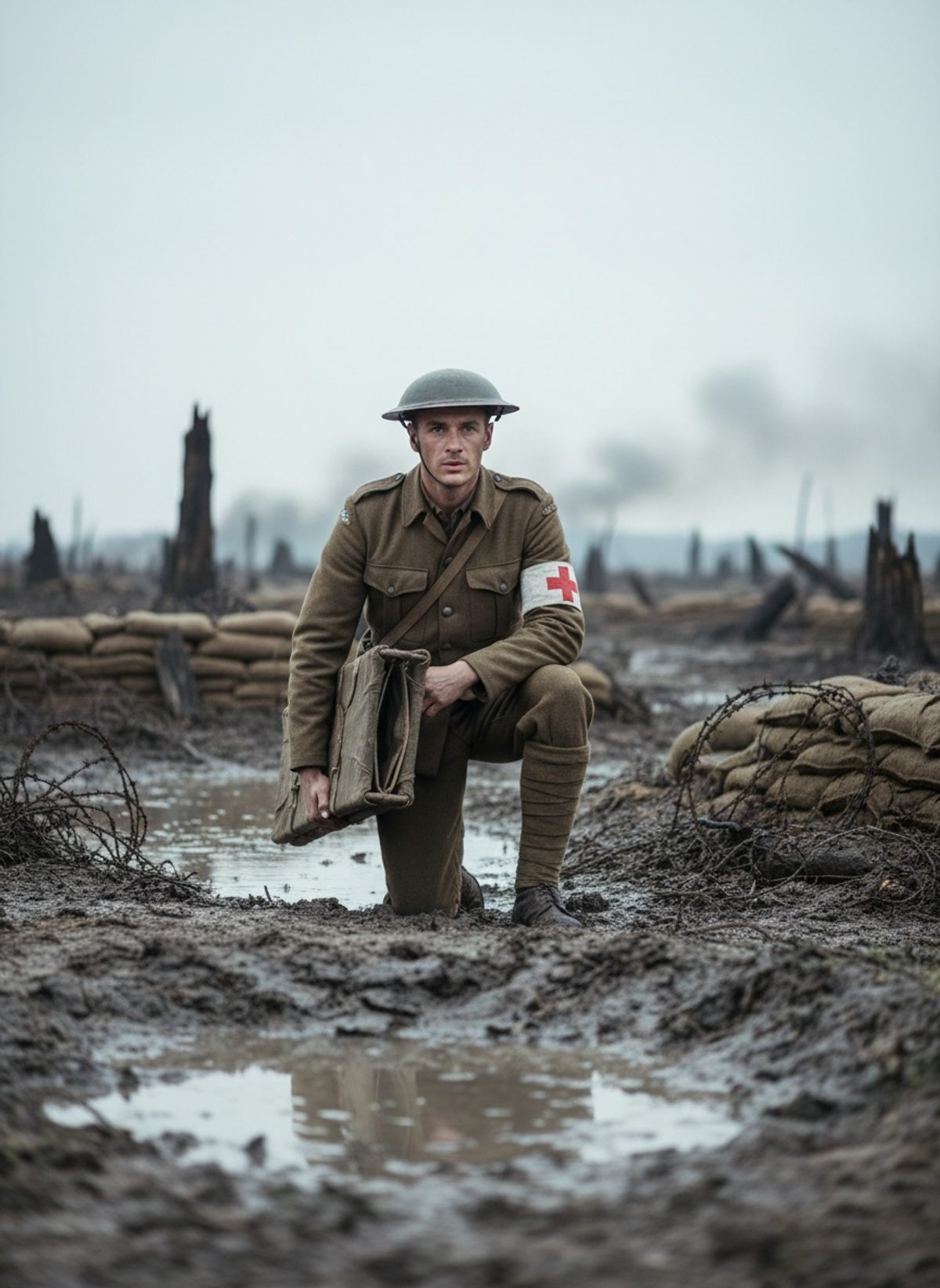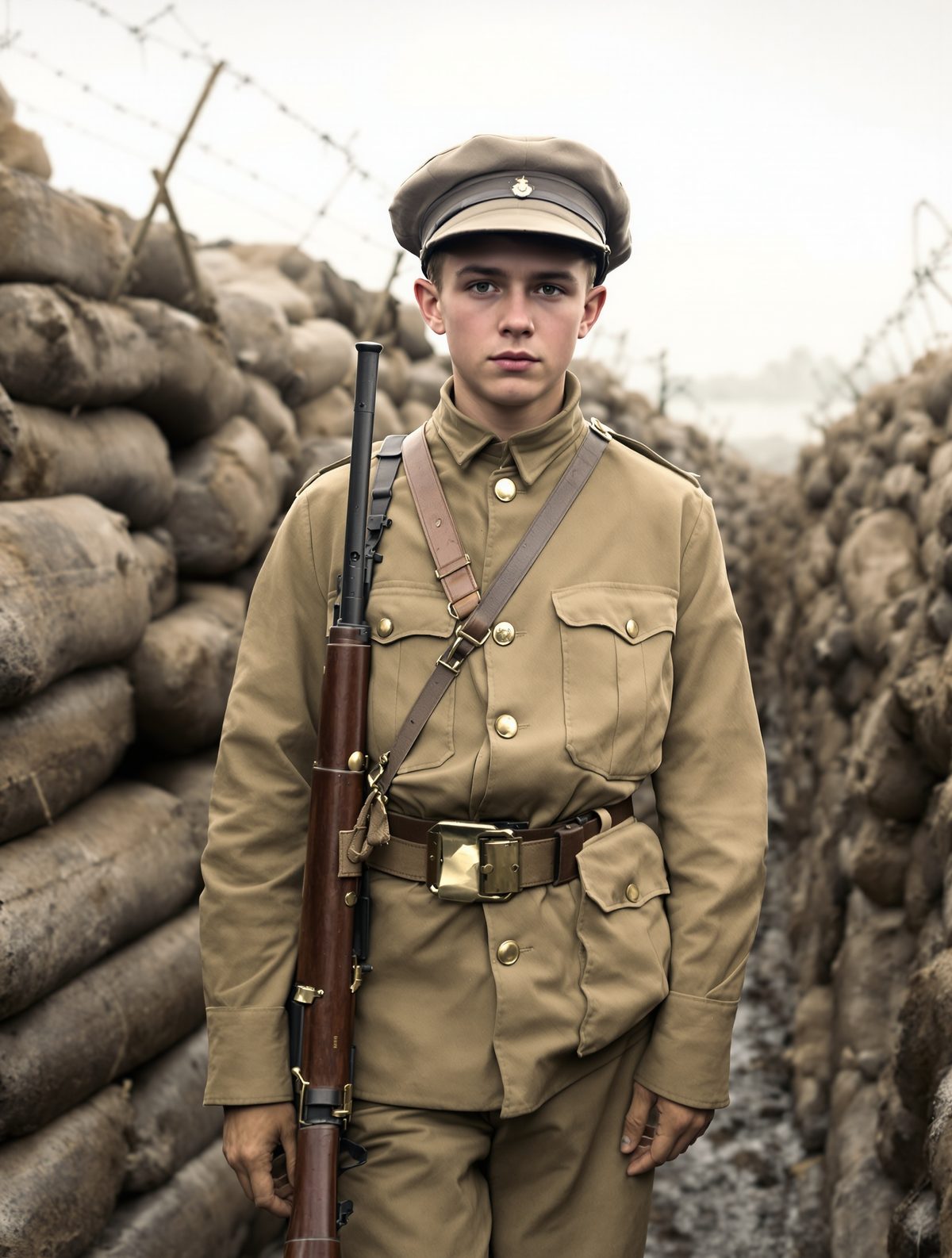
Amidst the chaos and carnage of World War One, where the roar of artillery and the clatter of machine guns harmonized with the cries of soldiers, one name whispers through the windswept fields of Flanders with haunting poignancy: John Condon. His tale is not simply one of valor or sacrifice, but of a youthful audacity that defied the boundaries of age and endurance. This is the story of the youngest Commonwealth soldier known to have died in the Great War, a boy who cradled hopes and dreams like any other yet found himself amidst the unimaginable horrors of Ypres.
The Call of Duty: A Young Heart's Deception
In 1915, as the world found itself deep in the grips of a conflict that sprawled across continents, the gentle city of Waterford in Ireland bore an unusual secret. Among its cobbled streets and enduring communities lived young John Condon. Barely a teenager at fifteen, John was awed by tales of bravery and honor; the kind that stirred within him an insatiable yearning for heroism. The allure of the battlefield sang like a siren’s call, robustly conversing with his sense of adventure and duty, surpassing the constraints of his tender age.
The legal age to enlist in the British Army was nineteen, yet John was not deterred by this constraint. In an era where documentation was sparse and age verification lax, John devised a plan that paid little heed to calendar years. He claimed he was 18, enough for the recruiter to glance and sign him up to the 2nd Battalion of the Royal Irish Regiment. It was a deception made not with malice but with a heart stirred by an invincible spirit of youthful daring.
Crossing the Channel: A Surreptitious Departure
Not long after, John embarked on a journey clandestine and solemn, crossing the Irish Sea like scores of others. The war-hungry machine showed no remorse, devouring youths from cities large and small. He may have carried the soldier’s name, but wore youth’s visage, a cherubic face that belonged to schoolyards rather than firing lines.
Read next: The Day a British Padre Carried the Dying From No Man's Land
The knuckle-whitening chill of the Channel would be one of the last familiar sensations as John took tentative steps onto foreign soil, far removed from the tranquillity of Waterford. Belgium’s Flanders fields would soon host his companionship with countless others driven by duty, idealism, or, like him, the enigmatic embrace of adventure.
Amidst the Thunder: The Grim Reality of Ypres
The Second Battle of Ypres was a symphony of suffering, underscored by innovation and atrocity. April 22, 1915, marked the first large-scale use of poison gas by the Germans, transforming the skies into lethal tapestry while the ground morphed into a grotesque tableau of death. For soldiers, these battles were not just confrontations; they were purgatorial encounters with hell that found them fighting the enemy unseen and struggling for life with each breath.
There, between the death-gutted trenches and the barren wasteland, stood John. The horrors he faced breached the limits of his youthful imagination, yet courage dwelled deeply within his tender frame. On May 24, 1915, the angels of youthful valor were silenced as John was claimed by the very land that he battled upon.
Eternal Vigil: Resting Places and Red Herrings
John’s ultimate act of sacrifice was followed by a quieting permanence that saw him buried in Poelcapelle British Cemetery. His grave, marked with simply “J Condon Royal Irish Regiment 24th May 1915,” became a poignant testament, drawing thousands of visitors who faced the inexplicable cost of war through the eyes of one of its youngest victims.
There’s a strange aura around John’s resting place—historians still debate whether the young soldier buried there is truly John. Records at times conflict, some suggesting the possibility that clerical errors in the chaos of war led to a case of misidentification. Yet the grave, a symbol of innocent courage, continues to weave whispers of his tale, reminding one of the chaotic and often unpredictable fabric of war.
A Legacy of Valor and Innocence
John Condon’s story does more than arouse the heartstrings. It permeates the present with a powerful message—one palpable and stirring. His courage, youth, and the deception he wore so lightly evoke contemplation of our own understanding of war, valor, and the costliest of human conflicts. The haunting images of soldiers far younger than those they replaced leave one to ponder: what drives one so young to war? And what does this tell us about society’s value system during tumultuous times?
The irony of a child drawn into a man’s battle reminds us unflinchingly of the innocence skewed in the machinery of war. His lie about age spoke the truth about his heart’s earnest longing to serve, and somehow, his young death punctuates the tragic brevity of such noble ambitions. If anything, John’s enduring story challenges us to cherish life fiercely and protect the youth from the vortex of violence that promises valor but delivers void.
As long as the whispers through the solemn silence of Flanders fields continue to echo, the bravest stories will never be truly untold. And, as they do, we owe it to those brave hearts like John Condon to keep their memories alive, to learn from them, and to ensure that their sacrifices do not fade into the pages of forgotten conflicts.