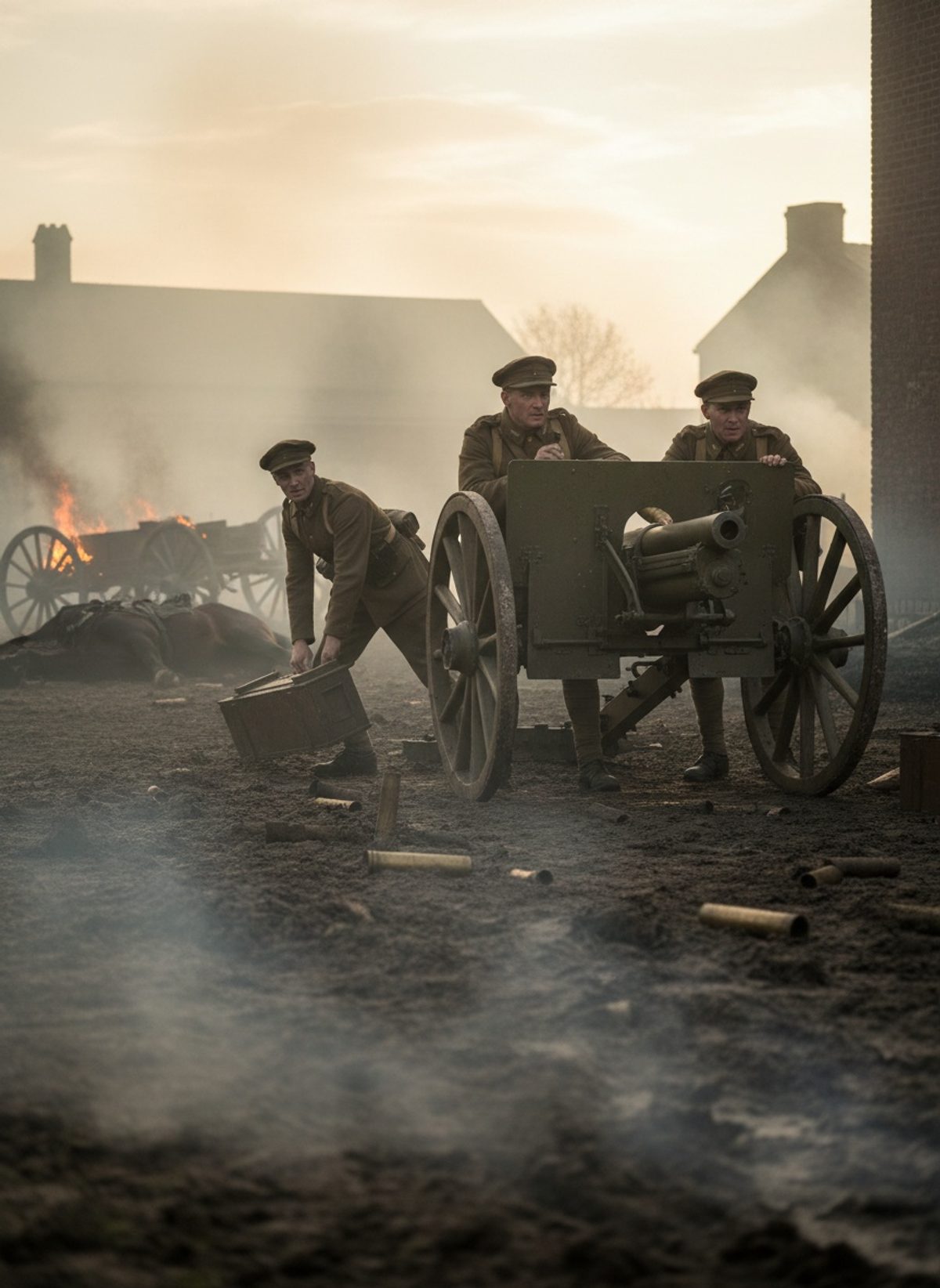
The pre-dawn darkness of June 7th, 1917, shrouded the tense landscapes of Messines Ridge in an eerie stillness. For months, an unprecedented secret had lurked beneath the ground, with only the thinnest veil separating it from a chaotic world consumed by war. At precisely 3:10am, this secret erupted with the force of ancient monsters awakening, sending tremors that rippled not just across the battlefront, but all the way to London. What followed was a cataclysmic event unlike any other, forged by the tireless and often invisible efforts of Britain's brave subterranean soldiers — the tunnellers.
Under the Earth in Warfare
The role of tunneling in warfare is as old as conflict itself, yet few operations have been as ambitiously executed as those beneath the Belgian village of Messines. The Western Front had been locked in stalemate for much of the First World War, its battlefields characterized by mud, barbed wire, and ceaseless artillery barrages. It was in this context of attrition that military strategists sought to exploit the earth itself as a weapon.
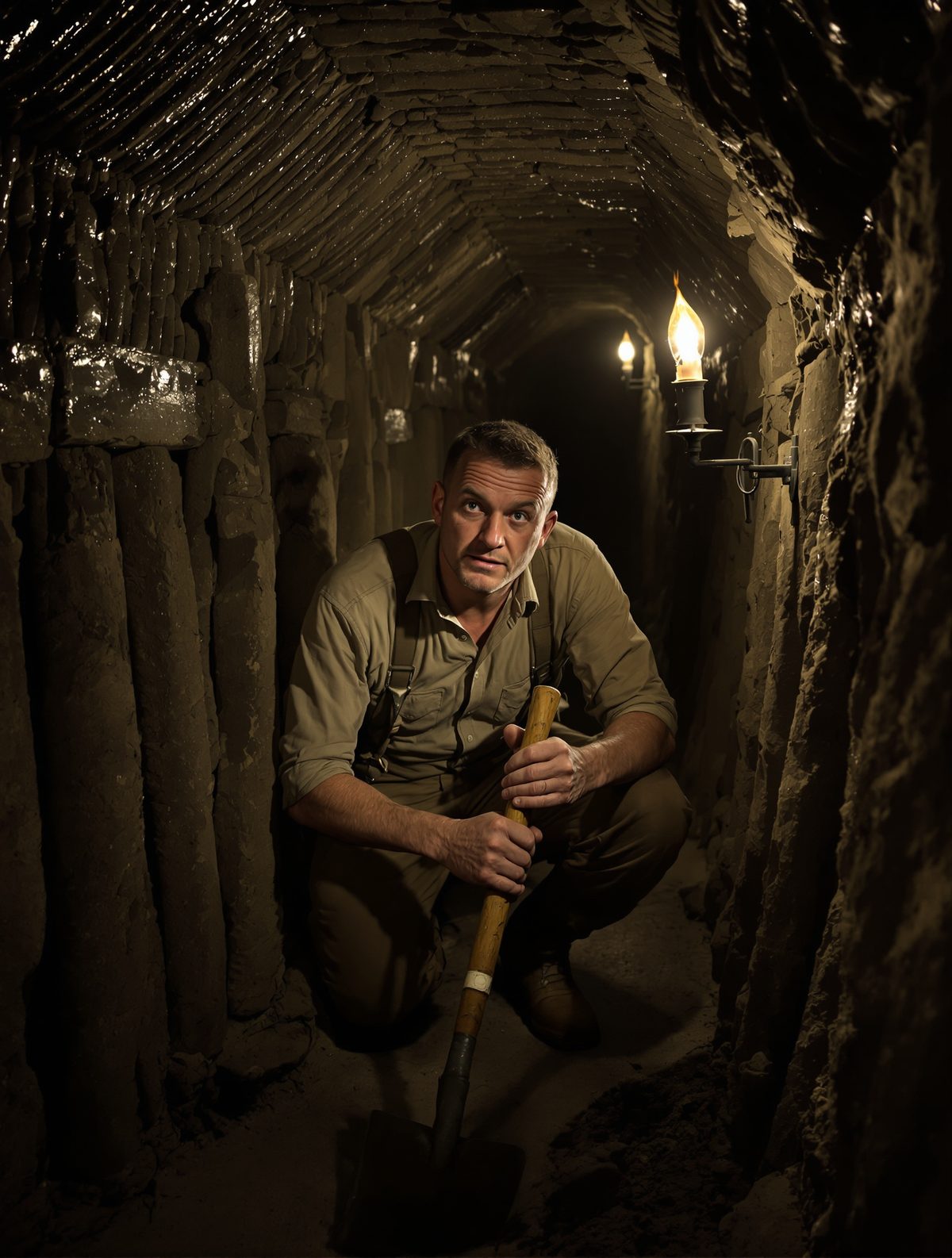
British and Commonwealth forces recruited miners — from the coalfields of Wales to the gold mines of South Africa — with a unique mission: to dig beneath enemy lines and detonate massive caches of explosives. Over the course of two years, these men, known as tunnellers, burrowed silently and strategically, creating a hidden labyrinth of passages below Messines Ridge. Yet, despite the staggering logistics and daunting challenges, little could prepare anyone for the explosive culmination of their work.
The Men in the Mines
The tunnellers worked in harrowing conditions where death was only a pickaxe slip away. These men, accustomed to the moonless world beneath the earth, now faced a new unseen enemy: German listening posts. The Germans, knowing full well the tactics of mine warfare, would deploy teams to detect the sound of digging, instructing their own counter-miners to intercept and destroy the work of their foes.
Read next: The Day a British Padre Carried the Dying From No Man's Land
Strategically chosen for their expertise, the British tunnellers brought with them nerves of steel. Among them were legends like Captain Sir John Norton-Griffiths, the engineer-turned-politician who led the charge for aggressive mining tactics, and Major-turned-geologist William Hackett, a civilian miner from Nottinghamshire who found his way into the military spotlight. Not merely soldiers, these men were artisans in the art of war, carving out pathways in suffocating darkness to ensure the precise placement of 22 colossal mines under the front.
The Great Detonation
The pivotal morning of June 7 represented a synchrony of engineering, planning, and sheer human perseverance. Of the 22 mines laid, 19 were primed and ready to send their monumental charge upward. At precisely 3:10am, their simultaneous detonation unleashed an explosion so massive it is said to have been one of the loudest sounds ever recorded prior to the atomic age.
The earth shuddered violently as if struck by an earthquake, catapulting tons of soil, rock, and enemy fortifications into the early dawn sky. German soldiers, groggy from the trench fatigue, awoke to chaos and destruction — entire portions of the ridge they had so fervently defended simply ceased to exist, and an estimated 10,000 were killed almost instantly. For the Allied forces, the strategic victory was immense, the path ahead cleared by the physical elimination of the enemy’s defensive advantage.
The Sound Heard Around the World
Such was the power of the blast that it penetrated the soundscape as far away as London, where civilian and statesman alike reportedly heard the far-off rumble. This incredible feat of engineering not only demonstrated the reach of modern warfare but also the transformative power of ingenuity harnessed for conflict.
In the aftermath, the devastation of Messines Ridge provided a tutorial of sorts for military strategy. It was a testament to the influence of ground conditions in committing acts of war, highlighting the gritty necessity of engineering prowess along the way. For Britain's armed forces, the success at Messines presaged future tactics used throughout the latter stages of the war, where mining and counter-mining continued to play pivotal roles.
Why This Matters Today
The legacy of the Messines Ridge explosion resonates deeply within the annals of military history. It underscores the relentless innovation born of necessity, the shocking audacity of human imagination, and the terrible price of industrial warfare. Beyond the strategy and destruction, it is a reminder of the silent heroes of the Great War — the tunnellers whose lives and efforts were spent in the cramped, dangerous quarters below the earth, never gaining the public's eye but forever shaping the course of history.
Today, as we reflect on the centenary of World War One and its technological advancements, the story of these subterranean soldiers offers profound lessons about resilience, camaraderie, and the lengths humanity goes — literally and figuratively — in the pursuit of victory, and peace. Understanding such untold stories encourages us to recognize the extraordinary within the ordinary, finding courage in the shadows, and illuminating the historical brass tacks often left out of the textbooks.