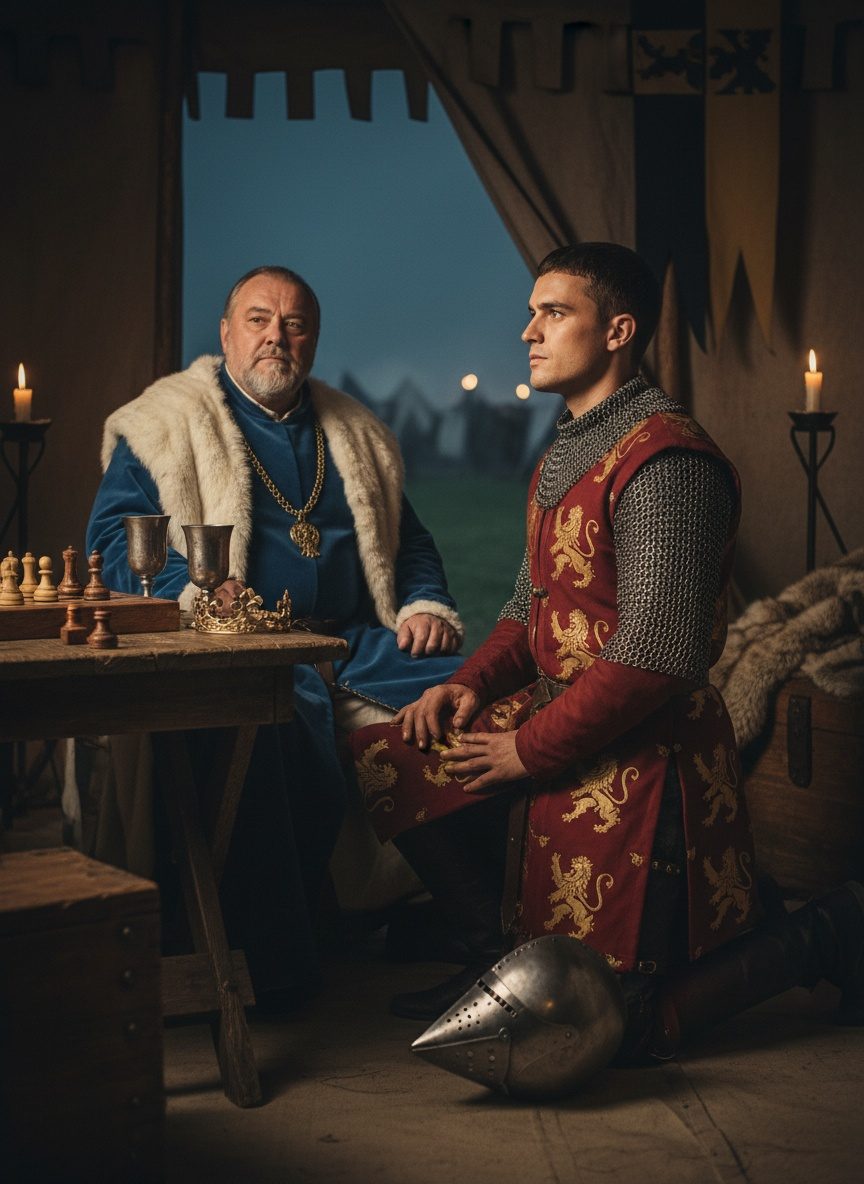
King John II of France played chess that evening. His opponent wasn't a fellow prisoner or a sympathetic countryman, but his captor, Edward the Black Prince. The captured king was treated with a respect that defied the brutality of the battlefield just hours before.
The Chessboard is Set: A King's Capture
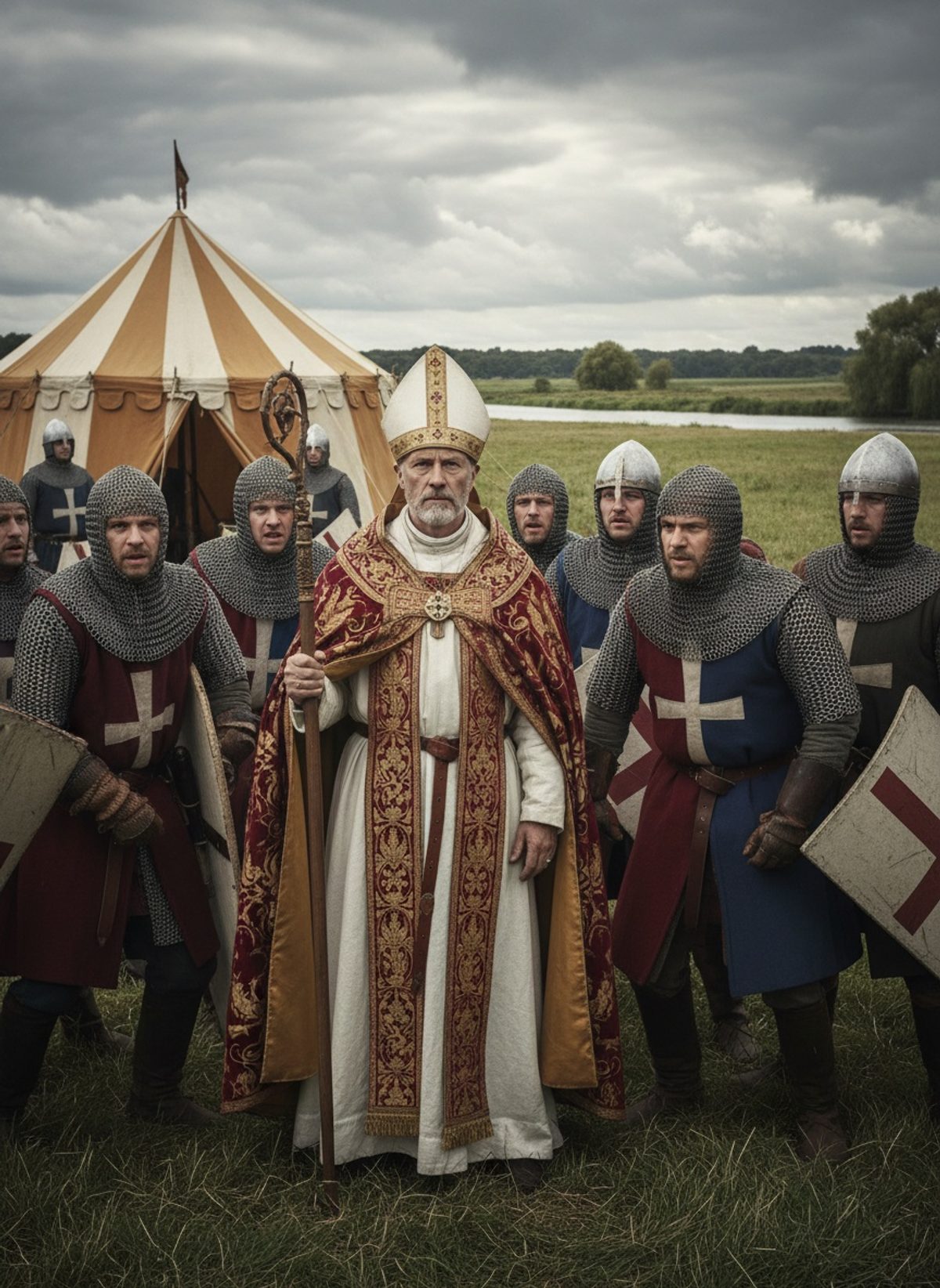
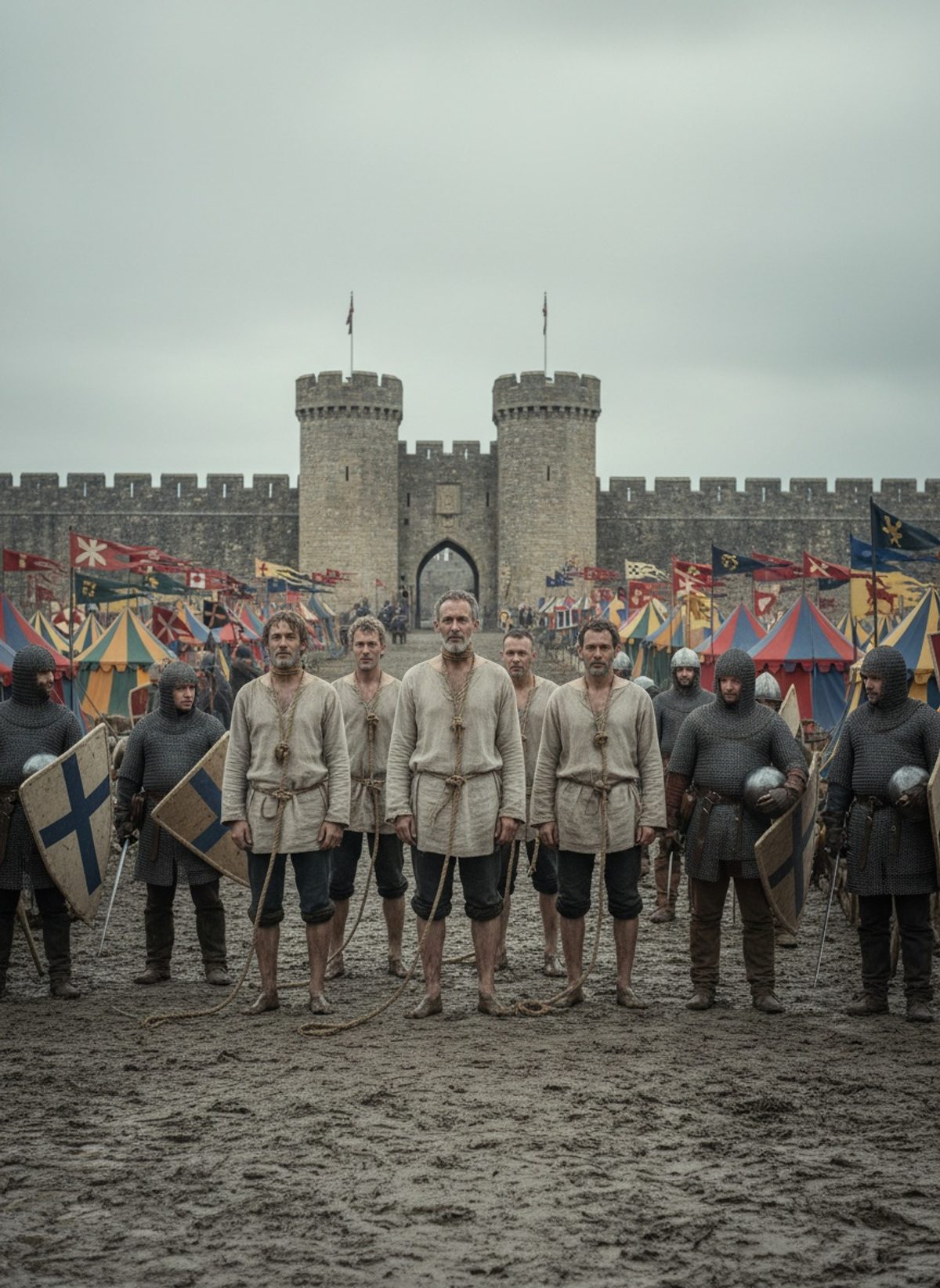
The mist-covered fields near Poitiers had barely settled into silence when the full weight of what had occurred began to resonate across Medieval Europe. On September 19, 1356, the Black Prince, known for his fierce prowess rather than gentle courtesies, delivered a devastating blow to the French army. At just twenty-six years old, he accomplished what seemed unimaginable — not only defeating the mighty French forces but capturing King John II himself. Under normal circumstances, a captured king might expect harsh conditions or humiliations. However, what transpired post-battle left even the most seasoned political observers astonished.
News of yet another English triumph in the Hundred Years' War traveled swiftly, but it was the aftermath that truly captivated Europe’s courts. Instead of asserting dominance through force or humiliation, Edward the Black Prince defied conventions by embracing a chivalric gesture long told and rarely seen. He chose not to bask in his military glory but instead shifted the narrative to one of honor and respect. This was no ordinary knight's tale; it was a living tableau of Medieval ideology where valor met virtue.
A Banquet Unlike Any Other
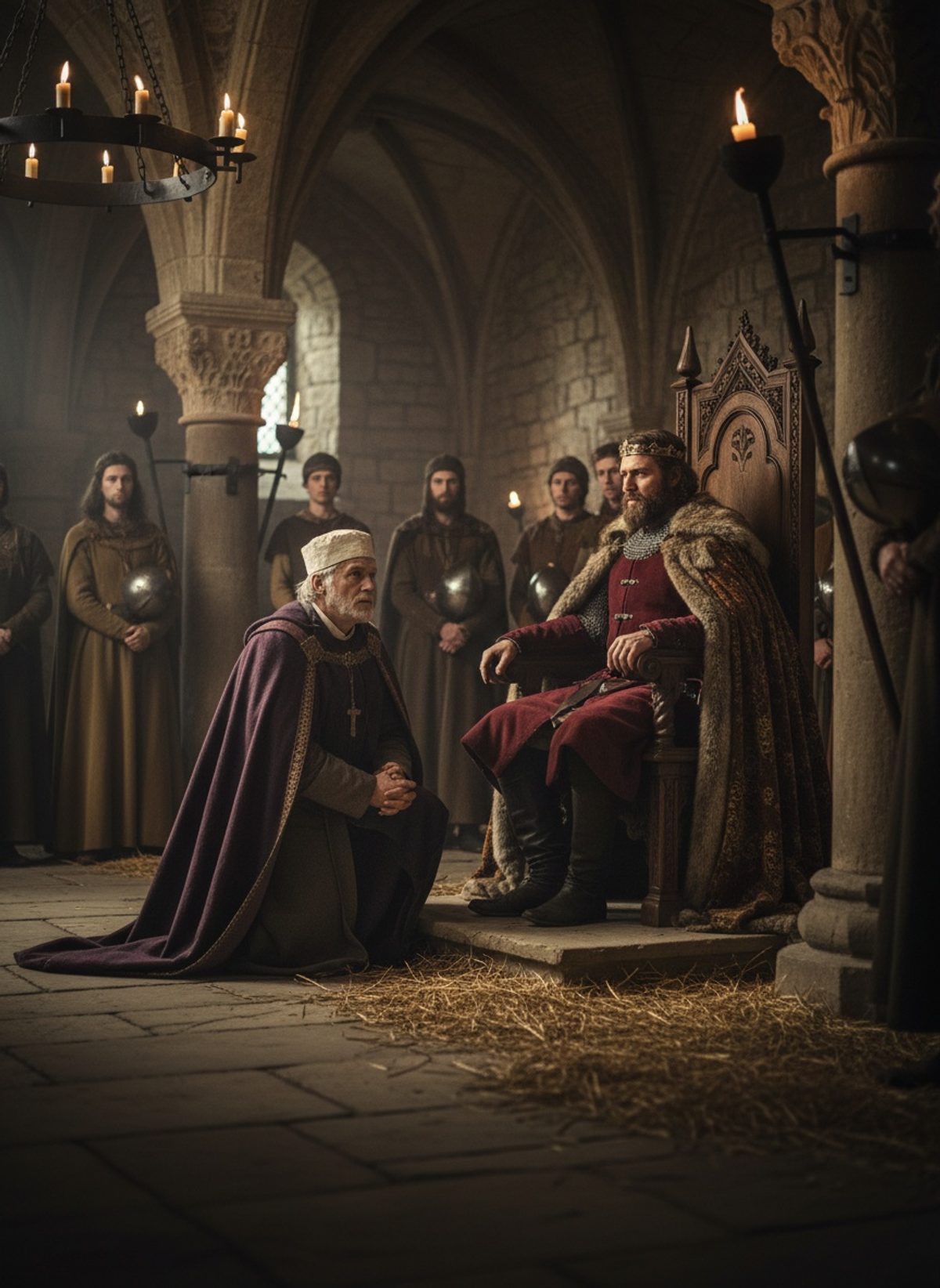
At a hurriedly arranged banquet to honor the captured king, the air in the feasting hall was thick with anticipation. The flickering torchlight cast long shadows, animated by the swirling intrigues whispered among the attendees. The Black Prince, heir to the English throne, descended the steps, yet rather than sitting at the head of the table, custom dictated that King John II be was granted the seat of honor. His appearance, though weary from battle, was treated with lavish indulgence.
Read next: The Day a Queen Walked Into a Rebel Camp Alone
Served with royal delicacies, King John II was not merely a prisoner; he was a monarch still worthy of the highest respect in the eyes of his captor. The Black Prince himself served the prisoner’s meal, creating a striking tableau of humility that reverberated through the annals of knighthood. As he knelt to serve, Edward’s actions broadcast a message far louder than any trumpets: etiquette in defeat as well as victory.
The Game Begins: More Than Just Moves
As the festivities dwindled, within a chamber resonant with the echoes of musical strings and chatter, John and Edward engaged in a chess match. Chess, a game of strategy matched only by warfare's complexity, now became a metaphor for the delicate political dance unfolding between captor and captive. With each calculated move, they bridged the divide of conquest and captivity.
The pieces, intricately carved, symbolized more than just pawns and kings; they reflected the dynastic ambitions and territorial tensions of two great houses embroiled in a decades-long conflict. The game showcased not only mental acuity but a mutual respect forged out of the crucible of battle. For the Black Prince and King John II, chess became a shared language, transcending the confines of chains or shackles of war.
An Anomaly of Warfare
Contradictory to the time's ruthless norm, the Black Prince's actions echoed a bygone age's promises, when chivalry governed the lives of knights. This episode of magnanimity not only elevated Edward’s stature within chivalric circles but also impacted France’s morale. Despite France's devastating loss, King John was emblematic of nobility unbroken by captivity. Edward's actions were a testament to the changing tides within knightly culture, suggesting that might did not always make right.
The ramifications of this event resonated throughout European courts. A captured king serving as a battle trophy was one notion, yet another to enshrine him in the ceremonious dignity of chess. Such tokens of respect could bolster the king's support upon returning home, crafting a narrative of noble resilience rather than mere defeat.
Chivalry in Twilight
The episode of Poitiers, encapsulated by an unexpected chess game and a princely host's veiled humility, framed a fleeting moment where ideals illuminated a darkened age. Despite the inevitable turmoil and bloodshed of the Hundred Years' War, the encounter between Edward the Black Prince and King John II of France carved a narrative that urged both sovereigns and subjects to examine the virtues of honor, respect, and courtesy amidst ongoing strife.
This moment serves as a poignant reminder of the complexities of human behavior and the enduring allure of chivalry even amid destruction. In a world where lines between hero and villain were often drawn with the sword’s blade, both monarchs etched a shared story into the tapestry of Medieval history. As long as tales of knights and kings stir our imaginations, the chess game between captor and captive will linger as a symbol of how respect can transcend even the harshest of conflicts.