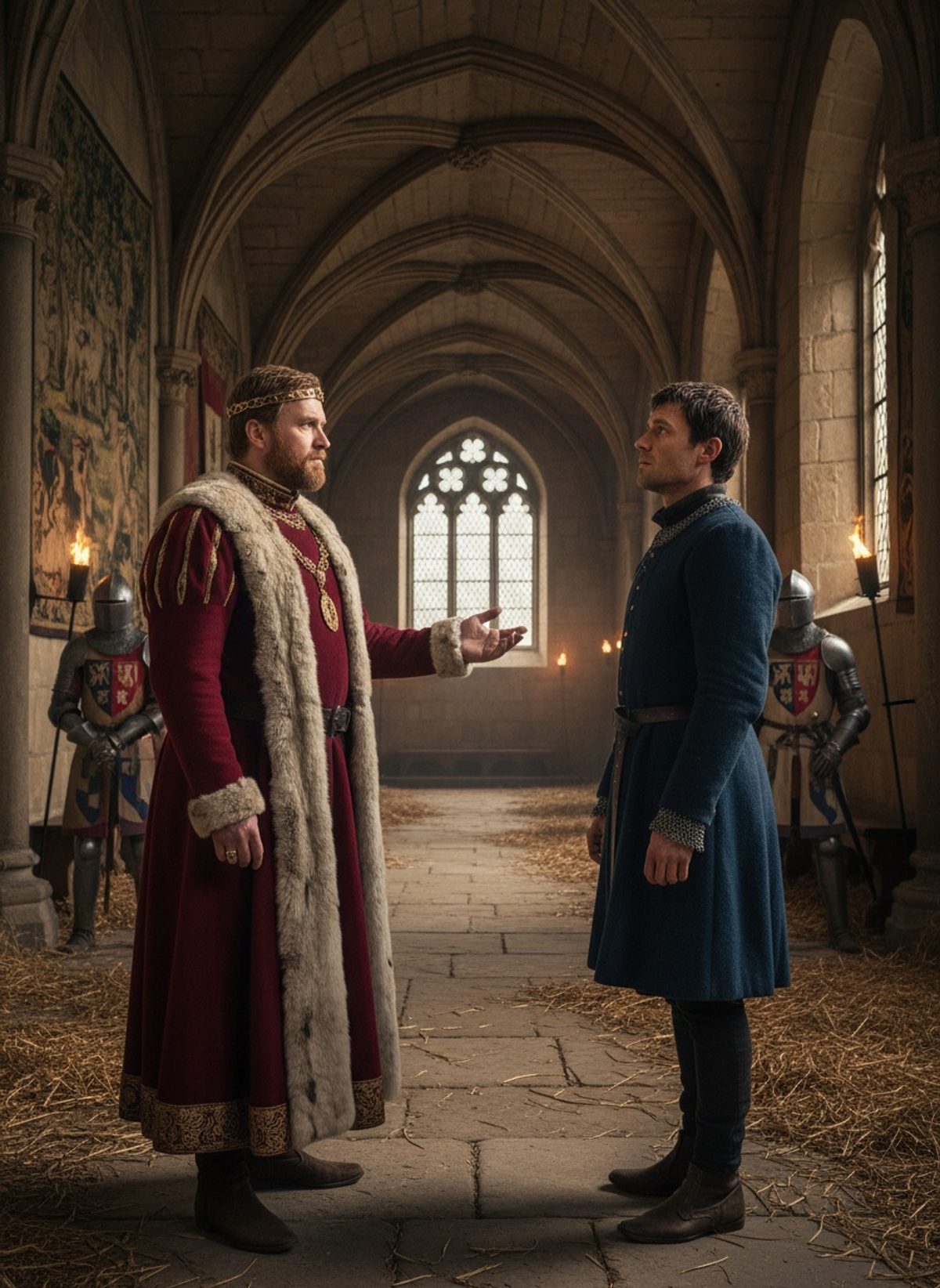
In the heart of the Anglo-Saxon wilderness, beneath the flickering shadows of the marsh reeds, a shivering fugitive king used the earth as his pillow and the sky as his blanket. This was not the existence that Alfred of Wessex had envisioned. His kingdom lay in ruins, torn apart by the relentless onslaught of Viking invasions, and his dreams of a united England seemed to crumble with each passing day. Yet, in the sullen quiet of the Somerset Levels, King Alfred was crafting a legacy that would alter the course of history, ensuring his nation survived not just for a season, but for a millennium.
The Tipping Point in the Swamps
In January of 878, the Viking Great Heathen Army, led by the fearsome Guthrum, launched a surprise attack that forced Alfred into hiding in the marshlands of Athelney. Who would believe that this haggard, defeated figure roaming the wetlands would rise to become one of England's most revered kings? A legendary anecdote tells us that during this period of hardship, Alfred sought refuge with a peasant woman. As the story goes, the woman entrusted him with the simple task of watching her cakes bake over the fire. Preoccupied with thoughts of reclaiming his kingdom, he let the cakes burn, earning a sharp rebuke. Strange as it may seem, such tales of humility added a human touch to the king’s mystique and hinted at the profound metamorphosis soon to come.
This time in the marshes was a crucible for Alfred. He emerged not only battle-hardened but also enlightened. His vision broadened beyond mere survival; he saw the potential for a new kind of kingdom — one united in culture, law, and learning, capable of withstanding the Viking scourge.
The Scholar King
Unlike his predecessors, Alfred was not just a warrior; he was a scholar with an insatiable thirst for knowledge. Recognizing that ignorance was as potent a threat as any Viking sword, he focused on enlightening his people. In 887, he initiated a translation project, rendering key texts from Latin into Old English. His famous Doom Book was a collection of laws combining Mosaic code, Christian teachings, and traditional Germanic laws that offered a more cohesive societal framework.
Read next: The Day a King Knelt to Wash a Beggar's Feet
Unbeknownst to many, he sought to invigorate education across his realm. Alfred believed that a well-informed populace was the cornerstone of any enduring nation. By establishing a school at his court where free men could be educated, he set the foundation for what one day would become the University of Oxford. This emphasis on learning helped ensure that England's cultural and intellectual heritage would flourish long after the Viking threat subsided.
The Architect of Unity
When Alfred retook his thrown, he set about fortifying his defenses, strategically transforming England. Born of necessity were the burhs — fortified towns that enabled local populations to resist Viking raids effectively. By the end of his reign, almost thirty burhs spanned Wessex, laying the groundwork for urbanization that would drive economic growth in the coming centuries.
More than just defensive strongholds, these burhs facilitated commerce and normalized reformed administrative divisions. Alfred's innovations fundamentally transformed the very idea of kingship. No longer was a king merely a warrior chieftain; he was now a guardian of peace and prosperity. His efforts to centralize control and standardize laws across regions under his control helped unify disparate Anglo-Saxon territories, providing a sense of national identity previously unseen.
The Battle That Changed England
Alfred's efforts came to a dramatic head at the Battle of Edington in May 878. This was the turning point when, against all odds, he defeated Guthrum’s forces. Following the victory, the Treaty of Wedmore was forged, cementing Alfred’s strength and leading to the establishment of Danelaw—a portion of England ceded to the Vikings but with Christian obligations imposed. Notably, Guthrum himself adopted Christianity, symbolizing the triumph of culture as much as force.
Less remembered but equally transformative was Alfred's naval innovation. Recognizing the Viking mastery of the waves, he designed a fleet of ships larger and more stable than Norse longships. These prototypes of the English navy were direct harbingers of the maritime supremacy that England would achieve centuries later.
The Lasting Gift
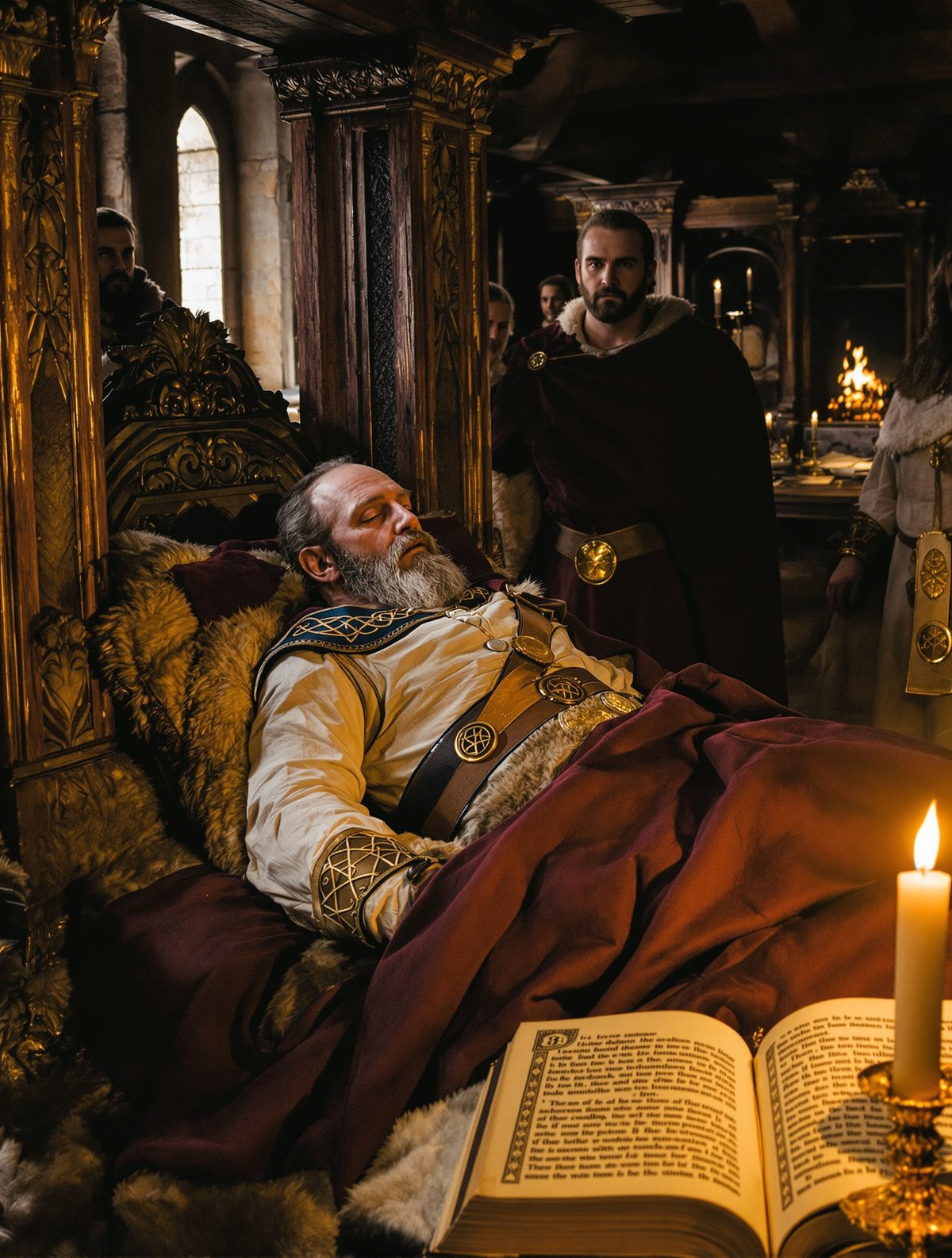
When death beckoned King Alfred on October 26, 899, he left behind not just a fortified and reorganized south of England but also a coherent vision of a united realm — what would one day come to be known as "England." His son Edward would inherit an unprecedentedly strong kingdom with the means to flourish. It was often said that Alfred's greatest achievement was to hold the nation together, ensuring it was worth inheriting.
Yet, perhaps Alfred's most enduring contribution was his demonstration that even in dire straits, leadership rooted in wisdom, education, and vision could turn catastrophe into legacy. His life and reign went far beyond a simplistic narrative of battles won and lost. They illustrate the ascendancy of a king whose determination, intellect, and faith in his people won something that could never be captured by sword alone.
Why This Matters Today
Alfred the Great's life and legacy remain a profound reminder of the power of resilience and foresight. In a world where empires rise and fall on the whims of conflict and fortune, the tapestry Alfred wove highlights the importance of intellectual and cultural unity as foundational pillars to a nation’s longevity. His ability to envision a brighter future through tribulation offers instructive insights to modern statesmen and the public alike.
As modern societies grapple with challenges of unity and identity, the tale of Alfred in the marshes — a king who dared to dream while grounded in the reality of his people's needs — serves as a timeless mirror to aspirations of a just and enlightened sovereignty. Indeed, Alfred’s England was not just saved for his son; it was saved for humanity.