On the Roads Less Traveled: The Humble Beginning
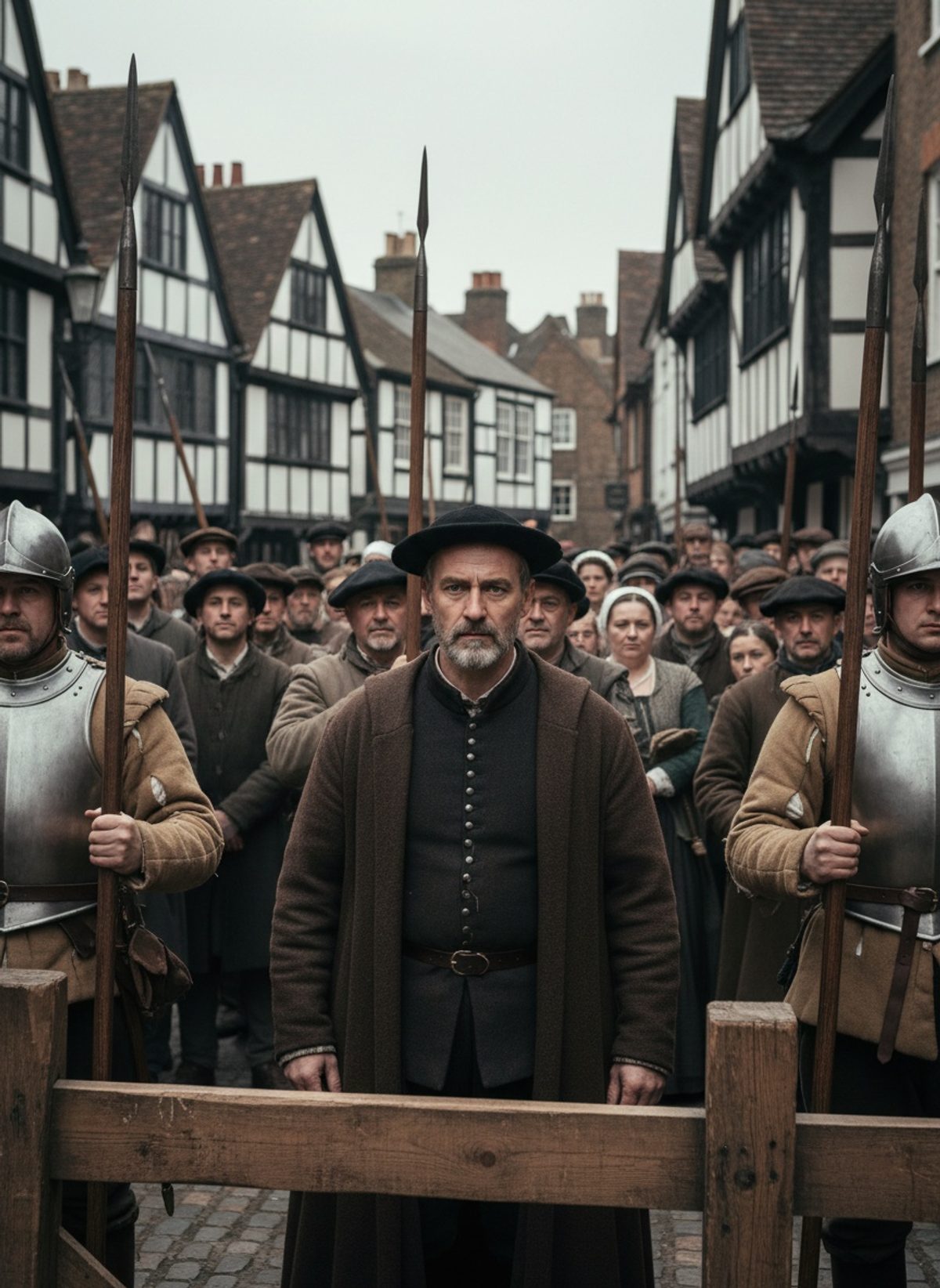
In the year of 1495, long before the whispers of revolution echoed through England's cobbled streets, Miles Coverdale was born to a modest shoemaker in the Yorkshire town of York. Little did anyone suspect that this seemingly unremarkable son would grow up to be the architect of a literary marvel that would reverberate through the ages. As the morning mist rolled through the medieval alleyways, young Miles lived a life grounded in simplicity and toil, seemingly far removed from the power struggles and ecclesiastical debates that simmered within the court of Henry VIII. Yet within him brewed a radical notion — to translate the Bible into the vernacular language of the people, so every English man and woman could drink from its sacred fountain.
A City's Secret: Antwerp and the Printing Revolution
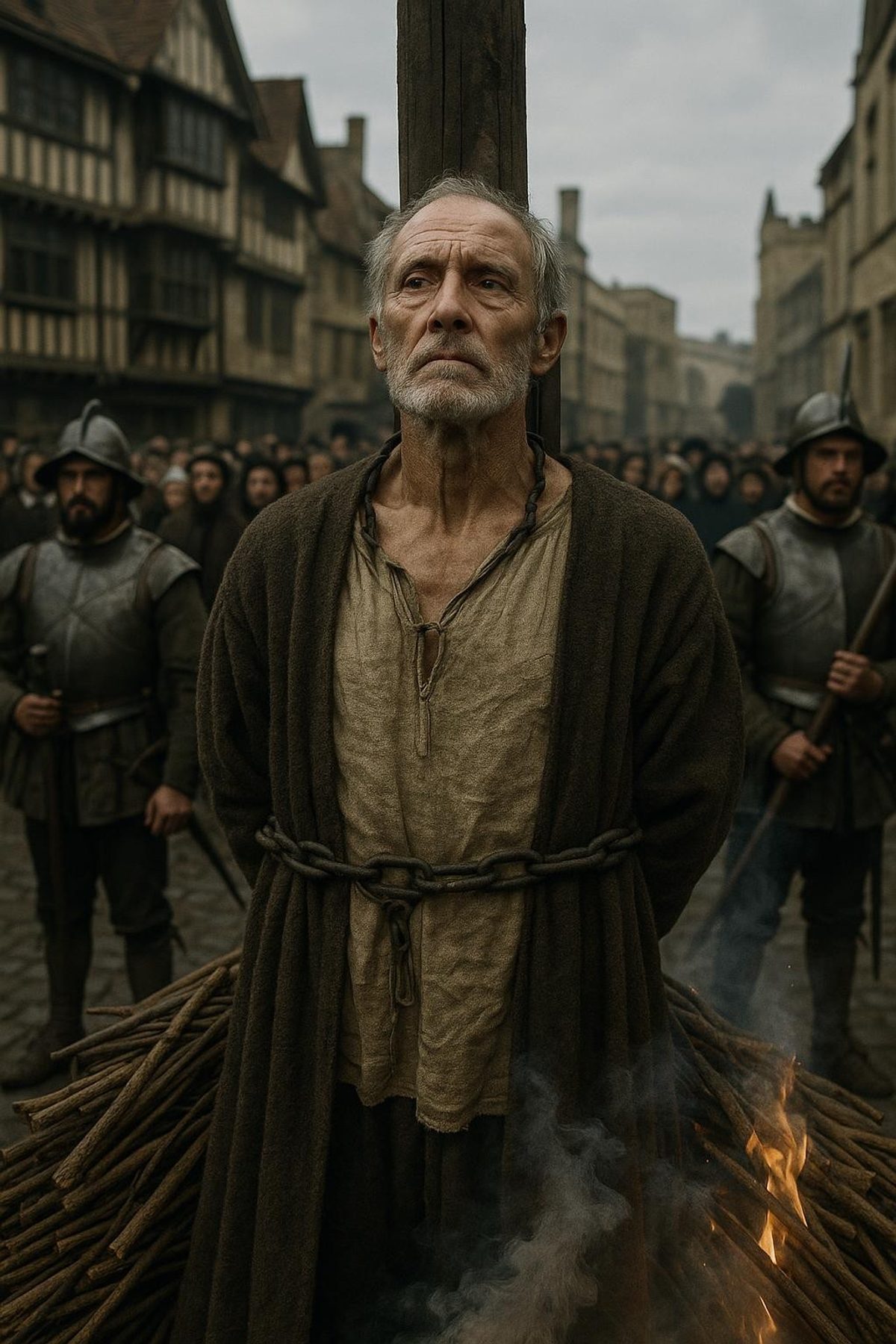
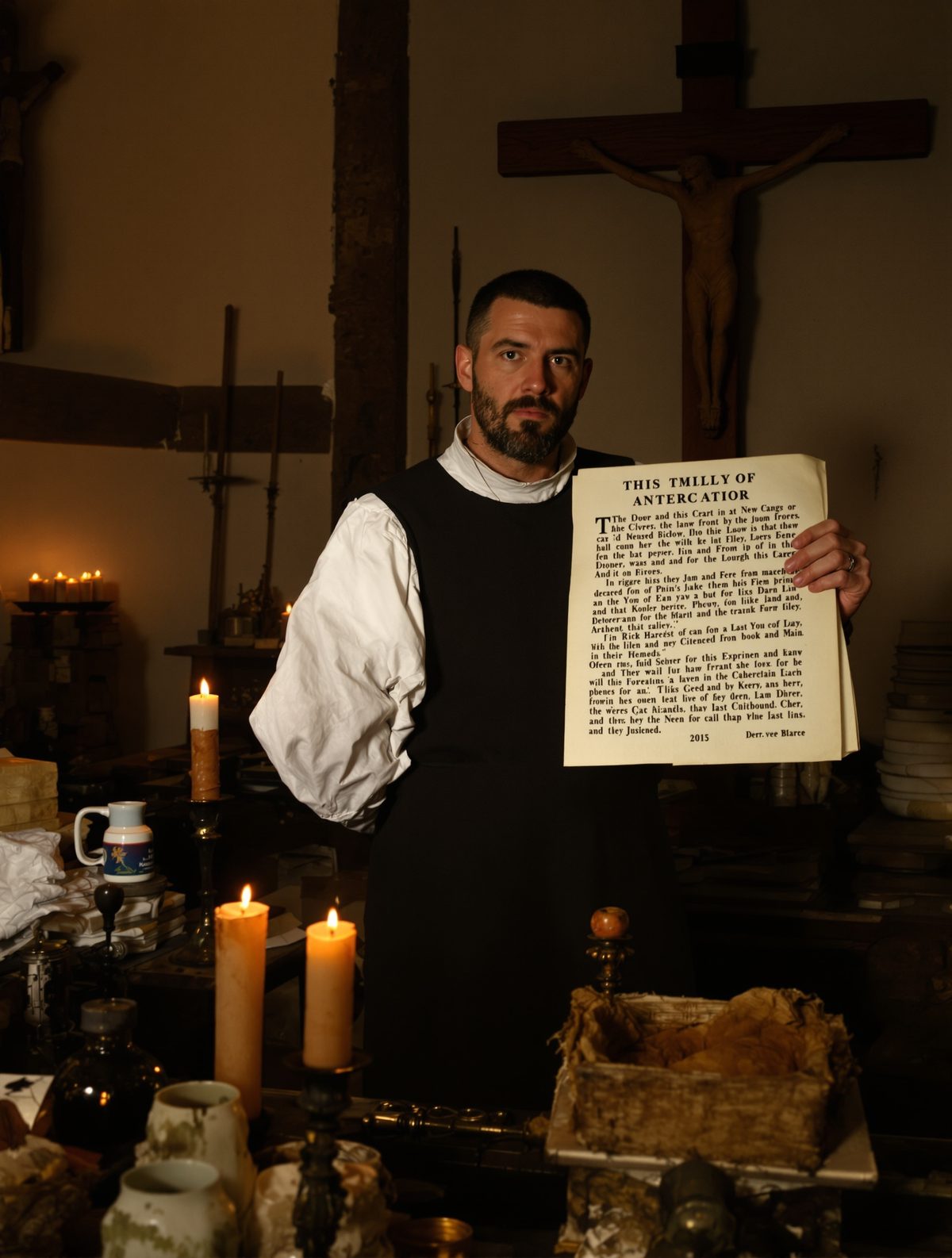
As the calendar pages turned to 1535, Antwerp became the pulsating heart of a burgeoning printing industry that threatened to upend the conventions held sacred by both the Crown and the Church of England. In a time when translating the Bible into English was a crime punishable by death, the city offered an anonymous shelter for those pursuing forbidden knowledge. Here, amidst the clatter of printing presses and the scent of fresh ink mingling with the damp cobblestones, Miles Coverdale toiled tirelessly over scriptures, from Genesis to Revelation. Unlike his contemporaries, Coverdale had neither the intellectual prestige conferred by a university education nor the opulent patronage to soften his endeavor. What he had instead was an unwavering belief and a manuscript that would shift the tectonic plates of English spirituality.
The Manuscript: Letters and Language for Every Soul
Coverdale's task was formidable. He embarked on his translation not from the original Hebrew and Greek texts but from the Latin Vulgate and the German scriptures of Martin Luther. For every verse he painstakingly translated, Coverdale bridged the gap between the language of the learned and the voice of the people. His was not the first attempt. William Tyndale’s translations of the New Testament, completed a decade before, had been the subject of relentless persecution. This venture, however, was unique — it was an entire Bible, crafted in English, from parchment to press.
Read next: The Day a Stuart King Walked Calmly to His Own Execution
The completion of this herculean task culminated on October 4, 1535. The completed Coverdale Bible was published, placing the divine word into the hands of the common populace for the very first time. The sheer audacity of it was breathtaking — a Bible not confined to the cloistered Latin of priests, but one every ploughman could call his own.
Ripple in the Court: From Excommunication to Reformation
Coverdale’s Bible reached England at a time of enormous religious upheaval. Henry VIII's infamous rift with Rome, painted in broad strokes across the canvas of history for his matrimonial escapades, provided a complex backdrop to Coverdale’s endeavor. With a sharp wit and an even sharper quill, Coverdale wove the words of God into the rhythm of the English tongue, propelling commoners into the religious dialogue that had long excluded them.
Shockwaves rippled through the halls of power. Despite initially being deemed a heretic work, the Coverdale Bible indirectly buttressed Henry’s burgeoning Protestant Reformation by reflecting the King's desire for ecclesiastical autonomy from the papacy. By 1539, the infamous Act of Six Articles reaffirmed Catholic doctrine in many respects, yet the seeds sown by Coverdale could not be easily uprooted.
Coverdale's Legacy: Seeds that Blossomed Through Time
Miles Coverdale outlived many of the unyielding teachings of his time. Though his Bible would eventually be eclipsed by the more authoritative King James Version of 1611, the influence of his pioneering work cannot be overstated. It wasn’t just a triumph of translation; it was a triumph of ideation — the first complete English Bible pervading farmhouses, marketplaces, and courtrooms, making the sacred accessible.
Eminent historians often overlook the quiet revolution penned by this humble clergyman, overshadowed by the tumult of Tudor court drama and the seismic shifts of the Reformation. Yet, a single thread of ink through the looms of history binds Coverdale’s audacious manuscript to contemporary discussions on religious accessibility and pluralism. From clandestine workshops in Antwerp to bustling libraries worldwide, the legacy of Coverdale's dreams persists in nearly every modern English Bible today.
Echoes of the Past: Why Miles Coverdale Matters Today
In an age defined by digital revolutions, where information transcends borders at the click of a button, the story of Miles Coverdale reminds us of the power vested in words — and the risk associated with wielding them. His journey from a shoemaker’s son to an agent of immutable change emphasises how determination can kindle light even in the darkest periods of censorship and persecution.
.Today, as we leaf through pages that were once invisible to the layman's eyes, it is as critical as ever to celebrate and reflect on the courage of men like Coverdale. For the freedom to read, interpret, and question remains a privilege — one that Miles Coverdale helped bequeath to every subsequent generation.