The streets of Birmingham were often blanketed in a suffocating cloak of coal soot and shadow. Gaslight was a madman’s dream; a vision of the future relegated to the minds of those deemed foolish enough to believe they could illuminate the night. Yet, on one fateful evening in 1802, the world’s first gaslit street exploded into life, orchestrated not by the engineers of towering acclaim, but by the vision of a blind boy and the diligence of a Scottish inventor named William Murdoch.
The Glow from the Gloaming
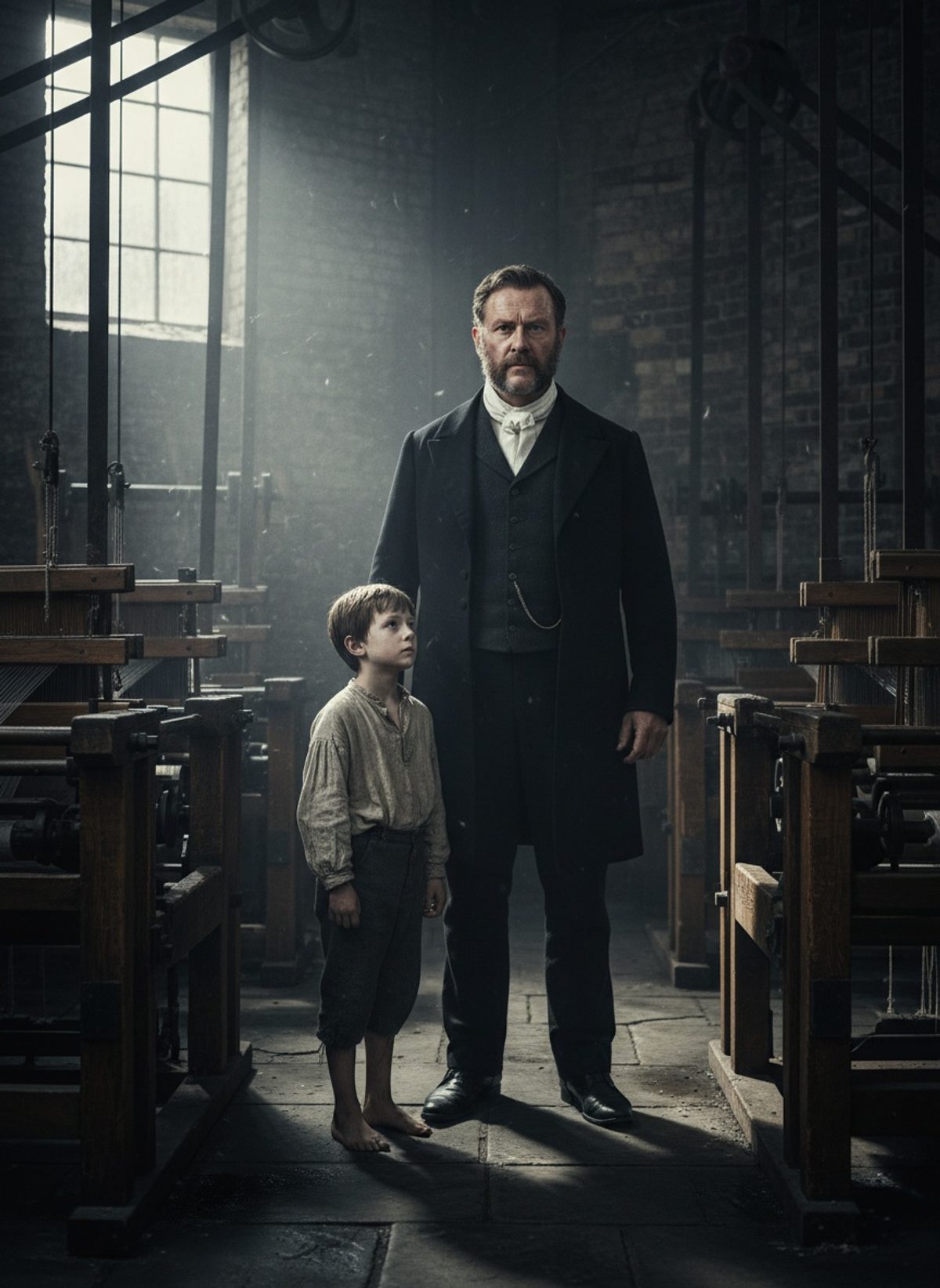
In 1802, Birmingham was a city of striking contrasts, a cacophony of the ancient and the bleeding edge. Cotton mills hummed night and day, ironworks belched smoke into a sky—made fiery by the numerous forges below—while the streets remained eerily shrouded by impenetrable darkness each nightfall. William Murdoch, a Scots engineer residing in Birmingham's shadows, had a glimmer in his eye. He envisioned a future painted not in brushstrokes of soot, but in the stark glow of gas lamps.
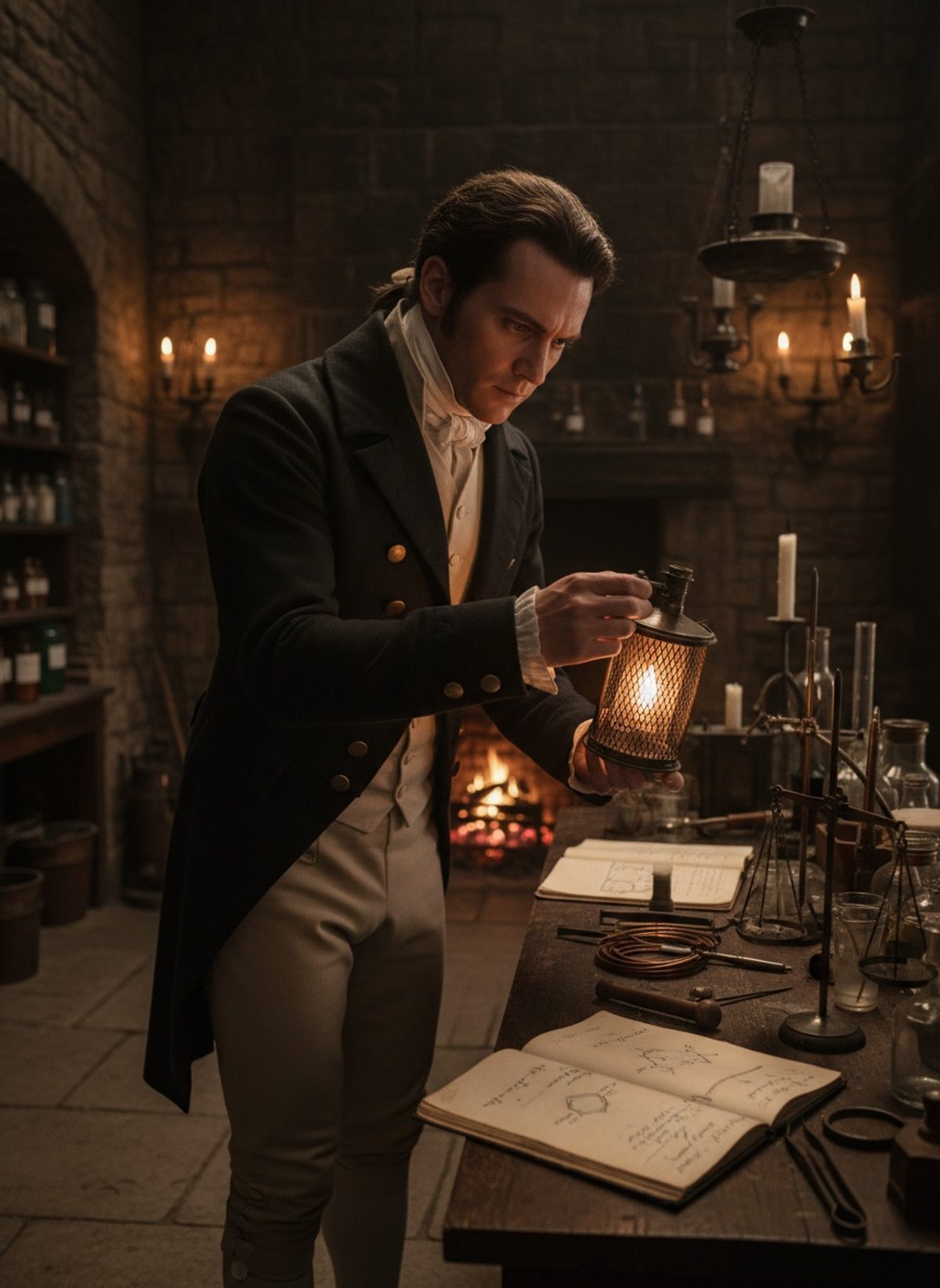
Murdoch was restless with an idea born from a solution he first proposed while working at Boulton and Watt, a key player in Britain's industrial machinery sector. He was captivated by the potential of coal gas, believing it could dispel the shadows perpetually engulfing Britain's urban nightscape. He was an evangelist of illumination, burning the midnight oil — quite literally — in pursuit of his goals.
The Skepticism of Scholars and Sages
The price of being ahead of one's time is often derision. For constructing a narrative of nocturnal clarity, Murdoch paid in scorn. His colleagues at Boulton and Watt largely scoffed at the notion of collecting gas from coal distillation to replace the modest flame of a candle. Even James Watt himself, co-founder of the firm and a man known for innovations, regarded Murdoch's ambitions as fiddly distractions.
Read next: The Day a Mill Owner Kept Paying Wages He Could Not Afford
Yet Murdoch, with his characteristic tenacity, continued experimenting. Utilizing his personal fortune, albeit limited, he purchased the materials and crafted prototypes. His early experiments bore strategic fruit when in 1792 he successfully used coal gas to light his home in Redruth, Cornwall. Still, the public remained unconvinced, and Murdoch returned to Birmingham to grapple with yet another challenge: lighting up something larger.
The Blind Visionary
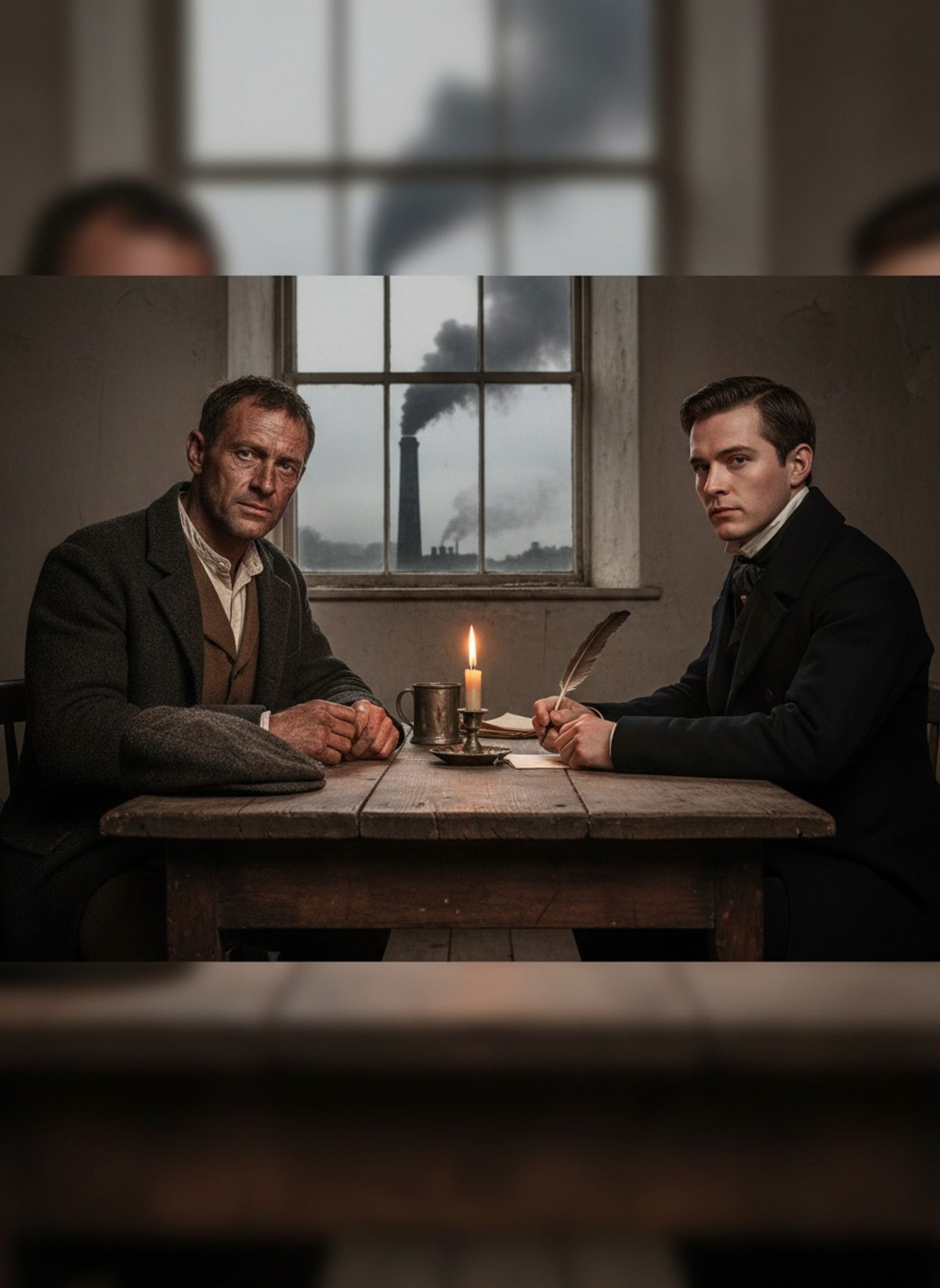
Fate would conspire in the most unexpected of allies. One of the most heartening tales entwined with Murdoch’s triumph is that of Thomas Kershaw, a blind teenager with a mind for mechanisms and a heart hungering for light. Kershaw was an employee at the Soho Foundry, and despite his blindness, he possessed an uncanny ability to understand complex mechanical systems.
Kershaw's intuitive grasp of the operation of Murdoch's mechanisms allowed him to contribute unexpectedly to this emerging technology. When the fateful night of testing was appointed, it was Kershaw’s hands—navigating darkness with ease, if only because it was his constant companion—that struck the spark. When the hiss of gas caught flame, and the modest gas lamps lining the foundry’s path erupted into light, it was more than science—it was magic.
The Night Milestones Changed
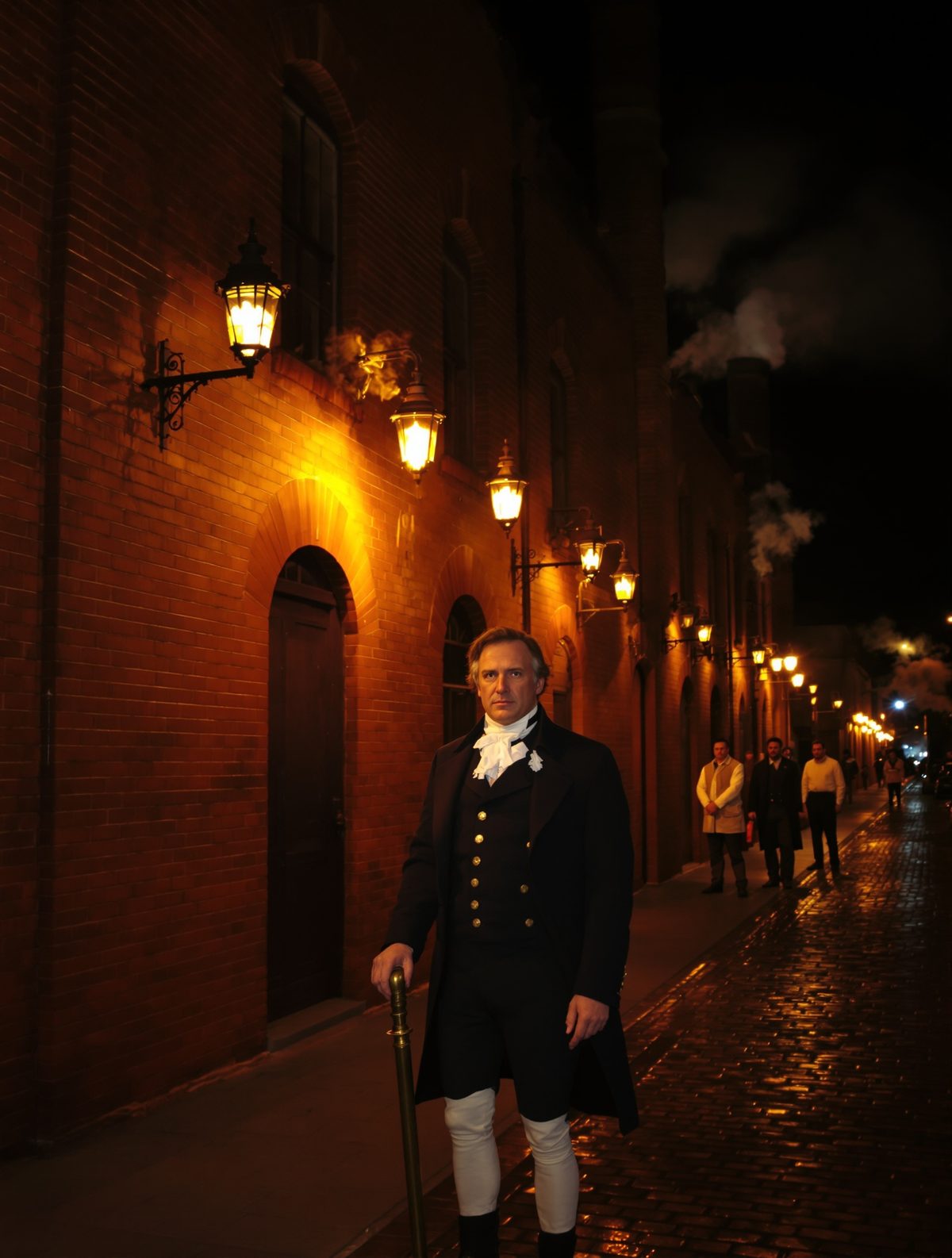
On that profound evening of 1802, the skeptics were silenced. Witnesses to the event described the miraculous quality of the street illuminated as if by some divine intervention. Murdoch stood triumphant, his belief in the tide of innovation finally vindicated. The ruddy glow from each lamp transformed the streets into a tapestry of progress, making the once shadow-hidden thoroughfare the centerpiece of astonishment and curiosity.
Over the subsequent years, Murdoch’s achievement blossomed into widespread adoption. By 1807, the Pall Mall in London became the first public thoroughfare in the country to be fully illuminated by gas light—a harbinger of the sprawling networks soon to lace across Britain and beyond.
Why the Light Still Matters
The legacy of William Murdoch is not simply one of a light switch flipped in history but rather a revolution in how people perceived and interacted with night-time spaces. Illuminating the streets expanded nightlife, commerce, and intellectual exchange, profoundly reshaping urban civilization. By harnessing the possibilities of the Industrial Revolution, Murdoch and his visionaries laid the groundwork for today's 24-hour society.
Moreover, the unexpected collaboration between an imaginative inventor and a sightless technician demonstrates the unpredictable pathways through which innovation can travel. It is a testament to possessing the courage to see in the mind’s eye what others refuse—and a reminder of the power of diverse perspectives in nurturing innovation.
As we bask in the enduring glow of technology's advances, the story of the blind boy and the Scottish pioneer is a reminder: even in the darkest night's depths, there remains an unfettered potential to light the world if we only dare to strike the match.