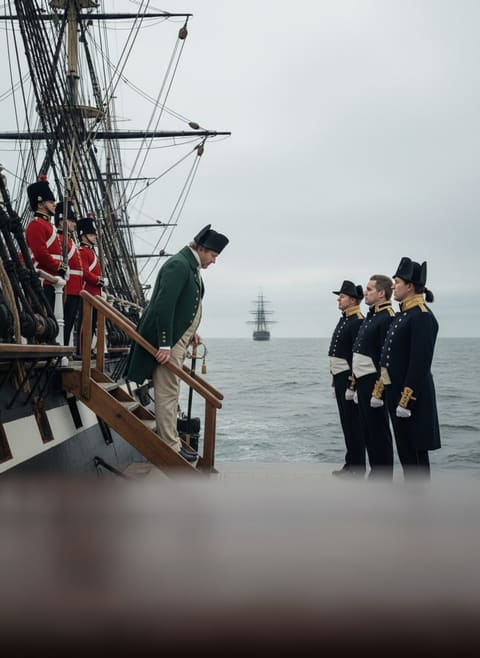
The South Atlantic at dawn is a study in contrasts. The horizon stretches endlessly, its pale light struggling through the heavy mists that cling to the waves. As the swells rise and fall, the water whispers secrets of the deep, where ancient conflicts sometimes stir from their centuries-old slumber. On a day like May 2, 1982, this bleak serenity was about to be shattered by the explosion of modern warfare.
The Shadow in the Depths
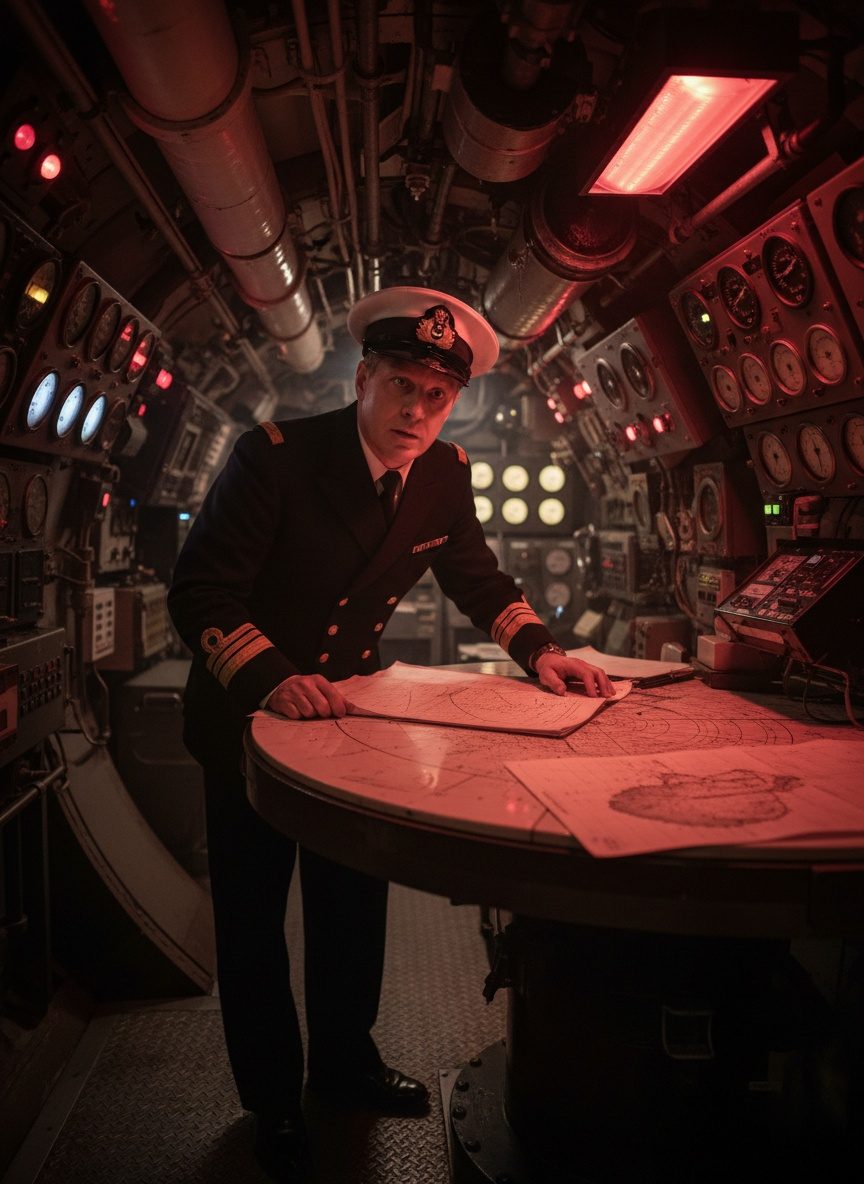
Beneath the deceptively gentle surface of the South Atlantic, the HMS Conqueror glided silently, a hunter in search of its prey. This British nuclear-powered submarine was part of a larger fleet maneuvering around the Falkland Islands, a remote archipelago caught in the throes of a bitter territorial dispute between Argentina and the United Kingdom. The air was thick with tension and anticipation; the sounds of war were carried on the ocean breeze, whispering of the battles yet to come.
Against this backdrop of geopolitical chess, the task given to the Conqueror loomed heavy: trail and, if necessary, engage the Argentine naval cruiser, ARA General Belgrano. The decision, made in the war rooms far from the chill of the Southern Hemisphere, was rooted in strategic defense — a necessary gambit in a high-stakes game.
The Decision That Sealed a Ship's Fate
The order to attack the Belgrano was not given lightly. After an intense debate, British Prime Minister Margaret Thatcher and her war cabinet grappled with the implications of such an aggressive action. The cruiser, bristling with formidable artillery but outdated by contemporary standards, was positioned outside the established exclusion zone around the Falklands. Yet, intelligence suggested it was plotting a move that could threaten British forces and escalate the conflict.
Read next: The Night the British Ate the President's Dinner
In those tense hours, the cold precision of military calculations triumphed over the warm allure of diplomacy. Three torpedoes streaked through the icy waters toward their target, leaving no room for doubt or regret.
The Echoes of Tragedy
The impact of the torpedoes shattered the Belgrano's hull, unleashing a chaos of displaced water and mangled steel. Fires erupted, smoke billowing against the morning sky as the cruiser began to list. Though efforts to save the ship were valiant, the sea claimed the vessel with a remorseless finality. Three hundred and twenty-three brave men perished, their sacrifice marked by the silence of the deep.
Yet among the survivors, a clear voice emerged. Captain Héctor Bonzo, who had gone down with his ship but lived to recount the ordeal, staunchly dismissed notions of illegitimacy. In his view, the Belgrano's sinking was a tactical act within the grim reality of war, not a crime on the treacherous fields of diplomatic intrigue. The captain's conviction was echoed by his Admiral and government, undermining the narrative of victimhood that would persist for decades.
The War Crime That Never Was
In the aftermath of the attack, the front pages of British tabloids screamed triumph, while Argentina mourned its lost sons. International voices soon joined the chorus of outrage, framing the attack as a cowardly assault on a retreating ship. Yet those who understood the nuances of naval warfare knew the boundaries of combat were often hazy, drawn by the dictates of necessity rather than morality.
Read next: The Day a One-Eyed Admiral Sailed Into the Line of Fire
While political figures scrambled to control the narrative, the voices of those closest to the tragedy — those with the most to lose — rejected the notion of murder. In a rare twist of history, the supposed victims stood against their own martyrdom. The Argentine government's admission of the Belgrano's offensive positioning served as an uneasy salve to simmering tempers, a testament to the ship's wartime purpose.
The Weight of History
As we reflect on the murky waters of conflict and consequence, the story of HMS Belgrano invites us to consider the boundaries of justice in war. It challenges simplistic notions of right and wrong, forcing a confrontation with the uncomfortable truths of military necessity. For in war, decisions are not always measured by morality but by survival and strategy, the lines between them drowned in the turbulent seas of history.
To turn away from such complexity is to miss the broader lessons of the Belgrano's fate: in a world where battles are fought with both words and weapons, perhaps the most crucial battleground remains within our own understanding. The South Atlantic may no longer echo the clash of 1982, but its waters still hold the memory of that pivotal day when the boundaries of war were tested in silence and loss.