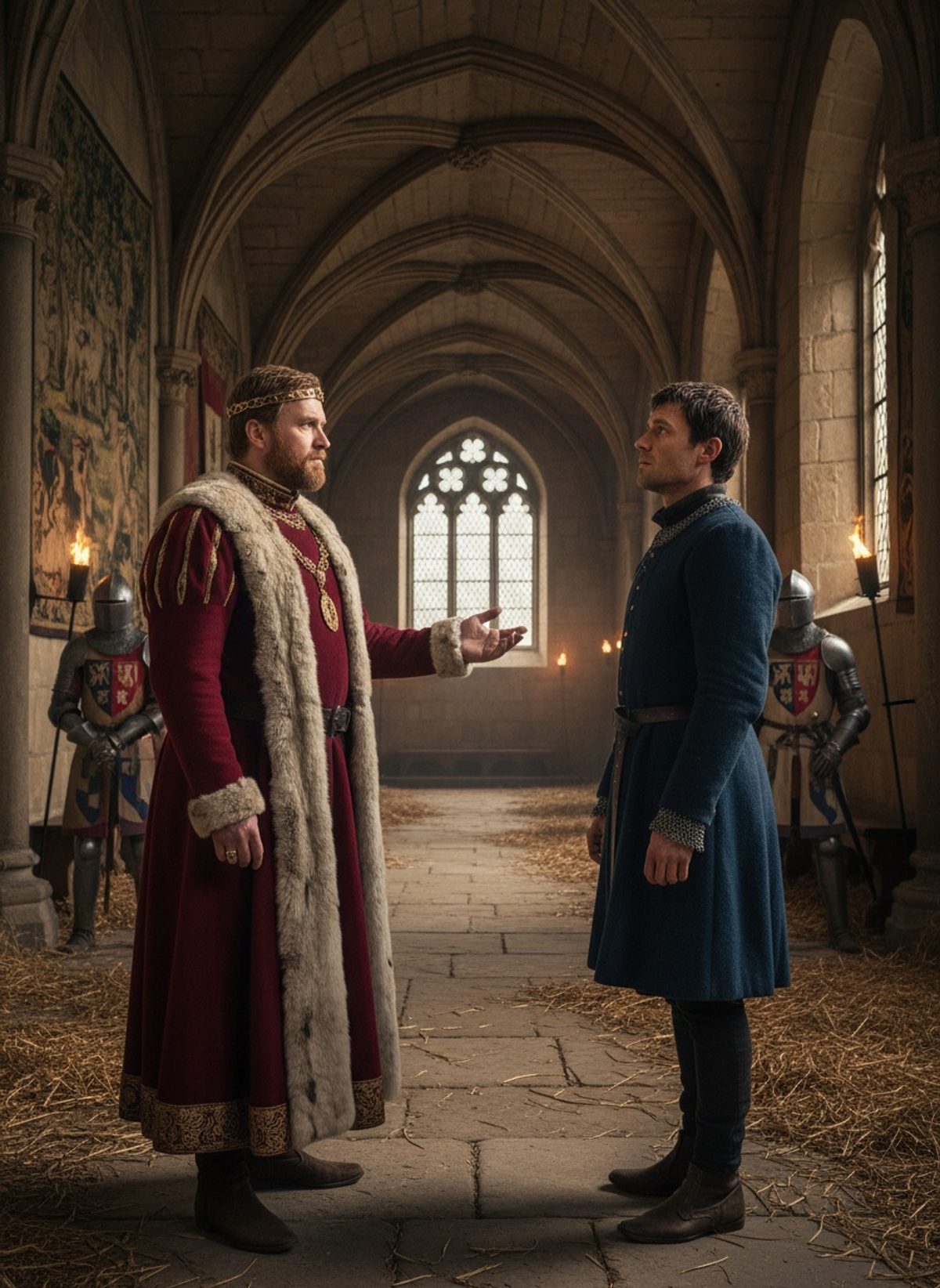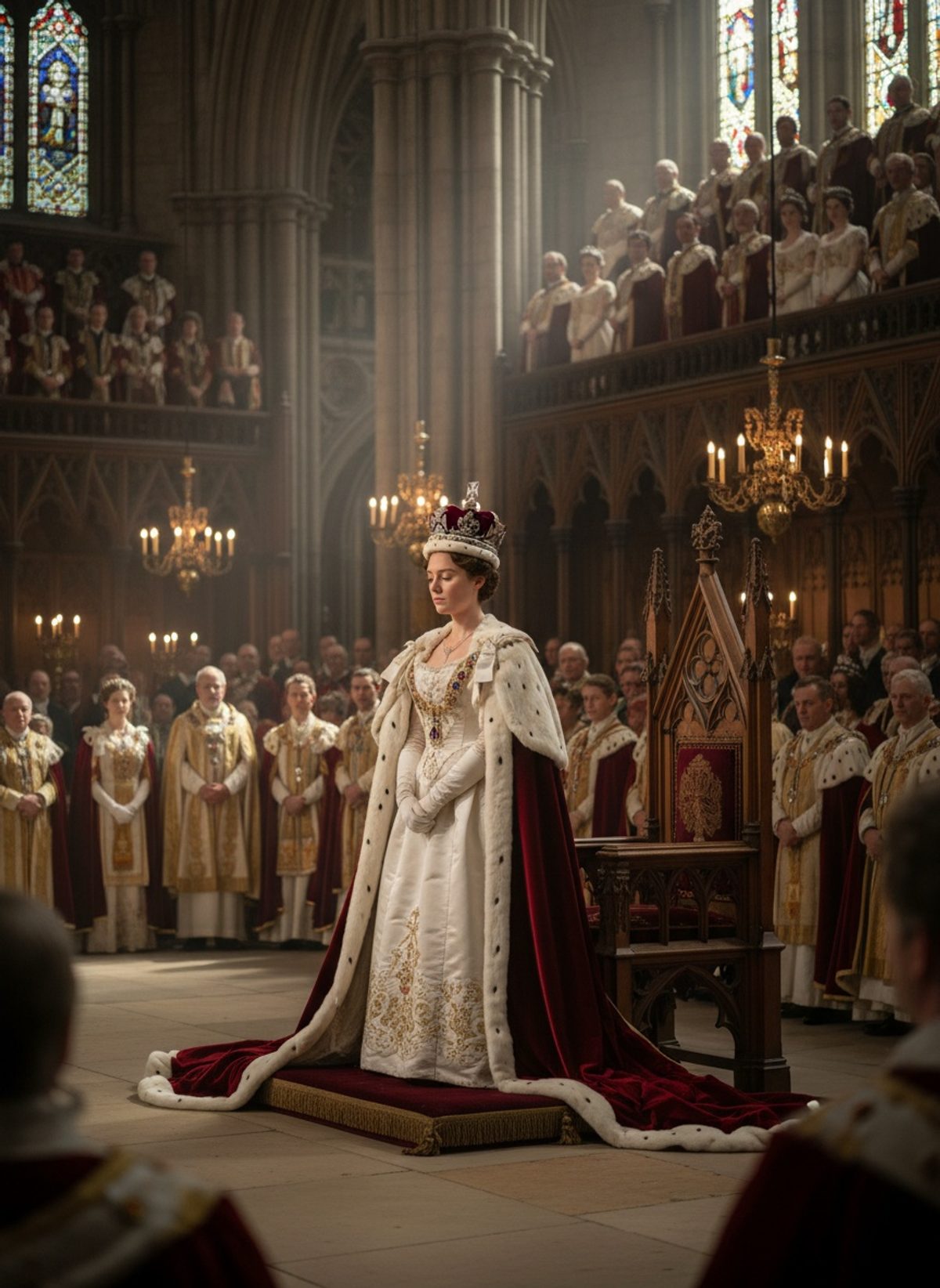
He believed he was divinely chosen. Richard II did not need the approval of men to rule — or so he thought.
The Burden of the Crown
Richard II's reign began with promise when he ascended to the throne at just ten years old. A boy king amid the turmoil of the Hundred Years' War, his reign was an emblem of hope for a nation still tender from conflict and plague. Yet, the weight of the crown proved an insurmountable burden. As he matured, Richard's rule became characterized by a divine right doctrine, overconfidence, and suspicion. To Richard, his crown was not simply an inheritance but an irrevocable gift from God.
The young monarch exhibited an extravagant taste. His court was a dazzling array of riches, with furs, jewels, and feasts that echoed the grandeur of his self-image. Richard's spending habits and favoritism towards a close circle of associates alienated many. At the fore was his decision to pursue peace with France despite the ongoing struggle for dominance over lands across the Channel. This move, intended to conserve resources and stabilize his realm, further deepened mistrust among the nobility.
By the time he reached adulthood, the relationship between Richard and his subjects had soured. His belief in his God-given right to rule bordered on tyranny. He abruptly dismissed parliamentary decisions and brutally stamped out dissent, famously suppressing the Peasants' Revolt of 1381 with ruthless efficiency. Authority, as Richard saw it, was to be wielded like an iron scepter, its weight felt more than the love it might inspire.
Read next: The Day a King Knelt to Wash a Beggar's Feet
The Gathering Storm
Tensions came to a head when Richard's demands for unwavering loyalty clashed with the ambitions of his cousin, Henry Bolingbroke. Henry was a seasoned warrior and politically astute, markedly different from the sheltered king. The friction between them was inevitable, and when Richard banished Henry and seized his inheritance, the scales tipped toward confrontation.
In exile, Henry found support among the disenfranchised nobles who viewed Richard's tyranny with growing fear and anger. They saw in Henry a potential liberator who could restore balance and uphold the traditional rights of the English peerage. With their backing, Henry made his move under the pretense of reclaiming his dukedom, but his ambitions stretched beyond those lands.
The year was 1399, and England stood on the brink of civil unrest. As Richard traveled to Ireland to quash yet another uprising, Henry seized this opportunity to return. His landing in England was met not with hostility but with open arms. Nobles rallied to his cause; the momentum of discontent had become inexorable. Richard returned from Ireland to find his country turning like a tide against him.
The Fall of a King
Detained in the formidable Tower of London, Richard faced the consequence of his alienated rule. He had seemingly deprived England of his presence only to find that absence birthed no longing, just rebellion. It was here, under those ancient stones, where the once-unassailable king sat defeated. The decision to surrender his crown was not just an act of political defeat but a profound personal humiliation — a tragedy of his making, unfolding in the shadow of the throne he had thought invincible.
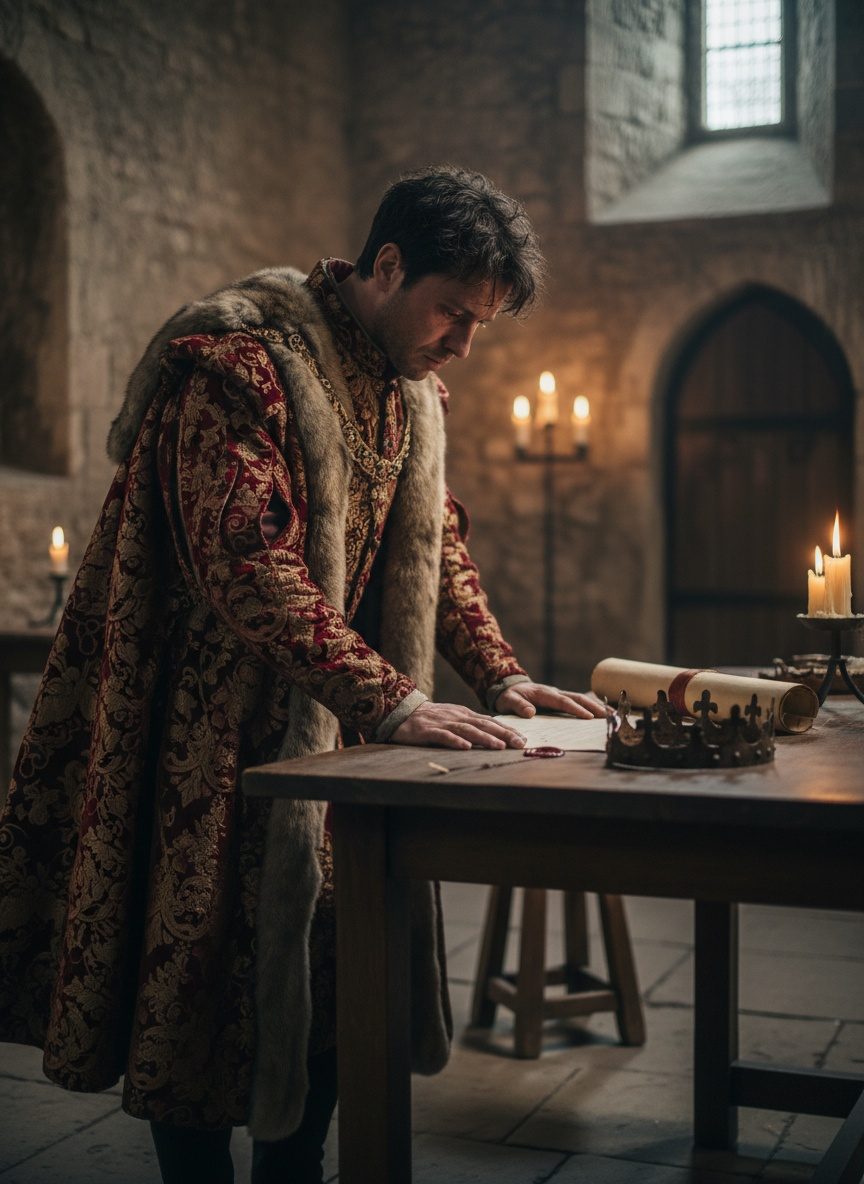
On a somber day in September 1399, the Royal Council convened with the historic instruction once unfathomable: to formally remove Richard from the throne. Alone, without the pomp that had defined his reign, Richard placed quill to parchment. Signing away the crown was an act of relinquishing not just power, but identity. No grand battle or dramatic siege, just the quiet scribble of a pen — the ink seal of his downfall.
Witnesses watched as the fragile flame of divine kingship flickered out. Richard did not just yield his crown to a foreign enemy; he handed it over to blood — his own cousin, Henry Bolingbroke. In this familial betrayal, the notion of conquest and kingship was turned inward, within the walls of the English monarchy.
The Aftermath and Its Legacy
Henry, now Henry IV, rode to his own coronation in triumph. The act was not marked by chains for the wearer but by the reforging of England's future. A kin had risen, not from the ashes of foreign invaders, but the nation’s own lineage. Yet, as Henry ruled, echoes of Richard's ousting lingered, like the tolling of a far-off church bell during still mornings — a reminder of the brittleness of divine right and the enduring strength of human ambition.
In the annals of history, Richard II became a figure both pitied and vilified, his rule an intricate tapestry woven with the threads of human flaw. The day he signed away his crown was not merely a transfer of power but an illustration of a deeper truth. Leadership is neither divine nor absolute; it is a frail construct of mortal hands, susceptible to the very same vulnerabilities it governs.
This story, overshadowed by the grand narratives that followed, serves as a poignant reflection for ages to come. In the corridors of power, it is never just the force of arms that decides fates but the whispers of discontent, shaping destinies long before the swords unsheathe. Richard might have believed his reign was a mandate from the heavens, yet his fall taught that even heaven could unmake a king when earth recalled its sovereignty.