William Marshal was merely a knight. But he crowned a king.
The Child Who Would Be King
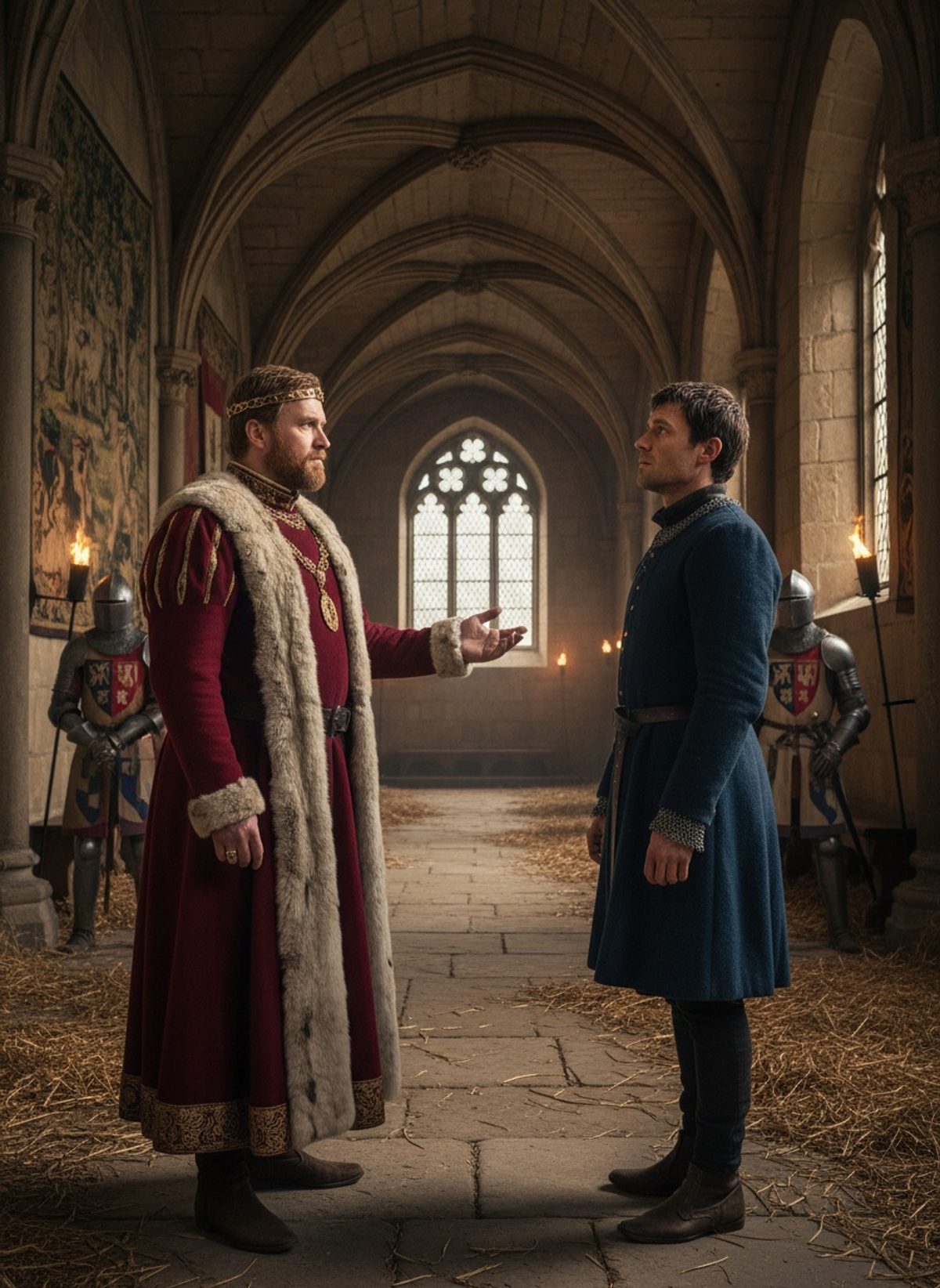
England may consider itself a land of tradition and continuity, but in the autumn of 1216, it teetered on the brink of collapse. The death of King John on October 18th left the realm in disarray. John’s heir, the future King Henry III, was a mere nine-year-old boy, thrust into a maelstrom of political upheaval. Half of England’s baronage had sworn allegiance to Louis of France, who claimed the throne for himself. In a time when noble blood ruled and might made right, England had no king, no treasury, and nearly no hope.
Enter William Marshal, one of the annals of history's most remarkable figures, yet too rarely sung in verse. This old knight had lived a life fit for legend. As "the greatest knight that ever lived," his epithet belied a career of valor and loyalty unmatched. But here, mere titles mattered little when England’s nobility was in revolt, persuaded by French promises. John’s misdeeds left the land resentful and fractured.
A Bold Coronation in a Beleaguered Land
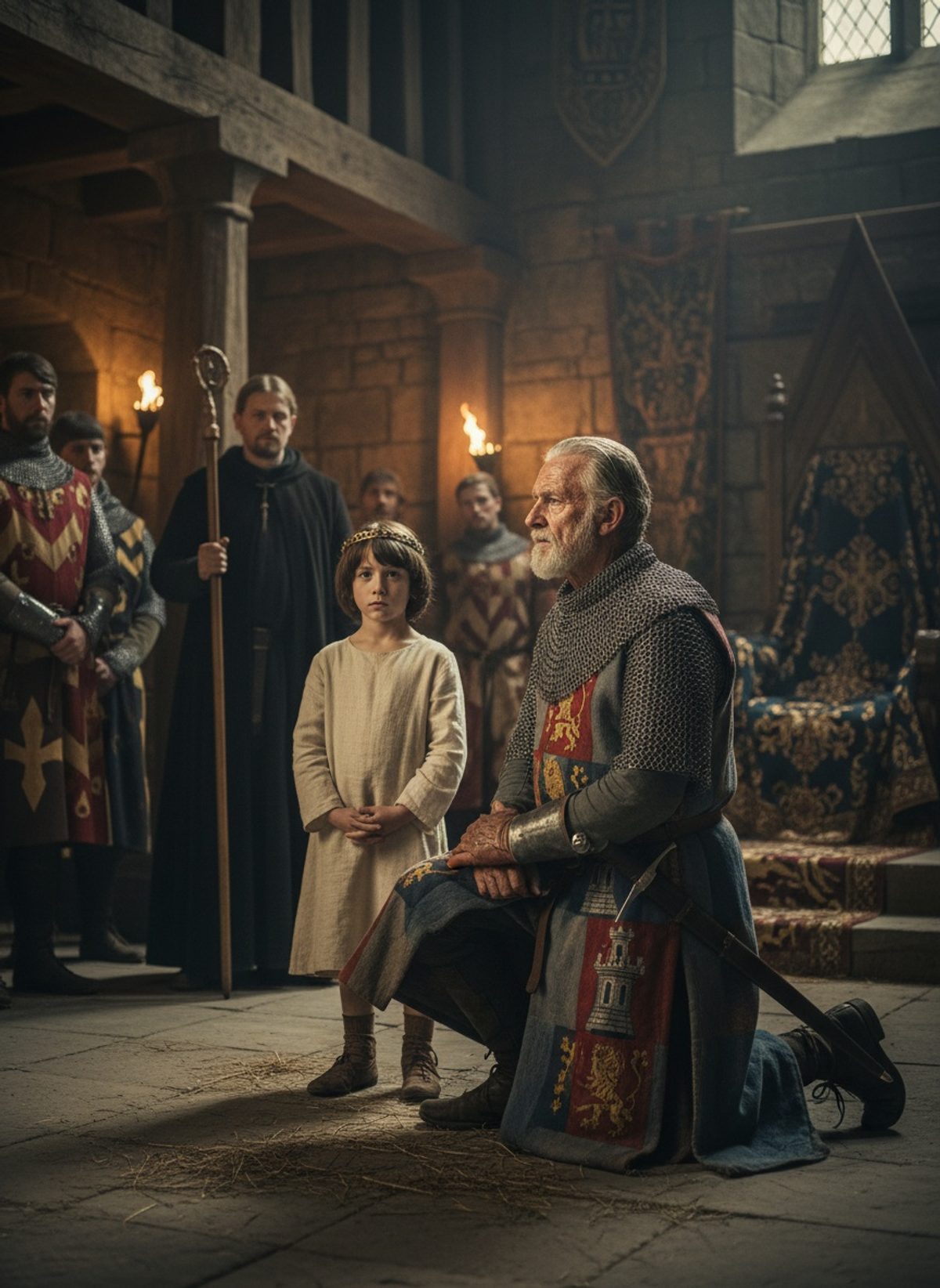
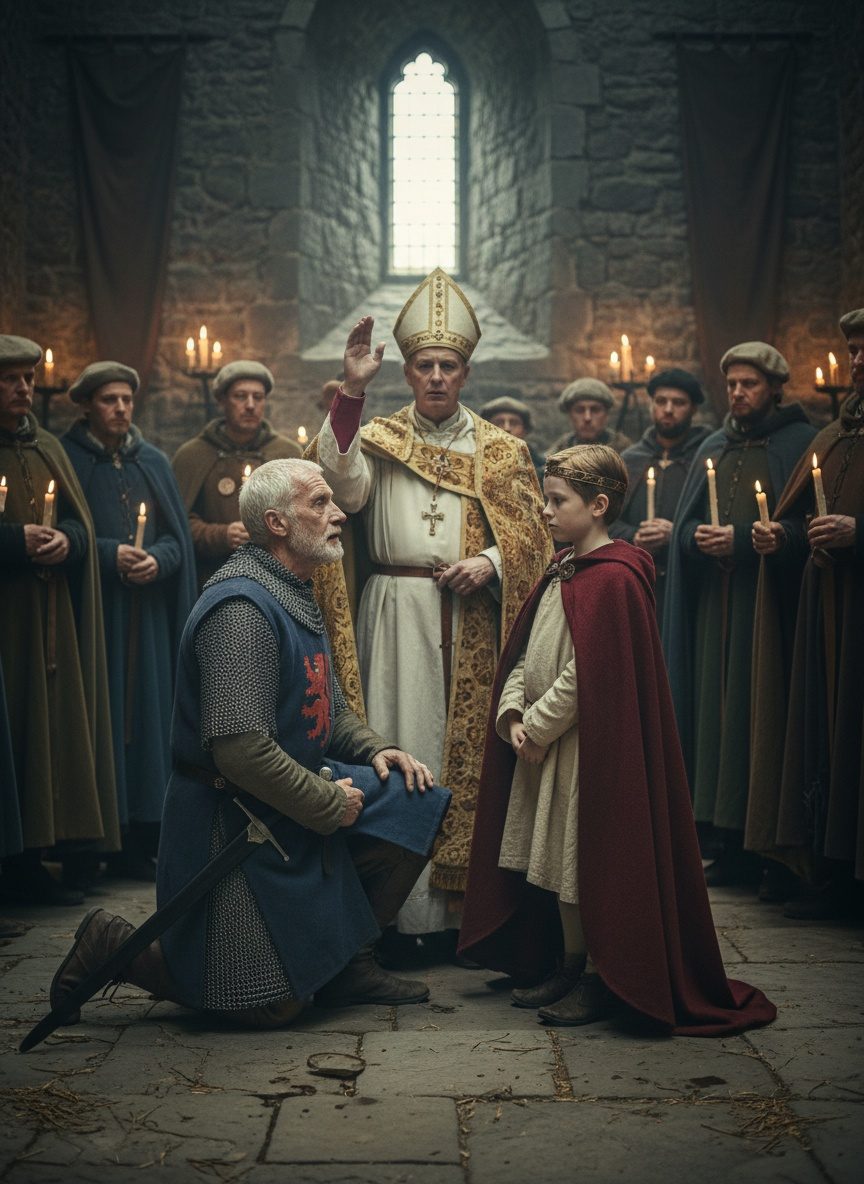
The urgency of the moment demanded decisiveness, and Marshal was nothing if not decisive. Without the formality of Westminster or any grand cathedral, England’s new monarch would be crowned in quiet Gloucester. On October 28th, far from the large and ornate crowns of kingship, a simple circlet of gold rested hastily on the youthful head of Henry.
Read next: The Day a King Knelt to Wash a Beggar's Feet
Marshal wrapped the boy in unpretentious cloth, marking a poignant and humble beginning for a sovereign. This child bore the weight of a fractured land. When William Marshal knelt, placing the burden of stability upon young Henry, it was not with the pomp of royalty but the steely resolve of necessity. He knew this act was not merely symbolic. Against the backdrop of insurgence and foreign conquest, how many would rally to a boy king?
Holding Together the Shattered Realm
William Marshal became the de facto regent, a title not officially declared yet functionally undeniable. His tireless efforts went beyond mere knightly duty; he was a savior of England. Negotiating, persuading, and fighting when necessary, Marshal poured his lifeforce not just into preserving the crown, but into protecting the very notion of English sovereignty.
York's Archbishop, and later Pope Honorius III, possibly fearing the spread of French influence, supported Henry’s claim, lending an essential thread of legitimacy. But the road was fraught with peril. Marshal’s loyalty was more than symbolic; it was strategic. The old knight drew a line at Lincoln in 1217, where English forces beat back Louis’ supporters in a pivotal battle, reaffirming loyalty to the young king.
The Unyielding Tenacity of a Knight
Marshal's legend is not forged from grandiose victories alone but from steadfast determination—qualities John had lacked. This knight stood not merely as a figurehead but as a rallying leader who embodied valiance. England’s plight, while solemn, became a personal trial for Marshal, an endeavor to erect an enduring legacy that bore more gravitas than any stone memorial.
In orchestrating peace with the French in 1217, his actions were not clenched in war’s iron hand but opened with the palm of reconciliation. The Treaty of Lambeth, signed in September, confirmed peace with France, ending Louis’ challenge and solidifying English unity. It was a triumph as much of diplomacy as of battle prowess. Marshall gained respect not through coercion but compromise.
A Journey Towards Unity, Not Merely Survival
The story of William Marshal crowning King Henry III remains a poignant narrative of leadership in crisis. It’s a testament to the audacity of faith in a time of lawlessness and division. The mere sight of one lone figure wrapping a child in cloth and elevating him to kingship reveals the tender, yet unyielding power of belief in a future beyond the present turmoil.
This moment echoes still, a moving testament not just to England’s past perseverance, but to the enduring truth that leadership is not determined by age nor title, but by resolve and action. Tapping into the undercurrents of unity and conviction, Marshal’s story urges us to consider what it means to carry a crown and what it means to build a realm. And it offers a promise that even in the darkest hours of discord, hope can still illuminate a path to peace.