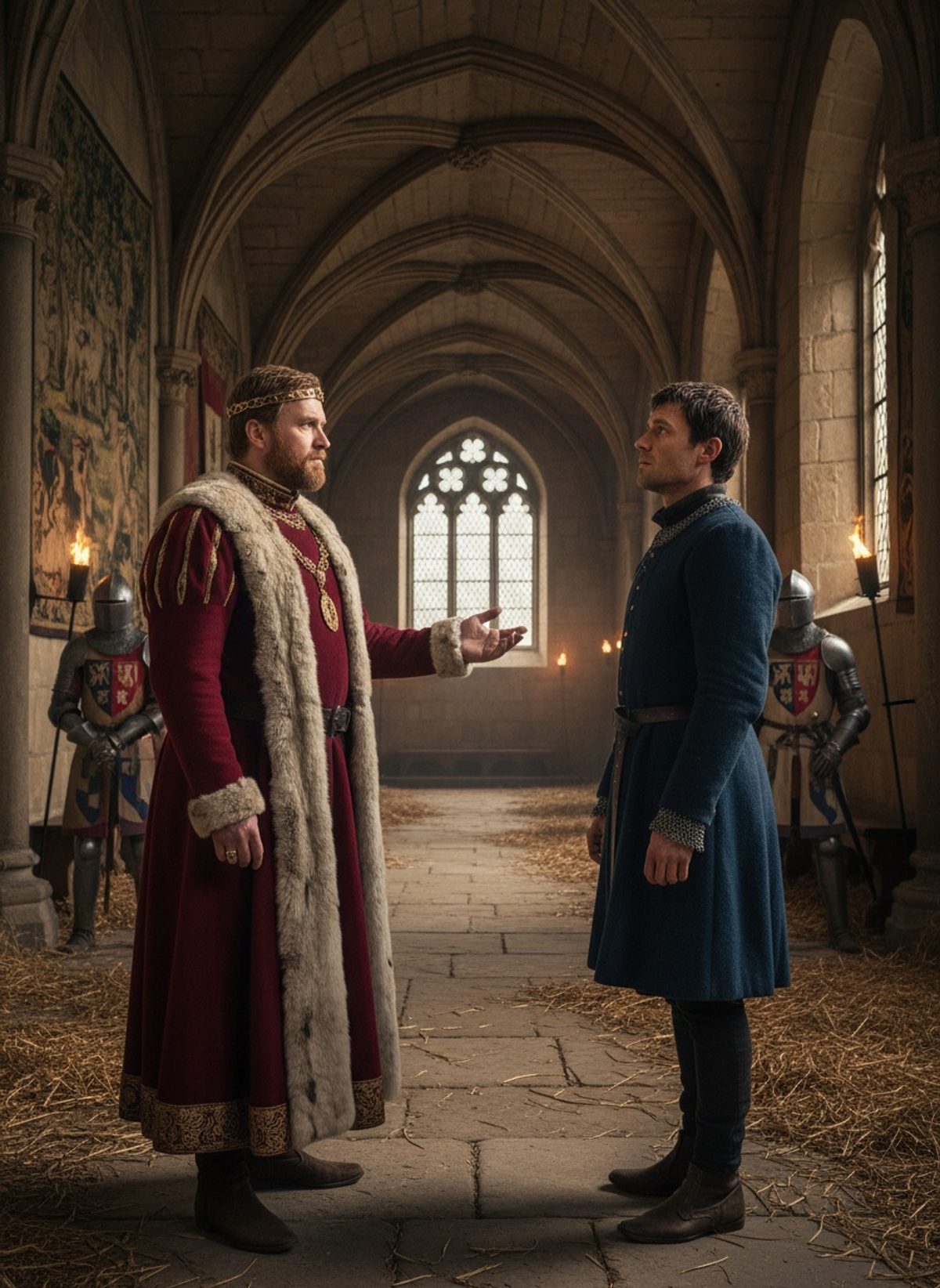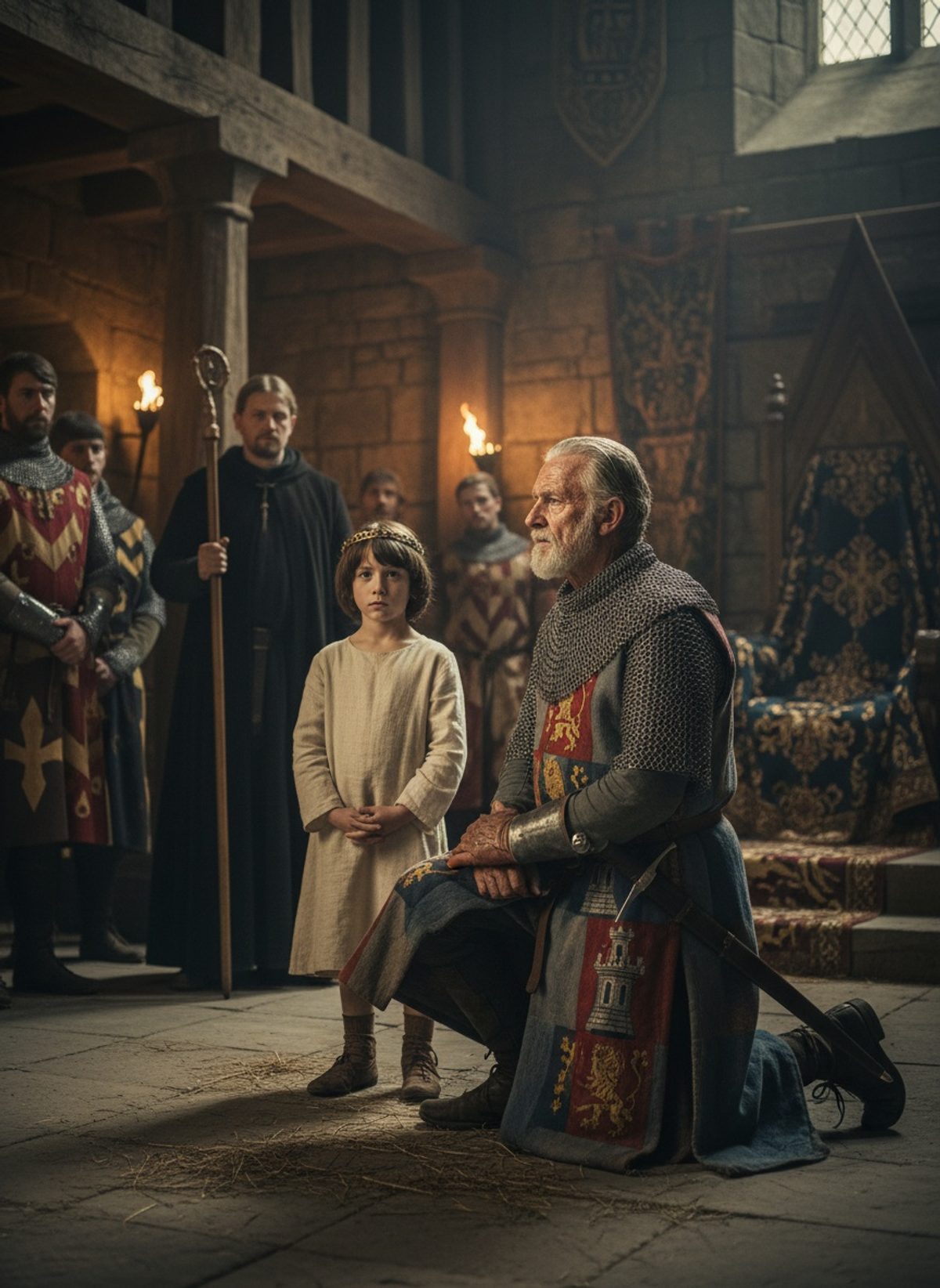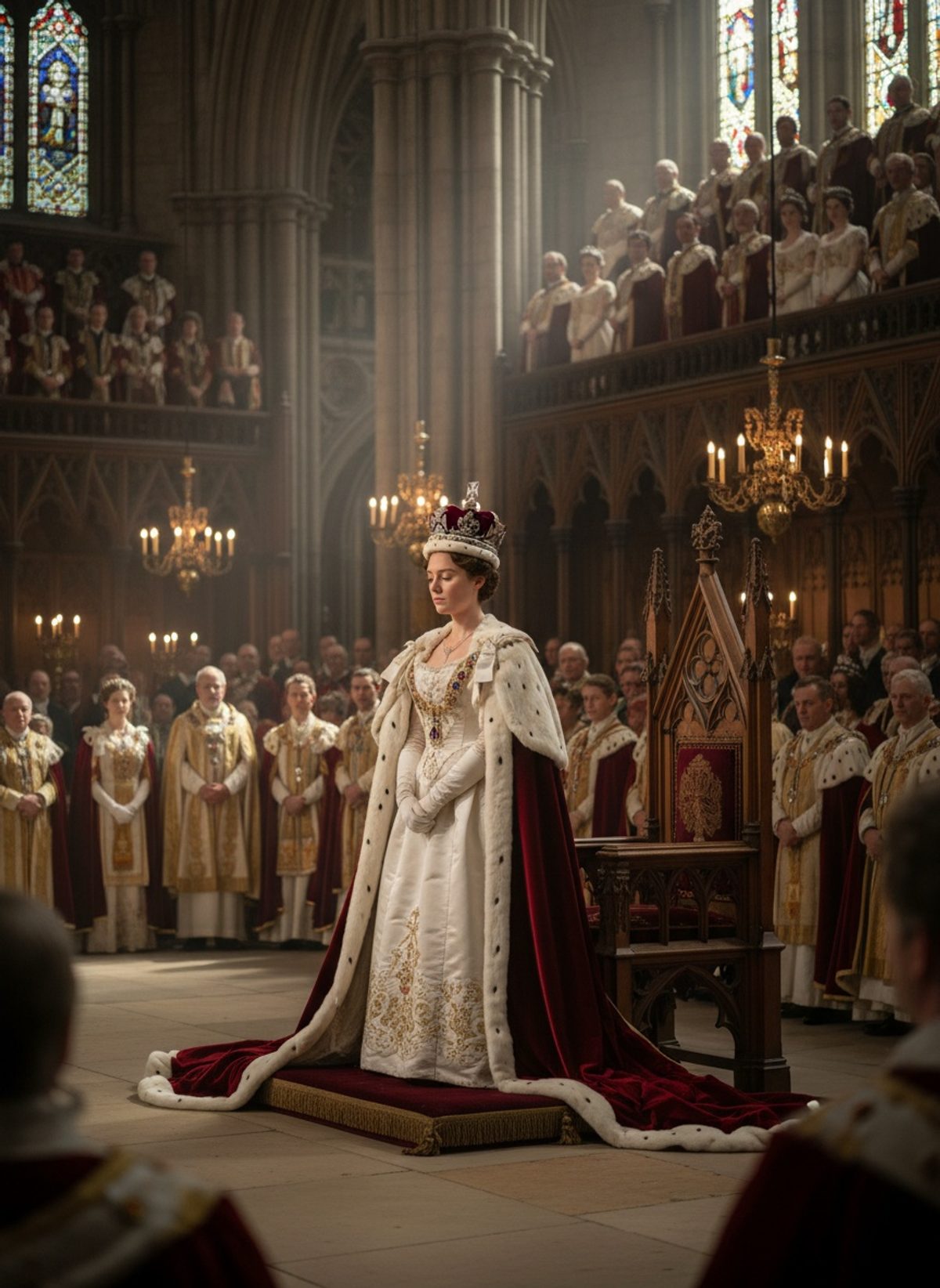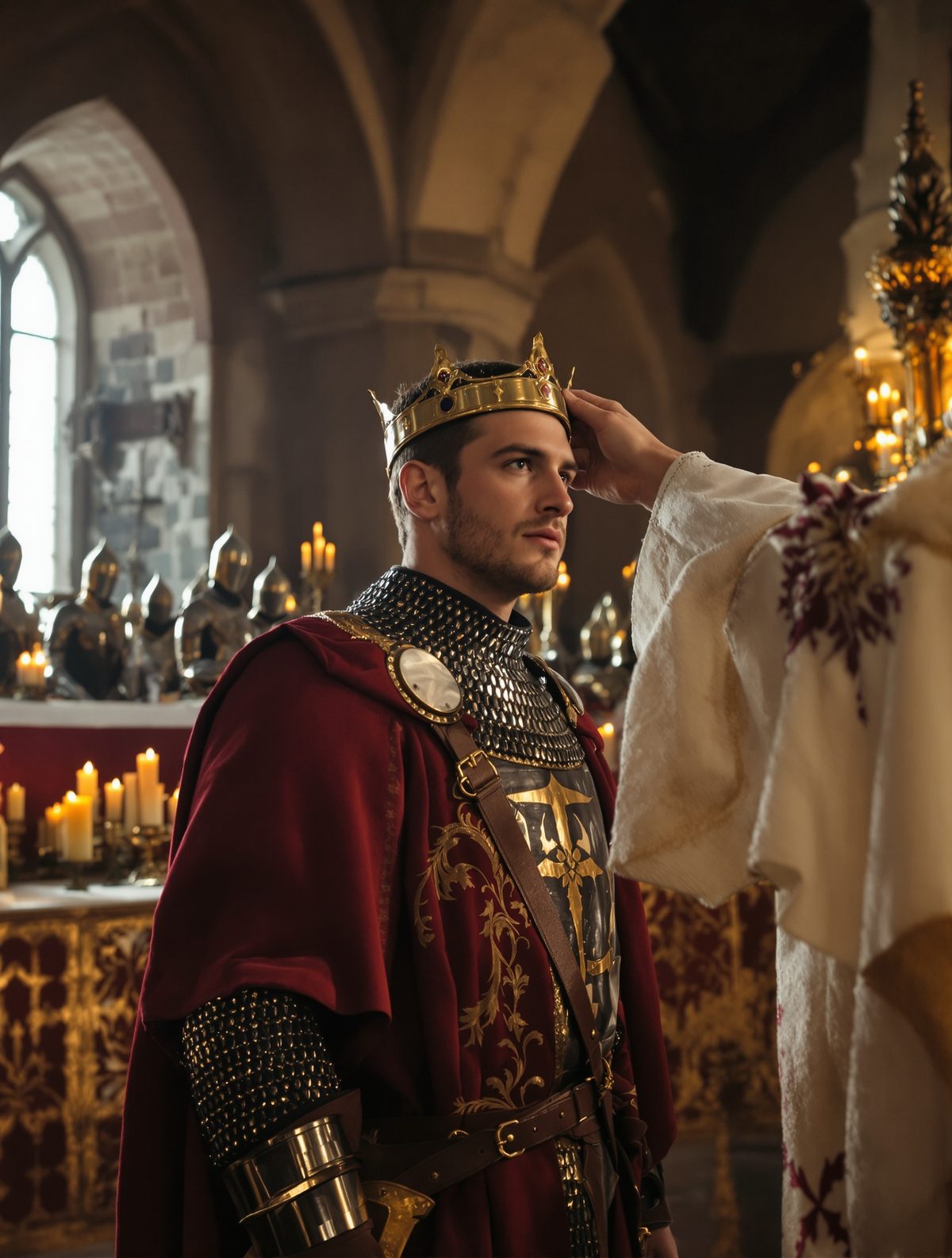
Picture a king riding alone in the shadowy pre-dawn hours, his destiny unspooling with the beat of hooves on damp English roads. It was August 2nd, 1100, and the fate of the English crown lay in the balance. William Rufus, second son of William the Conqueror, was dead, and his body was scarcely cold. His brother, Henry, a man of quick wit and quicker instincts, seized the moment with unmatched audacity. This is the daring tale of how Henry Beauclerc, with nothing more than a royal birthright and sheer nerve, raced to crown himself King of England before anyone else could lay claim to the throne.
A Game of Thrones Begins
The untamed expanse of the New Forest, with its dense woods and myriad dangers, set the grim stage for this historical drama. On August 2nd, 1100, King William II, known as Rufus for his ruddy complexion, was killed in a hunting accident—an arrow to the chest, fired either by accident or design. To many, including his own court, it was a shock. But not to Henry, Rufus's younger sibling, who capitalized on this sudden power vacuum with a speed that left no time for the usual rituals of mourning.
The timing could not have been more precarious. Robert Curthose, Henry’s elder brother and the Duke of Normandy, was away returning from the First Crusade and had his own designs on the English crown. If ever there was an opportunity for Henry, it was now, and he knew that speed was his only ally. A delay of even a day could mean the loss of everything.
A Midnight Ride to Destiny
Within moments of hearing the news, Henry acted. Departing almost immediately, he set his sights on Winchester, the city housing the royal treasury. Situated seventy miles away from the New Forest, Winchester was more than just a significant city—it was symbolic of a kingdom’s wealth and power. To control Winchester was to control England itself.
Read next: The Day a King Knelt to Wash a Beggar's Feet
Under the cover of night, Henry rode, pushing both horse and man. Eyewitness accounts might paint the effort as a solitary moonlit ride or as a cavalcade of trusted supporters, but they all agree on one point: the speed and secrecy were unprecedented. As the first rays of dawn filtered through the trees, Henry arrived at Winchester, securing not only gold but, most crucially, the recognition needed from barons and clergy alike to secure his place as their king.
The Bishop’s Support
Upon reaching Winchester, Henry engaged another key player—Bishop William Giffard. In those days, a coronation required the Church’s blessing, and Henry, understanding the weight of ecclesiastical power, sought Bishop Giffard’s immediate support. The bishop, whether swayed by promises, loyalty, or a shared distaste for chaos, assented. With Giffard’s alliance secured, Henry’s gamble took a giant leap towards realization.
The Church's endorsement was no mere formality. It gifted Henry a cloak of legitimacy that his absent brother, Robert, could little contest. In just over two days, Henry effected what can best be described as an administrative coup—swiftly organizing a coronation at Westminster Abbey.
The Crowning of a King
On August 5th, 1100, Henry Beauclerc was crowned King Henry I of England. That day, destiny dared and won. The ceremony, conducted with the stillness of secrecy, veiled prescription with tradition, transforming audacity into an act of divine right. He both challenged and changed the narrative, transforming a sudden death into a calculated succession.
Curiously, Henry's coronation charter laid out promises of good governance, setting a legal precedent that resonated with a monarchy willing to think beyond realms of divine sanction. This move endeared him to nobility and commoners alike, transforming him from a usurper to a legitimate king in the eyes of his subjects.
A Legacy Written Overnight
To modern eyes, the tale of Henry Beauclerc can feel like an ancient political thriller. Yet within this story of haste and strategy lies an eternal truth about leadership: sometimes, destiny favors the bold. Henry’s decisive actions exemplified responsiveness and trust in one's instincts—qualities that resonate in leadership discussions to this day.
Moreover, Henry’s ascent to power reminds us of the complexities of monarchy, the thin veneer of control, and the raw human struggle beneath. His ride reveals not only a moment of tension and drama but also the importance and influence of swift decision-making—often in times of crisis. It’s a lesson from history about the unpredictability of life and the power encapsulated in seizing the day.
In that early August sun of 1100, a king rode quietly through mist and morning chill, his path unwitnessed by history’s eye, yet embedded into its tapestry all the same—proof that every throne has its story and every story its throne.