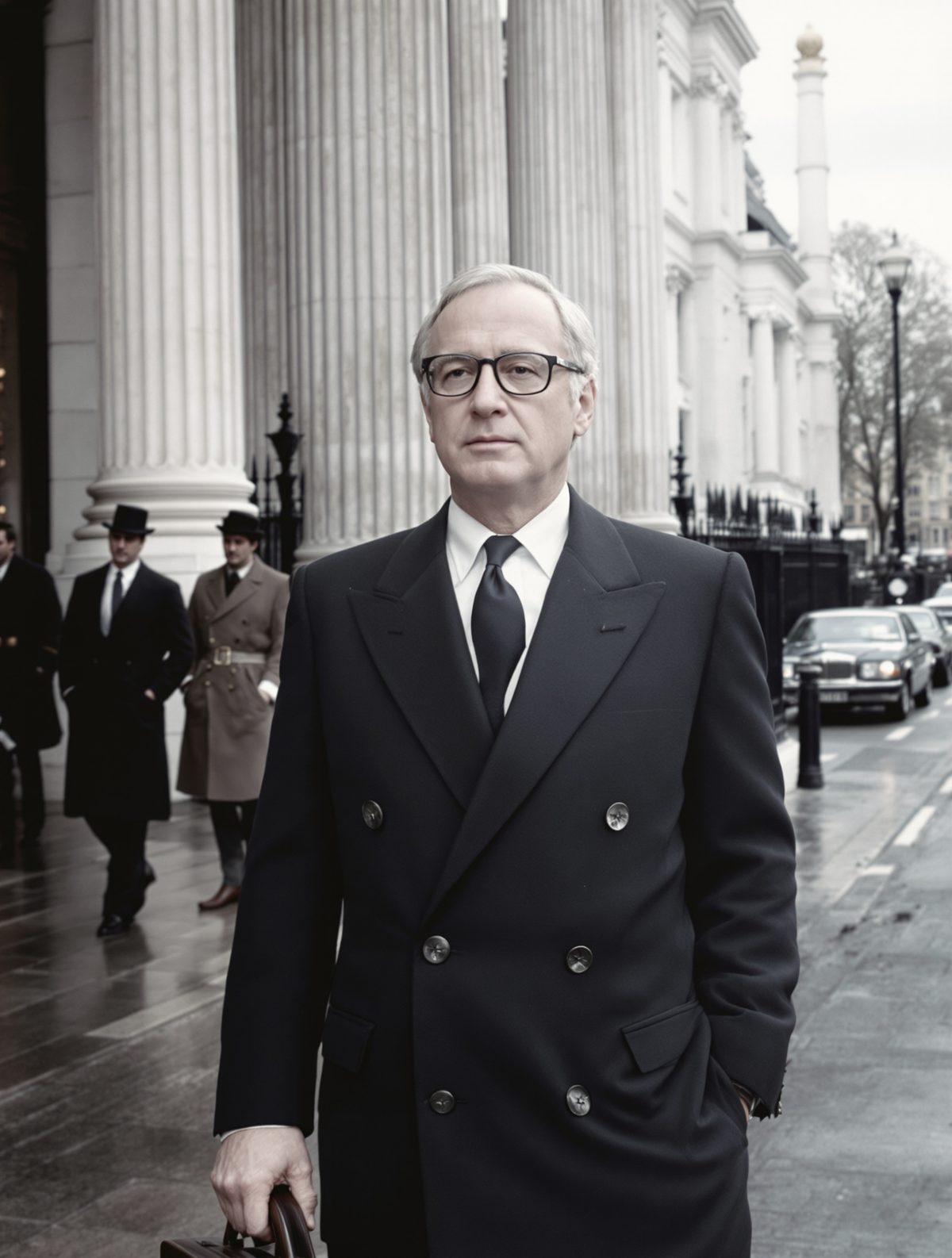
March 16, 1976. A sharp chill lingered in the air, typical of a British spring. But inside the bustling corridors of Westminster, the atmosphere crackled with anticipation as Harold Wilson, the Labour Prime Minister, walked into the Cabinet room. What was expected to be a routine meeting quickly morphed into one of British politics’ greatest shockwaves. With a poised and calm demeanor that would soon become infamous, Wilson delivered a single, stunning sentence that reverberated throughout the nation: "I am resigning."
The Unseen Departure
Harold Wilson's announcement came without a whisper of warning. For eight years, the pipe-smoking, Gannex raincoat-wearing leader had been a fixture of Britain's political landscape, steering the country through turbulent tides with an affable charm. Yet, in that moment, he opted for secrecy. Unknown to his colleagues and the public, Wilson had made the decision to step down two years prior, calculatingly keeping it to himself until the timing felt right.
This clandestine preparation added to the day's mystery. No scandal or impending political defeat prompted his departure. On the contrary, Labour was holding its ground amid economic challenges, and Wilson maintained control over his party. Speculations swirled — was it health? Burnout? Or something more cryptic related to the myriad pressures of leadership?
The Political Chessboard
The British political landscape in 1976 was fraught with challenges. Inflation rates hovered menacingly, oil crises loomed large, and Britain’s place in the global economy felt perilously uncertain. Yet Harold Wilson was no stranger to crisis management. His governmental resume boasted a litany of contentious yet decisive actions: reforming social services, addressing education disparities, and steering through tricky waters with the European Economic Community.
Read next: The Day a Blind Pauper Boy Sang Before a Queen
To his colleagues, Wilson's exit was an unexpected vacancy in a tightly-knit chess game. James Callaghan, his Chancellor of the Exchequer, and Michael Foot, the Secretary of State for Employment, were notable contenders for succession. However, Wilson’s unmatched political acumen left an indelible void, sparking fervent speculation and rivalry within the party.
The Man Behind the Decision
Harold Wilson wasn’t your archetypal politician. Born in Yorkshire, educated at Oxford, his wit and unwavering dedication to public service endeared him to many. To understand the gravity of his resignation, one must delve into his psyche, where personal insight met political foresight.
Reportedly, Wilson had shared with his wife, Mary, and perhaps a close-knit circle, that he planned to retire at 60. True to his word, he carried out his private vow days before his 60th birthday. He exclaimed to his peers his desire to secure a lasting legacy and doubted his capacity to lead amidst burgeoning challenges. Yet, Wilson’s mind remained a vault, locking the true profundity of his reasons tightly within.
The Immediate Aftershock
Across newspapers' front pages, in pubs, and around dining tables, Wilson's resignation became the talk of the nation. Who could replace him? How would Labour sustain momentum? More notably, political analysts and historians debated over the sheer unpredictability of Wilson’s move. Rarely had a Prime Minister departed on such enigmatic terms.
For politicians and public alike, Wilson’s clear-eyed composure and lack of dramatics contrasted sharply with the chaos left in his wake. As Harold Macmillan aptly put it in his twilight years, “Events, my dear boy, events,” had defined Wilson’s tenure. Yet to everyone's bewilderment, it was his sheer control over events that marked his exit.
Legacy and Lessons
Harold Wilson’s unexpected resignation serves as an enduring reminder of the complexities within political leadership. It highlights the unseen burden borne by those who govern and the delicate balance between personal desire and public duty. Wilson’s tenure is often viewed through a dual lens: a period of progressive reforms and challenging economic times. Yet, his resignation underscored a rare characteristic in modern politics: the ability to step aside without external pressure, knowing the impact of one’s actions on their legacy.
In an era where transparency is anticipated, Wilson's calculated silence prompts reflection on the nature of decision-making and leadership. As Britain proceeds through modern political turbulence, the intrigue of Harold Wilson’s resignation story reminds us that the most remarkable chapters in history are often penned not with clamorous applause, but with dignified retrospection.