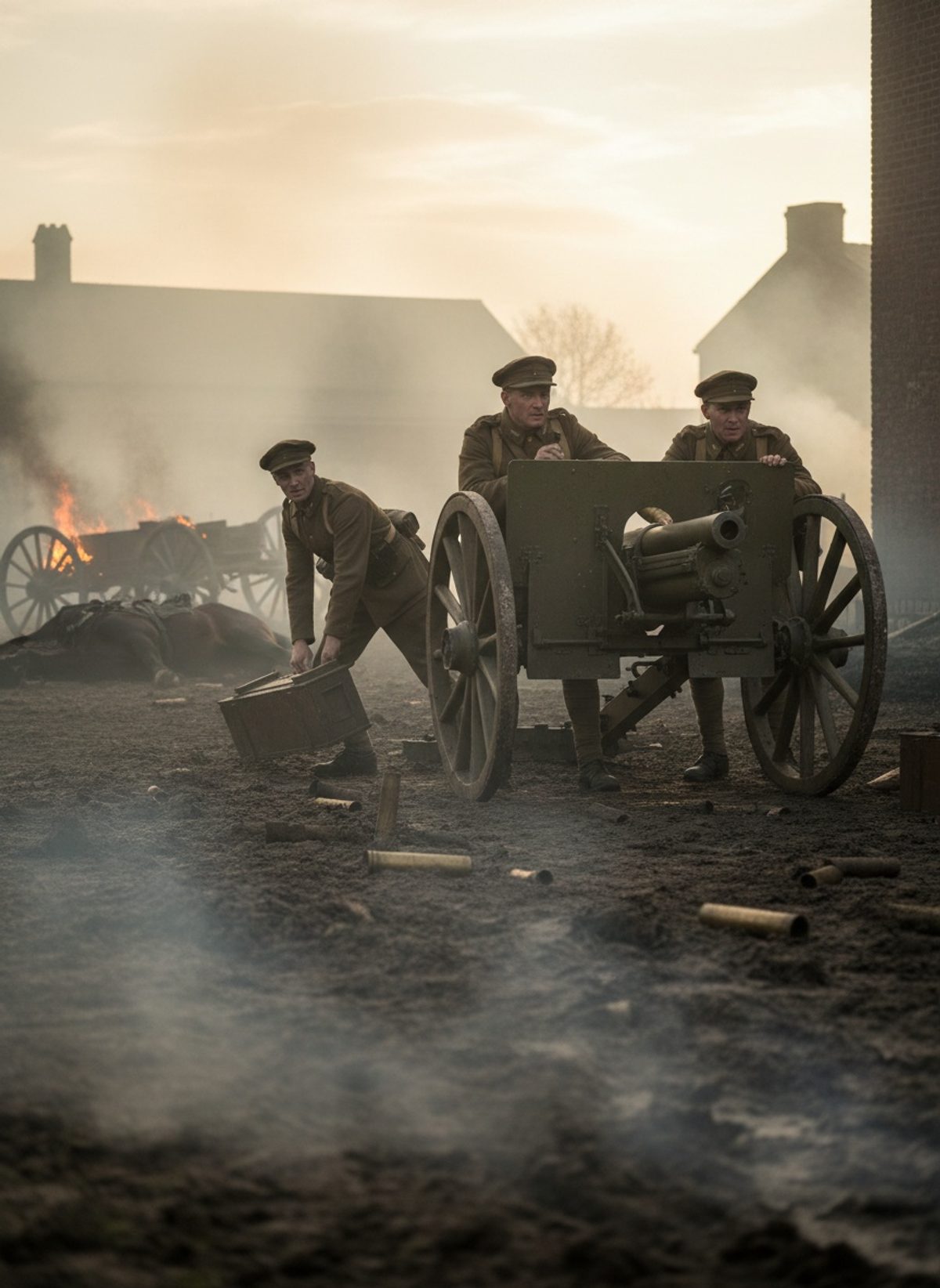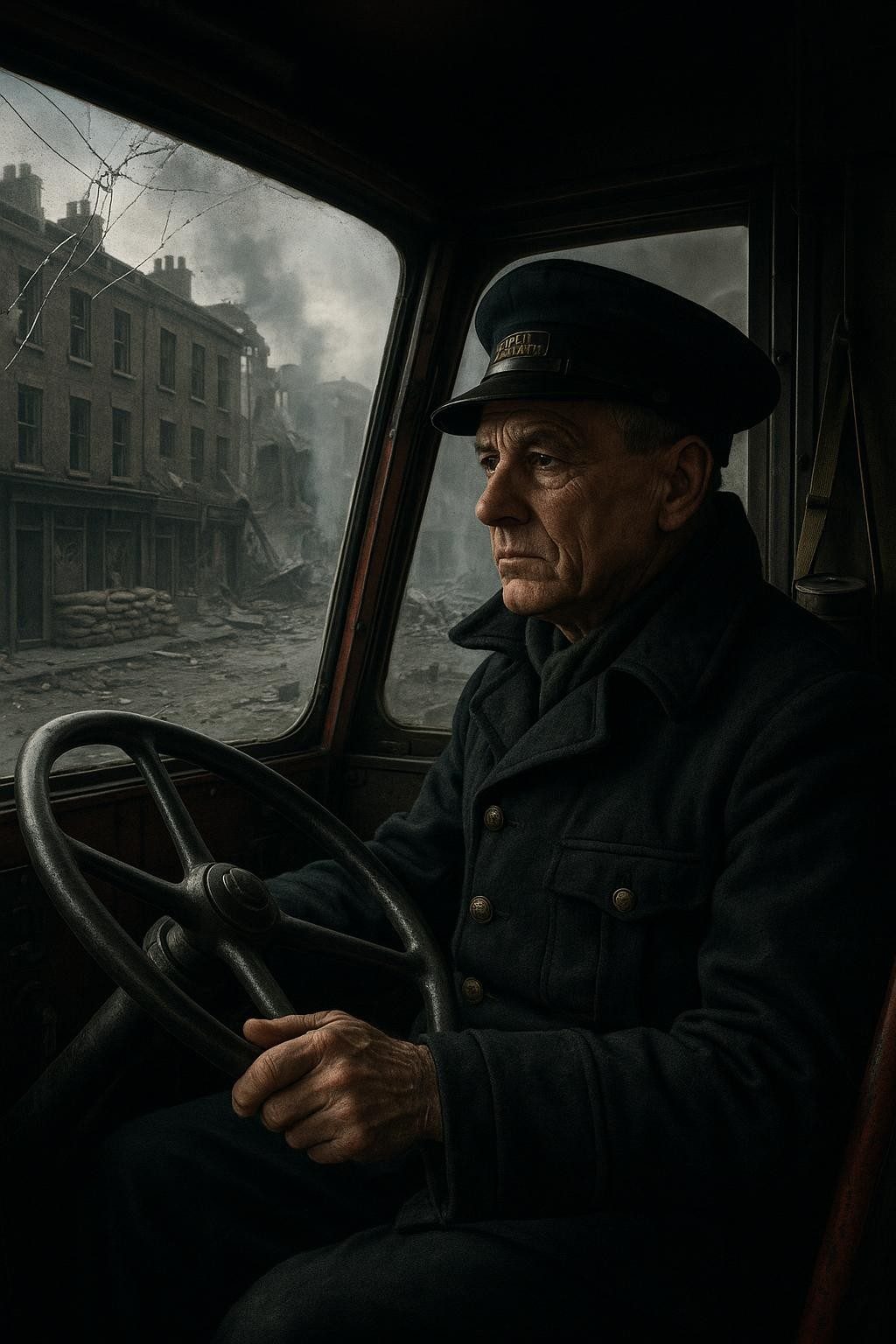
The dawn of November 15, 1940, was not a gentle one in London. As the first light tiptoed over a city left smouldering by a night of relentless bombing by the Luftwaffe, the streets bore silent witness to chaos. Buildings lay in ruins, roads were blanketed with debris, and acrid smoke hung in the air like London’s own grim version of fog. Yet, amidst this devastation, something remarkable occurred. Just as it always had, at precisely 7am, the familiar sound of a double-decker bus engine rumbled to life. The Number 11 bus was on its route—right on time. This was not simply a routine; it was a testament to the resilience of the people who refused to let London be defeated.
The Unyielding Wheels of London
On that November morning, Albert Gunningham checked his watch and saw the minute hand straddle the number 7. Despite the bombs that had rained down hours before, he climbed into the driver's seat of the Number 11 bus at Liverpool Street. His route twisted and turned through some of the capital's most ravaged districts—Cheapside, St Paul’s and the Strand—each one a testament to a city battered but unbowed.
Albert, like his fellow drivers, had no orders compelling him to show up that morning, nor any other morning during the Blitz. It was a volunteer army of the ordinary. The London Transport staff were not fighters in uniform, yet they took their posts as bravely as any soldier. When asked why, Albert simply shrugged with modesty, "London needs to keep moving." For these custodians of the city's rhythm, halting simply was not an option, no matter how menacing the skies were above.
Through the Smoke and the Flame
November 15 was not the first time Albert had navigated through chaos—and he wouldn't be alone in his commute through destruction. For months, the London Blitz had shattered the night skies. From September 1940 to May 1941, the city was hammered by over 71 major raids. But transport officers like Albert approached each sunrise with the same resolve. In fact, by the end of that year, a staggering 400,000 journeys were made by London's buses, sometimes rerouting around craters and occasionally carrying bomb casualties from one impromptu shelter to another.
Read next: The Day a British Padre Carried the Dying From No Man's Land
Despite the horrors they faced, including the fiery aftermath of German parachute mines and incendiary bombs, London Transport’s employees were an unwavering force. On one occasion, a driver recorded that, after a bomb struck near the Holborn Viaduct, he evacuated passengers and promptly returned to his station. Bombs might have thundered down on London, but the resolve of its people drowned the noise.
The Indomitable Spirit of the Commuters
It wasn’t only the drivers like Albert who defied the bombs, but the very passengers aboard these buses. The Number 11 route was favored by essential workers including doctors, nurses, and factory workers who were the backbone of Britain's wartime industry. Each one had stories of racing flames—or sometimes their own crumbling rooftops—to catch their morning ride. Their determination to keep life going, to support a city under siege, matched that of the drivers behind the wheel.
For many, these daily commutes were more than just transportation; they were lifelines, thin yet resilient threads that stubbornly tied the torn fabric of everyday life. A regular rider, Mrs. Ada Walker, who worked at a munitions factory, remarked to a fellow passenger on a smoky dawn, "As long as these buses run, you know we're all right.”
The Hidden Heroes of the Night
Behind each bustling morning were the invisible efforts of night crews repairing damaged vehicles and clearing obstructed roads. Mechanics and electricians refurbished bomb-shaken buses, often working through the night alongside the AFS (Auxiliary Fire Service), who managed to put out the notorious fires that blazed relentlessly during the bombings.
Participation wasn’t limited to men. Women took on new roles as conductresses, tirelessly ensuring passengers’ safety and coordinating emergency protocols, while managing to funnel scraps of cheer into the suffocating air of war. One famous anecdote recalls conductress Beryl Love shielding passengers’ spirits as much as their fares, providing songs to lift hearts above the rattling cacophony of sirens and artillery. Beryl, alongside hundreds of others, embodied the miraculous endurance of wartime camaraderie, surviving each bombing raid with a staunch reminder of humanity's strength in numbers.
The Legacy of Resilience
The relentless determination of London’s bus drivers during the Blitz left an indelible mark on the fabric of wartime Britain. They served as symbols of continuity and courage, day after day, beneath skies that threatened to shroud London in darkness forever. Their story, one of unyielding persistence in the face of destruction, serves as a humbling reminder of a spirit that refused to be extinguished.
In reflecting upon these historical acts of tenacity, one might feel a deep sense of gratitude and awe, not just for the survival, but for those who relentlessly ensured its possibility. In modern times of crisis and uncertainty, this legacy should inspire future generations to find strength in resolve. A board of destiny pulls and shifts, yet as history shows, the orchestration of our daily lives continues, often fiercely, perpetuated by those who steer through the storm. Today, as we navigate our own challenges, the story of London’s Number 11 bus and its indefatigable crew reminds us: no matter how severe the storm, there is always another morning beneath the skies.