August 4, 1347. A bitter wind swept across the desolate streets of Calais.
For nearly a year, the port city had endured the relentless siege of King Edward III. Calais was the last stronghold across the Channel, and its strategic significance was unparalleled. The citizens had faced starvation and disease with grim resolve, but their valiant resistance could last only so long. Now, the king demanded their ultimate surrender, and the cost was steep.
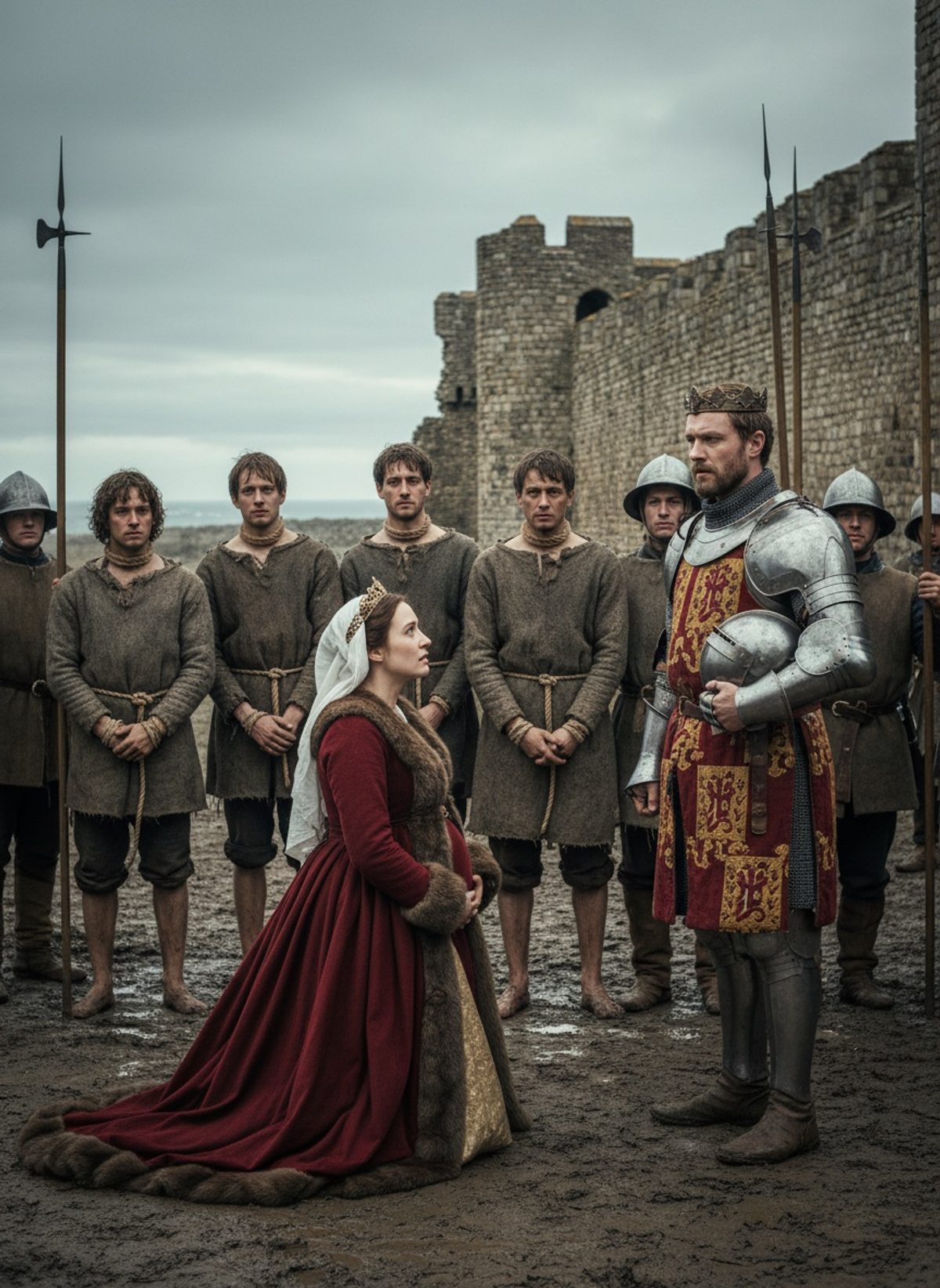
With the long, grueling months of siege weighing heavily on Sir Jean de Vienne, the city's weary mayor, a decision was reached. He gathered six of the city's leading citizens, each one a voluntary martyr for the collective good, to march towards what many believed to be certain death. Wearing nothing but simple tunics, with nooses solemnly looped around their necks, these men embodied the desperation of a city forced to trade honor for survival.
The procession through Calais was eerily silent. Faces, gaunt with hunger, lined the cobblestone streets, eyes downcast, as the hostages, each step echoing finality, made their way to the city gates. There was an unspoken understanding; this sacrifice was their last hope. Behind them, the city's bell tower tolled mournfully, a sound that seemed to pierce the very soul of Calais.
Read next: The Day 6,000 Starving Englishmen Shattered an Army of 25,000
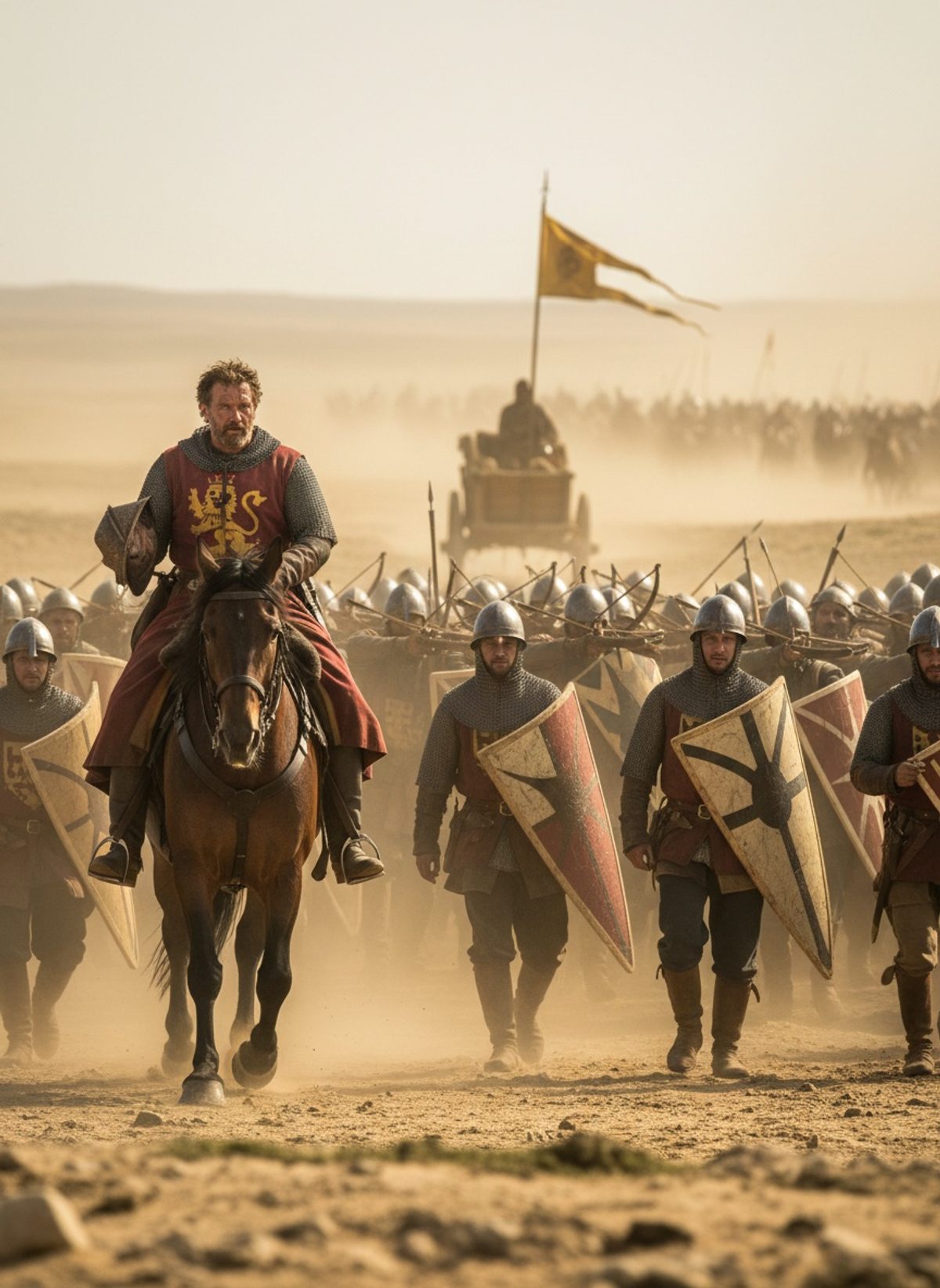
Outside the gates, Edward’s camp was a stark contrast of bustling activity. Sounds of clinking armor, the stamping of horses, and laughter from campfires filled the air—a macabre symphony to accompany the hostages’ march. Edward III was a formidable monarch with ambitions that stretched far beyond the siege. He watched the approaching men with the same calculated interest he’d reserved for battle tactics. To him, Calais was a critical pawn in the protracted game of thrones that was the Hundred Years' War.
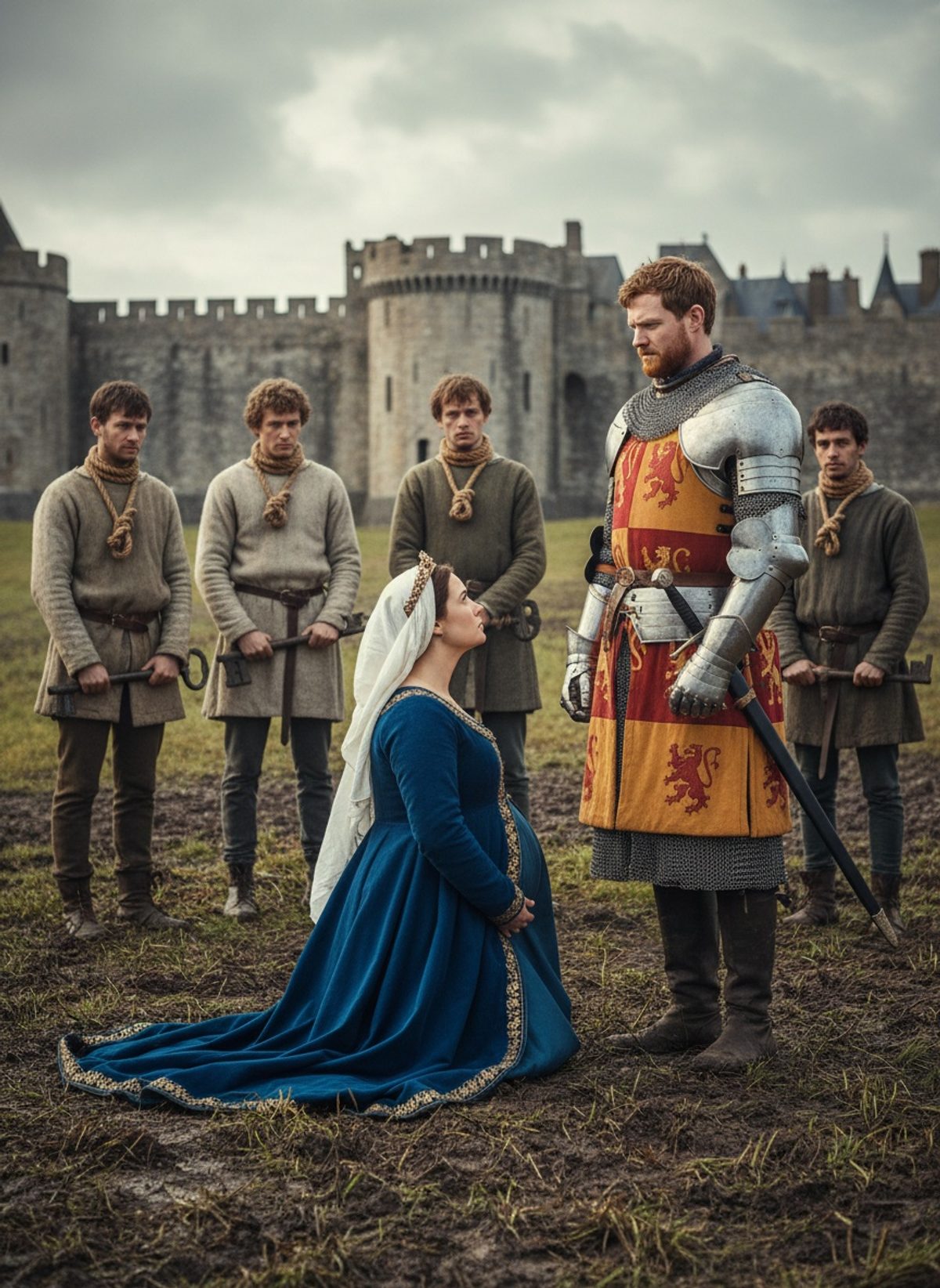
As the six men reached the king, Sir Jean de Vienne stepped forward, presented the keys to the city, and explained their purpose. Edward listened impassively, his decision, it seemed, already made. He had vowed to show no mercy, to make an example that would resonate across the Channel and beyond. His command was issued with the cold precision of a guillotine’s fall: the hostages were to be executed.
The news rippled through the encampment like a dark wave. Yet not all hearts were hardened by war. Philippa of Hainault, the queen, now heavily pregnant and enshrined in compassion, could not bear to see the bloodshed. With an entourage of noblewomen, she approached her husband, her delicate frame belying the strength of her resolve.
Dropping to her knees in the mud, Philippa pleaded with Edward; her words laced with emotion that cut through the war's haze. She painted a picture of mercy, of a king whose strength was shown not in cruelty but in compassion. Her voice, though gentle, carried the weight of authority and love—a beacon of humanity in an era often shrouded in brutality.
The tension in the air was palpable as all eyes shifted to the king. The camp held its collective breath, time suspended in the poignant tableau. Edward’s gaze fell upon his queen, her plea a mirror to his ambition, her vulnerability a stark contrast to his own facade of invincibility. Her words unfurled images of legacy and conscience, of a future king remembered not for his conquests but for the lives he chose to spare.
Slowly, Edward’s stance softened. He grasped his queen’s hand, lifting her from the ground. The king, who had never bowed in battle, now yielded in the face of love and reason. An order was given, and it was one of life, not death. The hostages, once condemned, now stood as symbols of peace hard-won, testament to the power of mercy.
As Philippa returned to her tent, a subtle transformation swept across the encampment. Soldiers murmured in admiration, their hardened faces softened by the queen’s courage. The six citizens of Calais, lives spared by the capricious winds of mercy, slipped back into their city like spirits granted a second chance at life.
The fall of Calais was inevitable, yet its surrender unfurled a larger narrative. In the annals of history, filled with tales of conquest and strife, this moment stood apart. It told of a day when power conceded to compassion, when the tide of unrelenting warfare was checked, albeit briefly, by the heart of a queen.
This story, often overshadowed by the grand chronicles of kings and battles, resonates still, a testament to the influence of one voice amid grand peals of power. It echoes the question history forever poses: How might the world have changed had more leaders listened not only to the drums of war but to the whisper of mercy that once saved Calais and its people?