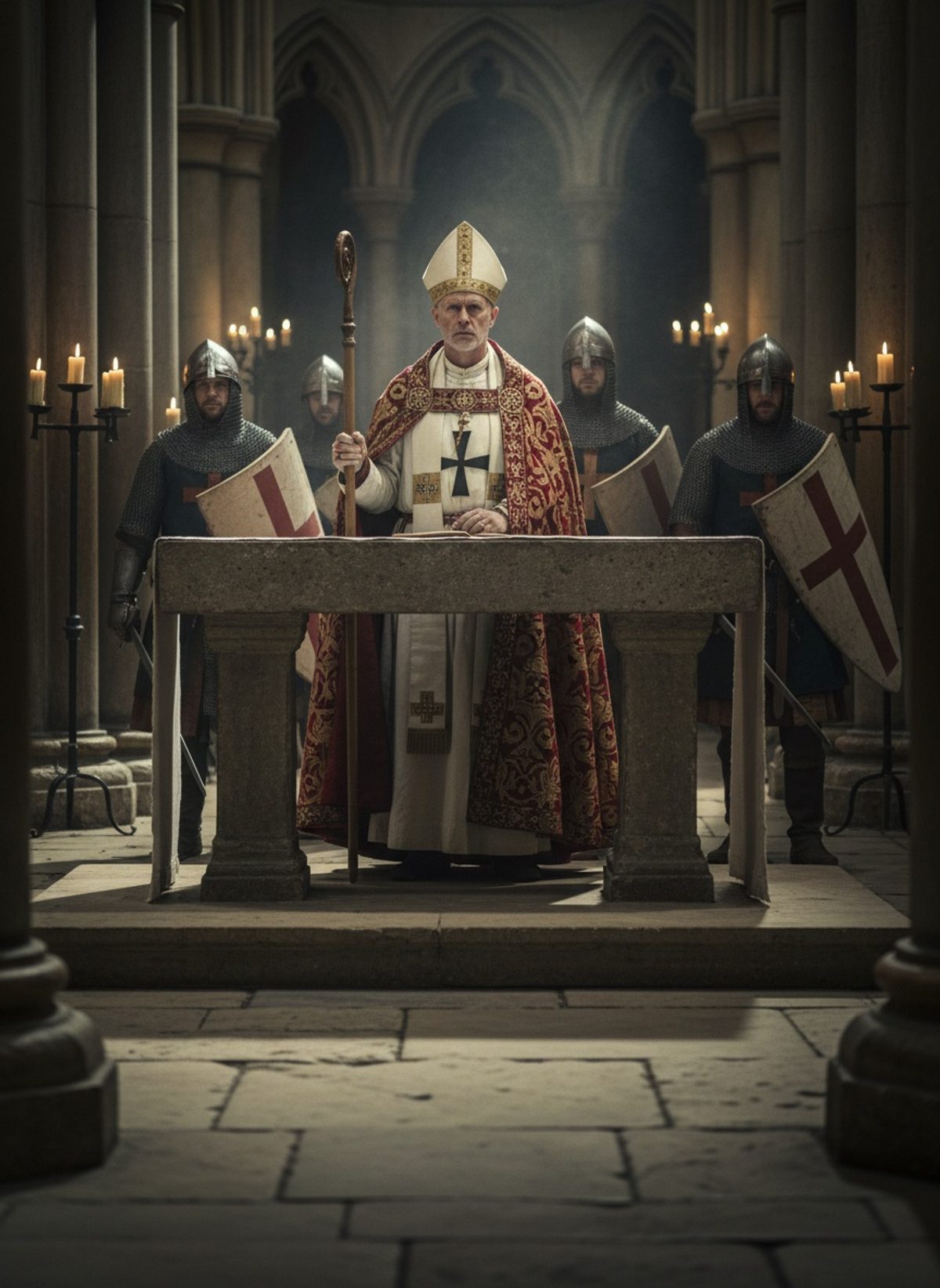
The icy breath of winter snaked through the vast stone corridors of Canterbury Cathedral, flinging icy eddies across the cold flagstones. Thomas Becket stood at the heart of this sacred labyrinth, his robe fluttering ever so slightly. The distant clamor of armored footsteps echoed ominously; four knights bore down upon him, each footfall rattling off the ancient stone walls. There at the altar, where solemnity was once draped in incense and hymn, now loomed tension—a silent standoff between life and death was enfolding. Becket, previously Henry II’s friend and confidant, now prepared to meet not only these knights but his fate, with an unyielding calm that felt both timeless and tragic.
The Rise of a Reluctant Martyr
Born to a Norman family in 1119 in London, Thomas Becket’s journey was far from that of your typical clergyman. His meteoric rise was fuelled as much by his sharp intellect and strategic acumen as by his sense of unwavering duty. As a zealous servant to King Henry II, Becket ascended to the role of Archdeacon of Canterbury and later Chancellor of England. It was only natural in the eyes of the king to engineer Becket's promotion to Archbishop of Canterbury—Henry saw it as appointing an ally to ensure the ecclesiastical court’s decisions bent to royal will.
Yet, in an unexpected twist, it was this very appointment that transformed Becket from king’s man to defender of the church. Thomas, ever the ardent student of duty's demanding sermon, took his archbishop role with profound sincerity. The transformation was subtle at first: symbolic gestures and acts of piety became frequent, almost ritualistic displays of his perceived divine duty. His allegiance shifted perceptibly from the crown to the cross, and a fissure began to crack open.
The Making of An Enemy: Discord Between Crown and Church
Whispers of dissent between king and archbishop began to ripple across England when King Henry II sought to consolidate his power. He aimed for the church, seeing it as a bastion ripe for royal oversight. However, Becket, now the embodiment of ecclesiastical autonomy, would hear none of it. The subtle shadow of defiance hung over every decision he made, culminating in the contentious issue of jurisdiction and clerical rights.
Read next: The March That Broke Saladin's Legend at Arsuf, 1191
The confrontation reached a tipping point when Henry tried to assert control over the clergy through the Constitutions of Clarendon—an attempt to curb ecclesiastical authority and thrust legal decisions on wayward clerics into the secular court, away from the church’s cushioning embrace. Becket’s refusal to ratify these documents was more than a political stance; it was a clarion call of defiance, a brazen testament of his dedication to what he believed was his true master: God.
Their relationship soured further, and Becket’s complicity in maintaining ecclesiastical independence was unwavering. Exile followed, lasting seven long years, as Becket sought refuge in France to escape Henry’s growing fury. But the flames of disharmony were far from extinguished; instead, they smoldered, waiting patiently for the gust of fate's bellows to reignite them.
That Fate-Defining Day
The morning of December 29, 1170, began like any other winter day, the chill biting into the very heart of Canterbury. Yet, within the quiet aisles of the cathedral, shadows moved with purpose; hushed murmurs suggested anticipation threaded with foreboding. The four knights—Reginald FitzUrse, Hugh de Morville, William de Tracy, and Richard le Breton—had come hunting more than just answers or remorse. They were provoked by Henry's fateful rage—an utterance of frustration that lanced like a poisoned arrow aimed at his wayward archbishop.
The confrontation was inevitable, as Becket stood beneath the looming gothic arches. He faced the knights with a face etched in stillness, and perhaps, peaceful resignation. When demands were barked, his silence shouted louder than defiance. Understanding the imminence of his demise, Becket’s voice reverberated with resolute finality. "For the name of Jesus and the protection of the church, I am ready to embrace death," he might well have pronounced, as chroniclers later suggested.
The clash was brief, yet catastrophic. Armored hands struck swift and sure, slicing the air turned sanctified by martyrdom. The cries that echoed were not those of a frightened man, but rather those that nailed the sacrifice to history’s crumbling testament—a tale that would weave trembling threads into the tapestry of English history.
Repercussions and Reverence
The brutal slaying of Thomas Becket within the cathedral's sacrosanct embrace sent seismic tremors across Christendom. Becket, in death, became an icon as much as a man—a saint canonized by Pope Alexander III, mere years after his martyrdom, and his murder a blight on the pages of Henry II’s reign. His shrine at Canterbury rapidly morphed into one of the most visited pilgrimage destinations in medieval Europe, where miracles were oft spoken of with awe and the pious echoed his sacrifice in prayers and narrative.
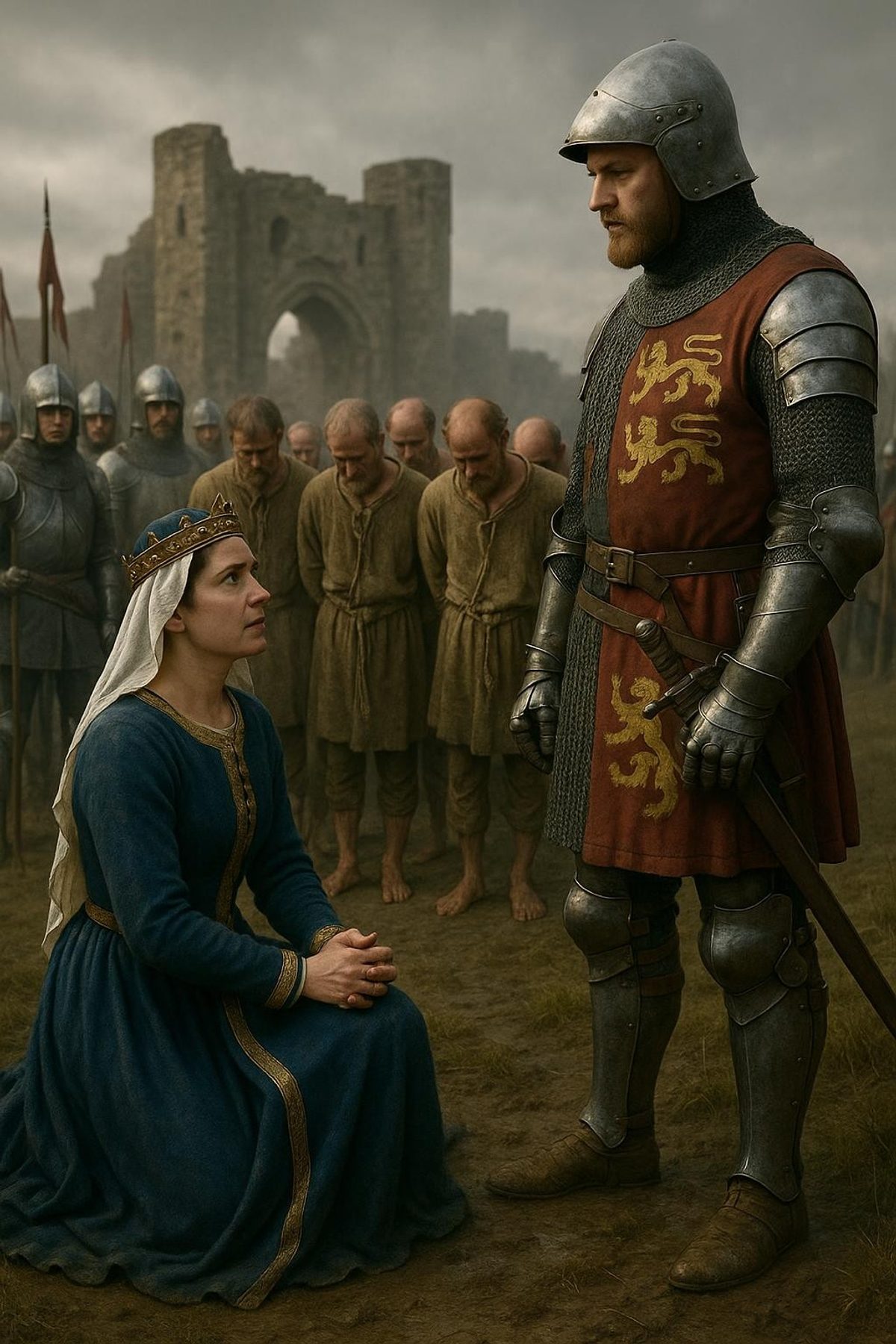
The event forced King Henry II to a public penance, his brow, for once, bowed under a crown of humility and remorse at Becket’s tomb. His cry, in bitter reflection, was more than for lost friendship—it was for the balance disrupted between crown and church, the ripple of which strayed far beyond England's shores.
In the cold corridors of history, Becket's quiet resistance and tragic end speaks with a resonance that challenges the overarching authority in any guise. He became the reluctant enlightener in a cathartic narrative, inscribed not just on parchment but in the hearts of generations who would question the ties between spiritual fidelity and temporal power.