A chill clung to the air of Canterbury on a December evening in 1170. The cathedral loomed, shadows stretching long beneath the flickering dance of candlelight. Each footfall echoed eerily off the stone walls, a foreboding chorus of whispers for those who dared to tread within. There, amid the Gothic arches and the stillness of sanctuary, lay tensions that could cleave a kingdom. This was no ordinary winter night. A storm brewed within the heart of England’s sacred house, threatening to spill the blood of a cleric who had become an unlikely warrior.
The Rift Between Crown and Crosier
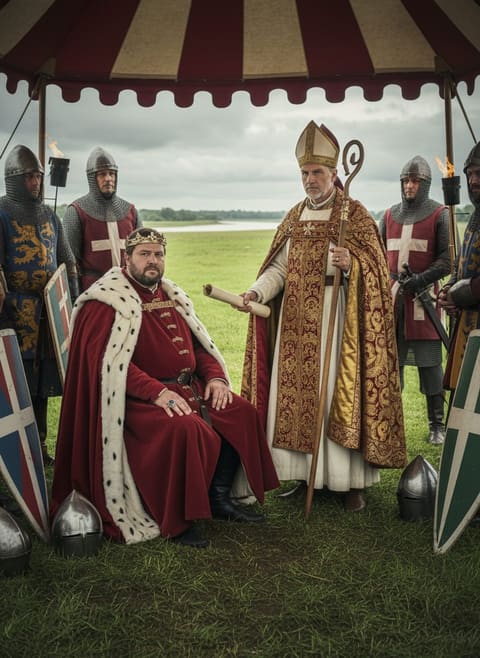
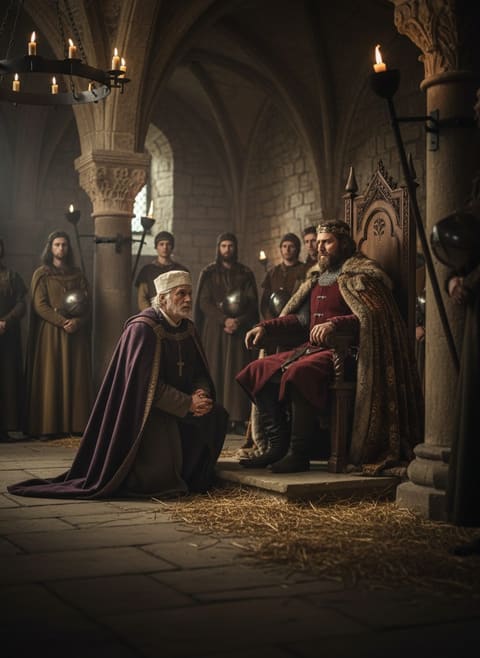
The conflict between Thomas Becket, the Archbishop of Canterbury, and King Henry II of England was as convoluted as it was bitter. Their friendship, once the very picture of alliance between church and state, had soured into an acrimonious standoff. Becket, thrust into the role of Archbishop by Henry’s own hand, transformed from a loyal chancellor into an unyielding voice of ecclesiastical power. In a time when kingship demanded divine sanction, Becket’s resistance to Henry’s attempts to curtail the church’s authority placed him squarely on the path of peril.
England, still quivering under the medieval flag of Christendom, was a tapestry interwoven with religious fervor and regal ambition. The church’s dominion was rivaled only by that of the king. To challenge one was to risk the wrath of the other, yet Becket, robed and righteous, stood firm against his monarch. His refusal to concede to the Constitutions of Clarendon, a series of legislative reforms designed to curb clerical privilege, had set a course toward inevitable confrontation. Becket’s excommunication of royal supporters and subsequent exile were mere preludes to the magnified tragedy unfolding within Canterbury’s walls.
The Cathedral's Sacred Silence
As the day faded into twilight on December 29, 1170, the cathedral stood still, its silence a brittle façade barely containing the tension within. Canterbury Cathedral, a fusion of Romanesque solidity and nascent Gothic grace, was a spiritual fortress. Its vast nave, lined with cold stone and stained glass filtering the last light of day, felt somehow more sacred, more ominous. Outside, the icy hush of winter's breath wrapped itself around the city, laying a tense expectant stillness upon the streets.
Read next: The Day a Welsh Girl Barred the Door on a King's Army
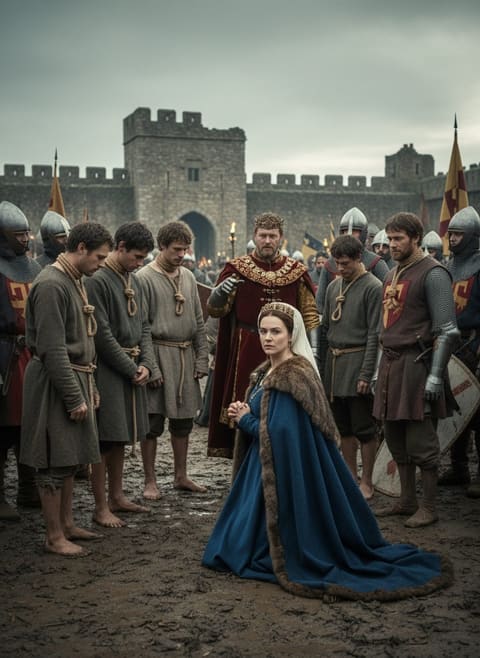
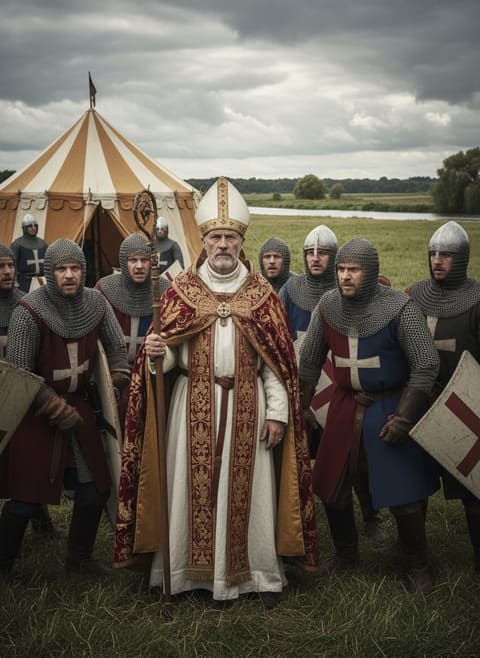
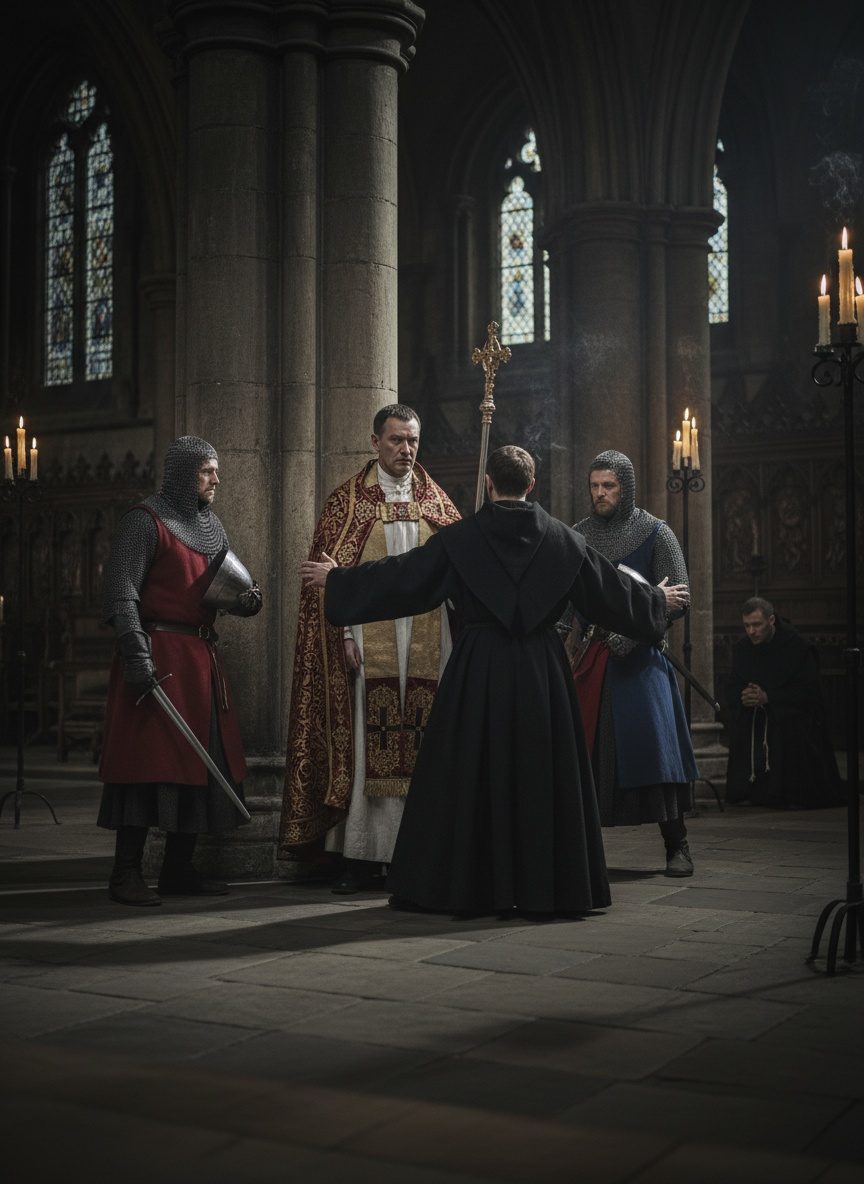
Four knights, loyal to King Henry and driven by misguided duty born of royal lament, arrived to confront Becket. Their mail-clad forms cast long shadows that danced across the cathedral’s floor. They came with a singular purpose, their weapons gleaming coldly—a stark contrast to the silent sanctity of the chamber. To them, Becket’s defiance had crossed a threshold; his insubordination demanded resolution, whatever the cost.
A Monk's Mercy
Within the confines of the choir, where psalms had once risen in serene unity, the atmosphere crackled with tension. Becket, unwavering in faith and fate, met his would-be assassins with a gaze of calm defiance. The knights, spurred by allegiance but clouded in their moral clarity, did not hesitate. As tempers flared and swords were drawn, violence threatened to defile this house of God.
In the piercing moment before metal met flesh, a brave monk rose from the shadows, stepping between the ordained primate of England and the instruments of his doom. A silent plea etched upon his face bore testament to one last desperate attempt to bridge chasm with compassion. Yet, the monk’s intercession was in vain; the allegiance to crown outweighed the sanctity of their surrounds. The swords fell, and with them, the hopes of peace breathed their last.
Aftermath of Oblations
The murder of Thomas Becket resonated across the Christian sphere, echoing far beyond the stone walls of Canterbury. This cold-blooded act of violence within a holy refectory shocked a continent into outrage, martyring Becket in both flesh and fervor. Canonized practically overnight, his martyrdom became a clarion call for penitence and reflection, immortalizing him among the luminous corridors of the sainted.
Read next: The Day a Medieval Mayor Knelt and Saved Six Condemned Men
For King Henry, the deed unwittingly entrenched Becket's defiance in the annals of history, immortalizing a legacy of resistance that reverberated through church channels and royal courts alike. The penance imposed upon him, a fitting redress for the amassed tide of public indignation, underscored the enduring struggle between sovereign will and spiritual autonomy—one that ripples beneath the current of every religious debate thereafter.
The winter that followed became a time of pilgrimage, as penitents journeyed from the corners of Europe to honor a man who defied the throne. Becket’s tomb shone as a beacon for those seeking repentance and refuge. The dual gauntlet thrown not only fashioned a saint but fueled a dialogue about power, loyalty, and transcendence—an eternal discourse that bespeaks harmony and hubris in equal measure.
In history’s ledger, this tale is more than a conflict of egos between mortal men. It stands as a potent reminder of the perils inherent when kingly power clashes with spiritual dominion—an eternal dance of sovereignty that echoes still, in whispers behind the hallowed stones of Canterbury and beyond.