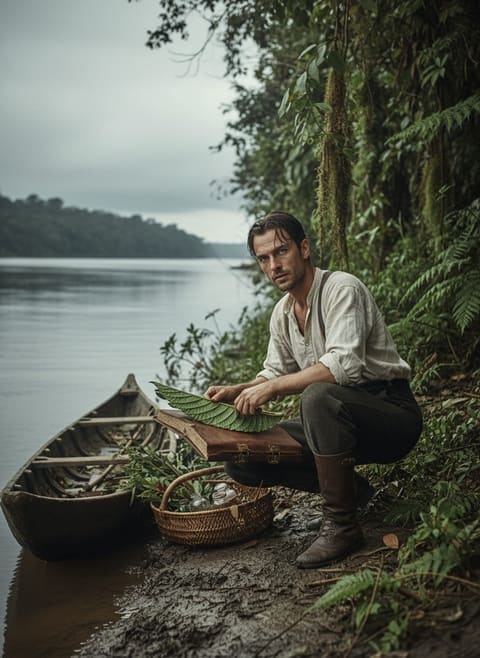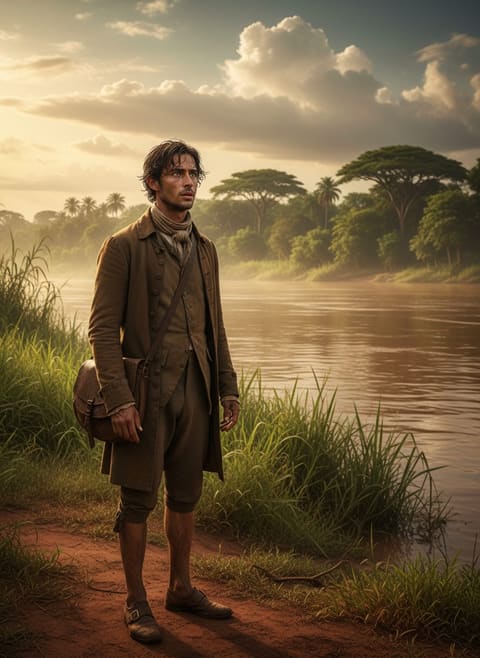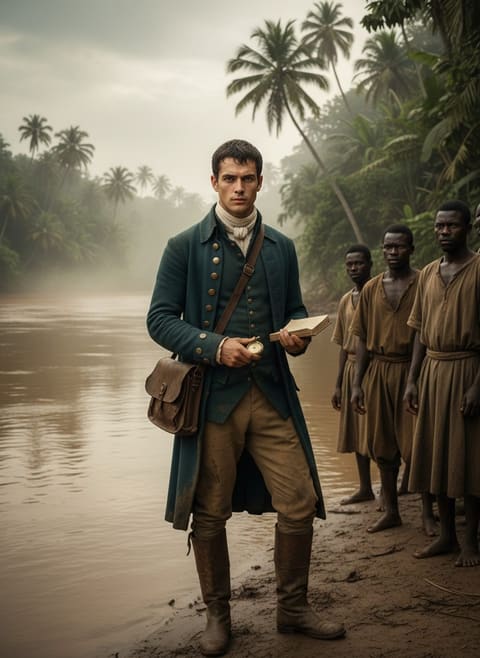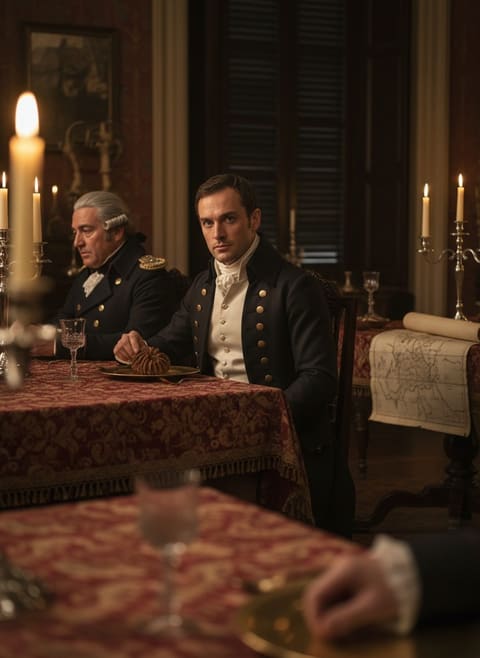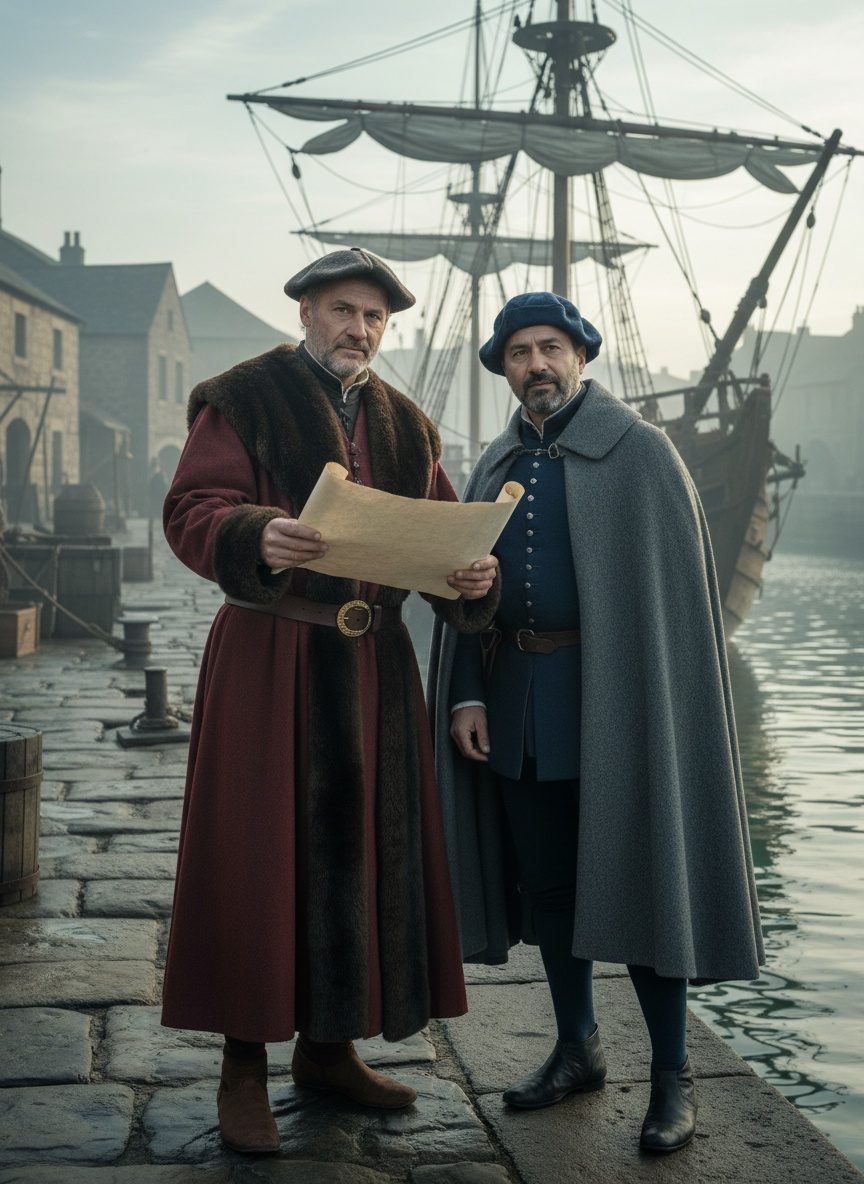
The oars churned the smoky waters of Bristol Harbour, the chill of the early morning biting through the heavy wool cloaks of the crew. Somewhere amongst the swirling fog, an audacious venture was about to set sail—a voyage that promised more than trade and riches. Merchant Richard Amerike, his breath visible in the crisp air, scanned the dock from beneath a fur-trimmed hat, a tacit supporter of this great gamble on an uncertain future.
The Merchant's Gamble
In the spring of 1497, the modest but thriving city of Bristol became the unlikely stage for one of history's most daring maritime voyages. The man behind the funding of this epochal journey was neither king nor noble, but a merchant of considerable foresight, Richard Amerike. Born of Welsh descent, Amerike had long been immersed in the merchant community, handling taxes and cargos and now, quietly nurturing a bold vision of exploration.
Amerike recognized the burgeoning interest in transatlantic ventures that had been stirred by the voyages of Columbus, who had opened the doors to Spanish exploration. For Amerike, a shrewd financier, the horizon beckoned, not with promises of gold but with the allure of trade routes and new markets. It was he who heard the fervent aspirations of a Venetian sailor, Giovanni Caboto, known in England as John Cabot, and saw within them the potential for untold opportunities.
Cabot's Daring Departure
The details of the rendezvous between Cabot and Amerike remain elusive, shrouded in the folds of time. Yet, what can be surmised is the palpable energy of their shared ambition. Cabot, a seasoned navigator with dreams of his own, sought the financial backing necessary to explore territories not yet laid claim by European powers. Amerike, known for his loyalty to Bristol's burgeoning potential, wasn't easily seduced by visions alone. He demanded results placed firmly within possibility, calculations etched meticulously with every possible detail the Venetian mariner could provide.
Read next: The Day a Devon Captain Charted the Pacific and Changed the World
It was on a fateful day when Amerike sealed his commitment, banking not only coin but reputation on Cabot’s vision. In doing so, Amerike became a crucial player in this historic unfolding, providing Cabot with resources and possibly the titular promise of naming rights—an influence some suggest subtly echoed through the eventual naming of that future land.
The Voyage: Charting the Unknown
The expedition commenced with the vessel Matthew on June 24, 1497. As the ship pushed away from the well-trodden paths of European waters, Cabot, carrying the hopes of his benefactors and his own aspirations, set sail across the daunting and unpredictable Atlantic. The Matthew was propelled by the promise of discovery, its sails filled with the breath of ambition—an embodiment of the merchant city that lay shrinking towards the horizon.
Cabot's brief voyage was one of remarkable persistence. Records tell that upon reaching land—believed now to be somewhere on the coast of what is today Newfoundland—Cabot laid eyes on new terrain, untouched and abundant. The journal of that time shimmered with accounts of endless forests and vivid skies, of places ripe for new beginnings. While not precisely documented, the awe of discovery reverberated back to Bristol with tales of rich fisheries, sparking the fires of further maritime ambitions for the English crown and its merchants.
Read next: The Day a Devon Sailor Mapped the Roof of the World Alone
Ramifications Across the Horizons
Cabot's return to England was shrouded in acclaim and growing legends. Richard Amerike was among those whose discreet orchestration had led to this crescendo of discovery. While his name rarely sings through the standard chronicles of history, Amerike’s investment etched into the bedrock of exploration something profound. His backing of Cabot helped initiate a drawn-out prowess in sea exploration that England would wield in centuries to come, one that would foster the era of British expansion and unchartered exploratory zeal.
The relationship between Cabot’s discoveries and Amerike's sponsorship demonstrated how fortune and curiosity must sometimes navigate side by side. This encouraged braver future expeditions, eventually knitting tighter the links between Europe and what would come to be known as the New World. To this day, the shores Cabot first glimpsed bear the silent echoes of that first courageous touch.
The tale of Richard Amerike and John Cabot serves as a reminder of the quiet forces in history—the subtle figures dwelling not in royal courts but hidden in counting houses and shipyards—whose visions cast the nets of destiny far beyond their immediate realms. As Amerike watched the Matthew disappear into the mist, did he dream of the imprint they might leave? Through the swirls of history and trade, his silent contribution was a stepping stone to an unprecedented age of exploration, irrevocably altering the trajectory of empires and the lives intertwined between.