December 1170. The cold air in Canterbury Cathedral was thick with anticipation.
The Night a Friendship Shattered
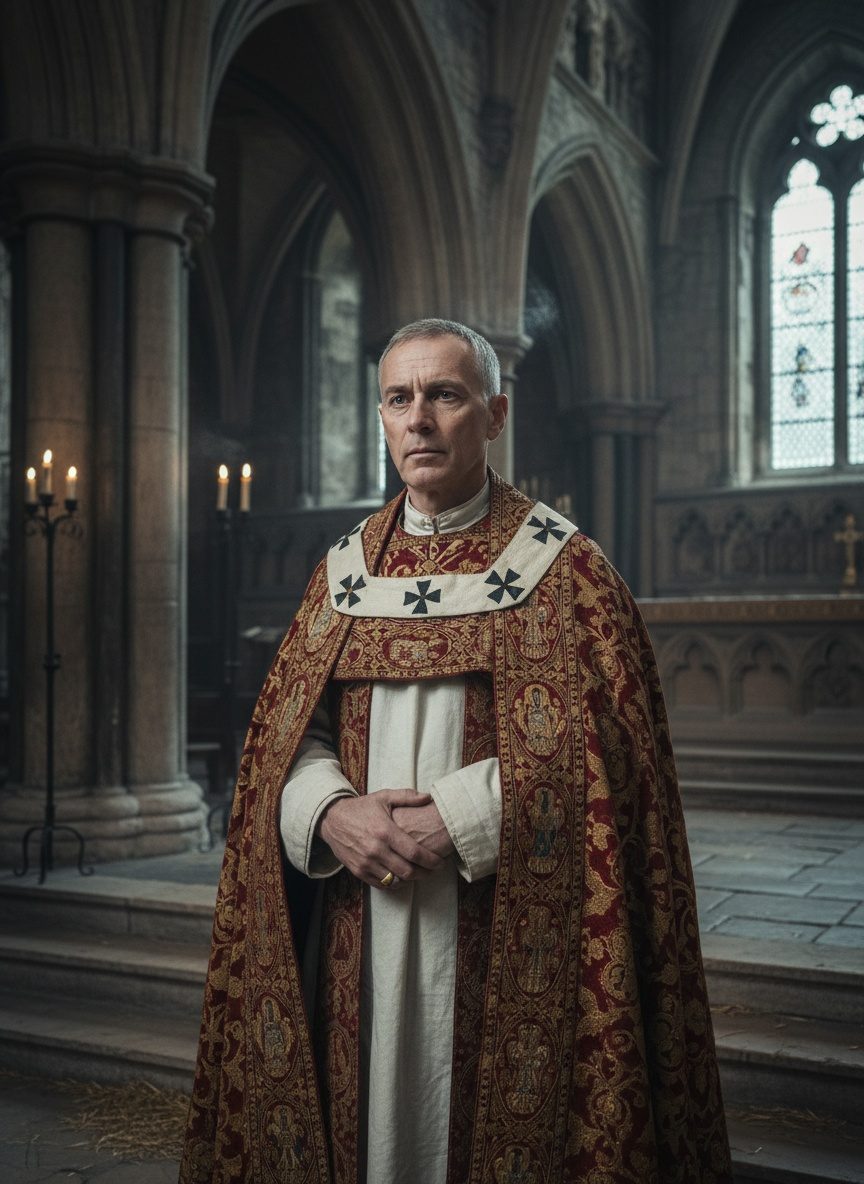
The cold December air cut through the stone walls of Canterbury Cathedral, echoing the frosty night outside with each fleeing breath from the candles that flickered dimly, casting long shadows that danced on ancient stone. The somber murmur of prayers hung in the air, as if the walls themselves whispered of the events about to unfold. Thomas Becket stood resolved behind the altar, a world away from the merry companionship he had once shared with King Henry II. A deep and complex history brought them here, intricately interwoven from the days when Becket was not just a churchman but also the King’s confidante and friend.
Once, Thomas Becket had been the King's most trusted ally. As his loyal Chancellor, Becket had proven himself both shrewd and innovative, working tirelessly in the service of Henry II. Together, they had modernized the English court and clashed against barbarous traditions. Their friendship was born of shared ambition and tempered with laughter; Becket was almost a second father to the King's children, a brother in arms beside Henry himself. But in making Becket Archbishop of Canterbury, Henry had unwittingly lit the fuse on a personal and political powder keg. The transformation was swift; Becket became something radically independent, something Henry could no longer control.
Appointed in what Henry hoped would be an advantageous move, Becket’s elevation to Archbishop marked a turning point. Once willing to play the King's game, the role of spiritual leader changed him. Thomas Becket found a new sense of purpose, one that transcended earthly allegiance. Suddenly clerical reform became his mission against royal encroachments, and all the King's astute plans began to unravel. Their alliance became an adversarial struggle: a dichotomy of crown versus miter, secular against spiritual, earthbound versus divine.
Read next: The Day a Queen Walked Into a Rebel Camp Alone
The Final Confrontation
In the dim glow of the cathedral, Becket's silence was deafening against the threat of violence that loomed large in the figure of four grim knights, sent by an impulsive king's fleeting words. Rumor had it that Henry had exclaimed, "Will no one rid me of this turbulent priest?" Though uttered in frustration, the words carried the weight of command, sparking what would become one of history’s most shocking acts of defiance and martyrdom.
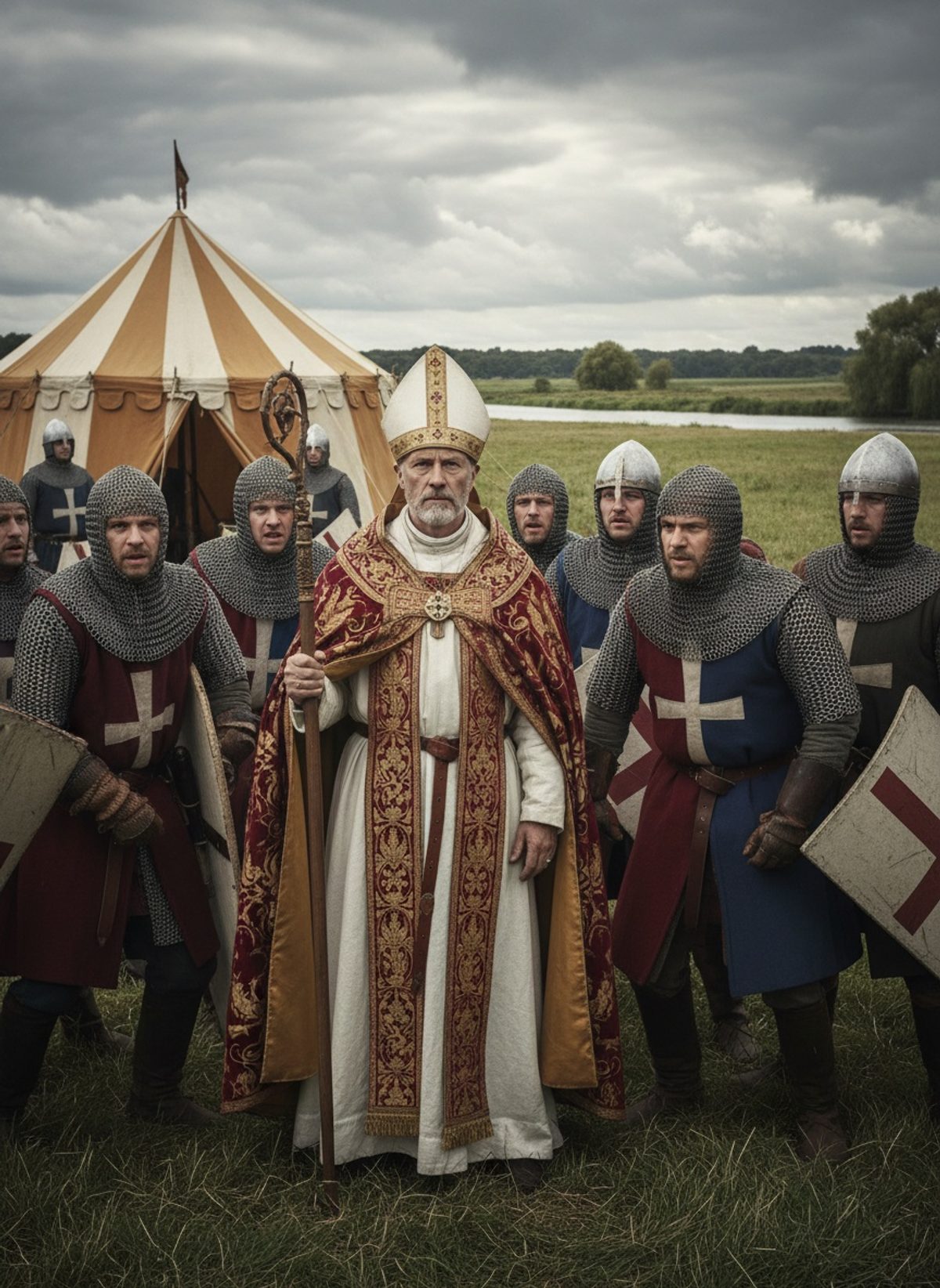
The knights, bound by honor and duty to their sovereign, stormed into the cathedral, armor clanking a discordant echo through the hallowed hall as they sought out the Archbishop. Becket, revealing neither fear nor hesitation, stood behind the altar. The knights demanded submission and recantation. Becket refused. A standoff of will ensued—a contest of righteousness versus royal edict. This was no battlefield of clashing nations, but a sacred sanctuary where the stakes were Becket's very life.
Their words a mix of fear, anger, and dogmatic determination, the knights brandished their swords—glittering slivers of steel threatening to cleave more than flesh, but also the very fabric of what Becket stood for. The Archbishop's refusal to step aside was a statement of defiance and faith, each breath a testament to his beliefs. In these brief and deadly moments, Becket's refusal to bow to temporal power underscored his role as a protector of the church, a vow interwoven into the stone beneath his feet. The first blow hit hard, solemn cries echoing from the rafters as the altar became a martyr’s shrine.
The Echoes of a Fallen Friendship
As the final blow fell, the once-silent witnesses of the cathedral found their voices—a choir of anguish and devastation. Blood dyed the ancient stones, mingling with prayers and legend. The Archbishop crumpled at the altar, a martyr forged in principle and piety, his spirit echoing his steadfast refusal to yield. But this was more than just the end of Becket; it was the unraveling of a friendship that had begun in promise and ended in tragedy. His death would reverberate far beyond the walls of Canterbury, igniting a firestorm of political and ecclesiastical consequences.
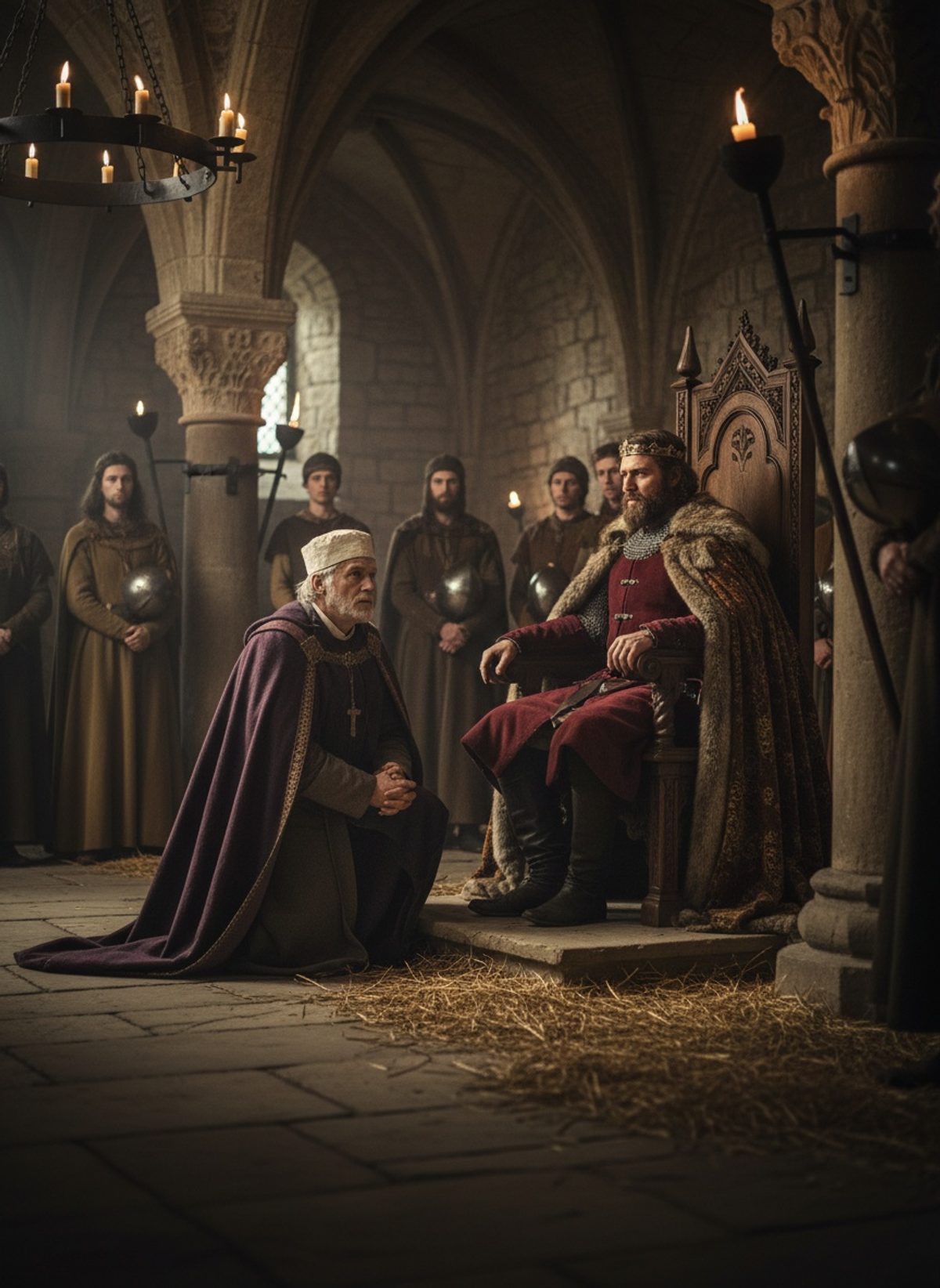
King Henry II, back in Normandy, soon found his throne quaking beneath the weight of public outrage. The murder transformed Thomas Becket from a defiant cleric to a venerable saint and the royal court into a theatric stage of remorse and contention. Little known to the king in the heat of his outburst were the ramifications that awaited a monarch who had seemingly sanctioned the murder of God's servant. Henry's repentance became penance, his humiliation the crown's burden to bear. He walked barefoot to Canterbury on a pilgrimage of atonement, a public display meant to placate an incensed Europe and reclaim a tarnished royal honor.
The knights themselves became reviled figures, their names scorched into infamy alongside the act they committed. Their damning deeds echoed long after Becket’s bones were interred in Canterbury’s crypt, one of whom history remembers as stubbornly facing divine wrath itself. The fallen friendship between Henry and Becket now rippled with tales of endurance, devotion, and the dangerous dance of power that could bind men’s fates so intricately.
In the end, the day a monk stepped between a king and his crown marked a turning point not merely of power but of principle. It pierced the heart of medieval governance itself—a relentless reminder that even the weight of royal authority must yield before the indomitable spirit of conscience. In a world where allegiances could shift as swiftly as the winter wind, Thomas Becket stood unyielding, and in doing so, became both a saint and a symbol. This is a story that lingers in the annals of history, a poignant echo across time reminding us of the indomitable spirit of the individual in the face of overwhelming power.