HMS Glowworm is not a name that echoes through the annals of naval history. Yet, in a single, fiery showdown off the Norwegian coast, she etched a tale of indomitable courage into the fabric of World War II.
The Norwegian Campaign: Where Desperation Met Valor
In May 1940, the Norwegian waters churned with tension as the ambitions of Nazi Germany unfolded across Europe. The Royal Navy, a titan of the seas, found itself locked in a struggle against an enemy as cunning as it was relentless. In this setting, the destroyer HMS Glowworm, a vessel of modest stature and power, would face its most severe test. She had already been engaged in frantic maneuvers across the icy waters, part of Britain's effort to interrupt German troop movements and protect precious Norwegian iron ore supplies from falling into enemy hands. On the morning of June 1940, against an overcast sky, Glowworm found herself isolated and vulnerable.
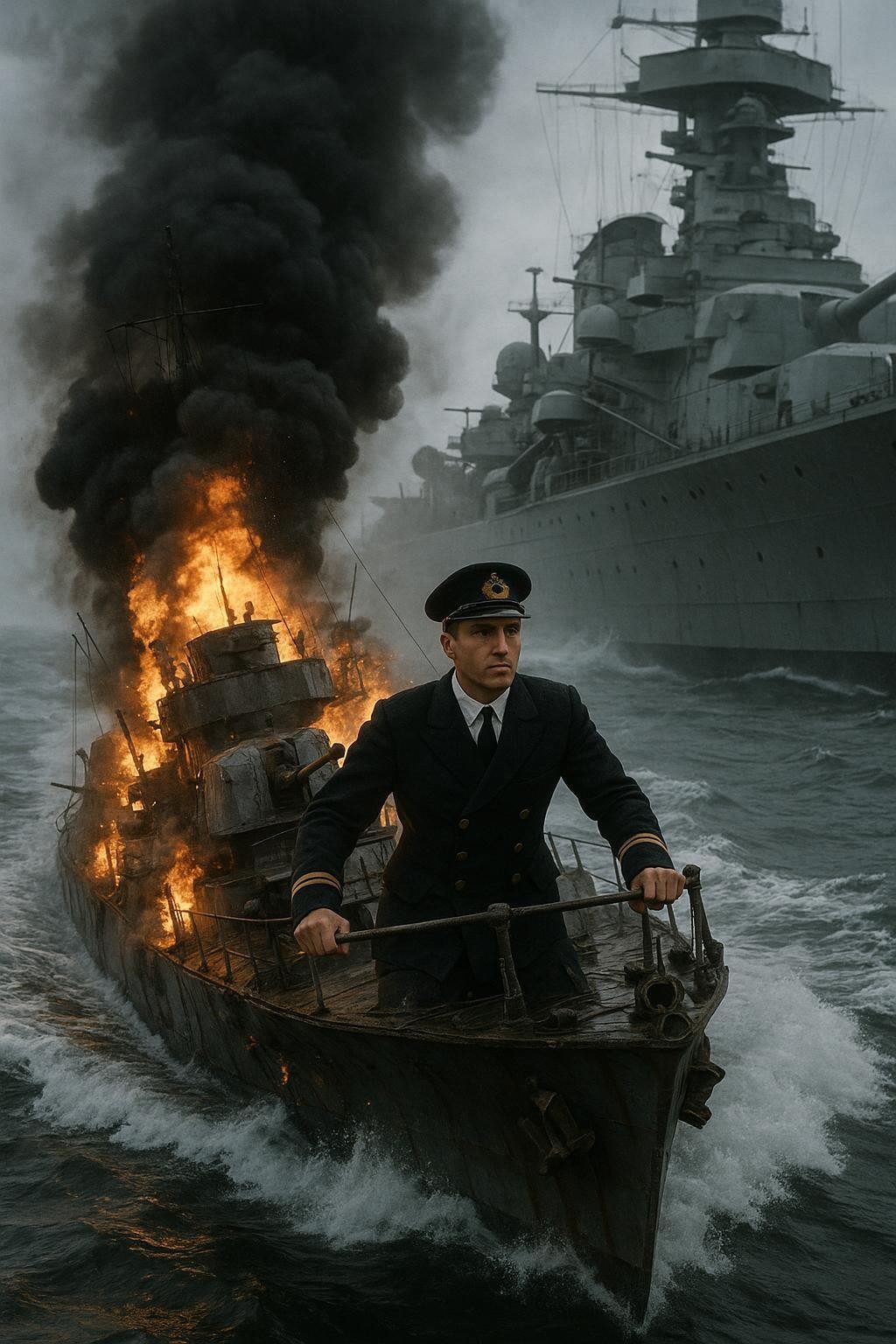
With the metallic taste of war heavy in the air, Glowworm stumbled upon a force she was woefully unprepared to confront. Emerging from the mist like a colossus, the German heavy cruiser Admiral Hipper loomed over the diminutive destroyer. As the massive ship cut through the waves, her guns unleashed a thunderous barrage, each shell a punch that shook Glowworm to her very core. Yet, amidst the chaos, the Glowworm's reaction was not one of fear, but rather a testament to her crew's bravery and resolve. Her guns barked defiantly, despite the slim chance that her salvos could penetrate the Hipper's armor. Each shot was a spirited defiance to a foregone conclusion.
As the shells of Admiral Hipper found their mark, Glowworm's captain, temporary in name only, remained unyielding. Though outgunned and already in flames, there was one final, desperate option left. With torpedoes expended and the ship taking on water, the captain ordered his vessel to charge toward the monolithic German cruiser. The decision to turn Glowworm into a ram was radical yet rooted in a tactical brilliance fuelled by necessity. Metal met metal as Glowworm plowed into the side of Admiral Hipper, a dying gasp that spoke louder than any gunfire.
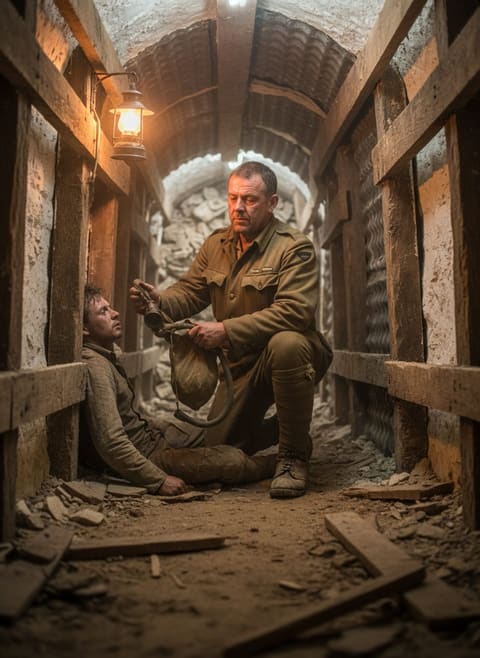
Read next: The Day a British Stretcher-Bearer Refused an Order to Save Lives
Captain's Resolve: A Commander's Unyielding Stand
The captain of HMS Glowworm was a study in formidable resilience, both personally and professionally. Navigating the icy waters with a physical wound that many consider insurmountable highlighted the steel within the man. Here was a commander who, despite the press of pain and inevitability, chose to steer into the jaws of the enemy rather than accept surrender. This instinct filled the ship with a tangible sense of purpose and unity in those final, tumultuous moments.
As Glowworm approached her fiery destiny, the air was heavy with smoke, the deck slick with seawater mingled with engine oil and debris. Despite the chaos—guttural commands, the cacophony of guns, the cries of men—the captain relinquished neither command nor his resolve. It was not simply tenacity but something deeper—a refusal to let defeat shadow the valor of those under his charge. The crashing of a destroyer and heavy cruiser, amidst the spray and steel, left a mark far deeper than any battle scar. The courage on that deck spoke to a tradition of maritime defiance, a threadwoven through Britain's naval chronicles.
In an era where valor seemed antiquated, the captain demonstrated that bravery and duty were timeless virtues. His decision to refuse to strike his colors, to deny the enemy an easy victory, was a gesture that rippled through the waves and whispered echoes of a storied past focused more on honor than sheer numerical might. Those who served aboard—each silhouette against the flames—were not merely sailors but embodiments of an unwavering spirit.
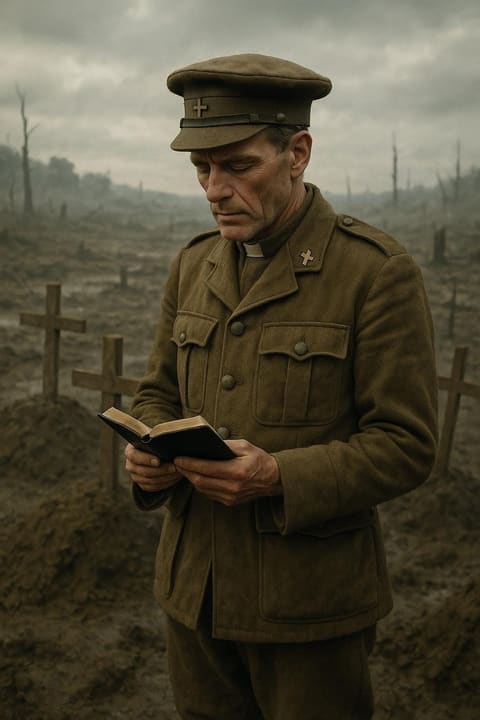
Read next: The Day a Army Chaplain Gave His Coat to a Dying Stranger
Burnishing the Legacy of Glowworm's Last Stand
The legendary encounter of HMS Glowworm, though a fraction of the vast tapestry of World War II, deserves its place in the chronicles of naval warfare. When moments carve their mark upon history, they do so with the relentless chiseling of courage and sacrifice, leaving behind an indelible story for future generations. The methodical, rhythmic crashing of Glowworm against a mightier opponent reminds us that heroism thrives under even the direst circumstances. The world moved inexorably forward, yet the echoes of the Glowworm's engagement off Norway's rocky shores persisted, carried in the whispers of waves lapping against pebbled beaches.
In the aftermath, the German cruiser Admiral Hipper—despite achieving victory that day—left that theater with an unintended legacy: a newfound respect for the audacity of British sailors. Glowworm's guttural protest with her hull, the flame-licked glow of her defiance against seemingly insurmountable odds, underscored the intrinsic power of human spirit when pressed by inevitability. This narrative highlights the importance of understanding the personal dimensions of wartime decisions, where mechanical might is sometimes overshadowed by the persistence of will.
Such stories invite us to reflect upon the profound interplay of circumstance and character. They remind us that valor may often unfold in unexpected ways, revealing the depths of human resolve. Glowworm's story resonates beyond its historical confines, a timeless testament that even in shadows, light finds a way. As one ship burned and another sailed, what remained was a narrative not of loss but of enduring, vivid purpose.