Most people think they understand true courage. Few ever face it on a scaffold.
The Reluctant Martyr
Thomas More, the Lord Chancellor of England, was once a man of profound influence. Positioned at the center of King Henry VIII's court, More had the king's ear, guided royal policies, and played a pivotal role in the political machinations of Tudor England. But on that fateful day in 1535, More's influence had waned to insignificance in the face of a singular, irrevocable decision.
More had been a stalwart servant of the Crown, a brilliant mind capable of crafting laws and philosophies with equal finesse. His tenure under Henry VIII solidified his reputation not just as a statesman, but as a moral philosopher, unyielding in his principles. Yet, this steadfastness would become the crux of his undoing. When Henry chose to sever England's ties with the papacy to secure his annulment from Catherine of Aragon, More's conscience stood impenetrable. Convinced that no man, not even a king, could claim supremacy over divine law, he silently refused to endorse the Act of Supremacy.
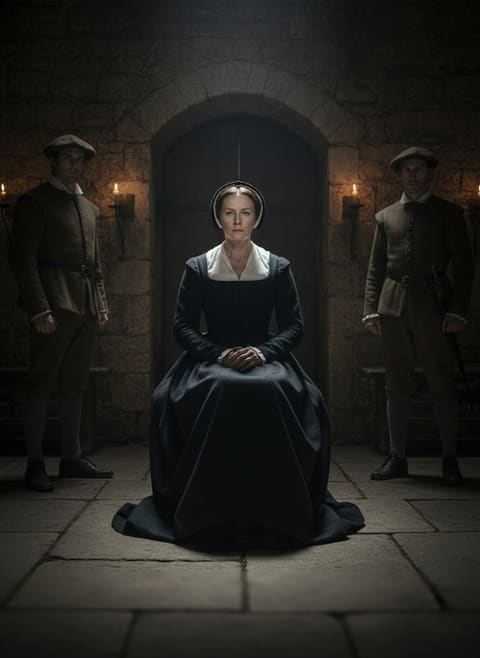
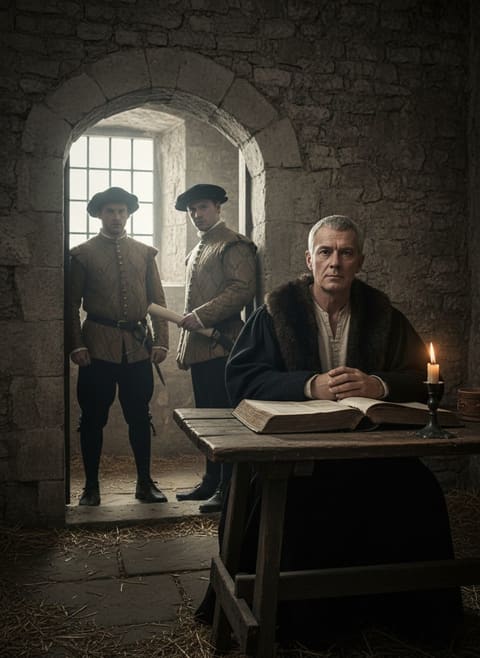
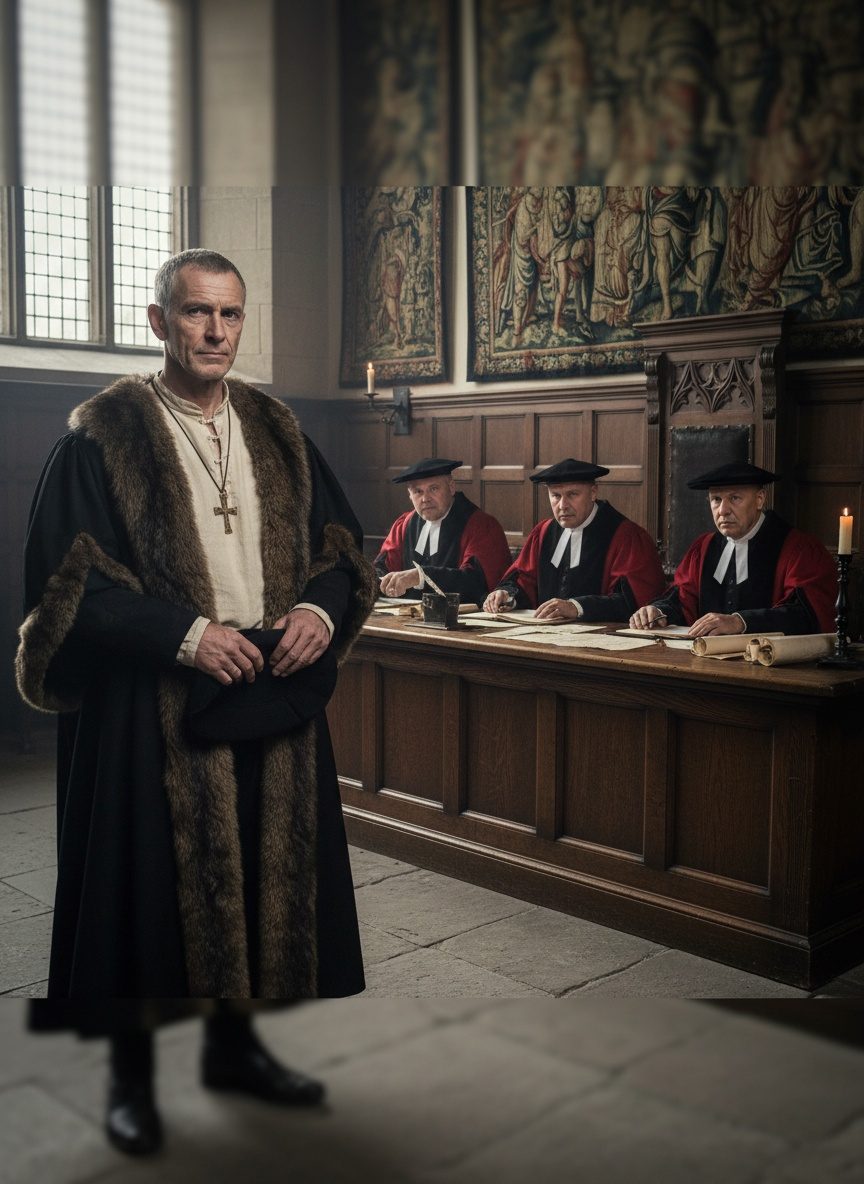
This silent defiance was perilous in a time when words, or the lack thereof, carried the weight of betrayal. More’s refusal to verbally oppose the king was intentional — a silent protest against the transformation of personal loyalty into state-mandated ideology. For his silence, More was imprisoned in the Tower of London. Imagine the cold stone walls closing in, the damp seeping through his bones as he penned letters to his daughter, Margaret, articulating his unwavering resolve even in the face of an impending doom he could neither prevent nor evade.
Read next: The Day a Tudor Chancellor Chose Death Over a Royal Lie
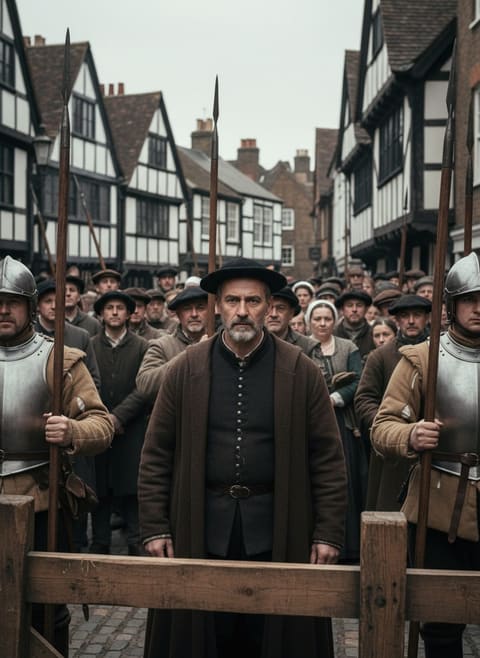
Even in his final days, More's wit remained unquenched. A stark realization gripped him: his imminent execution was not the defeat of his beliefs but a testament to their righteousness. The war within him had ended; he would go to his death resolute and composed. On the morning of his execution, More was escorted from his damp cell at the Tower to the scaffold at Tower Hill. The city's heart was still, and the shadows cast by the early morning sun merged with the somber mood of the crowd gathered to witness the end of a once-great man. Thomas More was not just walking to his death; he was upholding a legacy of conscience that would outlive the machinations of kings.
The Final Stand
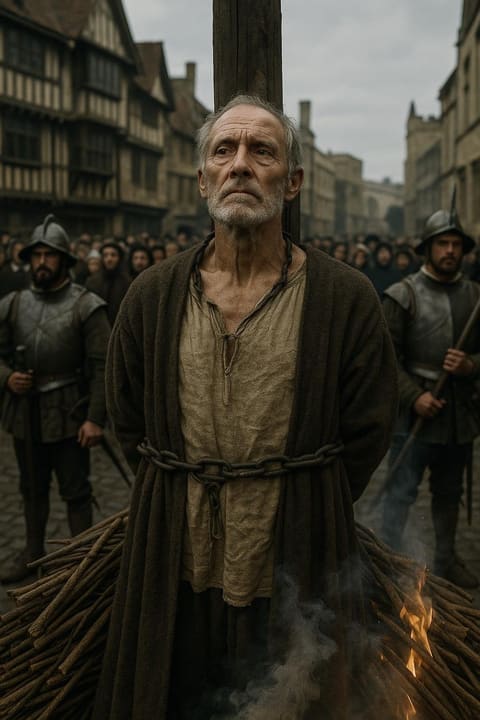
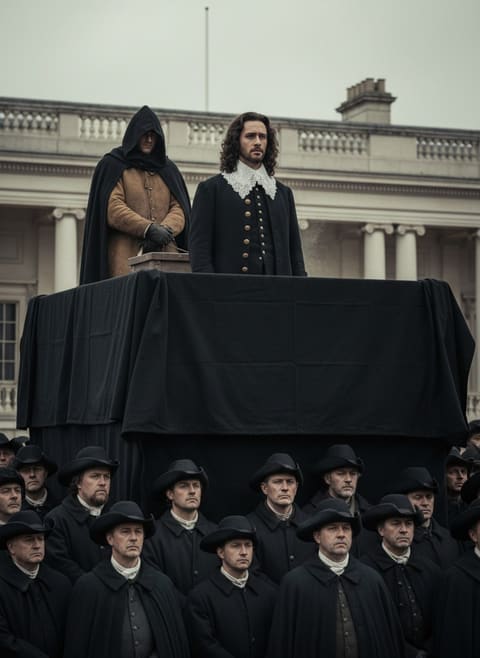
The scaffold, a visceral symbol of Tudor justice, loomed as Thomas More ascended its wooden steps, his gaze calm yet unyielding. It was here that More's tranquility in the face of obliteration became legendary. His famously jovial demeanor belied the gravity of the moment, yet underscored the principle for which he stood — that personal integrity should endure beyond life's cessation.
As he prepared for his execution, More addressed the crowd with a serenity that belied his fate. He declared himself loyal to the king, but God’s servant first. His words were a testament, not to sedition, but to the collision between personal belief and absolute power. In Tudor England, the scaffold served as the ultimate arbiter, a stark line between survival and martyrdom, often crossed not by swords, but by words spoken, or left unsaid.
Strikingly, More's composure was unyielding, his characteristic humor making a final bow. Legend records his calm, even playful, interaction with the executioner. More quipped that his beard had done no treason, and should not be harmed by a traitor's fate. This moment, a singular act of defiance swathed in humor, humanized the scaffold's grim relics and set More apart, not as a man defeated, but as one embracing the eternal. The crowd would have murmured in awe and sorrow; they witnessed a man transformed from Thomas More the councilor to Thomas More the martyr.
Read next: The Day a Tudor Bishop Refused to Crown a Usurper
The act of executing an adorned statesman turned into an emblem of unwavering conviction. More's actions underscored a truism that resonated far beyond Tower Hill. It was a mettle entwining legal duty and moral principle, challenging governance to evolve while maintaining one's fidelity to personal belief. As More's life ebbed away, his spirit fortified a legacy of moral fortitude, urging future statesmen to remember that power without principle is fleeting.
The Legacy of Silence
In the aftermath of More's execution, the political landscape shifted, yet his legacy endured, carved into the annals of British conscience. His silence before the king's demands was not a rebellion against authority; it was a profound declaration of personal integrity over compliance. History has often cast Thomas More as the architect of his downfall, but to diminish his role to merely a public spectacle or a tragic end undersells the complexity of his defiance. More's act was one of selfless tenacity, a reminder that words left unspoken can hold the same power as those proclaimed.
The execution of Thomas More remains a haunting echo through the corridors of time, as much a warning as a lesson. The scaffold on Tower Hill became a silent witness to the choices made in the name of conscience, a place where ideological purity clashed headlong with the expectations of power. In an era of political renaissance and theological upheaval, More's steadfast silence unraveled the very fabric of allegiance, creating ripples of thought on governance and personal sacrifice. This narrative, etched upon the stones of history, implores us to reflect on the courage it takes to uphold one's principles amid overwhelming adversity.
As we ponder Thomas More's life and choices, we are reminded that the scaffold bore not just the weight of a man, but the immense gravity of a singular choice — to live true to oneself, even unto death. His actions challenge the very essence of loyalty and morality, inviting us to consider the enduring question: What, if any, is the cost of silence in the face of power?