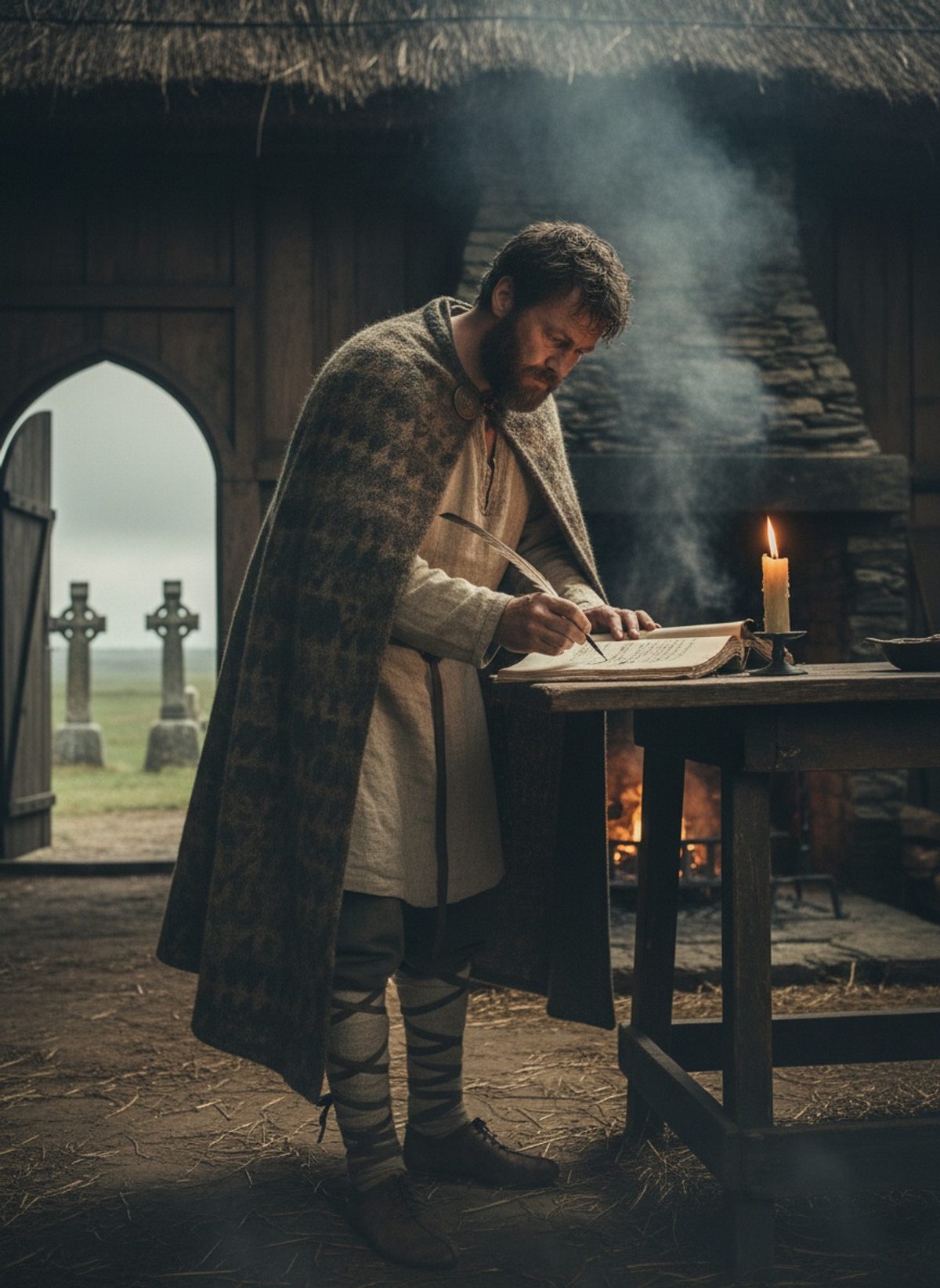
He was a poet at heart. Yet that poet ruled with an iron fist.
The Fierce Poet-King
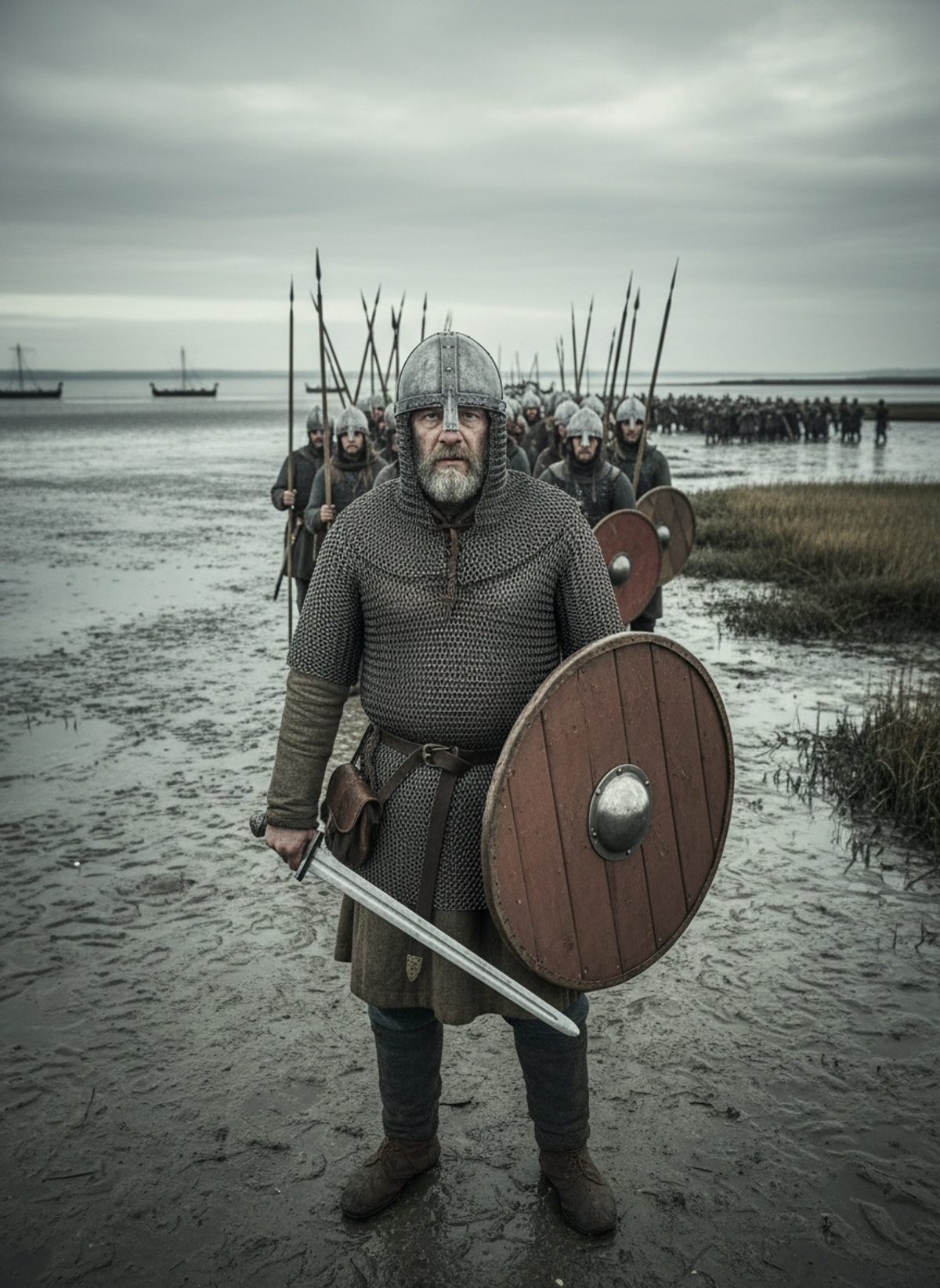
Harald Hardrada, the last of the great Viking warriors, was best known for his prowess in battle. But what many don’t know is that this fearsome leader also had a softer side: his mastery of verse. The Icelandic sagas tell us that alongside his sword, Harald wielded words with skill, composing poetry that captured the spirit of the Norse world. Yet his poetic inclinations did not temper his ambitions; rather, they fueled them. Poised to claim the English throne, Harald's journey from poet to conqueror was at full sail as he landed in Yorkshire with dreams of glory, a force matched by few.
The Call to Arms
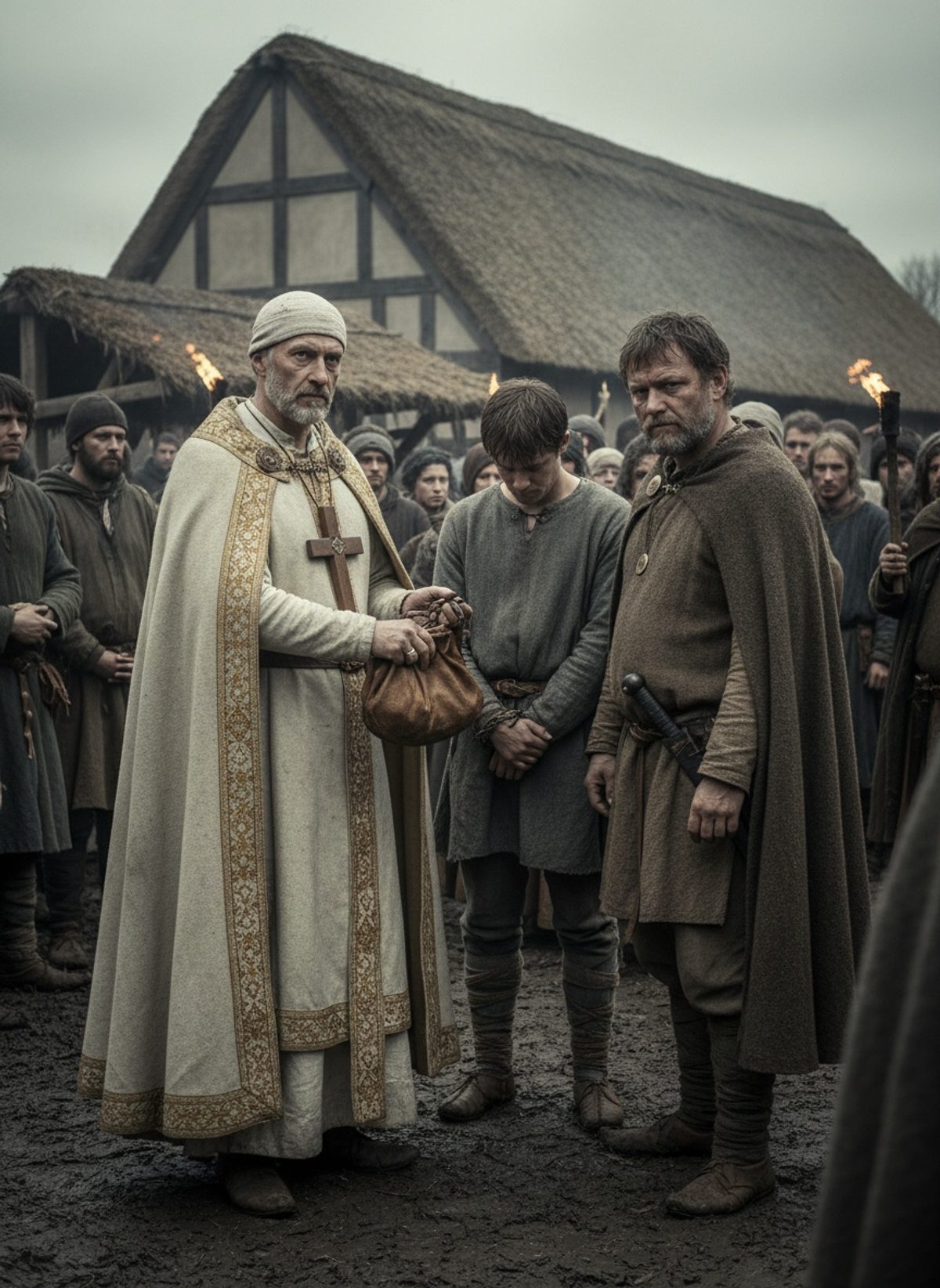
Of course, every grand confrontation demands a worthy adversary, and in Harold of England, Harald found just that. As news of the Norwegian king's arrival spread, King Harold Godwinson of England found himself in an unenviable position. The burgeoning threat required immediate and decisive action. Leaving his capital vulnerable, Harold Godwinson mustered his army, gathering fyrds from the shires. With grim determination, Godwinson and his men began an epic trek northward, embarking on what would become one of the most celebrated marches in British military history.
The March of a Lifetime
The resilience and stamina displayed by Harold's forces during the march are legendary. In the span of just four days, they traversed two hundred miles of rugged English terrain, a feat that even the bards and chroniclers struggled to adequately convey in their accounts. With each exhausting mile, the soldiers left behind the comforts of their hearths and homes, driven only by loyalty to their king and the threat looming at Stamford Bridge. When the army finally appeared on the horizon, it was not the ragged band of weary travelers that the Vikings expected, but a force as ready to fight as any fresh to the field.
The Bridge of Destiny
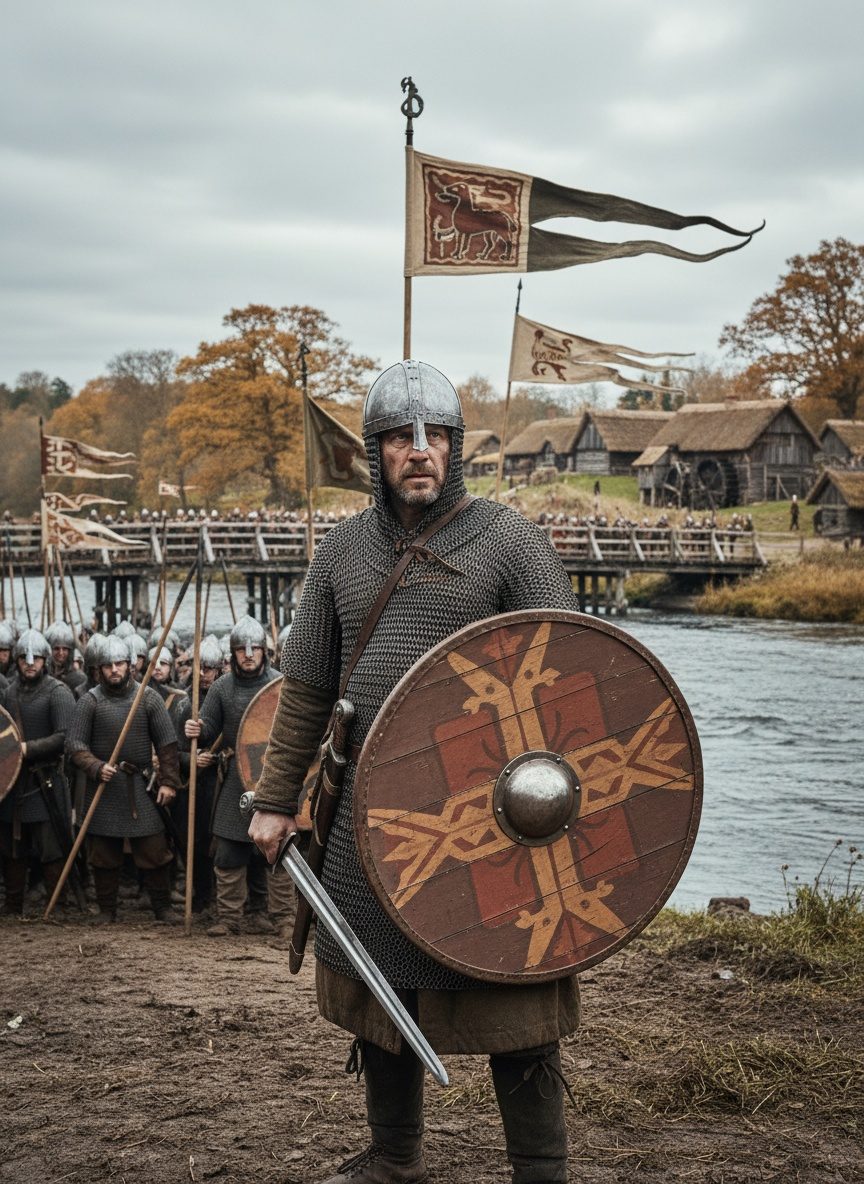
The clash at Stamford Bridge was written into the annals of history with a gruesome flourish. Holding the narrow passage, Harald Hardrada’s army found English determination barreling down upon them. Amidst the melee, a fierce exchange unfolded on the bridge itself, reportedly blocked by a single mighty Norse axeman whose defiant stand became the stuff of legends. Yet not even this warrior’s heroics could stave off the relentless tide of Harold's forces. The ensuing battle marked a turning point, as the advantage swung decisively in favor of the English king. The toll was catastrophic for the Norse; where three hundred ships had brought them, only a band of vessels returned across the sea.
The Twilight of the Vikings
As the sun set over the bloodied fields of Stamford Bridge, a significant chapter in Norse history concluded. The death of Harald Hardrada not only marked the end of a formidable opponent but also the dawn of a new era for England. The risks Harold Godwinson took, the march he commanded, and the battle he won were overshadowed just weeks later by another monumental encounter at Hastings. Still, the victory at Stamford Bridge deserves its place in the spotlight, a fleeting triumph that shaped the course of events in 1066.
This story, nearly overshadowed by subsequent events, underscores the capricious nature of fate and the human spirit. It reminds us that history is not always determined by grand strategies or overwhelming numbers but often by timely decisions, heroic sacrifices, and the unyielded will of those who dare to dream. As we traverse our own paths, the echoes of Stamford Bridge urge us to persist against the odds, forging forward with steely resolve and an eternal flame of hope.