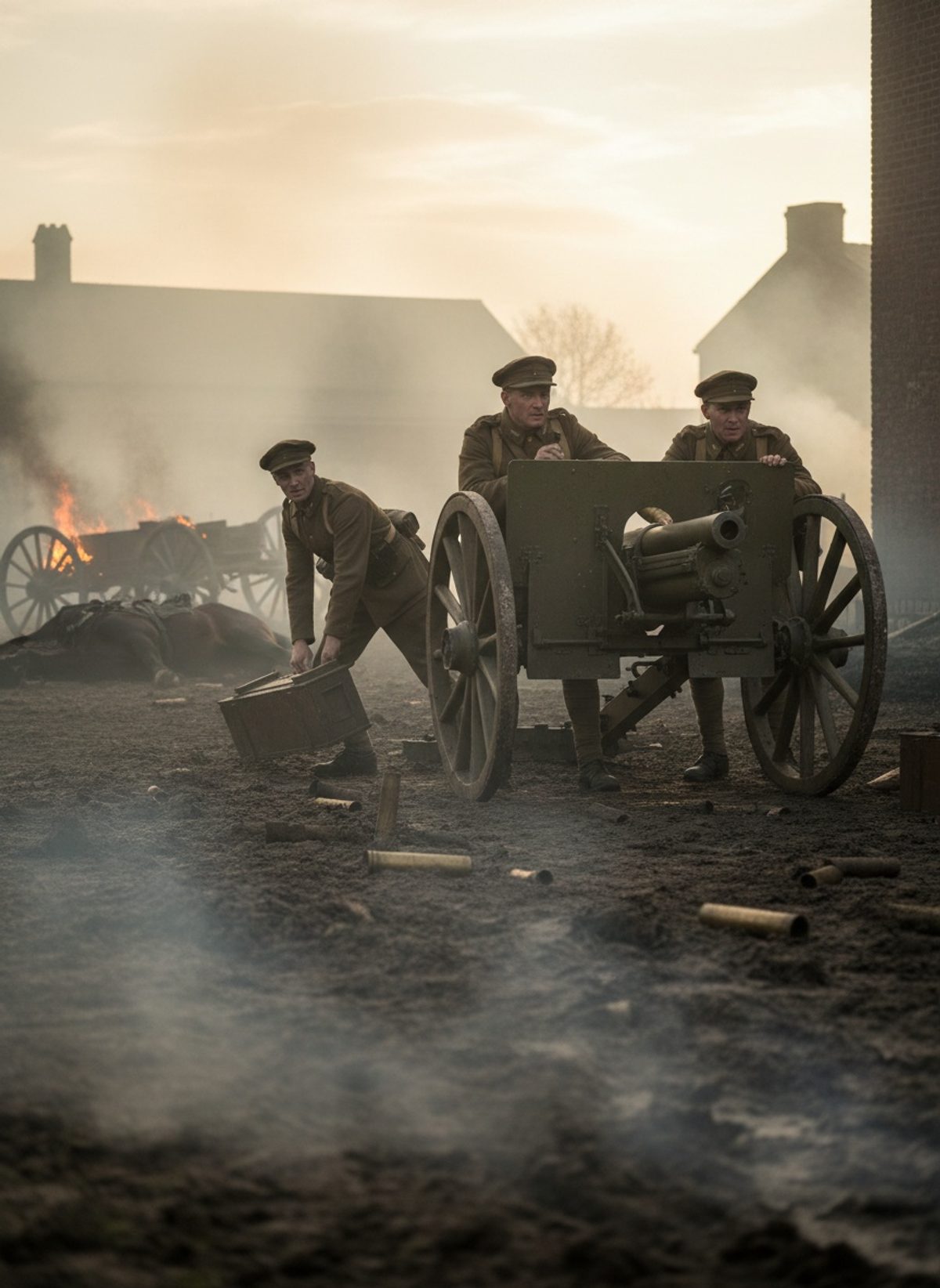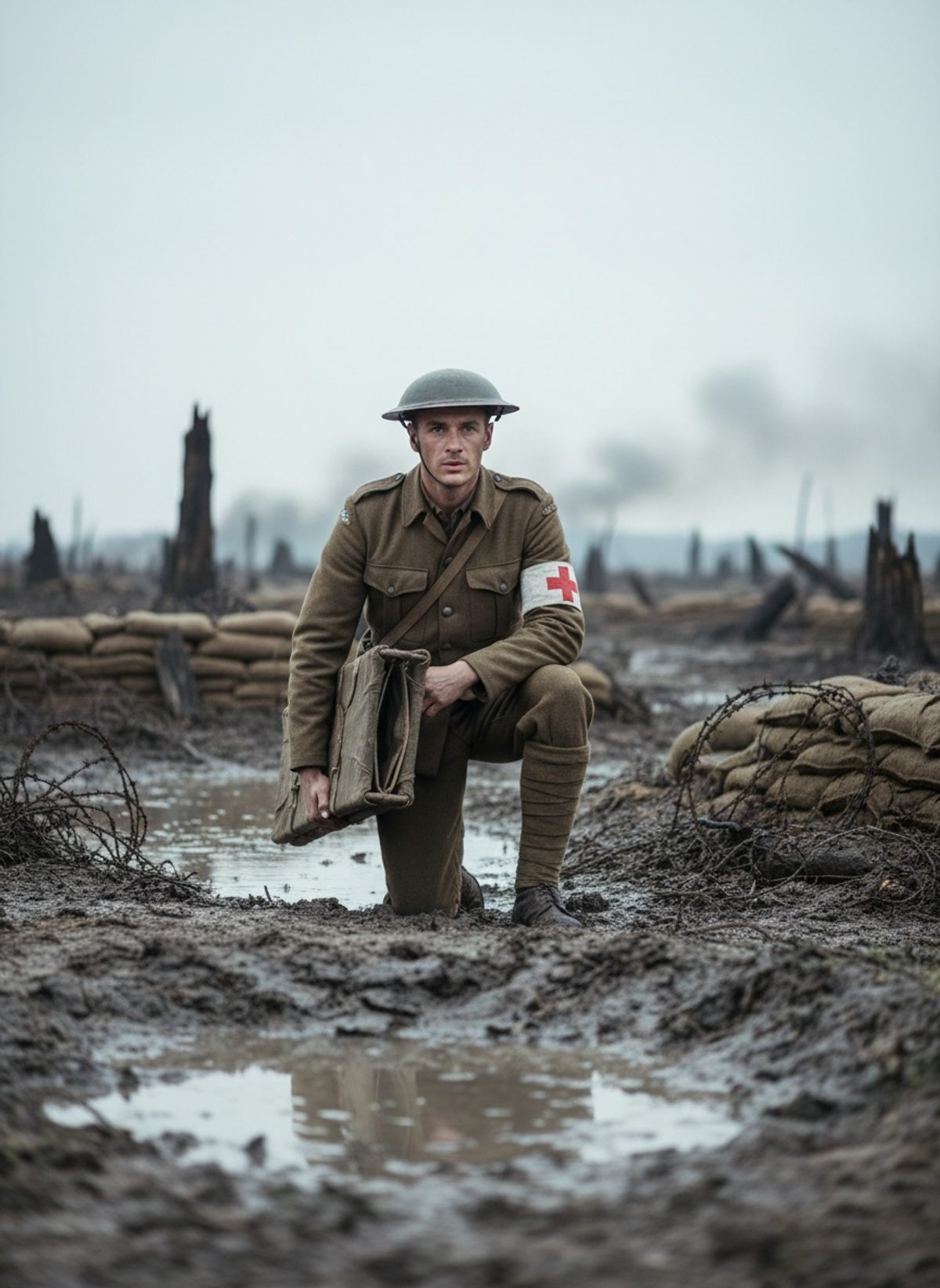
The dawn arrived over the Northern coast of France, a reluctant embrace of light creeping over a sea that played coy with the horizon line. Waves lapped with a persistent whisper, a sound that occasionally rose to meet the gulls crying above. The sky, painted in hues of lavender and peach, seemed eerily tranquil given the tension that buzzed through the chilled air. On this seemingly calm June morning of 1940, an audacious operation initiated by Britain would set its course to defy recent humiliations, a daring strike less than a month after the desperate evacuation from Dunkirk.
The Desperate Push for Action
Following the catastrophic events at Dunkirk that concluded on June 4, 1940, the British Isles wore the bruises of a swift and demoralizing retreat. The British Expeditionary Force had been chased to the edge of the European continent, leaving behind vast amounts of equipment and yet more, fragile threads of hope. Across the Channel, Britain was preparing for the grim possibility of invasion. It was under this shadow that Prime Minister Winston Churchill and his determined cabinet of wartime leaders devised a strategy to restore the battered morale, both of the military and the country.
Churchill, ever the advocate of aggressive action, commanded that Britain would not merely brace for what's to come, but strike back with urgency and valor. The orders came with a clarity befitting his steadfast resolve: Britain must return to the fray and extract a measure of retribution, however modest it might be at first. Inspired by a leap into guerrilla tactics, a barely noticed War Office lieutenant-colonel was tasked with translating this audacious vision into a palpable reality, penned down on a single sheet of paper.
The Birth of the Raiders
As the War Office deliberated on the nuts and bolts of this unorthodox venture, a name was borrowed from the annals of military history: *Commandos*. This term, deeply embedded in the annals of British military adversaries, was one introduced by the very foes from the Boer War, who had humiliated the British forces with their agile and relentless strike tactics. Now, these tactics would be requisitioned and repurposed to carve out a bold and defiant British counter-narrative.
Read next: The Day a British Padre Carried the Dying From No Man's Land
The planning was critical and compressed, as operations had to be executed with what little could be reassembled from the ruins of Dunkirk’s equipment losses. The newly assembly of Commandos would rely on a concoction of stealth, speed, and bravery. Each operation would be its own entity, relying on small, specially trained groups to execute precise, hit-and-run incursions designed to unsettle and demoralize the occupying enemy across the Channel. These were desperate times calling for equally desperate measures, and thus, the formation of these specialized units marked a radical shift away from traditional military engagements.
The First Raid on France
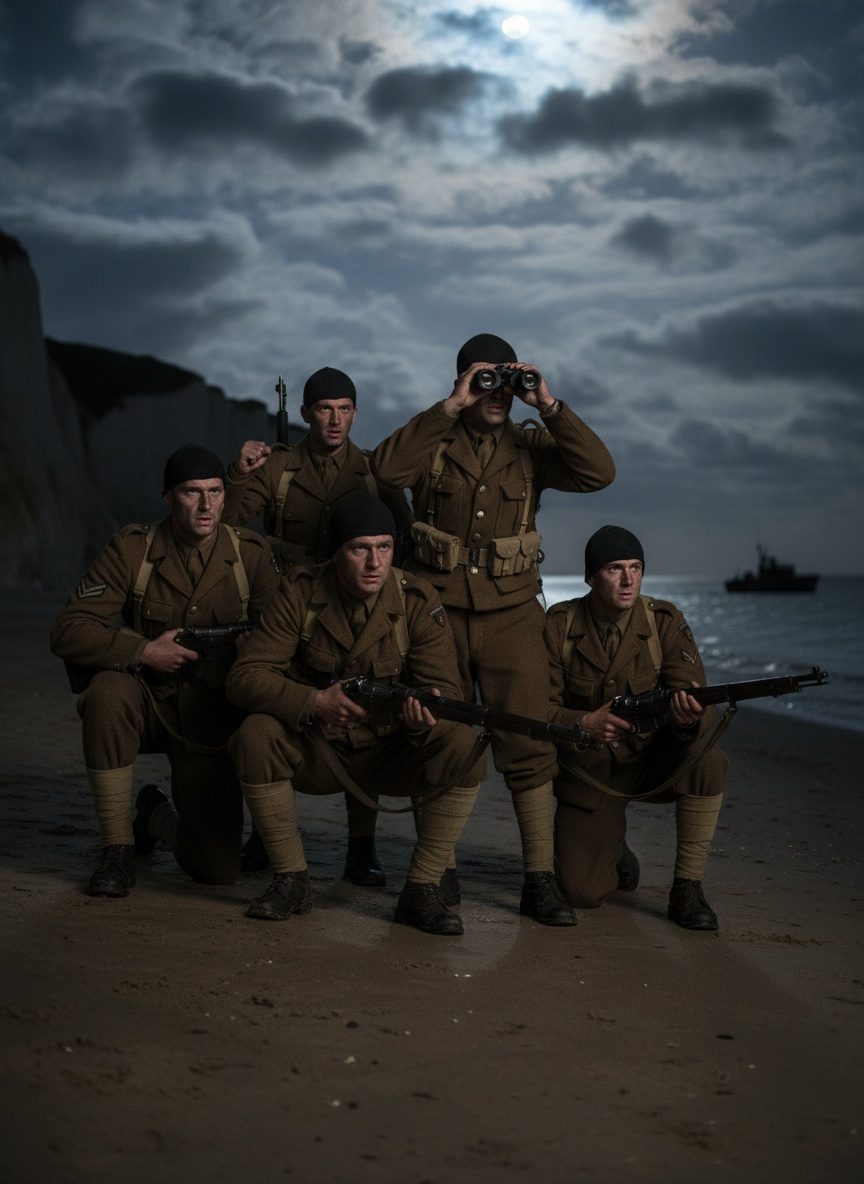
By June 23rd, barely three weeks after the last British soldier set foot back on English sand, the freshly formed Commandos made their maiden voyage back across the Channel. Under the cloak of darkness, they slid through the rolling waves towards the enemy-occupied shores of France. The mission: to attack and disrupt German defenses, and to sow seeds of uncertainty among their ranks.
The night's chill clung to their skin like the weight of history pressing down. These soldiers, many fresh from the fires of Dunkirk, were tasked with carrying the torch of resistance. With silence as their ally, the raiding parties moved inland, the spectral shadows of their forms mirrored in the moonlit fields. Every move was a calculated dance between courage and the tenuous line separating life from the maw of war.
This operation, for all its undisclosed details and public omissions, was not merely about inflicting damage but demonstrating that Britain would stand resilient, swinging back even when knocked down. It was a ripple sent through the undercurrents of a mounting conflict, a message not just to the High Command in Berlin, but to every corner of the British Isles—Britain was neither broken nor defeated.
The Echo of Courage
This raid, though a footnote in the sweeping annals of WWII, was audacious proof of a nation's irrepressible spirit in the face of adversity. While the intricate details of this operation are shrouded in the strategic fog of those turbulent times, its reverberations were clear: Britain would rise up, regroup, and fight anew.
For many who might find their gaze resting over the quiet seas between Britain and France today, oblivious to the hurried preparations and the silent crossings made over seventy years ago, this story is a torch illuminating how the heart of a beleaguered nation burned its brightest not just in sweeping victories, but in the flicker of insistent defiance. The night Britain raided France, mere weeks after stooping to the rim of loss, is a testament to the whisper that transformed a nation's precarious hope into a roar of steadfast resistance. In remembering these unnamed commandos, we appreciate the myriad stories that forge a nation's unyielding resolve, frame by frame, wave by lapping wave, echoing from that pivotal summer day in 1940.