410 – 1066
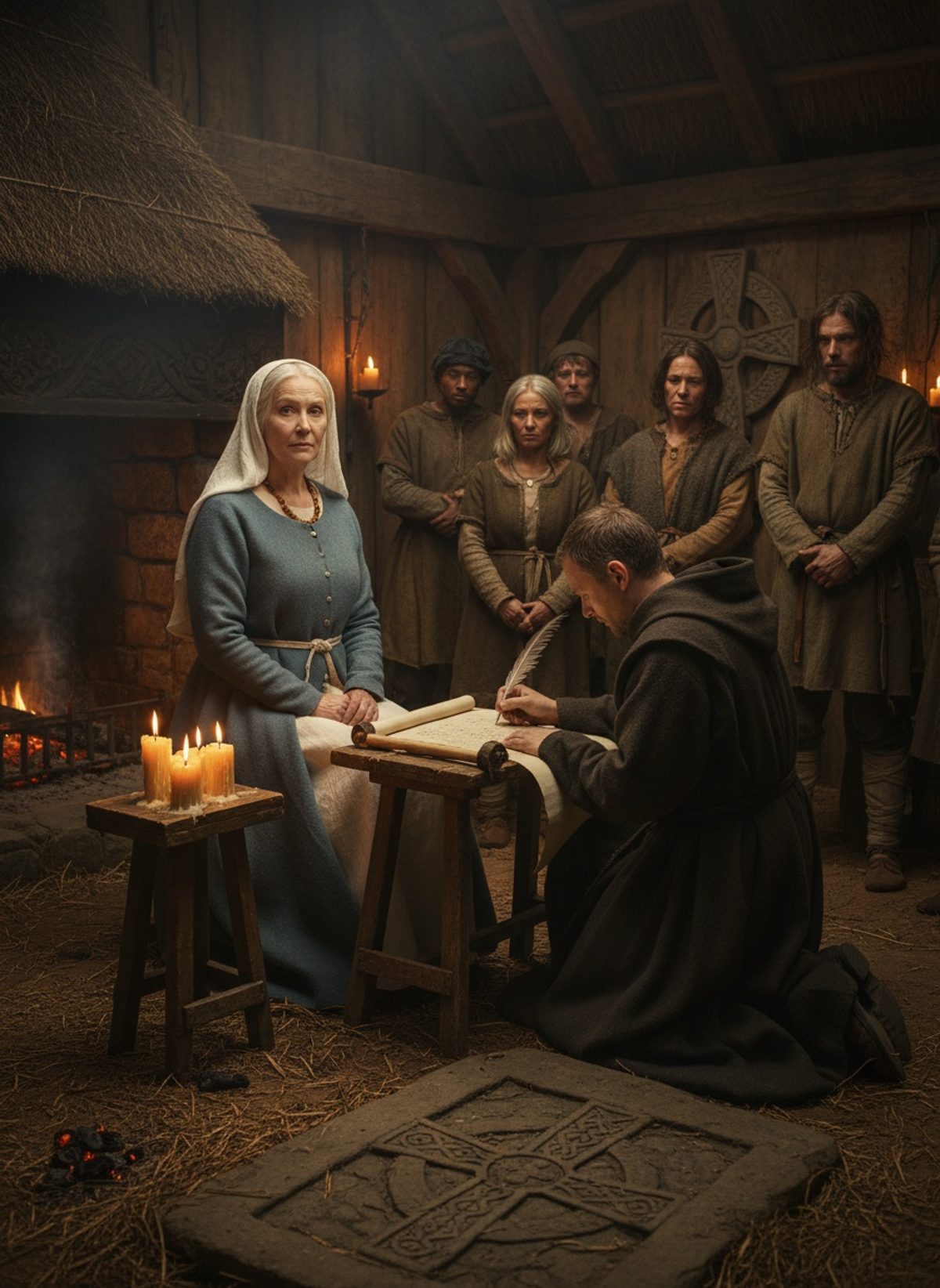
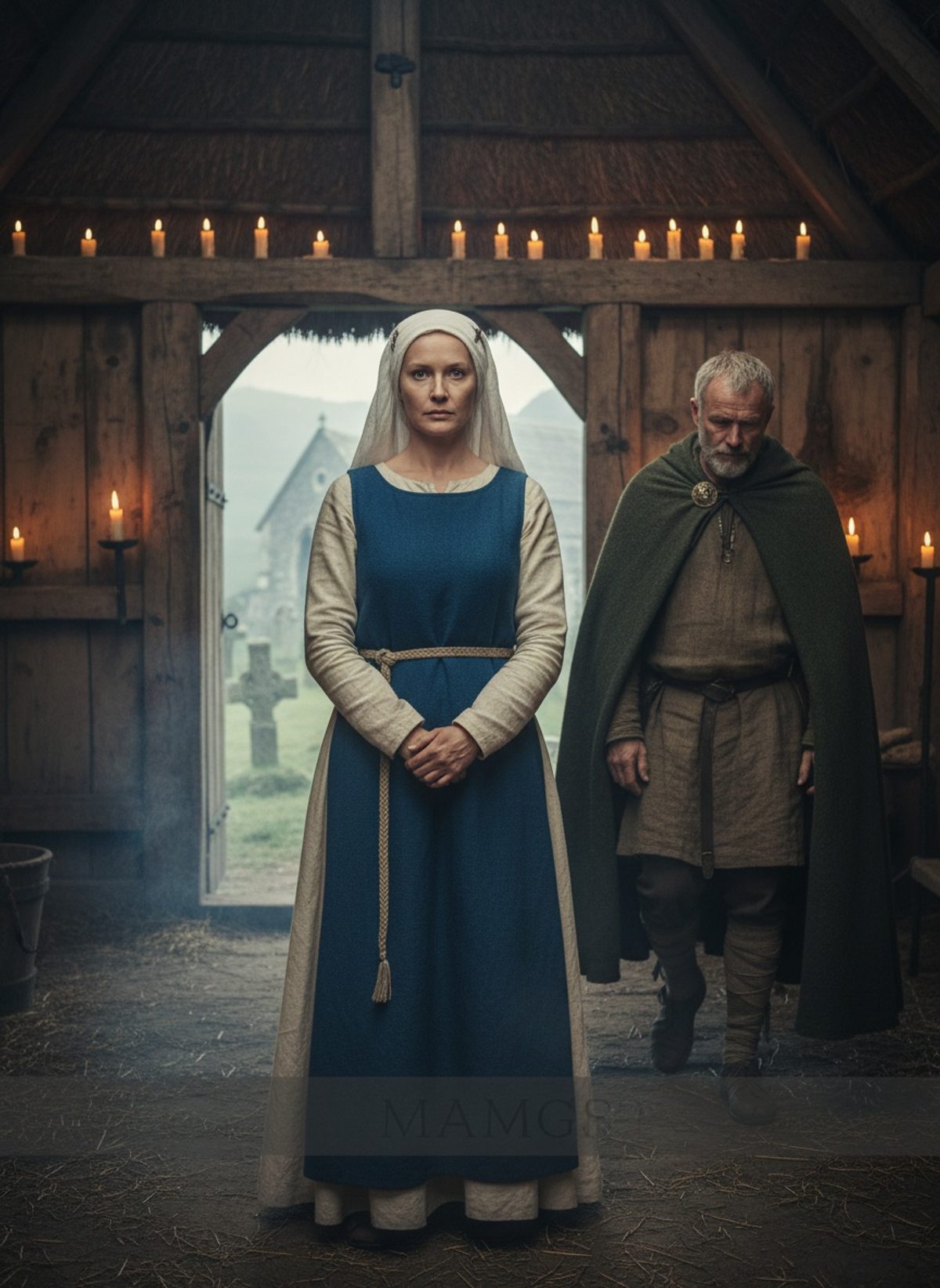
Tenth century. Æthelgifu of Hertfordshire lay dying. She summoned her priest. Then she freed every enslaved person she owned. By name. One by one. Her will survives. Their names do too.
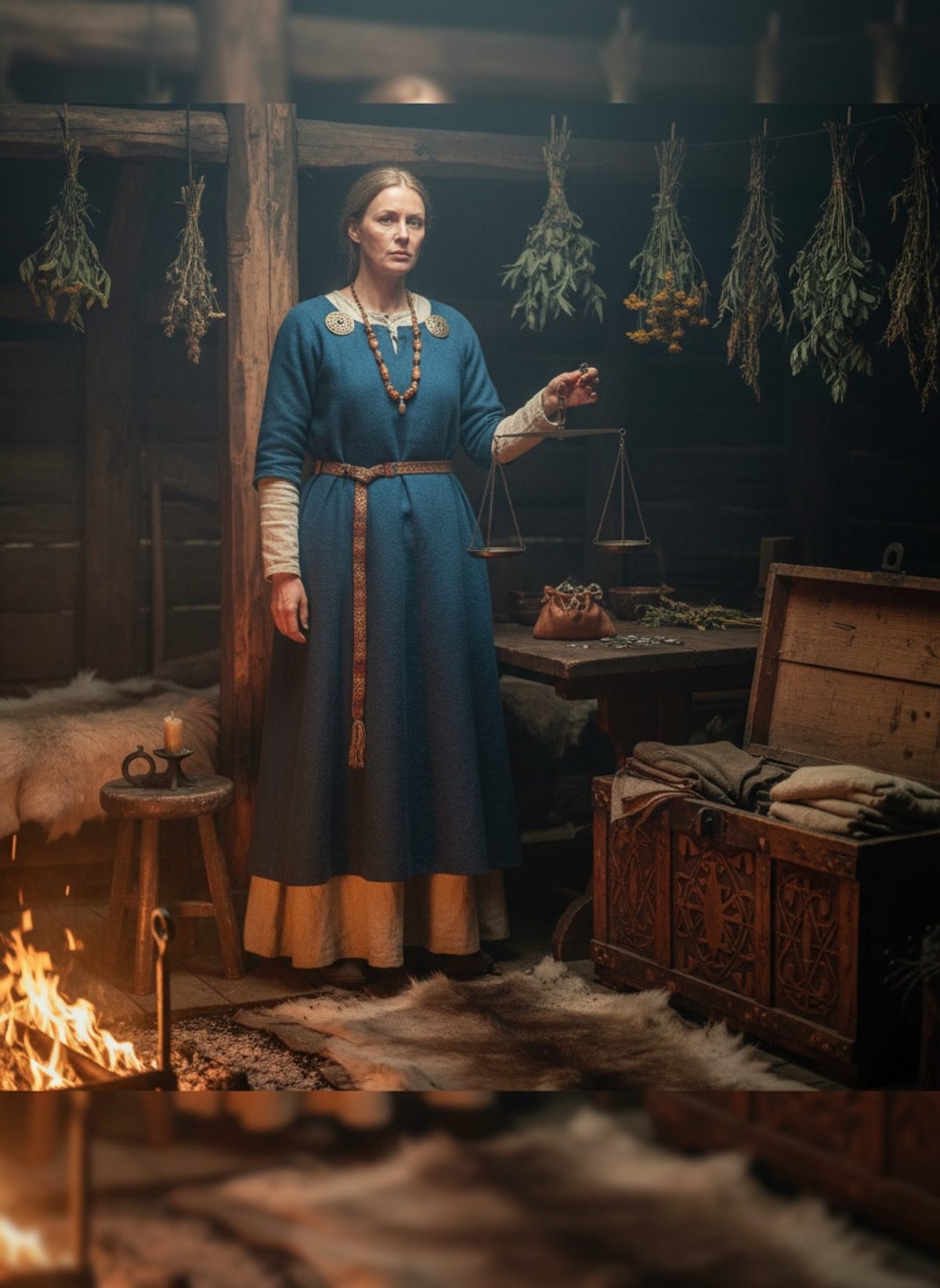
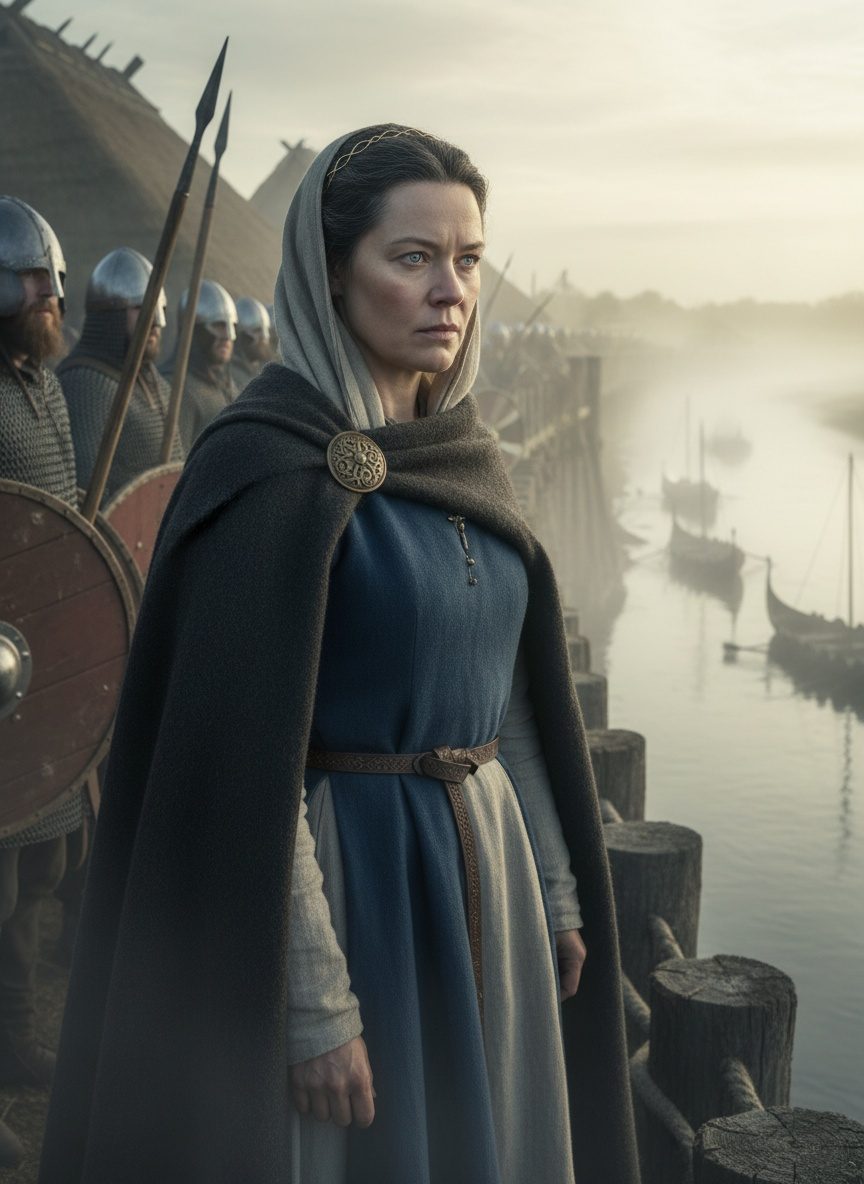
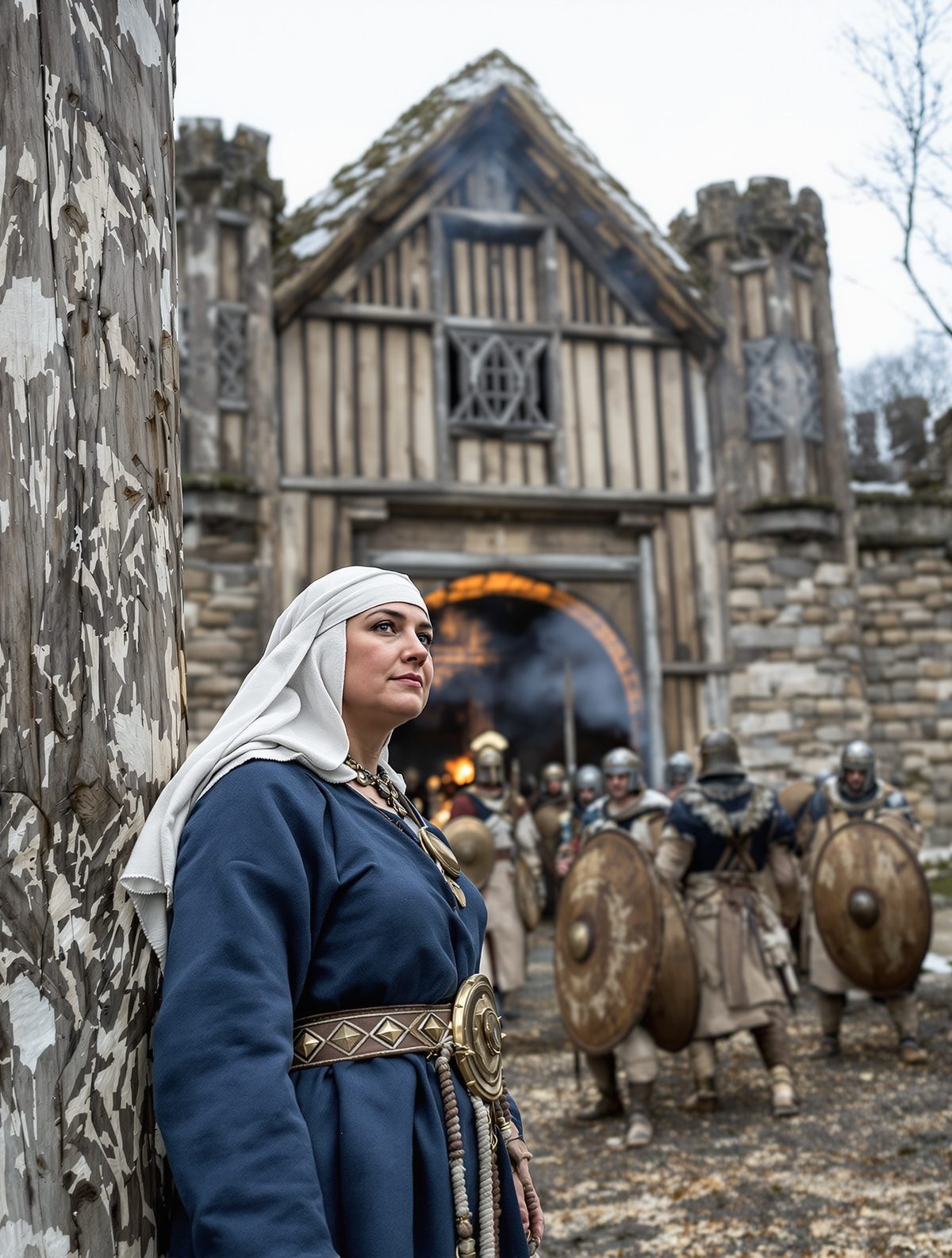
They sailed with the longships. They ran the farms, the trade, the law. Archaeology now proves Viking women in northern Britain held land, wealth — and authority — in their own names.
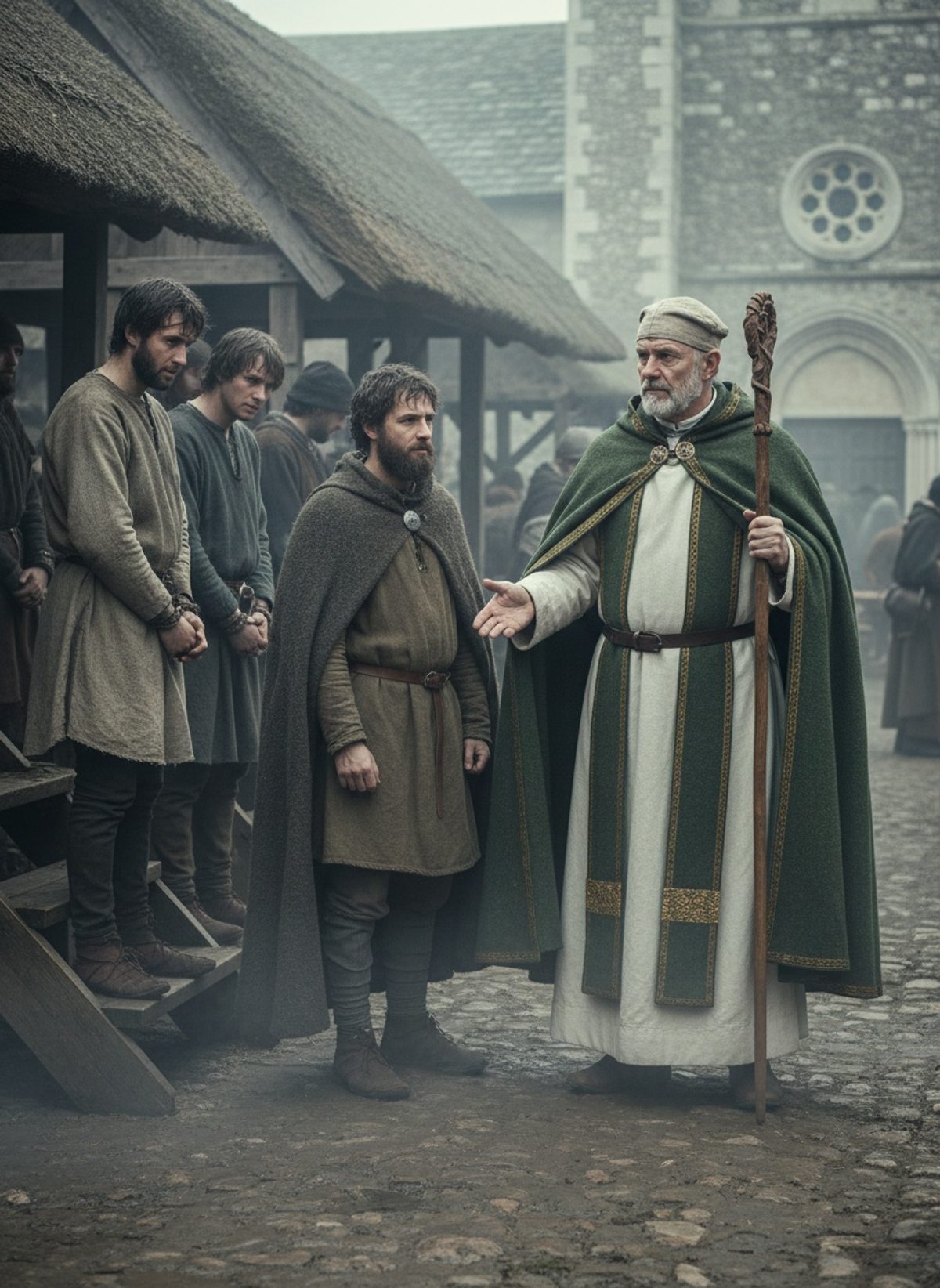
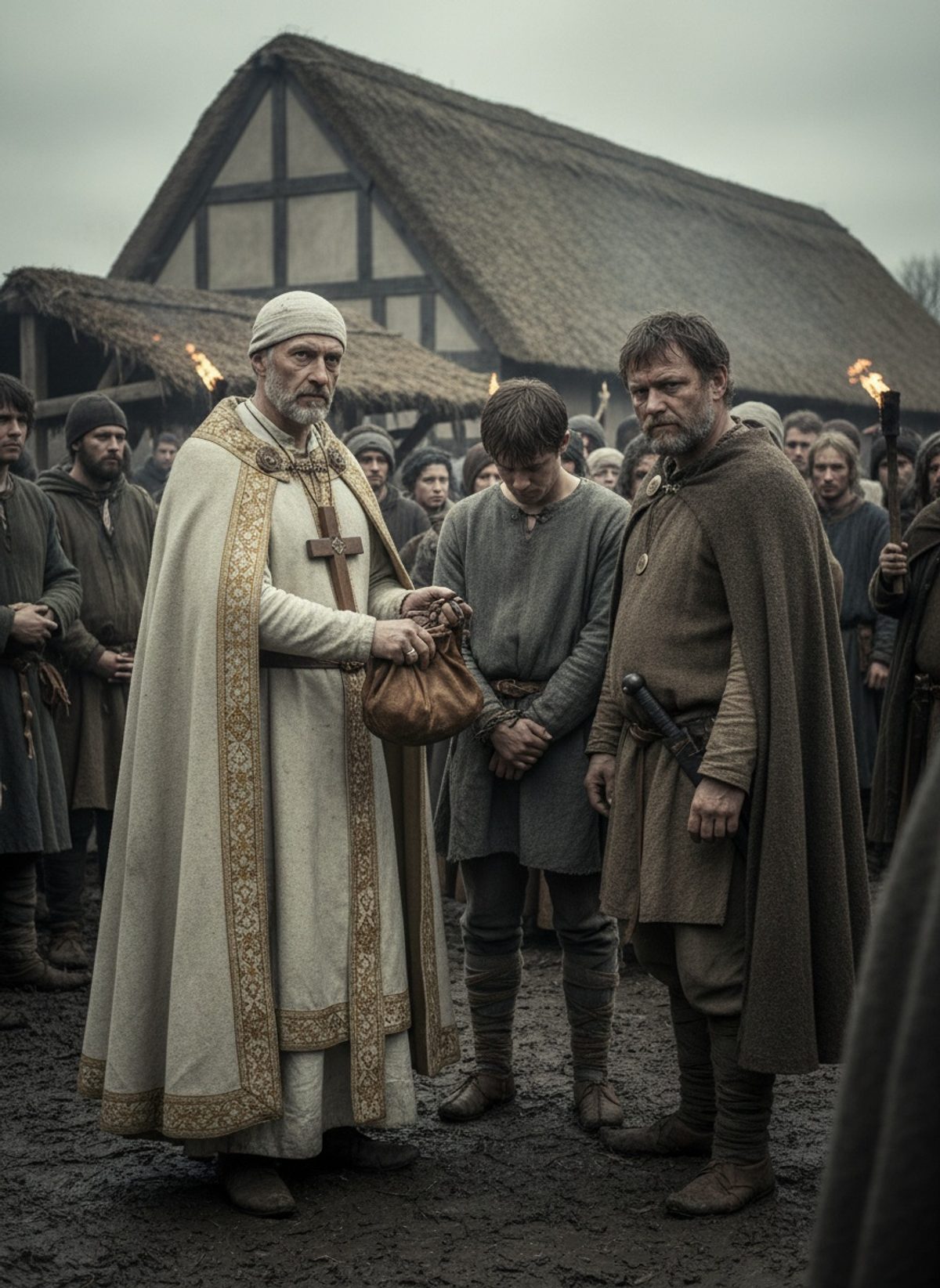
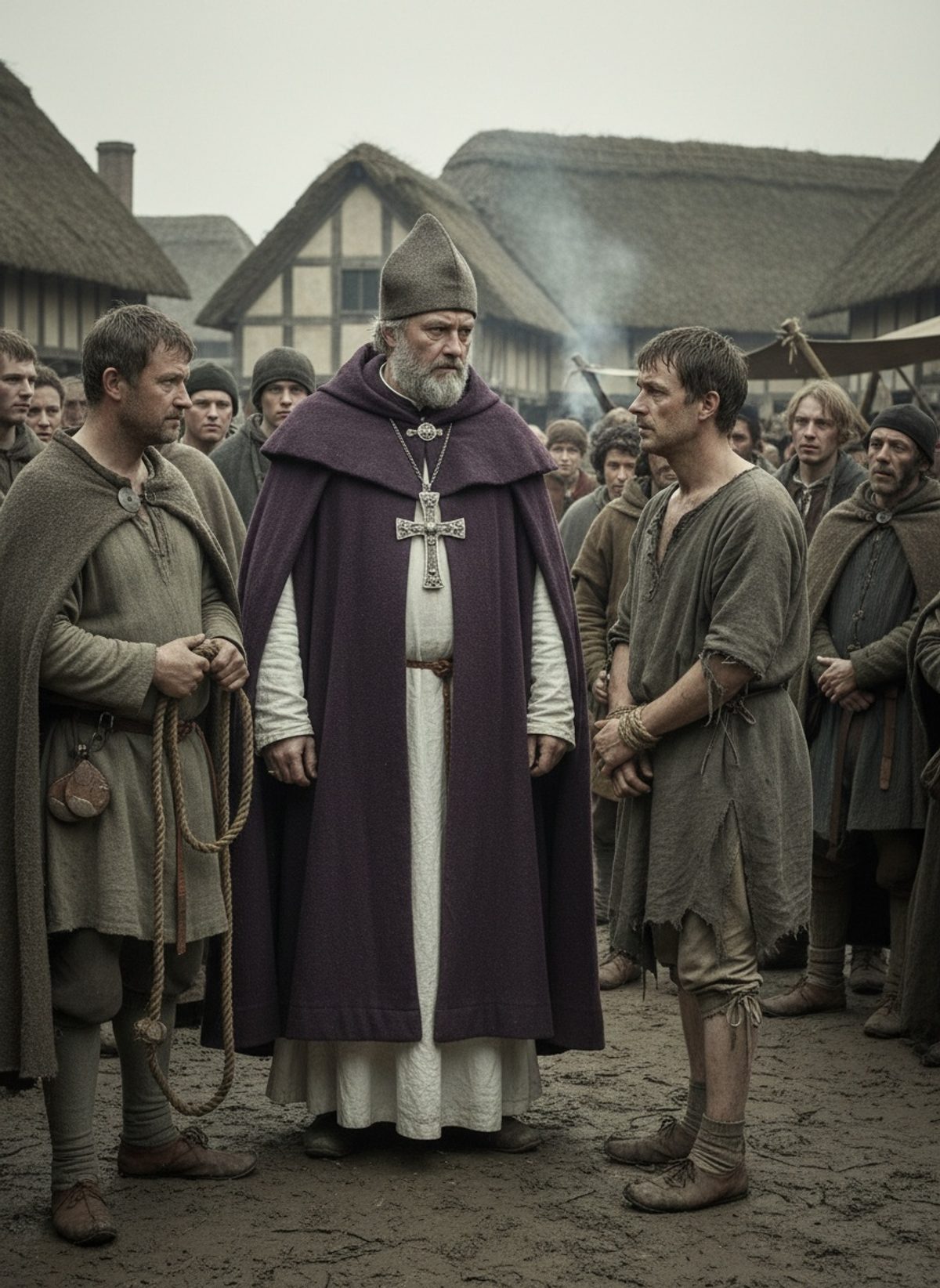
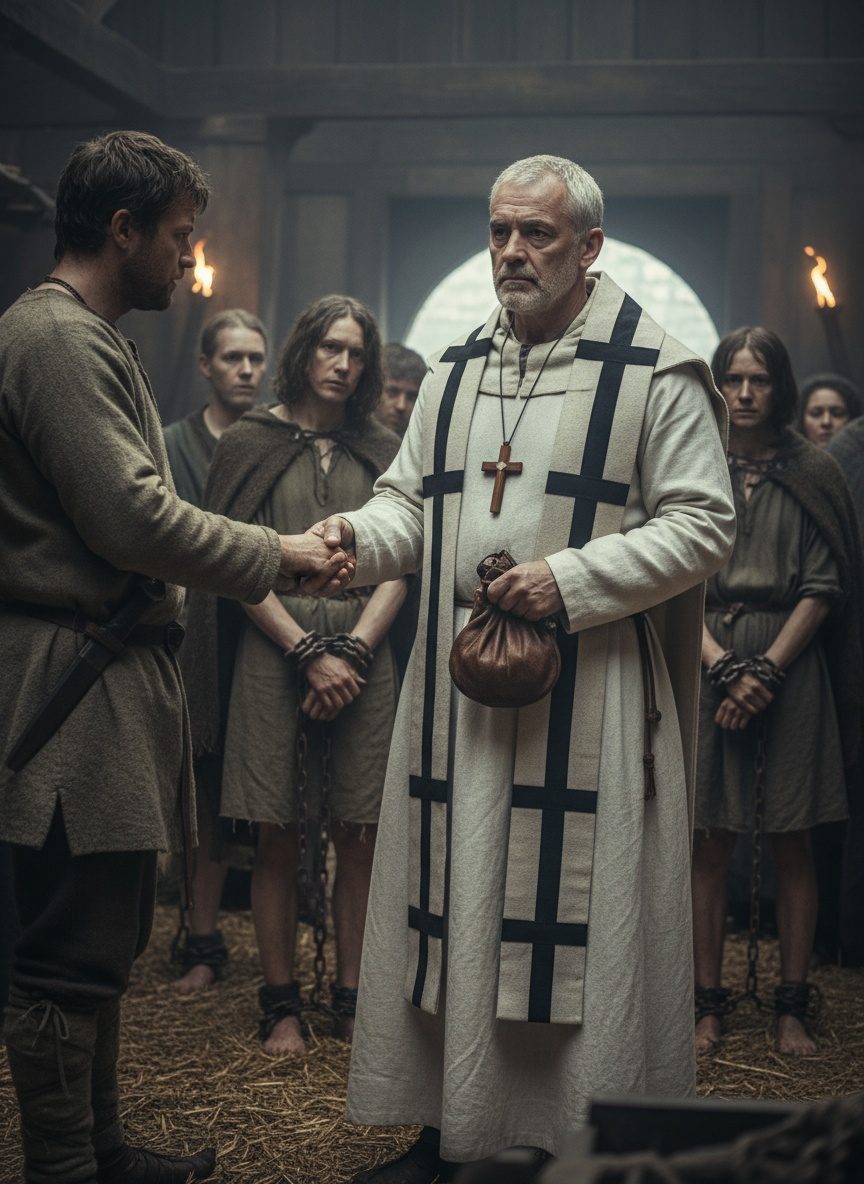
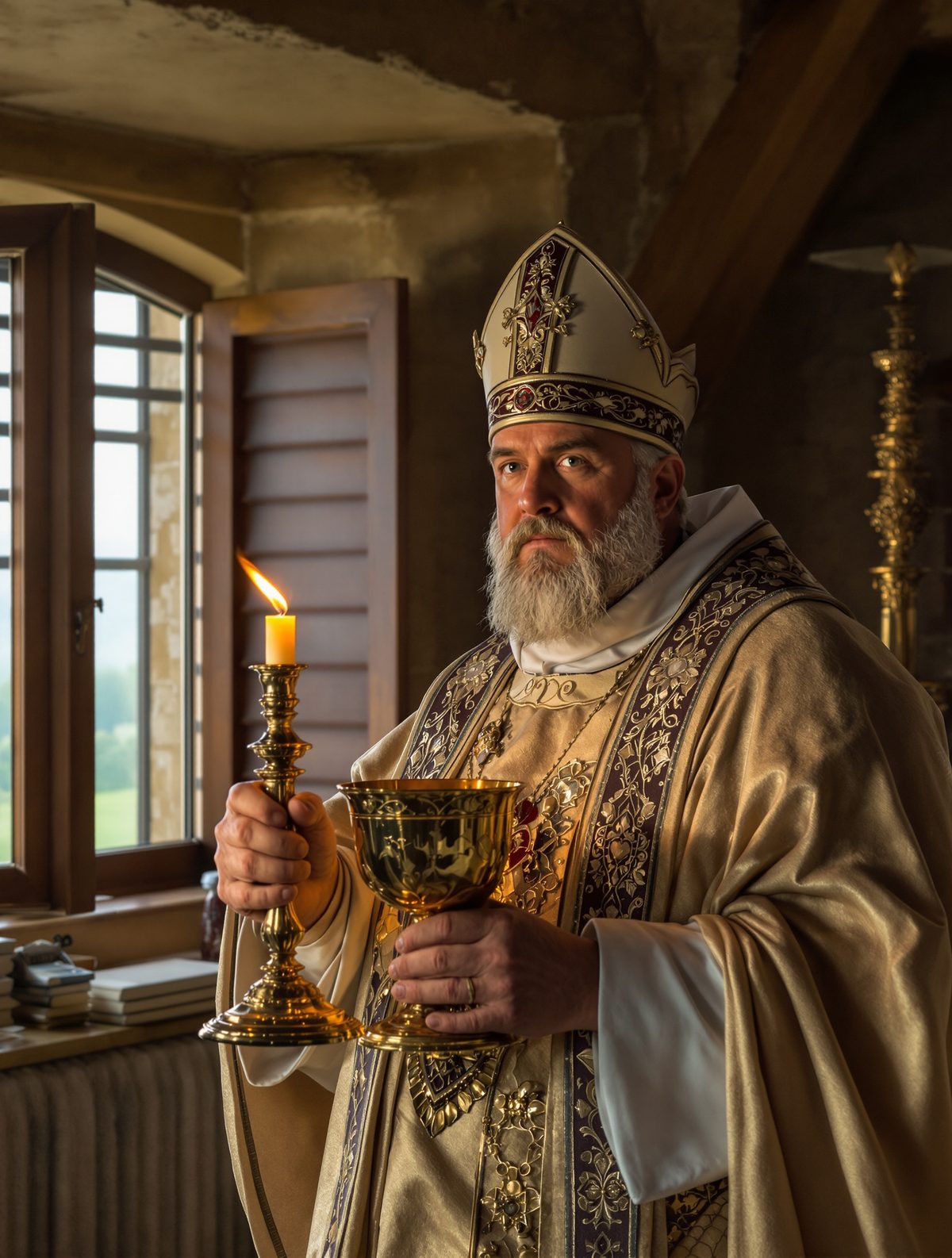
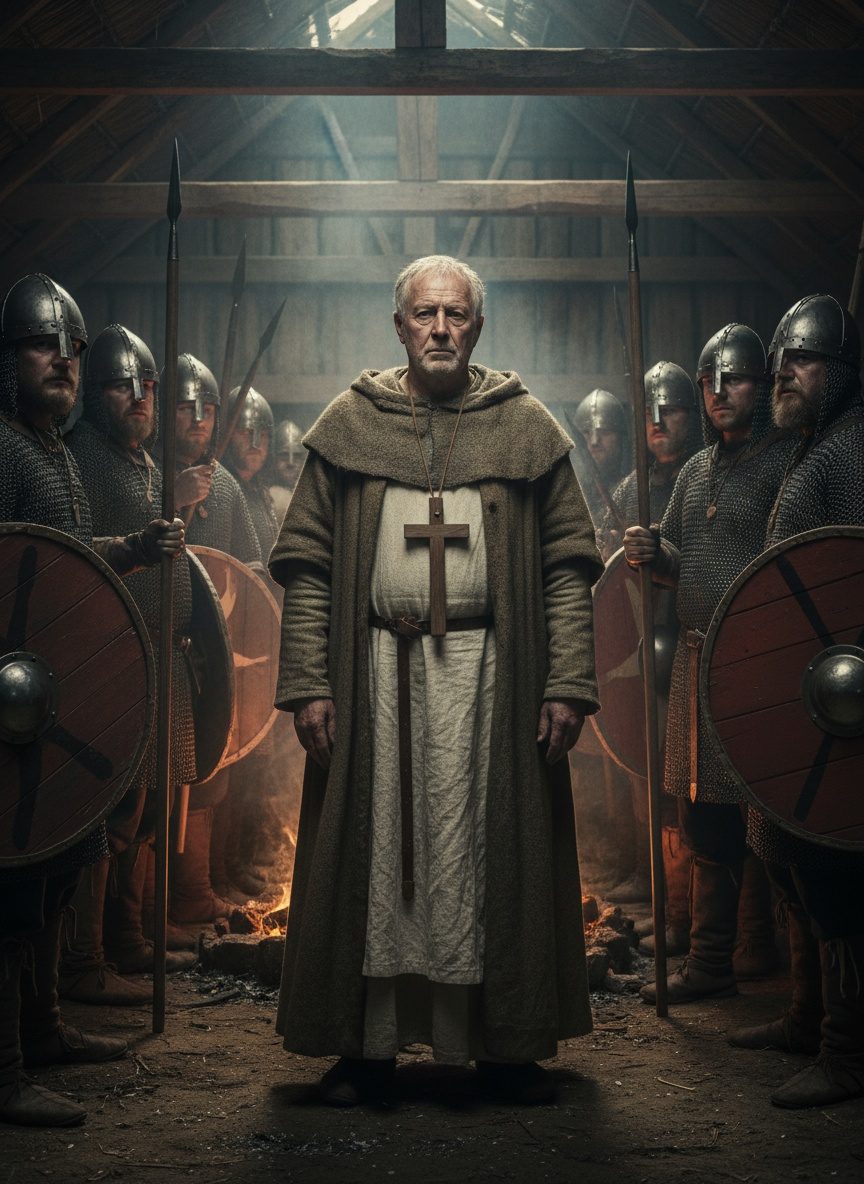
Worcester. 1017. A line of chained men and women stood on the market steps. Bishop Wulfstan walked forward alone. He did not shout. He paid. Every last one. Then he walked them home.
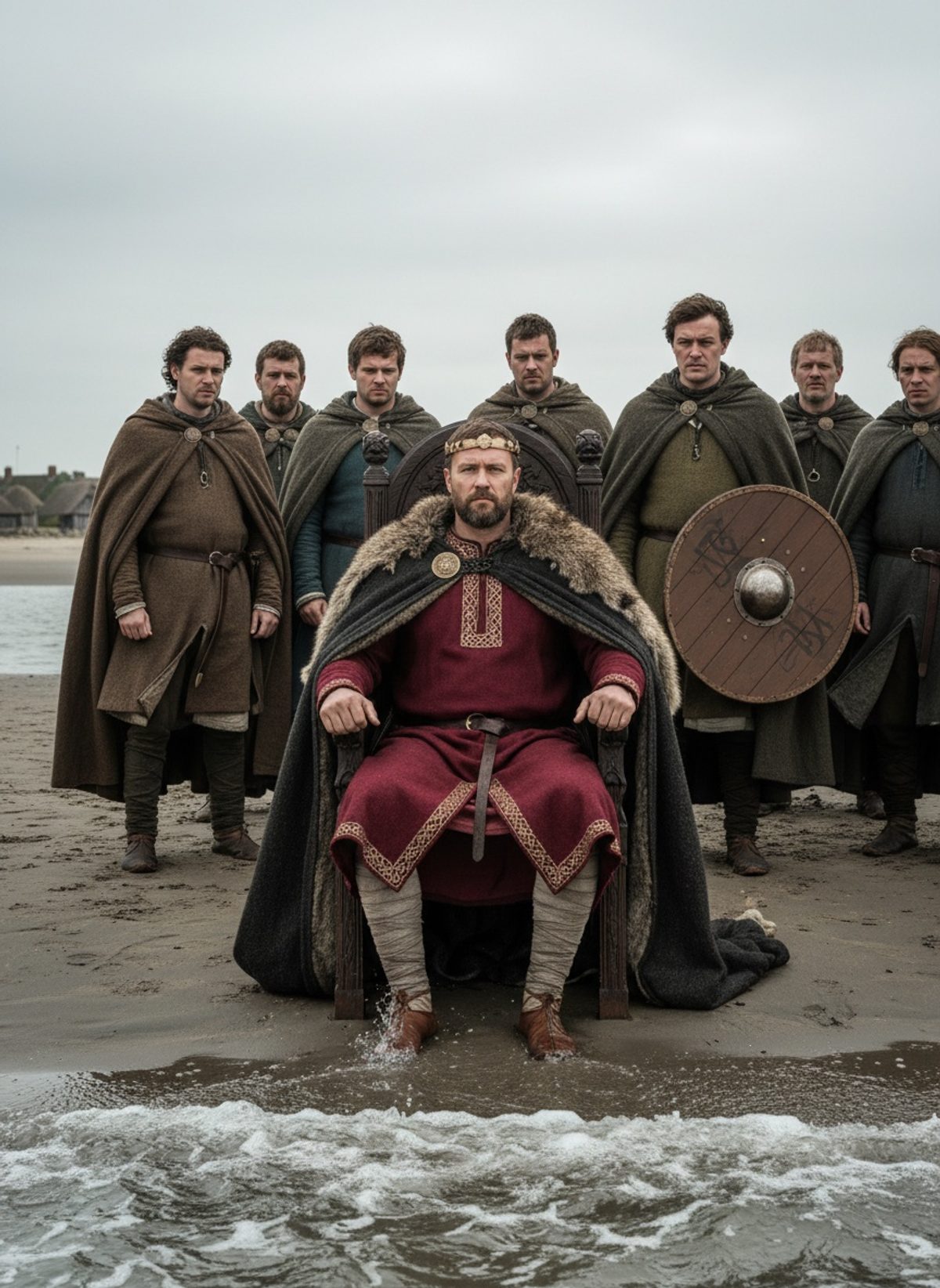
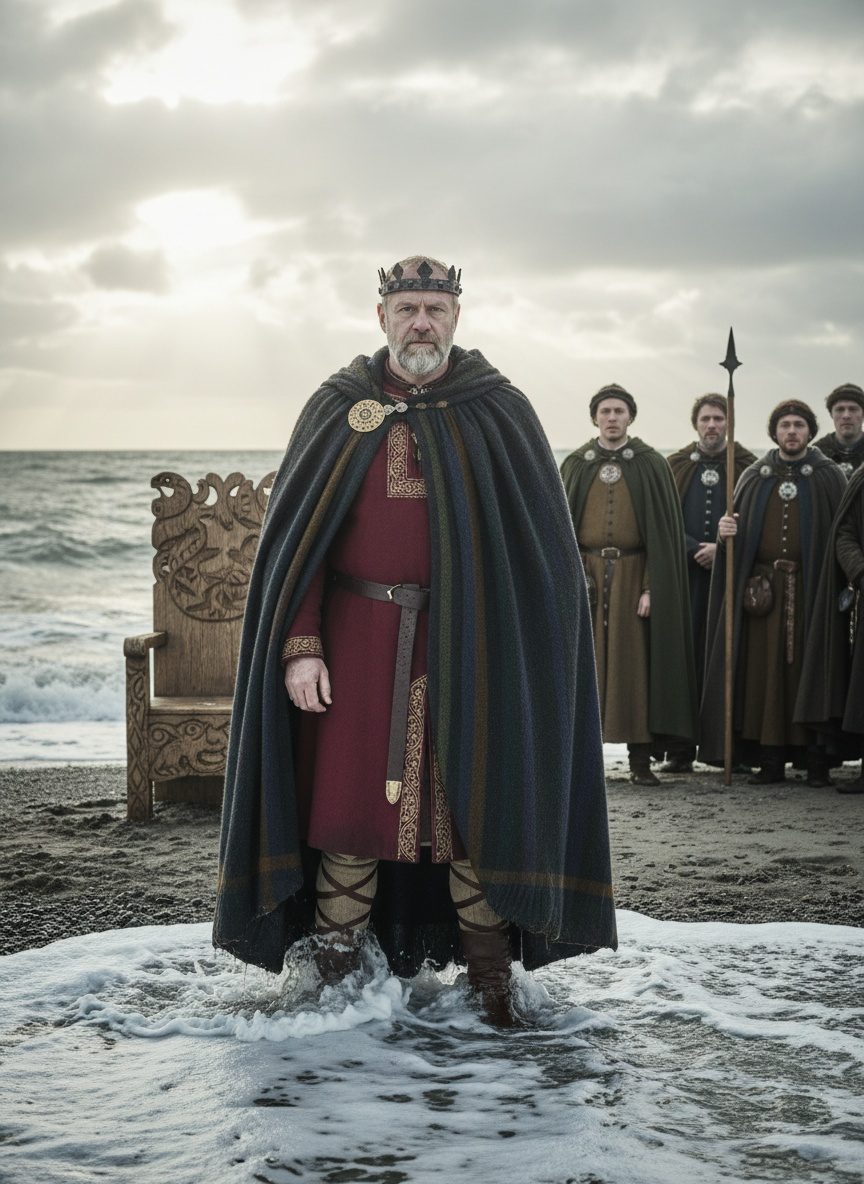
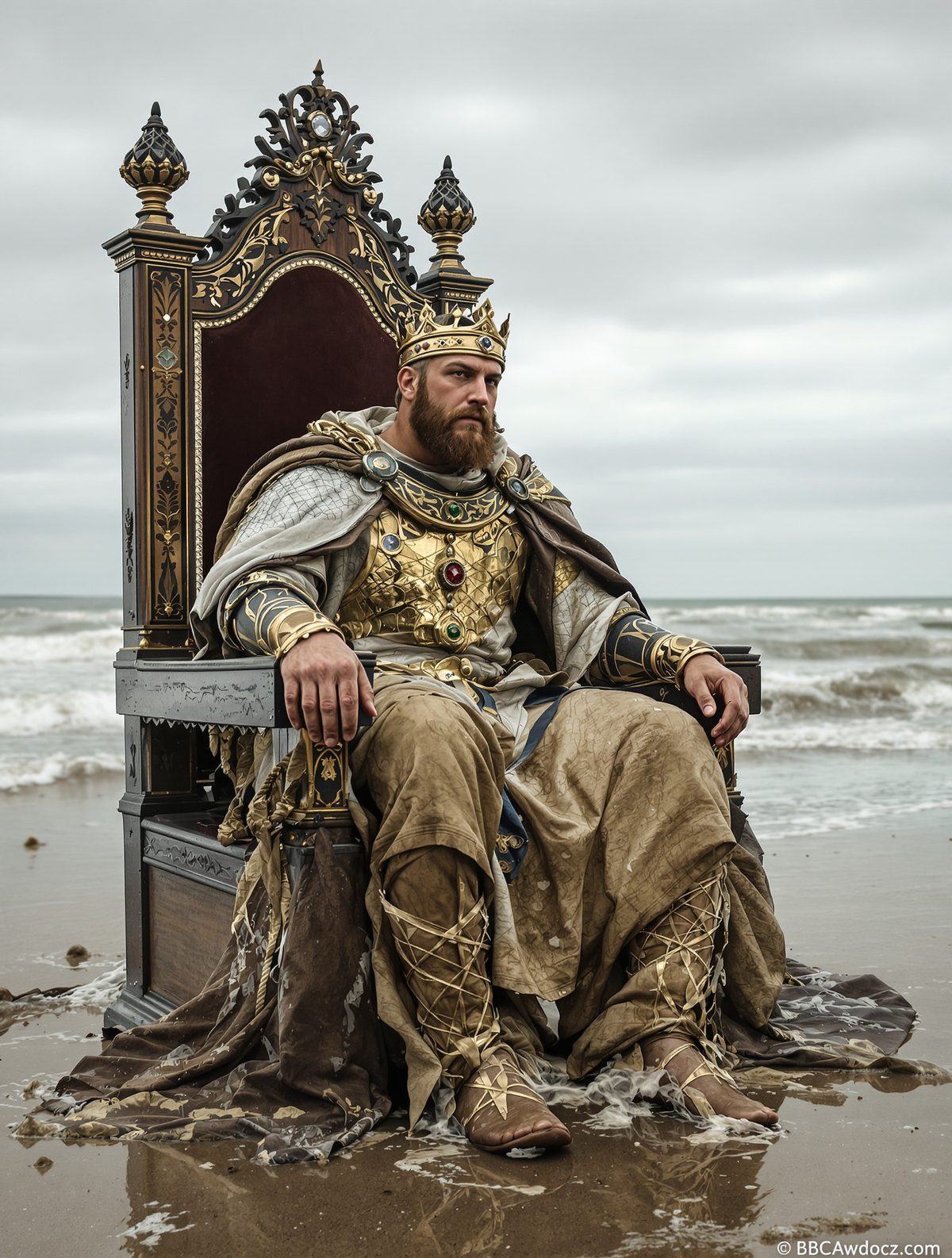
AD 1020. The courtiers said the king ruled even the tide. Cnut walked to the water's edge. He sat in his throne. The sea rose. His robes soaked through. He stood. Turned. And told his lords only God commands the waves.
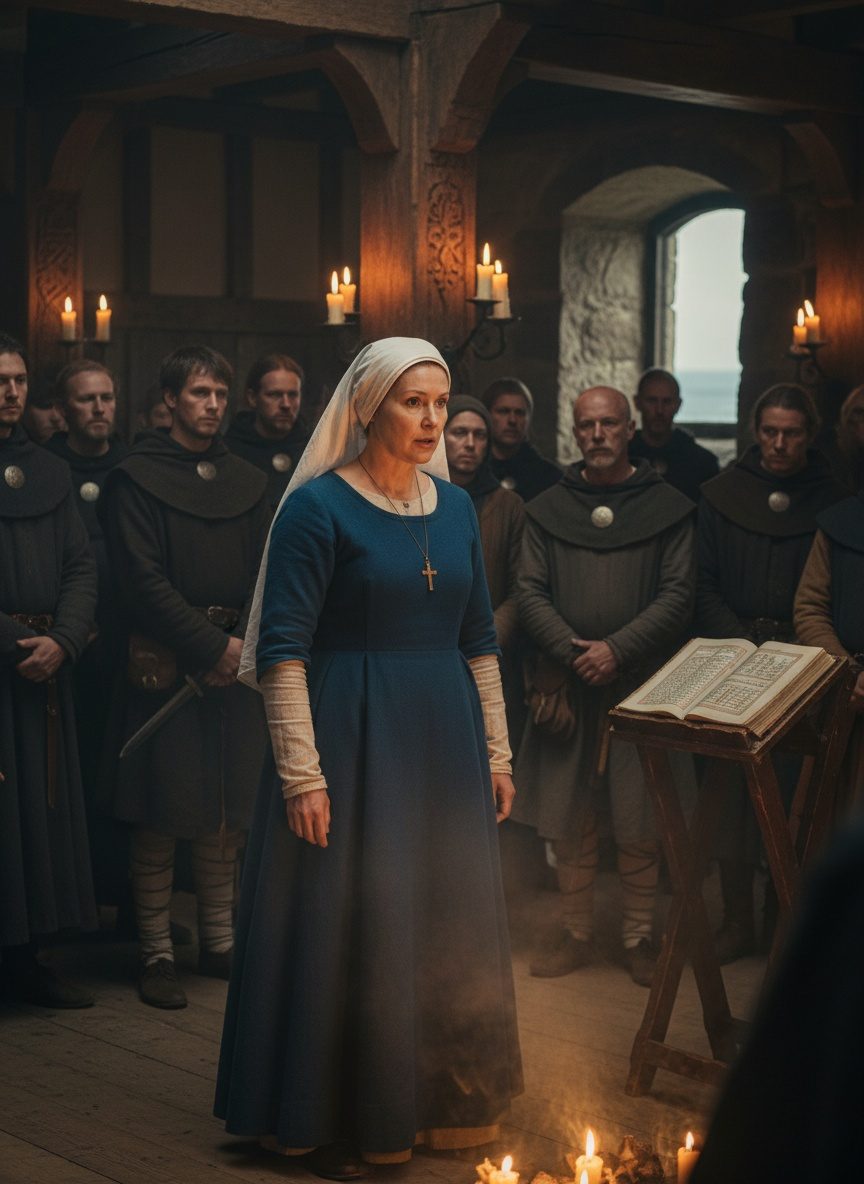
657 AD. King Oswiu had taken everything. Hild of Whitby stood firm. She faced him alone. She spoke. He stopped. The monastery lived.
One small, rain-soaked island. One rough Germanic tongue. Today it is spoken by 1.5 billion people across 67 nations. No army forced it on the world. It simply would not stop.
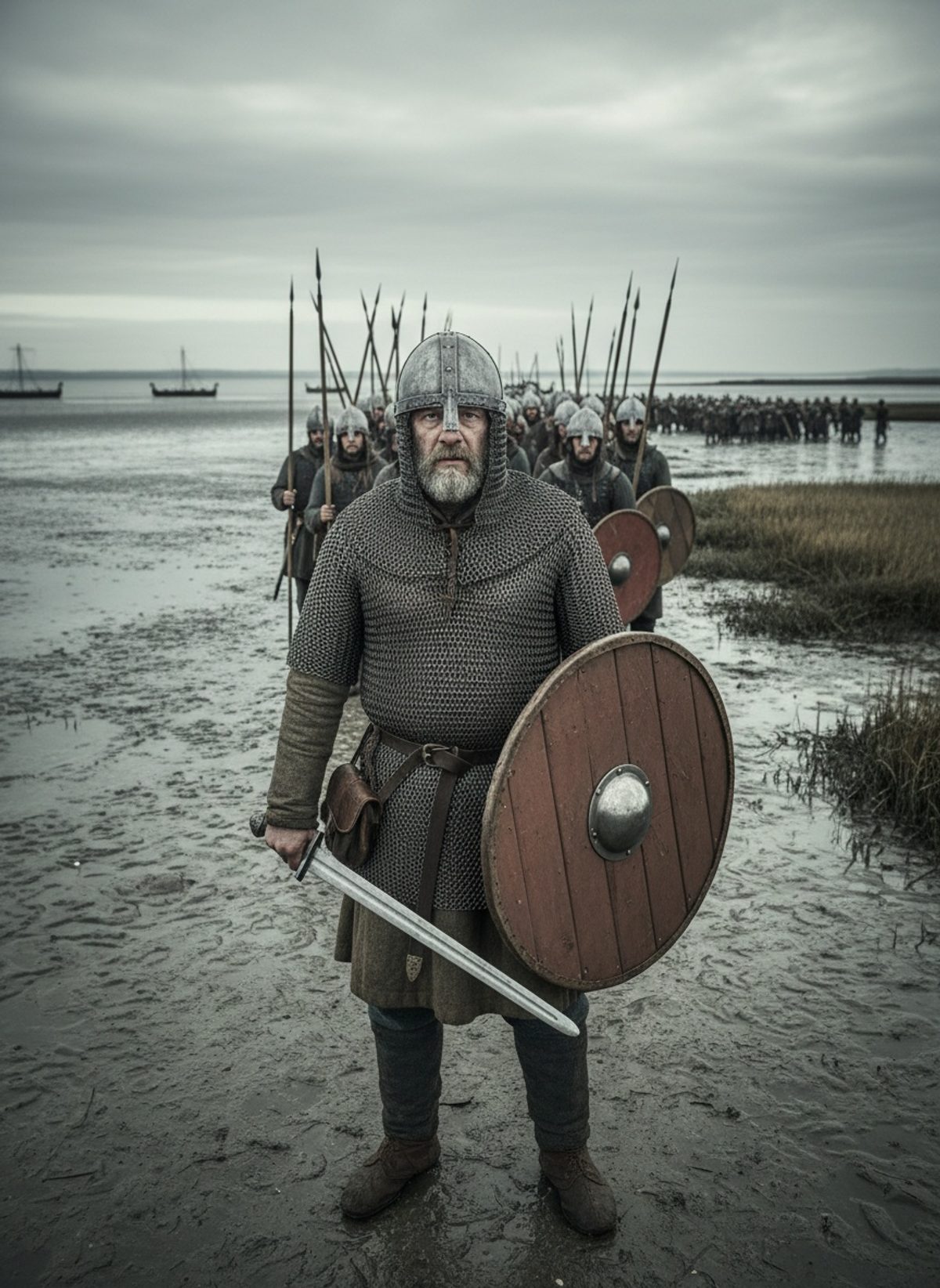
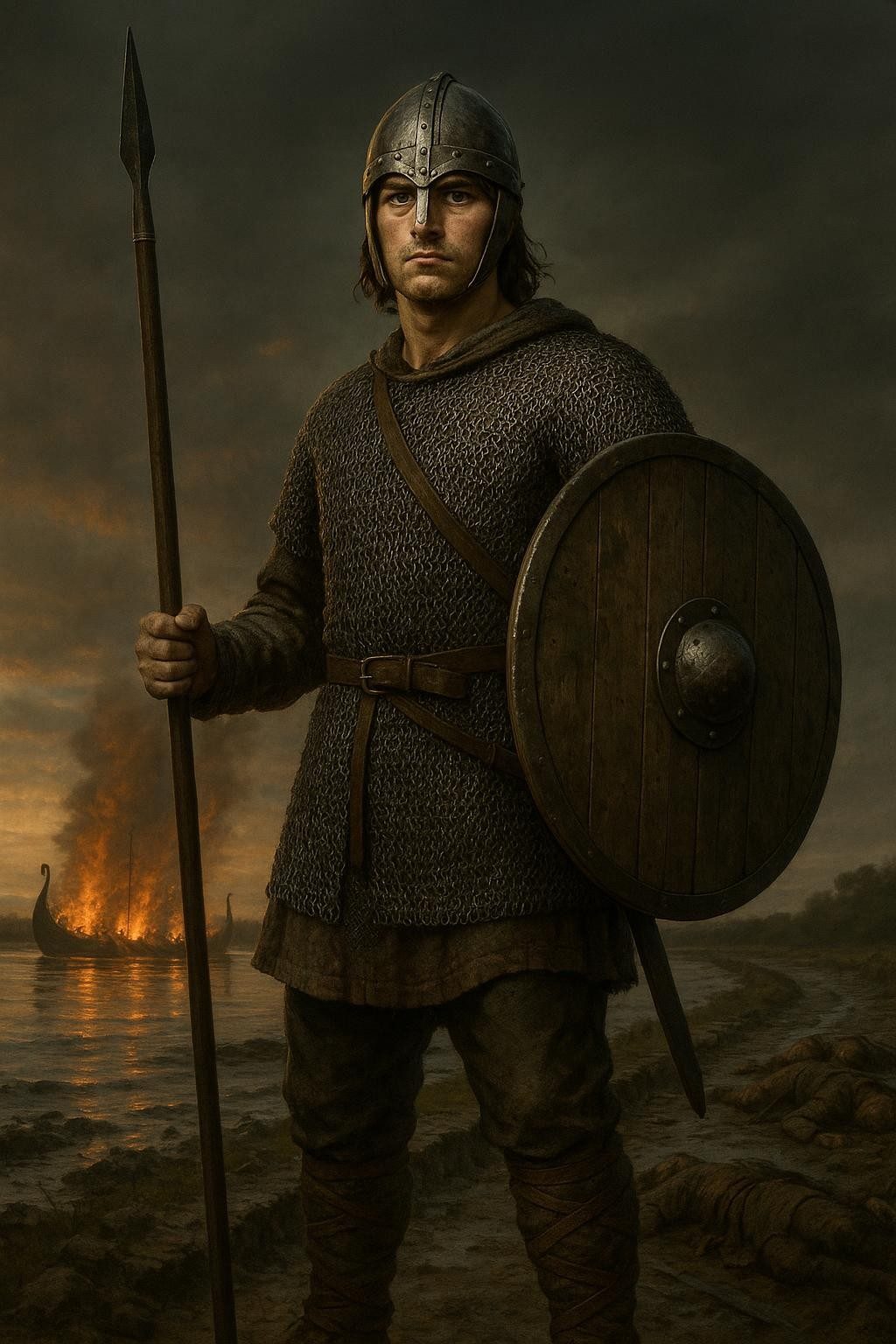
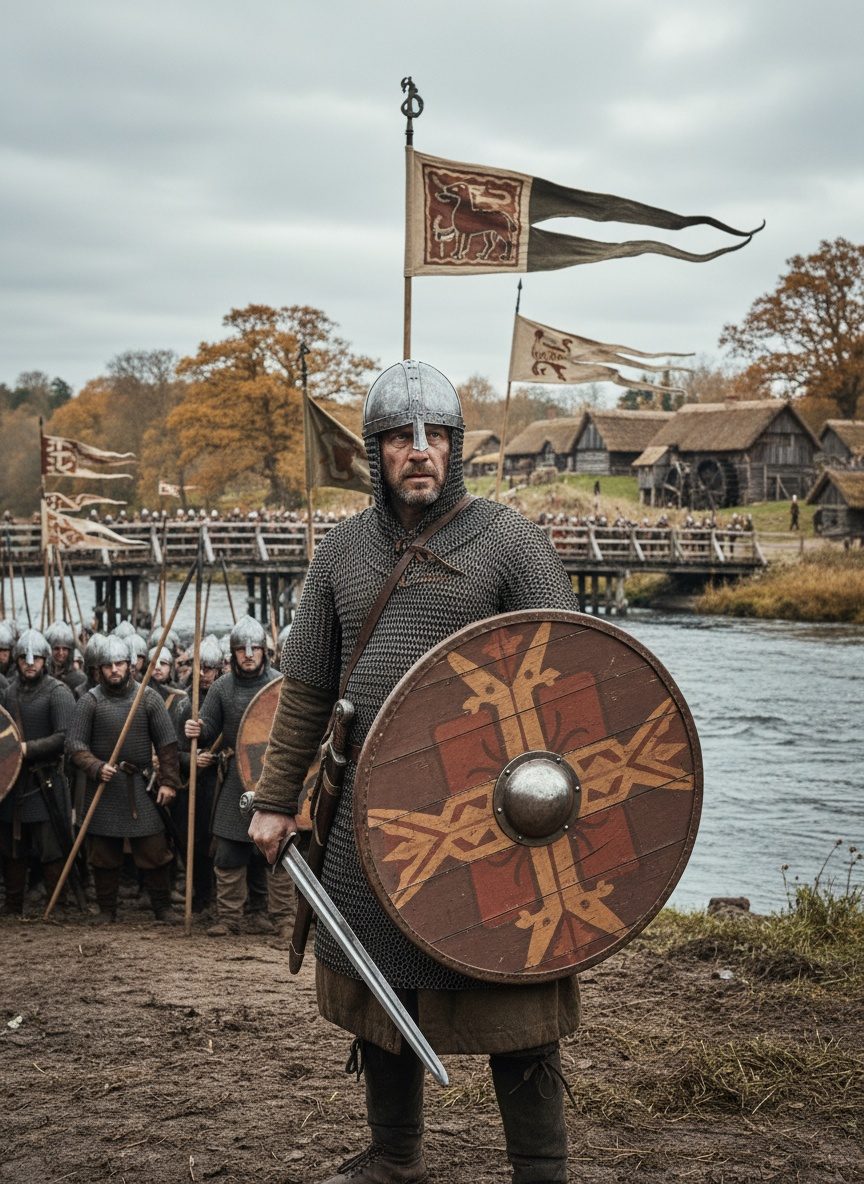
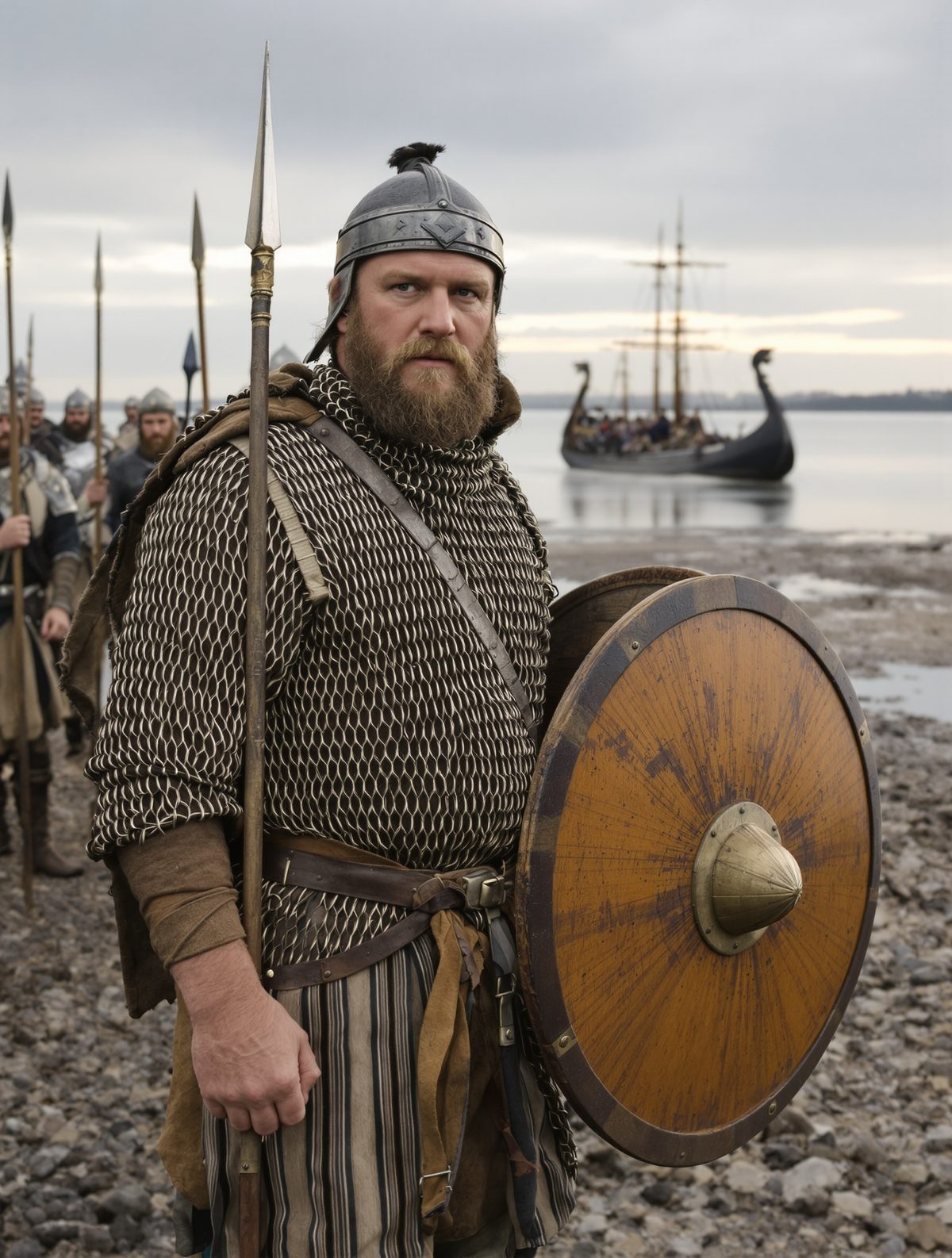
991 AD. Essex coast. 3,000 Vikings. One English earl refused to retreat. He sent his own hostage back first. Then he rode forward.
Around 1000 AD. Æthelred's England still sold men as slaves. Wulfstan, Archbishop of York, walked into a market. He saw a man in chains. He paid for him. Then preached that no Christian should own another.
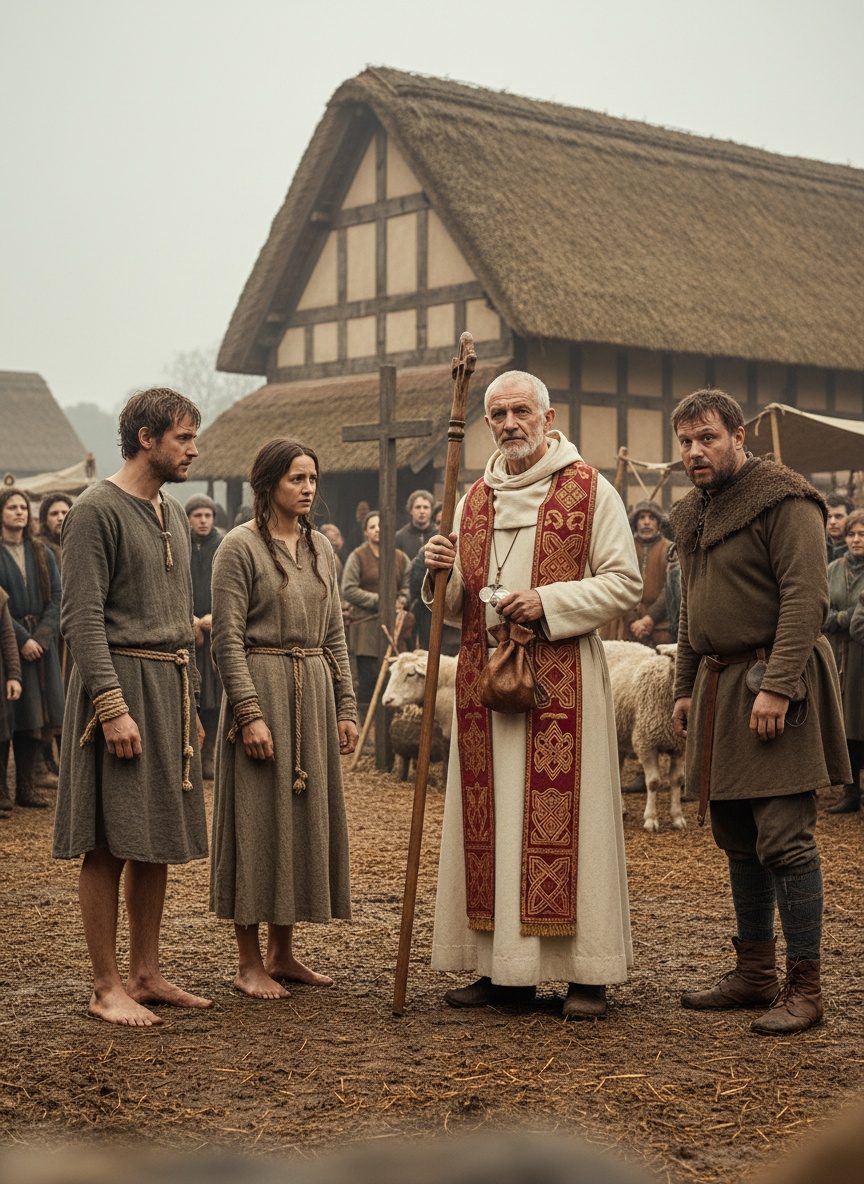
Circa 1005. York slave market. A line of English captives waited to be sold. Wulfstan of York walked in alone. He did not leave until the last man was free.
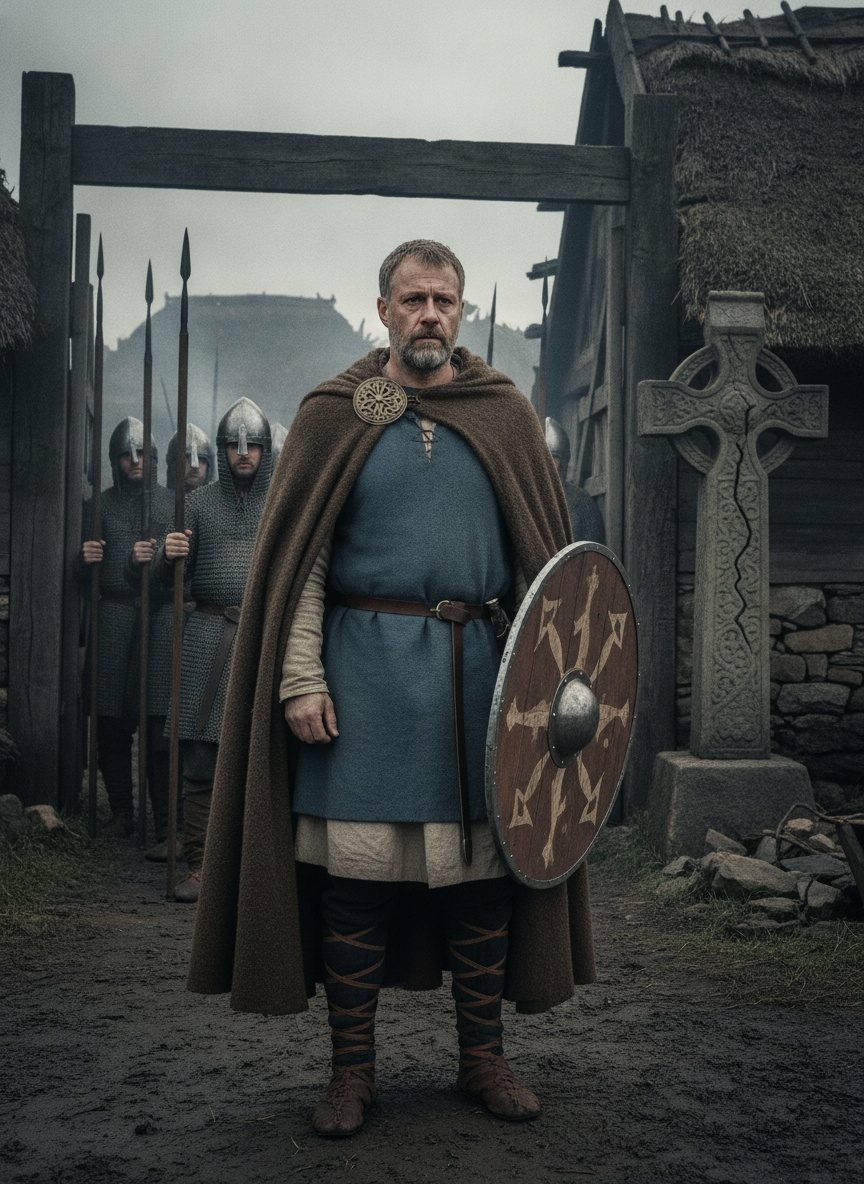
991 CE. The Vikings had broken through. One man stepped forward to hold the line. Byrhtnoth was dead. England was undefended. But one young warrior refused to run.
York. 1000 AD. A line of chained slaves stood at the market. Wulfstan watched. He opened his own purse. Paid for each one. Walked them to the church door. Set them free.
Late 7th century. York's slave market was crowded. A stranger moved through the stalls. He stopped. He counted out silver. One by one, he freed them all. His name was Wilfrid of Hexham. He never stopped.
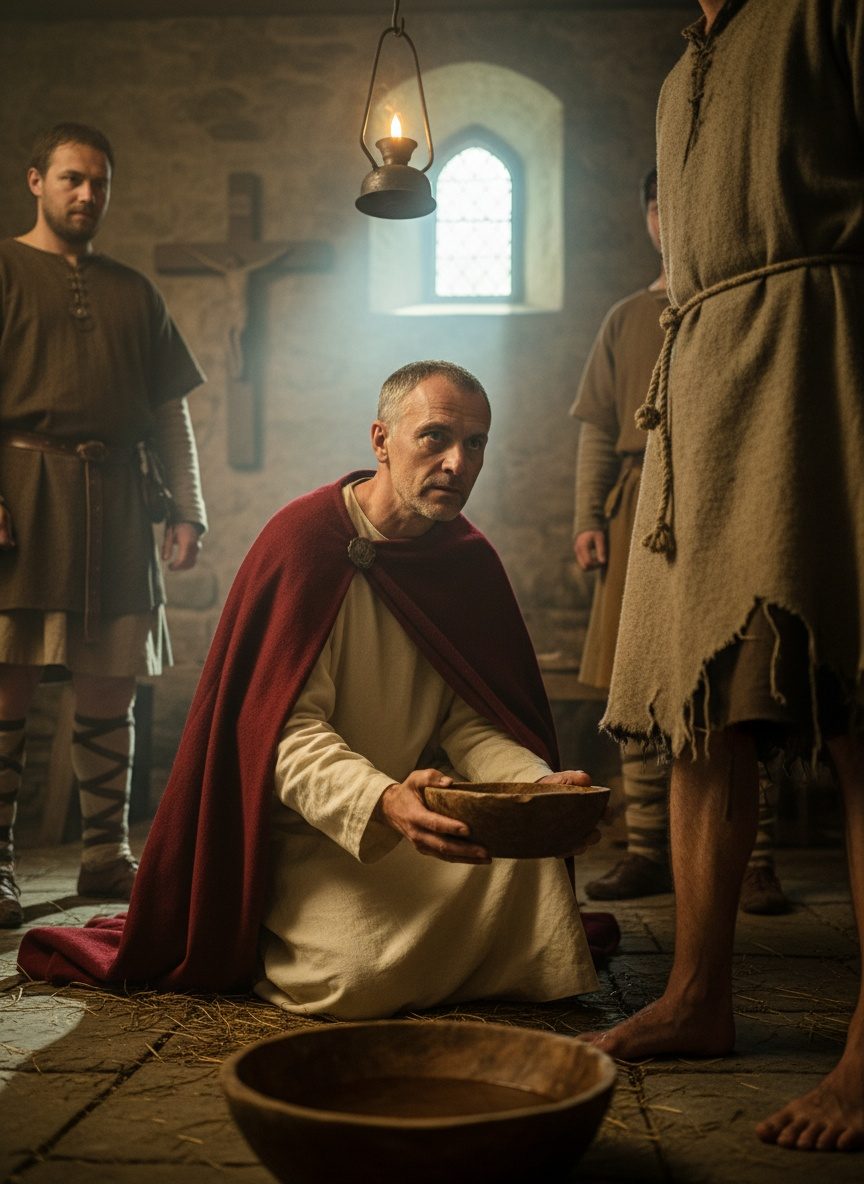
Circa 1010 AD. King Aethelred's court watched in silence. A leper stood at the gate. No one moved. Aelfheah of Canterbury knelt. Poured water. Washed the man's ruined feet. Then looked up. Unashamed.
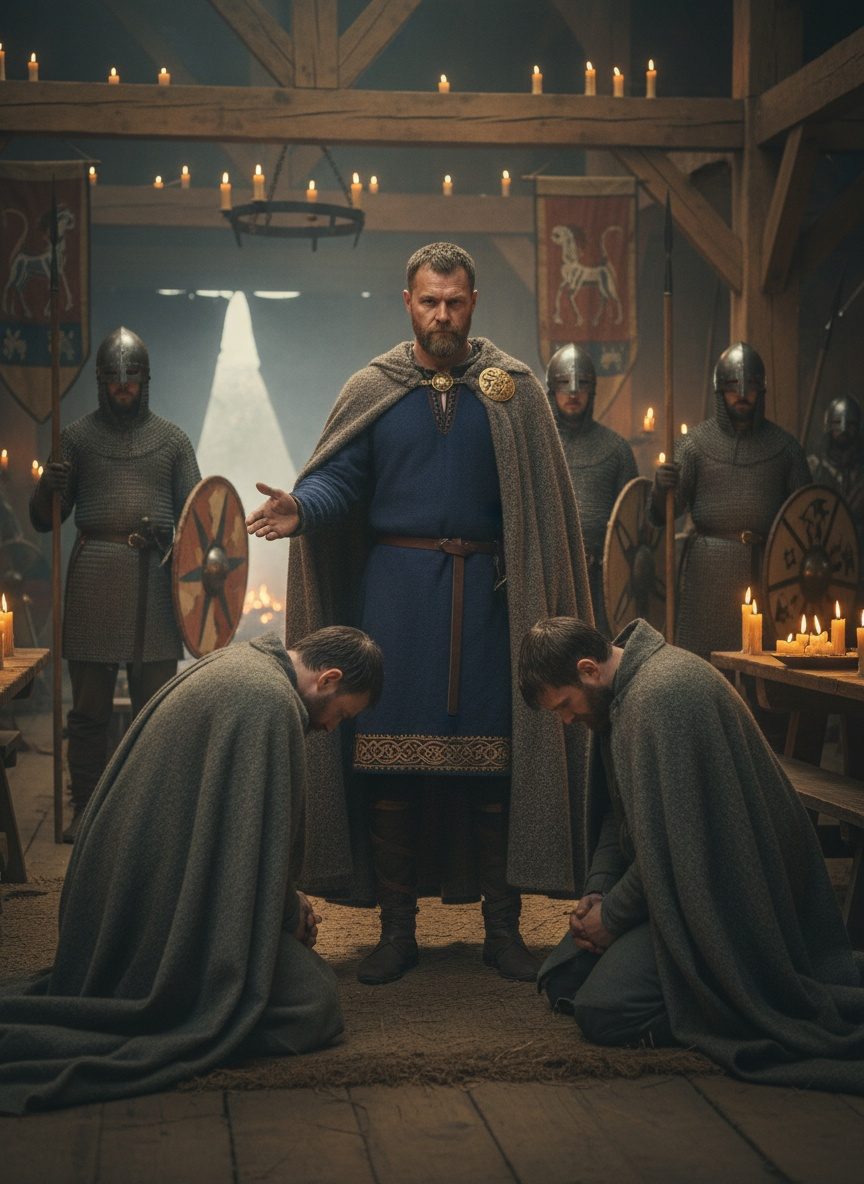
AD 937. The battle of Brunanburh was over. Athelstan had crushed his enemies. The captive kings knelt before him. He returned them unharmed. Unbowed. Unransomed. Free.
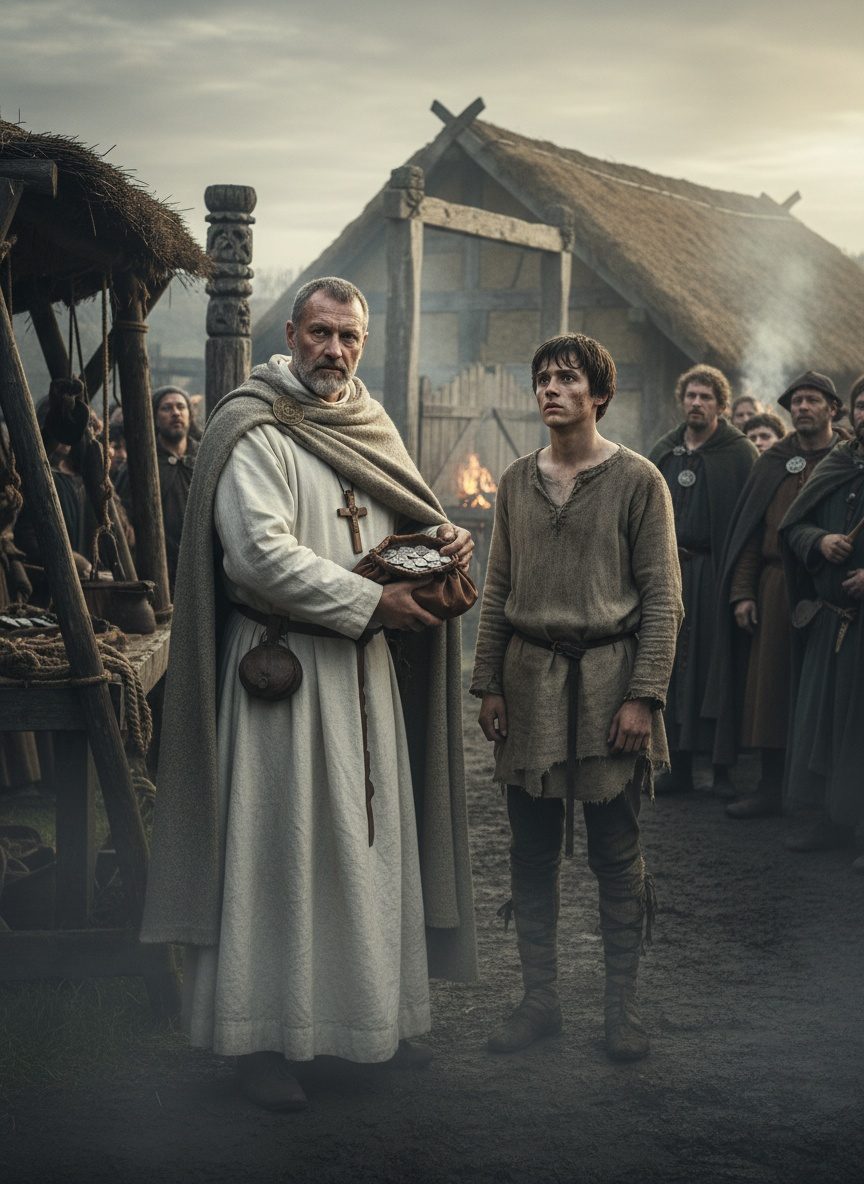
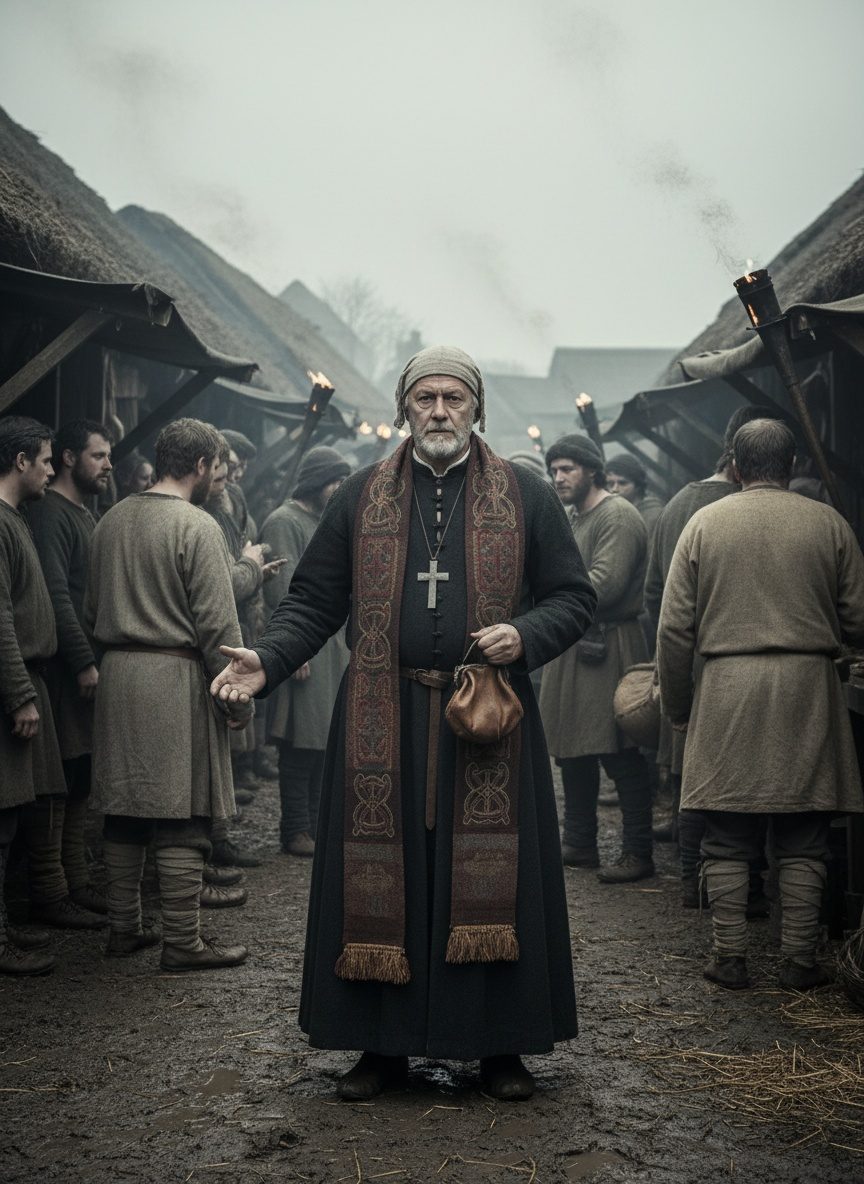
AD 1013. Wulfstan of York stood in an open market. Chains everywhere. He emptied his purse. Then his pockets. Then begged from bystanders. He bought every child he could reach. And walked them home.
AD 1012. Wulfstan of York stood before his king. England's slave markets were full. He wrote. He preached. He named the sin out loud. No bishop had dared do it before.
Late 900s. York. A bishop pushed through the crowd. He had no army. No warrant. He counted the chained figures. Then he paid for every one. Wulfstan of York freed them all with his own silver.
664 AD. Whitby. A king had to choose. Two churches. Two faiths. One woman spoke last. Abbess Hild of Whitby rose. She did not yield. She changed England forever.
September 1066. A Viking army held the bridge. Harald Hardrada had never been beaten. Harold of England force-marched his men two hundred miles in four days. Then he attacked. The last great Viking invasion of England died that afternoon.
AD 1020. Cnut stood at the water's edge. His courtiers had called him all-powerful. He placed his throne on the sand. Sat down. Commanded the tide to stop. It did not stop. He rose. Walked back. Soaked. Silent.
684 AD. Northumbria held its breath. Bishop Wilfrid had been cast out by his own king. He walked into the wilderness alone. He would outlast three kings. And return in triumph.
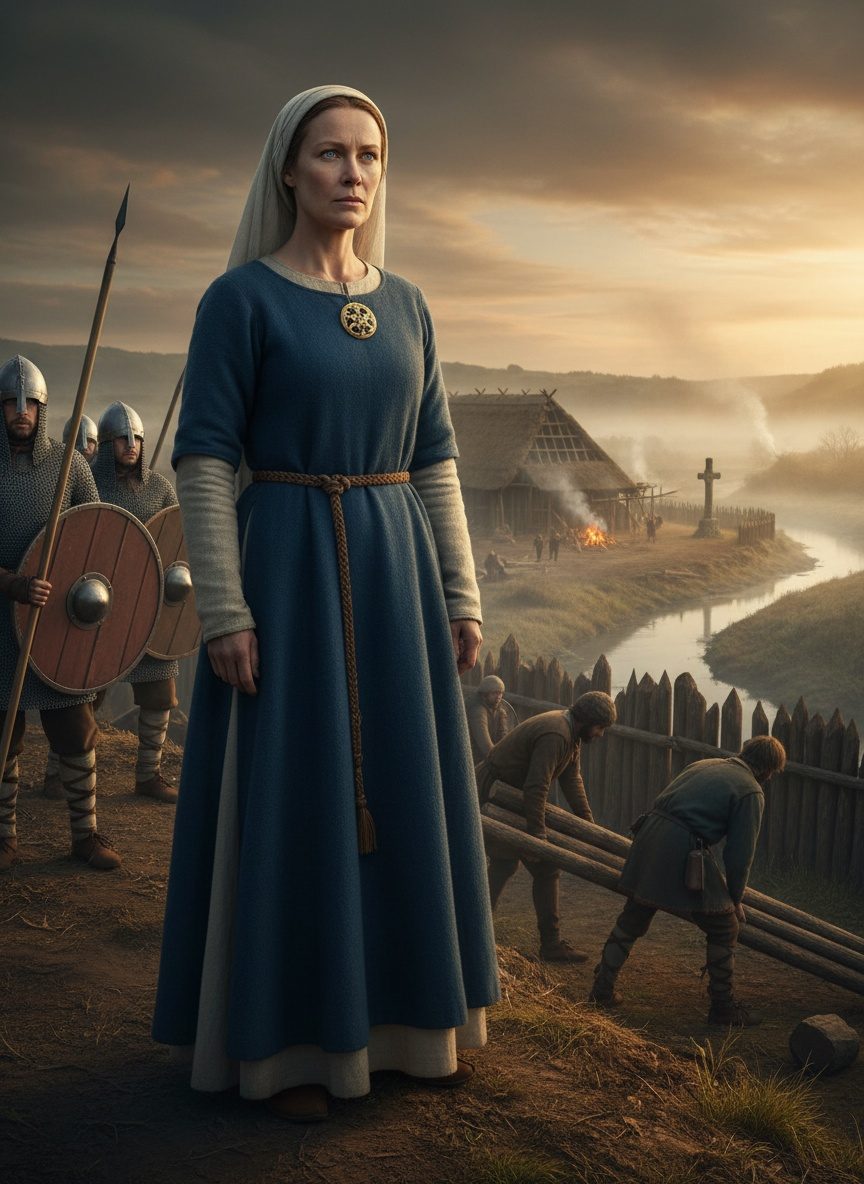
917 AD. A Viking fleet sailed into the Severn. The men of the burh were outnumbered. Aethelflaed sent no messenger. She rode to the wall herself. The fleet turned back.
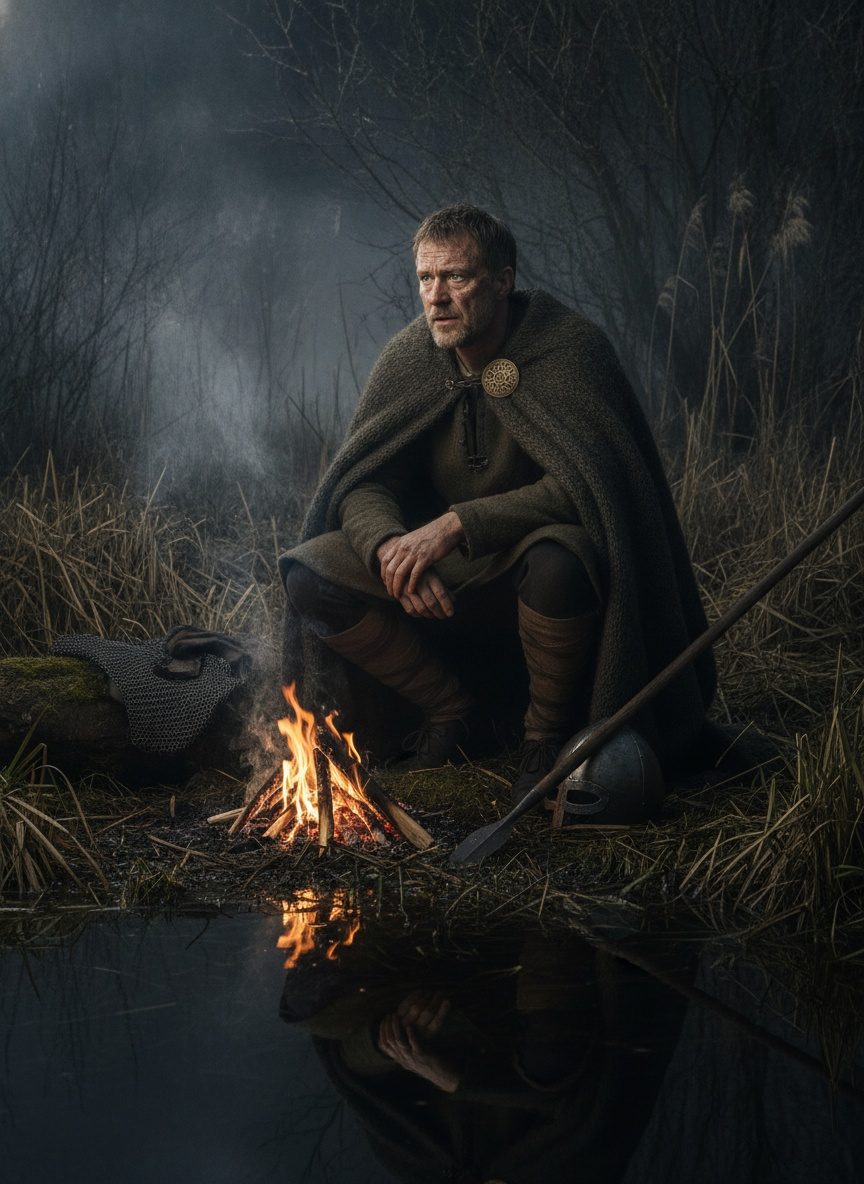
January 878. The last English king fled into a swamp with nothing. No army. No kingdom. No plan. What he built in that darkness changed everything.
680 AD. Caedmon was a cowherd. He could not sing. He fled every feast when the harp came near. Then one night a voice told him to sing. He obeyed. By morning, England had its first poet.
878 AD. The Danes had sacked London. King Alfred stood at the gate. The city smouldered. He did not turn away. He wept. Then he rebuilt it.
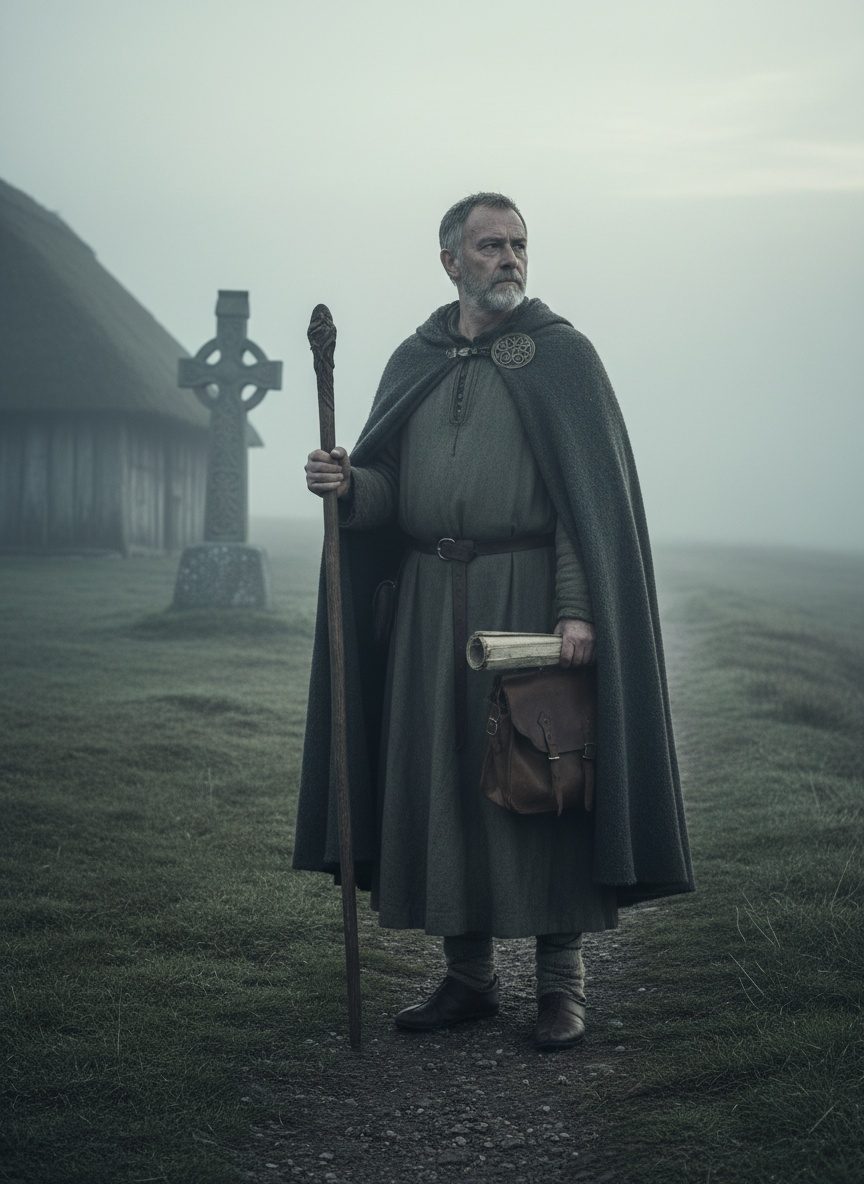
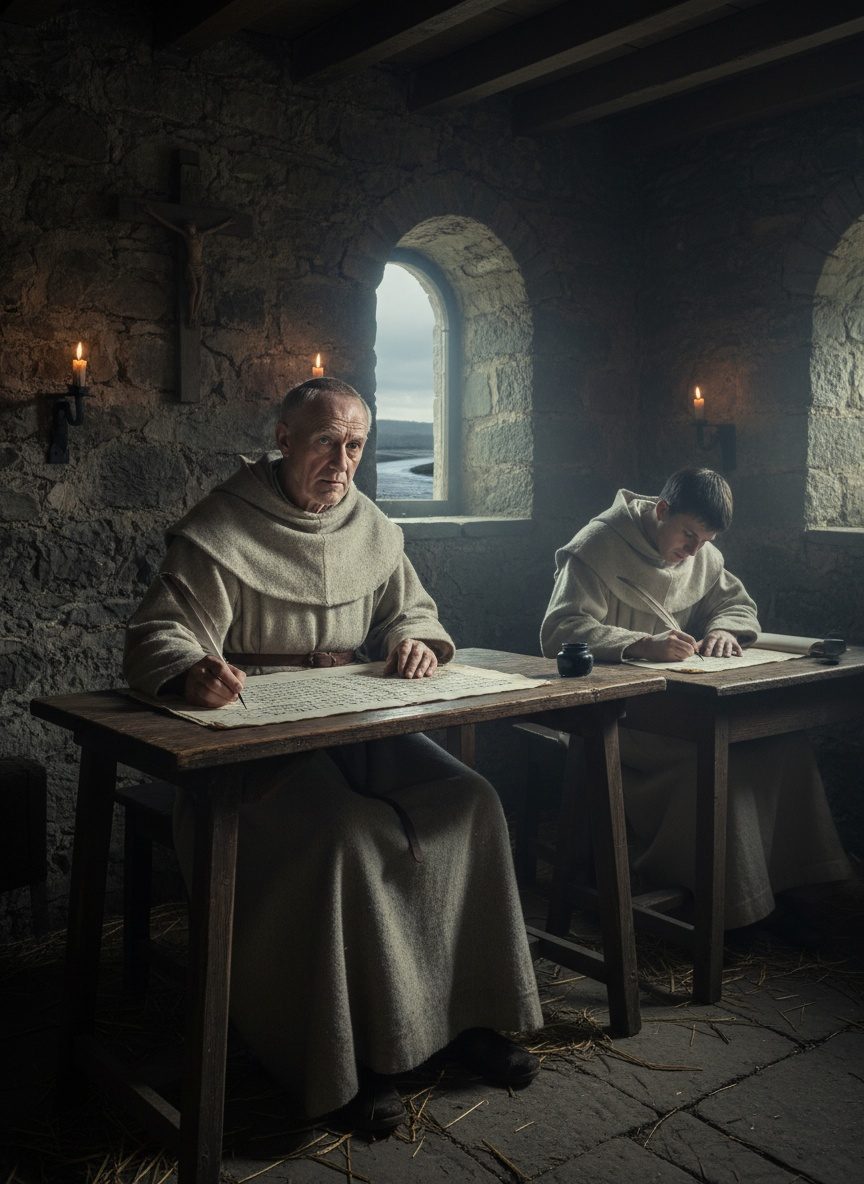
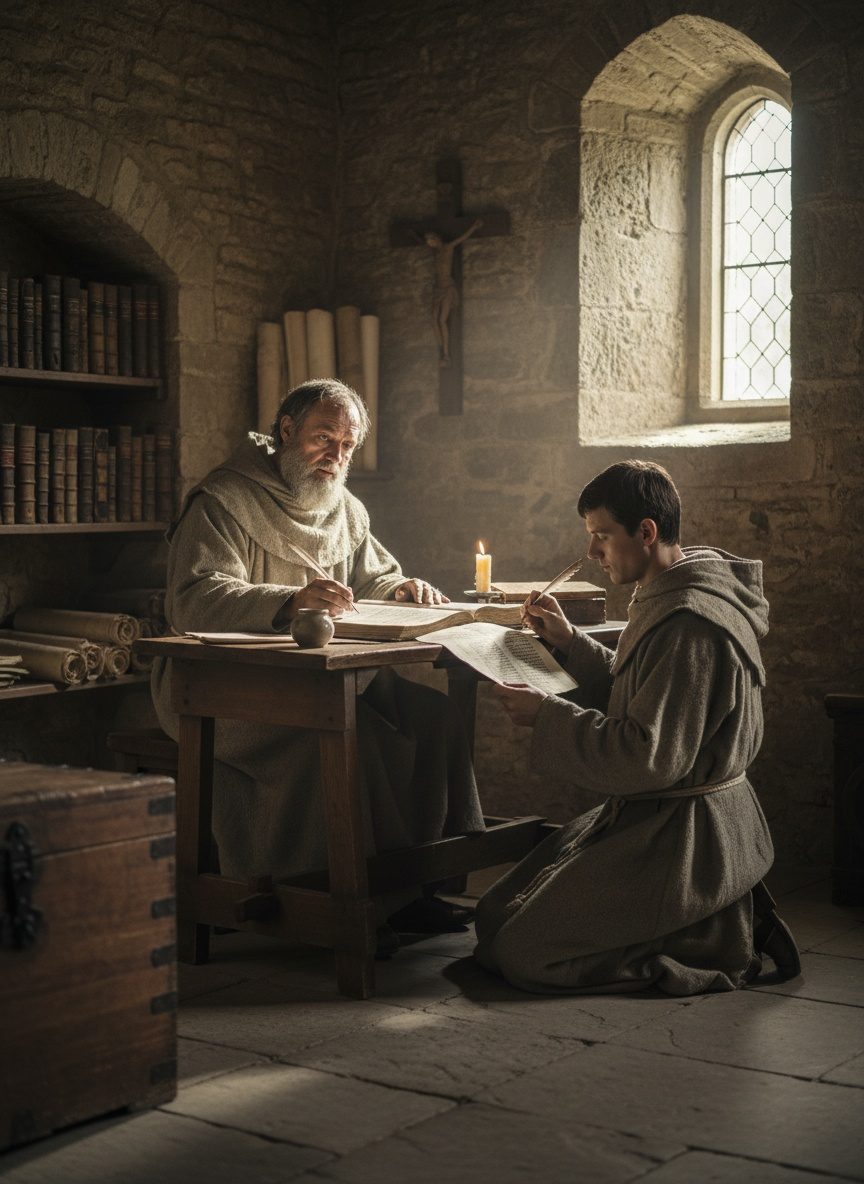
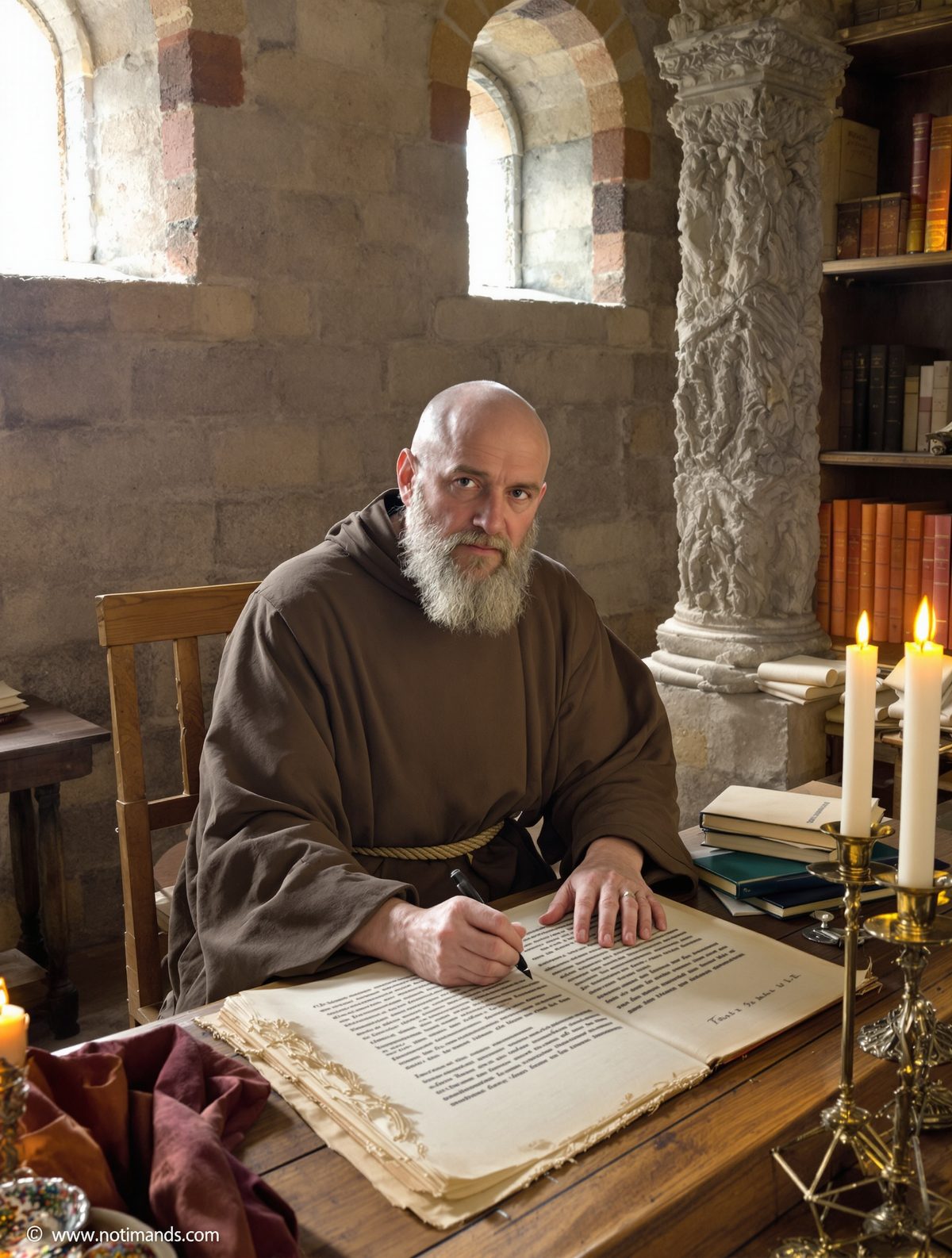
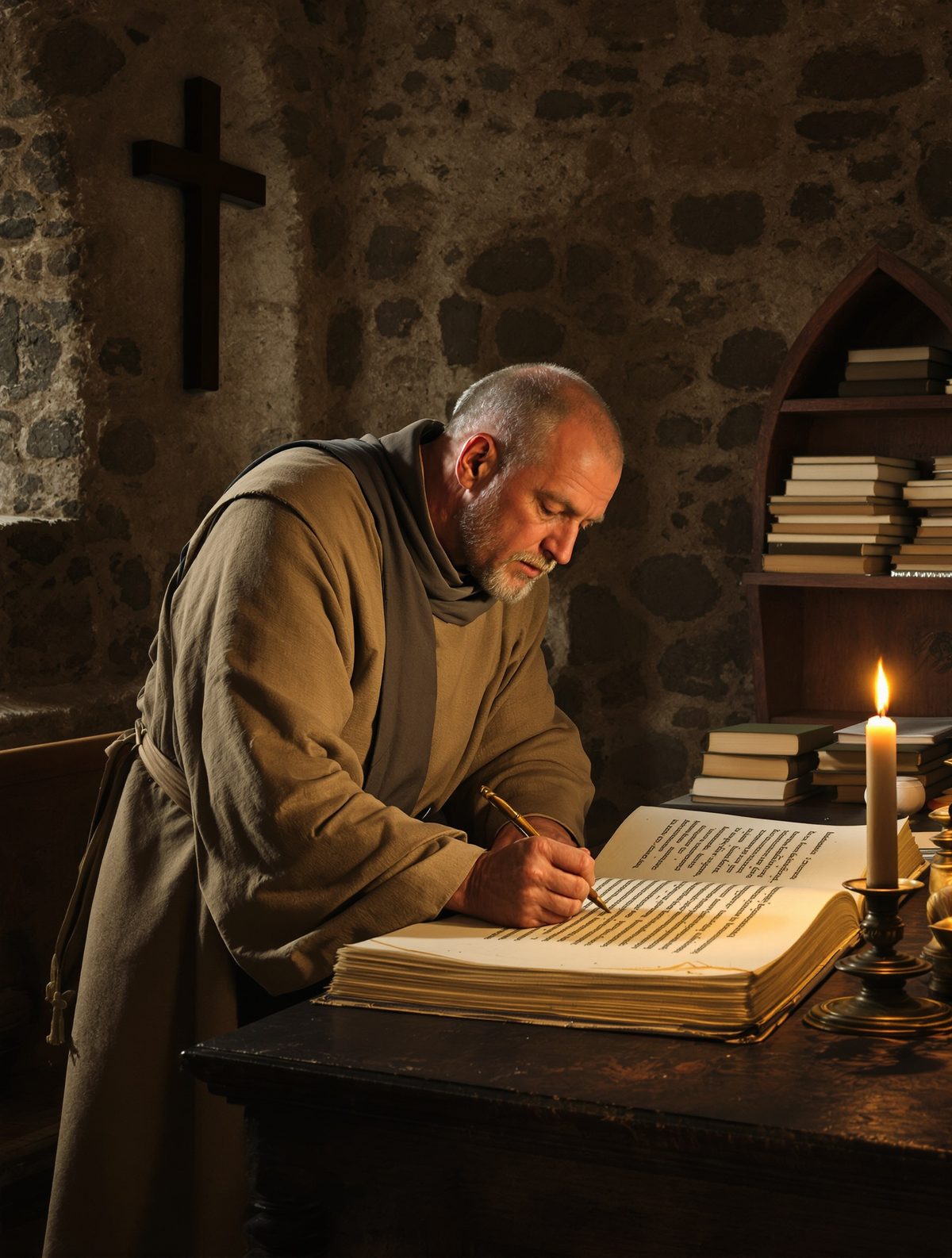
He entered a monastery at seven and never left. He never travelled more than a few miles. Yet from one room on the River Tyne, he wrote the history of an entire nation — and gave the world how it counts time.
680 AD. The monk Caedmon could not sing. He fled the feast hall in shame. That night he dreamed. A voice told him to sing of Creation. He woke and remembered every word. England had its first poet.
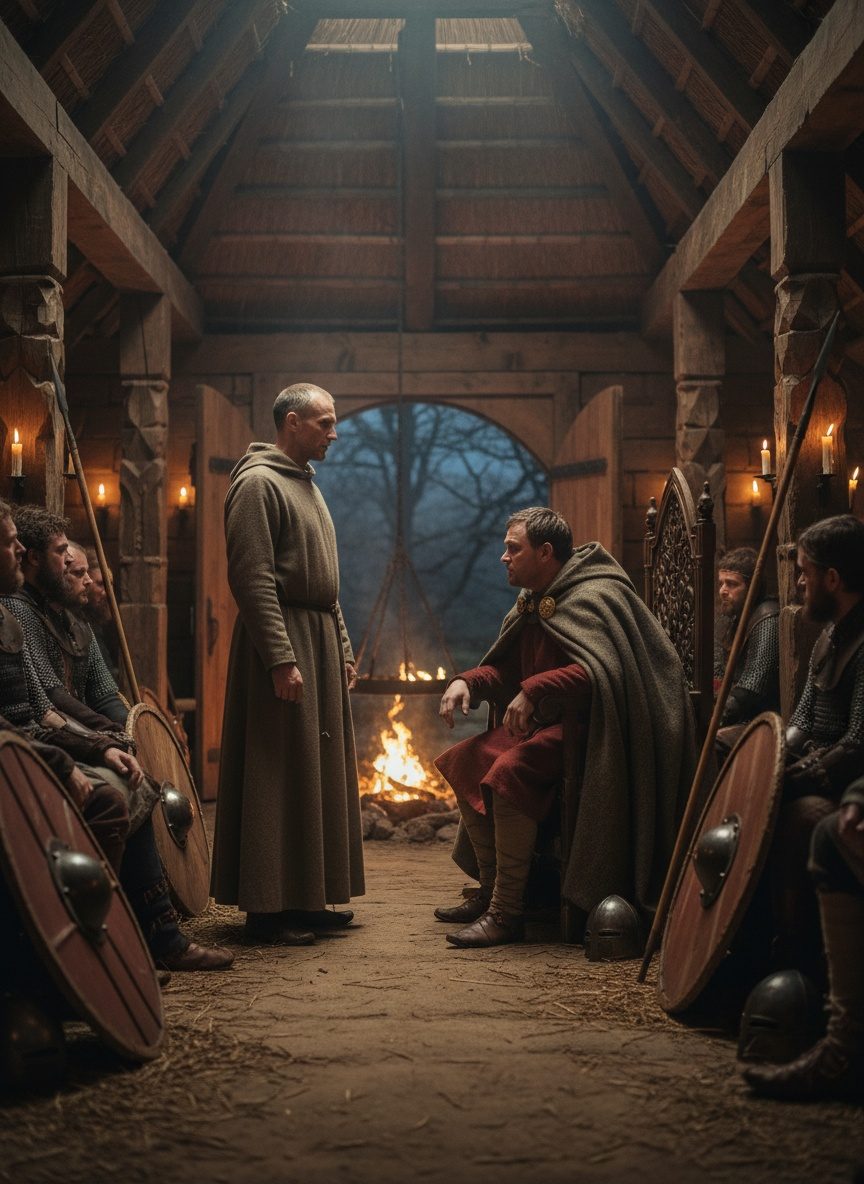
627 AD. King Edwin of Northumbria sat before his warlords. A lone monk named Paulinus rose to speak. Outside, winter storms raged. Inside, one man's words changed the north of England forever.
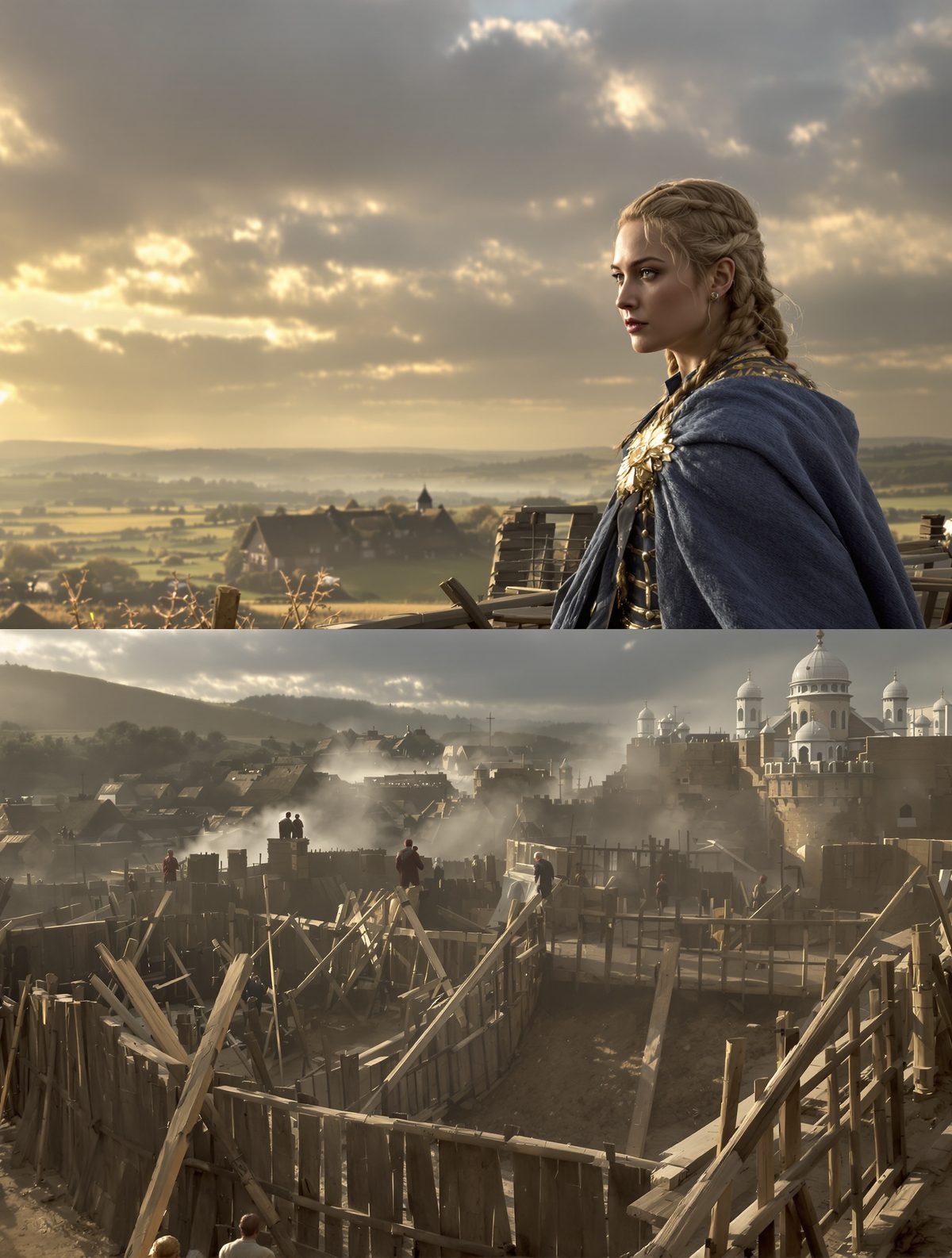
917 AD. The Vikings held the Midlands. Æthelflæd rode north. She built a fortified burh at Warwick from nothing. Stone walls rose in weeks. The Danes did not come.
He never left his monastery. He barely left his room. But one monk on the River Tyne gave the English their history — and the world the year it is today.
878 AD. England was almost gone. The Vikings held everything. One king survived. He hid in a marsh. He read. He planned. He returned. And he brought a book that would save his people forever.
672 AD. A young monk named Aldhelm stood at the door of Malmesbury Abbey. He had learned Greek. Latin. Hebrew. He wrote poetry so beautiful it made bishops weep. He became England's first great scholar-poet.
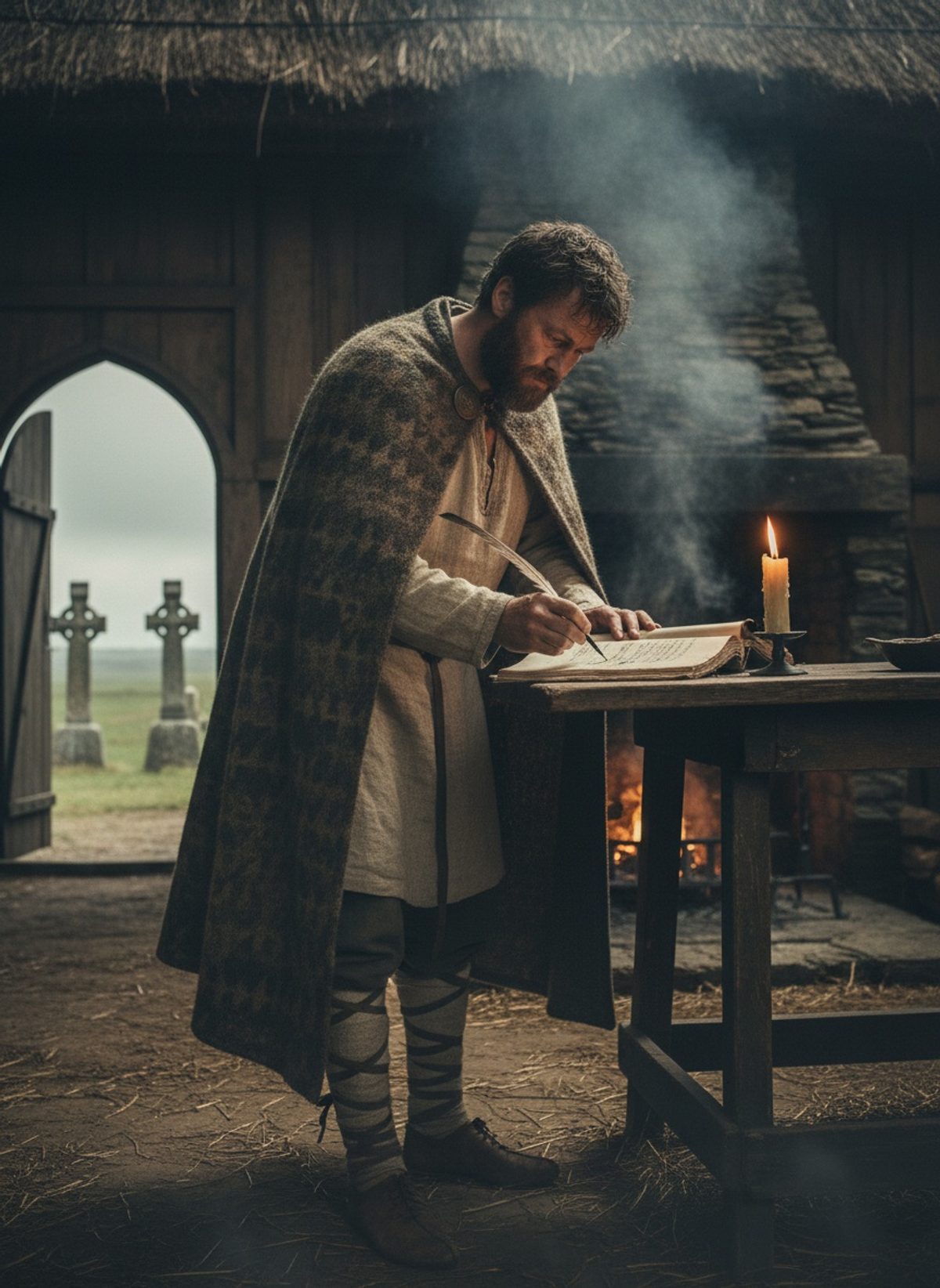
878 AD. The Vikings had taken everything. One king remained. He sat in a marsh hut and wrote. Not orders. A translation. A gift. He put God's own words into English. So ordinary people could read them.
At Whitby Abbey, an embarrassed cowherd fled the feast when the harp came round. He couldn't sing. That night, an angel visited his dreams. By morning, Caedmon had become England's first named poet.
1016. England is falling to Viking invaders. King Edmund Ironside has one desperate year to save his kingdom. He fights battle after battle against Canute's forces. Five major clashes in twelve months.
In 664 AD, Abbess Hilda hosted the most important church council in British history. Two versions of Christianity clashed at Whitby Abbey. The decision would unite all of England under one faith.
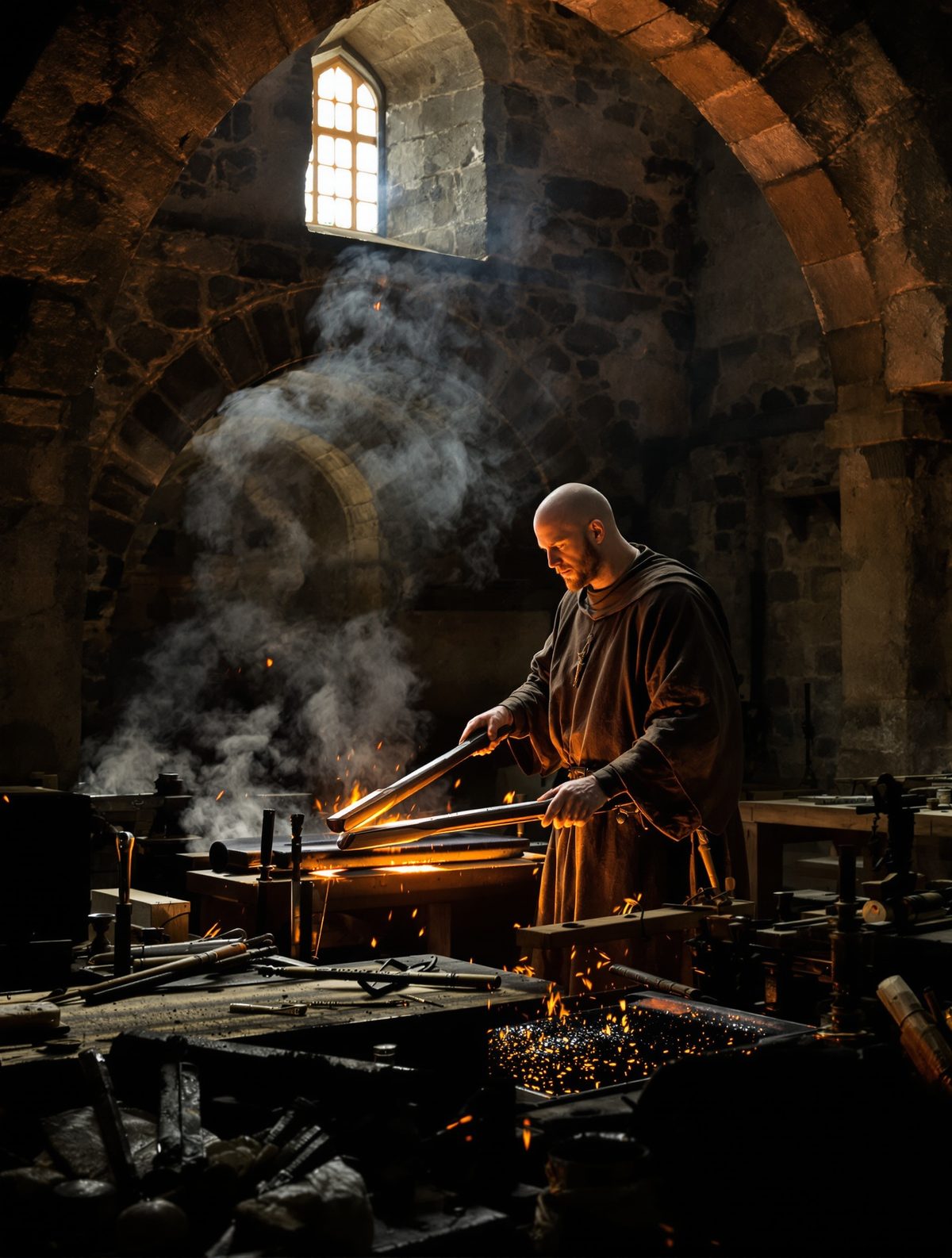
Archbishop Dunstan worked late in his forge. The Devil appeared to tempt him. Dunstan seized his blacksmith's tongs from the fire. He grabbed the Devil's nose and refused to let go.
Canterbury's Archbishop was forging at his anvil when the Devil appeared to tempt him. Dunstan grabbed his red-hot tongs. He seized the Devil by the nose. The scream echoed across medieval England.
King Cnut dragged his throne to the beach at Southampton. He commanded the incoming tide to halt. The waves soaked his feet and robes. He turned to his fawning courtiers: 'Only God commands the sea.'
The Viking armies were crushing England. Alfred's daughter took command. In eight years she built ten fortresses across Mercia. Each one perfectly placed to defend her people. The Lady of the Mercians saved a kingdom.
Bishop Wilfrid angered kings across England with his reforms. They poisoned his wine. He blessed it and drank anyway. Survived. They shipwrecked him on hostile shores. He converted his captors. Exiled three times. Always returned.
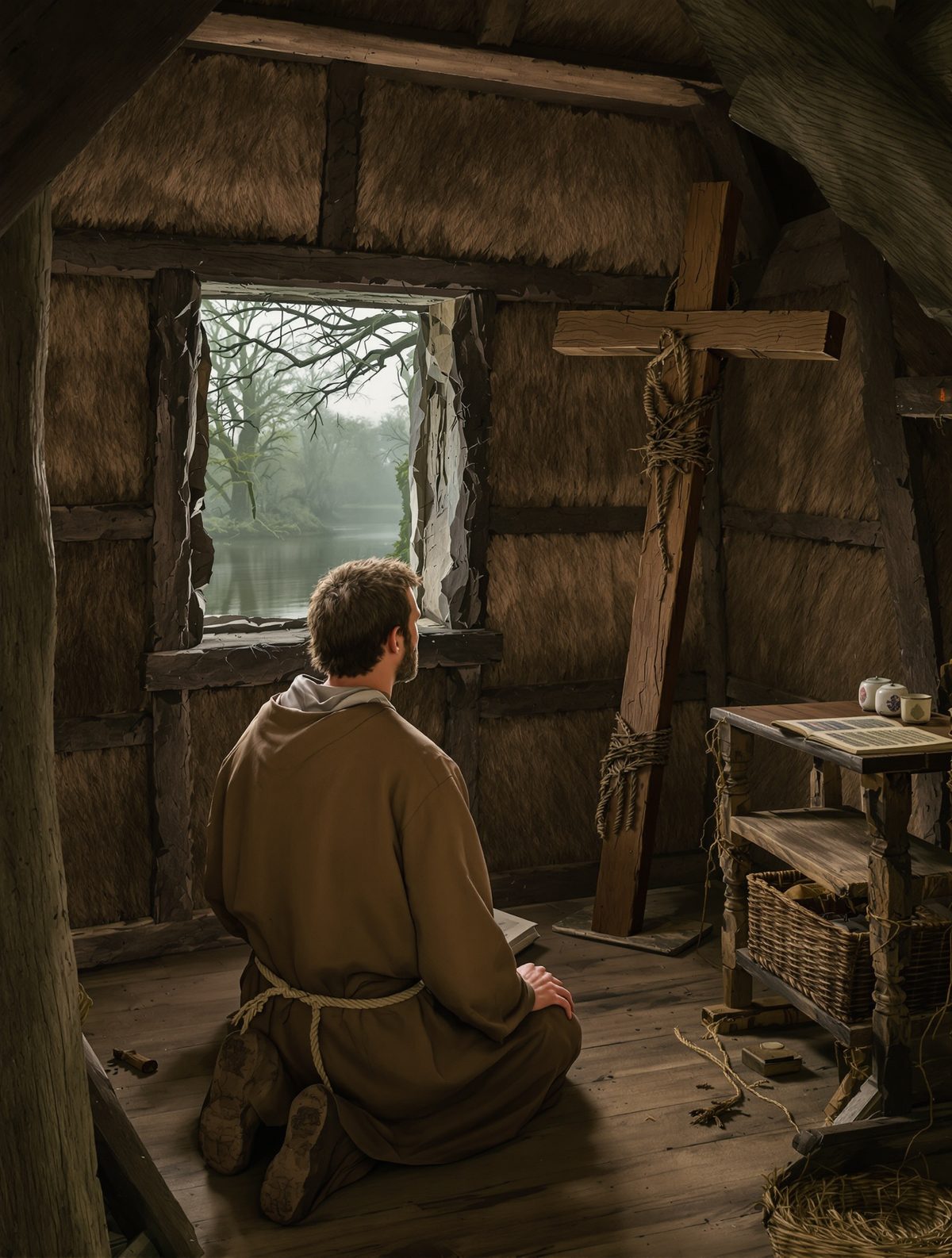
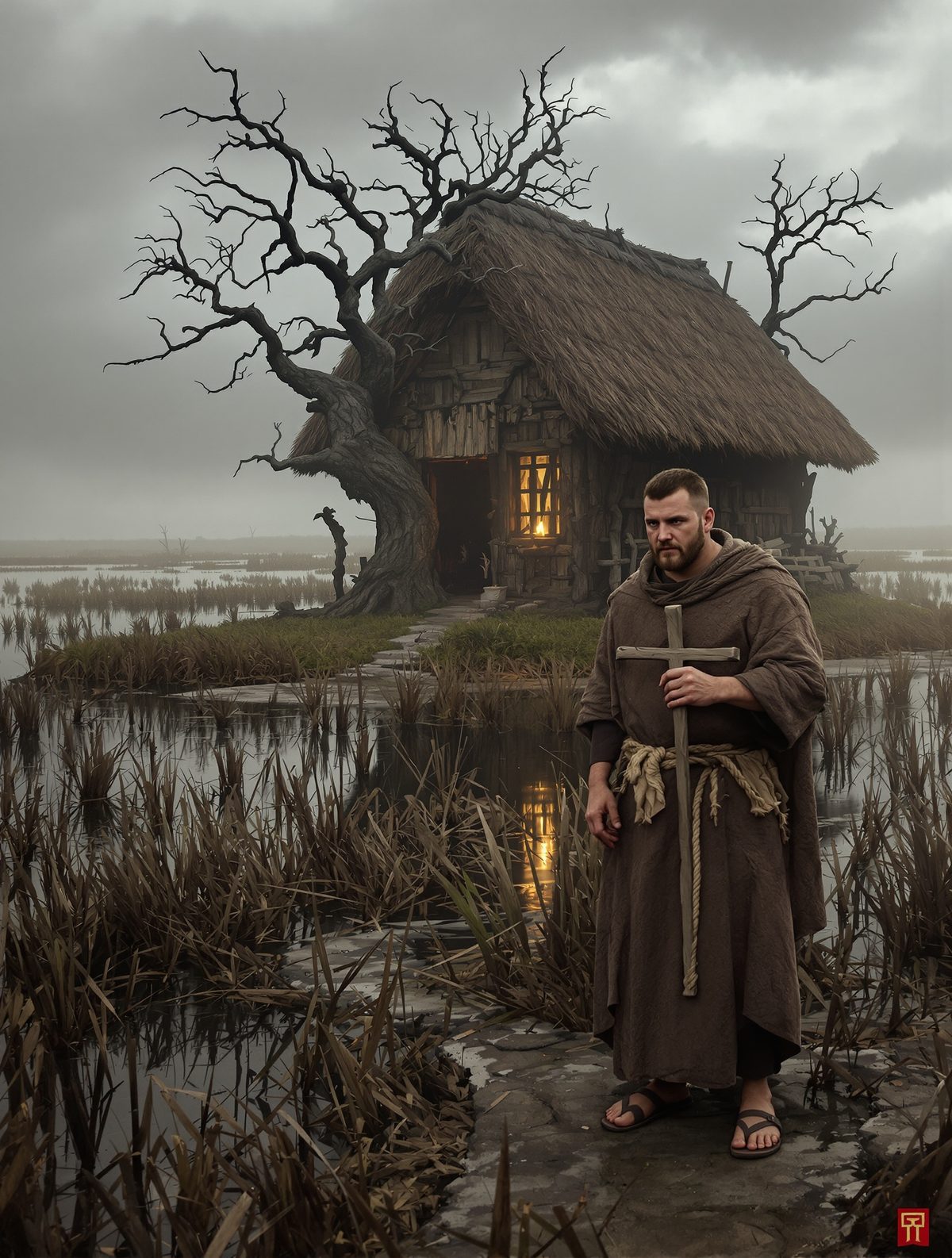
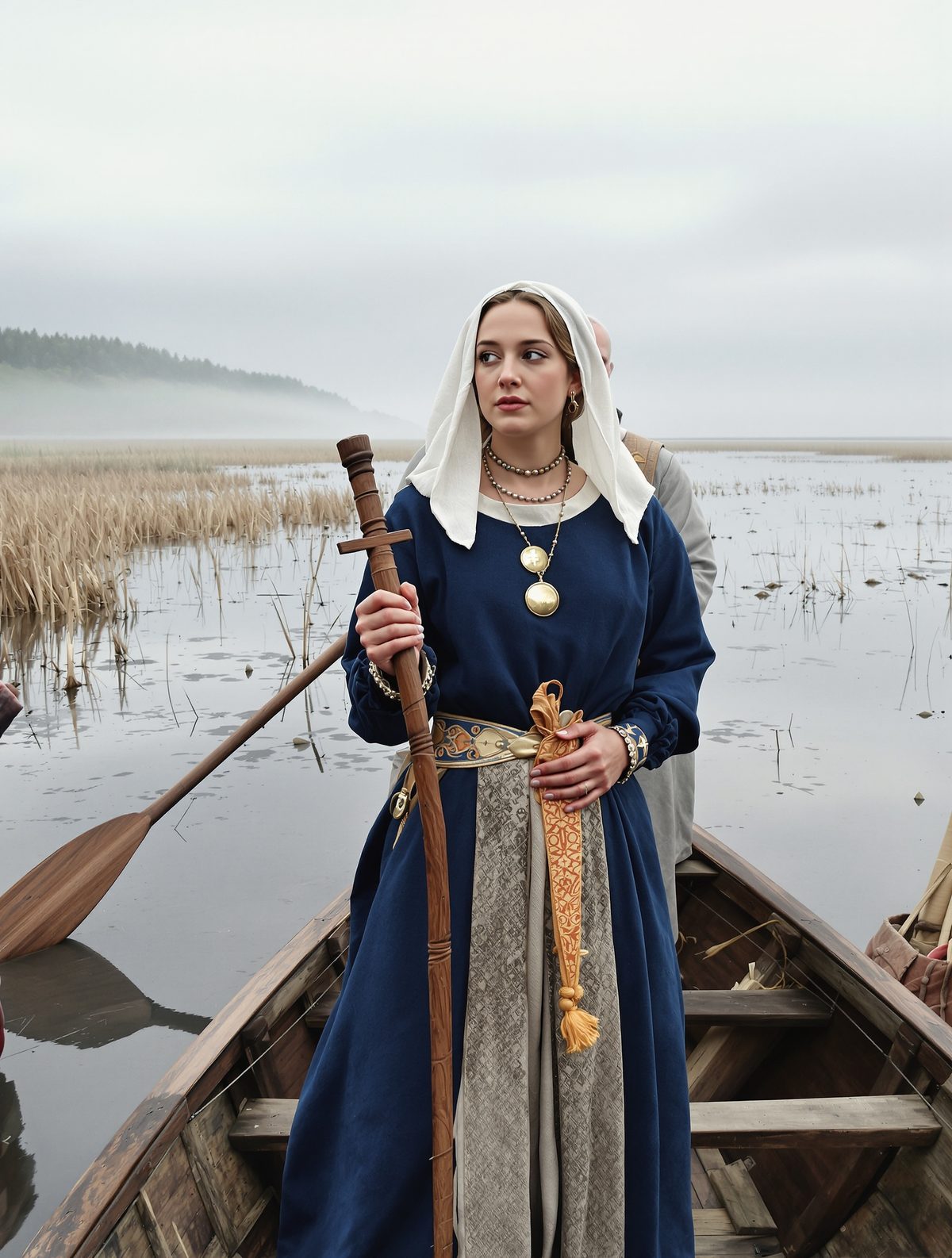
Young nobleman Guthlac abandoned his warrior's life for God. He rowed alone into the haunted Crowland marshes. Locals said demons lived there. For fifteen years he battled visions and terrors. He never fled.
The cowherd couldn't sing a note. When the harp passed to him, he fled in shame. That night, an angel appeared in his dream. When Caedmon woke at Whitby Abbey, he sang the first English poem ever recorded.
Caedmon couldn't sing a note. At feasts he fled in shame when the harp came round. Then one night in the monastery stables, an angel whispered in his ear. By morning, the illiterate cowherd had composed England's first Christian poem.
October 1016. Two warrior kings fought all summer for England's crown. Neither could defeat the other. So they met on an island in the River Severn. Drew their swords. And carved up a kingdom between them.
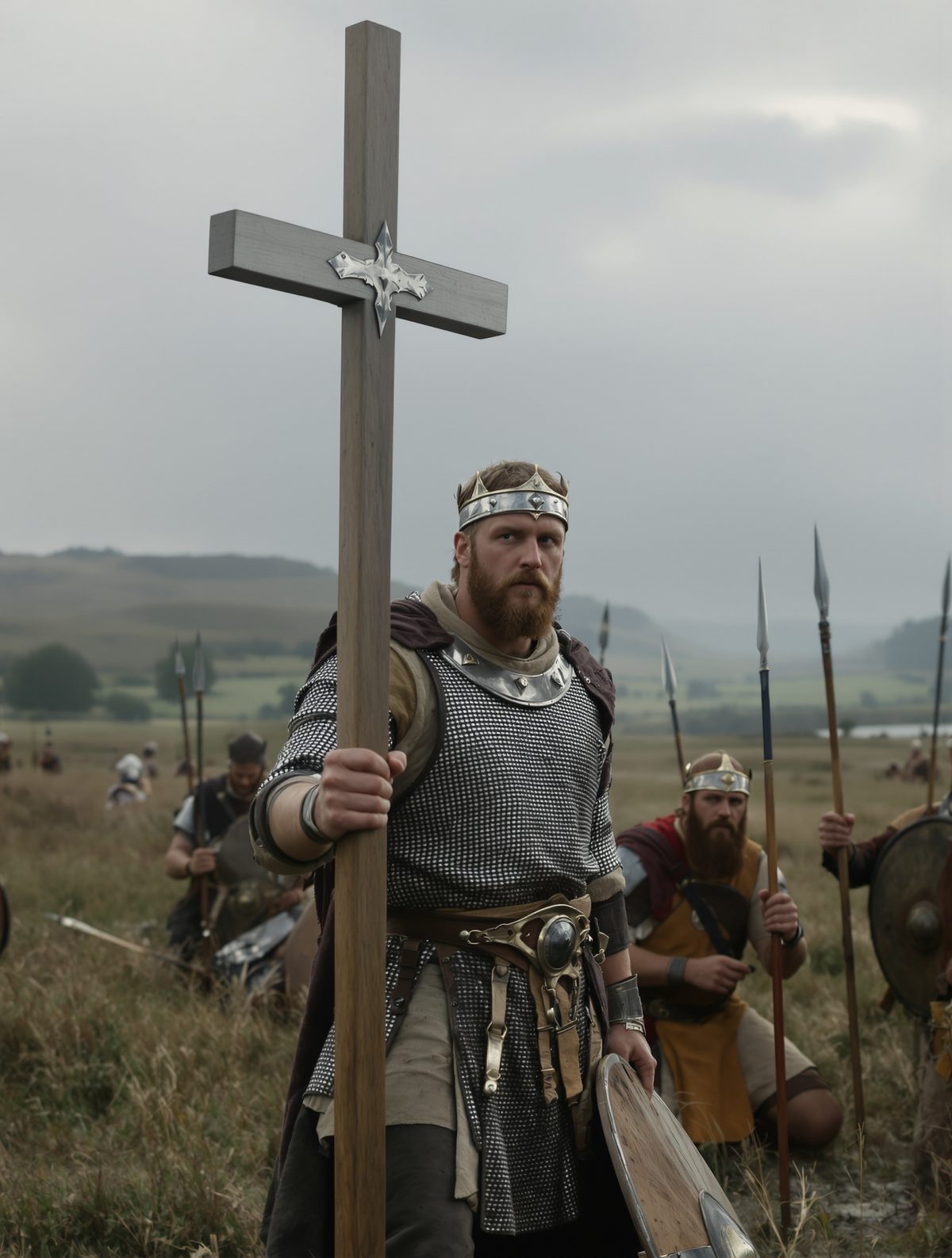
King Oswald of Northumbria held a wooden cross upright with his own hands. His soldiers knelt in the mud beside him. They prayed in two languages before battle. The cross would stand for a thousand years.
1071. Norman knights surround the last English rebel on his island fortress. Hereward the Wake has defied William the Conqueror for months. At dawn they storm the causeway. By sunset, every Norman lies dead or fled. Hereward has vanished into the mists forever.
King Penda of Mercia had crushed Christian kings for 30 years. He worshipped the old gods. At Winwaed in 655, outnumbered three to one, he charged into his final battle. When the waters ran red, Anglo-Saxon paganism died with him.
664 AD. Whitby Abbey. Two versions of Christianity were tearing England apart. King Oswy had to choose between his wife's Roman faith and his own Celtic tradition. His decision would unite a kingdom.
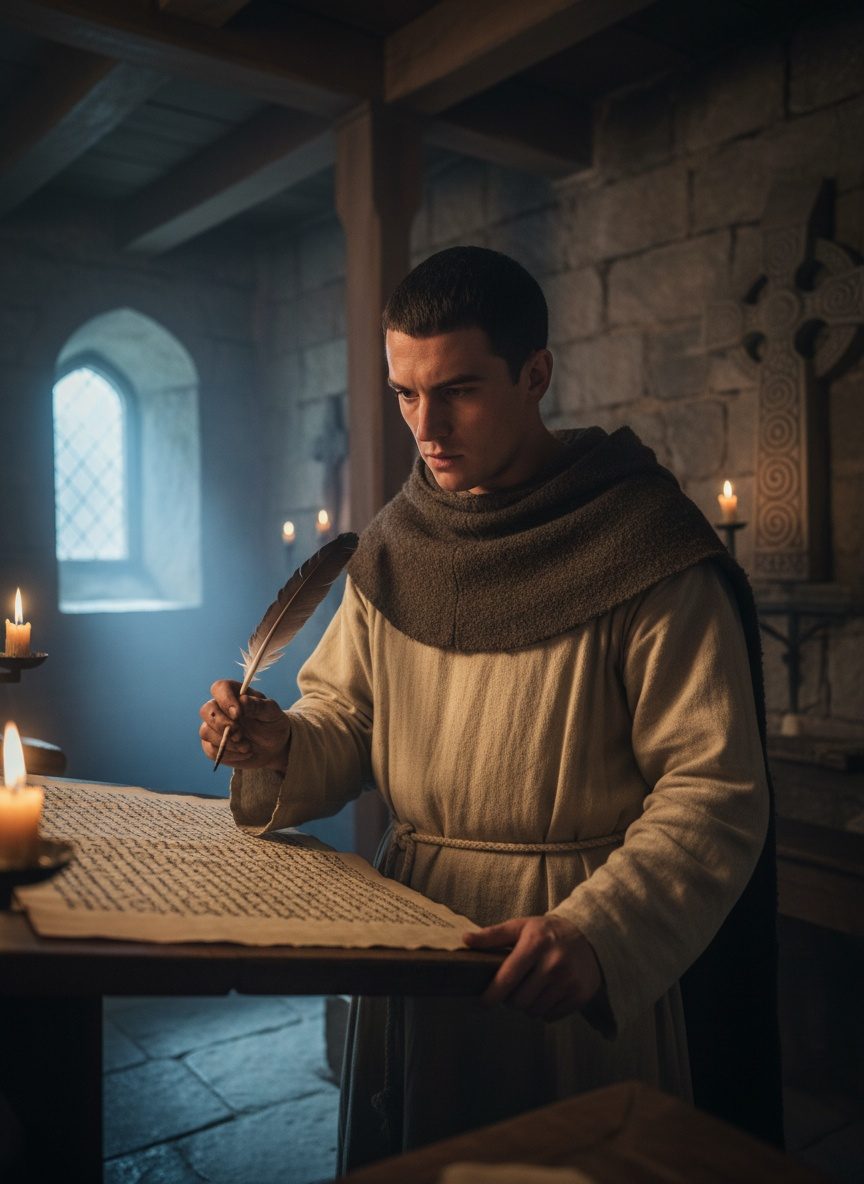
In 731, a monk in Jarrow finished copying the last page. His 'Ecclesiastical History of the English People' would survive Viking raids. Saxon invasions. Norman conquest. Without Bede's quill, England's story would have died in darkness.
Young nobleman Guthlac abandoned his warrior's sword for a hermit's cross. He sailed alone into the cursed Lincolnshire fens. For fifteen years, demons tormented him nightly. His prayers never faltered.
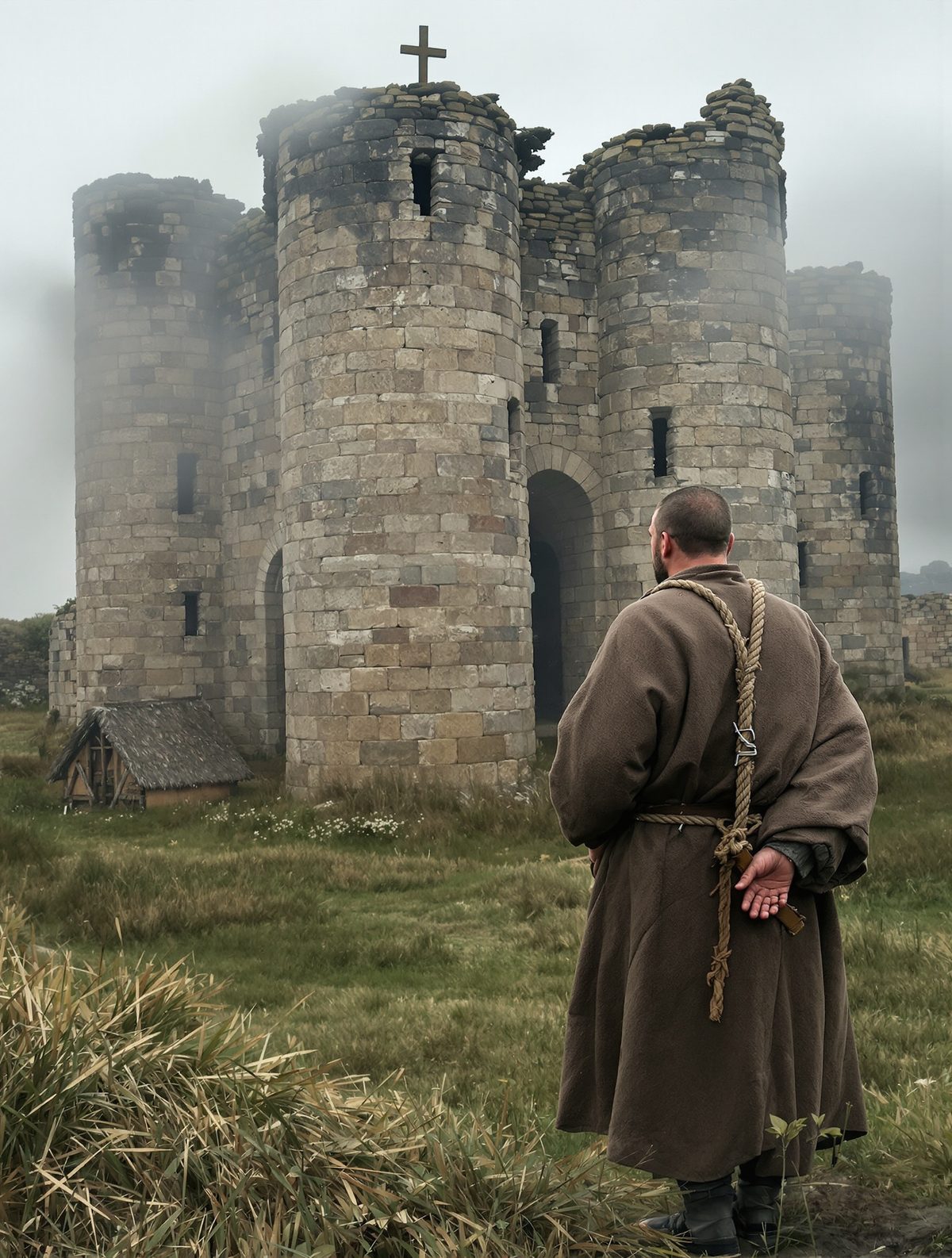
Saint Cedd chose the most feared place in Essex to build his monastery. The abandoned Roman fort of Bradwell was cursed, locals whispered. Vikings had slaughtered priests there. But Cedd saw God's plan. He built England's first stone church from the Roman ruins.
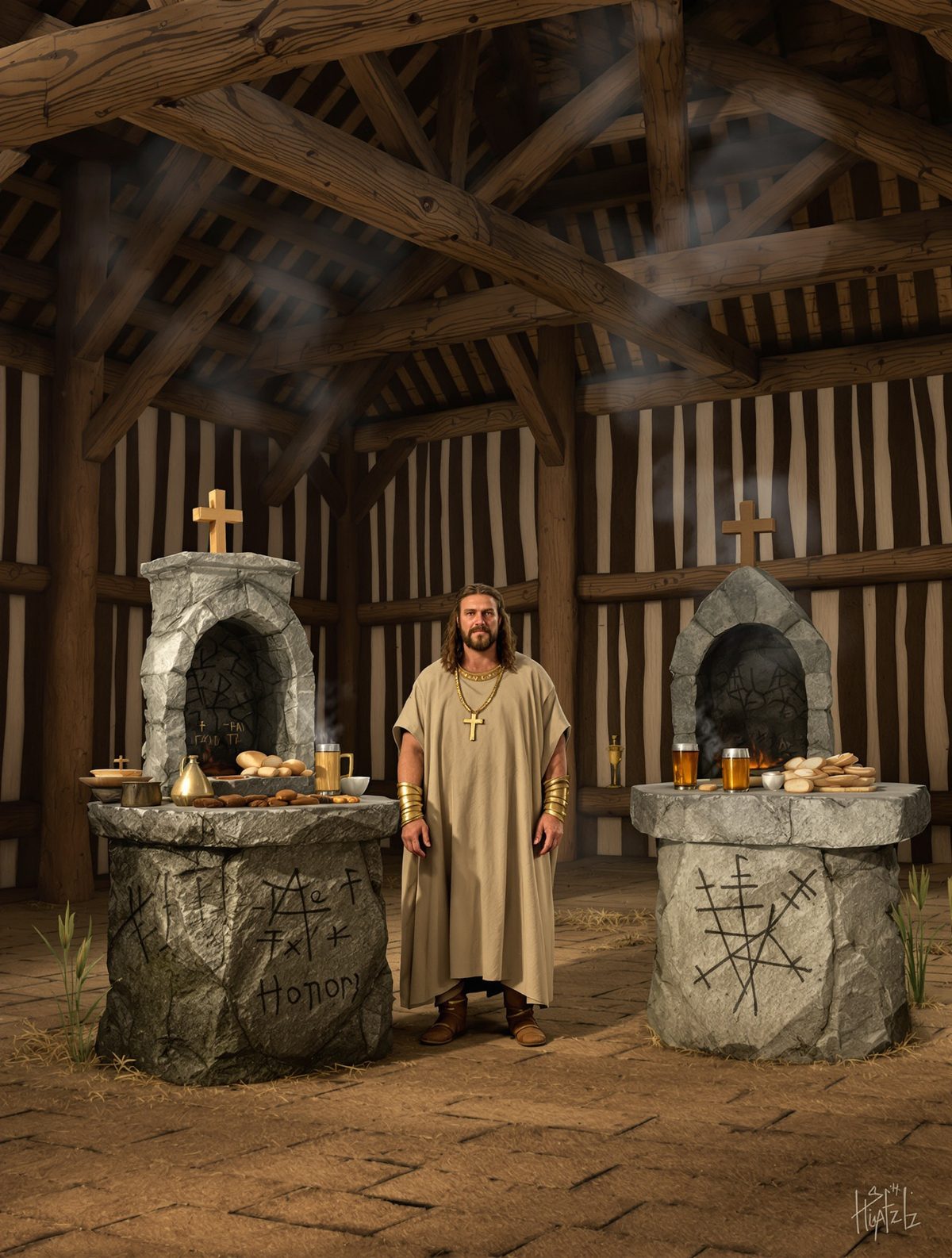
King Raedwald of East Anglia accepted baptism in Kent. He returned home a Christian. But in his great hall stood two altars. One for Christ. One for the old gods. He would not choose between them.
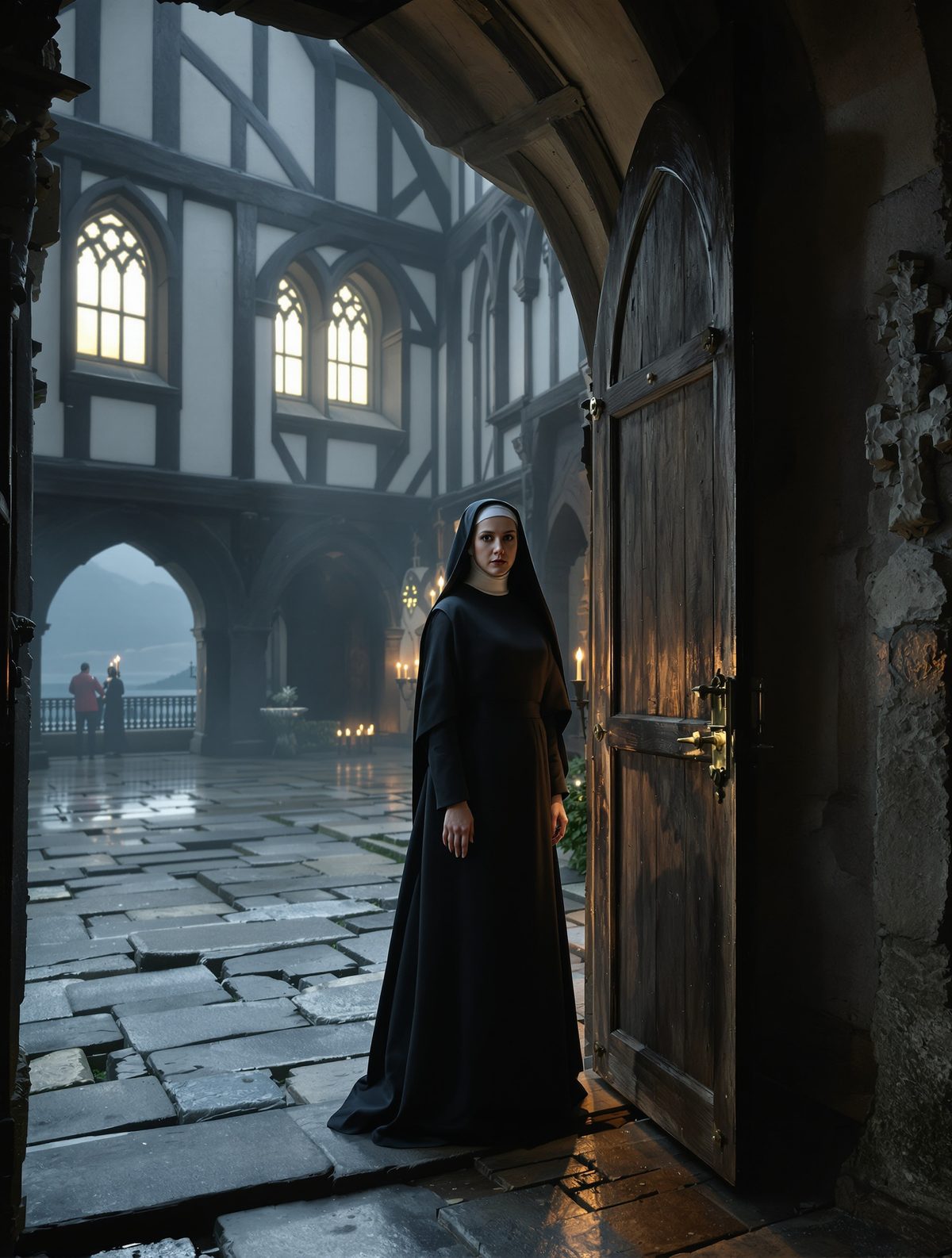
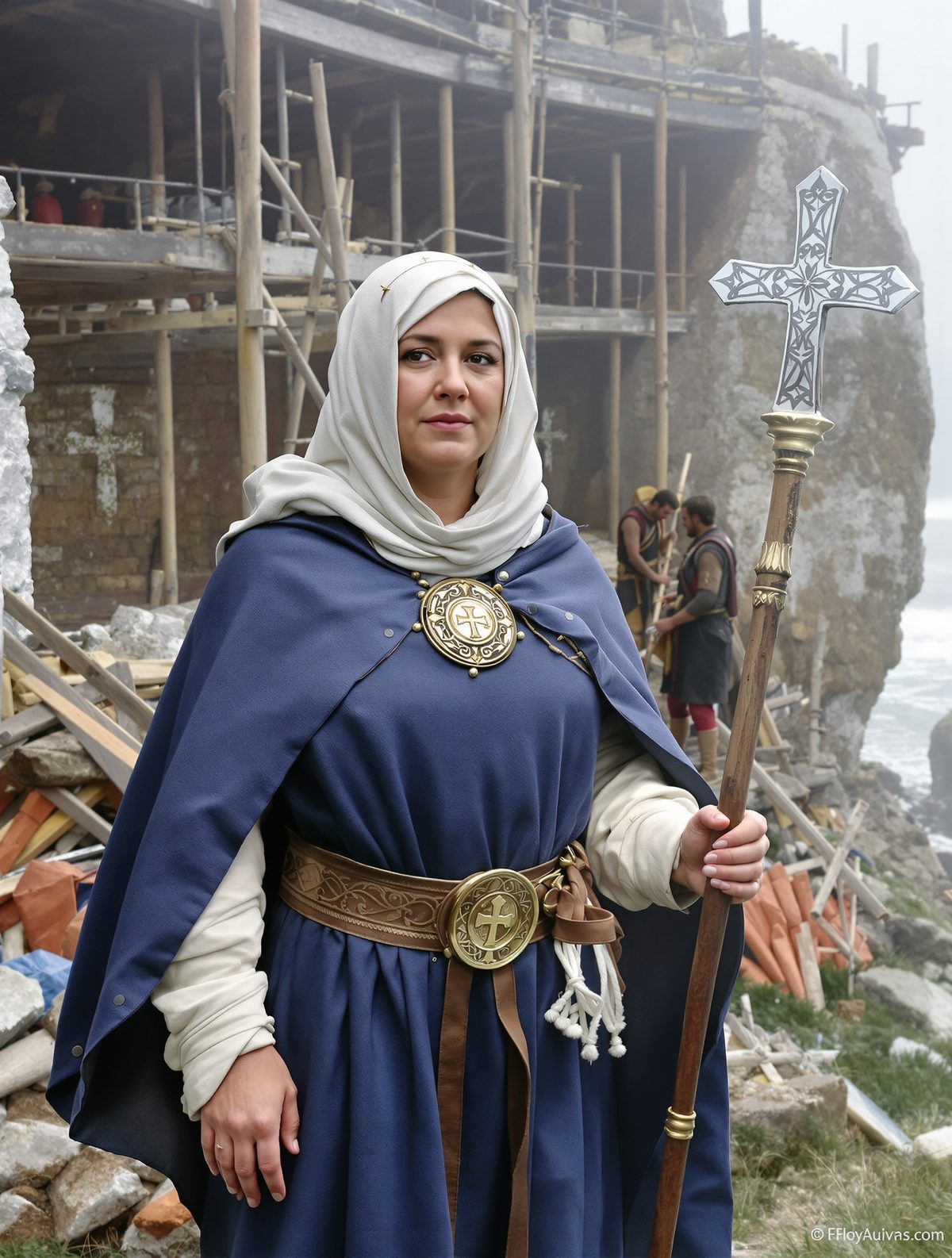
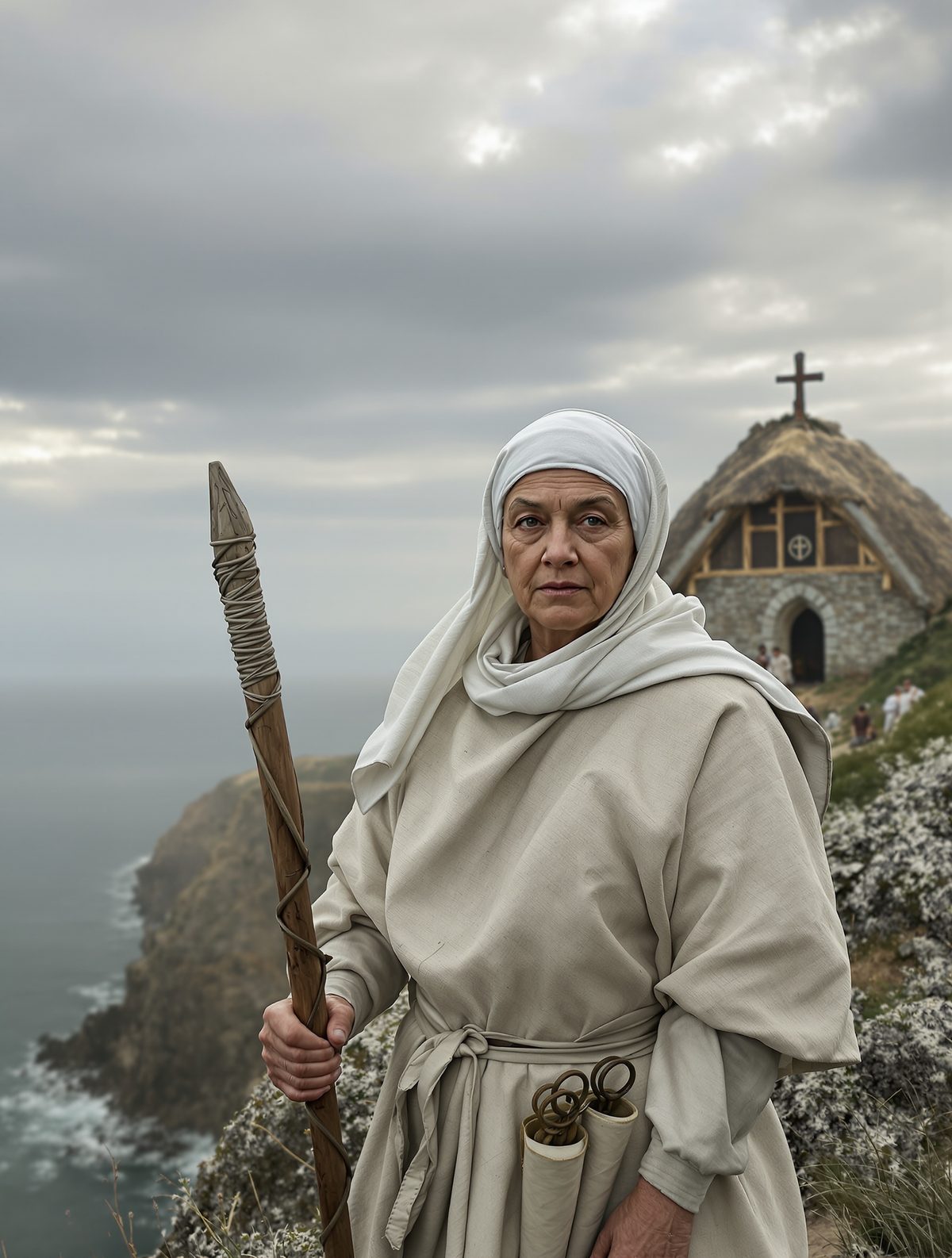
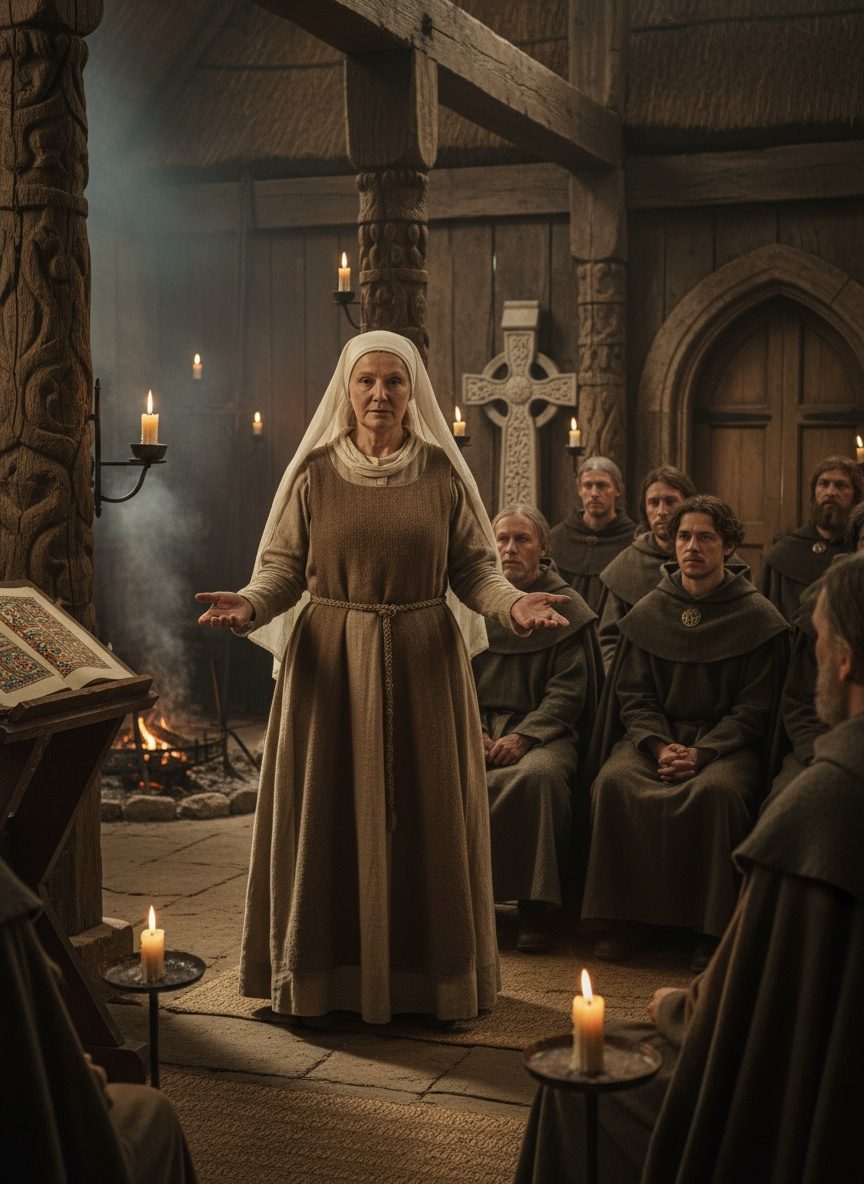
Whitby, 657 AD. Abbess Hilda raised her staff above the clifftop stones. Here she would build England's greatest double monastery. Kings would seek her wisdom. Monks and nuns would study together. The Synod of Whitby would choose Rome over Celtic Christianity forever.
In 699, a nobleman turned monk rowed into England's most cursed swampland. The locals called it hell on earth. Demons haunted every shadow. But Guthlac of Crowland had come to stay.
In 625 AD, a Kentish princess stepped off a ship into pagan Northumbria. She carried a cross, a bishop, and a mission. She did not flinch. Within five years, a king knelt at the font.
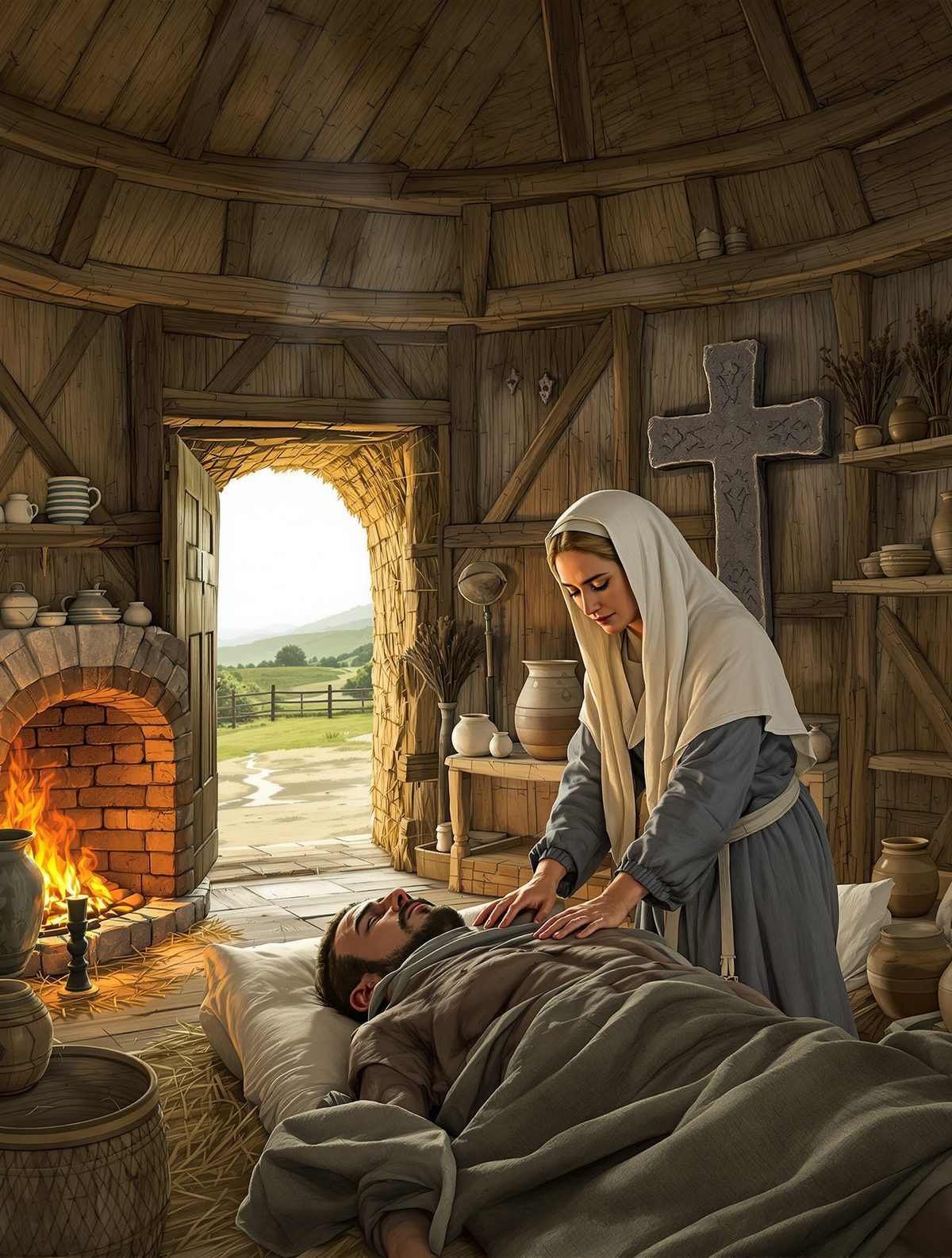
She was a queen's daughter who gave up a crown. She chose the sick instead. Hild of Whitby's cousin. A healer in an age of swords. Her name was Æbbe. And the dying came to her from across Britain.
In 731 AD, a monk at Jarrow finished a book. He had never left his monastery. Yet he wrote the history of an entire nation. Without Bede, England might have forgotten it ever existed.
In 918 AD, Æthelflæd of Mercia lay dying. She had built ten fortresses. Recaptured Derby and Leicester. Broken the Viking grip on England. Without firing a single arrow herself.
In 991, Vikings surrounded Maldon. They offered peace — for a price. The Saxon herald Leofsunu walked to the water's edge alone. His answer became England's most famous poem.
In 657 AD, a nobblewoman named Hild founded an abbey at a windswept Yorkshire headland. She became the most powerful woman in England. Kings sent their sons to learn at her feet.
917 AD. The Vikings had taken Tempsford. Aethelflaed's husband was dead. She rode out anyway. One woman. One fortress. One impossible gamble. She won.
AD 1012. The Vikings had taken Archbishop Alphege prisoner. He refused to let his people pay his ransom. They pelted him with bones. He stood still. He would not break. He died for them.
664 AD. Two faiths were tearing England apart. Rome said one thing. Iona said another. Abbess Hilda of Whitby stood between them. Kings listened. Bishops fell silent. She did not flinch.
Hand-picked from Britain Untold's archive. The stories you weren't taught at school. 3-minute read.
No spam. Unsubscribe in one click. We hate spam too. Privacy Policy.