In the cold, mist-laden mornings of ancient England, under oaken shadows and the whisper of winds through desolate abbey ruins, the story of a stubborn monk-turned-martyr echoes across time. As the sun rose on a blood-drenched Canterbury in AD 1012, the Vikings held more than silver as their prise; they held the heart of a nation, Archbishop Alphege. His refusal to let his people pay a devastating ransom left an indelible mark on both the Saxon soul and the annals of history. What began as a tale of captivity ended in sacrifice, casting one man into sainthood and shaking England to its core.
The Unyielding Captive
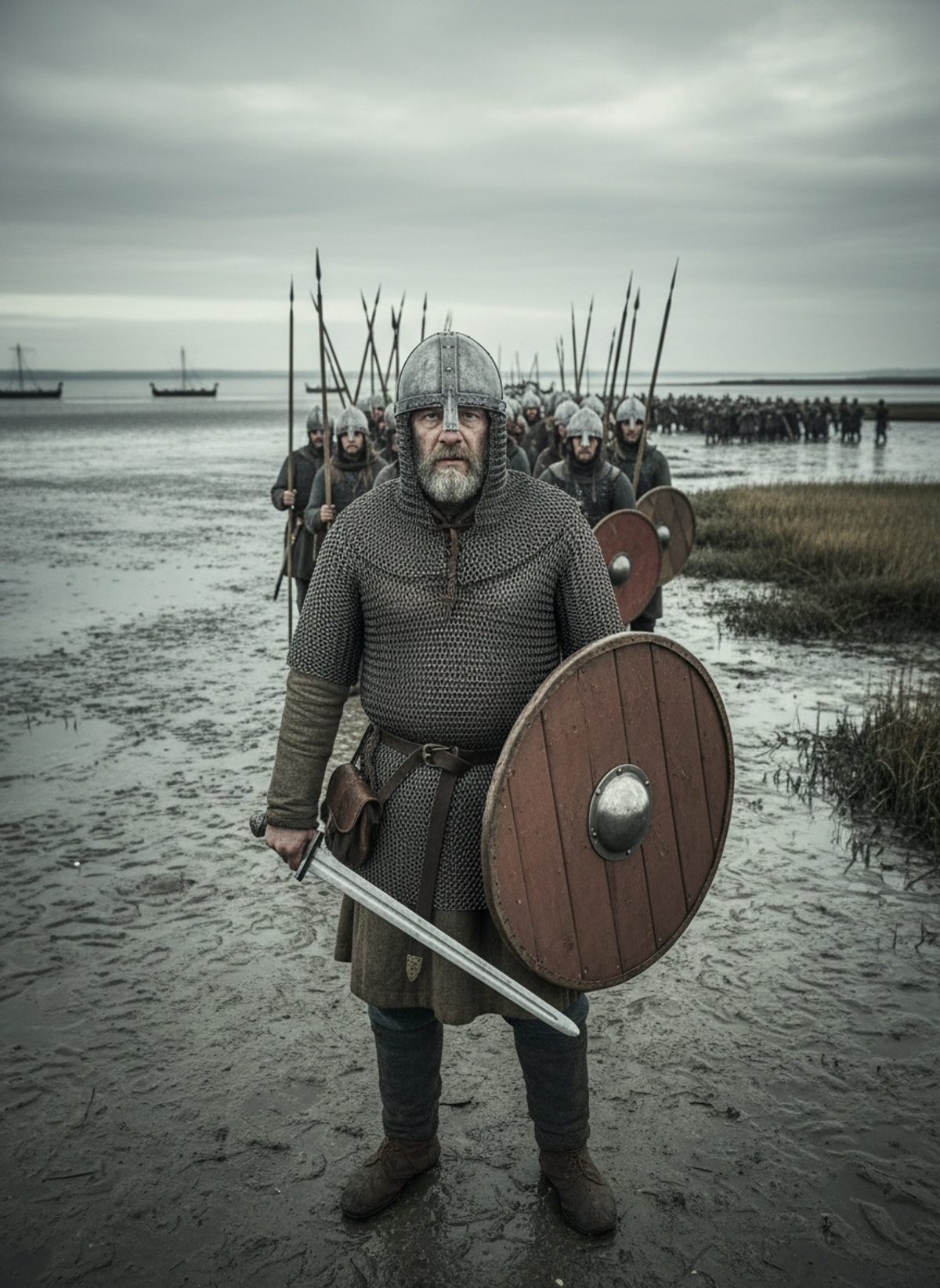
Springtime in AD 1012 was a season marred by terror and trepidation in Canterbury. A fleet of Viking longships, oars knifing through the waters, bore down upon England's coast, disgorging warriors into the heart of the Saxon land. Among them stood a fearsome figure, Thorkell the Tall, whose name alone was enough to make the stoutest Saxon shiver. His raids were quick and ruthless, and his latest assault had struck deep into the heart of England’s religious life — the cathedral city of Canterbury.
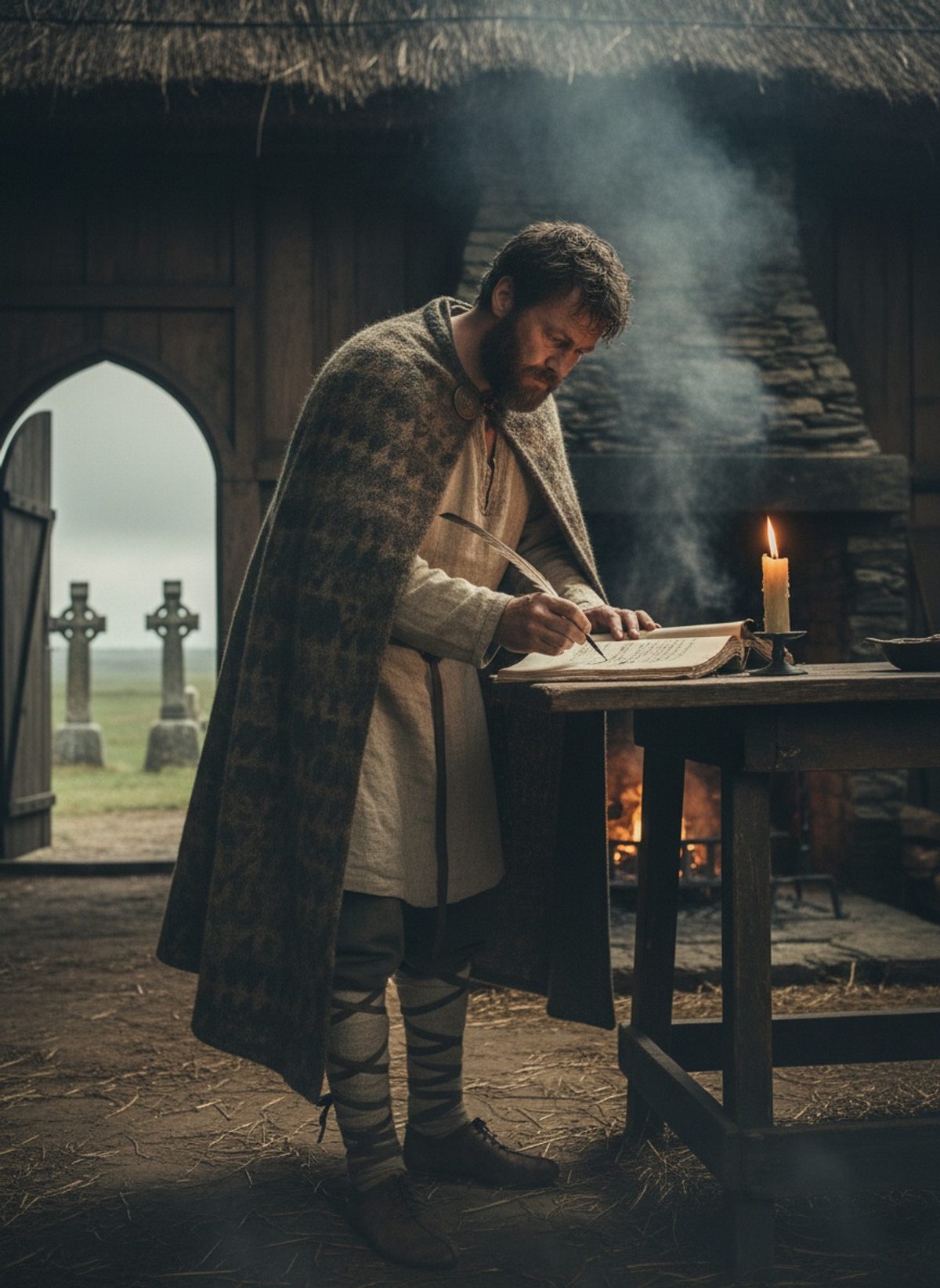
Within the sacred walls, a different figure of authority stood steadfast. Archbishop Alphege, a man deeply revered, was once a humble monk at Deerhurst before his rise through the ecclesiastical ranks. He was captured amidst the chaos, carried off by the Norsemen to their camp. The Archbishop's quiet resolve, however, was a mountain amidst the growing despair of his people, who were already bled dry by endless wars and the insatiable demands of the Danes for tribute — or Danegeld.
The Impossible Decision
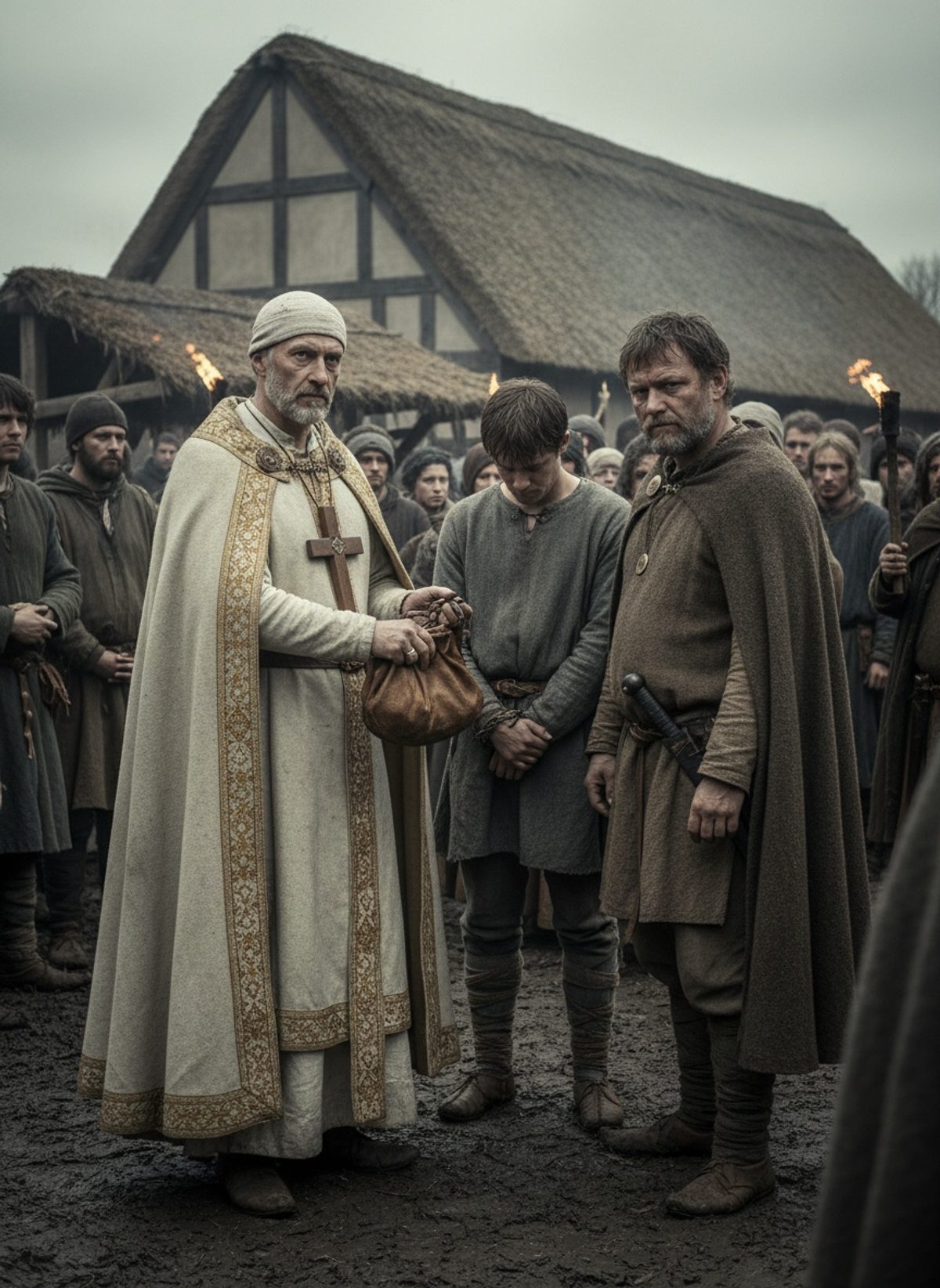
As the besieged city lay in the Vikings' grip, an ultimatum was delivered. A soul-crushing ransom: 3,000 pounds of silver was demanded in exchange for Alphege’s release — a crippling price for a nation eking out survival. Yet, rather than submit his flock to further penury, the Archbishop defied his captors and forbade the ransom to be paid.
Read next: The Day a Saxon Abbot Walked Into a Slave Market Alone
Alphege, though a captive, was a man whose spirit refused to be chained. The decision was as bold as it was controversial. Here was a leader putting principle above self-preservation, insisting that no further burden be laid upon the shoulders of his already suffering people. The Saxon Chronicle records few details, but paints a picture of an unwavering faith that perhaps only a monk-turned-martyr could muster.
The Bones of Martyrdom
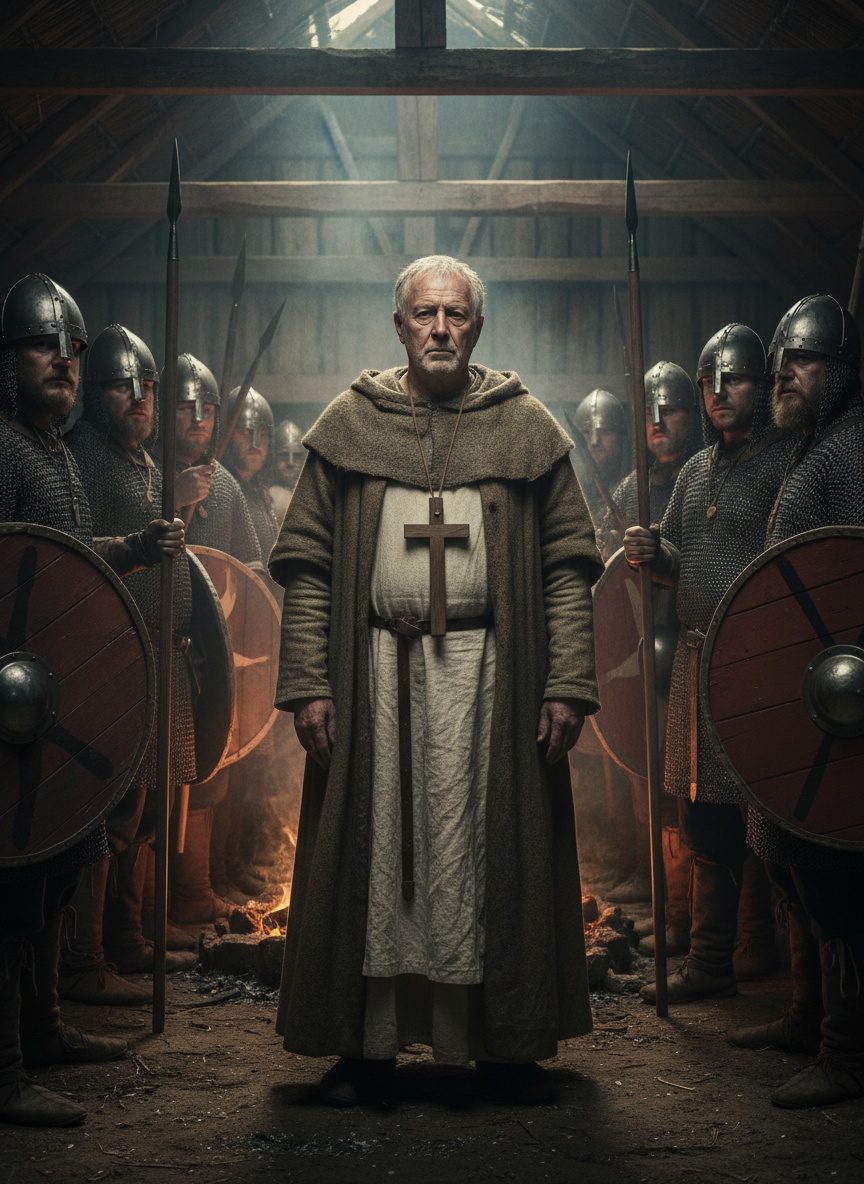
Frustration boiled over among the Viking ranks; impatience festered. Days became weeks, and still, no silver appeared. Alphege’s refusal to let his people pay his freedom pushed the invaders to rash brutality. On the 19th of April, following a drunken feast to celebrate the Feast of St. George, the Archbishop was dragged forth to a grim party by his captors.
The air was thick with the stench of ale and rotting meat. In a cruel twist of fate, the Vikings began to hurl ox bones and stones, tormenting the defiant bishop, testing his steadfast will. Despite the fury of a hundred jeering men, Alphege stood amongst the missiles, unyielding. The horror culminated in one final blow from the back of an axe — a death both brutal and defining.
This was no ordinary moment of brutality, no typical raid lamented in chants of old. It was a voluntary act of martyrdom. The earth around Greenwich drank his blood and in doing so, consecrated it. This same location, centuries later, would bear silent witness to the rise of England as a world naval power.
The Road to Sainthood
Alphege’s death was met with outrage and sorrow. Amidst the chaos, Thorkell the Tall, impressed by the Archbishop's resilience and perhaps stricken by remorse, defected to the English side with a significant portion of his men, forever altering the tapestry of loyalty and warfare in England.
Bishop Alphege’s legacy didn't end with his death. Canonized as a saint in 1078 by Pope Gregory VII, Alphege became a potent symbol of piety and moral fortitude. His shrine became a site of pilgrimage, a holy place of whispered prayers and flickering candlelight, guiding the faithful towards a purer path. The echoes of his sacrifice guided subsequent spiritual leaders, embedding the values of steadfastness and sacrifice into the heart of English resilience.
Lessons from a Millennia Past
As we untangle the complex weave of history's shadowy threads, the story of Archbishop Alphege endures in its simplicity and power. His defiance is a reminder of the human ability to resist oppression through principled sacrifice. Today, as nations grapple with the weight of leadership, the timeless example of Alphege’s decision — standing firm for those he was meant to guide and protect — holds profound meaning.
Ultimately, the reckless daring of one Saxon monk reverberates across centuries. It whispers of integrity amidst chaos, calls for courage in calm defiance, and lends strength to those who stand in solidarity against insurmountable odds. In a world always in need of heroes, Alphege's tale reminds us that even in the face of tyranny, the steadfast beating of a single human heart can alter the course of history.