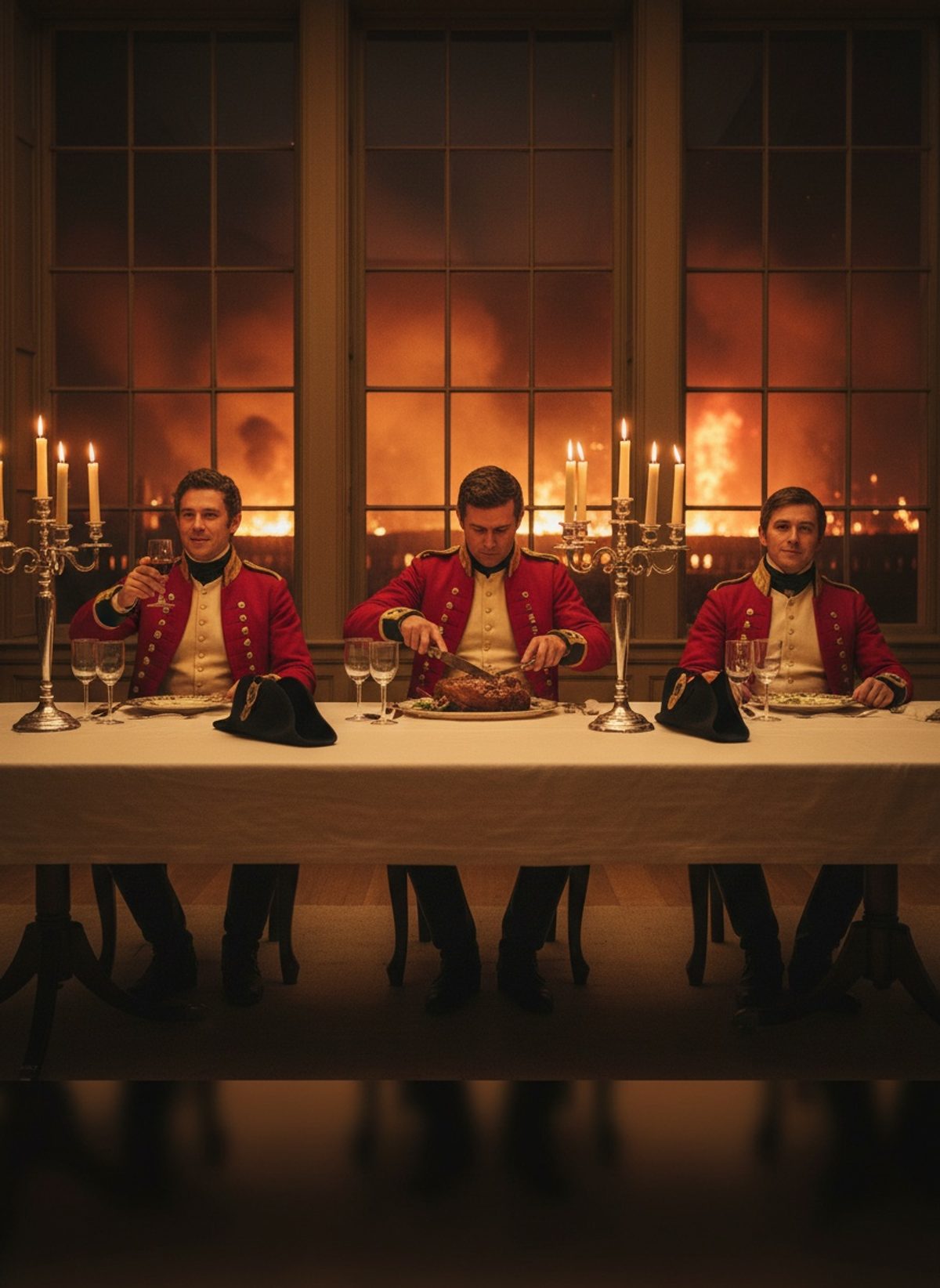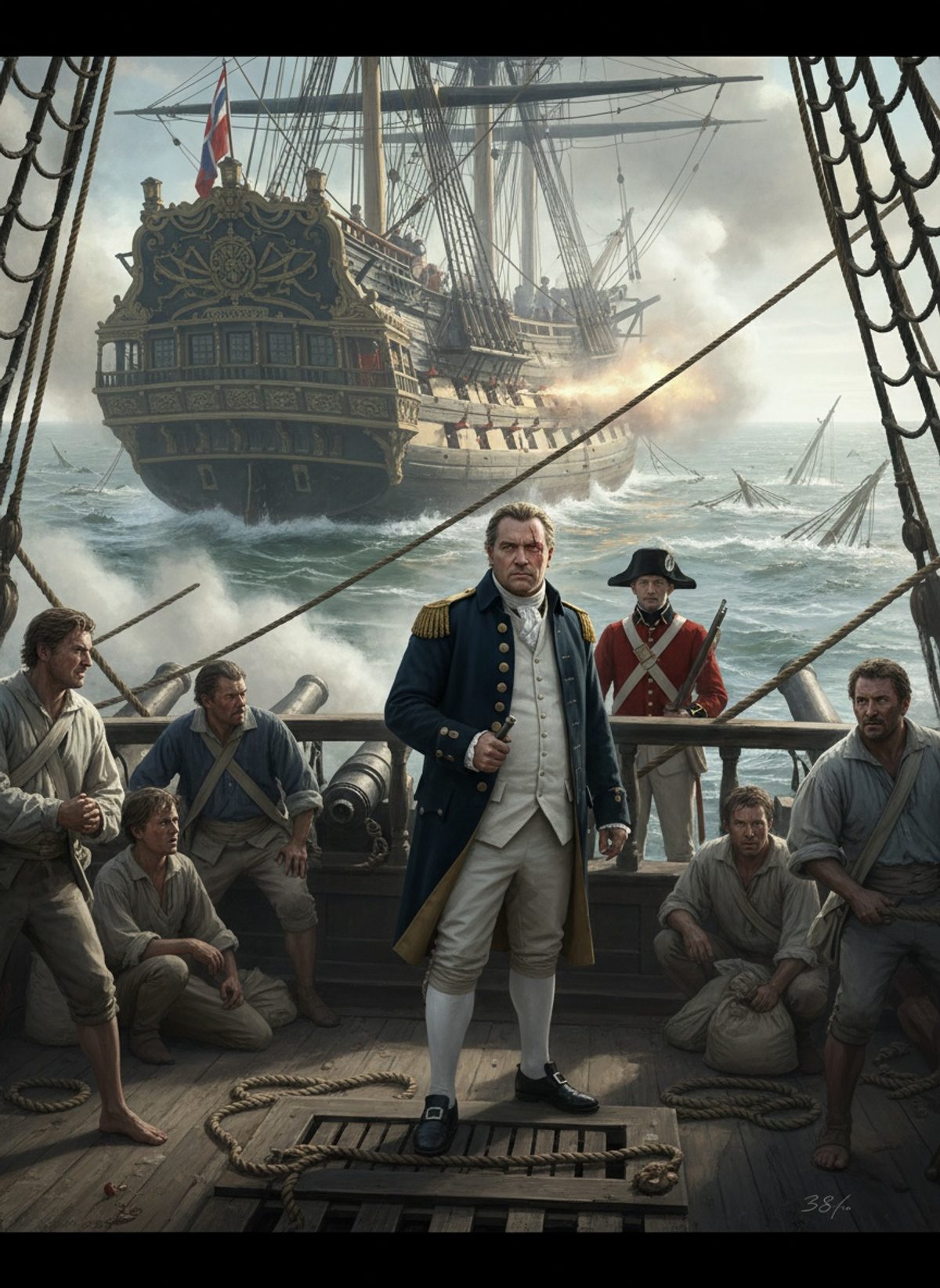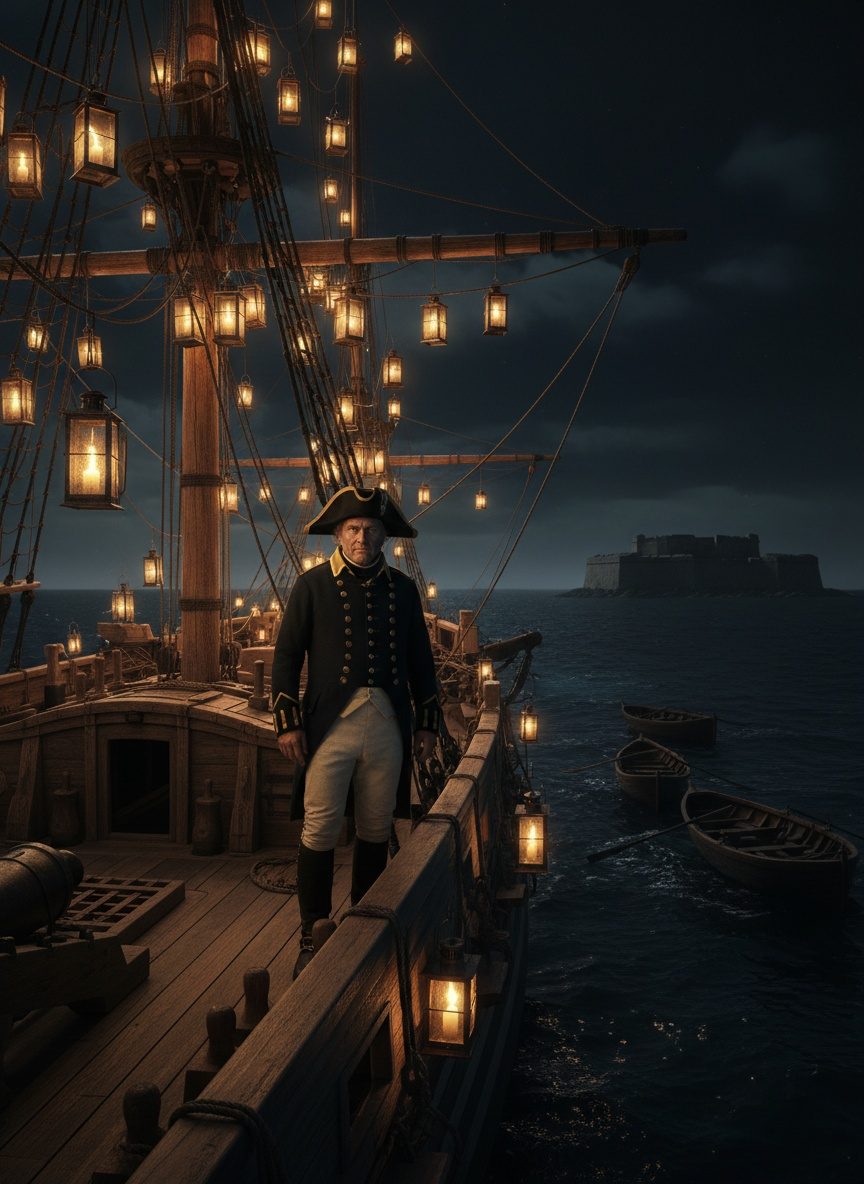
Picture this: It's night in February 1820, and the winds of revolution rustle across the Chilean coast. Up in arms against the imposing grip of Spanish colonial power lies the fortress of Valdivia, a bastion bristling with two hundred cannon and nearly a thousand men clad in duty-bound armor. The calm sea holds its breath as a single British warship, the O’Higgins, wades towards these looming walls, navigated by a man of audacity and flair, Lord Thomas Cochrane. Enveloped by darkness, Cochrane unfurls the veil of war—a fleet of phantom ships manifesting from the shadows. It was a night that marked the birth of legends.
The Stage of Valdivia: Chile in Chains
The region of Valdivia, nestled along the rugged coastline of southern Chile, was a Spanish crown jewel — an invincible fortress sculpted like a thorn against insurrection. Towering walls, rugged cliffs, entrapping waters; Valdivia was a battlefield of nature's making, painstakingly fortified by human hands. The year was 1820, and Chile's struggle for independence was slipping into a precarious standstill. Sword met shield, ideals clashed with imperial decrees, yet the dominance of Spanish forces clenched on tightly. Independence hung by a thread and hope whispered in hushed fears.
It was amidst this turmoil that Lord Thomas Cochrane, a daring seaman with a penchant for bold military innovation, arrived in Chile to take command of a fledgling navy. His eyes gleamed with the fires of ingenuity, drawn from his own tumultuous history in the British Royal Navy—a story fraught with battles, brilliant victories, and scornful losses, leaving Britain’s shores painted with tales, both heroic and controversial.
The Phantom Fleet: Illuminating Deception
As the clock ticked towards midnight on February 3rd, Cochrane set in motion the strands of his audacious plan. At first glance, there seemed little that one small frigate could achieve against Valdivia's robust defenses. But grounded in his experience as a master of nautical derring-do, Cochrane intended to employ the art of the unexpected.
Read next: The Day a British Captain Stood Between Slaves and the Sea
Under Cochrane's orders, every lantern aboard the O’Higgins was lit, casting an orchestrated illusion against the deep. Boats were sent rowing in wide, deliberate circles, as lamplight flickered like specters against the night. From afar, this clever choreography conjured the outline of a vast, looming fleet—an armada rising from the waves, a terrifying force that neither pistol nor cannonball could dispel.
The Ruse's Grip: The Siege Unseen
The Spanish garrison watched warily as this supposed fleet maneuvered under the blanket of darkness. The notion of a surprise attack had its talons in the minds of the colonials. Was an entire rebel navy poised at their gates? Panic rippled through the soldiers, each man haunted by the monstrous apparition conjured by Cochrane's cunning.
The tension before dawn was palpable. Within Valdivia’s stern walls, paranoia and doubt festered. The darkness spoke of stories untold, shadows wrapped weapons of insurrection. Cochrane’s ghost fleet held the garrison in thrall, paralysing their duties with fear of the unseen.
Surrender in Light: The Tyranny of Dawn
As the first light peeled away the night, revealing the truth, the seeds of doubt planted by Cochrane flourished. The illusion had held; the specter of defeat lay heavy. Although reality told of one frigate doing battle with shadows, the chain of command within the fortress buckled under imagined pressure. With the dawn's early beams scattering their fears, the garrison surrendered—breaking without a fight. The impregnable Valdivia had capitulated to the twilight conjurations of one man’s warcraft.
The ripples of this victory spread swiftly through Chilean lands, infusing the battered cause with newfound fervor. Cochrane’s audacity wasn't merely a trick of the eye; it was a strategic wonder that breathed life back into an ailing revolution.
The Light Legacy: Why Cochrane's Cunning Matters
Thomas Cochrane's bewitching maritime gambit at Valdivia stands as immortal testimony to the power of ingenuity and nerve. His actions in those twilight hours did more than free a piece of Chilean ground—they helped ignite a chain reaction that propelled numerous Latin American nations toward eventual independence. A captain's clever deception had reshaped the political topography of the South American continent.
Today, amid the annals of history, Cochrane's bold maneuver at Valdivia prompts reflection on the merits of creativity in the face of overwhelming odds. What can modern struggles, near and afar, learn from the fearless execution of unorthodox strategies? The specter fleet stands as a lasting legacy, urging us never to shy from the mere suggestion of imagination, nor the daring that turns ideas to reality. The mind's perceptive candor can indeed be mightier than entire fleets.
For in that moment, amidst the fog of war, one man harnessed illusion's tenuous threads and wove destiny's tapestry, guiding a nation from darkness into dawn under the eternal light of liberty.