Scotland was destined for subjugation under English rule. Most of the world thought so—until a single battle proved them wrong.
The Hammer and Anvil: Wallace's Rise
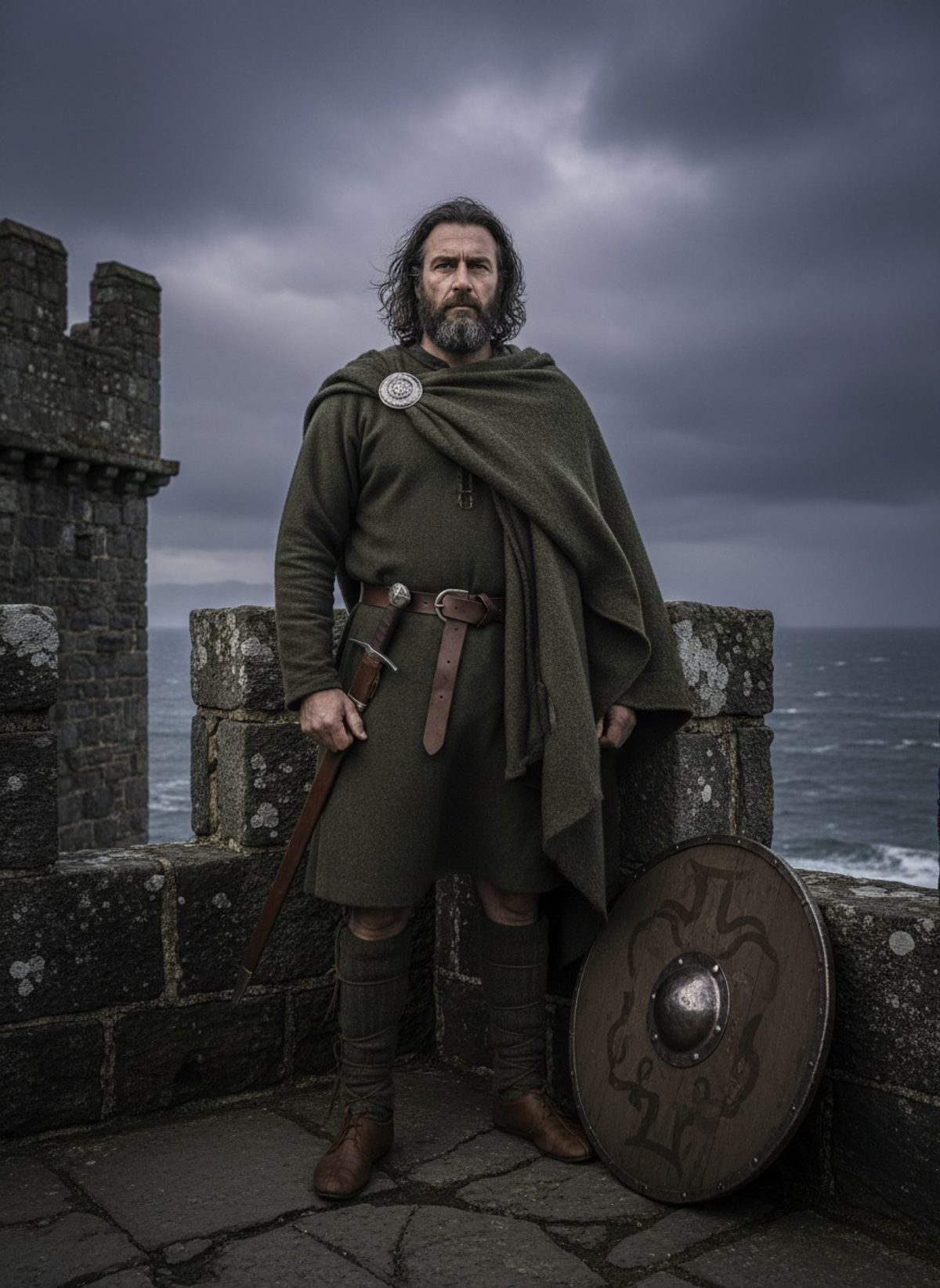
In the late 13th century, Scotland found itself under the oppressive thumb of Edward I of England. The land was dotted with English garrisons, and most Scottish nobles had reluctantly submitted, swearing fealty to the English crown. It was a time of despair for the Scottish people—a moment when hope seemed a distant memory. Yet, hope sometimes kindles in the most unexpected quarters. This was the case when William Wallace, the son of a humble blacksmith from Elderslie, sparked a fire of resistance.
Wallace's beginnings were unremarkable. Lacking noble lineage or formal military training, he was not the hero one might expect to lead an uprising. But in Wallace, the Scottish found an indomitable spirit and a keen strategic mind. His early acts of rebellion were small, symbolic strikes against the occupying forces. Acts that earnestly whispered of liberty under the deafening roar of English superiority.
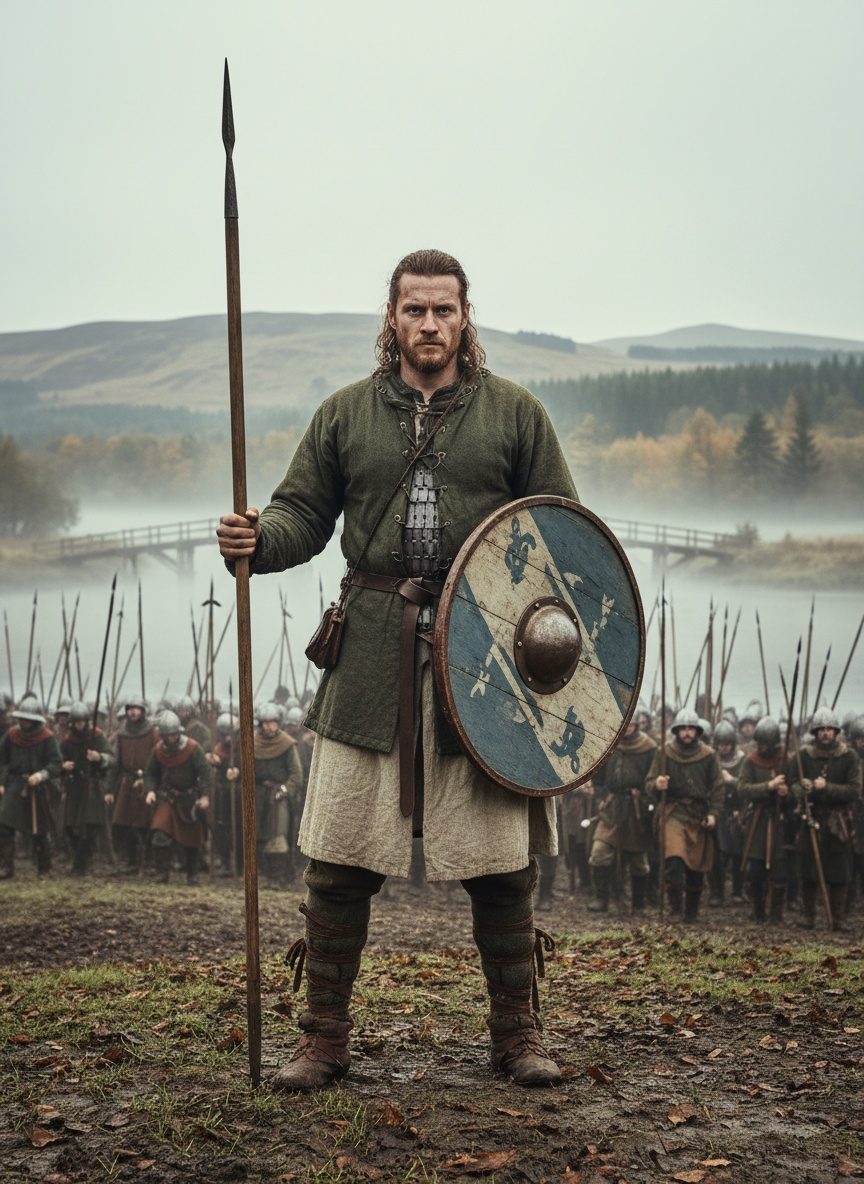
Wallace understood the land intimately, using it to create guerilla tactics that bewildered the English. Where other Scottish rebellions had faltered, his ignited. Under his de facto leadership, peasants, farmers, and craftsmen took up arms, transforming into a formidable force drawn from the breadth of Scotland's rugged terrains. As their ranks swelled, so did Wallace's reputation.
Read next: The Day a Scots Village Chose Its Own Name and Kept It
The tension reached an inevitable crescendo at Stirling Bridge in September 1297. Here, an English army, twice their size, advanced with confidence, unaware of how swiftly those odds would tilt. Wallace's forces took a defensive position, knowing that strategic advantage could outweigh numerical disparity. The banners of resistance streamed again, vivid against the relentless passage of conquest.
The Battle at Stirling Bridge: A Calculated Defiance
At Stirling Bridge, the English army underestimated the tactical acumen that Wallace and his chief ally Andrew Moray brought to the field. The narrow wooden bridge crossing the River Forth, leading into battle, was less a barrier than a weapon, cunningly leveraged by Wallace's forces. They had recognized its potential as a bottleneck—a fatal trap for an overconfident enemy.
On that September day, the English cavalry began their charge over the bridge, an imposing sight of armored knights and battle-worn foot soldiers. Yet, the mass of English might could not negate the constraints of their narrow passage. As the English advanced, trapped by their own numbers, Wallace bided his time. Then, at the precise moment, the Scots attacked with ferocity and precision, releasing their pent-up fury.
Chaos ensued. Caught in the narrow confines of the bridge, the English front lines turned to confusion and panic. With no room to maneuver and no shelter from the Scots' relentless assault, the mighty English ranks crumbled. Knights, soldiers, and horses plunged into the river, borne away by defeat rather than glory. In mere hours, what remained of the vaunted English force was in disarray, their impetus broken.
Stirling Bridge was more than a tactical victory; it was an emotional surge that coursed through the veins of a subjugated people. At this juncture, Wallace had not just won a battle but reinvigorated a nation that had begun to see freedom as a pipe dream.
A Symbol Forged in Iron and Sweat
In the history of Scotland's long struggle for independence, William Wallace emerged not merely as a military leader but as a symbol potent enough to inspire the dream of sovereignty. The victory at Stirling Bridge was not just a blow to the English; it was a lightning rod that gathered the charged aspirations of oppressed Scots into a single, defiant statement: Scotland would not be subdued.
Wallace's immortality was etched in the raw hope of his time, a time when Scotland's identity as a nation of free people was under siege. Despite the ultimate challenges ahead—betrayal, capture, and execution in subsequent years—his legacy transcended those moments. Stirling Bridge offered a rare vista of Scotland, united beyond clan divisions, fighting with singular purpose.
The battleground that day became a testament to the indomitable strength of collective will. Wallace's tactics at Stirling remain studied by military historians, yet the true lesson lies beyond strategy. It endures in the recognition of how a blacksmith’s son rose to embody defiance, chiseling hope and courage from the anvil of Scottish resolve.
Today's Scotland owes part of its identity to the rumble of hooves and clanging arms on that fateful day in 1297. Wallace’s courage speaks through the centuries, reminding us that determination and ingenuity can tip even the most formidable scales. In the crowds gathered at Stirling Bridge, Scotland breathed again and, in doing so, forever altered the course of its national narrative.