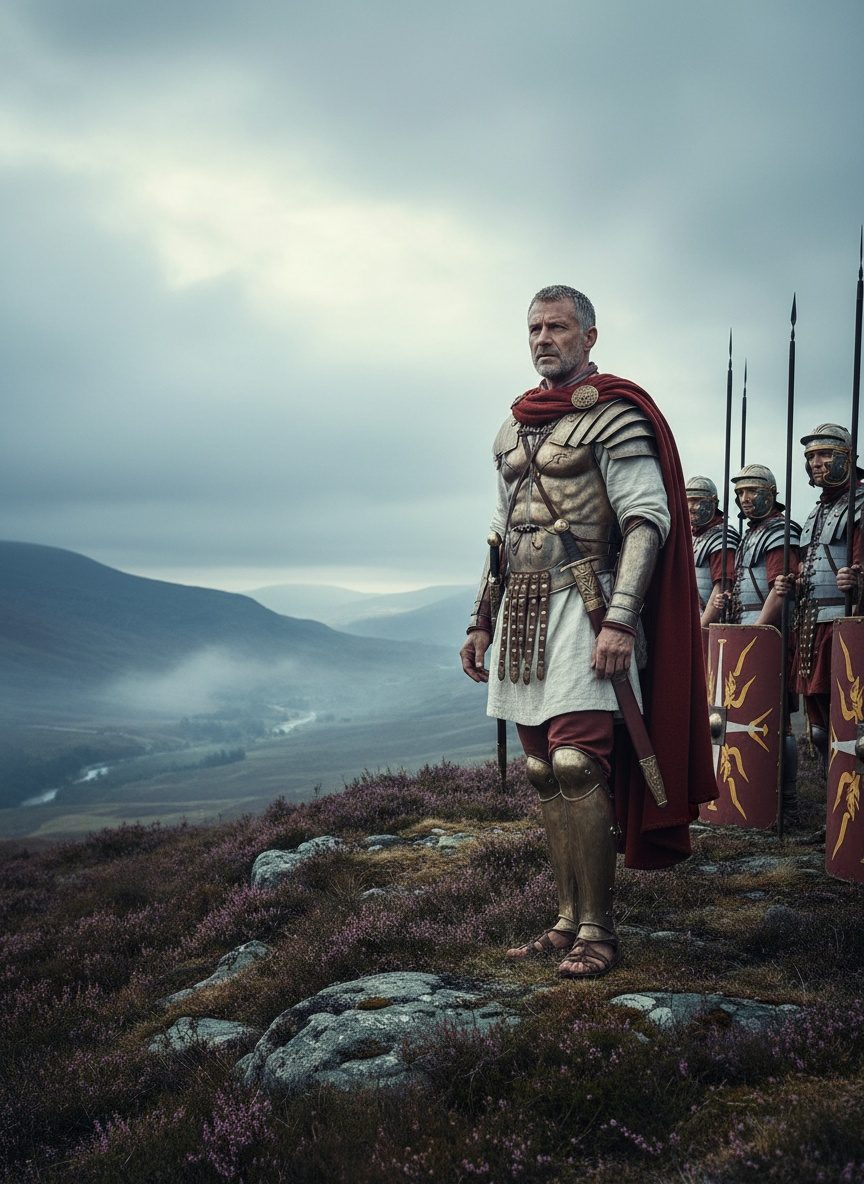
The distant echoes of soldiers' shouts are carried on an unforgiving northern wind. Beneath a sky heavy with the brushstrokes of gathering clouds, the Scottish Highlands loom in stoic splendor. Rolling mists cling to the rugged topography, obscuring peaks and valleys in a veil of gray. This is Mons Graupius, 84 AD, where the fate of Roman Britain seems poised to be decided. Here, at the edge of the world known to Rome, thousands of Caledonian warriors await one final clash with the invincible legions of Emperor Domitian. In a land defined by ancient stones and timeless winds, a decision will unfold that defies the relentless engine of empire.
The Commander and His Conundrum
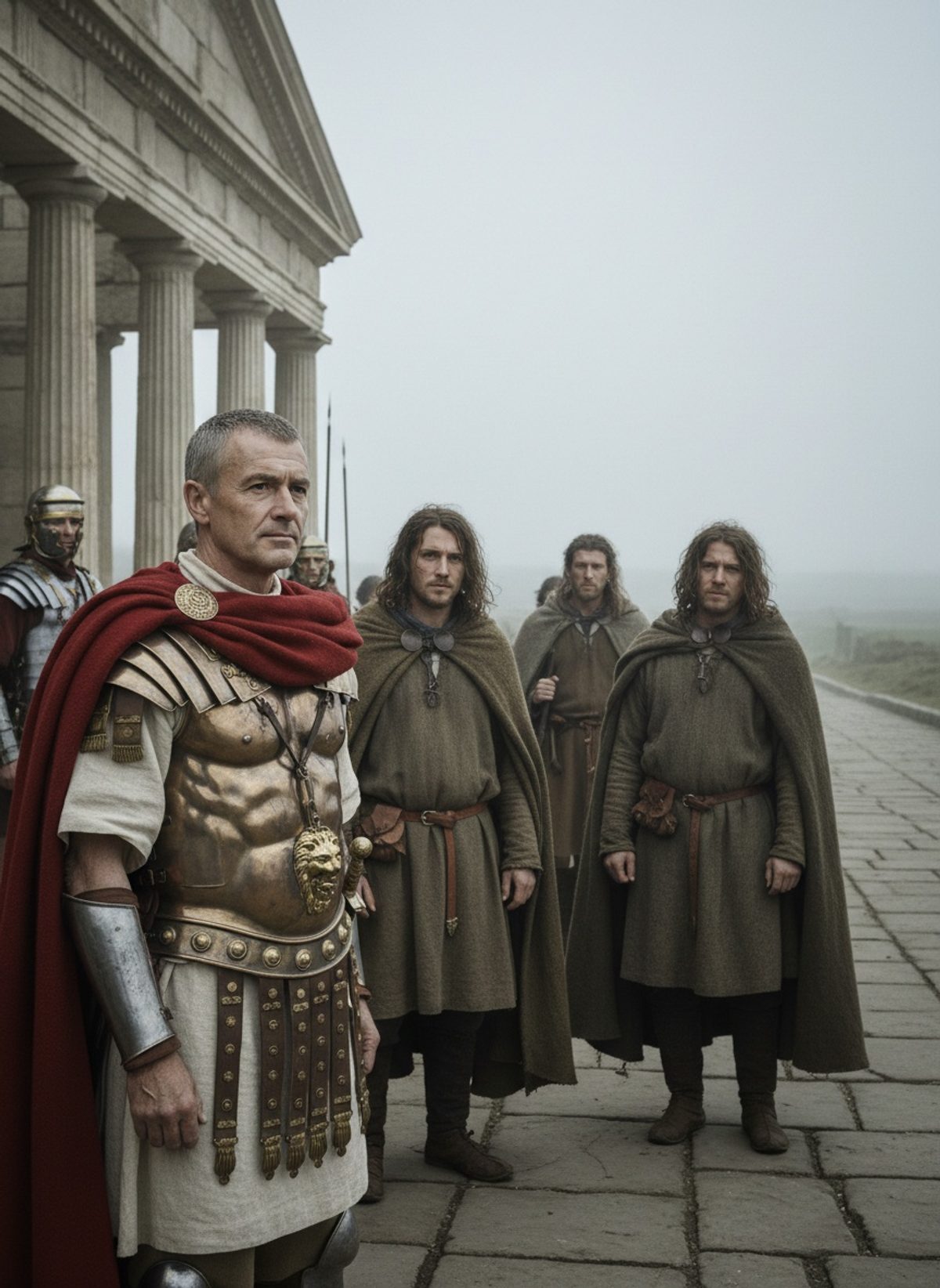
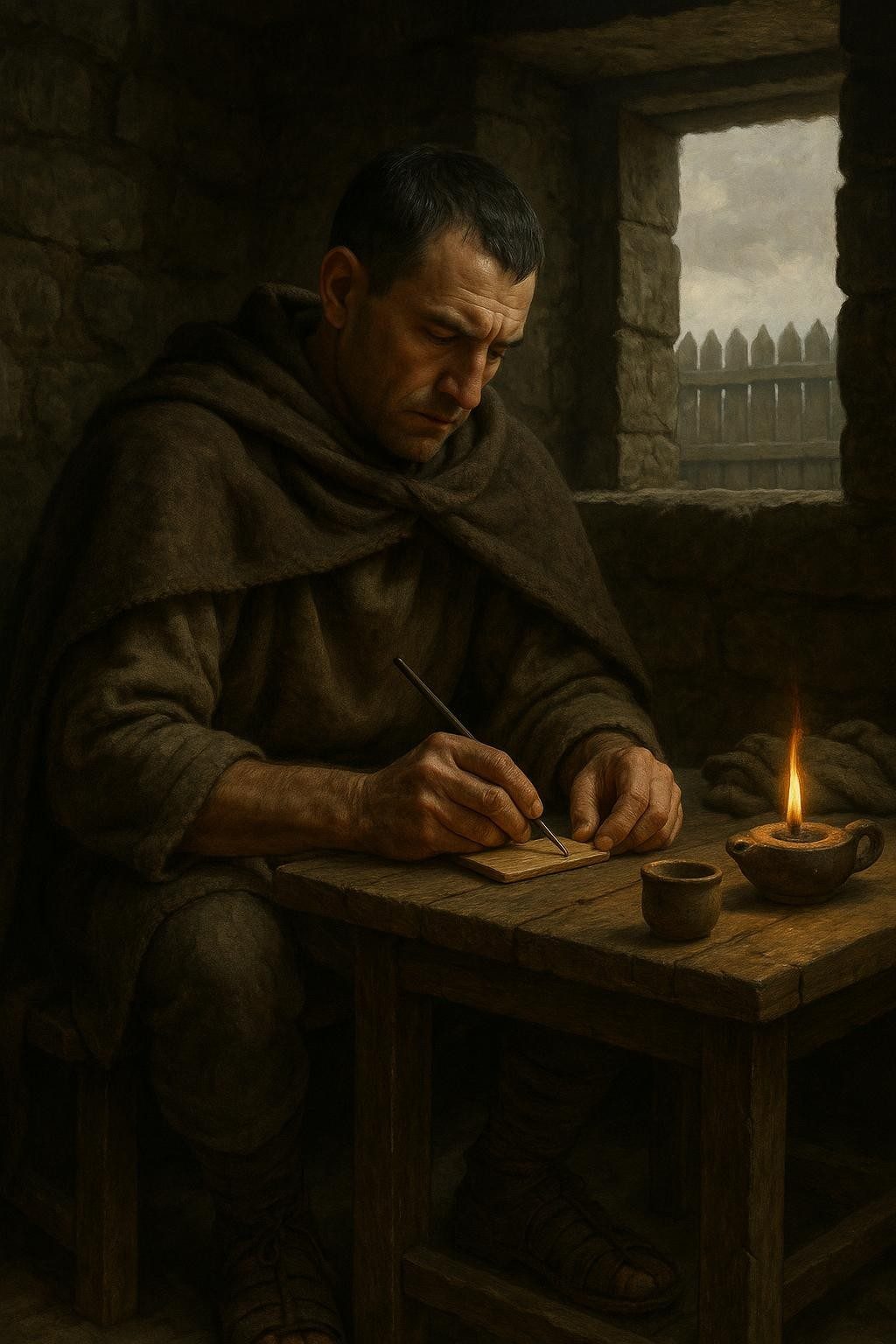
Gnaeus Julius Agricola, the man who brought the legions of Rome to the brink of the Celtic wilderness, cuts an imposing figure among his men. Born into a senatorial family in 40 AD, Agricola's military prowess had guided him steadily through the ranks. Yet at this pivotal moment, it is not the thought of further conquests that weighs on his mind, but rather the nightmare of untold lives lost in endless conflict. His consciousness is a battlefield of its own—ambition grappling with ethics, glory wrestling with peace.
Leading the charge seemed inevitable for Agricola, especially given his remarkable achievements through seven long years in Britannia. From the Roman occupation of modern-day Chester to extending the frontier beyond the Forth and Clyde, his tactical mind and stern resolve were offset by a unique empathy, his decisions tinged with the understanding of the conquered as much as the conquerors.
A Tragic Victory
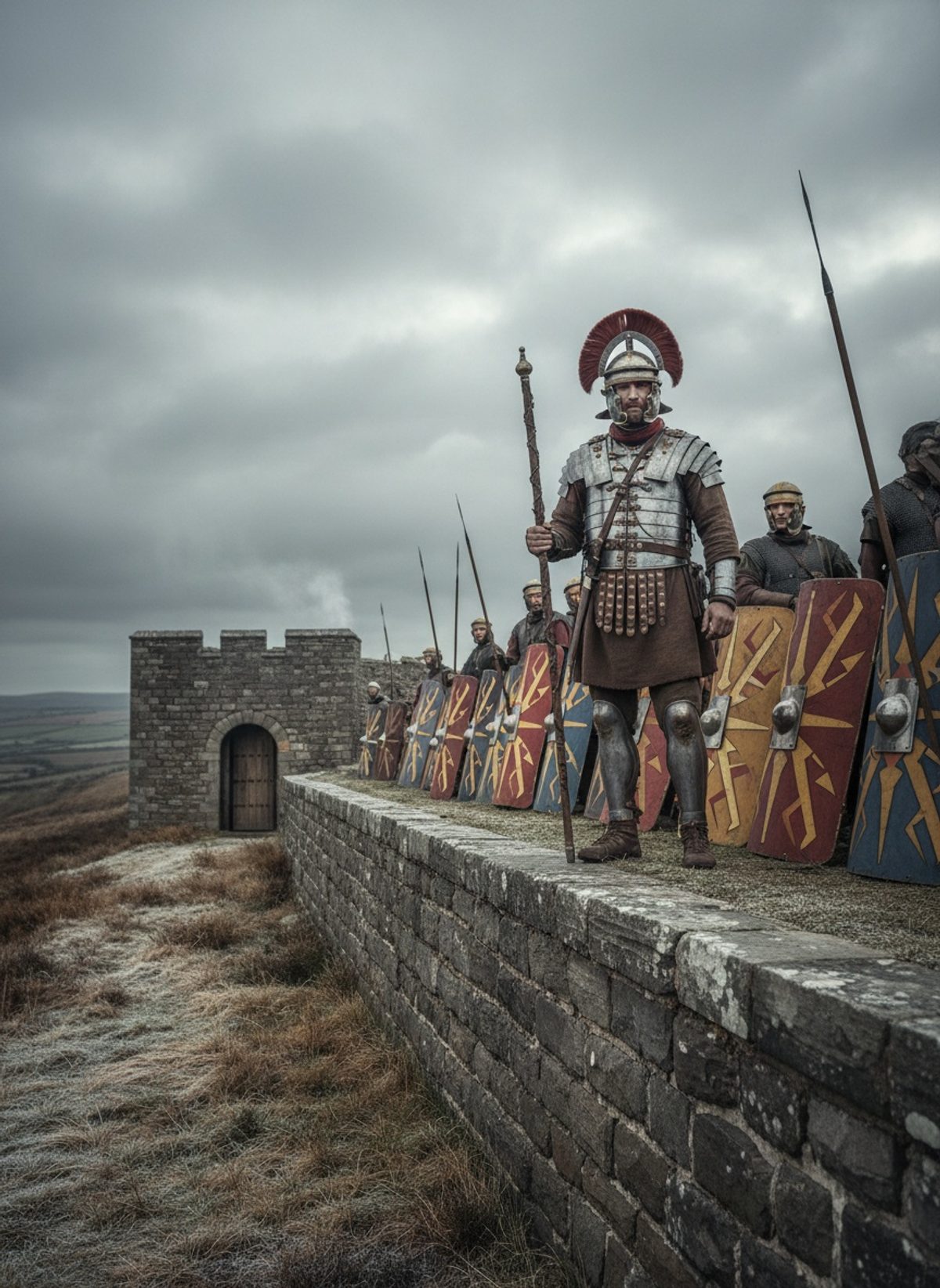
The clash that unfolded at Mons Graupius was unlike any other. The reports, carried back to Rome by silhouettes in shadowed secrecy, spoke of a battle savage in its intensity. Agricola's forces, numbering a mere fraction of the 30,000 Caledonian warriors who stood against him, formed an impenetrable shield wall—an unbroken line of Roman discipline and deadly precision.
Read next: The Day a Roman Soldier Defied an Emperor to Free a Province
The Caledonians, led by the fierce charioteer Calgacus, were driven by sheer desperation. Desperation sometimes sharpens a blade, but here it led to devastation. Spurred on by inner fears and external pressures, they flung themselves against the Roman lines, waves breaking upon a granite shore. Agricola's legions emerged victorious, yet it would be a victory tainted by the bloodshed and sorrow of conquest.
Despite the overwhelming Roman success, Agricola foresaw a spiraling abyss of continued warfare. It was a victory that could birth a thousand vendettas, an endless cycle of reprisals and rebellions in this distant land. The general's insight stretched beyond the immediate triumph, catching glimpses of what might grow from the seeds sown in blood.
The Call From Rome
As the rolling echoes of battle faded into the Highland mist, a new order arrived from Rome. Agricola was to return, his duties concluded, to face the political intrigues of the Senate under Emperor Domitian’s suspicious gaze. The call for his recall was suspiciously swift, not even allowing him the satisfaction and accolades his victory should naturally bring.
Official accounts grew silent, as if Agricola was to be erased from the annals of epic martial triumphs. Indeed, his words, his deeds, his very presence seemed stricken from the grand tapestry of Roman achievements. But why? Some whisper of Domitian’s jealousy, his fear that Agricola’s feats would eclipse his own sovereign glory. Others suggest quieter statecraft, a desire to prevent a brilliant general from becoming a dangerous political rival.
The empire’s shifting sands of power dictated otherwise. Agricola, who had once held the Caledonian highlands in a masterful grip, now found himself navigating the more treacherous corridors of Roman politics, devoid of the steel strength from which he once commanded armies.
The Son-in-Law's Tribute
Yet Agricola's erasure was not absolute. His son-in-law, the illustrious historian Tacitus, penned a tribute that not only chronicled Agricola’s military prowess but also his measured wisdom in governance. Through Tacitus's eloquence, Agricola’s legacy endured. It was not simply the general’s tactics and triumphs that were immortalized, but also his rare ability to restrain the sword in pursuit of true peace.
Tacitus’s work became a wedge driven into the throat of oblivion, ensuring that Agricola's memory, though quietly consigned by official decree to the shadows, would persist in the light of history's scrutiny. The "Agricola" provided a broader philosophical treatise on the virtues of moderation and the morality of empire-building, casting a critical eye on Roman excess.
The Winding Path of Memory
As the centuries rolled onward, Mons Graupius became both a touchstone and a template. It was a reminder that even the machinery of a mighty empire could occasionally pause, contemplating the benefits of restraint over dominance. Agricola's choice, though overshadowed by narratives of unceasing Roman expansion, offered a precedent for peace within a culture obsessed with conquest.
In remembering Agricola’s campaign, we peel back layers of military and political history, examining the importance of conscience within command. This dual legacy of military triumph and its subsequent erasure speaks to the broader human consideration of how we choose to record and forget, celebrate or conceal.
Today, the swirling mists of the Scottish Highlands still dance over the ancient site as a reminder of the undecorated soul who chose a path not often trodden. Agricola stands as a silent monument to the complexity of leadership—his legacy carried not by statues and laurels, but by the inked words of love and honor, ensuring that even the forgotten episodes of history find their eternal voice.