James Bruce returned from Africa to Britain with a triumphant claim. Instead, he was laughed out of the room.
The Impossible Journey into the Heart of Africa
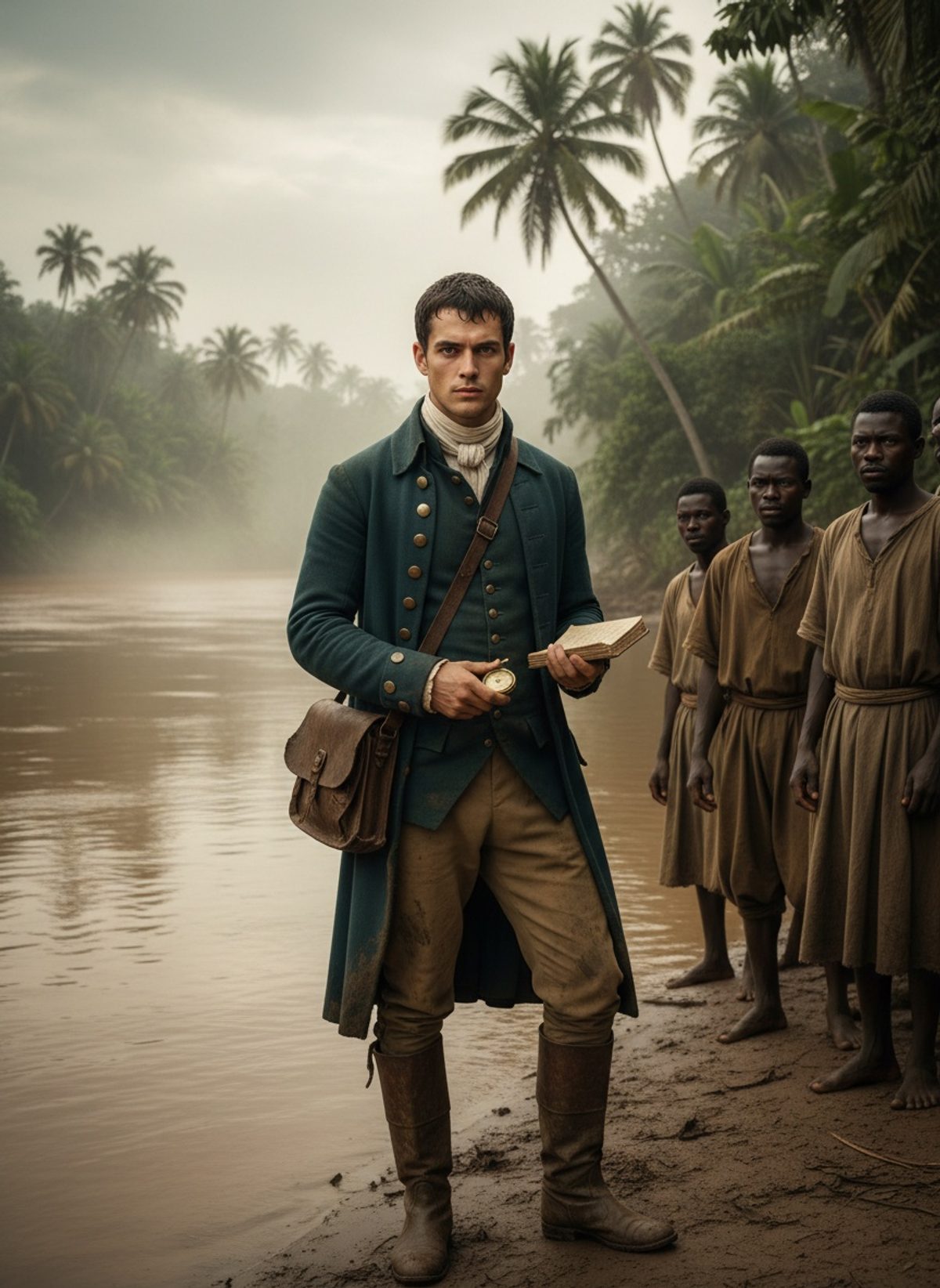
In the Georgian era, venturing into the unexplored folds of Africa was nothing short of lunacy — or heroism, depending on whom you asked. James Bruce, a towering figure from Stirlingshire, stood nearly six feet four inches tall, with a determined gaze that matched his ambitious heart. In 1765, he embarked on a journey that would consume seven crucial years of his life, a quest to find the elusive source of the Blue Nile, a geographical obsession of the time.
Long overshadowed by explorers seeking the path to the Nile, Bruce shouldered the weight of his Scottish heritage and the skepticism that followed him like a shadow. With just a few native guides and a handful of supplies, he crossed perilous landscapes — from the suffocating sands of desolate deserts to the verdant labyrinths of Ethiopian highlands. Bruce's expedition was fraught with challenges that tested the endurance of both mind and body, yet each step taken was a step toward glory.
Reaching the Unseen Highlands
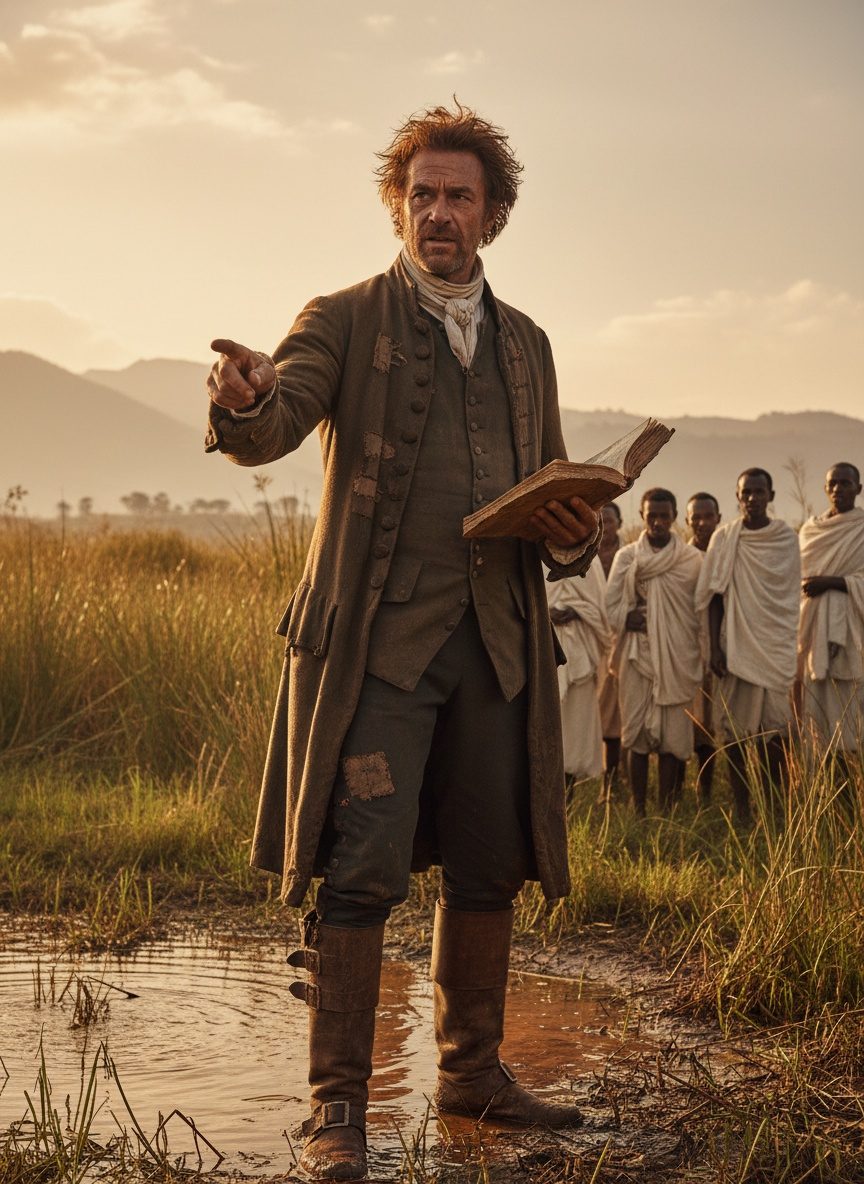
By 1770, Bruce had navigated through the obstacles that littered his path. The relentless rains of the Ethiopian highlands welcomed him, casting a soothing palette of greens across the land. He had arrived at the watershed, a marshy terrain where the earth seemed to sigh into the birth of a river — the very source of the Blue Nile, a place no European eyes had ever beheld.
Read next: The Day a Scots Surgeon Walked Into Timbuktu Alone
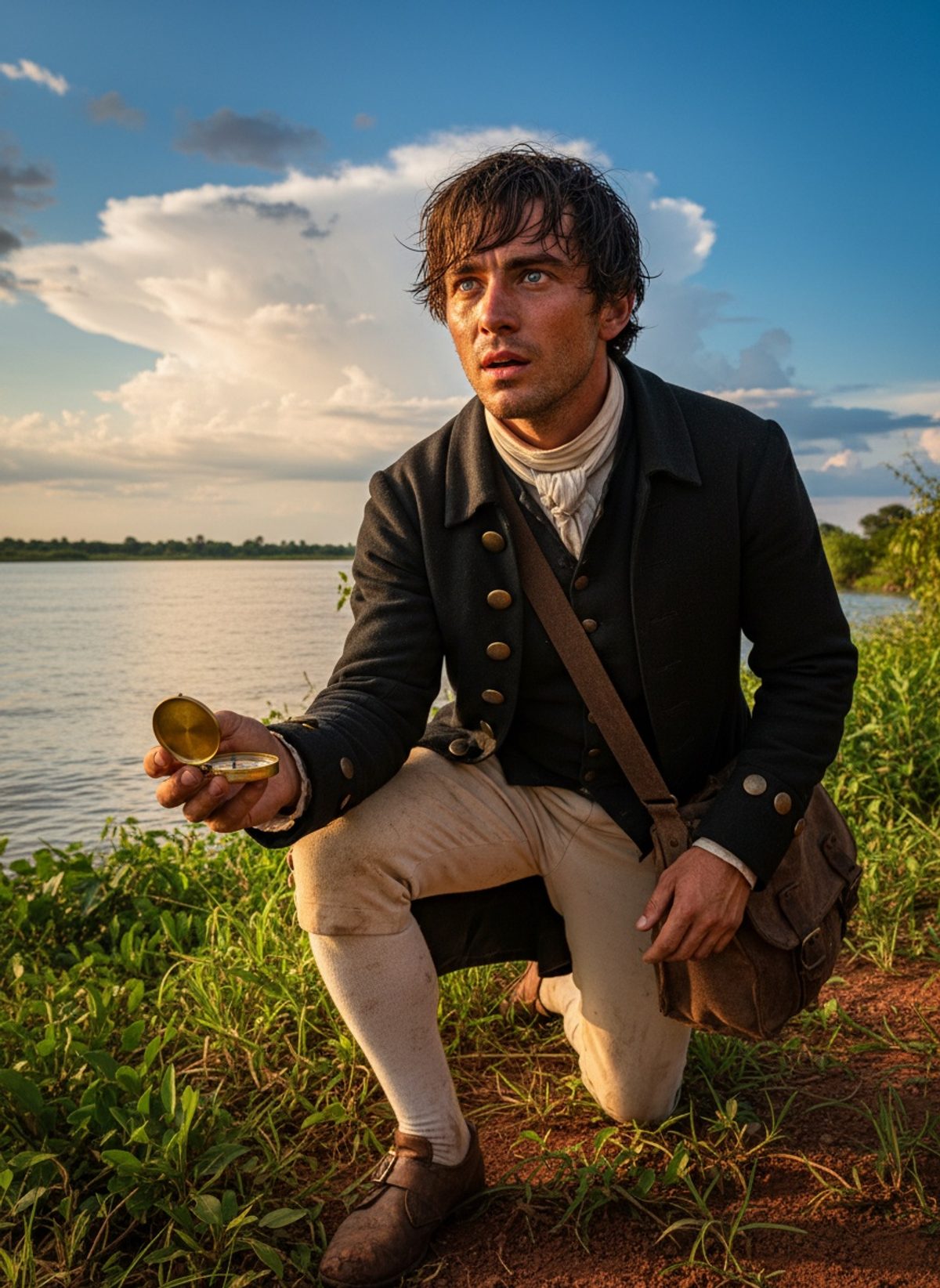
It was here that the earth's elements seemed to breathe life into Bruce's conquest. The air was thick with the gentle rush of water, leaving a taste of victory on the wind. As he knelt by the captivating flow, Bruce must have thought that every hardship faced bore meaning and promise. Yet, the world beyond this mystical land would prove less inviting to his groundbreaking discovery.
The Return to a Skeptical Nation
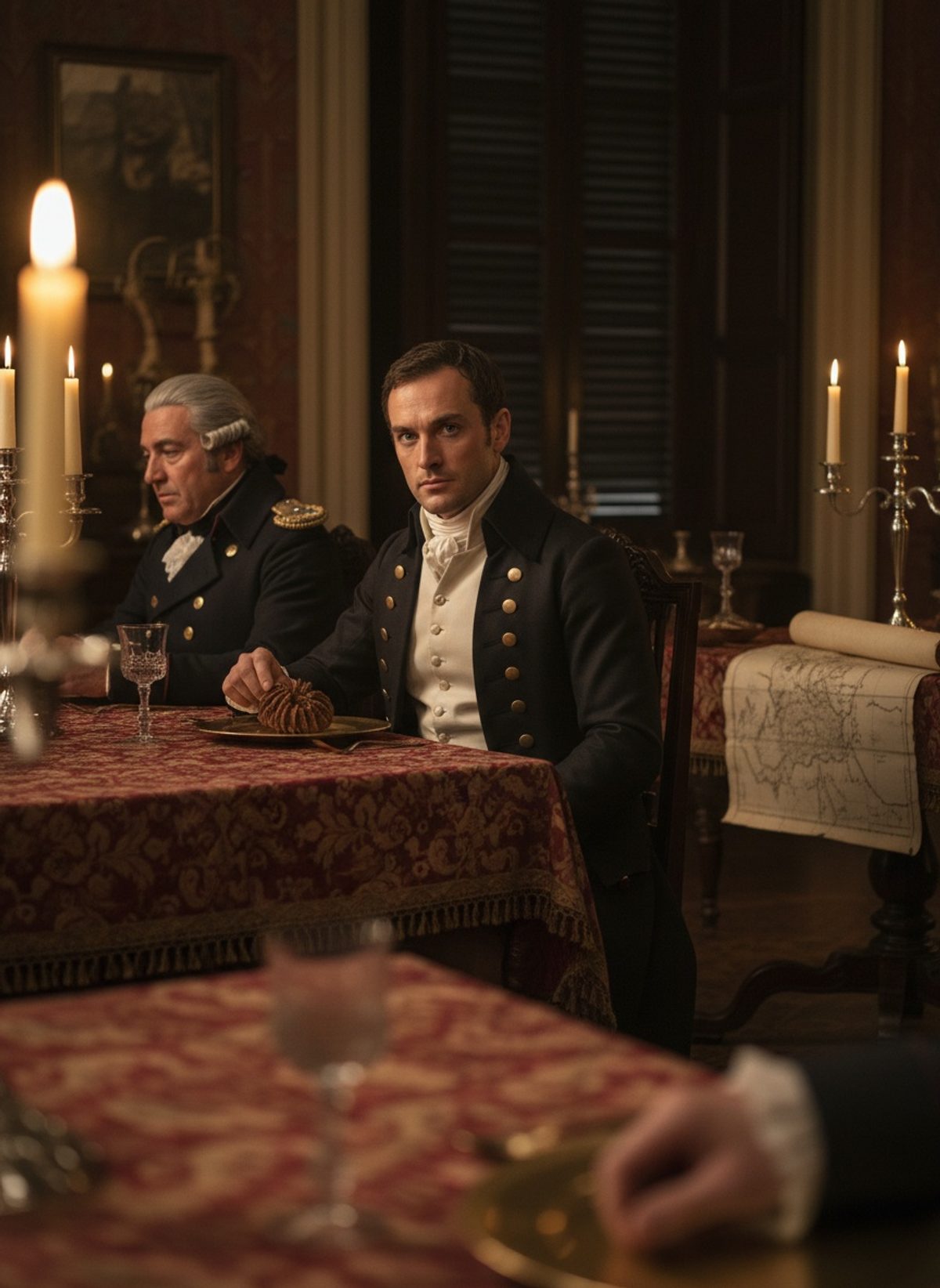
Upon returning to Britain in 1772, Bruce faced not laurels but laughter. The claims he made — fueled by grit and raw spirit — seemed too fantastical, too absurd, to be true. Critics mocked him openly; after all, how could one trust tales of a soldier-turned-explorer who spoke of lands no civilized man had seen?
The scorn he endured was palpable. His contemporaries, comfortably seated in their drawing rooms, had little patience for stories that likened Bruce’s experiences to mythical quests. His detailed notes and drawings, so painstakingly gathered, became mere curiosities rather than truths. Books were not written in his honor, nor were medals pinned to his chest. Instead, he became an anecdote about the folly of dreams and daring.
Vindication and the Eclipse of Recognition
Despite the sneers of polite society, the tale held truth. Years later, Bruce's accounts were proven accurate through further exploration and study. Geographic understanding caught up with his pioneering spirit, validating his discovery that had once drawn only snickers. However, by the time vindication arrived, Bruce had already passed from this world, never to witness the long overdue acknowledgment of his endeavors.
Bruce's detailed observations later served as foundations upon which future explorers would build. The seeds he sowed shifted understanding about Africa's vast and varied terrains. He had brought back not just a map but a worldview, illuminated by his cross-continental trek.
The Unfurling of an Untold Story
What James Bruce demonstrated was not merely the perseverance of a man against nature's extremes, but the unpredictability of human reception to truth when it appears unsought and thrillingly new. His life serves as a reminder that breaking new ground — whether geographical or ideological — is often met with resistance and ridicule.
In the annals of exploration, James Bruce should stand tall, just as intimidating and fascinating as the continent he dared to navigate. His laughter-filled reception reflects a universal truth about how society grapples with audacious ideas — often relegating them to the realm of fantasy until they become inescapable reality. Bruce's story, left largely unsung in the textbooks, remains a bold narrative of courage that quietly shaped our understanding of the world.