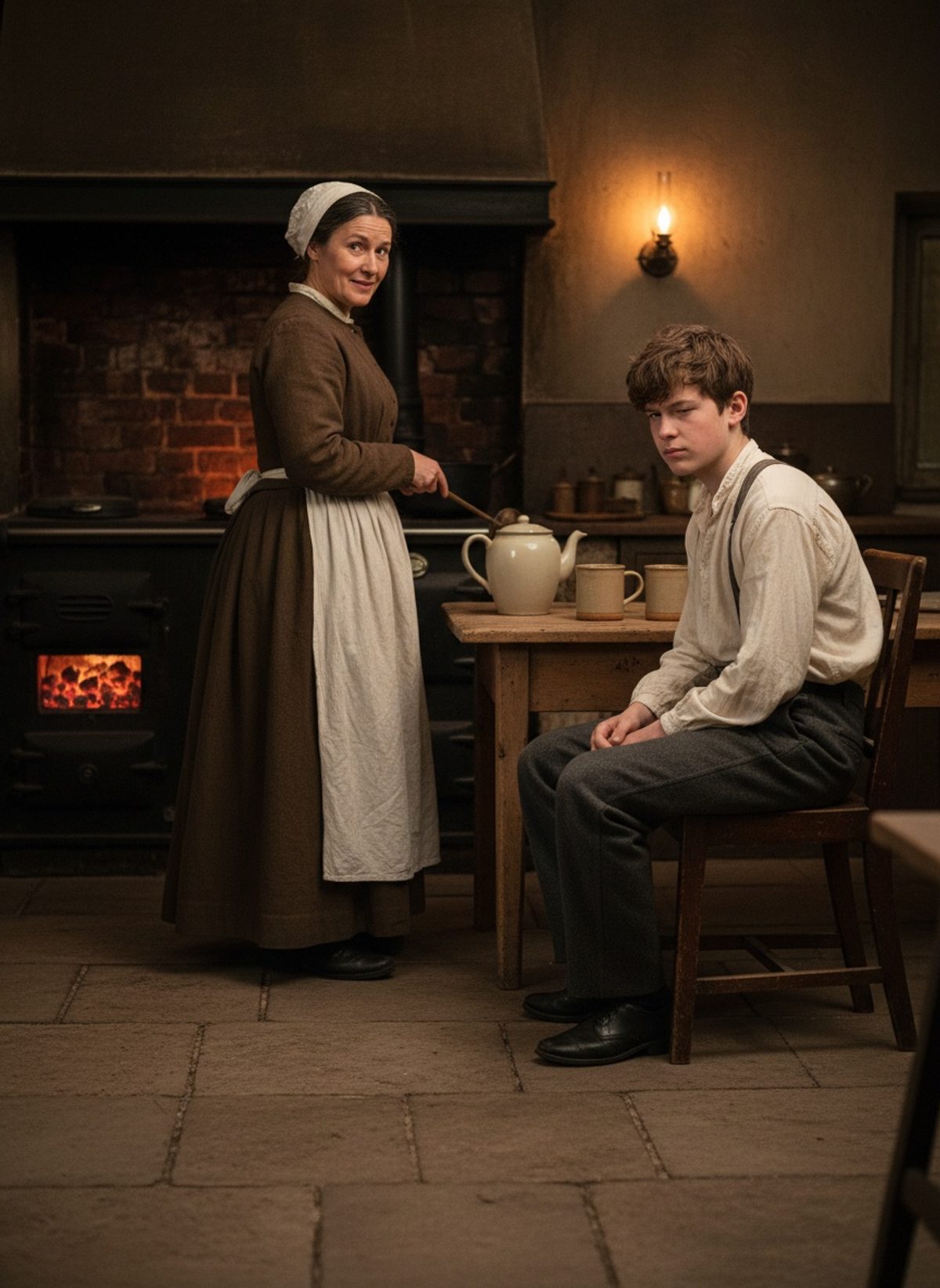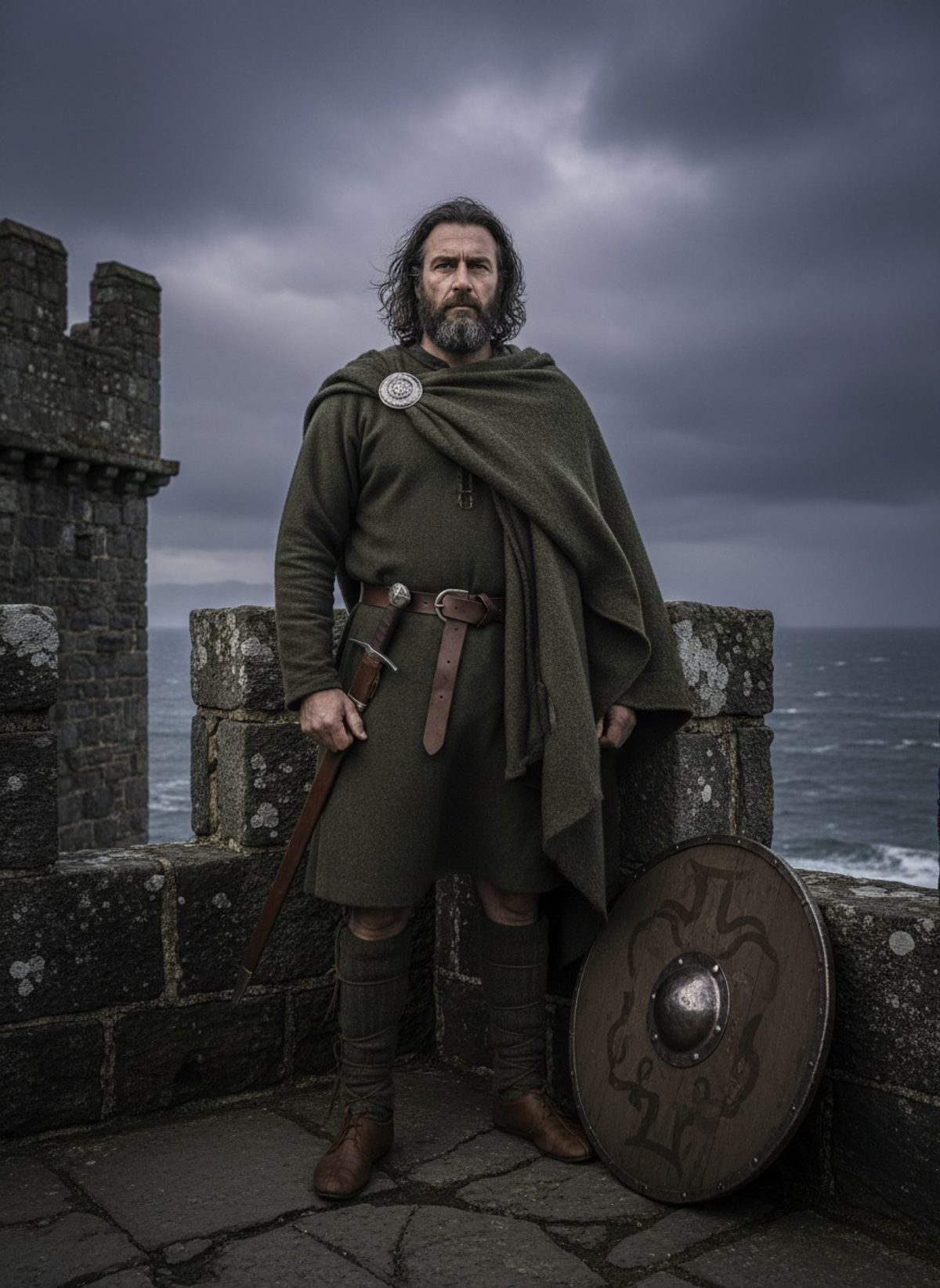
In the chill of a Scottish winter in 1338, amidst the steep and stoic cliffs of East Lothian, the siege of Dunbar Castle unfolded — a tale of sheer audacity and the power of wit over weaponry. This was no ordinary siege. This was a battle of wits led by a woman whose legacy was forged not in steel, but in scornful laughter. As the English army gathered their might, they were met not with fear, but with the defiant resolve of Black Agnes of Dunbar, a name echoed through the annals of history for her unyielding spirit.
The Stone Heart of Scotland
Perched upon a rugged promontory overlooking the North Sea, Dunbar Castle was more than just a fortification; it was a symbol of Scottish resilience. In an age where territories were as hotly contested as the souls they bound, the castle's strategic importance was undeniable. Its walls had witnessed countless tides of conflict, its stones imbued with the cries of battles long past.
Agnes Randolph, the Countess of Dunbar and March, was left to defend this fortress while her husband, Patrick, was away fighting for Scotland’s cause elsewhere. She was no stranger to the tides of war. Born the daughter of Thomas Randolph, Earl of Moray, and a key supporter of Robert the Bruce, Agnes was steeped in legacy and leadership. With her husband gone, it was now her duty to don the mantle of defender.
The Siege Begins
Led by the formidable William Montague, 1st Earl of Salisbury, the English brought not only a sizable force — estimated at upwards of 20,000 soldiers — but the latest in siege technology, including the mighty trebuchet. The intent was clear: to overwhelm and conquer.
Read next: The Day a Scots Village Chose Its Own Name and Kept It
Yet Agnes was undeterred. With a retinue of merely servants and a skeleton garrison, she orchestrated an extraordinary defense. The very first act of defiance set the tone for the ensuing siege. As the English trebuchet heaved stones at the castle, Black Agnes and her women appeared atop the battlements, dusting away the damage with kerchiefs as if brushing away cobwebs, taunting the English soldiers with their nonchalance.
A Battle of Wits and Will
The siege dragged on through bitter winter months into spring — nineteen long weeks. Salisbury, underestimating his opponent, found himself outmatched not by numbers, but by cleverness. As the English attempted a mining operation to breach the walls, Agnes was a step ahead, ordering a counter-dig from within the castle, undermining their efforts.
When the English brought forth their most formidable weapon, a massive battering ram, Agnes had boiling tar and stones ready to repel it. Time and again, the resolute countess proved that her tactical acumen was every bit a match for the mightiest of instruments, turning the English’s best-laid plans against them.
The Power of Perception
But it was Black Agnes's psychological warfare that truly set her apart. She exploited the symbolic potency of her actions with a theatrical flair that would have won her accolades in any court. At one point, the Earl of Salisbury dispatched his herald to negotiate surrender terms. Agnes, in an act both defiant and symbolic, decorated the battlements with English banners seized during a previous sortie, and entertained the offer with a mocking feast atop the castle, signaling her disdain for capitulation.
The Earl, exasperated, had little choice but to retreat. On June 10, 1338, the English forces finally withdrew in defeat. Dunbar Castle remained unbreached, and its lady had earned her nickname — Black Agnes, for the color of her soul matched her steadfast heart.
A Woman of Her Time, and Beyond
Agnes’s triumph was not just military but societal; she shattered the expectations of what a woman in the 14th century could achieve. While women’s roles were often relegated to the domestic sphere, Agnes's actions demonstrated the potential of leadership irrespective of gender — a lesson still profoundly relevant today.
Agnes of Dunbar’s tale is one of endurance, wit, and indomitable spirit — an inspiration that transcends time. It serves as a poignant reminder that even in the darkest hours, strength can take many forms. Her story echoes through history as a testament to the power of perseverance and the enduring resilience of the human spirit.
In an era often overshadowed by steel and storm, Black Agnes showed the world that sometimes, victory belongs to those who wield courage as their blade, and laughter as their shield. Her legacy whispers through the ages, a timeless story of a Scottish girl who held a castle with words alone, a legend too grand to leave out of any textbook.