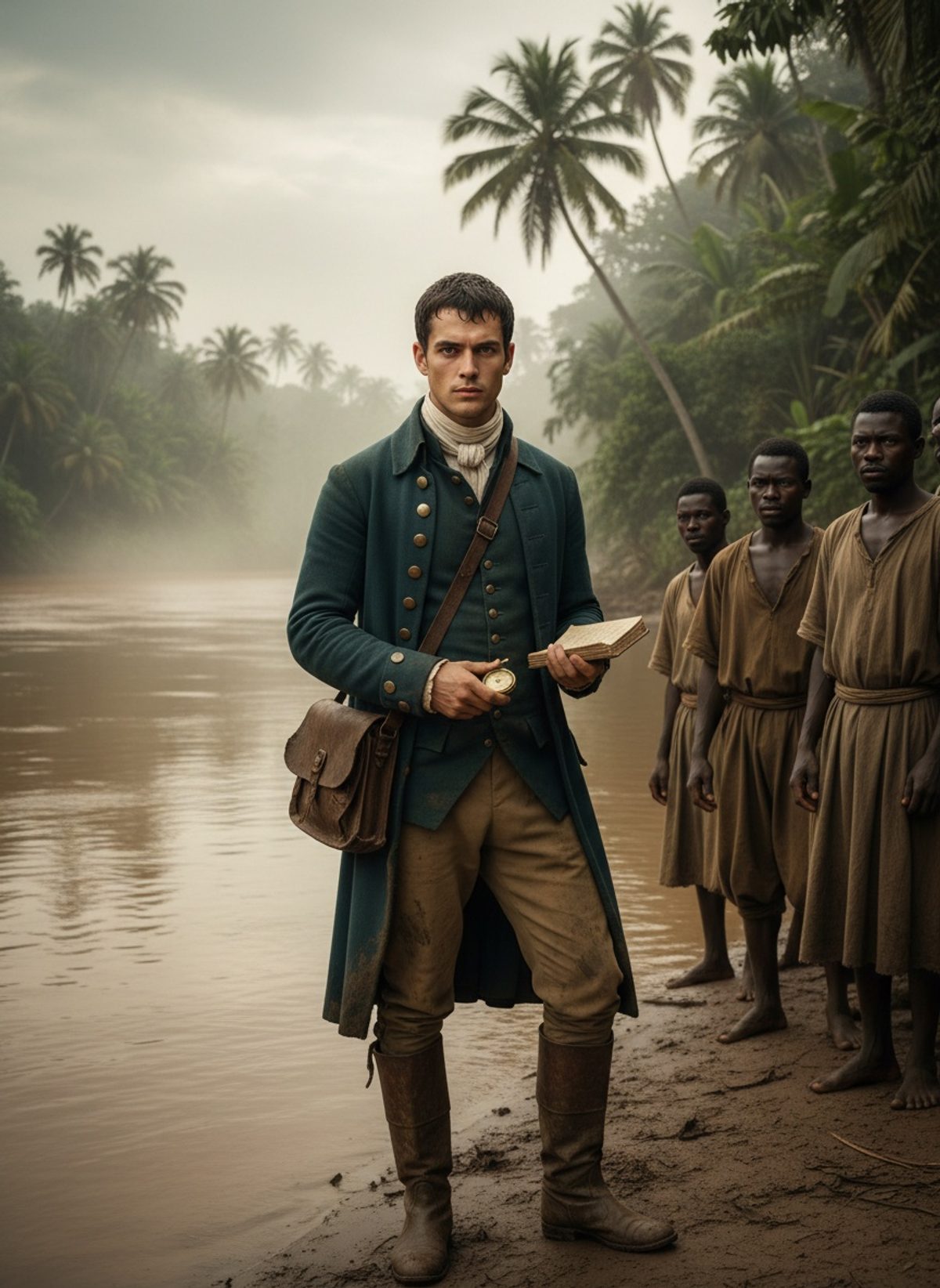
Imagine this: A dense, freezing fog envelops the jagged coast of northern Russia in the desolate winter of 1553. Gleaming through the haze, the ice-clad English ship sits motionless, like a ghostly apparition trapped between the realms of daring ambition and imminent doom. Onboard, a young navigator, not yet seasoned in the treacherous waters of Arctic exploration, faces an unfathomable challenge: Richard Chancellor, who has guided his vessel far beyond familiar seas into history's unmarked territory. He stands at the cusp of an unforeseen adventure that will forever link the fortunes of two great nations.
Setting Sail into the Unknown
In the summer of 1553, with unchecked curiosity and the spirit of enterprise typical of the Tudor era, Richard Chancellor set sail from the port of London. Commissioned by the ambitious merchant adventurers of the Muscovy Company, Chancellor was tasked with finding a northeast passage to the rich markets of China and India. But the treacherous Arctic would not yield its secrets easily. His voyage quickly became a daring gamble in the unforgiving waters of the icy north.
Chancellor's small fleet, led by the ship called Edward Bonaventure, was equipped with the most advanced navigation charts of the time. Yet that knowledge failed in the face of ice floes that could cleave the stoutest hull and winds that howled like banshees. By September, as the frost tightened its grasp, Chancellor found himself on an uncharted Russian shore, worlds away from his intended path.
From Frostbitten Shores to the Splendor of Moscow
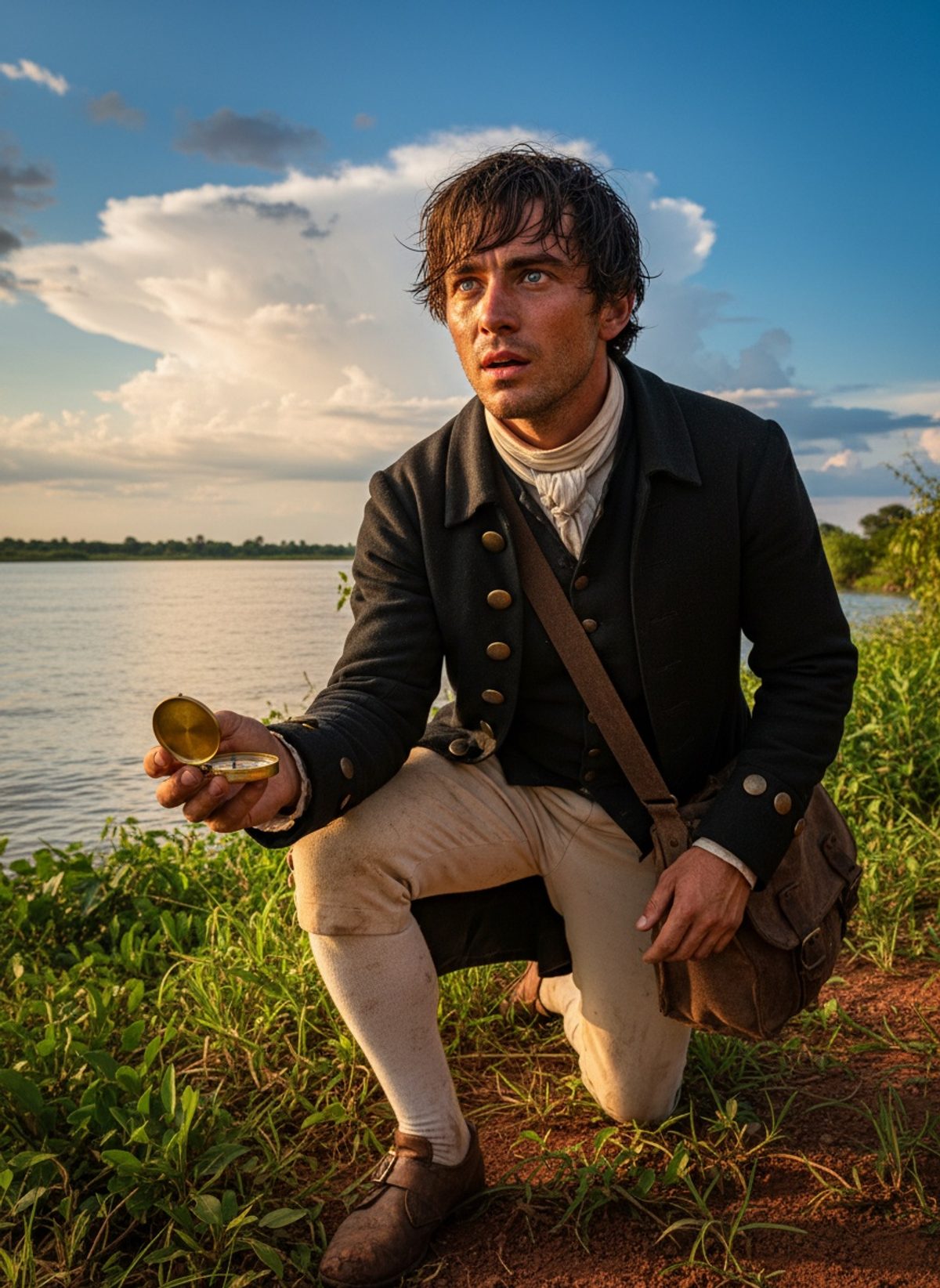
Stranded near the White Sea, deep in an alien land where English words held no sway, Chancellor faced a daunting trek. His only guide was courage and a smattering of scant notations on his map that hinted at Moscow’s distant grandeur 1,500 miles away. With frostbitten resolve, Chancellor and his small party of intrepid explorers journeyed inward, their frost-laden breath rising like whispers against the Siberian sky.
Read next: The Day a Scots Surgeon Walked Into Timbuktu Alone
The locals, Muromians as they were known, had never set eyes on an English face, let alone a ship from such a distant land. Their initial suspicion thawed, however, under Chancellor’s sincere overtures. Armed with the languages of trade—gesture and goodwill—Chancellor walked first into their villages, greeted not with fear but astonishment, and eventually, their tales of foreign visitors reached the ears of the Russian court.
The Unexpected Audience with Ivan the Terrible
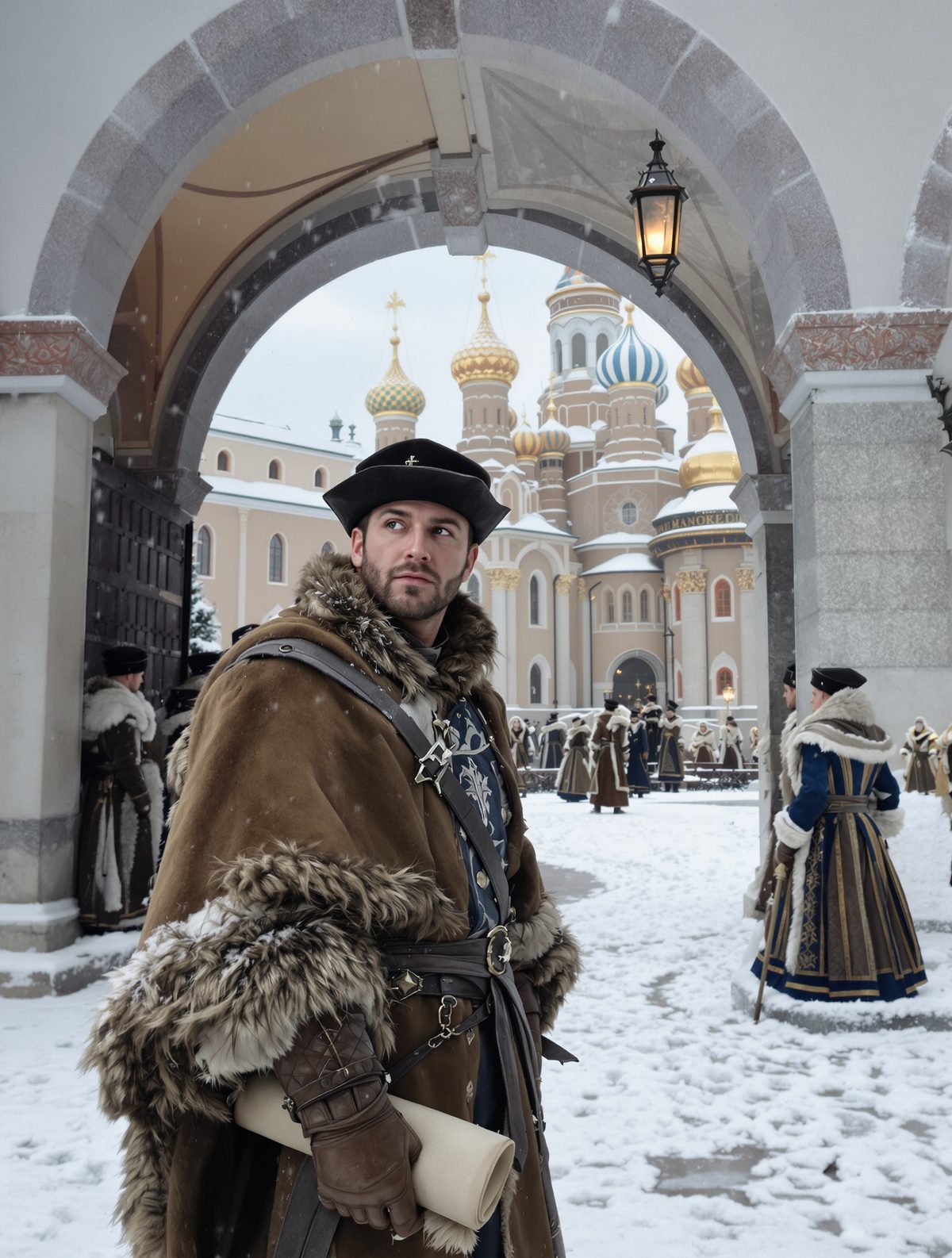
Upon their eventual arrival in Moscow in early 1554, Chancellor witnessed a shimmering tableau unlike any he could have imagined. The Grand Prince of Moscow, Ivan IV—later infamous as Ivan the Terrible—was an imposing figure whose reputation for tyranny was only matched by his love for pageantry. Amazingly, in this kaleidoscope of fur-capped boyars and jewel-encrusted rooms, Chancellor was received not as a lost navigator but as a dignitary, a bearer of fortune from the distant isles of Britannia.
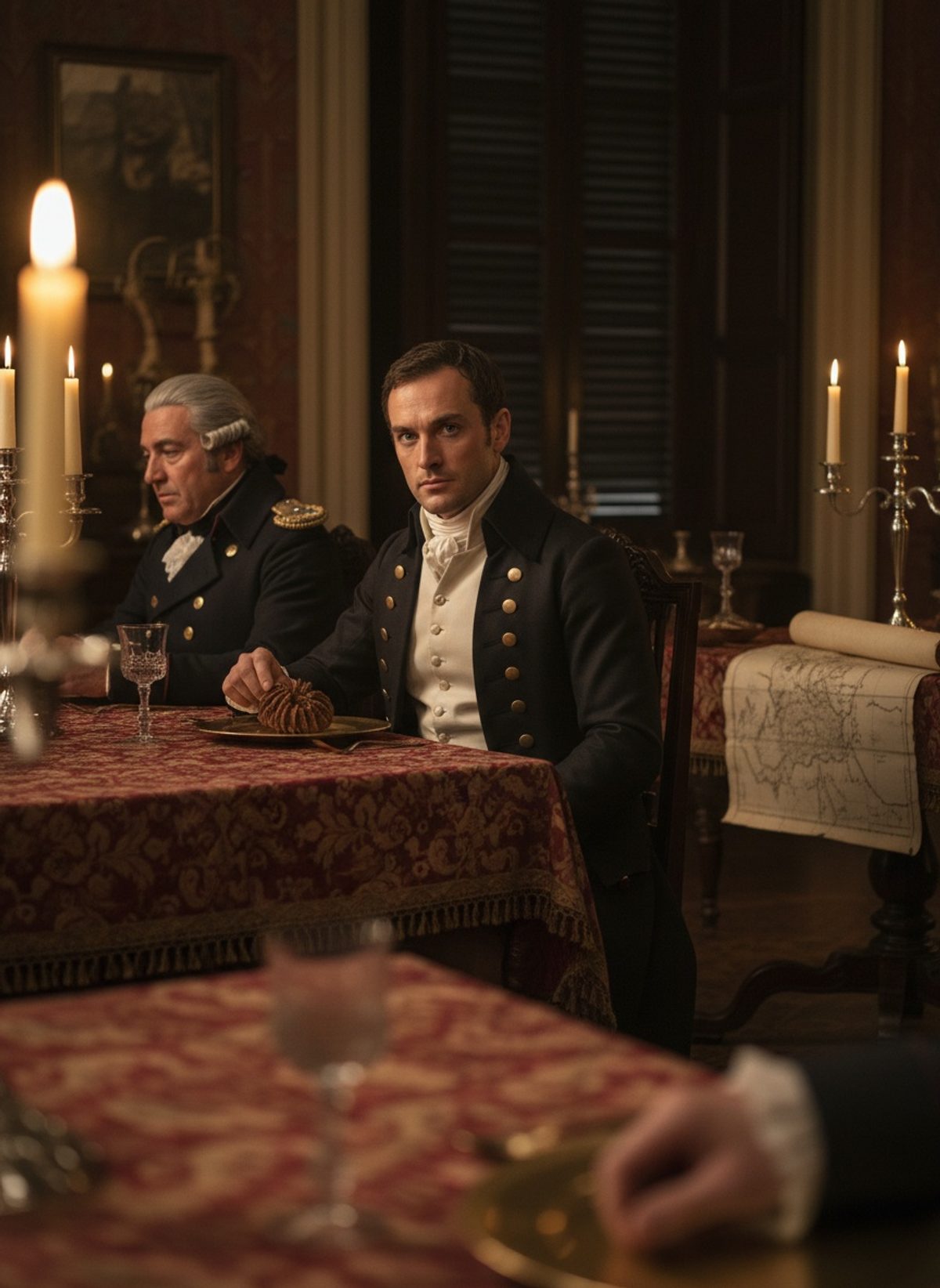
Without an invitation, Chancellor had wandered from the Arctic wastelands into the halls of the Tsar. Yet, even language barriers broke before his determined diplomacy, aided by German merchants who miraculously offered translation. Ivan, intrigued by the English adventurer's bravado and charisma, granted an audience, welcoming Chancellor with the pomp reserved for an ambassador. The Tsar, no stranger to grand visions himself, saw in Chancellor's proposition the threads of a promising partnership.
The Birth of a Trade Route
Impressed, Ivan conferred upon Chancellor the weighty privilege of negotiating a trade route—a favor wrapped in the cloak of mutual wealth and discovery. Thus, from winter-bound despair, arose a golden opportunity: the first official trade link between England and Russia. Through Chancellor’s determined diplomacy, the Muscovy Company secured its foothold, opening rich veins of trade in furs, timber, and other Russian goods.
Chancellor’s successful return to England with tales of his remarkable diplomacy sparked a wave of optimism. England's mercantile classes, beset by declining wool markets, saw new riches cascading from the east. For Tudor England, it heralded an era of burgeoning international commerce, expanding its reach and influence—a precursor to the global stage it would command in later centuries.
A Legacy Cast in Ice and Steel
Richard Chancellor’s audacious journey illustrates not just the narrative of trade or exploration but the enduring human capacity to overcome, connect, and innovate. His story, sculpted in snow and negotiated in palatial splendor, reminds us that sometimes, history hinges not on grand strategies but on the individual, armed with only resolute foresight and unfaltering tenacity. In Chancellor’s footsteps, a path unfurled, one that countless others would follow, bearing forward England’s adventurous spirit.
Even today, Chancellor’s tale whispers across frozen seas and blustering winds, urging us to ponder: How far can audacity and diplomacy propel us when markets change and opportunities arise, unforeseen and vast? As much now as in the icy reaches of 1553, we find solace in our innovation—and the courage to set sail into new unknowns.