She was the daughter of a churchman. Her life's defining battles unfolded not in pews but in the corridors of power.
A Courageous Challenge
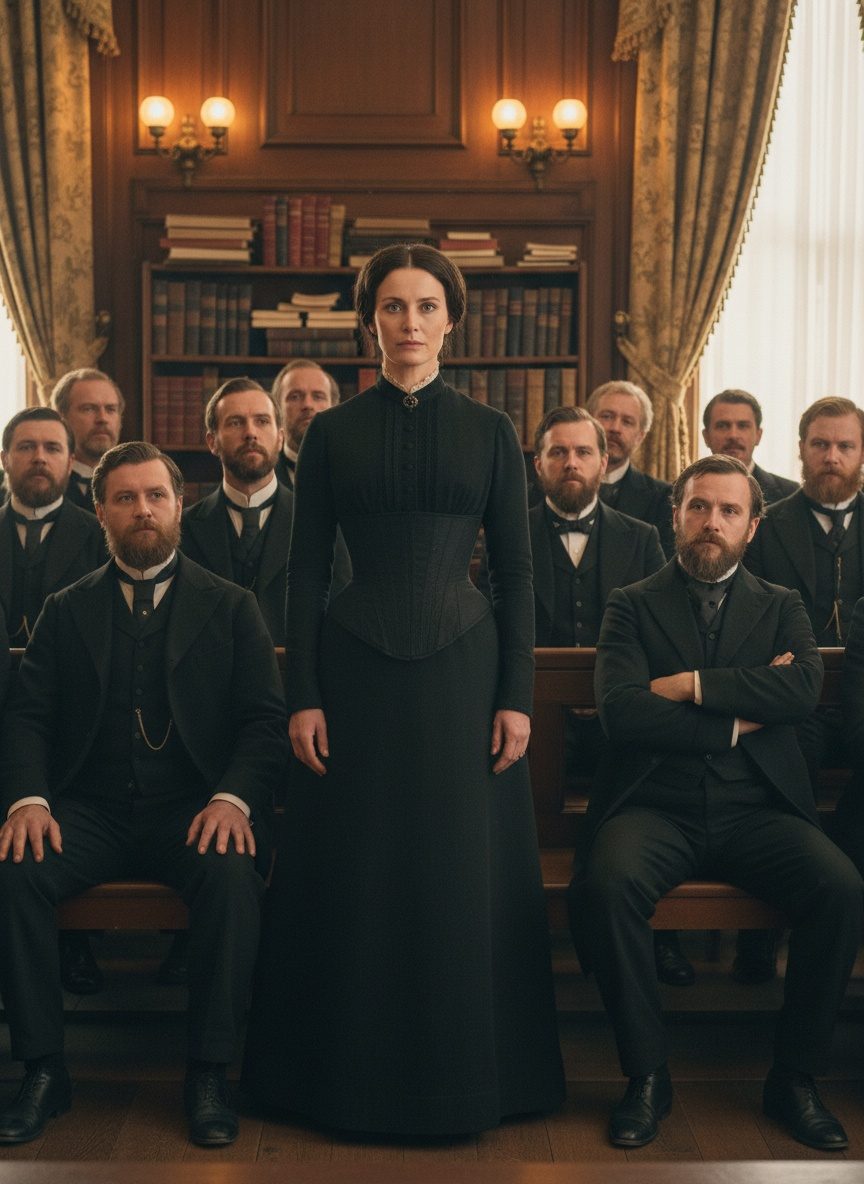
In 1881, Josephine Butler entered the daunting arena of the British Parliament, a place where women were scarcely seen, much less heard. She stood undaunted, her resolve visible in every measured step and forthright glance. The challenge she brought was one of grave importance, cutting to the heart of British society's moral fabric: the Contagious Diseases Acts. These harsh measures allowed for the invasive examination and potential detainment of women suspected of prostitution throughout the seedy naval and army towns of Victorian Britain, effectively branding them as criminals without recourse.
For twelve relentless years, Butler waged a campaign against this draconian legislation. These laws gave unchecked power to the police, who treated suspected women with harrowing disdain, ignoring the very rights that should have protected them. The intent was to curb venereal disease among soldiers and sailors; the result was the exploitation and marginalization of women, who often had no means to combat such invasive scrutiny. Butler was not merely a voice of dissent; she embodied the spirit of justice prevailing against the tide of an overwhelmingly patriarchal society. Her imagery painted by contemporaries circles around her unwavering determination, eloquence, and the fiery passion with which she advocated for women who lacked any other champion.
Despite severe opposition, ridicule, and even threats from those threatened by her stance, Butler's voice resonated. Public halls closed their doors to her campaigning efforts, yet she remained resolute, forging a path of change through sheer stubborn endurance and moral clarity. She built alliances with unlikely allies, including some members of the male-dominated Parliament, displaying her astute understanding of both human nature and the political landscape. Her tireless campaigning signaled a revolution in Victorian consciousness, challenging not only specific laws but broad social norms that subjugated women.
Read next: The Day a Surgeon's Son Walked Into a Burning Slum Alone
Speaking Truth to Power
The packed committee room awaiting her address was a microcosm of British society — a mix of skepticism, bias, and unspoken curiosity. The topic at hand challenged the very ethics of legal governance and societal structure. Yet Butler, standing with implacable dignity, refused to be intimidated. Her speech was not merely an argument; it was a rallying cry. She called for empathy, underscoring the unjust targeting of the vulnerable and voiceless. Butler adeptly wielded the weapon of moral persuasiveness, and those present could not help but be moved by her fervor and honesty.
The committee room had rarely witnessed such a passionate discourse from a woman, let alone one with the knack for dissecting the hypocrisy entrenched in such laws. It was a historic occasion, marking the first time a woman spoke in this prestigious venue, challenging the notion that victims of societal neglect and prejudice could remain silenced. Her arguments transcended the specifics of the Contagious Diseases Acts, advocating for human dignity and the right to legal and social equity.
Read next: The Day a Surgeon's Daughter Walked Into a Medical School and Won
Butler's speech was a turning point, shaming many who had once remained indifferent to the prevailing injustices. Her intelligence, integrity, and unyielding energy laid bare the contradictions of a legislation claiming to protect society yet destroying the lives of countless individuals. Parliament, an institution not accustomed to being dressed down by women, was forced to listen and reconsider — reluctantly for many, yet irresistibly drawn to the weight of her testimony. The event was a catalyst, underscoring that change was not a distant possibility but an urgent necessity.
The Legacy Endures
The repeal of the Contagious Diseases Acts in 1886 did not happen in a vacuum. It was the culmination of years of tireless effort led by Butler and her allies. By then, her legacy had already been cemented as one of resilience and righteous indignation in the face of institutional wrongdoing. Her path indicated a broader social awakening to the issues of women's rights and the need for systemic reform.
Butler's advocacy illuminated the fissures within Victorian society that needed addressing — the unchecked male privileges and their often hidden, yet pervasive oppressions. Her success did not end with the repeal. Instead, it laid groundwork for future reformers, showcasing structured advocacy against authority could affect meaningful change. Her work found parallels in movements worldwide, transcending the bounds of her immediate cause, inspiring others to confront oppressive structures in their own realms.
The Day a Victorian Woman Shamed Parliament Into Action is a narrative that echoes through modern times, highlighting a universal truth about the power of the individual against the might of established systems. Josephine Butler’s perseverance and tactical brilliance underscore the notion that courage coupled with unwavering conviction can not only stir the hearts of legislators but shake the foundations of injustice itself. Her legacy remains a beacon for those ready to challenge the status quo, reminding us that the long arc of history can indeed bend towards justice — if only there are those brave enough to push it.