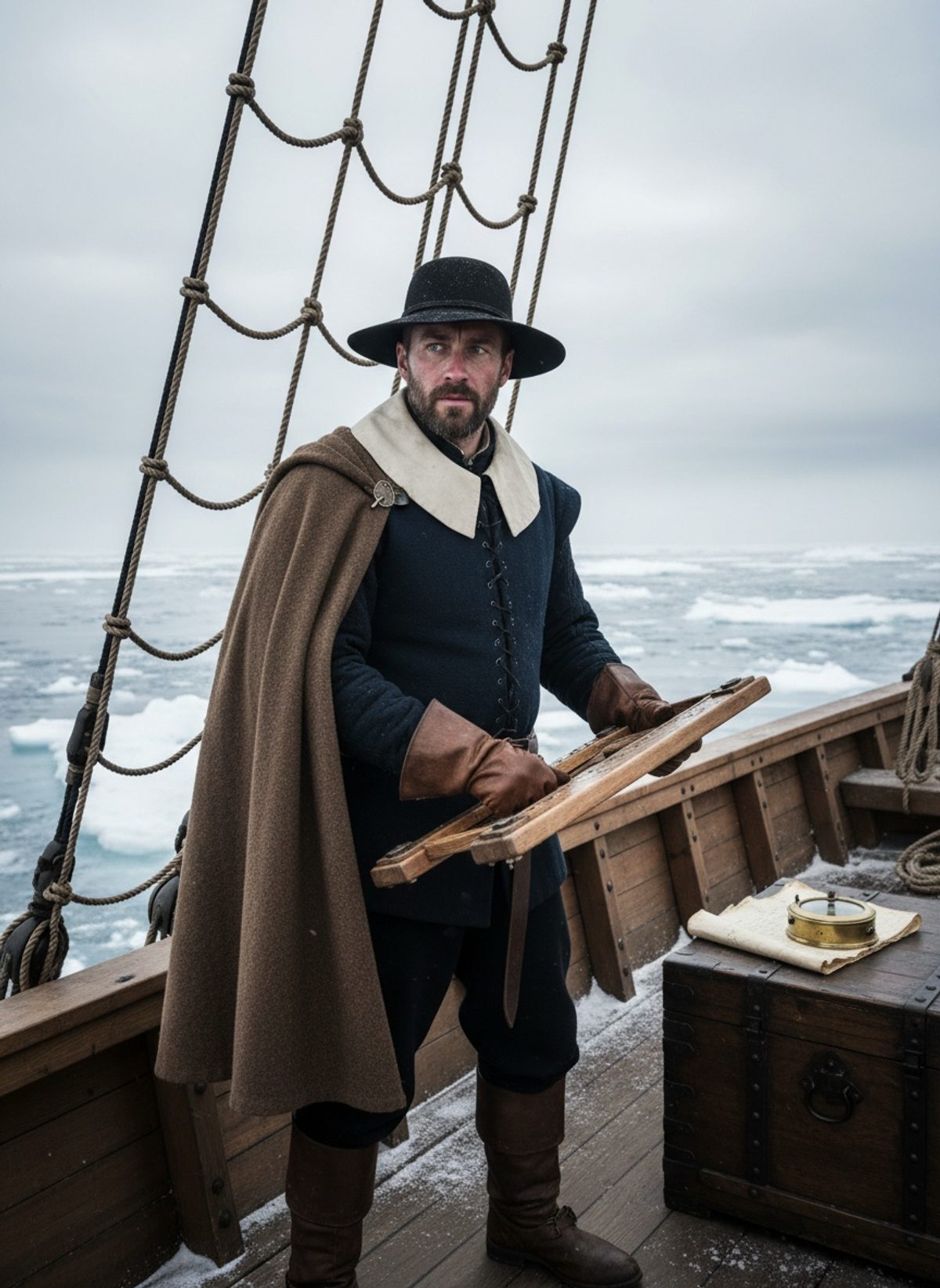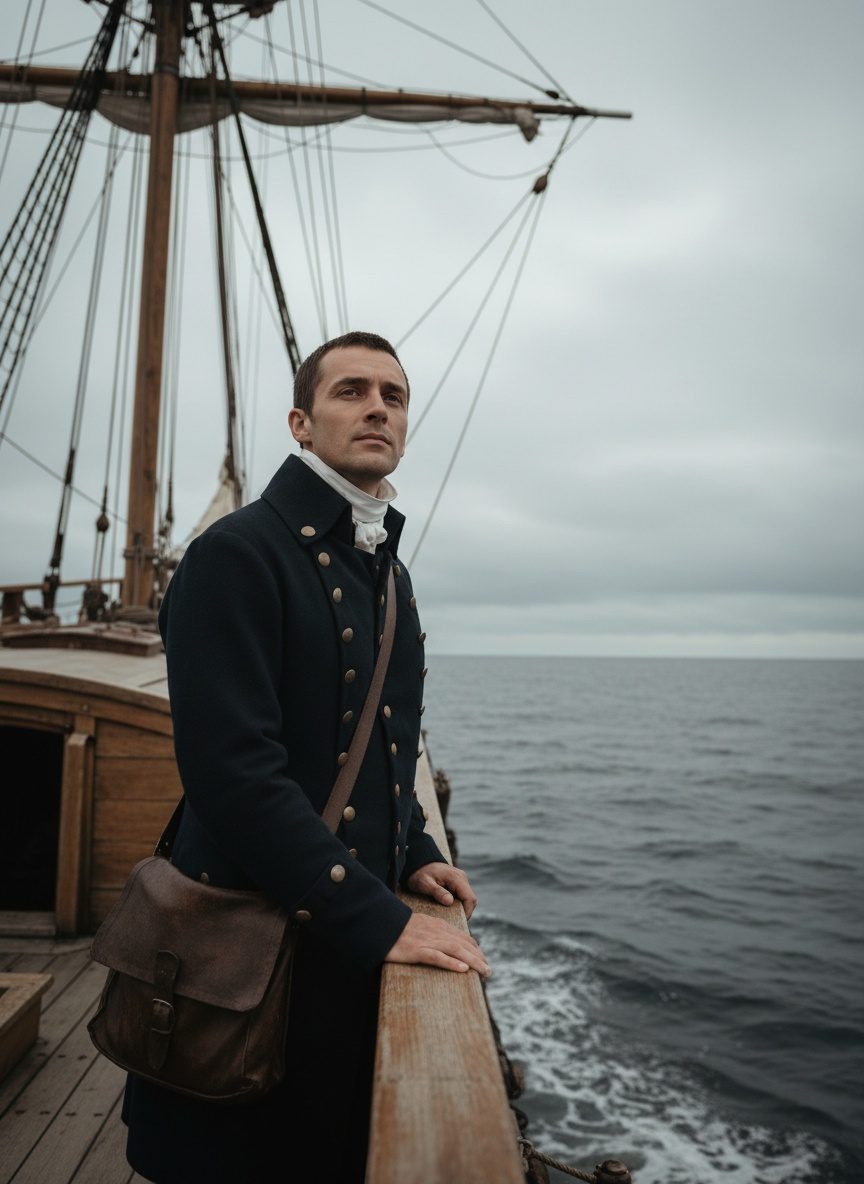
The North Sea in early summer is capricious, its waters a shifting palette of steely grey and bitter blue. A chill wind whips across the decks of three ships, their wooden masts creaking as if they too bear the weight of the voyage's significance. It's 1553, and these ships, setting sail from the ports of England under the eye of a nervous sun, are headed into the unknown. Onboard, Captain Hugh Willoughby leads with zeal, intent on discovering a northeast passage to the riches of China. But as the bow of his flagship cuts through the waves, only one among them will complete the journey that fate has in store.
Into the White Silence
The expedition was a maritime venture driven by burgeoning Tudor trade ambitions. Three ships, under Hugh Willoughby’s command, bore northeast from Devon, each carrying dreams of distant riches. Willoughby, accompanied by prominent seamen of the age, sought a passage that others believed impossible. The North would not yield easily; this was a gauntlet of myth and ice, lands told in sailor’s tales that were rumored to devour ships whole.
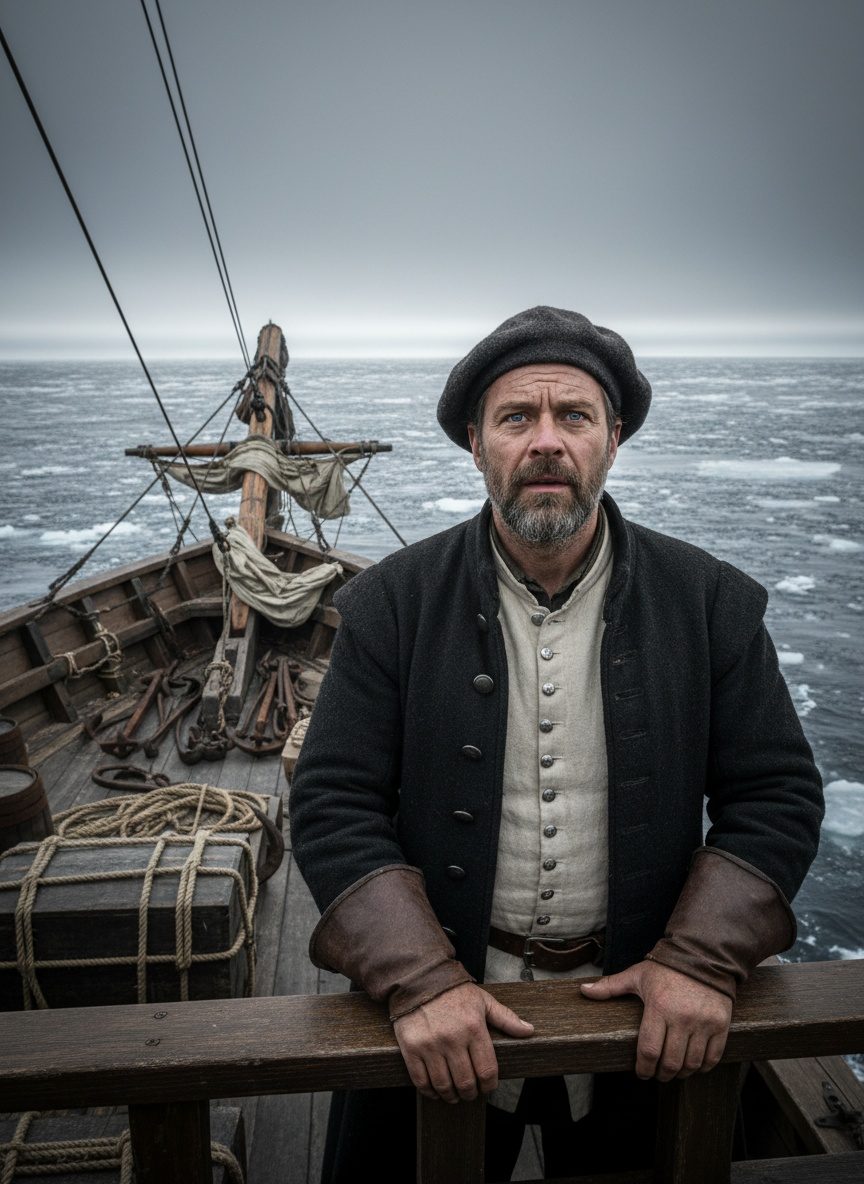
Richard Chancellor, an unassuming yet tenacious young mariner, served as the pilot aboard the largest vessel. His eyes were set not just on maps sketched more from imagination than fact, but on the stars, the eternal guide for those daring to leave the known world behind. But the specter of the Arctic hovered all too real. The summer sun barely kissed their backs before Willoughby and his fleet faced the brink of treacherous fogs and freezing seas. Ill-prepared for the bite of winter that fell upon them unexpected, Willoughby and many of his men met a grim fate amid the ice fields.
The frozen grip of the Arctic sealed their fate in silence, their hopes for China forever halted. As if in defiance of such a cold end, Chancellor pressed onward against adversities that had swallowed his more seasoned comrades. His ship, carved from English oak, became a solitary figure against an unforgiving horizon stretching endlessly north and east.
Read next: The Day a Devon Captain Mapped the World's Last Shore
The Meeting of Two Worlds
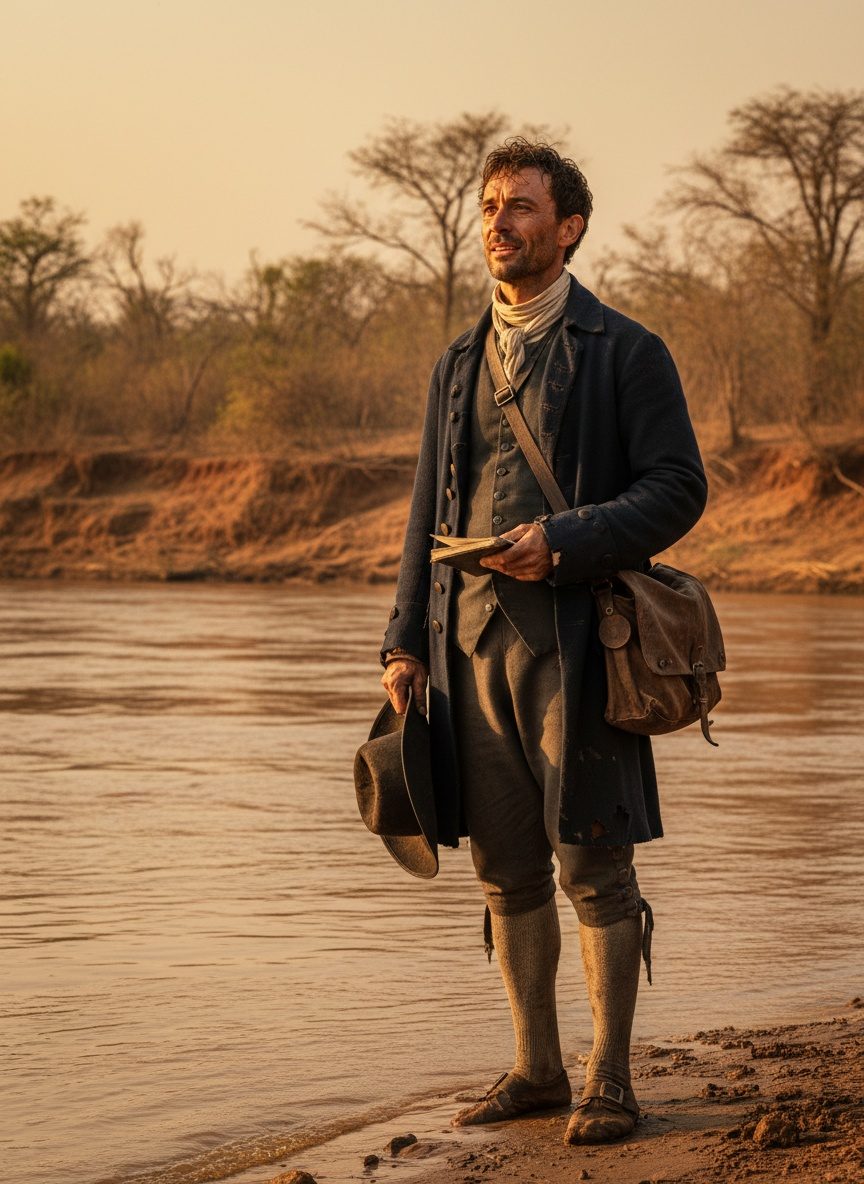
Chancellor's voyage, fraught with uncertainties and potential demise, eventually led him onto shores no Englishman had yet anchored. Beneath skies that danced with ethereal auroras, his ship threaded between coastal silences and the whisper of vast, unseen forests. Landing north of the White Sea, Chancellor stood among strangers in Russia, a land both alien and alluring.
The culmination of Chancellor’s daring saw him summoned to the court of Ivan IV, known to history as Ivan the Terrible. Here, poring over each other's manners and language, two worlds tentatively reached out to one another. Chancellor faced an empire eager to flirt with Western advances in trade and technology, a prospect as rich as the spices Chancellor was initially tasked to seek.
Chancellor’s charm and intelligence cemented uneasy yet lucrative rapport. The Englishman's presence in Moscow carved pathways for trade that would echo through England’s mercantile history. From this initial meeting, the Muscovy Company emerged, a testament to the power of chance encounters and the boldness of one man willing to journey beyond the edge of the known map.
The Sea that Changed a Nation
Richard Chancellor returned to England not just with stories of a formidable tsar, but also with opportunities that would redefine economic boundaries. His voyage turned a dismal failure into a cornerstone for future English endeavors. The path he blazed northward, once seen as a backwater of possibilities, became conduits for emerging aspirations of the Tudor state, eager to break the Venetian hold over trade routes to the East.
This newfound link between England and Russia was no mere maritime miracle; it became the basis for a partnership that endured storms of diplomatic discord and alliances of convenience. The waters he had crossed, and ultimately the seas he named, were not just stamped on maps with ink but infused with the spirit of enterprise and exploration.
But why does this story resonate beyond the bounds of dusty annals and seaborne legends? It is a chronicle of determination in the face of isolation, of adapting when hopes for familiar successes fade. Chancellor's journey compels us to remember that the pursuits of discovery often lead to unintended but pivotal destinations. Not every explorer finds the gold they seek, but sometimes they find something just as valuable – the seeds of change on the shores of the unknown.