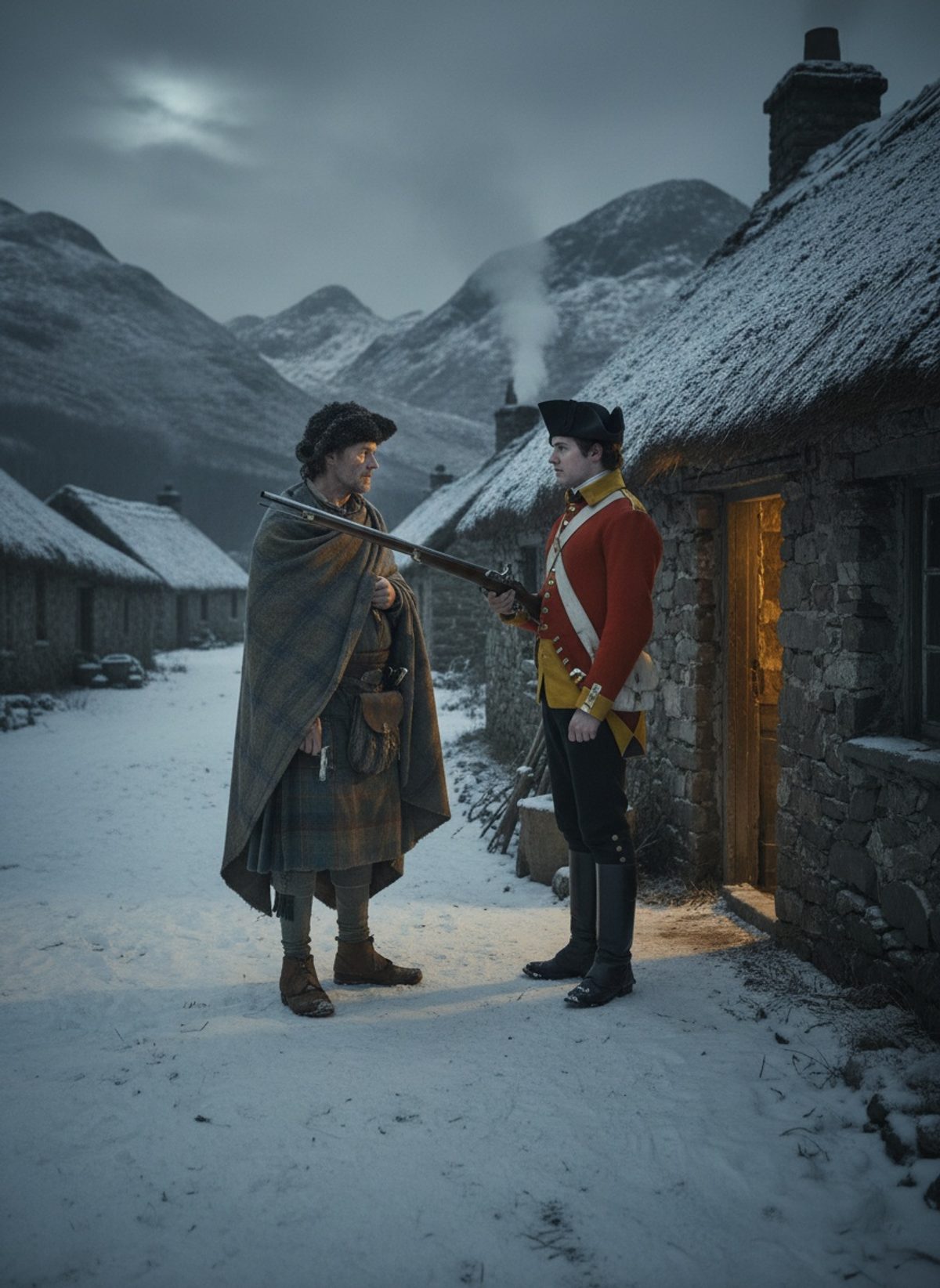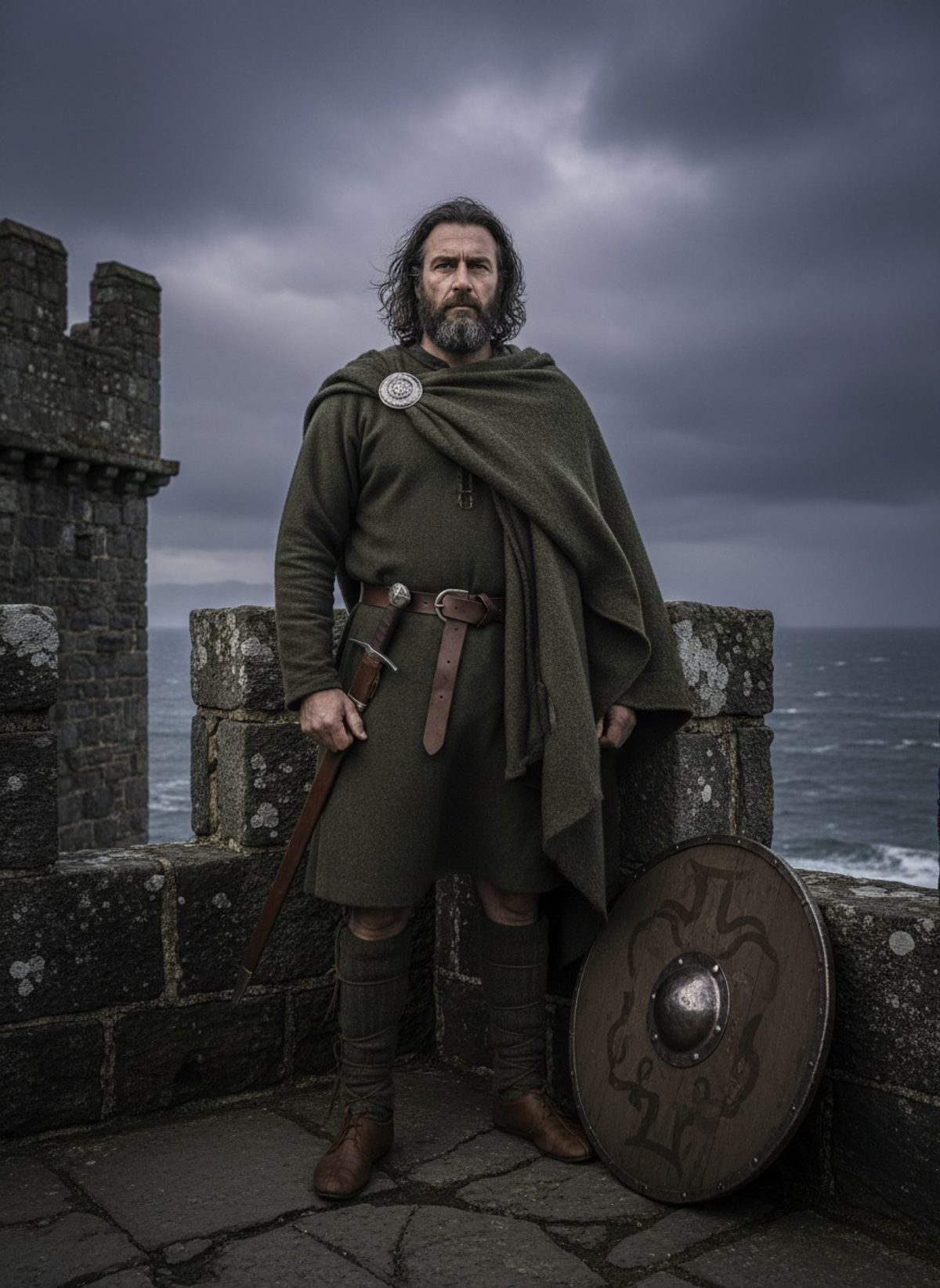
The Scottish Highlands in the dead of winter conjure a bleak and haunting image: snow heavy on the ground, the wind whistling through leaf-bare trees, the sky a slate grey threatening another flurry. The air is so frigid, it seeps into bones and turns breath into clouds. In the year 1328, these lands were witness to moments of gripping historical significance, enveloped in a symphony of whispers and winds. For Robert the Bruce, King of Scots, every frostbitten breath was a struggle, his body ravaged by years of warfare and sickness. Yet, beside him was an unwavering figure, a man who would defy time, season, and fate. This was Sir James Douglas, one of the most feared knights of his era, known to friend and foe alike as "The Black Douglas." As thaws began to hint the coming of spring, Douglas made a promise that transcended the realms of loyalty and honor, entwining his destiny with that of his king in ways that history would seldom recount.
A Bond Forged in Battle
It was the year 1306 when Robert the Bruce seized the Scottish throne in a desperate bid for freedom from English rule and in doing so interwove his fate with that of Sir James Douglas. Bruce, newly crowned, quickly found himself a king without a kingdom, hunted relentlessly by King Edward I of England. During these arduous times, Bruce’s forces were few and morale was thin, and the rugged Scottish landscape turned refuge and bane in equal measure. Through these treacherous times, Douglas, a young and fiery nobleman, stood by his king. Together, they became shadows in the Highlands, fleeing from predators in a game where the stakes were the crown of Scotland and the lives of all their followers.
Douglas was to become more than an ally; he became a symbol of devotion, his allegiance to Bruce showing unfaltering resolve. As the years passed, the two fought side by side, sharing battlegrounds and strategies that turned seemingly insurmountable odds to victory. The Black Douglas earned his fearsome reputation through brutal and successful raids against the English, his name muttered like an incantation in the tents of English encampments. Loyalty forged in blood was something tangible, providing Bruce strength through years when the future seemed bleak. They won the Battle of Bannockburn in 1314, a turning point that secured Bruce's crown, but it was the bond between the king and his knight that became legend.
Their companionship was not one appraised by titles or deeds alone; it was embodied in the silent understanding of those who have lived and fought through each other’s eyes. As Bruce’s health waned in 1328, it was Douglas who took charge of carrying out his dying wish—a pilgrimage to the Holy Land. Bruce, aware that the sands of time were slipping swiftly, entrusted Douglas with his heart, a task monumental not in mere territorial ambition, but in the profound sense of loyalty it demanded. Douglas’s solemn vow rippled through history, a pact made not to a king, but to a friend.
Read next: The Day a Scots Village Chose Its Own Name and Kept It
The Final Promise
With the aching lament of bagpipes lingering on a Scottish breeze, the word spread like wildfire: the king was dead. Robert the Bruce breathed his last in 1329, leaving behind a nation that began to brew the essence of sovereignty. Bruce’s final wish, however, could not be bound by earth or sky. He sought to partake in the holy wars, a crusade he never lived to see. It was Sir James Douglas who embraced this final expedition, prepared to steward his lord’s heart to the lands of Jerusalem. The very act transcended the mere ceremonial, venturing into realms of mythic valor known within the soaring legends of the time.
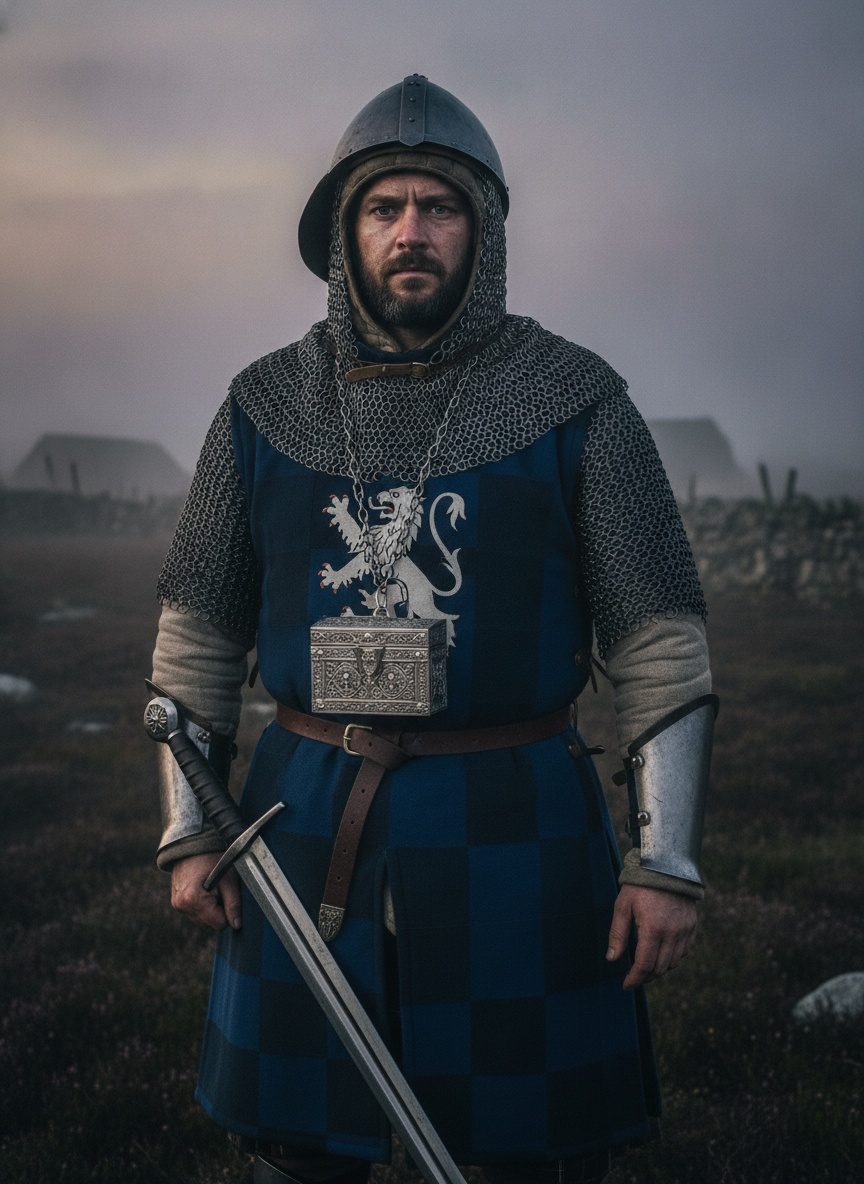
The heart was preserved in a silver casket, and it set sail with Douglas and a small retinue toward the hot sands of Spain, where they merged with the army of King Alfonso XI in the battle against the Moors at the Siege of Teba. Douglas, his stalwart spirit matching any knight of the age, threw himself into the fray, displaying battle prowess that cast shadows over even the scarlet hues of warring skies. The Black Douglas’s battle cry rang out one last time, riding forward with Bruce’s heart around his neck, hurling it into the vanguard with the valiant cry, “Lead on, brave heart, as thou wert wont to do, and Douglas will follow thee or die.”
True to his vow, Douglas followed his king into legend, his body found afterward among the fallen. Both his heart—and that of the king—were returned to Scotland, where a stirring saga etched their devotion into stone and story. Wherever the Black Douglas galloped, Robert the Bruce rode with him, their tales bound eternally into the fabric of Scottish lore.
A Legacy of Undying Loyalty
As time trickled forward, the tale of Sir James Douglas and Robert the Bruce became more than just a relic of medieval warfare; it epitomized fidelity undiminished through the ages. Monumental in its loyalty, the journey to carry a king’s heart across continents speaks to the profound bonds forged in the crucible of shared hardship and victory. It isn’t only about the heart of flesh and blood encased in its silver reliquary, but about the broader metaphor of bearing someone else’s aspirations, dreams, and fears even after their voice has turned to echoes on the wind.
In today's modern world, where walls bear witness to whispers of longstanding alliances, the story of Douglas and Bruce echoes as a resounding reflection of humanity's greatest nemeses and allies: time and loyalty. This narrative of unity underscores the enduring nature of friendship and allegiance, the powerful story of a king and his knight whose legacies entwined, spinning tales that dance like flame on the Scottish breeze. For those who tread upon the Highlands today, the air is redolent of such past devotions, a whisper within the winds that traverses generations, whispering the names of those who have passed into the annals of time but refuse to be forgotten.