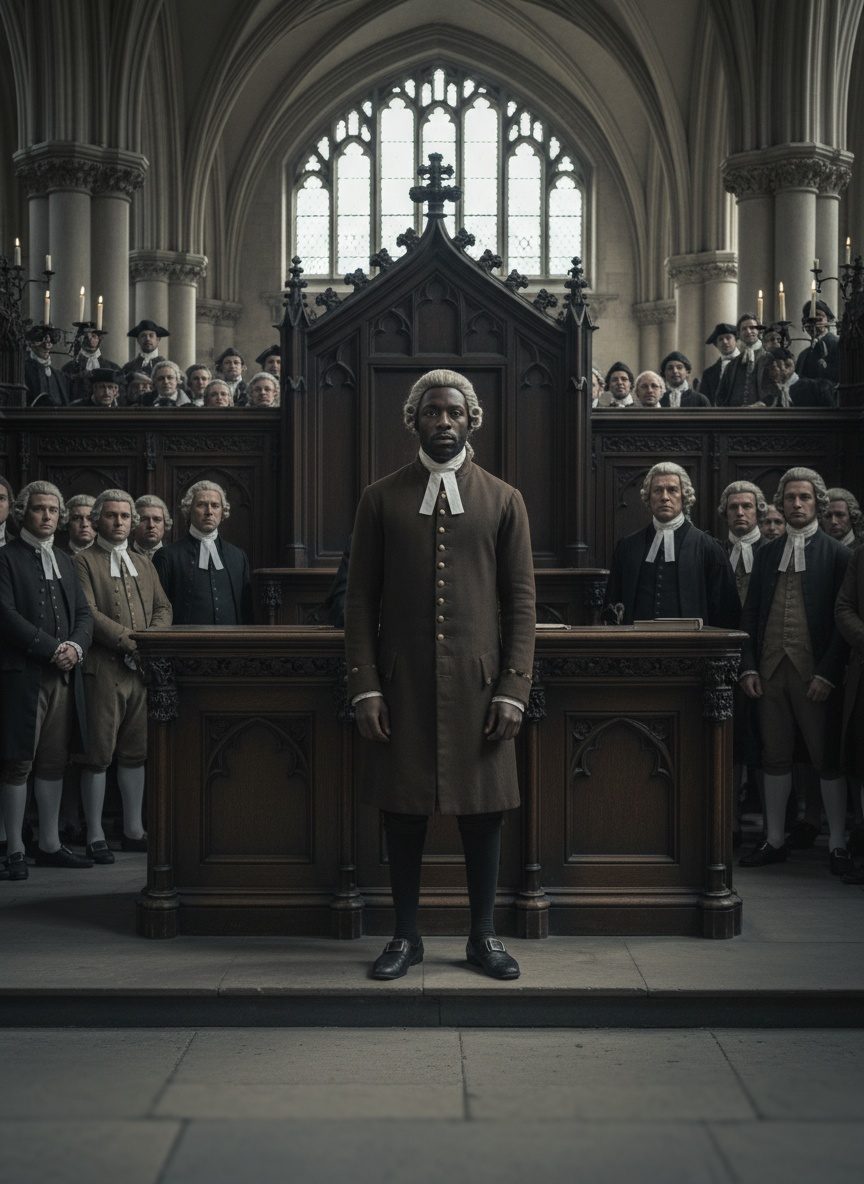
March 10, 1739. The cobblestones in front of Whitehall Palace were slick with the remnants of a morning mist.
Among the throngs of bustling Londoners, one figure stood slightly apart. A retired sea captain named Thomas Coram gazed at the genteel architecture of power, but his mind was far from the seats of authority. Coram was a man who had seen lands far and wide, witnessing the rugged American coastline and the squalid docksides of Boston and London. More recently, his eyes had fixed upon a nastier sight: the streets of London littered with the lifeless bodies of abandoned infants, born into the world only to perish on its unforgiving edges. It was this sobering reality that led him to this concrete doorway, petition in hand, steadfast in his mission to bring change.
London in the early 18th century was a city of paradox. The coffers of empire overflowed thanks to global trade, yet its streets told a tale of despair. Prosperity walked arm in arm with poverty, as is often the case in burgeoning metropolises. For every glittering gala, there was a darkened alleyway filled with beggars and orphans. Found amidst these shadows were the "foundlings," infants left to chance by mothers driven to desperate acts from poverty, shame, or both. Many succumbed quickly, becoming part of the city's hidden tragedies. But Coram, fueled by a stubborn compassion, refused to let these infants remain invisible.
Seventeen years. It is within this span of perseverance that the story of Thomas Coram unfolds, a saga of tireless advocacy against a backdrop of indifference. Despite holding no wealth, no title, and scant influence, Coram persistently petitioned the aristocracy and royalty. Dukes turned their noses, and ministers offered empty platitudes. Yet, Coram stubbornly knocked on doors and presented his cause again and again, a relentless advocate for the voiceless. It was not until 1739, however, that a breakthrough occurred, forever altering the societal tapestry of Britain.
Read next: The Day a Baronet Stood Up in Court and Freed His Slaves
Eventually, Coram's dedication caught the attention of those in power who could shepherd the change he envisioned—a group of women with their own clout in society's echelons. Duchesses and noblewomen became captivated, joining his cause. What these women alone could not sway, Coram's alliance with them achieved. Names that reverberated through the halls of Parliament and beyond added their signatures to Coram's petition, transforming it from a lone voice to a harmony of influential conviction.
A remarkable moment punctuated this campaign when Coram sought the attention of the monarch. The then-reigning king, a lover of art and culture, found himself charmed by the sea captain’s genuine fervor and the noble ambition to save the city’s most vulnerable. Coram’s modesty and sincerity proved infectious. Backed by newfound allies, the vision took root: a Foundling Hospital. A sanctuary for those once discarded, supported under the auspices of compassion and civic duty.
It wasn't just the architectural birth of a hospital, but the embodiment of new social consciousness. The Foundling Hospital wasn't a mere edifice of charity; it was a beacon signaling a shift in societal attitudes. Here, infants who might have perished were taken in, nourished, and educated. They were clothed in new chances, provided opportunities to redefine their destinies far from the gutters of their origins.
This transformation took at its heart a curious yet poignant blend of philanthropy and artistry. Artists such as William Hogarth found purpose in the venture, providing paintings to adorn the hospital’s walls, turning them into an art gallery for the affluent who came to see the curious blend of high society mingling with 'the least of these.' Composer George Frideric Handel also lent his talents, arranging benefit concerts, the notes of his music lifting hearts and coffers, building a bridge between the parlor and the pauper.
Coram lived to see the fruits of his labor, although his later years were marked by personal financial struggles, a strange irony given the cause he championed. Yet, his resolute ardor for benevolence left a legacy far beyond his own life's limitations. The Foundling Hospital continued to grow, nurturing thousands who, without its rescue, would have become mere specters fading away, unwept and unsung. These foundlings grew into shoemakers, soldiers, seamstresses—indispensable threads in the ever-expanding fabric of British society.
Indeed, the foundation Coram laid cracks open a narrative that challenges the often romanticized notion of the Georgian era. His story unveils glaring inequities, reflecting how one person’s unwillingness to look away could precipitate monumental change. Coram’s determination offers a mirror to our own time, prompting us to consider how we might confront the silent sufferings scattered across today’s streets. With grit and grace, Coram didn’t just build a hospital; he erected a moral standard, reminding us that within the heart of every civilization lies the responsibility to care for its most innocent.