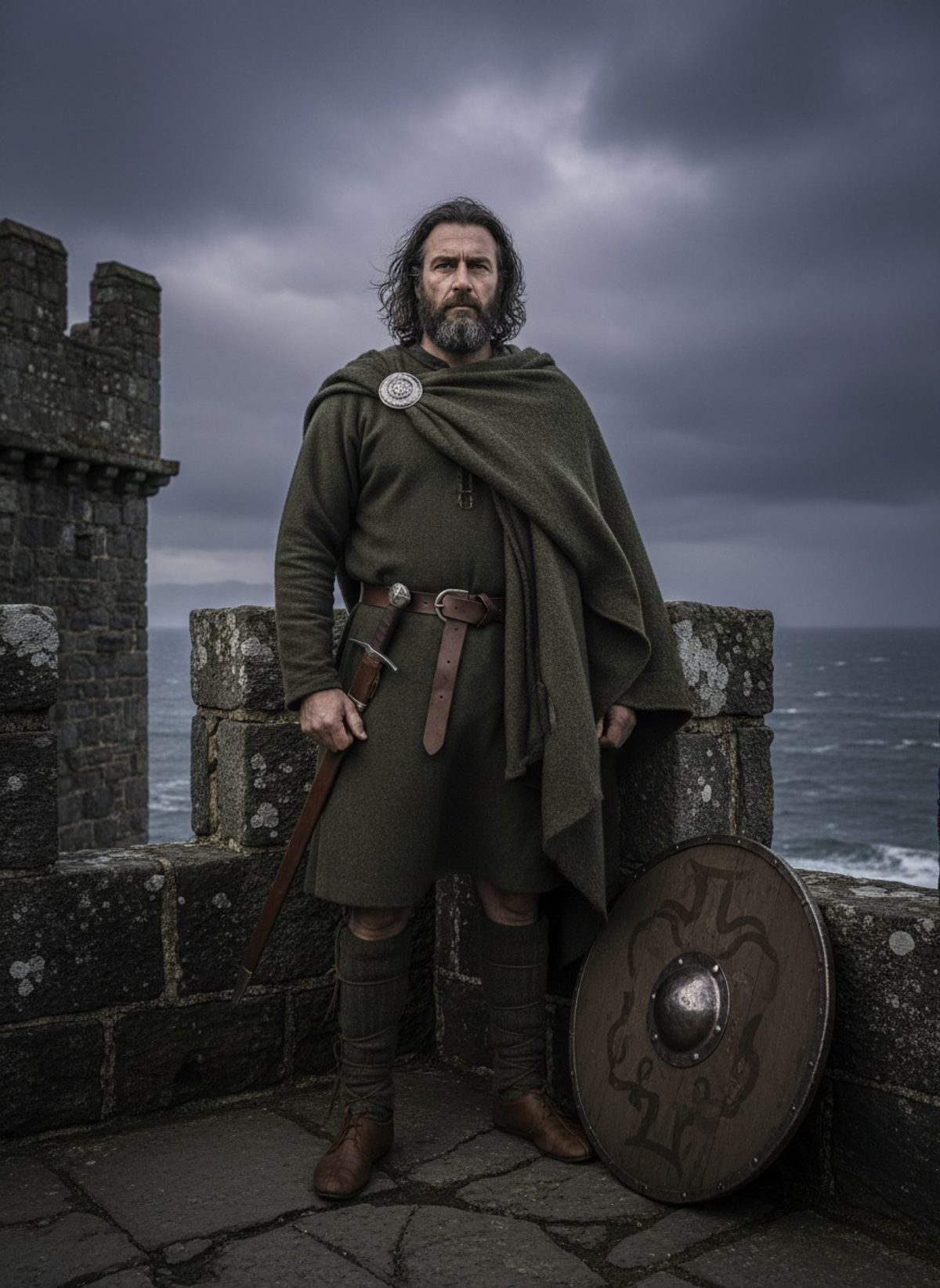
The sun blazed fiercely off the polished decks, every surface of the HMS Salisbury simmering in a haze of heat. Below, the suffocating stench of decaying flesh twisted its way through the air, a pungent reminder of the enemy that lurked unseen in the holds of British naval ships for centuries. James Lind, the Scottish naval surgeon, moved swiftly through the rows of hammocks where gaunt, hollow-eyed men lay, their bodies racked with the unmistakable signs of scurvy. He was determined to unravel this maritime plague.
The Decision That Changed the Voyage
Amidst the cracks of sails and the dizzying smell of saltwater, Lind set into motion a radical idea. It was 1747, and desperation bred innovation. Plunging headlong into what would become history’s first controlled clinical trial, Lind selected a dozen afflicted sailors aboard HMS Salisbury, splitting them into groups. Some received cider, others sulphuric acid, vinegar, nutmeg, barley water, and the crucial pair received two oranges and a lemon each day. The outcomes were quick and dramatic – the citrus recipients were the only ones to fully recover.
Lind scribbled his results into his journal, the pages crackling with the excitement of discovery. This wasn’t just a cure; it was a revelation, a blow struck against mortality. Yet, as all sailors knew, understanding was one thing; changing the minds of men back home was quite another.
Edinburgh's Silent Catalyst
The air was thick with rain-soaked coal smoke as Lind returned to the austere streets of Edinburgh, his discoveries cradled in his hands. The city was a hub of enlightenment, its narrow alleyways filled with the buzz of scholarly debate. Yet, amid the gray spires and bustling taverns, his groundbreaking work remained largely ignored.
Read next: The Day a Scots Village Chose Its Own Name and Kept It
Undeterred, Lind published his findings in 1753 in A Treatise of the Scurvy. The document was an eloquent appeal to reason, but its impact was muffled by scepticism and the inertia of institutional tradition. The Royal Navy, entrenched in its customs and hierarchies, took decades to heed his counsel. The limey moniker the sailors would eventually earn was still far from fruition. The real hero of this saga was perseverance, quietly defying the creeping rot of doubt.
The Royal Navy Finally Listens
By 1795, the bitter lessons at sea began to yield to reason. The Royal Navy, with its once rusty reluctance, finally adopted citrus as a mandatory ration, a quiet revolution that saved the lives of countless sailors. This change wasn’t born of sudden enlightenment but of necessity; faced with the growing needs of prolonged naval campaigns, Britain realized it couldn’t afford to lose men to a disease with a known cure.
Theirs was a slow shift, a cautious embrace of Lind’s findings. The transition from skepticism to acceptance was marked by pivotal naval figures who saw both the merit and urgency in this breakthrough. The preserved spirits of citrus, whether in the juice or the mere essence of a lemon wedge, would alter the course of naval history. The same lemons and limes that warded off scurvy would underpin the might of the British Empire, their zest preserving the sinews of its power.
The Legacy of an Unnamed Saviour
As the dawn of the 19th century broke, James Lind lay in a quiet corner of Scotland, his life's work a torch passed rather than held. Unbeknownst to the sailors whose lives he prolonged, their survival charts were inked in the acid tang of citrus, a legacy of the man whose own name rarely graced the port-of-call conversations. In every sidelining of death from the decks of British vessels, Lind’s shadow walked alongside, unheralded yet indelible.
His work had transcended his own time, binding the threads of health and duty with the zest of a humble fruit. The sea remained a perilous mistress, yet one foe had been vanquished. Though James Lind remained a ghost upon the lips of seafaring tales, his contribution was immortal, etched in the annals of a silent revolution against the echoes of history's forgetfulness.
Beyond the Horizon of History
The lessons of James Lind resonate beyond the bow and stern of his time. In a world still shadowed by preventable suffering, his story provides a poignant lesson of how the simplest insights can stave off the spectres of inefficiency and ignorance. It’s a reminder that true legend lies not in the fame of one’s name but in the impact of one's actions. As the lemon-infused waters of time flowed onwards, Lind's quiet triumph was that he dared to challenge the winds of resistance and change the course of a nation. Where would history be without the courage of one Scottish surgeon who refused to yield to fate?