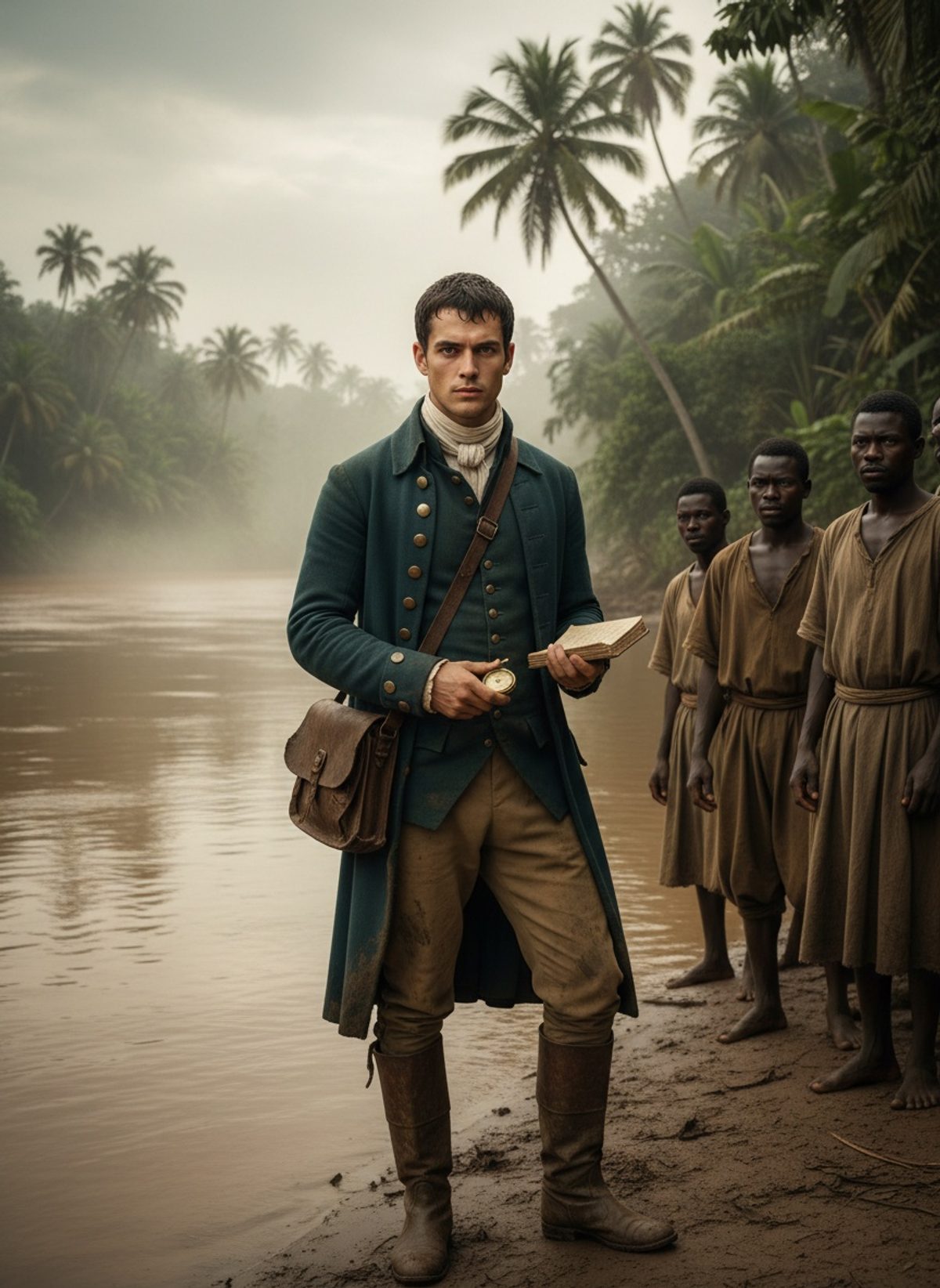
The dense foliage pressed in on every side. As Richard Spruce parted the curtain of leaves before him, vibrant rays of sunlight pierced through the canopy, momentarily blinding him. Sweat trickled down his back, mingling with the fever that had haunted him for weeks. His mind fixated on the distant murmurs of an Amazonian river, each drop of its sound a reminder of how far he remained on this botanical venture that few understood and fewer dared to follow.
The Lone Botanist and His Unyielding Quest
In the mid-Victorian era, exploration was the realm of the bold and the financially backed. Yet, Richard Spruce ventured into South America with meager funds, devoid of official support, driven solely by an insatiable curiosity about the natural world. Arriving in 1859, the Amazon basin was a vivid tapestry of untouched landscapes, where the air hummed with the chorus of the unknown.
Spruce had been collecting plants for eleven years, sending back a stunning ten thousand specimens to be cataloged by eager scientists back home. Despite sickness contracting his muscles into agony and searing fevers blurring the edges of reality, Spruce trudged deeper into jungles no European had before set eyes upon. His arrival in the Amazon was anything but ordinary; it was a calculated plunge into the heart of humanity's most mysterious ecosystem without a map or a guide, armed only with the ambition to unlock its botanical secrets.
A solitary figure in a land that adhered to its own laws of nature, Spruce forged alliances with indigenous tribes whose paths he crossed. They taught him survival, imparted knowledge of the plants he would otherwise dismiss as mere green background. It was from these collaborations that he collected rich samples—the foundation of his wider work that would mark him as one of his era's most distinguished naturalists.
Read next: The Day a Scots Surgeon Walked Into Timbuktu Alone
Mapping the Unmapped: A Fury of Discovery
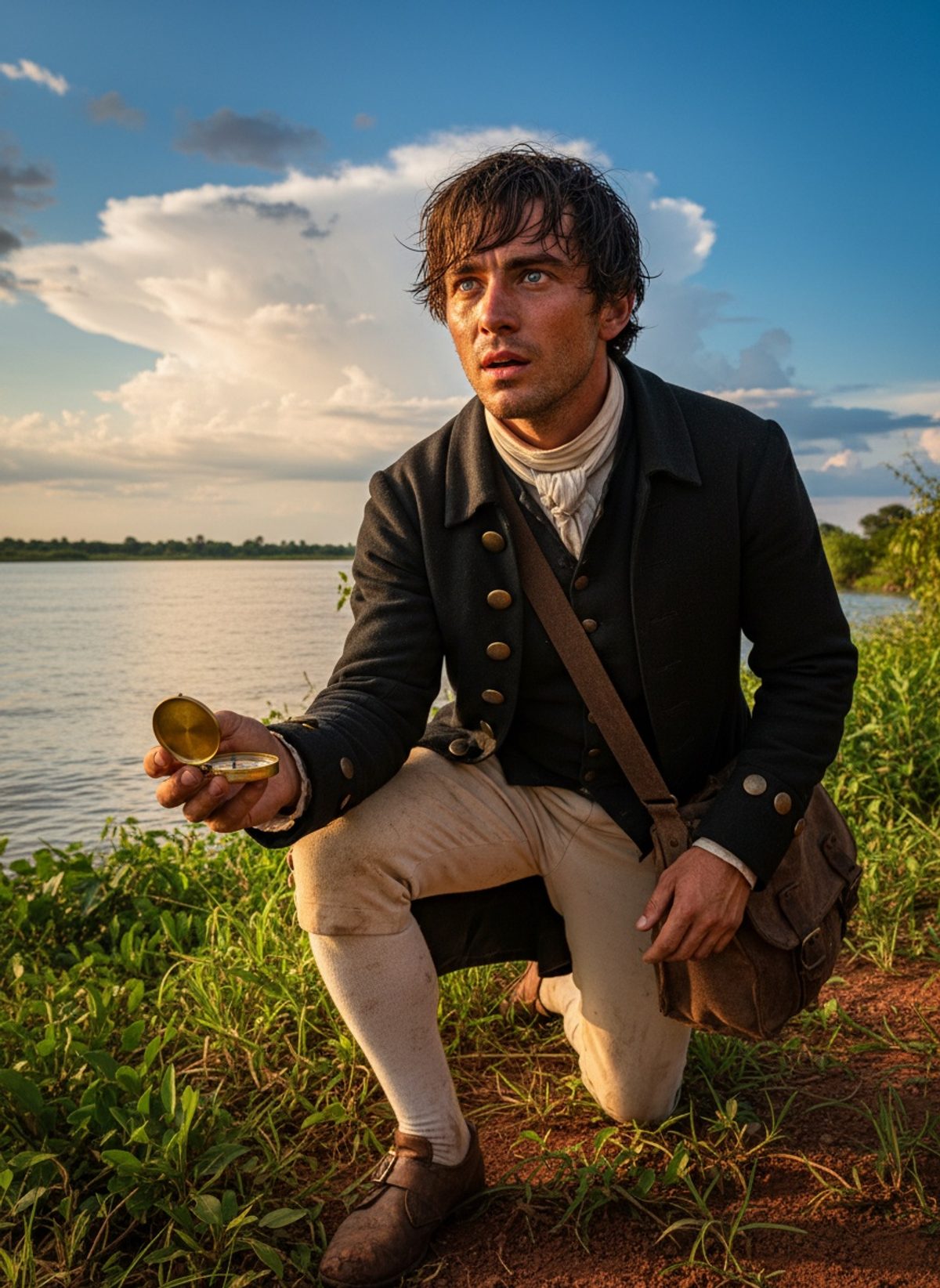
Spruce navigated the unforgiving waters of the Amazon's tributaries, each twist of the river a new challenge with hidden sandbanks and teeming wildlife. Unlike tales of conquests with crowns and treasures, Spruce's pursuit was of a different nature—scientific royalty, to harvest the boundless blooms of evergreen life.
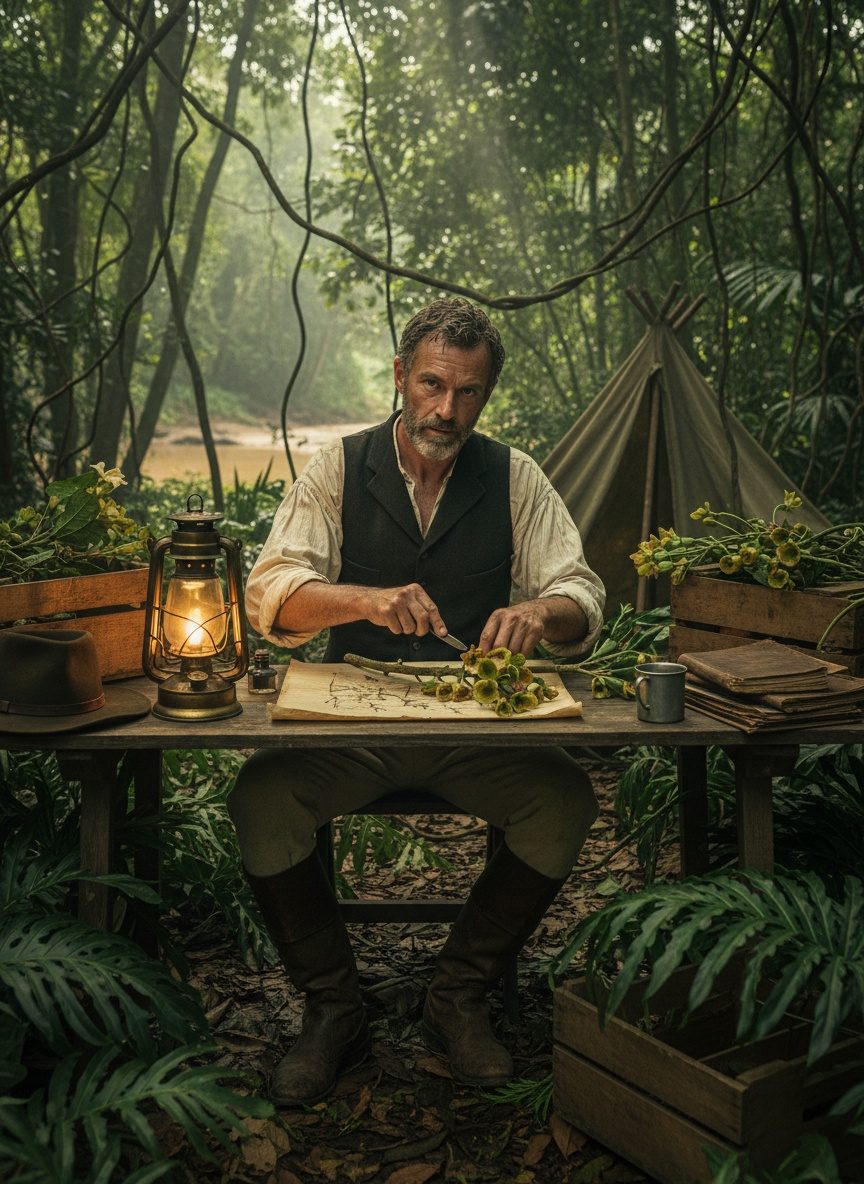
His years in South America were not just about the plants he collected, though they told a story of their own. The specimens he sent back expanded Europe's understanding of tropical flora and filled institutions with invaluable specimens, with his detailed insights informing the conservation and botanical knowledge of generations to come. Within his meticulously organized sample cases lay the first introductions of several bromeliads, ferns, and palms that had never before been seen, studied, or named in the Western world.
A world far removed yet eerily similar to the bustling metropolises he had left behind, Spruce found purpose amidst the chaotic order of the jungle. Days turned into weeks and months as he documented his discoveries, each a triumph against adversity. His sickness, often leaving him debilitated, was juxtaposed by the vigor with which he recorded his findings, etching himself into the annals of botanical history through sheer will.
The Return: Broken Body, Enriched World
Seventeen arduous years passed, and Spruce returned to Britain a man changed both physically and spiritually. His body bore the scars of his journey—the fevers had left him weakened, and ailments took their toll. Yet, the bounty he brought back was a testament to a legacy built on perseverance and unwavering dedication to the exploration of our natural world.
In many ways, Spruce's story is a reminder of the silent triumphs that accompany the search for knowledge. He was a quiet revolutionary who expanded the boundaries of understanding within his lifetime, leaving a trove of knowledge for all to share. The specimens sent home contained not just the essence of the plants themselves but captured an epoch's ideals and challenges in their delicate frames.
Richard Spruce's narrative is not just of survival and discovery but of the inherent human drive to explore and understand the world. His story is an ode to the resilience of those who traverse unknown realms, transforming the world not with declarations but through careful observation and dedication. As we ponder his contribution, we are reminded that the trails blazed in pursuit of knowledge often take the solitary path, and though these journeys may leave wounds, they ultimately enrich the collective cast of human understanding beyond measure.