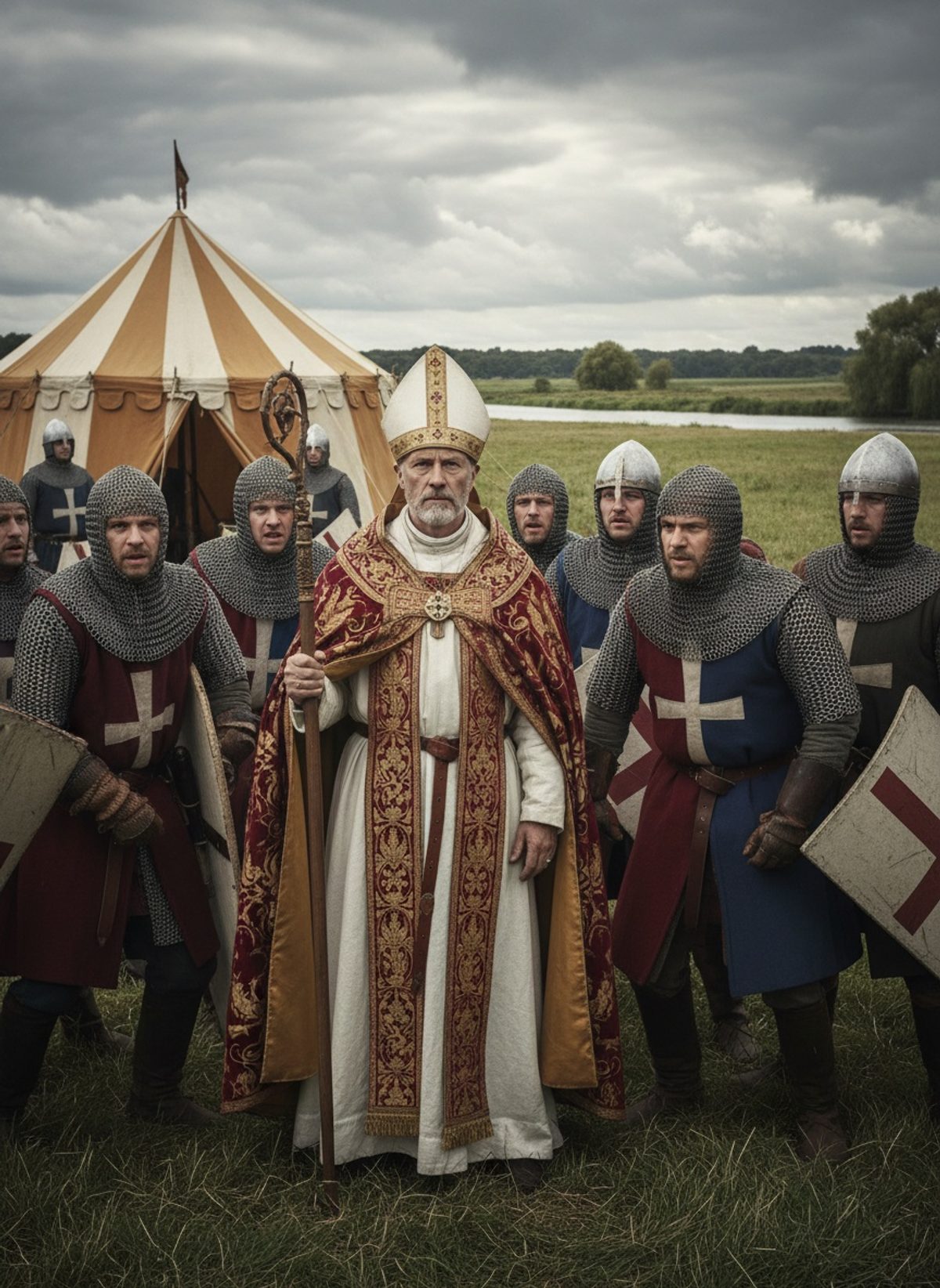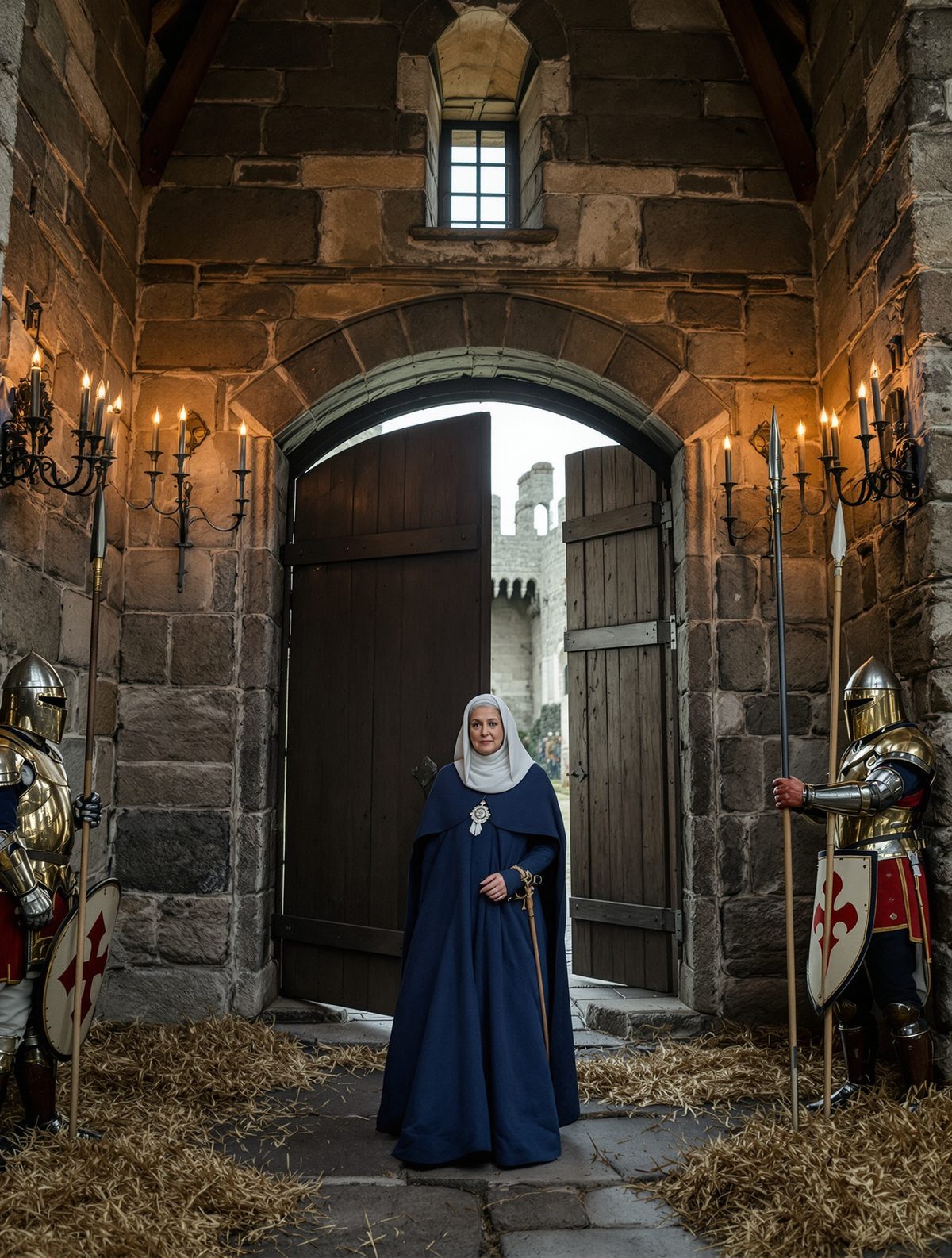
In the autumn of 1216, the fate of England hung by a thread. The kingdom was fractured; the throne lay vacant. A teenage girl, standing resolute on the windswept battlements of Dover Castle, dared to stand against her country's turmoil. As the hostile forces of England's desperate neighbors surrounded her, Nichola de la Haye, with fiery determination, refused to be just another forgotten footnote in history.
The Siege Begins
It was a time when loyalty was fluid, and allegiance could flip in the space of a single night. By October of 1216, half of England was under the control of Prince Louis of France, invited by rebellious barons to seize the throne from the beleaguered King John. Amidst this power struggle, one figure stood defiant at Dover, a strategic bastion that held the key to the realm. Despite being just a teenage girl, Nichola de la Haye had inherited a steely grit from her ancestors. While her contemporaries jockeyed for power or surrendered to foreign influences, Nichola's loyalty remained undivided. Her position at Dover Castle made her a linchpin in the fate of the nation.
Defying the Odds
Nichola was not a novice to siege warfare. She came from a lineage accustomed to defending their land, savvy with the art of diplomacy and battle. Her father, Richard de la Haye, had served as the castellan of Lincoln Castle, a mantle carried forward by Nichola with unmatched vigor. By the autumn of 1216, she had already successfully defended Lincoln Castle against the formidable siege led by the forces of the rebellious barons twice. But at Dover, she faced a more perilous challenge.
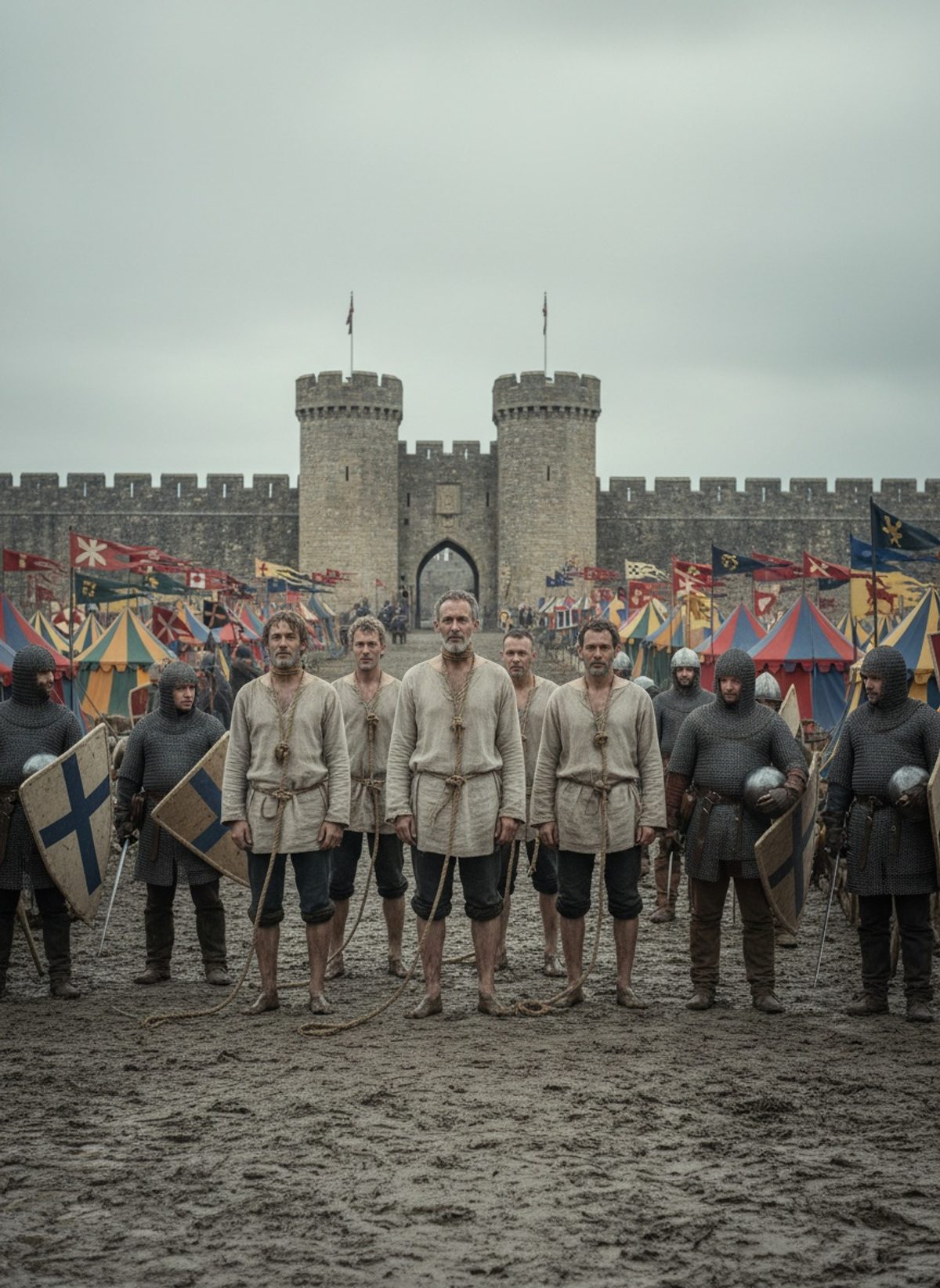
Under siege, Dover Castle was a formidable structure to assault, its towering walls seemingly carved from the very rock of England's cliffs. The French forces and their English sympathizers gathered outside its walls, launching relentless attacks. Yet within those stone fortresses, Nichola commanded her defenders with an iron will that belied her tender years. History does not record the precise number of knights and armed men she led, but accounts suggest that her strategic mastery infused them with unparalleled courage.
Read next: The Day a Queen Walked Into a Rebel Camp Alone
The Battle Rages On
Throughout the siege, Nichola orchestrated the defense with precision. Each sally forth was as much a dance as a battle, exploiting the terrain around the castle to outmaneuver and outwit the besieging forces. The relentless onslaught tested her fortitude, yet Nichola directed her small garrison with unparalleled confidence. She utilized every trick learned from her forebears, employing boiling oil and arrows to defend the crenellations while maintaining the morale of her knights.
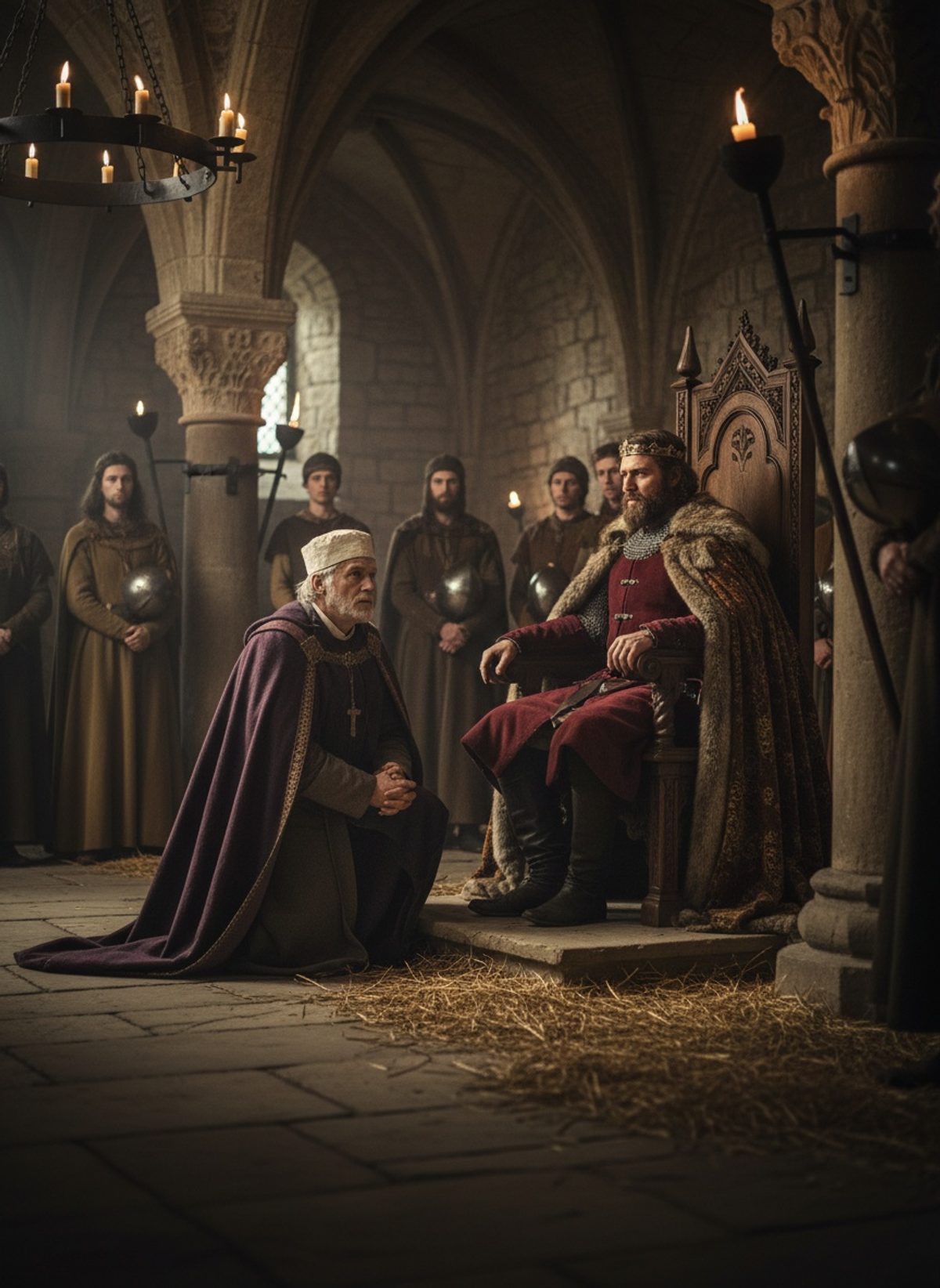
Surprisingly, amidst the chaos, she reportedly negotiated directly with Prince Louis and his advisors. Her correspondence reveals a vivid portrait of poised leadership, balancing diplomatic finesse with martial resolve. Not a single parley faltered or revealed doubt in her cause. Her bold defiance at Dover began to inspire confidence in the fractured remnants of English loyalists.
Victory within Reach
As the siege dragged into weeks, then months, the tide began to turn. The English climate, known for its unpredictability, played into Nichola's hands. The harsh autumn storms swept across the Channel, devastating the French supplies and morale. Nichola seized upon these advantages, executing clever sorties that dismantled the enemy’s link to reinforcements.
The arrival of William Marshal, the legendary knight and Regent for the beleaguered kingdom, was a turning point. Rallying the scattered forces stirred by Nichola's indomitable stand, Marshal led a decisive counter-offensive. By December, the French forces had retreated, leaving Dover in English hands and Nichola the unchallenged guardian of one of England's most critical strongholds.
Legacy of Courage
While the subsequent coronation of young Henry III marked the stabilization of the English throne, Nichola de la Haye's story faded into the mists of time, overshadowed by the clamor of battles and kings. Nonetheless, her audacious defense of Dover encapsulated the very essence of medieval chivalry and relentless determination.
Today, as we ponder the castles and landscapes that dot the British Isles, Nichola de la Haye's story reminds us of the unexpected figures who shape history. Her tenacity offers a powerful narrative on the impact one individual, irrespective of gender or age, can wield on the grand chessboard of nations. As we wax poetic about knights and conquest, let us not forget the teenage girl who once held a castle against all of England with nothing but courage and cunning as her allies.