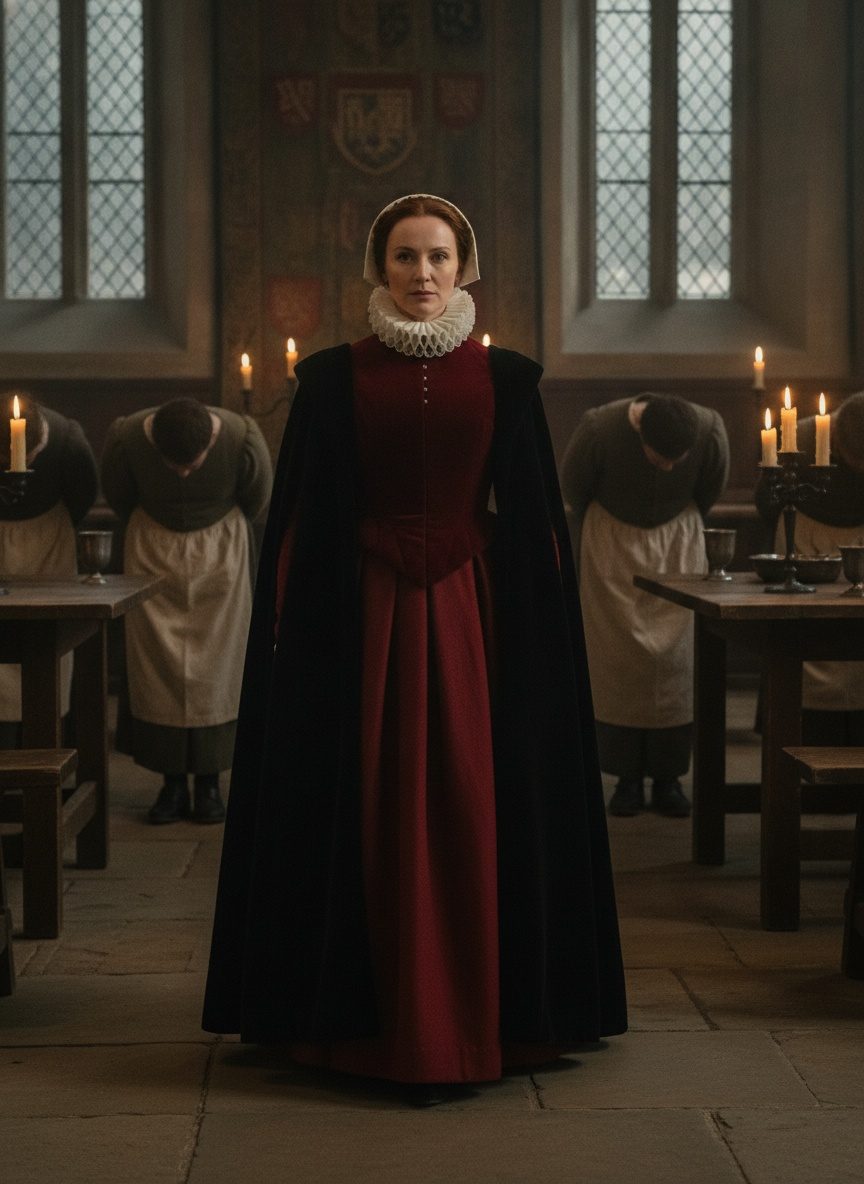
The flickering glow of candlelight danced across the cold stone walls, casting a warm haze over the room as Mary Queen of Scots twirled gracefully in her gown, a stiff, defiant smile playing at her lips. Her laughter rang out, pure and clear, cutting through the somber murmur of her attendants whispering furtively in the corners. It was the night before her execution, yet the air was filled with an unexpected lightness. The fire crackled pleasantly, casting shadows that joined the dance of one of the last women in history who could still claim the title of queen without a throne.
Mary Stuart held court that final evening in February 1587 with an air of enchantment. For nineteen years, she had lived within walls not of her choosing, her life a play of whispers and treachery beneath the skies of Tudor England. But this night was different—this was a night for farewells and memories made not of suffering, but of celebration. She invited her loyal servants to feast with her, the clinking of goblets and the rich scent of roasted meats a welcome break from the grim reality that awaited them all at dawn.
The splendor of the banquet belied their somber purpose. Mary’s ability to host a feast worthy of a queen, despite her long confinement, was testament to her enduring spirit. Dressed in a gown of black velvet accented with pearls, she moved around the room with regal ease, distributing her belongings like a monarch settling a final act of state. These were not simply parting gifts, but tokens imbued with gratitude and affection, carrying the weight of her heart to those who had dared remain loyal over years of despair.
As the evening unfolded, she asked for music. At first, the sound came timidly from the corner, an apprehension palpable among musicians picking strings and blowing flutes under the shadow of inevitability. But soon their tunes grew bold, filling the hall and inspiring movement. Mary danced with her attendants, a sinner or a saint in the eyes of England’s populace, but to those in the room, she was simply their queen, vibrant and full of life despite the grisly fate that awaited her as dawn broke.
Read next: The Day a Stuart King Walked Calmly to His Own Execution
In Mary's choice of attire the next morning lay her ultimate act of defiance; beneath a demure black robe she wore a petticoat of blood-red silk. As she made her way to the scaffold erected in the cold great hall of Fotheringhay Castle, the color hidden beneath her outer garments was a message crafted with a survivor’s cunning. It was a cloak woven of gall and pride, symbolizing martyrdom and an unyielded sovereignty. When revealed, the crimson hue shocked every witness gathered in the chill, reminding them that here was a queen who, though vanquished, could never be vanquished in spirit.
The journey to the block was one of quiet dignity. The hall was silent but for the rhythmic echo of her footsteps. Her demeanor was serene, talking calmly to those around her, her eyes clear and bright. Through whispered prayers, she reconciled with the God she would soon meet, but there were no tears, no sign of regret for the stance she had taken or the life she had lived. She mounted the scaffold with the composure elegant and tragic, her epitaph written in the imaginations of the future as much as in the annals of history.
The axe fell, and there it was—an end, but not the obliteration some might have wished. The life of Mary Queen of Scots ended at that moment, yet her enduring legend resembles a tapestry whose vibrant threads speak of a life bound in confinement but woven with defiance and resilience. Her death was meant to quiet a dynasty, yet it did not silence the vivid aftermath that rippled through the fabric of English and Scottish tension, setting the stage for the eventual union of the crowns under her son, James VI and I.
In a world where queens were forged in the cruelties of alliances and ambitions, Mary's dance on the eve of her last act reminds us that some stories are told not in the towering decisions of empires, but in those fleeting glances on a darkened stage where a deposed queen donned red silk and danced with an unquiet spirit. Her choice that evening to embrace dance and laughter rather than succumb to the despair of her situation is a timeless echo of courage—a reminder that one's last act might yet redefine a legacy in a moment of grace.