William Wilberforce was a frail man. Yet he carried the weight of a struggle that seemed insurmountable for years.
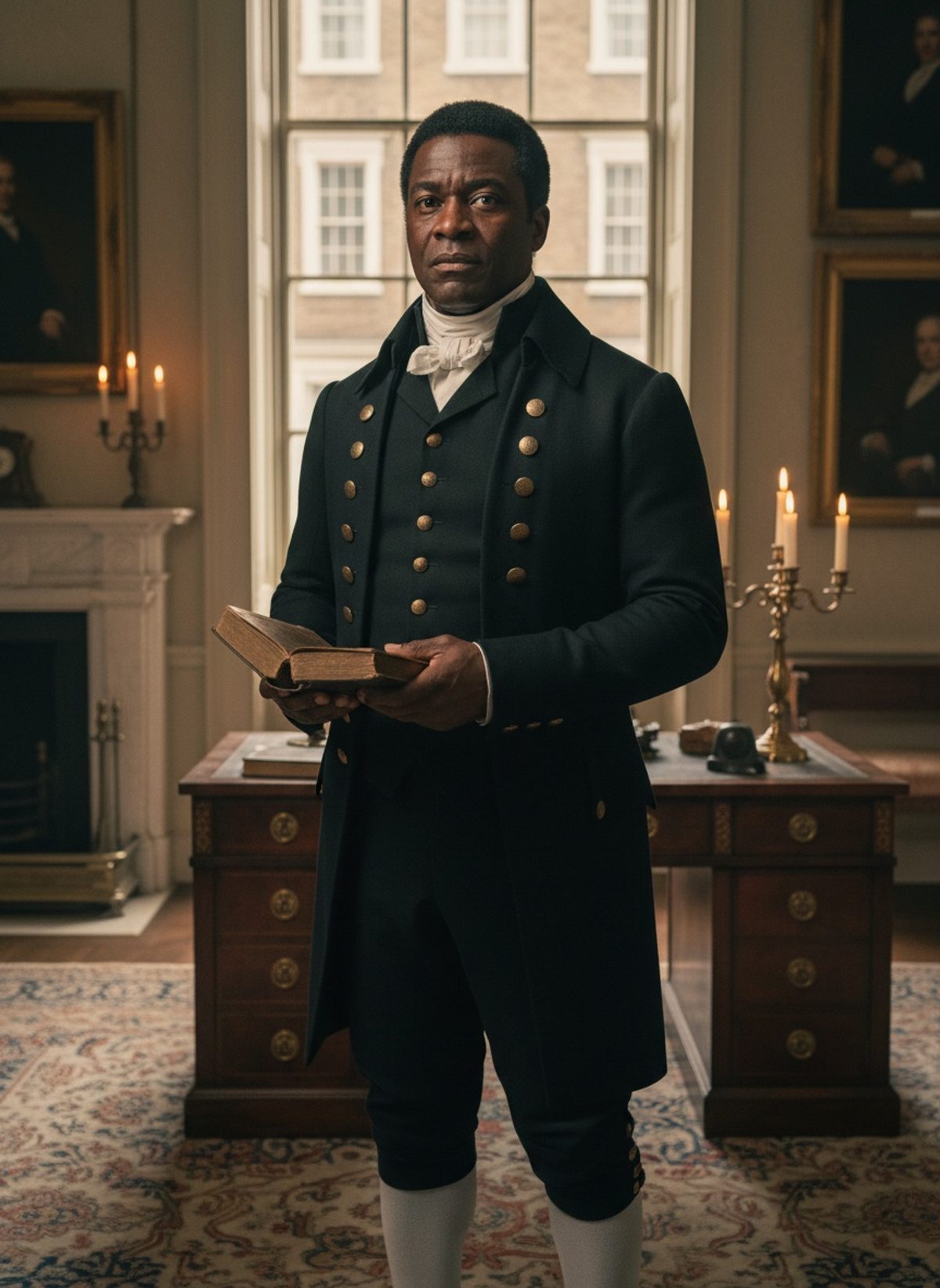
Born into a world where the slave trade was not only entrenched but an economic powerhouse for the British Empire, Wilberforce was an unlikely hero. He was short and slight, the son of a wealthy merchant, with a voice that quavered rather than boomed. However, beneath his delicate exterior lay a formidable sense of moral conviction. The corridors of power were filled with laughter at his expense, a reaction to his tireless fight against an institution defending powerful interests. For two decades, his persistence and resilience were tested time and time again. Yet, come February 1807, it was his voice that filled the House of Commons, and it was those very halls that rose to acclaim him.
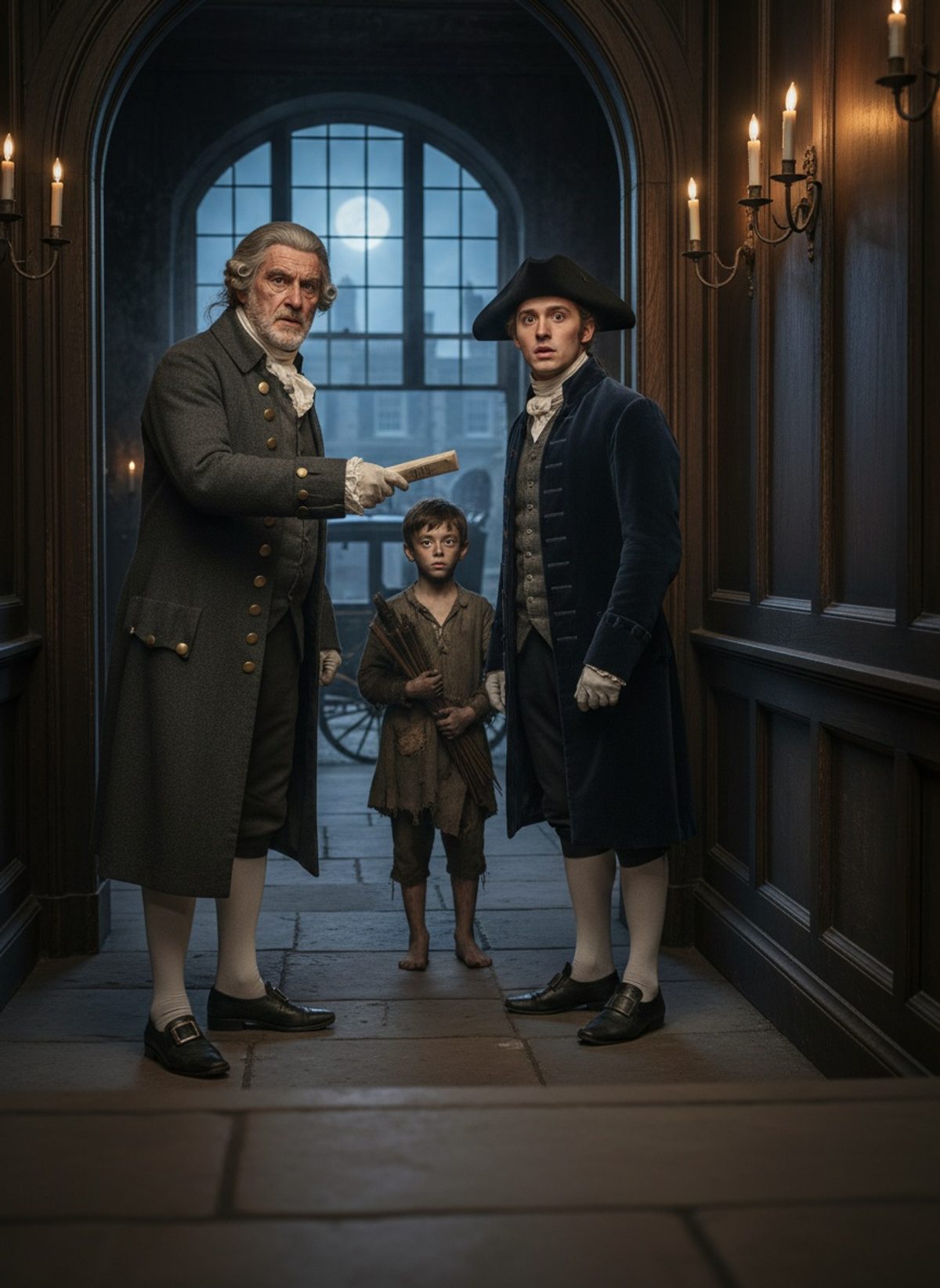
It began quietly, with meetings that seemed little more than polite salons of radical thought, where idealists and abolitionists gathered, their words promising but their influence thin as paper. The son of a blacksmith might seem an unlikely ally in this noble cause, but Thomas Clarkson, with tenacity equal to Wilberforce's, contributed more than fiery rhetoric to the abolitionist fire. Clarkson’s fieldwork across the English countryside brought evidence of the slave trade’s atrocities to light—chains designed not for metaphor but for flesh and blood, brutal tools confirming tales that many preferred to dismiss as exaggerations.
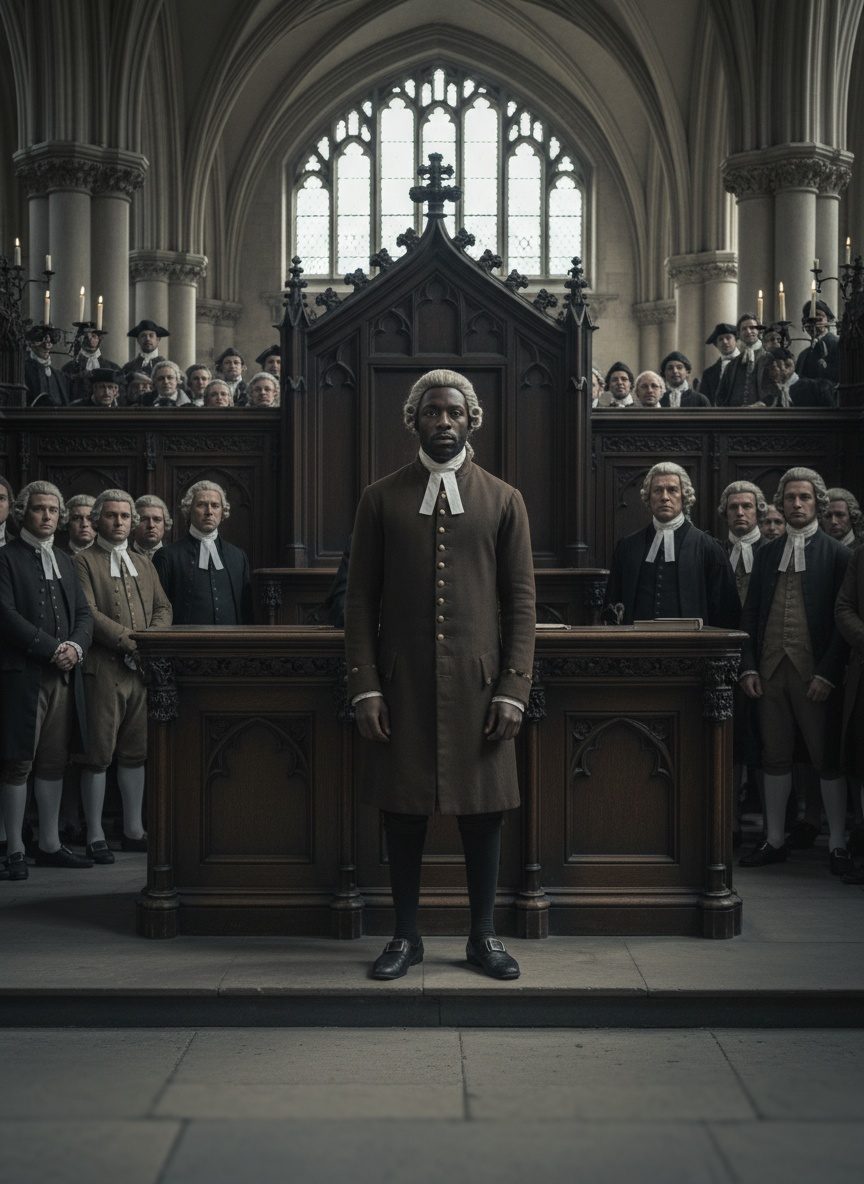
By the late 18th century, the pressure Wilberforce and his supporters exerted was becoming difficult to ignore. Under the maze of wigs and powdered faces in Parliament, his efforts were met with jeers and derision. The slave trade, after all, underpinned the prosperity of Britain’s growing empire. Ships laden with human cargo spilled over with more than suffering; they carried the profits of sugar, tobacco, and cotton industries, lining the pockets of merchants, insurers, and legislators alike.
Read next: The Day a Baronet Stood Up in Court and Freed His Slaves
Nevertheless, every new session of Parliament found Wilberforce prepared to introduce yet another bill to end this abhorrence. Rhetoric flowed, determined arguments were made, yet each vote was a reminder of how entrenched slavery had become. His opponents mocked him not just out of self-interest but sometimes with genuine disbelief—a quaint notion against the tides of empire that had made Britain wealthy and powerful. The fate of Africa and her diaspora seemed hopelessly intertwined with the fate of British prosperity.
In this prevailing wind of skepticism and scorn, Wilberforce refused to swerve from his path. Though many allies grew disheartened, he remained steadfast. What most did not watch for, however, was the monumental shift taking place just beneath the polite surface of British society. Public opinion was ever so slowly shifting. The grotesque truths unearthed by Clarkson and others began circulating against the backdrop of eloquent pleas by abolitionists. Pamphlets—those clandestine agents of change—moved from hand to hand, filled with tales of despair and inhumanity that contrasted sharply with Britain’s purported enlightened values.
Parliamentary strategies were recalibrated, rhetorical flourishes honed to a razor’s edge. The moral argument for abolition had, bit by bit, become bolstered by practical ones. The haunting tales of the Zong massacre and stories of uprisings on slave ships reverberated with a populace whose conscience was awakening. This shift was reflected in the halls of power, where laughter at Wilberforce’s expense gave way increasingly to sober contemplation and eventually agreement.
As the country faced the dawn of the 19th century, the world was already changing. The echoes of the American Revolution and the still-smoking aftermath of the French Revolution offered their lessons—the idea of liberty was contagious and unstoppable. Though it seemed an impossible dream, hope began to weave through the fabric of British society. If liberty could sway entire nations, surely it could touch the heart of one grim institution.
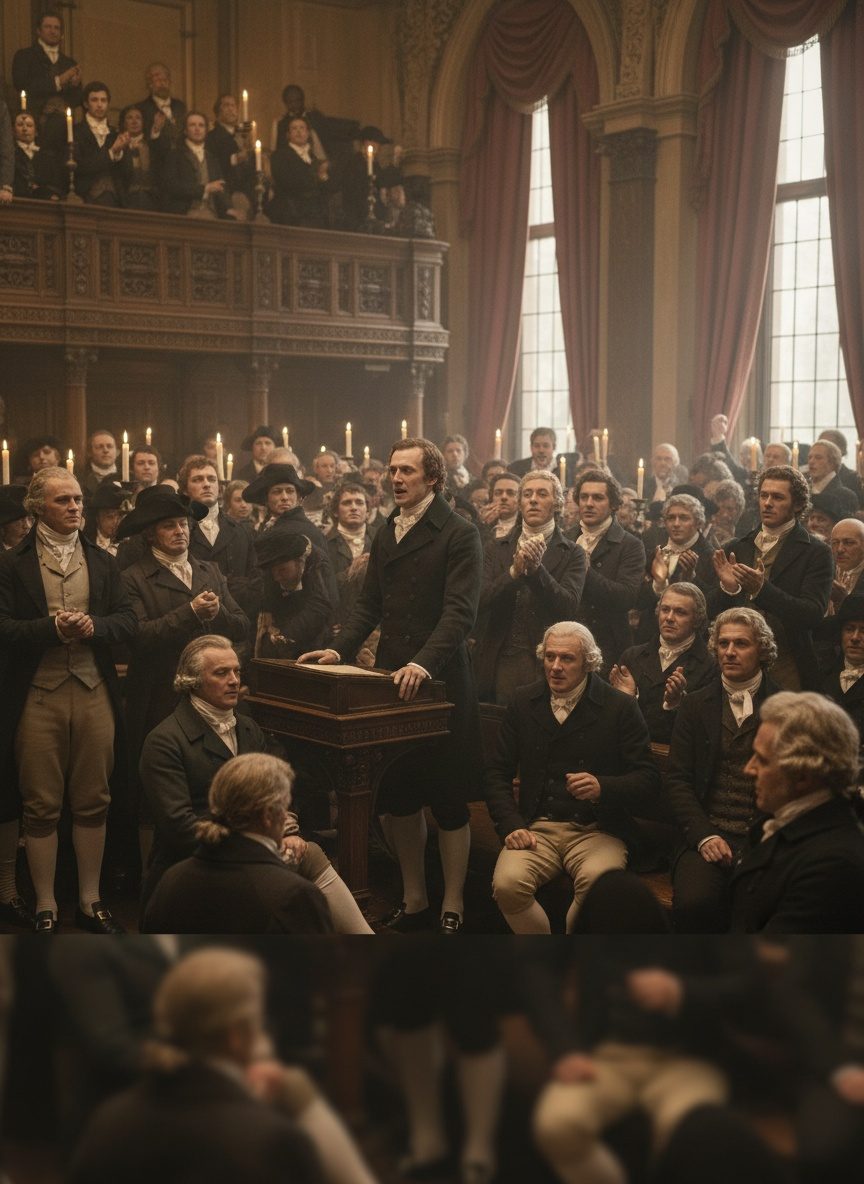
The day finally came on February 23, 1807. It marked not only a crucial moment in British history but also a testament to Wilberforce's unyielding resolve. In the House of Commons, voices rose, this time in allied harmony, slowly drowning out those who argued for pragmatism over principle. The Bill for the Abolition of the Slave Trade passed the House of Commons with an overwhelming majority, its sound reverberating not just within the stone walls of that chamber but across vast oceans and through history itself.
As the final votes were tallied, the tears flowed. For the members of Parliament once derisive of Wilberforce’s quest, it was an epiphany. For Wilberforce and those who stood beside him, it was an end, but not a conclusion. It was the culmination of twenty years of derision transformed into decision. What had once seemed a futility had shifted an entire nation's course.
The day a blacksmith’s son and a frail parliamentarian turned the world’s strongest empire toward justice is more than a footnote in the expansive scroll of history. It is a reminder—a warning, even—of the power of perseverance driven by moral clarity. The implications of the abolition movement would echo, inspiring future generations long after the paper on which the vote was cast had yellowed with age. In stepping down from that parliamentary stage, Wilberforce left a legacy far beyond laws—a relentless conviction that still whispers courage across years, urging those listening to stand, even when the world sits in ignorance.