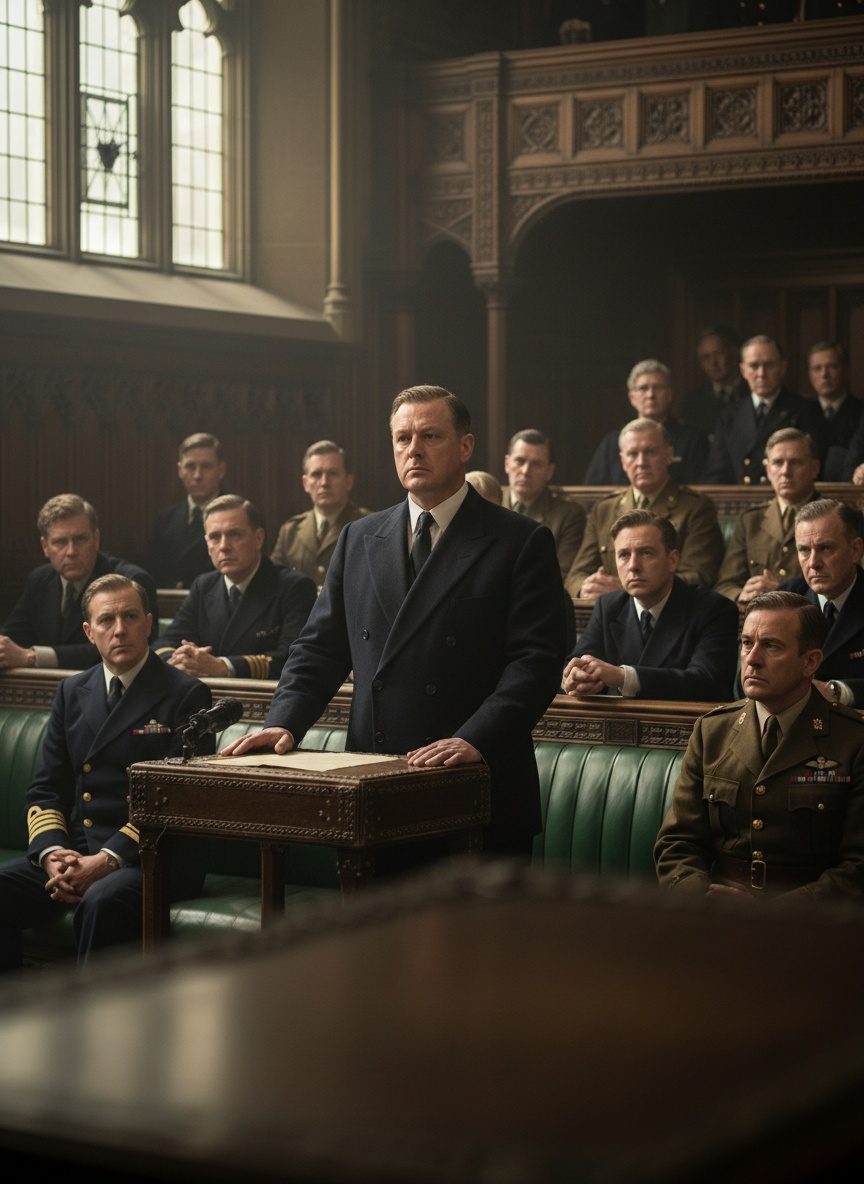
Victory and defeat. One was not Churchill's to offer, the other hung within everyone’s sight. On the afternoon of June 4, 1940, Winston Churchill rose before the House of Commons, not to herald a miracle but to shatter any illusion of one. What people remember as his defiant rallying cry, crafted meticulously into the annals of history, was, in its essence, a speech underpinned by brutal honesty and stark reality. The image of triumph was mere perception; those who cheered did not grasp that the very sinews of defense had been left behind on the desolate beaches of Dunkirk, a grim reminder that survival does not equal victory.
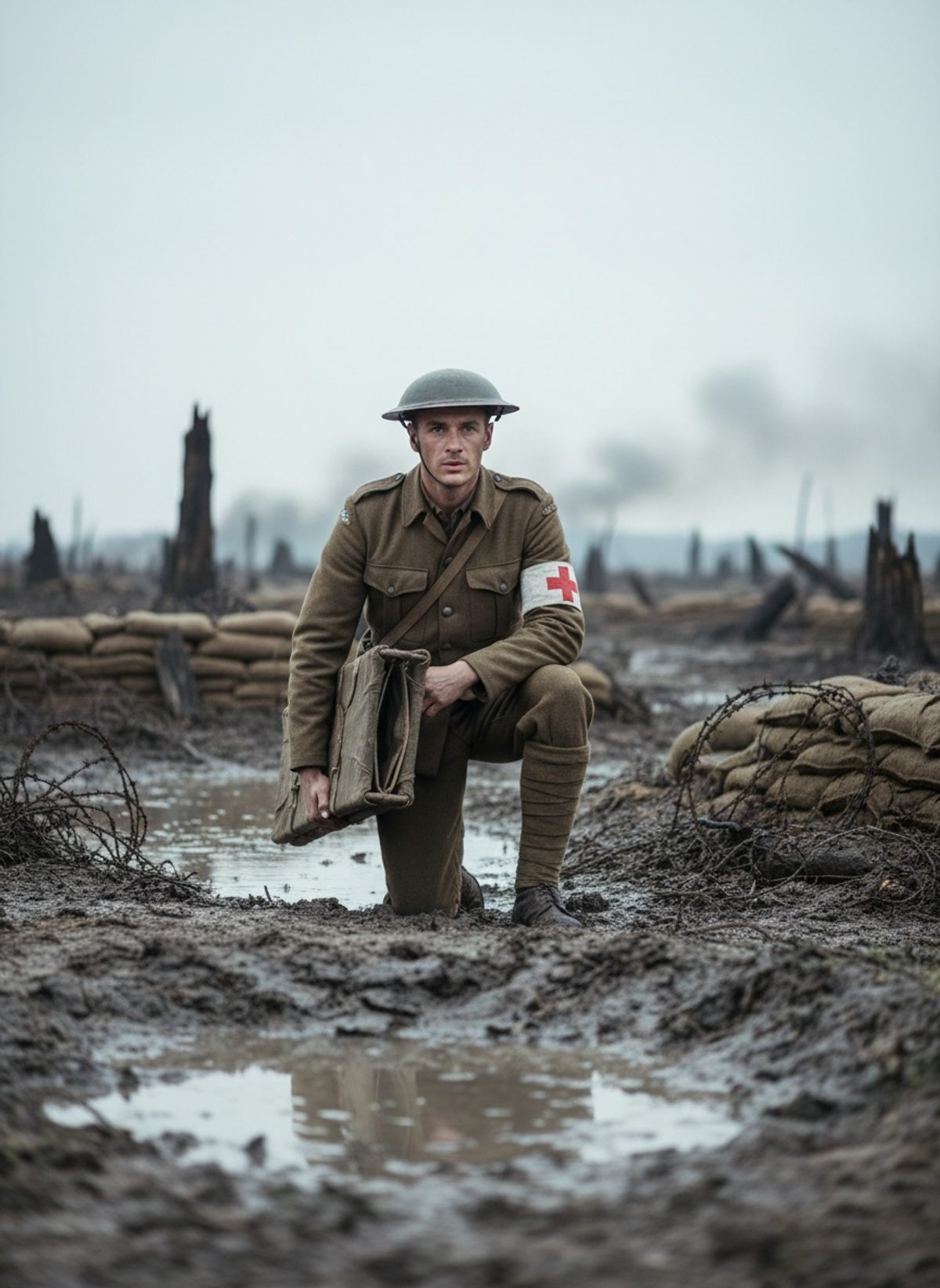
The saga of Dunkirk had unfurled over the preceding days, a desperate evacuation known as Operation Dynamo. The British Expeditionary Force, alongside French and Belgian soldiers, had been cornered by the German Wehrmacht. The English Channel, that thin ribbon of water separating Britain from the chaos of continental Europe, became the lifeline for more than 330,000 allied troops. Civilian vessels of every kind joined naval ships to rescue the soldiers from the grim sands of Dunkirk. This armada of salvation repurposed the very essence of British pluck. How they came to leave the beaches, however, was not the inherent miracle touted by many. Instead, it was the result of little more than grim perseverance amid chaos and bloodshed.
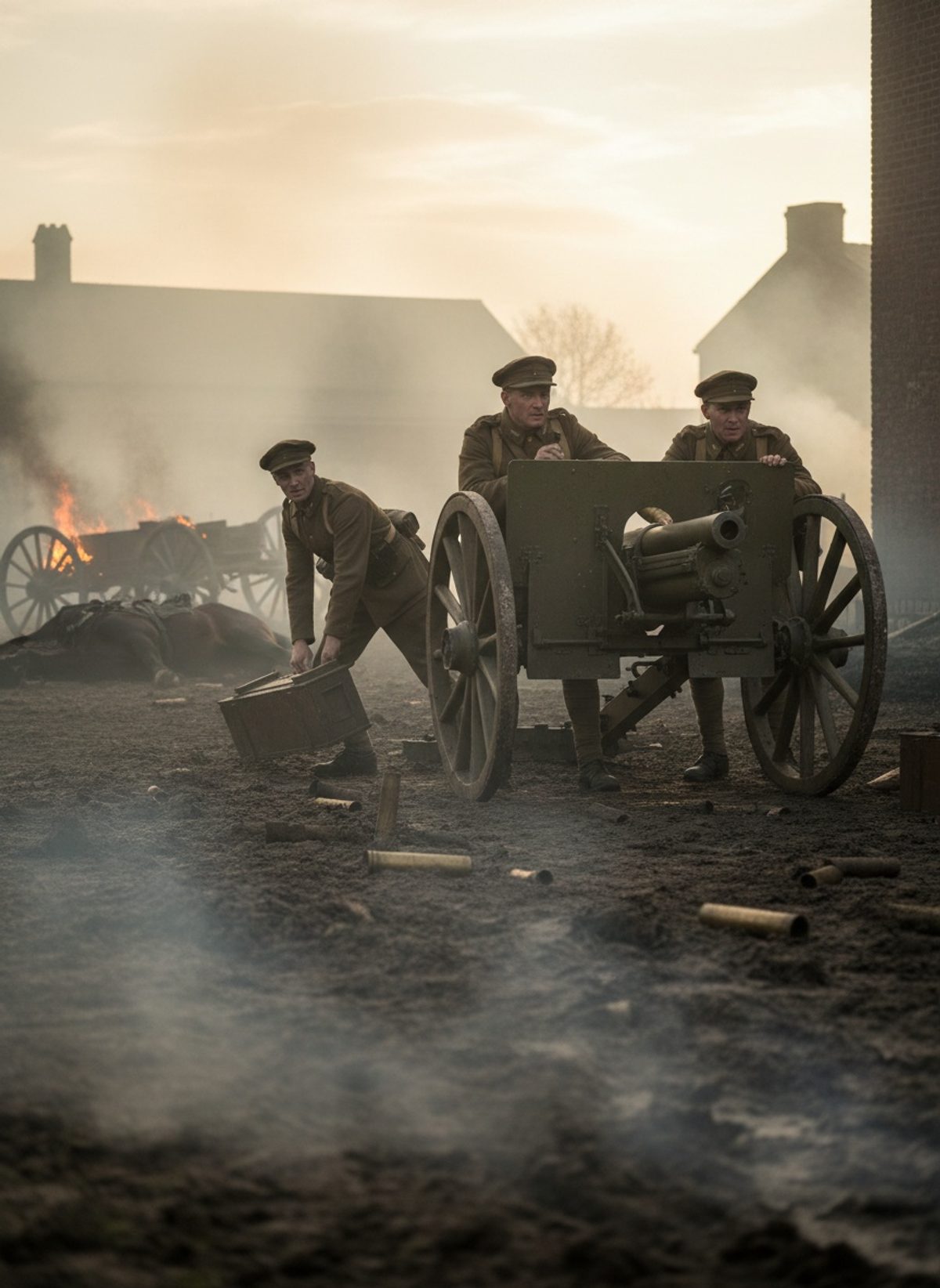
Churchill understood the importance of rallying public morale. Yet, he was never one to deny the crude truths of a situation, even when they tasted bitter. "We shall never surrender," he famously declared that day, a phrase etched into Britain's collective memory. But before this defiant promise echoed, Churchill had laid bare the severity of the predicament Britain faced. For amidst the jubilation of the army's return, Britain was starkly unprepared for the overwhelming force that loomed just across the channel. They had rescued men but left nearly all heavy equipment behind. In the sands of Dunkirk, the weapons—the tanks, the trucks, the artillery—they were not there, and what wasn’t there spoke louder than those troops returning home.
As Churchill stood before the Commons, decorum demanded a narrative of triumph. But Churchill's devotion to the truth was irrepressible. He warned against the premature assumption of safety. Quite simply, the Army had made it home, but it was a hollow force. “Wars are not won by evacuations,” he intoned, a statement of sobering clarity amid the echoing cheers. The rescue had restored bodies, but Britain’s capacity to wage war was on the brink of compensation. The rifles left for German spoils, the shattered artillery pieces, and the hollow air of a retreat—these were the unspoken truths that risked being overshadowed by the desire for good news.
Read next: The Day a British Padre Carried the Dying From No Man's Land
Drenching the commons in reality, Churchill laid Britain's strategic soul bare. There would be no whitewashing of the ordeal. "What has happened in France and Belgium is a colossal military disaster," he pronounced. Yet his candor was not an abdication of hope but an invocation of resilience. By naming the disaster, he bridged the chasm between false security and muted resolve, urging Britons to muster an unwavering spirit, tempered in the fires of reality, rather than the illusions of temporary reprieve.
Across the channel, the fallen equipment gleamed in the sun, the spoils of war. More than the tangible loss, the moral quandary simmered: Could the Empire stand firm in its resolve with such grievous losses? The Dunkirk spirit, as it came to be known, became symbolized by the unity and determination forged amidst the landings and the miraculous retreat. However, Churchill’s speech underscored the miles separating steadfast courage from comprehensive victory. Told in layers—first the bitter truth, then the call for resolute courage—it beckoned listeners towards a nuanced understanding of triumph and survival.
Churchill's artful construction of the speech, its cadence building from stark enumeration to grim defiance, served not only to temper public intoxication with premature relief but to imbue a deeper call to arms. "We shall fight on the beaches, we shall fight on the landing grounds"—words that invoked landscapes of war not yet tread. In them, lay an undeniable exhortation, a nation's row of stepping stones leading from the present darkness to the hopeful dawn of perseverance.
As the days turned, the country stiffened its resolve. The harsh reality of lost armaments incited hurried re-armament efforts. Churchill's rousing call transformed into a directive, a challenge echoing from parliaments to factories. And from this place of honesty arose the fortitude that would ultimately propel Britain into a league of Allied powerhouses, pivotal in the sweeping counteractions to come. The June 4 speech remains a singular reminder that true leadership confronts the rugged edifice of despair more than it seeks applause. It speaks to the intrinsic nature of courage—raw, unadorned, and deeply intertwined with truth.
In studying that fateful afternoon, one discovers more than rhetoric; it reveals a pivotal moment in leadership, a moment where truth reclaimed its power over comforting illusion. Each word Churchill crafted acted as both anchor and sail, securing a nation to its imperiled reality while propelling it towards the embrace of an arduous, undeniable future. Alongside the iconic refrain of defiance that history has canonized lay the exhortations to remember what was lost and what yet had to be fought for in the months to come. Today, let it remind us not only of the steely resolve of a storied past but also of the enduring truth: resilience lies in the courage to face harsh realities, to thread the needle between hope and naked truth.