1837 – 1901
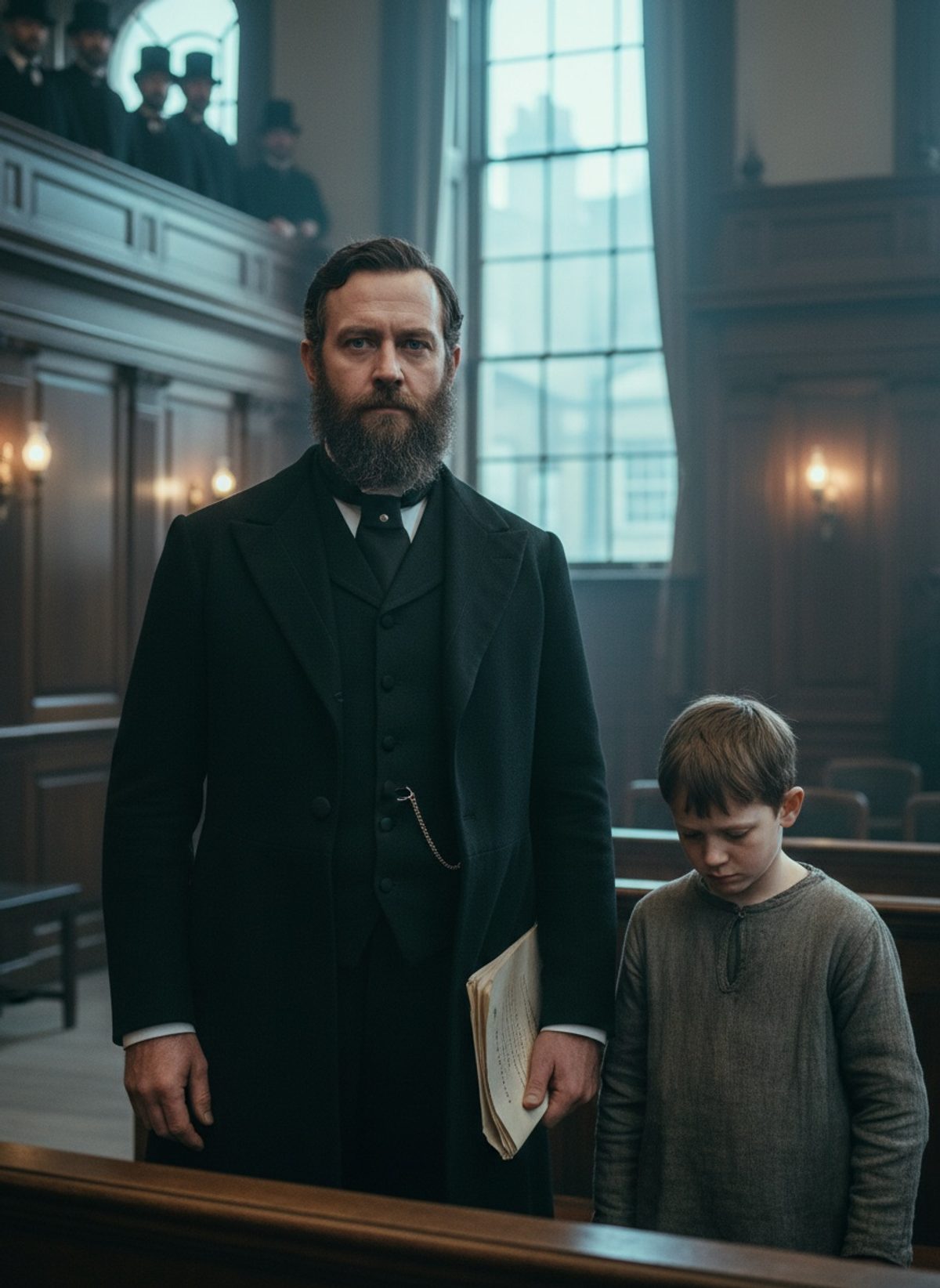
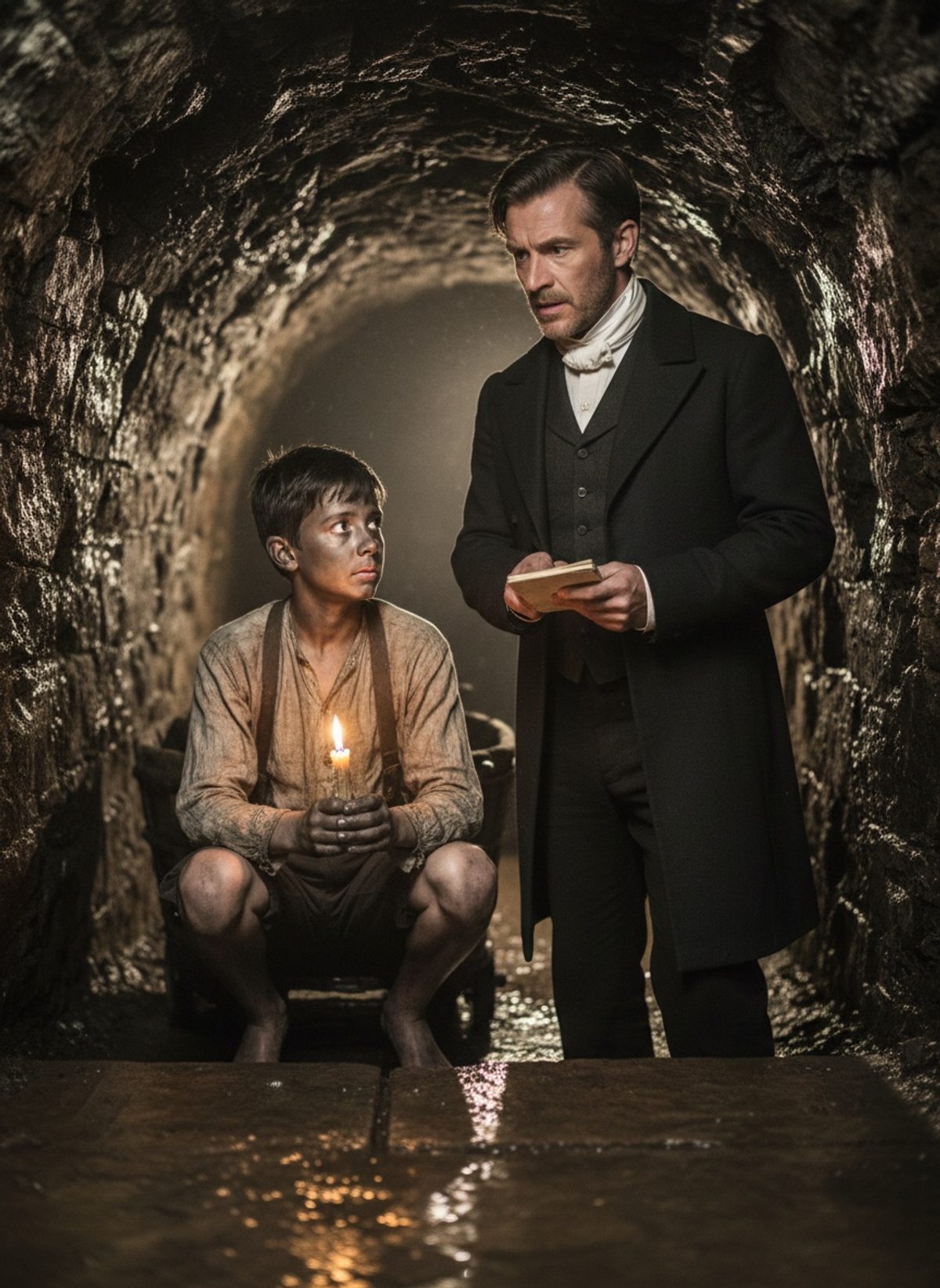
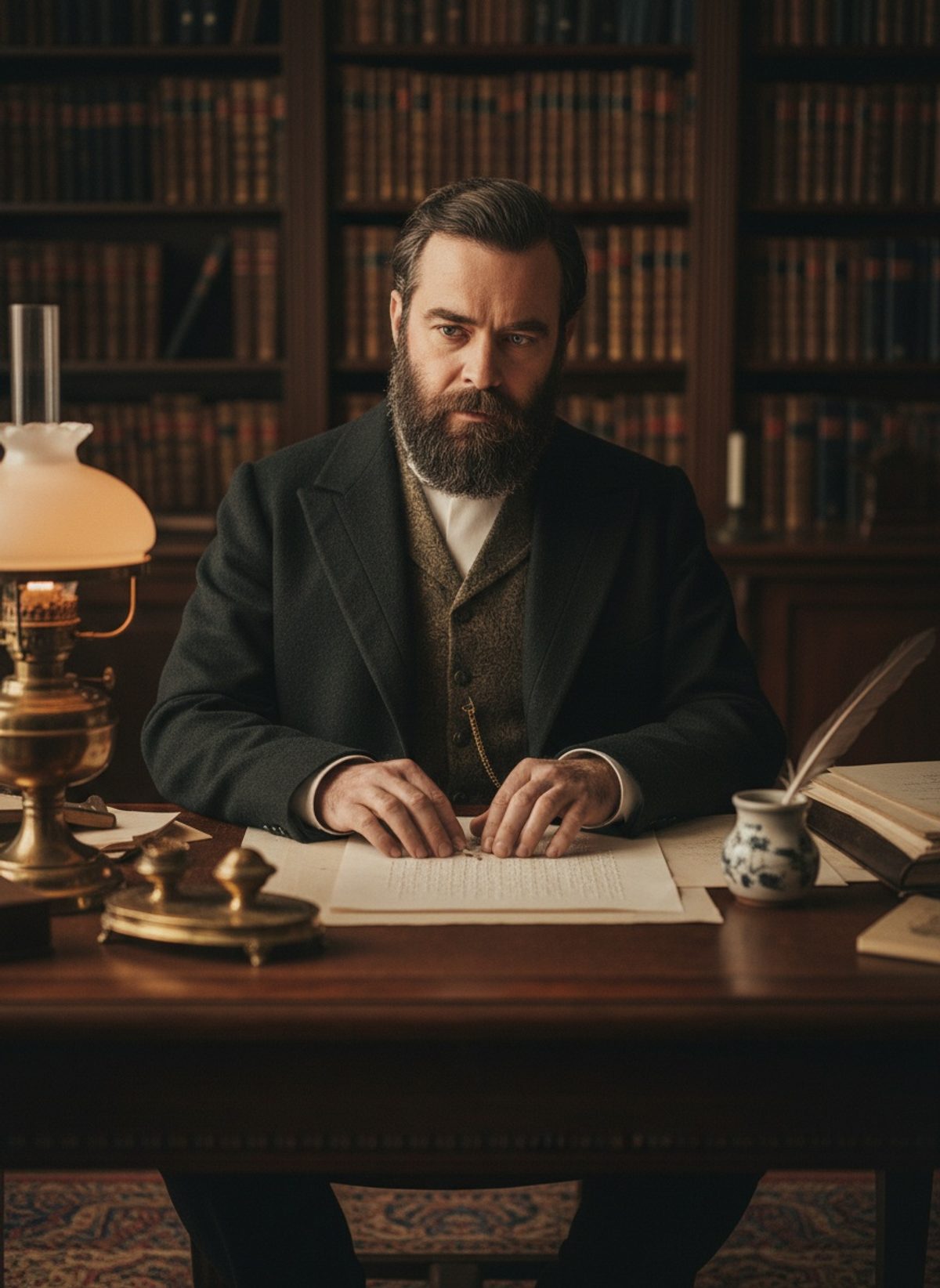
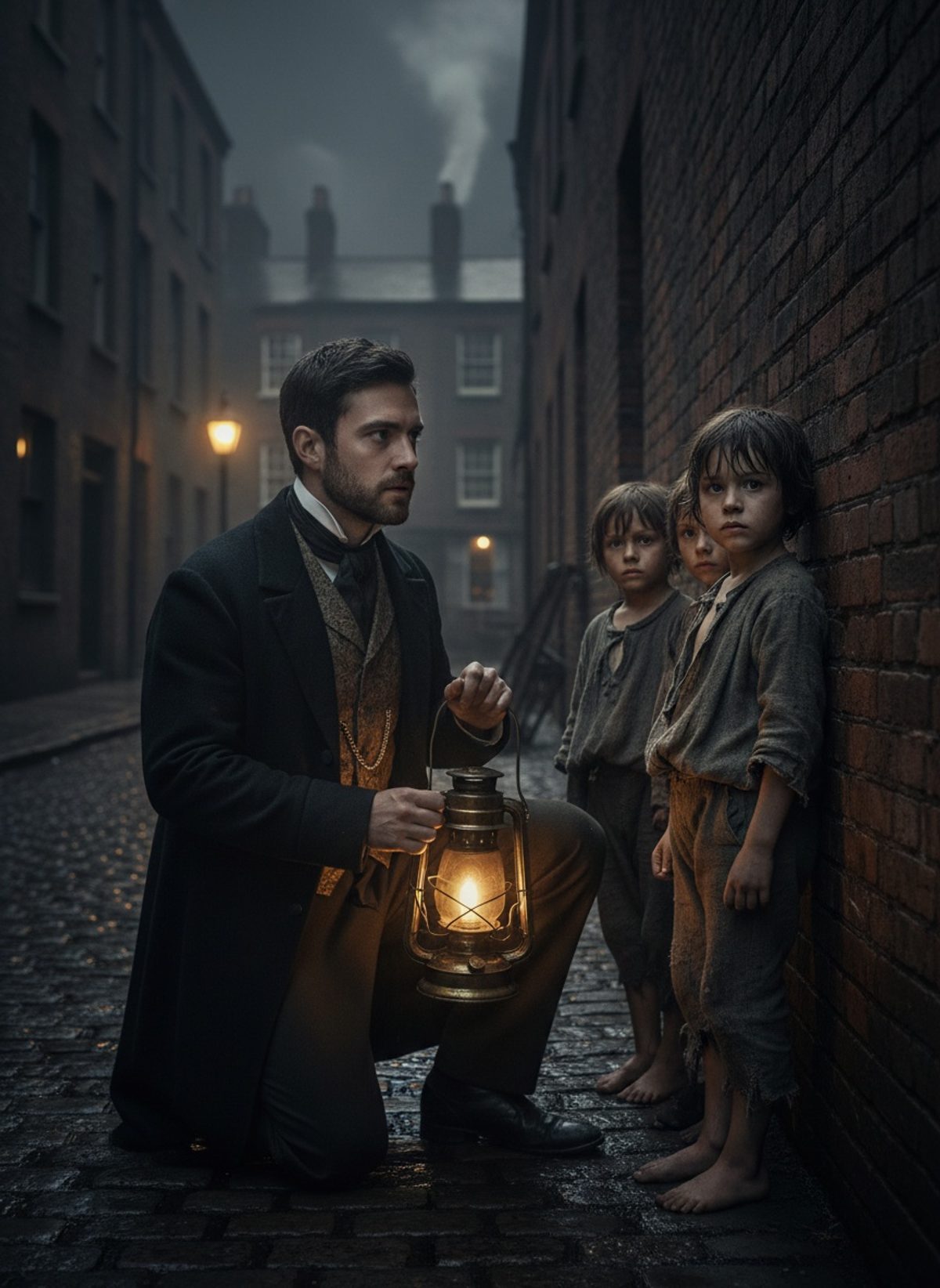
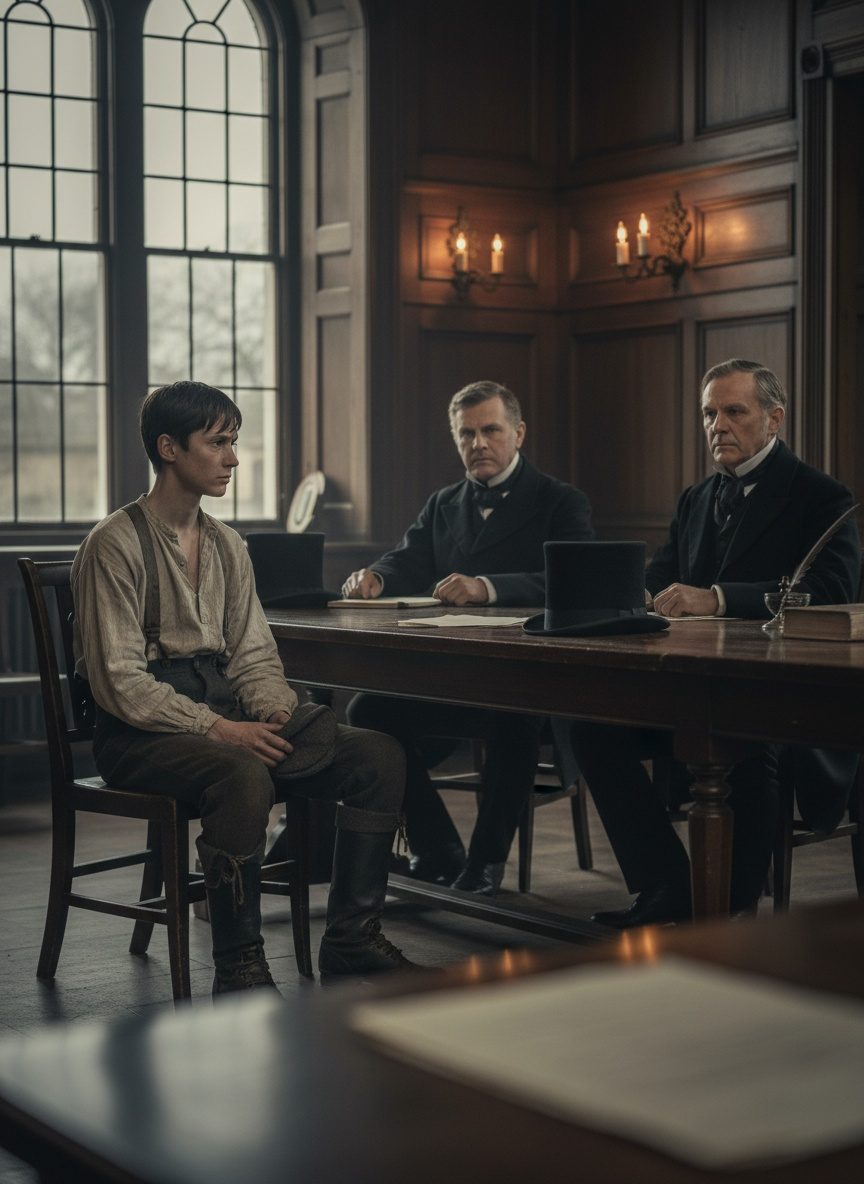
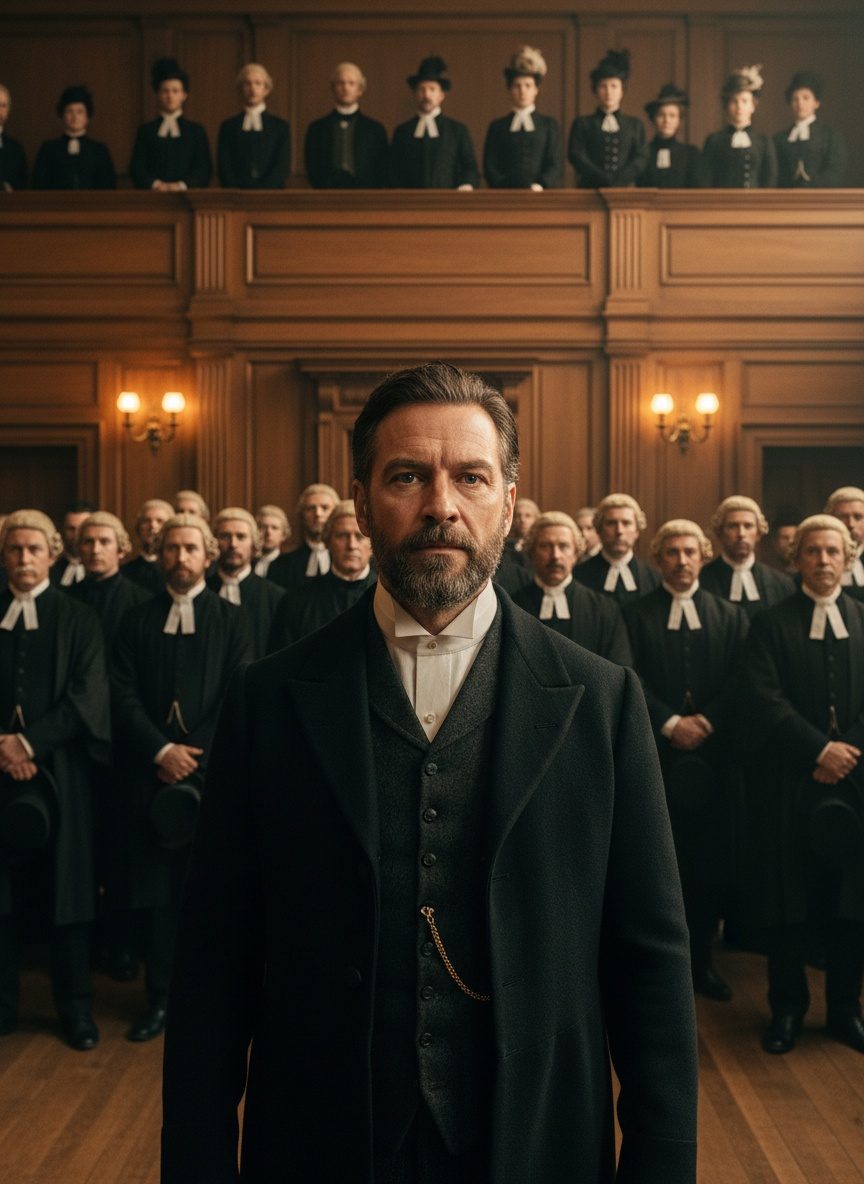
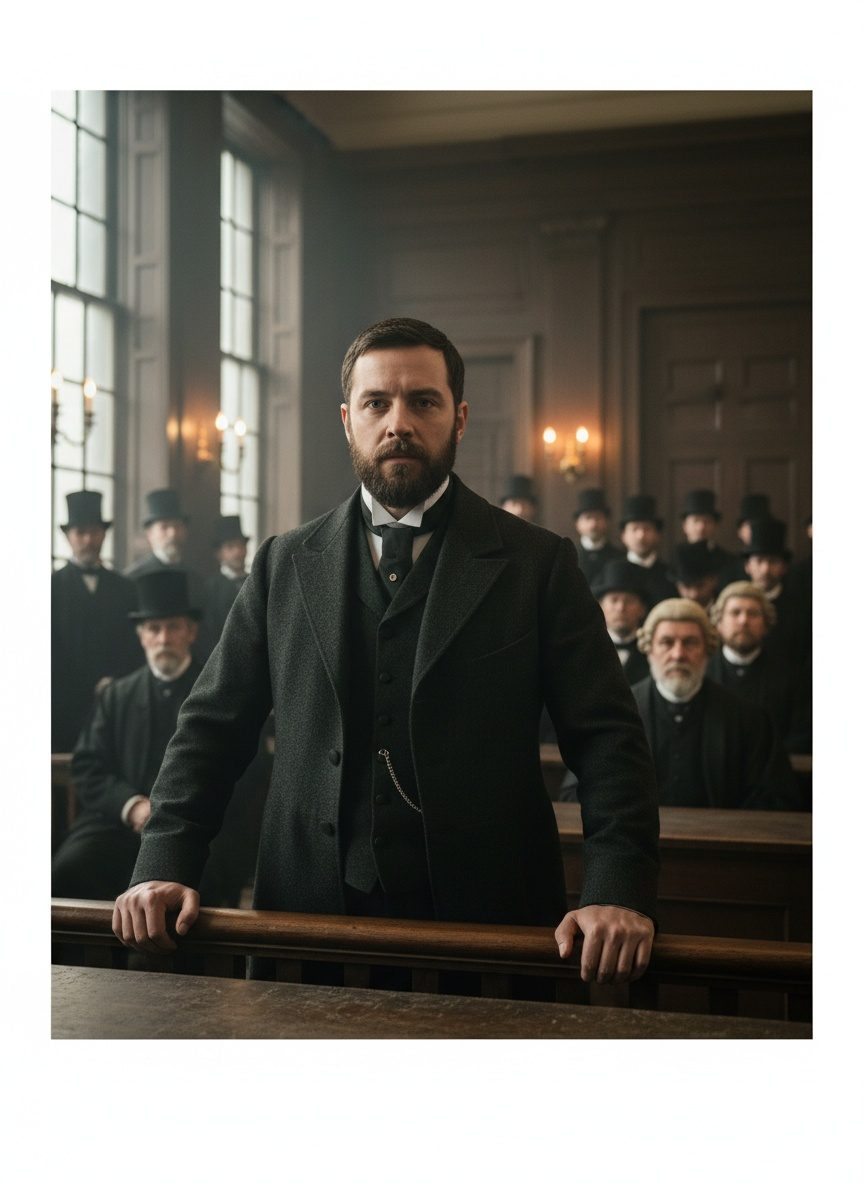
London. 1884. A twelve-year-old chimney sweep lay dying in a workhouse ward. Nobody would act. One man stepped forward. He walked into court. He named the master responsible. He did not leave until the boy was free.
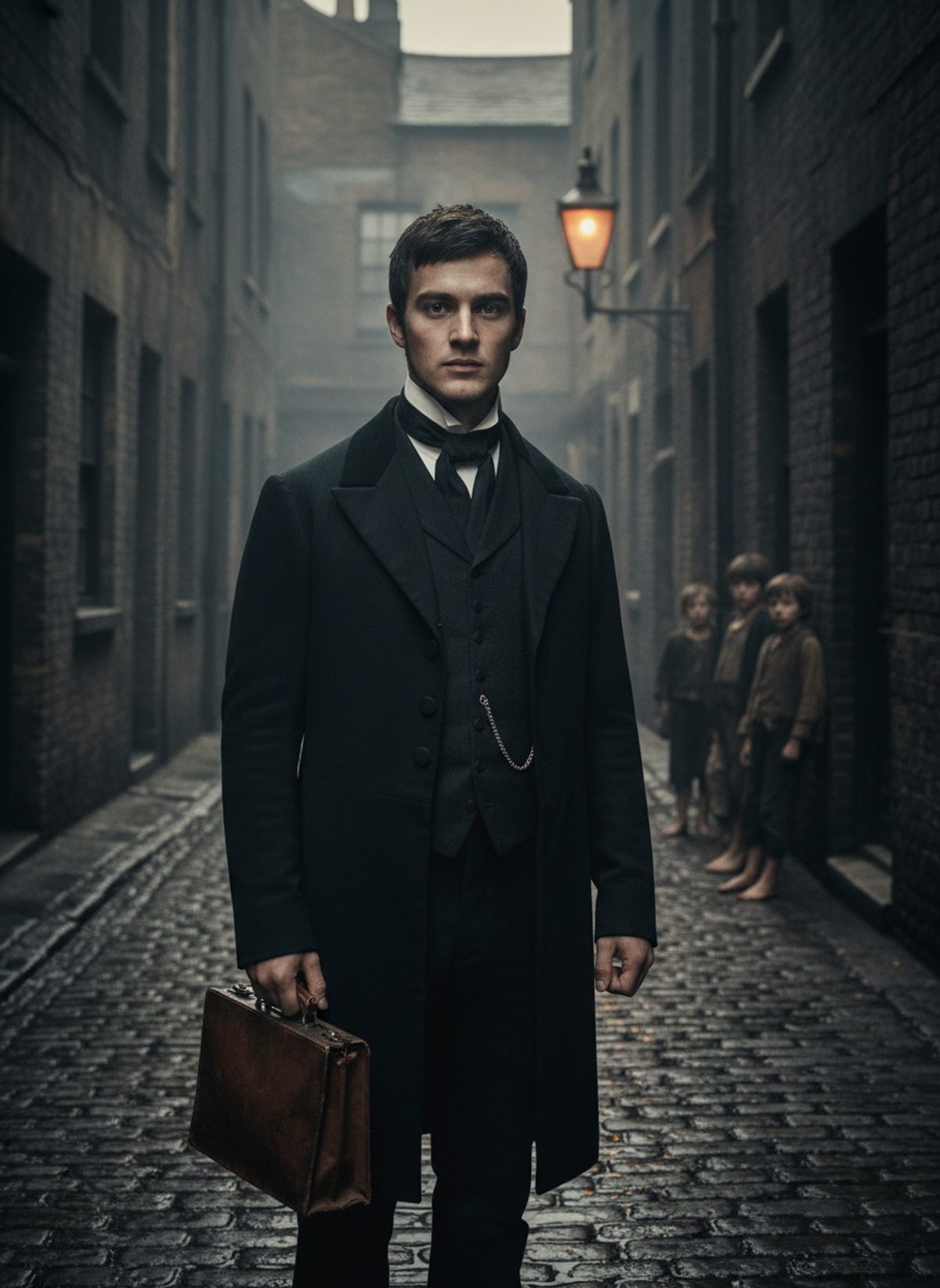
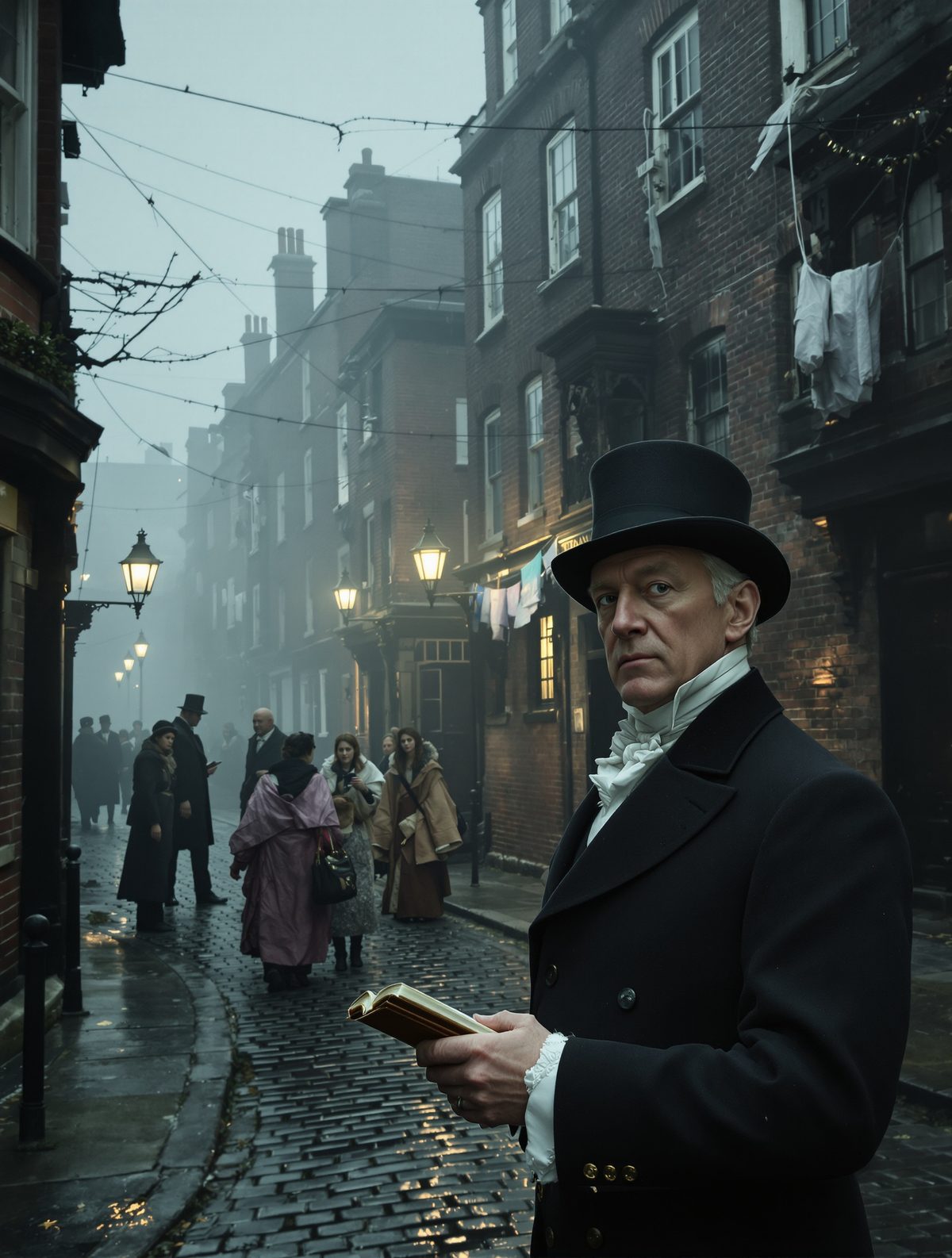
London, 1866. Cholera was spreading through the East End. Everyone with means had fled. One doctor stayed. Thomas Barnardo walked into the worst courts in Whitechapel. What he found there changed Britain forever.
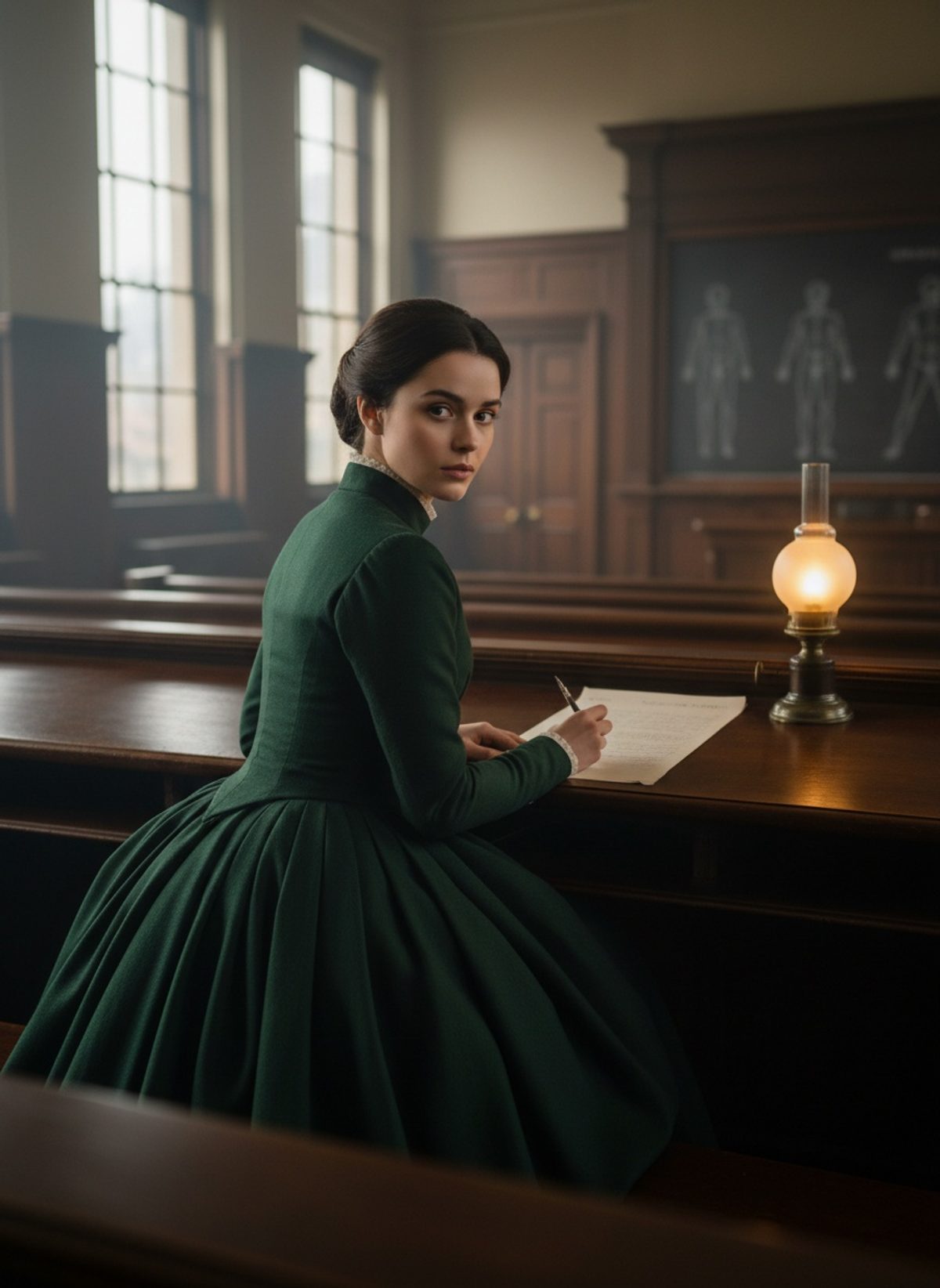
London. 1865. Elizabeth Garrett sat the Society of Apothecaries exam. Every medical school had turned her away. She sat alone. She passed. She became Britain's first qualified female doctor.
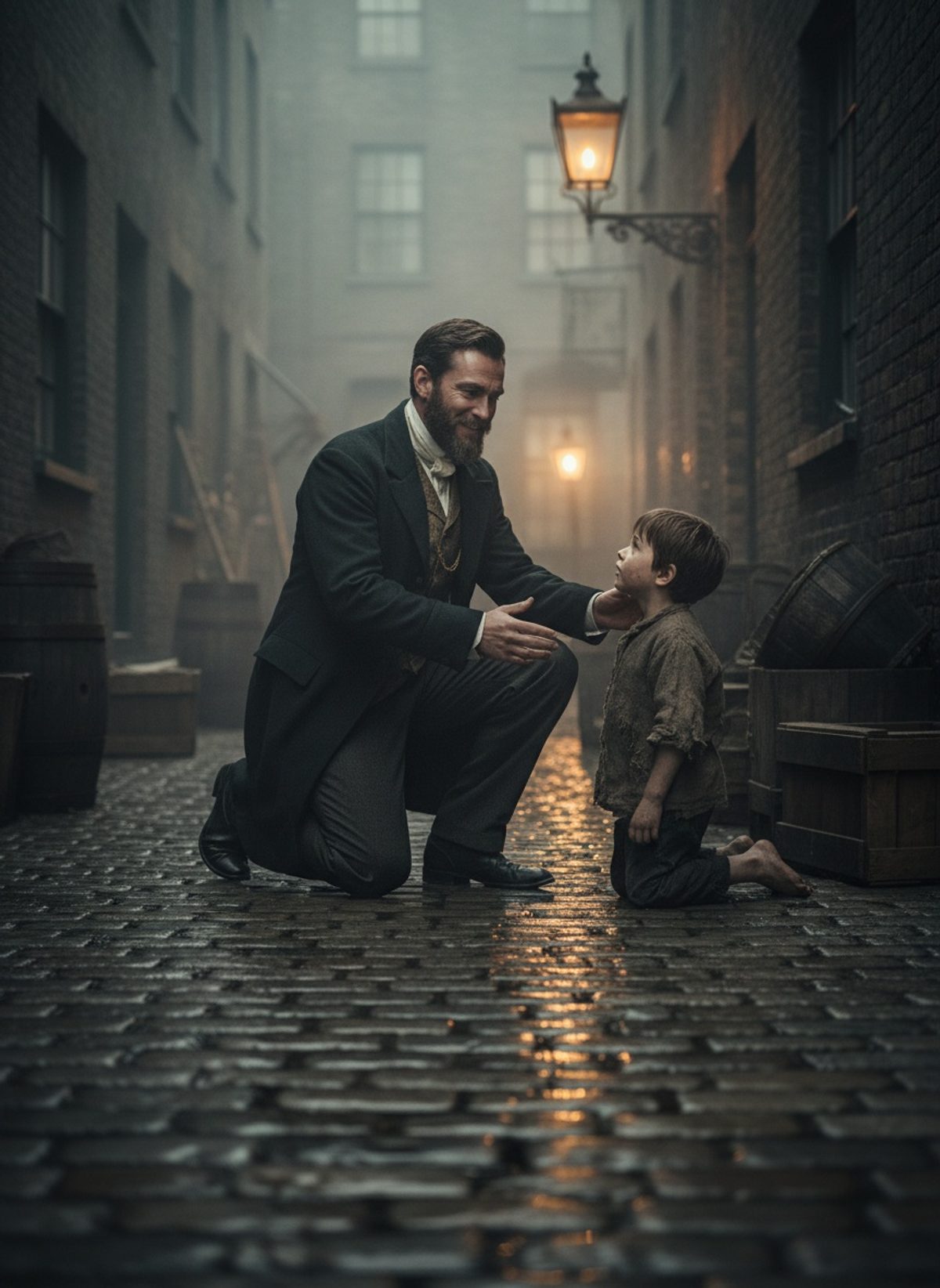
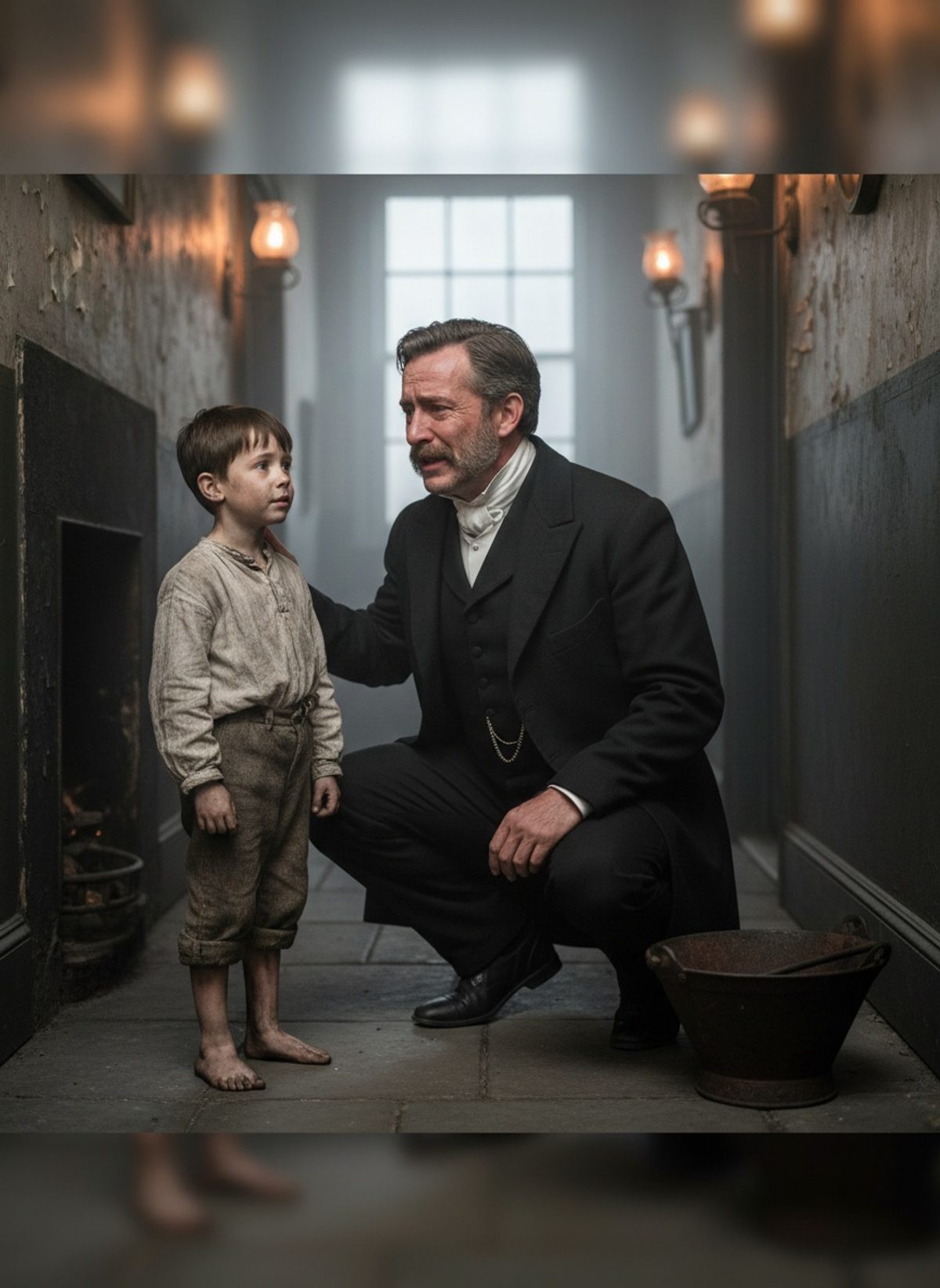
London, 1884. Thomas Barnardo found a boy dying in a freezing gutter. He carried him inside. The boy had nowhere else to go. Barnardo opened his doors to every child after that. He never turned one away.
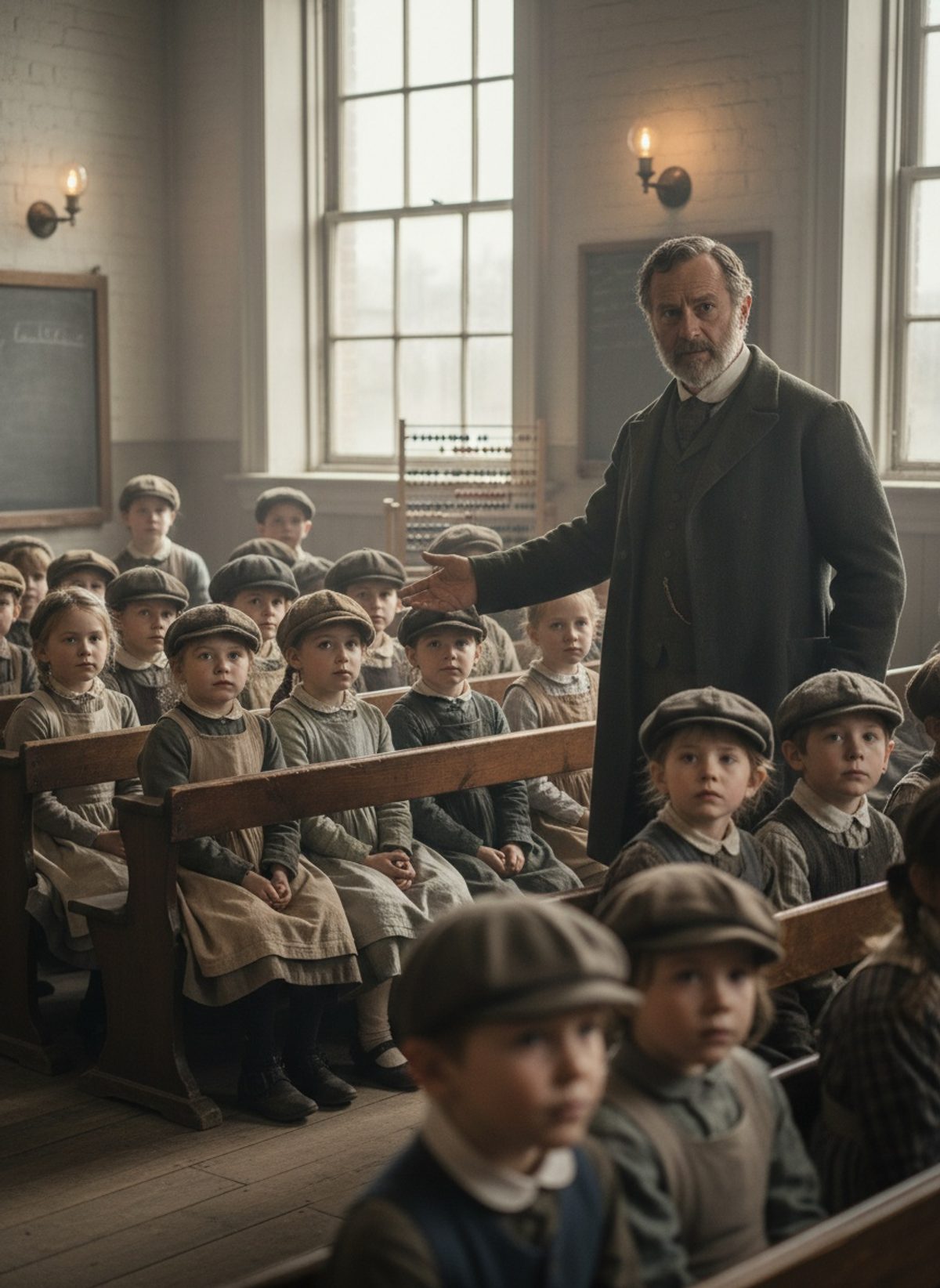
London, 1868. Samuel Wilderspin was dying. Decades of work for the poorest children lay behind him. He had taught Britain that small children could think. That they deserved schools. That they were worth saving.
London. 1840. Thousands of boys swept chimneys blind and broken. One man refused to look away. Charles Kingsley walked into Parliament and wept. Then he went back. And back again. Until the law changed.
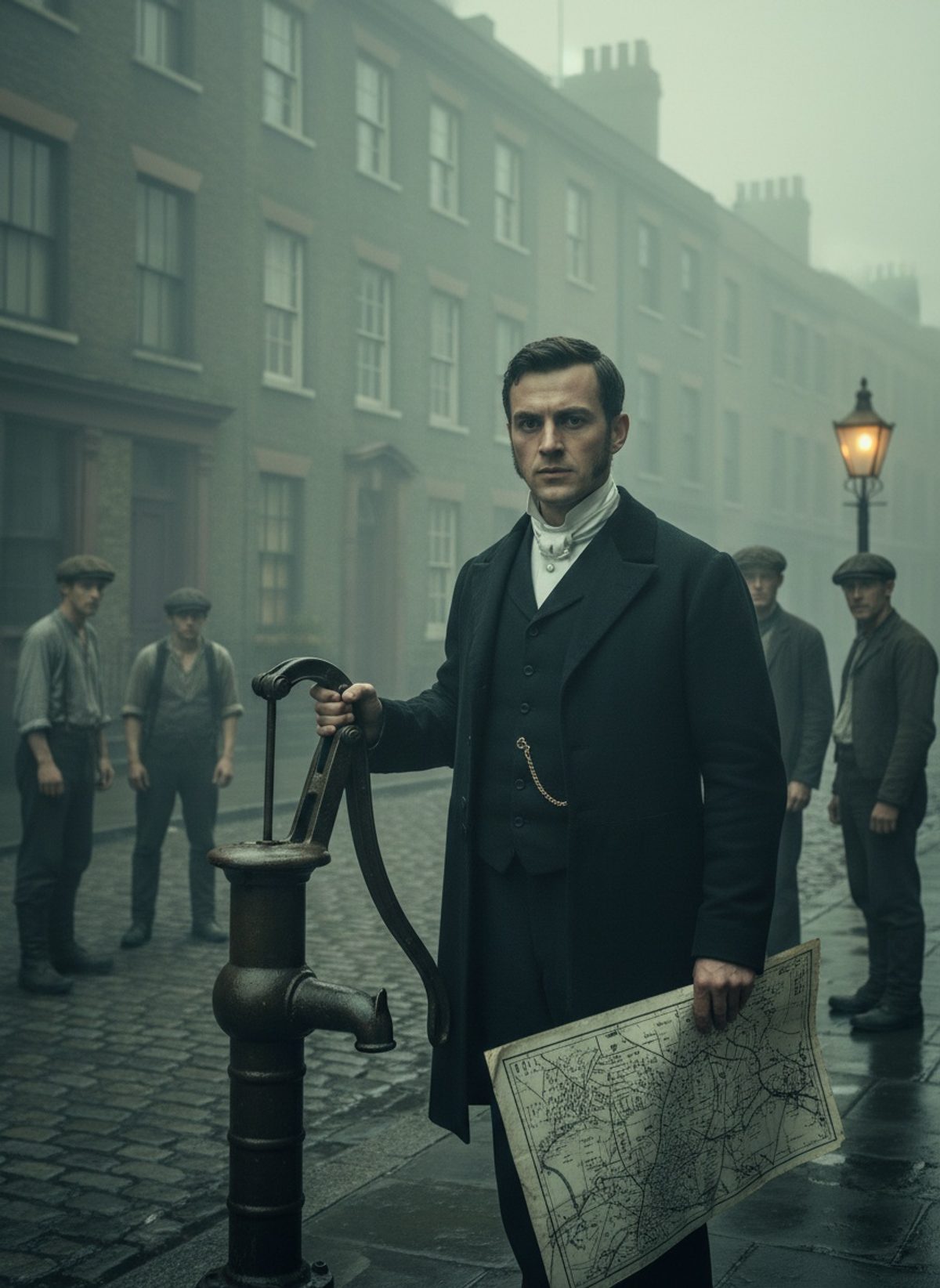
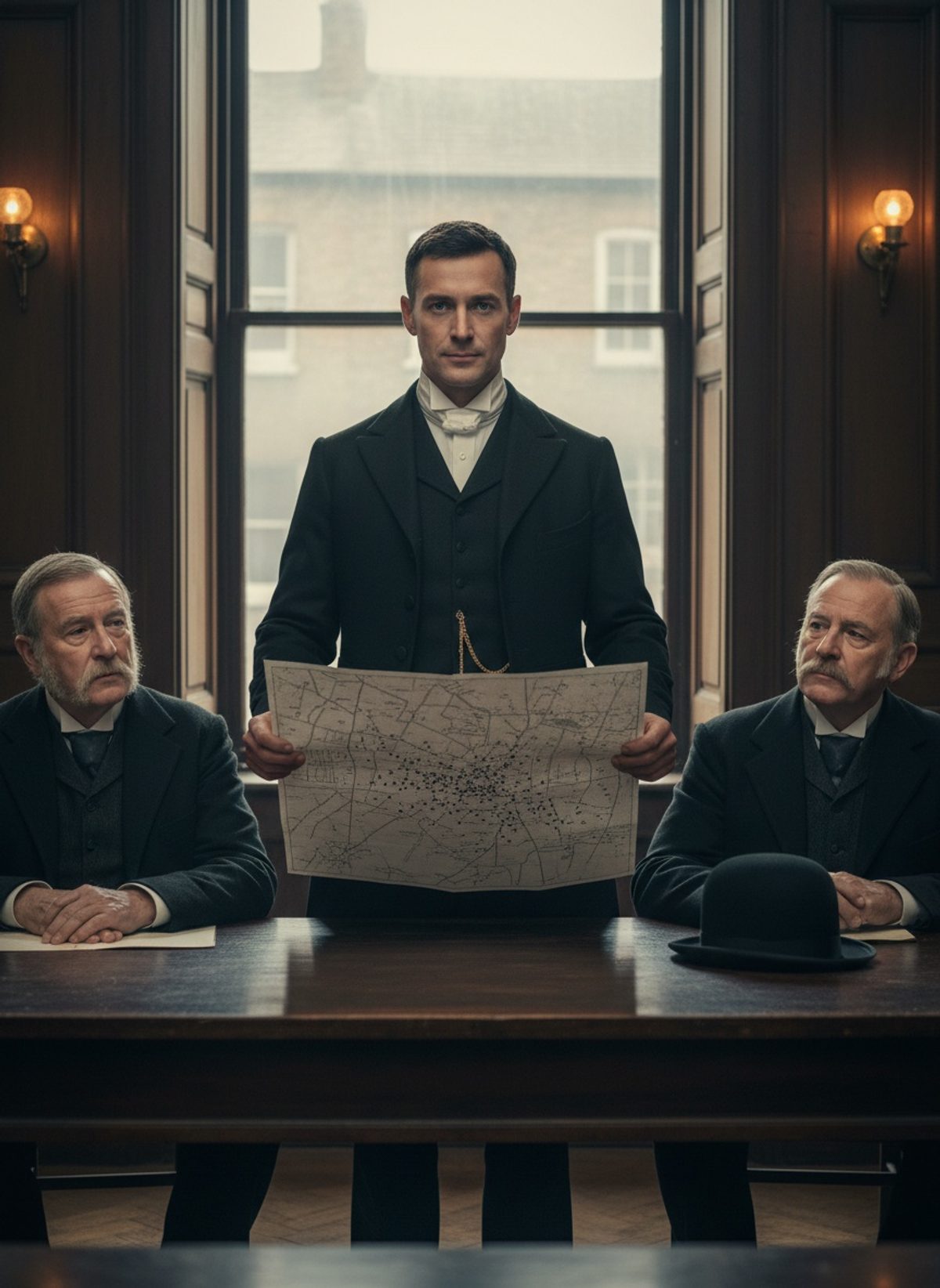
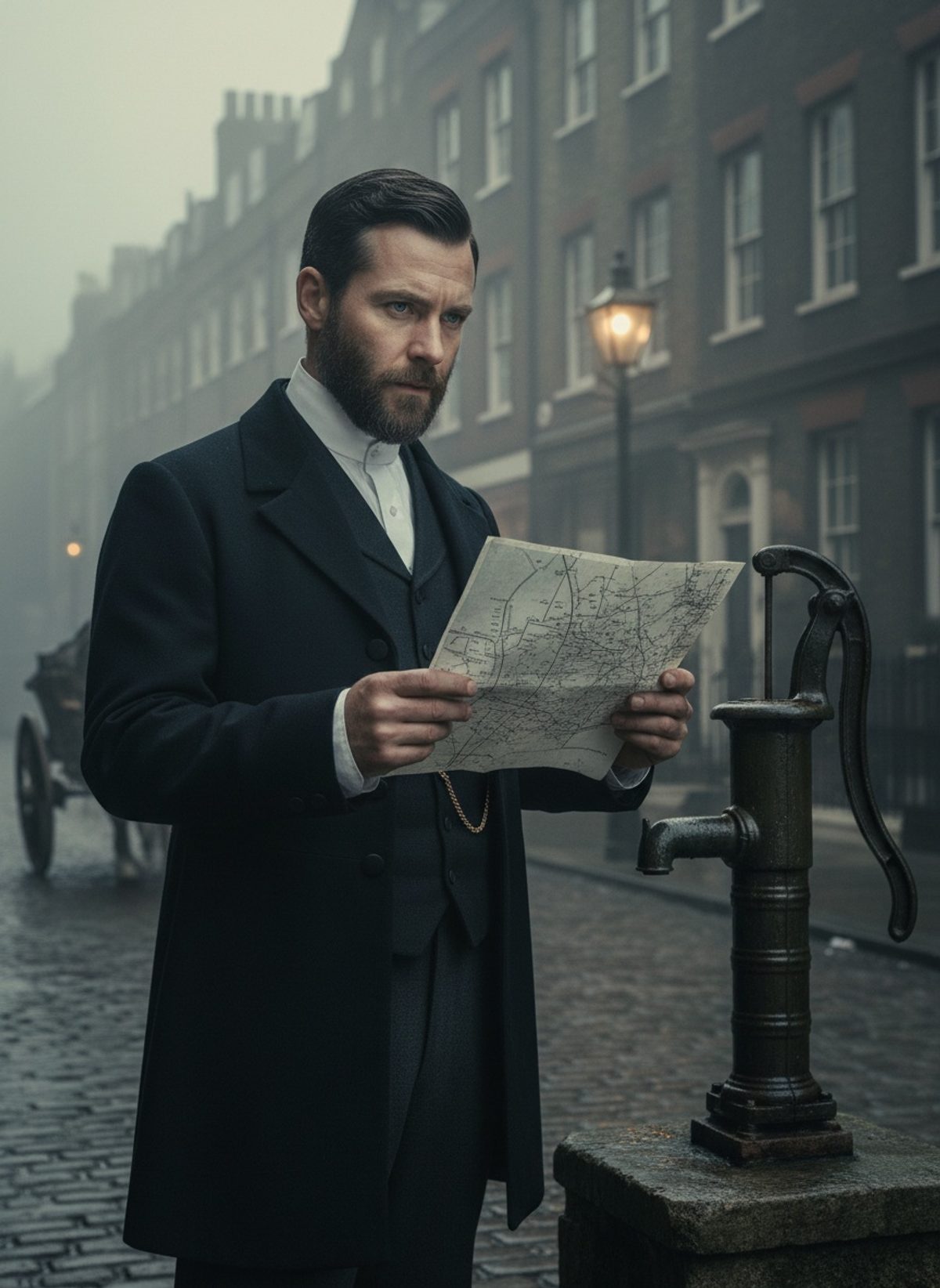
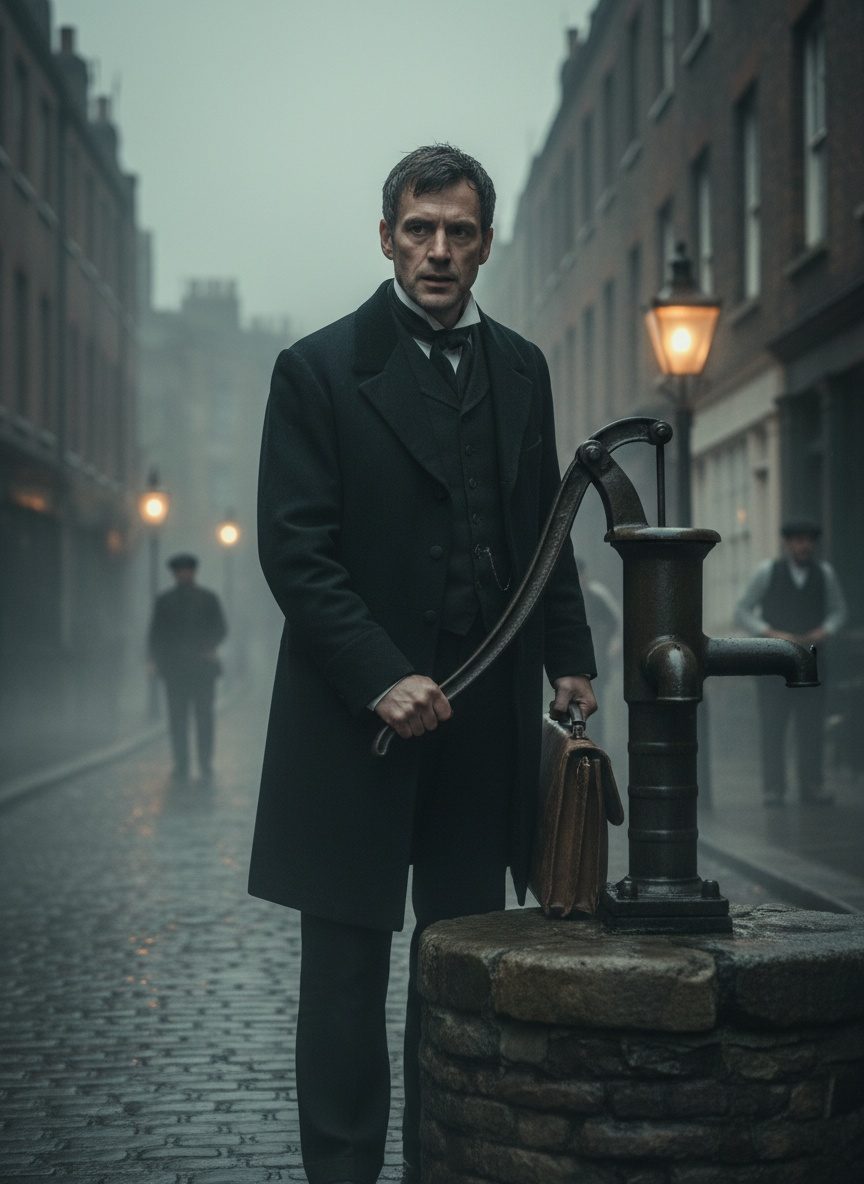
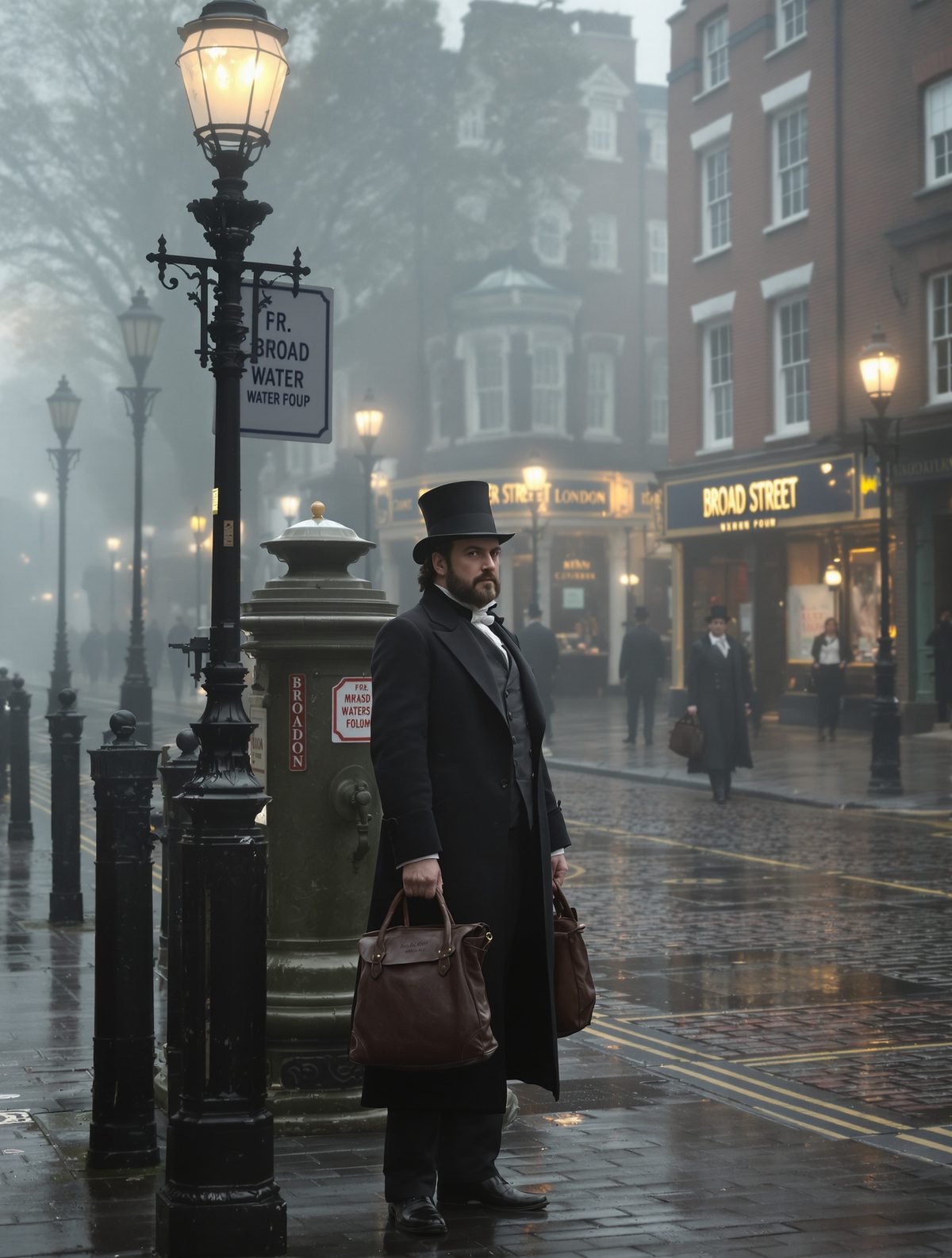
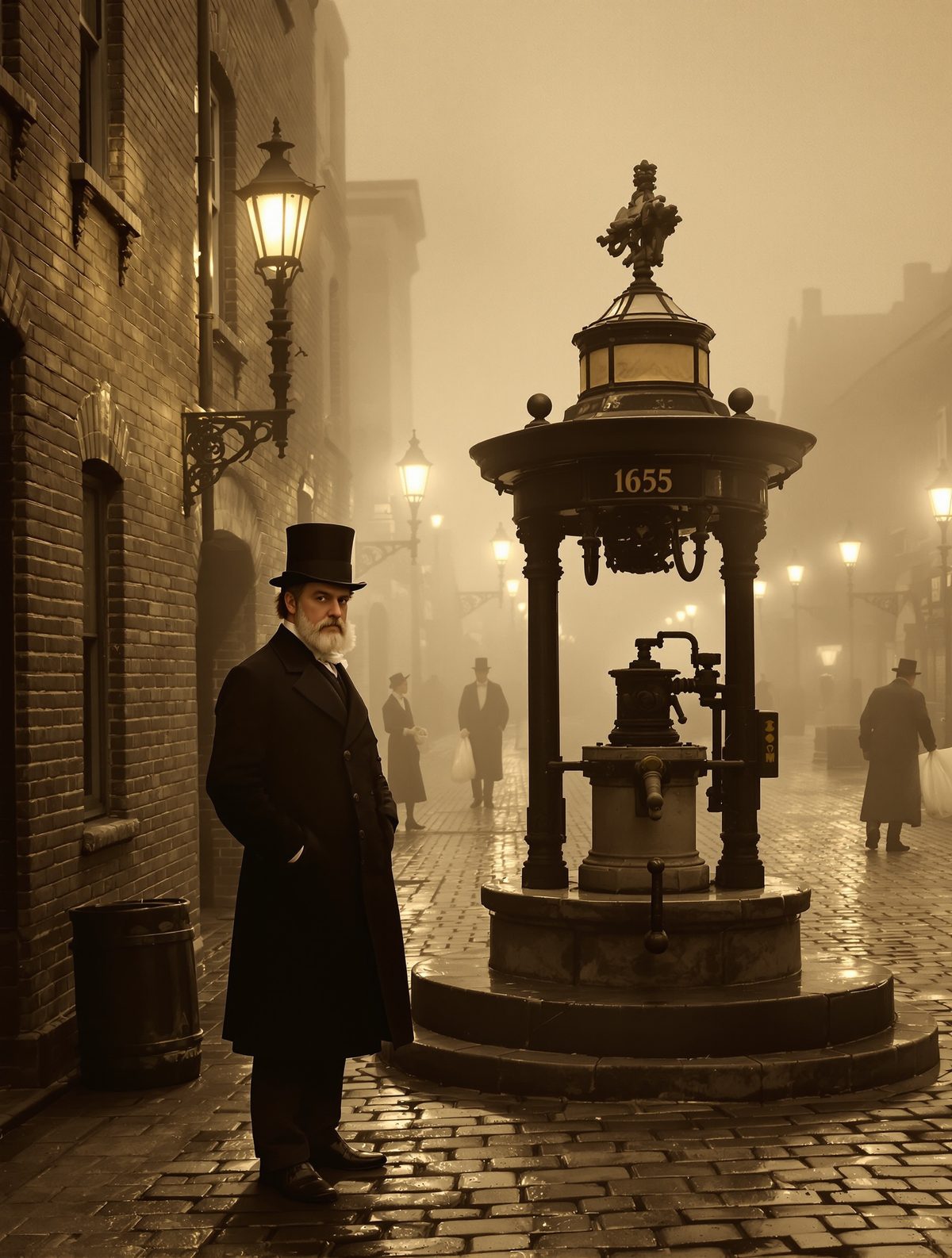
London. 1854. Soho was dying. Hundreds dead in days. A young doctor named John Snow refused to accept the official answer. He knocked on every door. He drew a map. Then he pulled a handle off a pump.
1842. Boys as young as five worked underground in British mines. One MP went down himself to see. What he found broke him. He came back up. And he changed everything.
London, 1854. Cholera was killing hundreds a week. Dr. John Snow mapped every death. Then he faced the parish board. They laughed at him. He stood firm. They removed the pump handle. The killing stopped.
London. 1875. Anthony Ashley Cooper had fought for twenty years. Boys as young as four were still sent up chimneys. Still burning. Still suffocating. One final vote. And it was done.
1864. Louisa Twining stood before a Poor Law Board. She had seen children sleeping on stone floors. She refused to stay silent. She named every governor in the room.
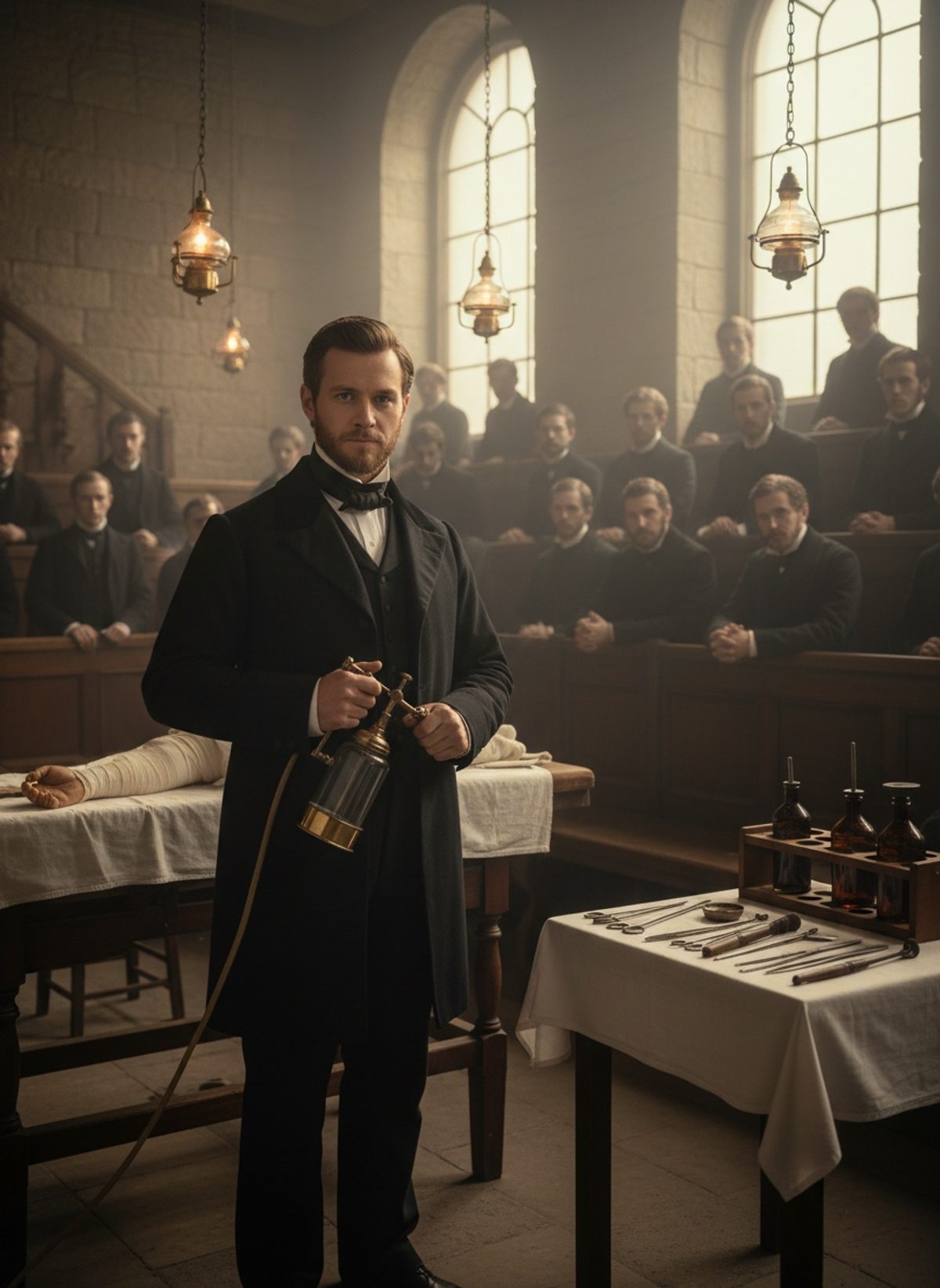
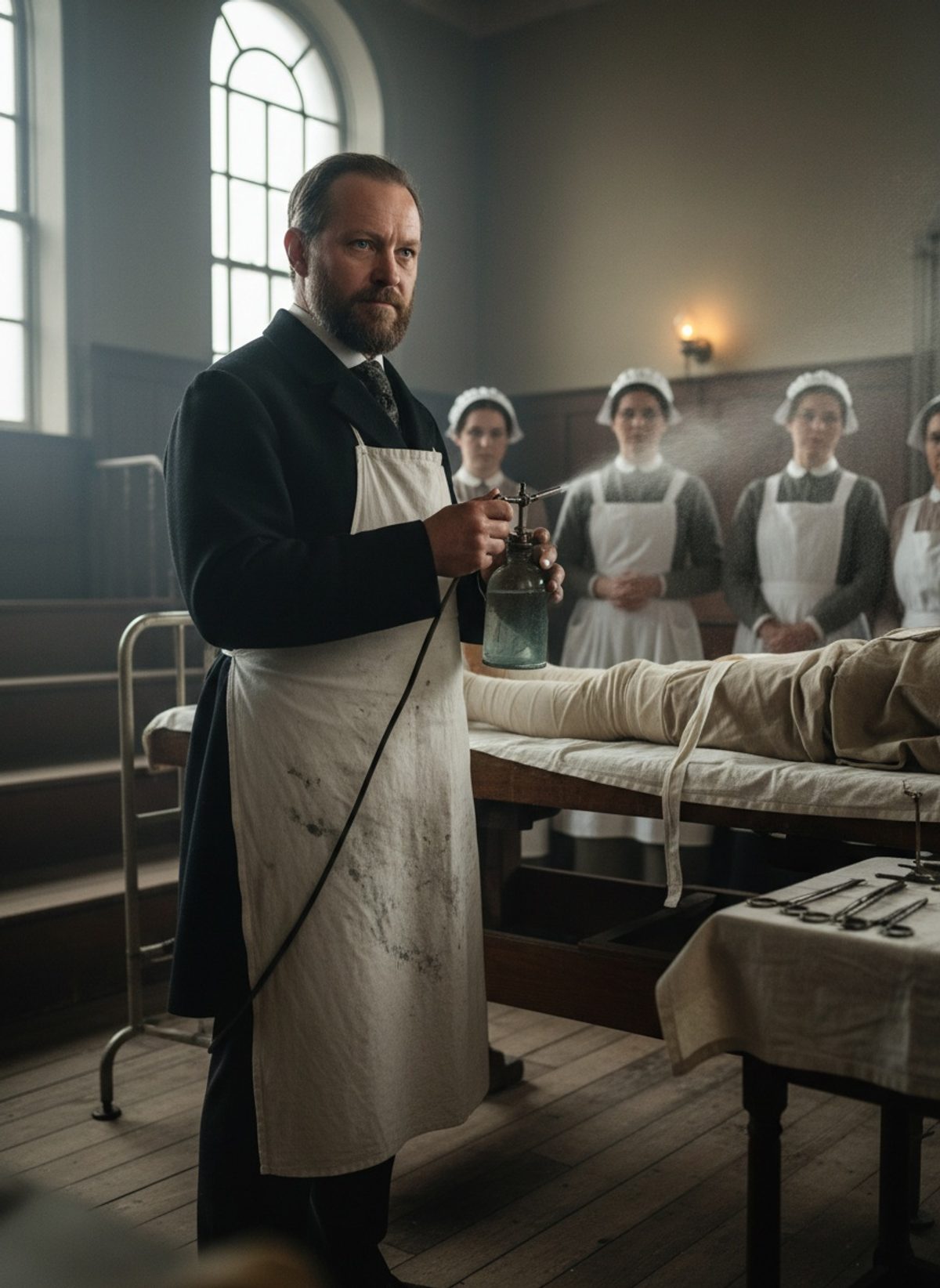
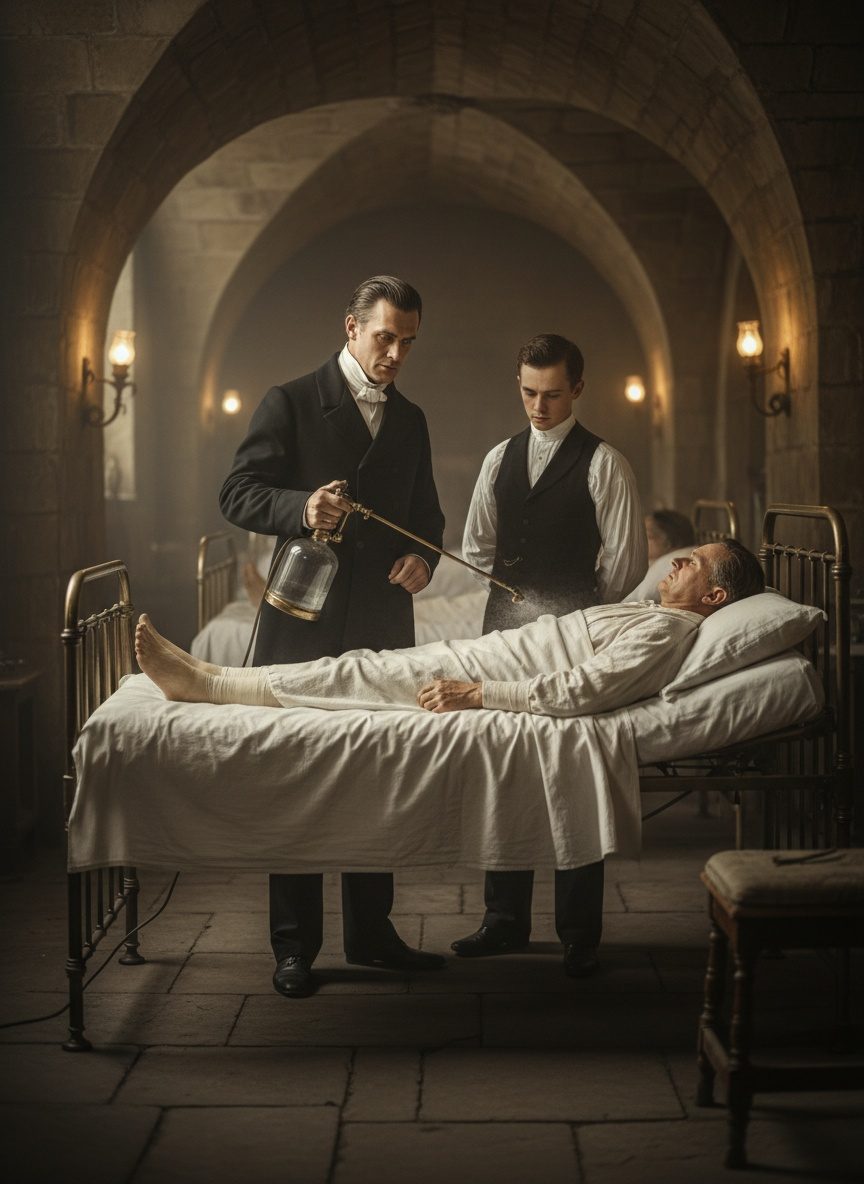
Glasgow, 1865. Wards reeked of death. Half of all surgical patients died of infection. Joseph Lister sprayed carbolic acid on a boy's shattered leg. The wound healed clean. Medicine changed forever.
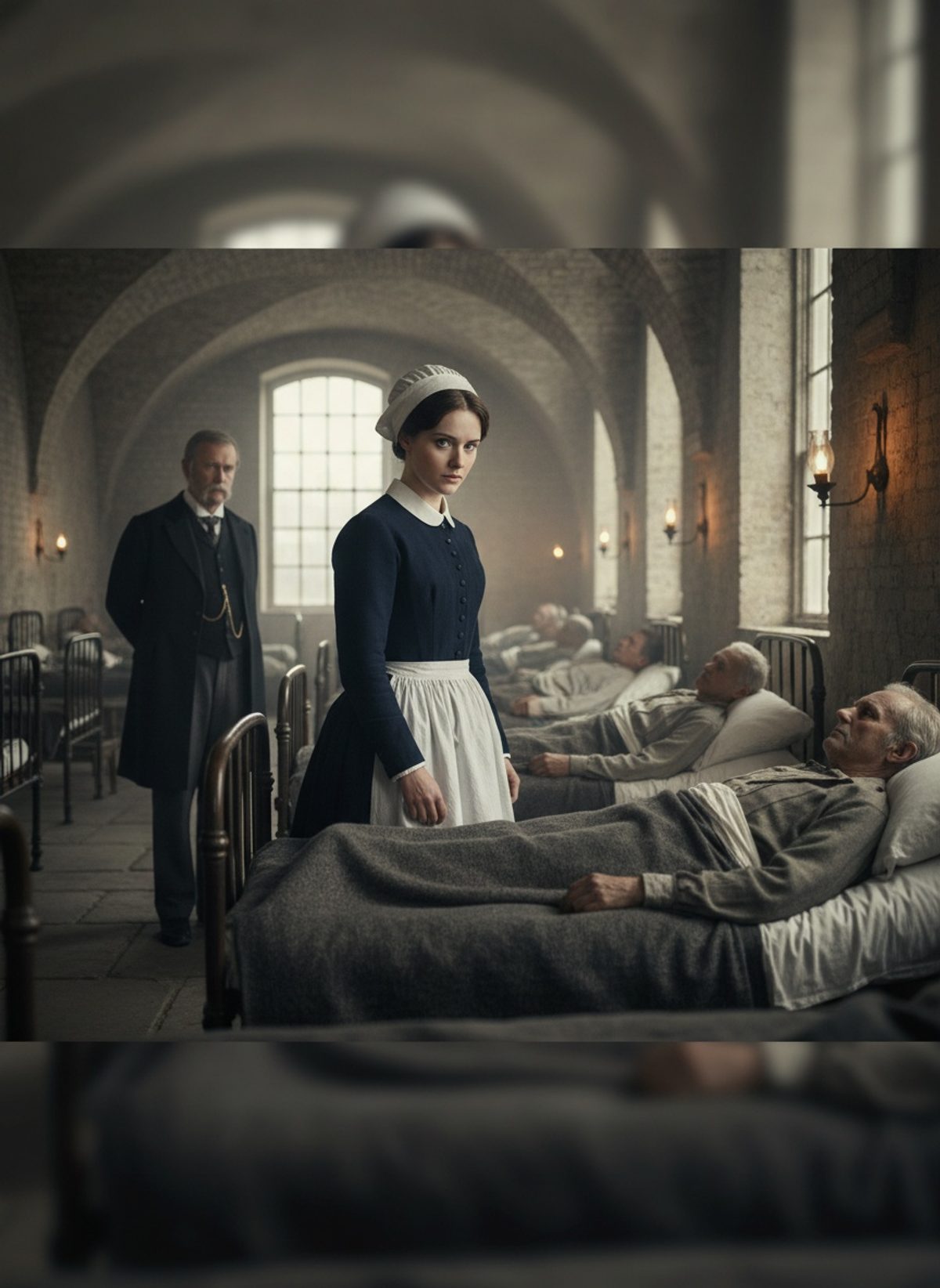
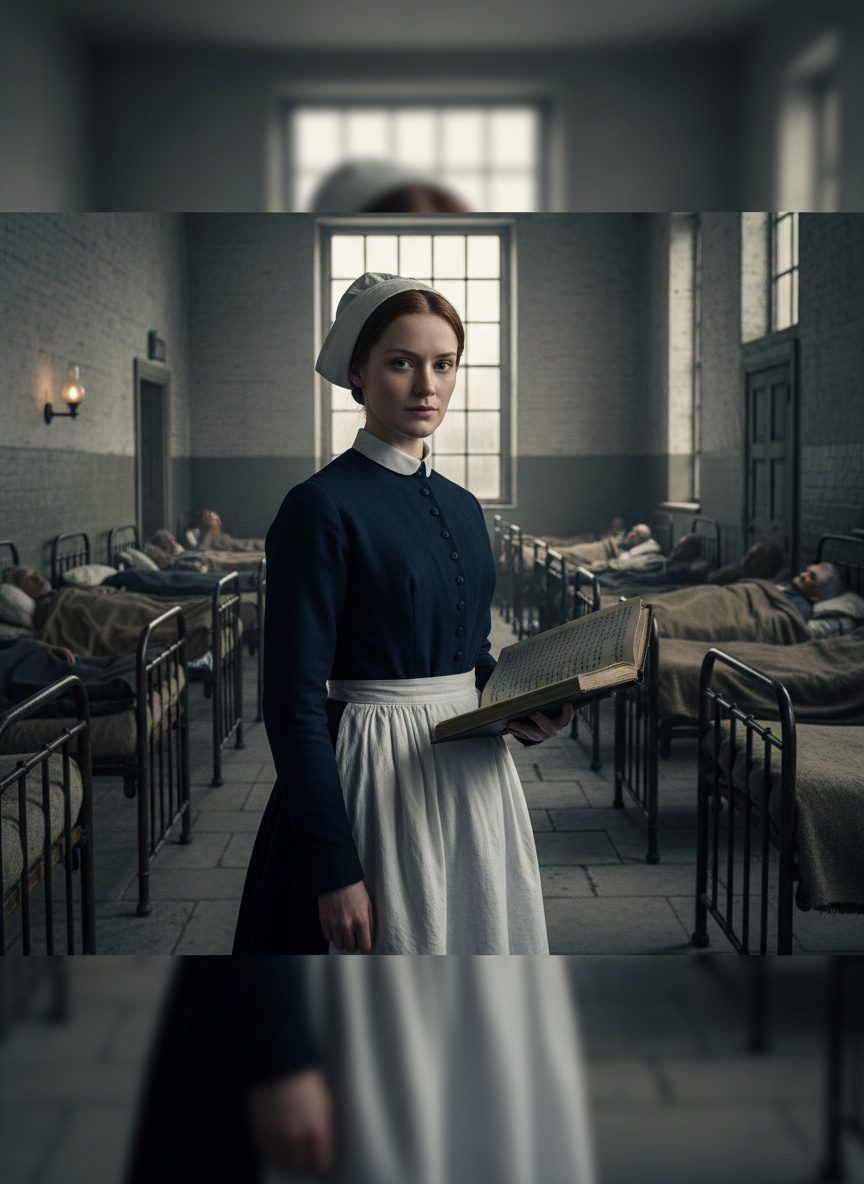
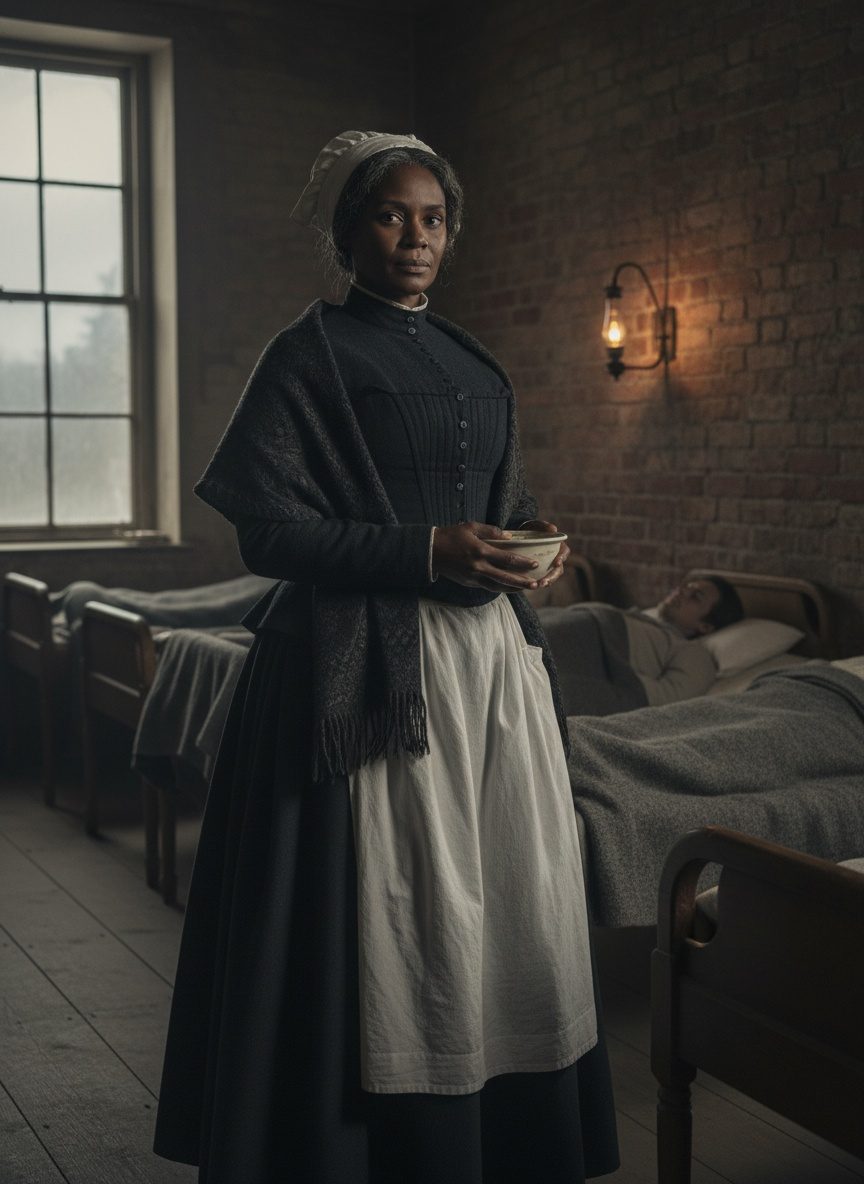
Liverpool, 1865. Agnes Jones arrived at Brownlow Hill workhouse. Twelve hundred sick paupers. No trained nurses. She stayed. Three years later, she was dead. But nursing the poor had changed forever.
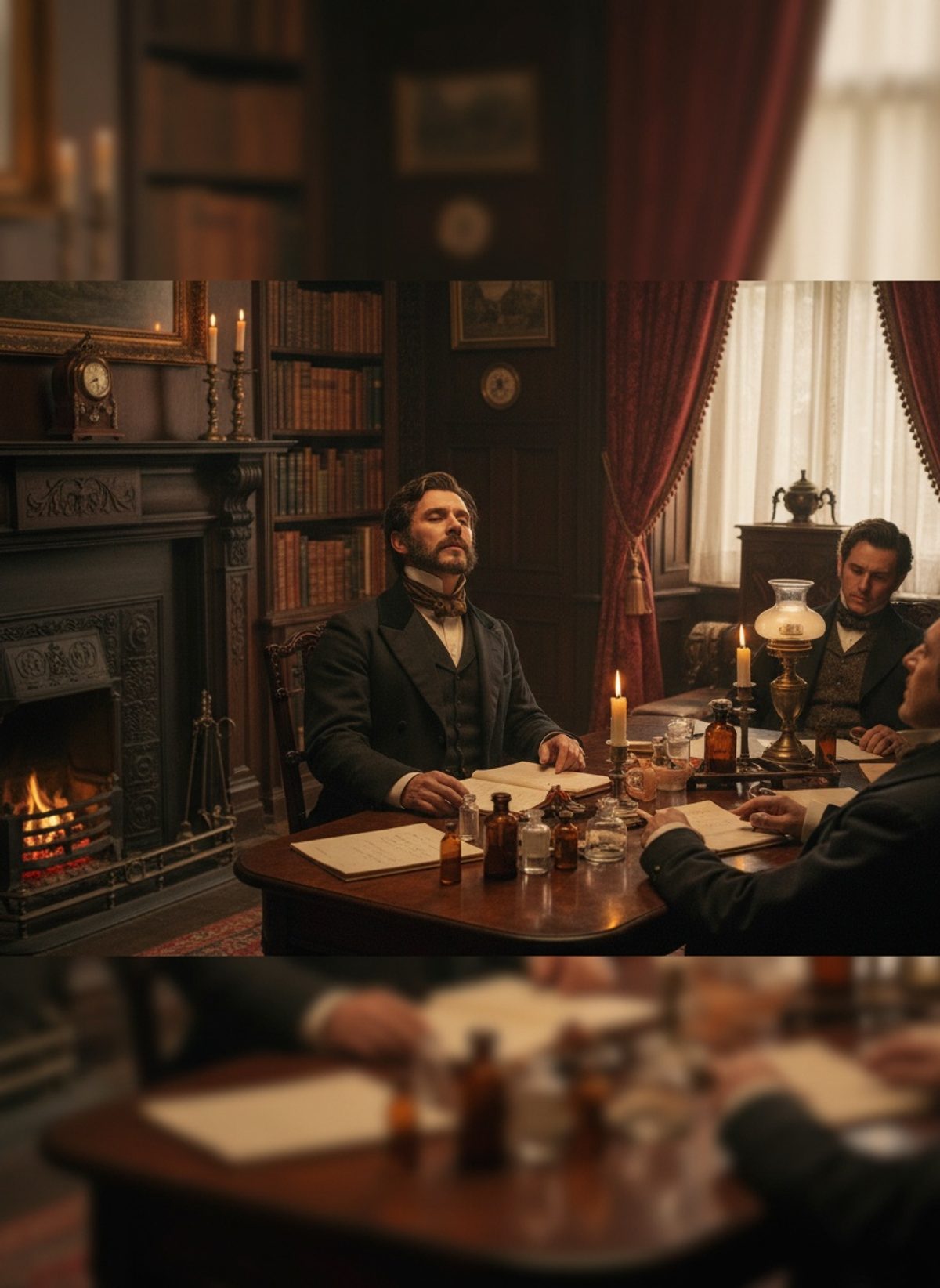
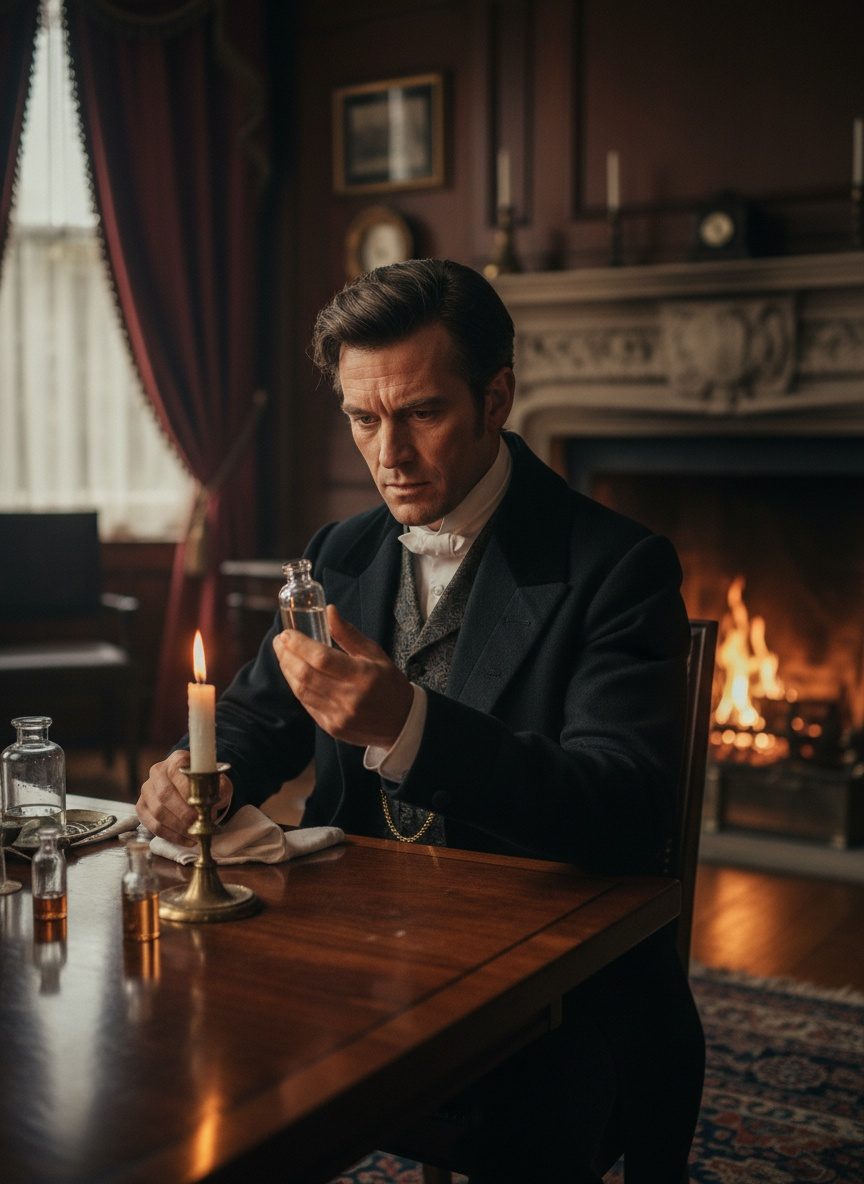
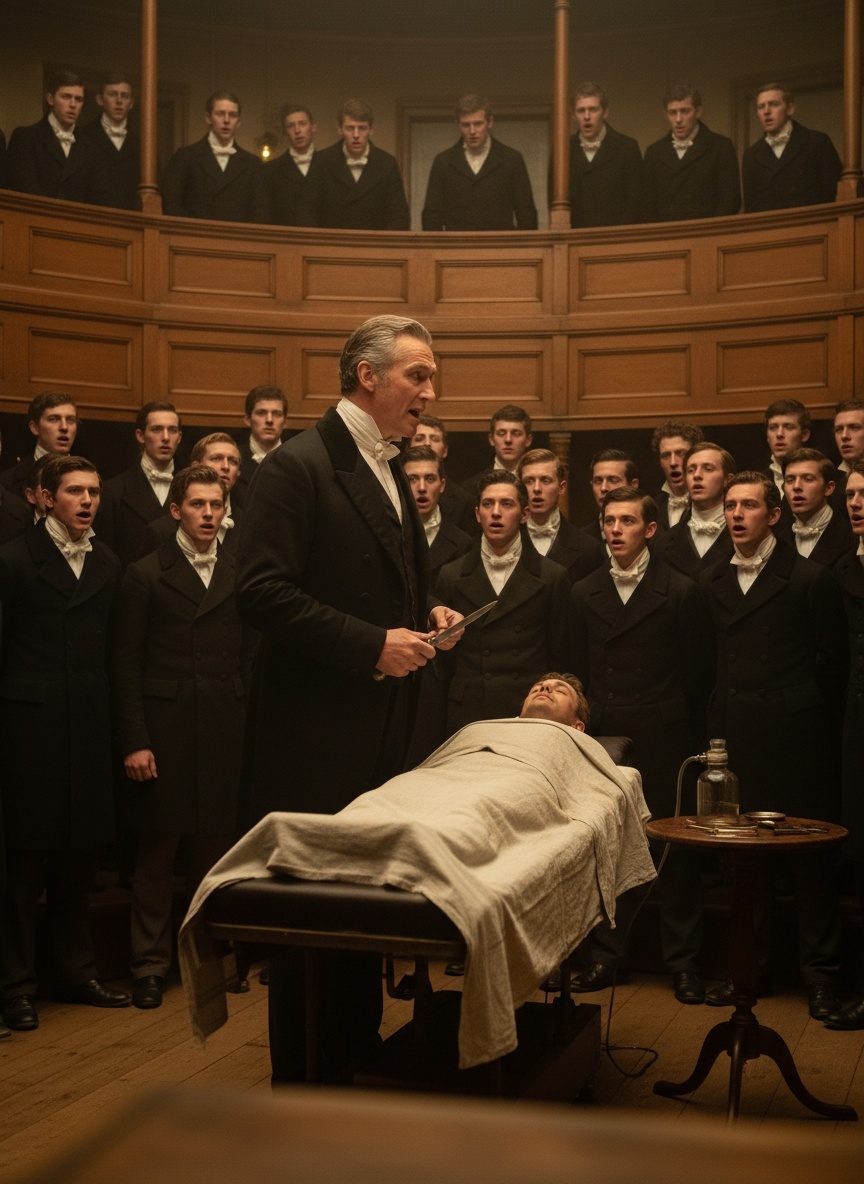
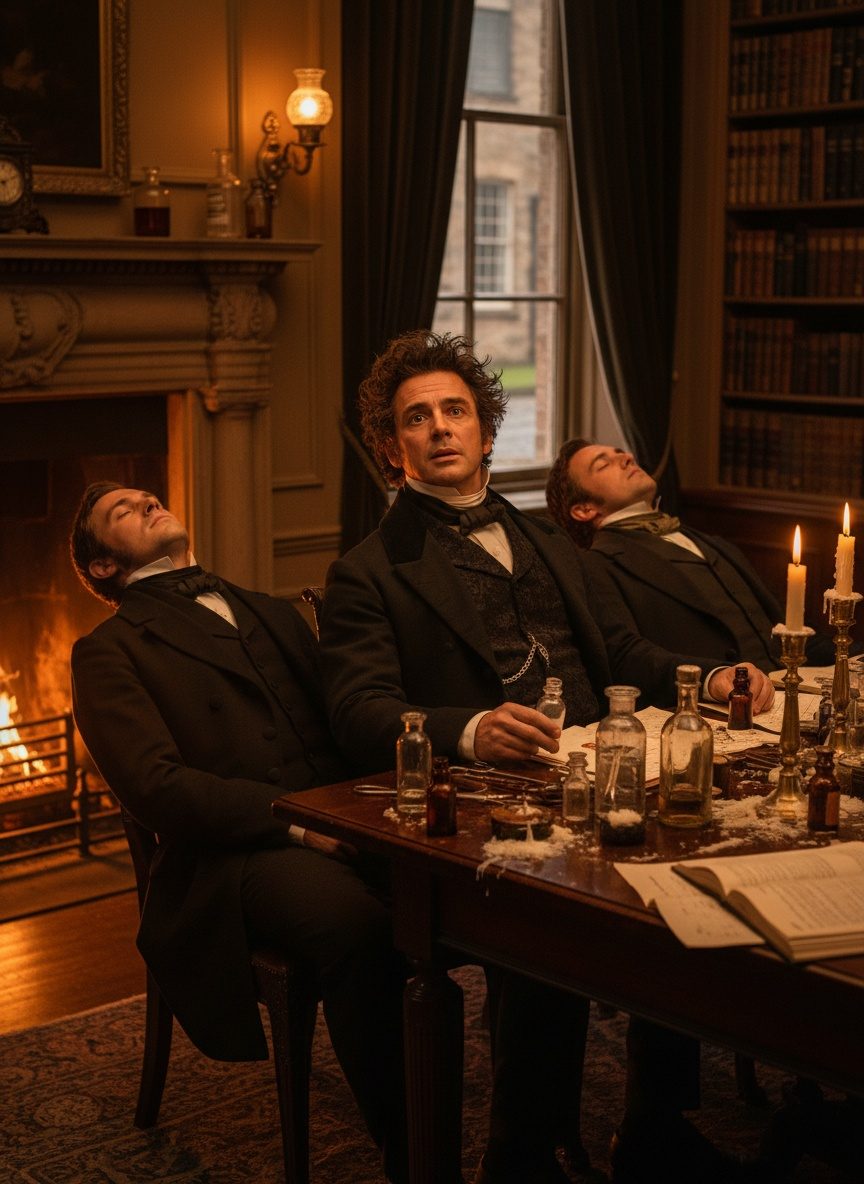
Edinburgh. 1847. James Young Simpson had tried everything. One night he and his friends inhaled chloroform at his dinner table. They woke on the floor. He laughed. Then he understood. Pain in surgery was over.
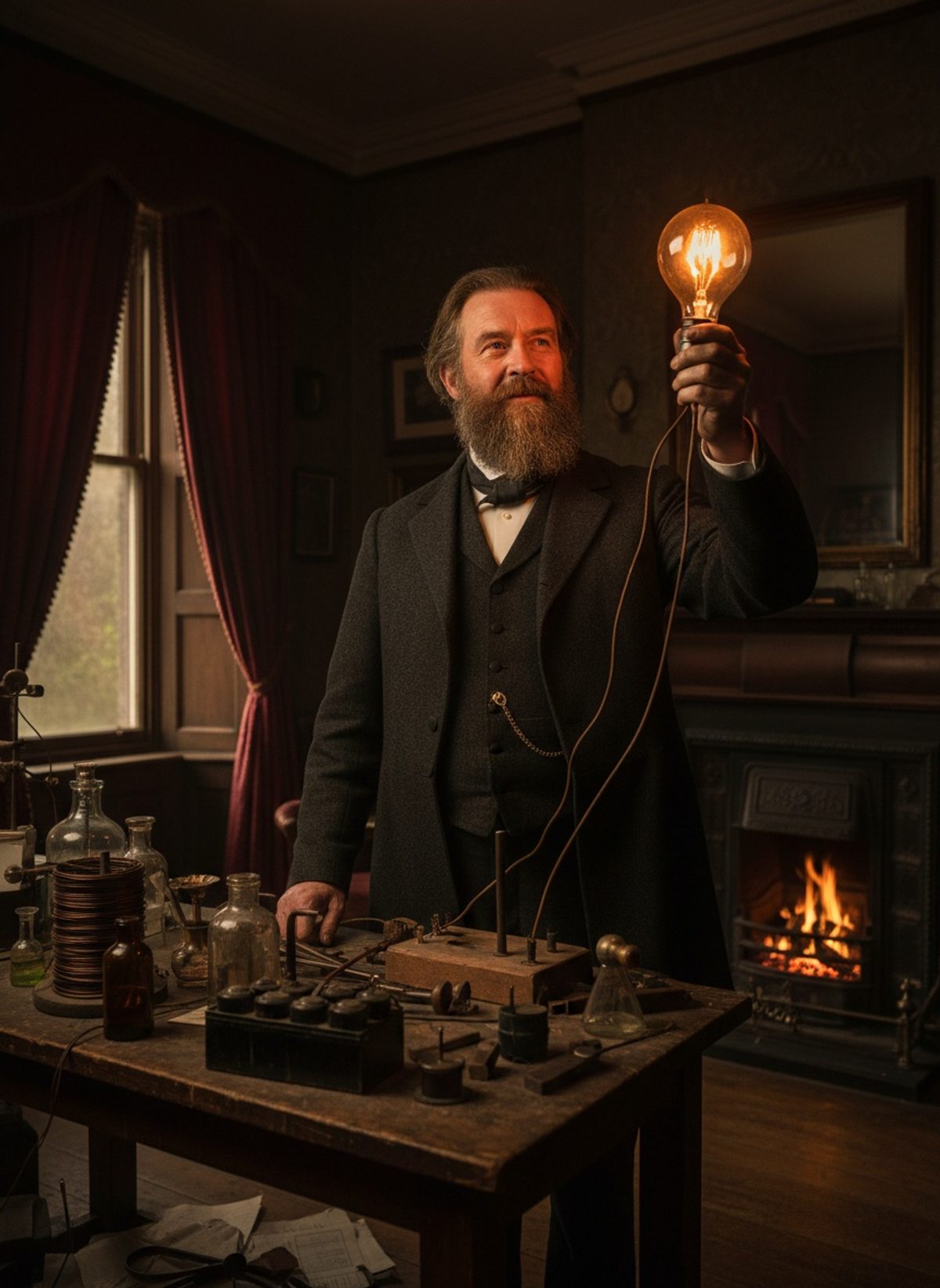
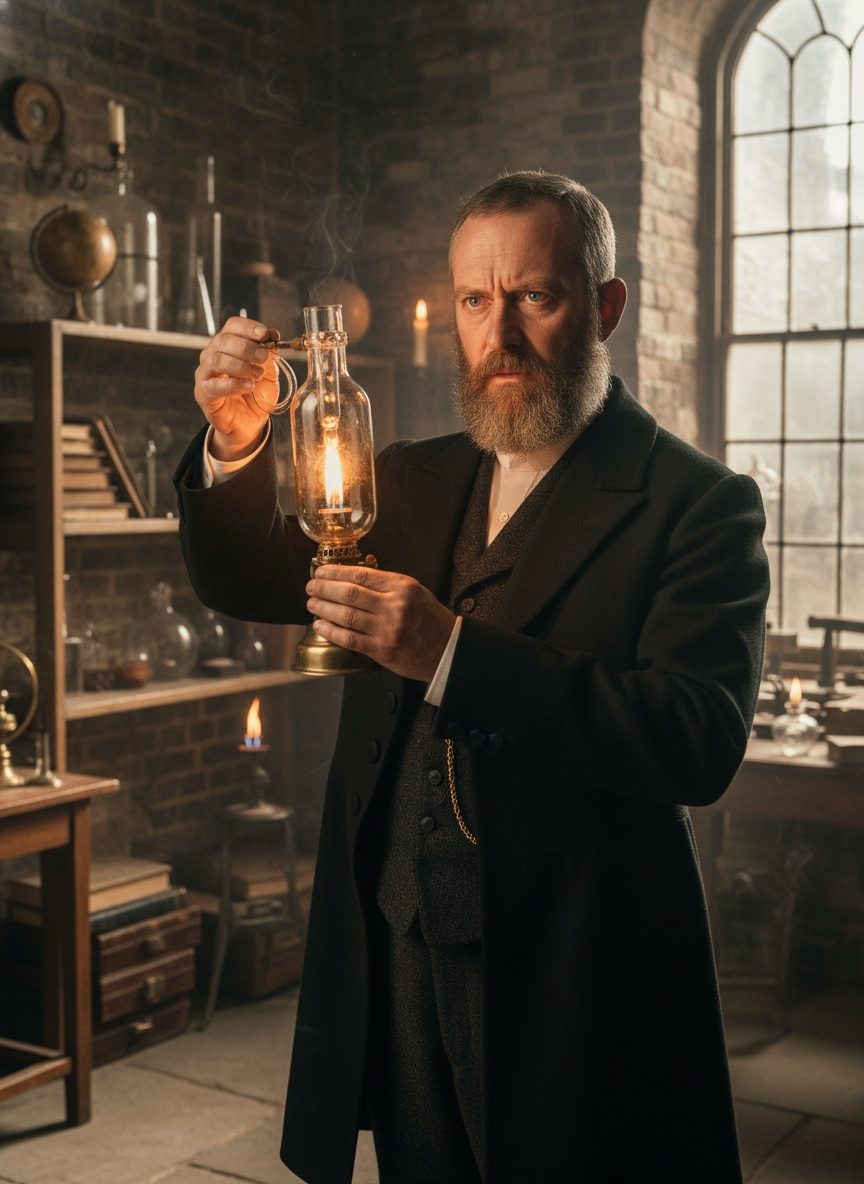
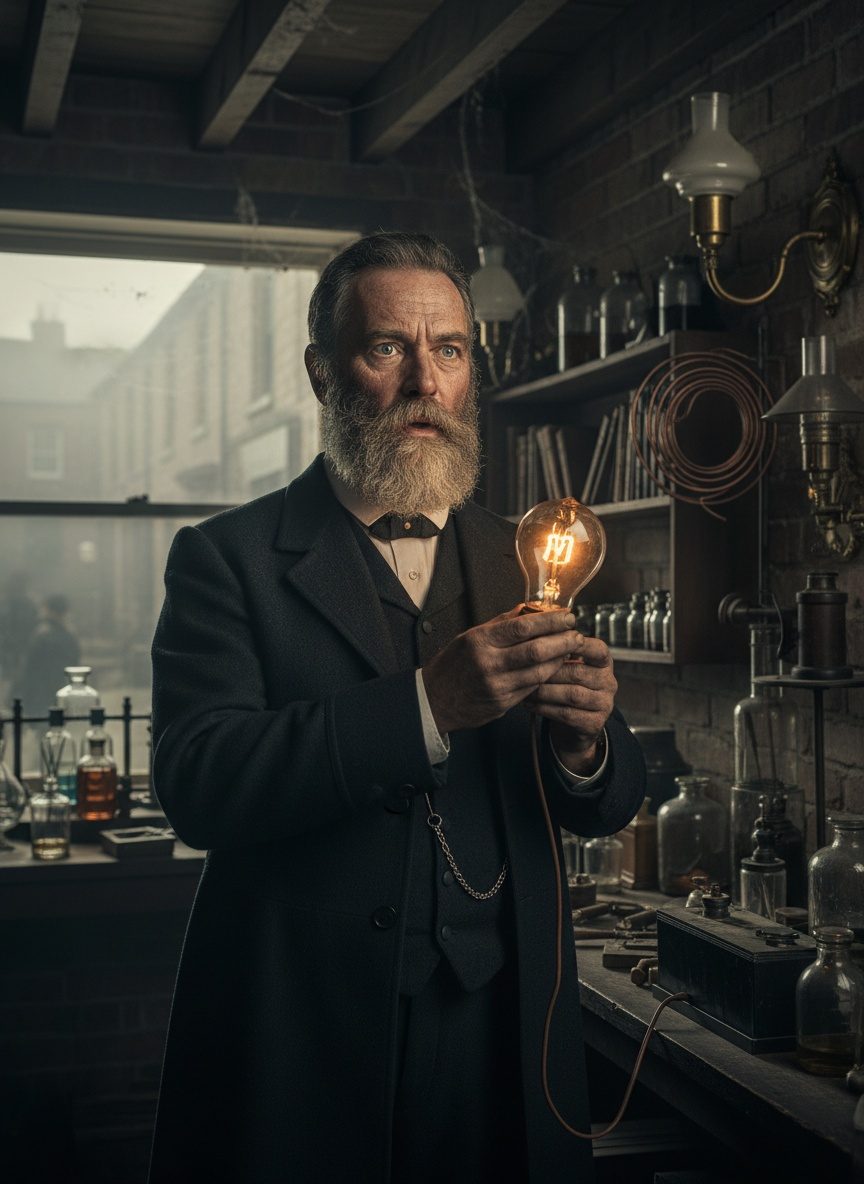
One man. One filament. One moment that changed everything. Joseph Swan switched on the world's first practical electric light bulb — in a terraced house in Gateshead. Britain lit the future before Edison.
Glasgow. 1865. Every surgeon wore his bloodstains with pride. Joseph Lister did not. He sprayed carbolic acid. His patients lived. The wards fell silent with disbelief.
London. 1868. Thomas Rhodes Armitage was losing his sight. Doctors told him to rest. He refused. He gathered five blind men around a table. They tested every raised-letter system in existence. One worked. He gave it to the world.
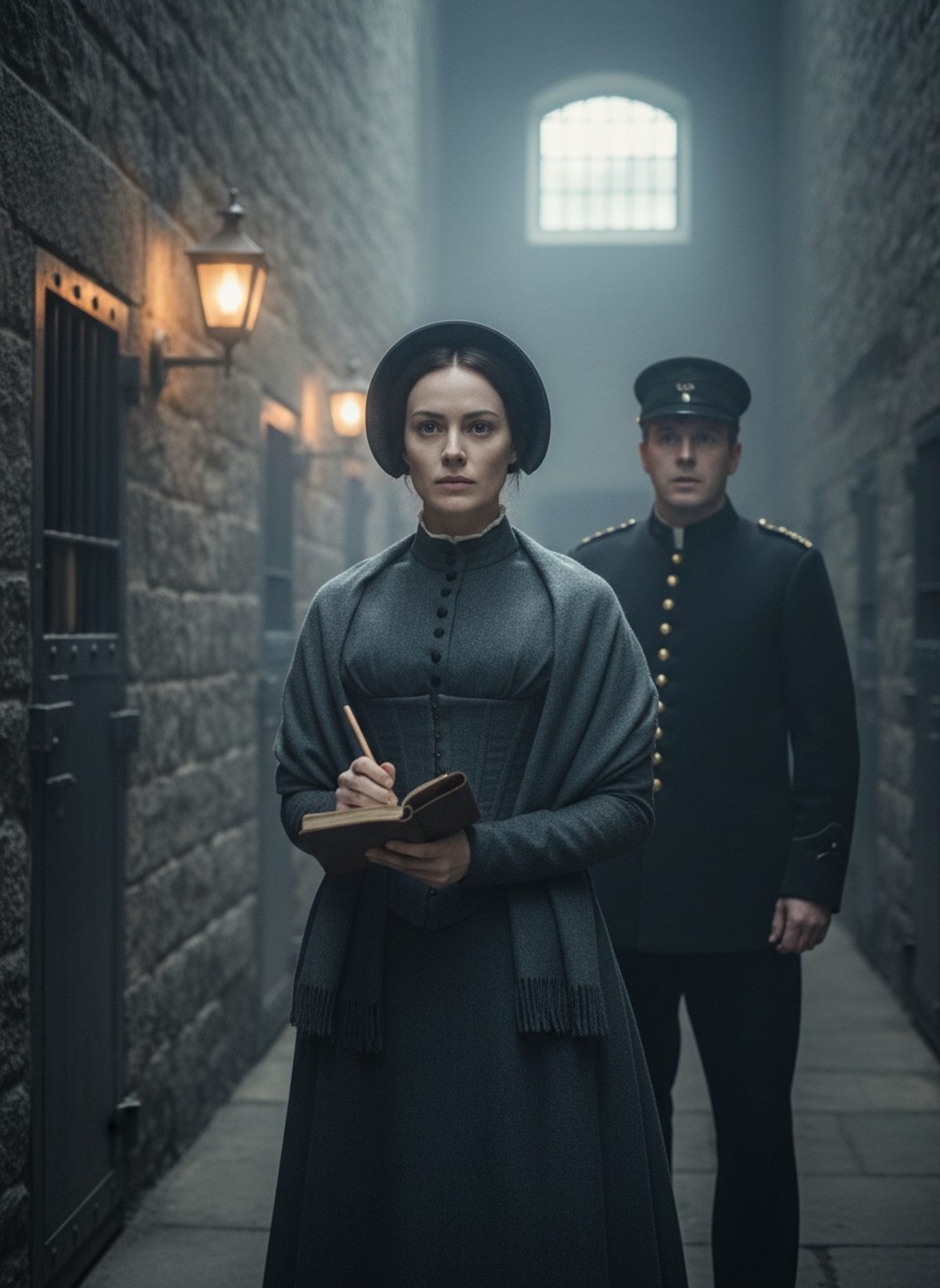
London, 1858. Nineteen-year-old Mary Carpenter walked into Newgate Prison alone. She found children chained beside hardened criminals. She walked back out. Then she walked straight into Parliament.
London. 1854. Cholera was killing hundreds. The authorities blamed bad air. One doctor disagreed. John Snow marked every death on a map. Traced it to a single pump. Removed the handle. The dying stopped.
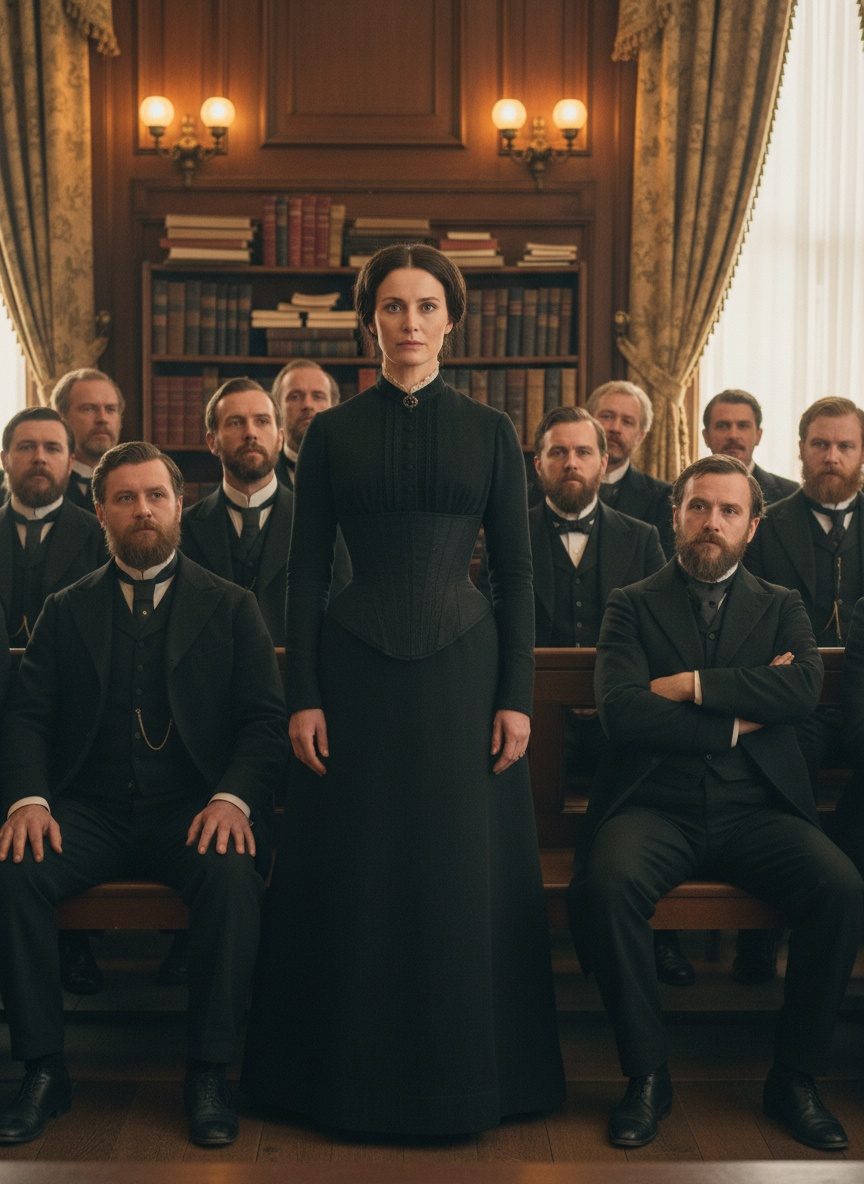
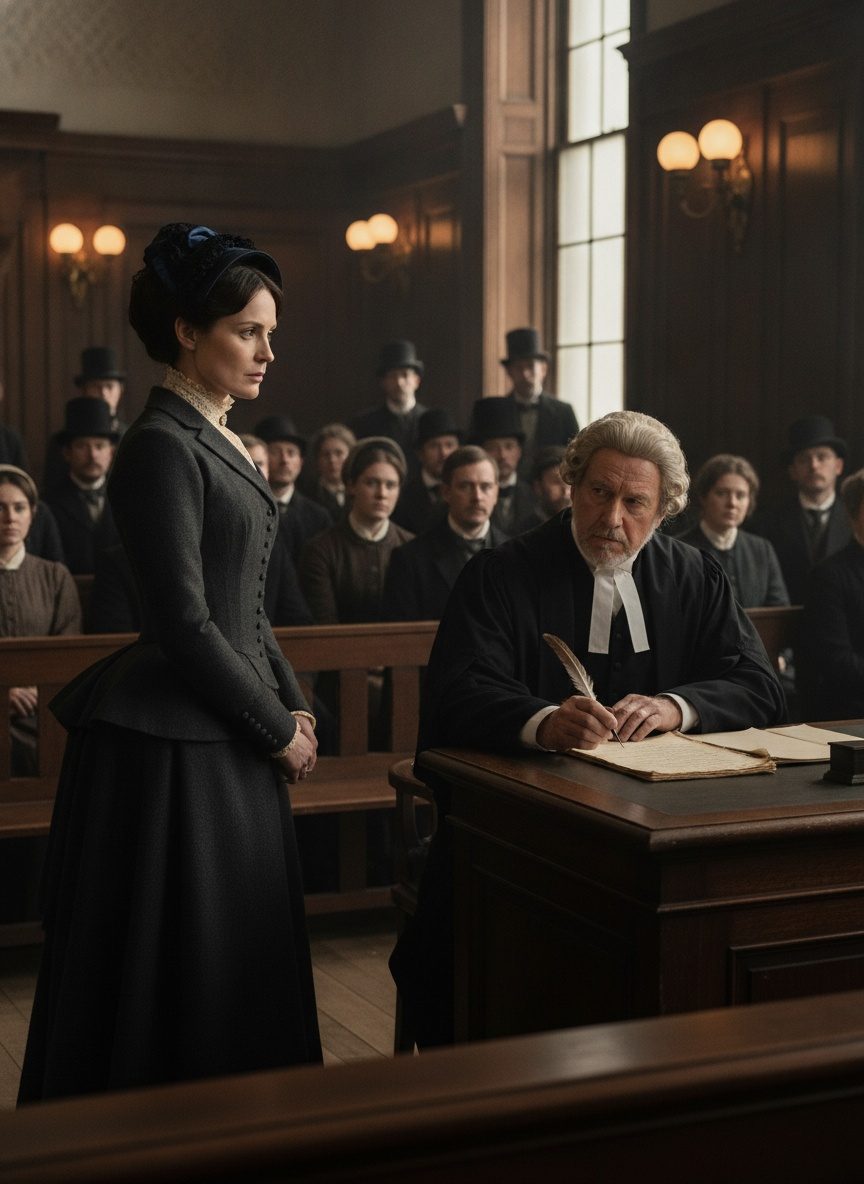
London. 1882. Caroline Norton had been robbed by the law itself. Her children taken. Her earnings seized. She fought back. In court. Alone. She changed everything.
London, 1847. Infirmaries were killing the poor. Elizabeth Fry's nurses were turned away. Louisa Twining walked in alone. She asked for visiting rights to the workhouse sick. They said no. She came back. Again. Again. Until they opened the doors.
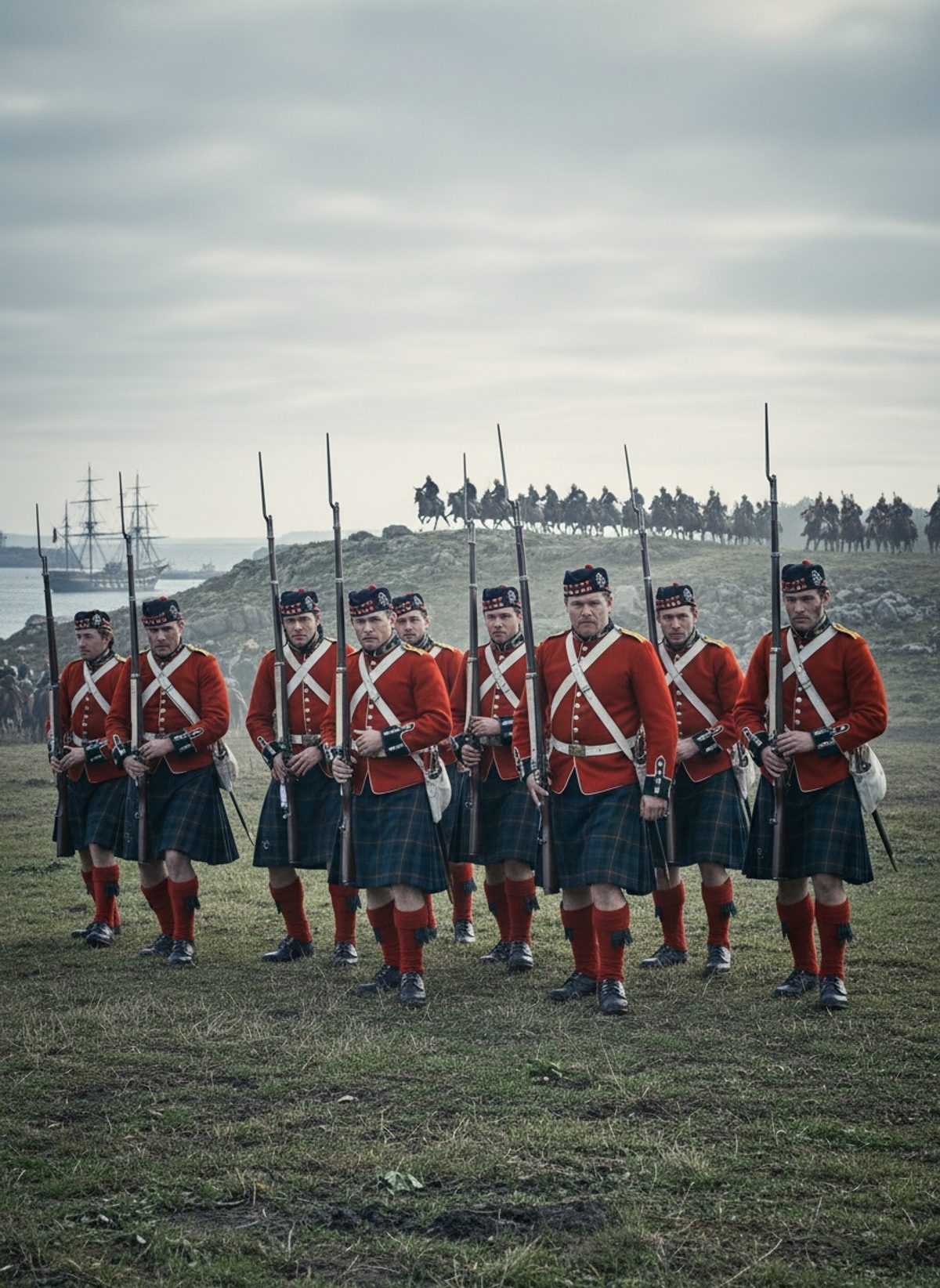
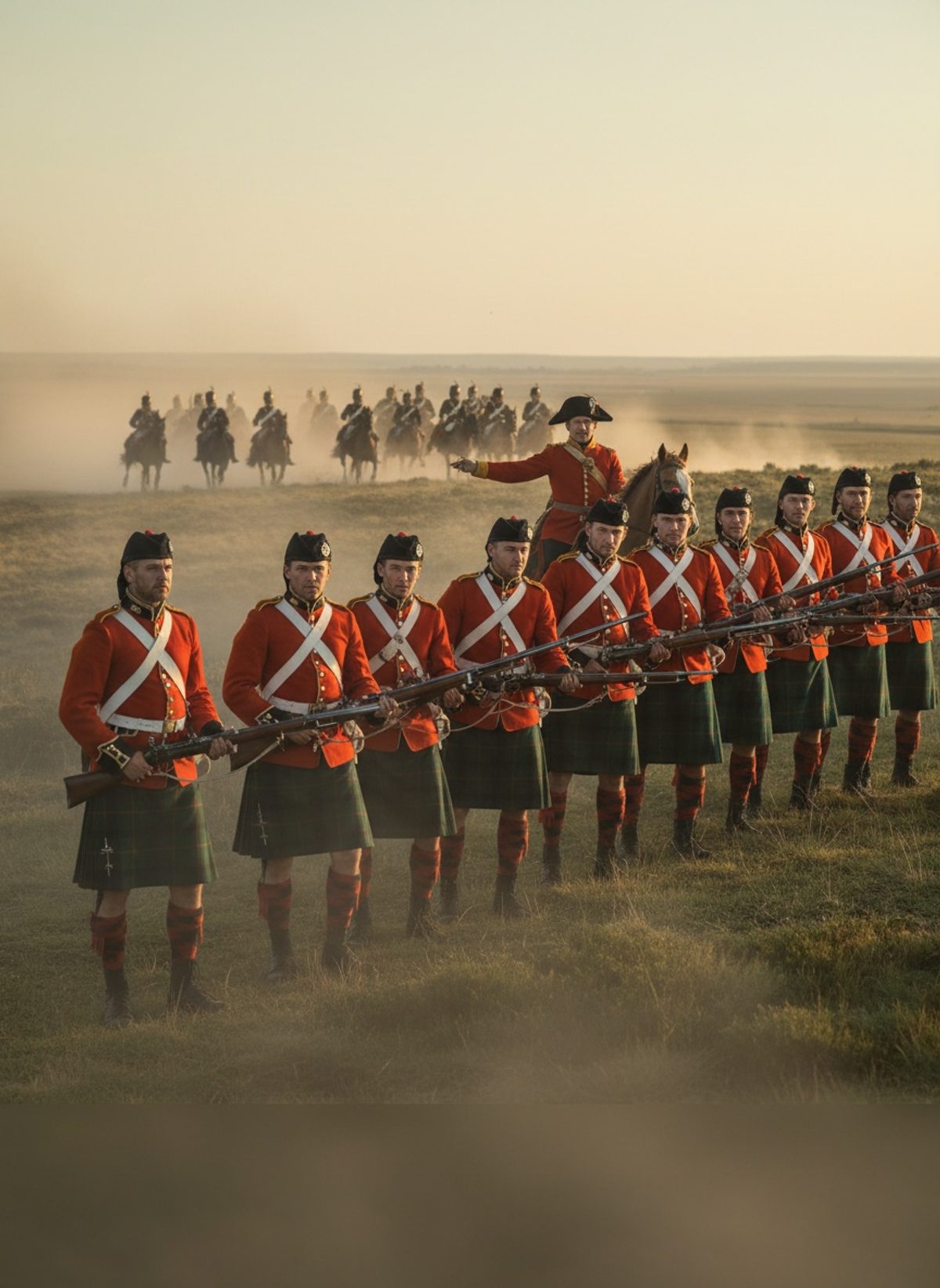
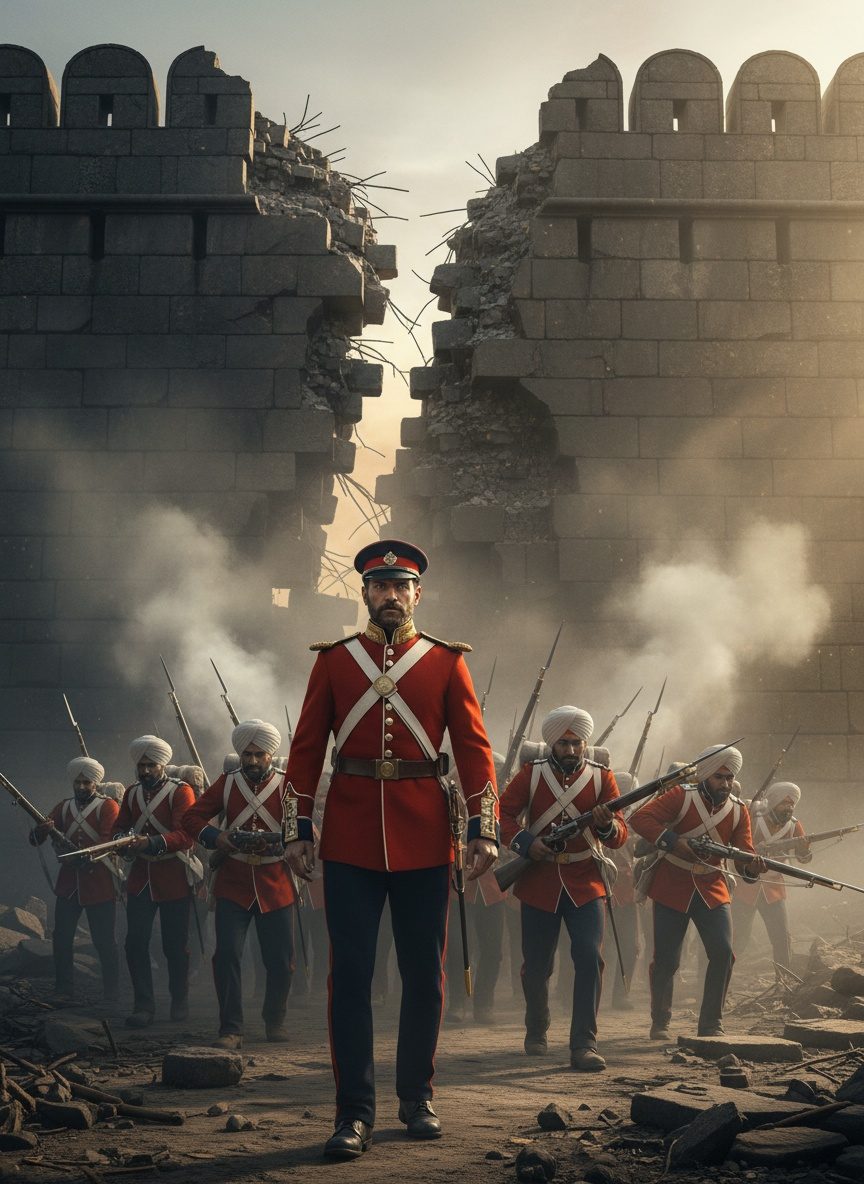
One harbour. One regiment. 2,500 Russian horsemen. Colin Campbell told his men there was no going back. They answered: aye. Then the cavalry came.
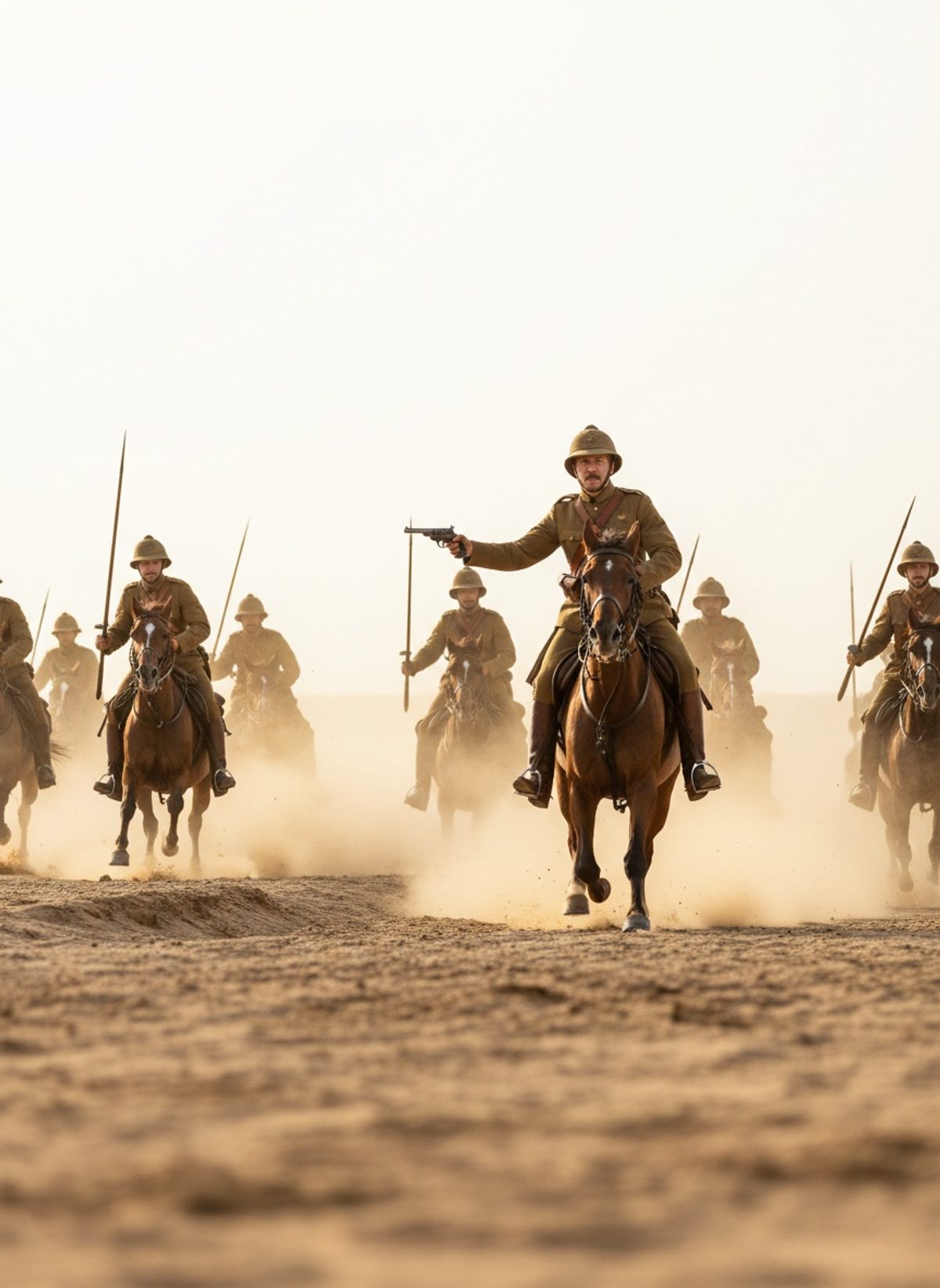
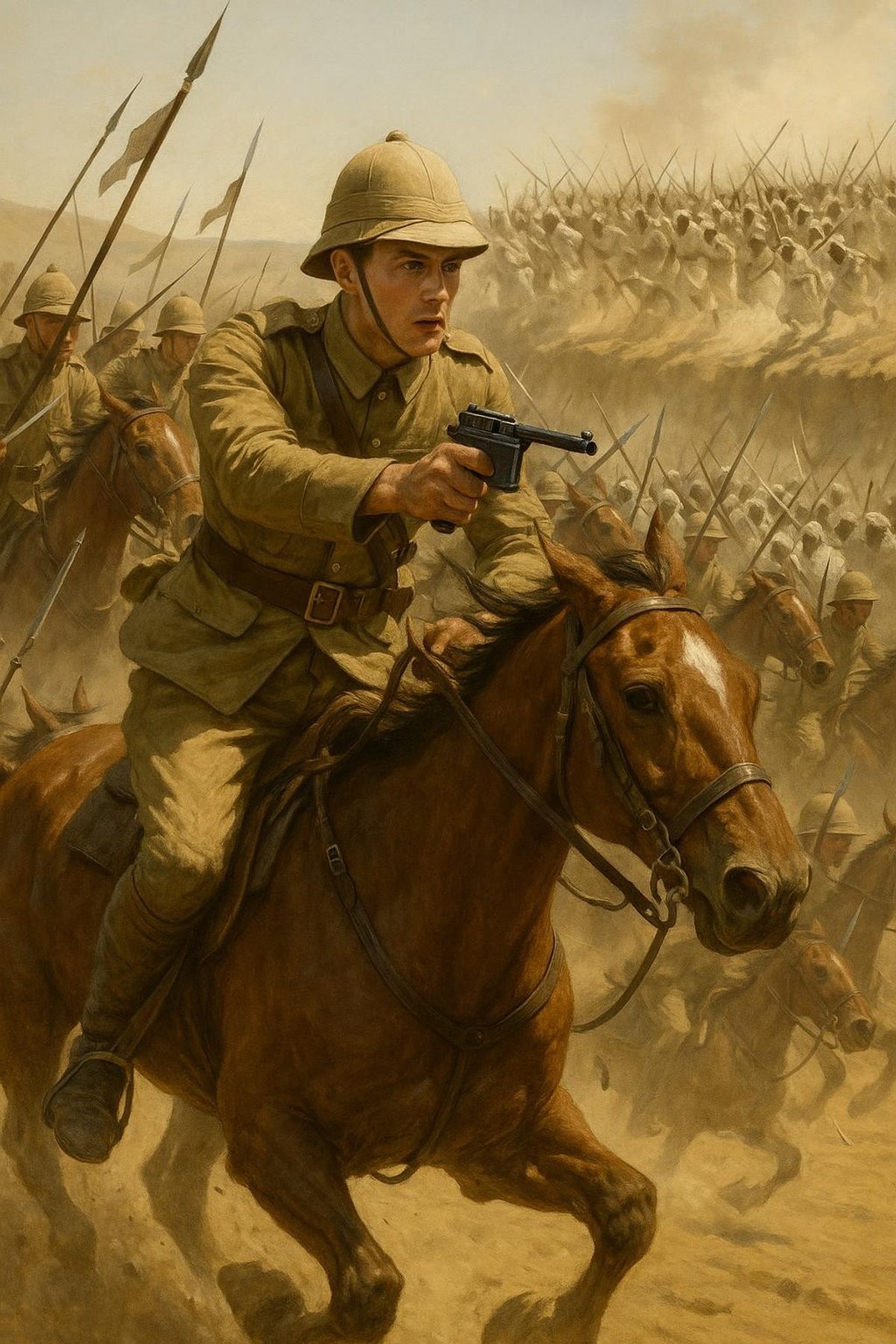
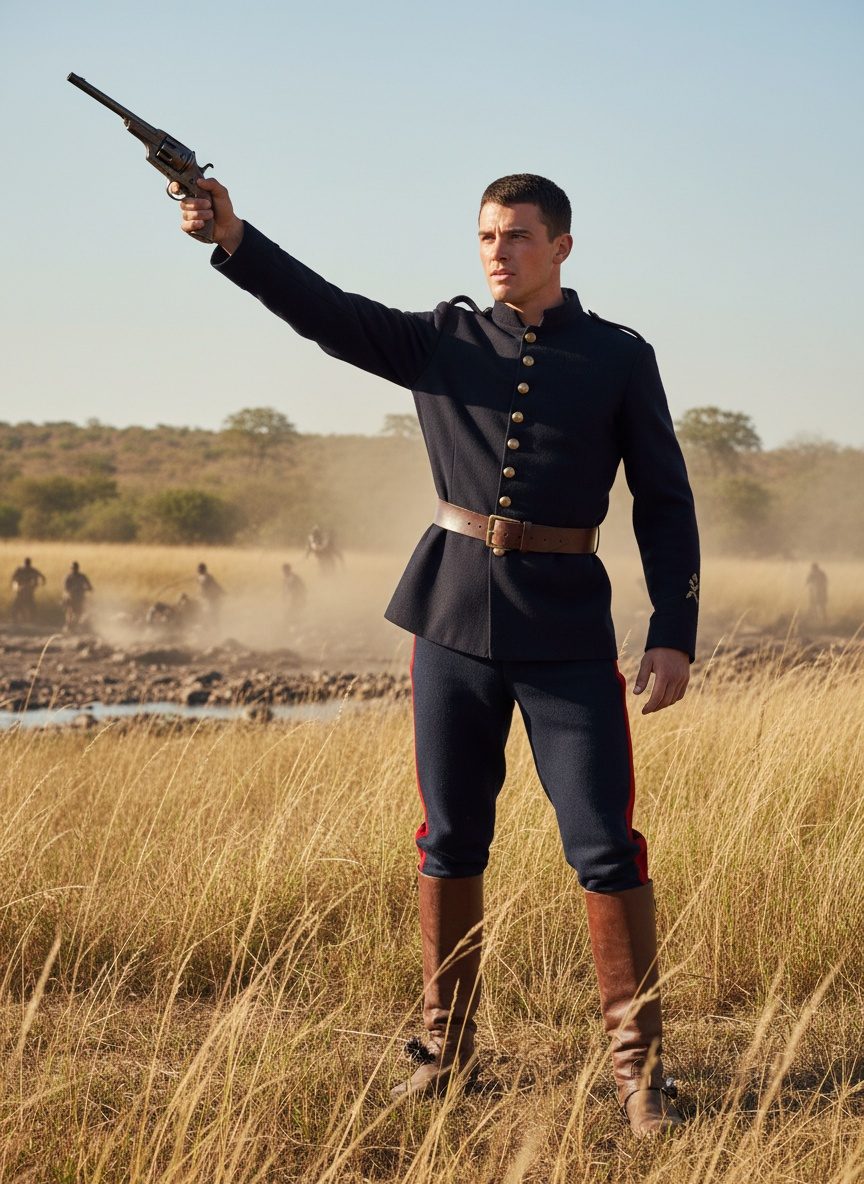
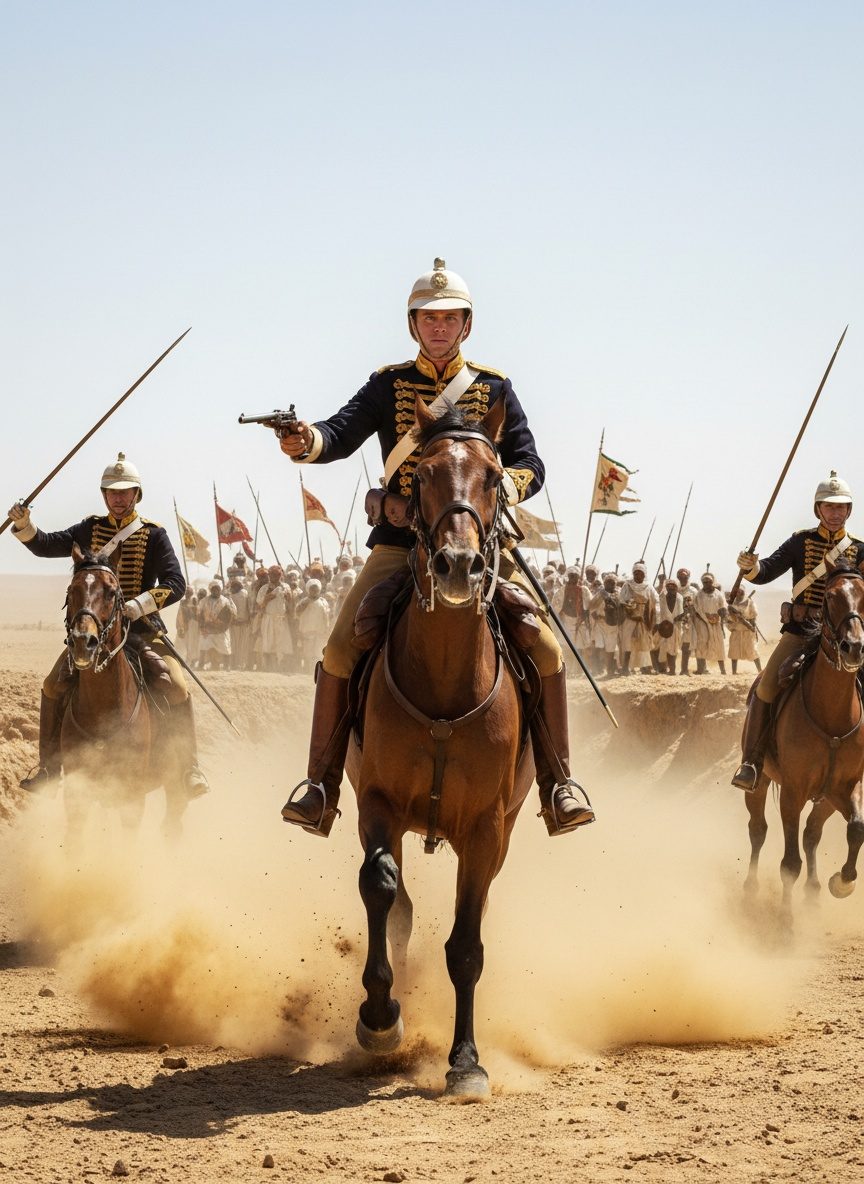
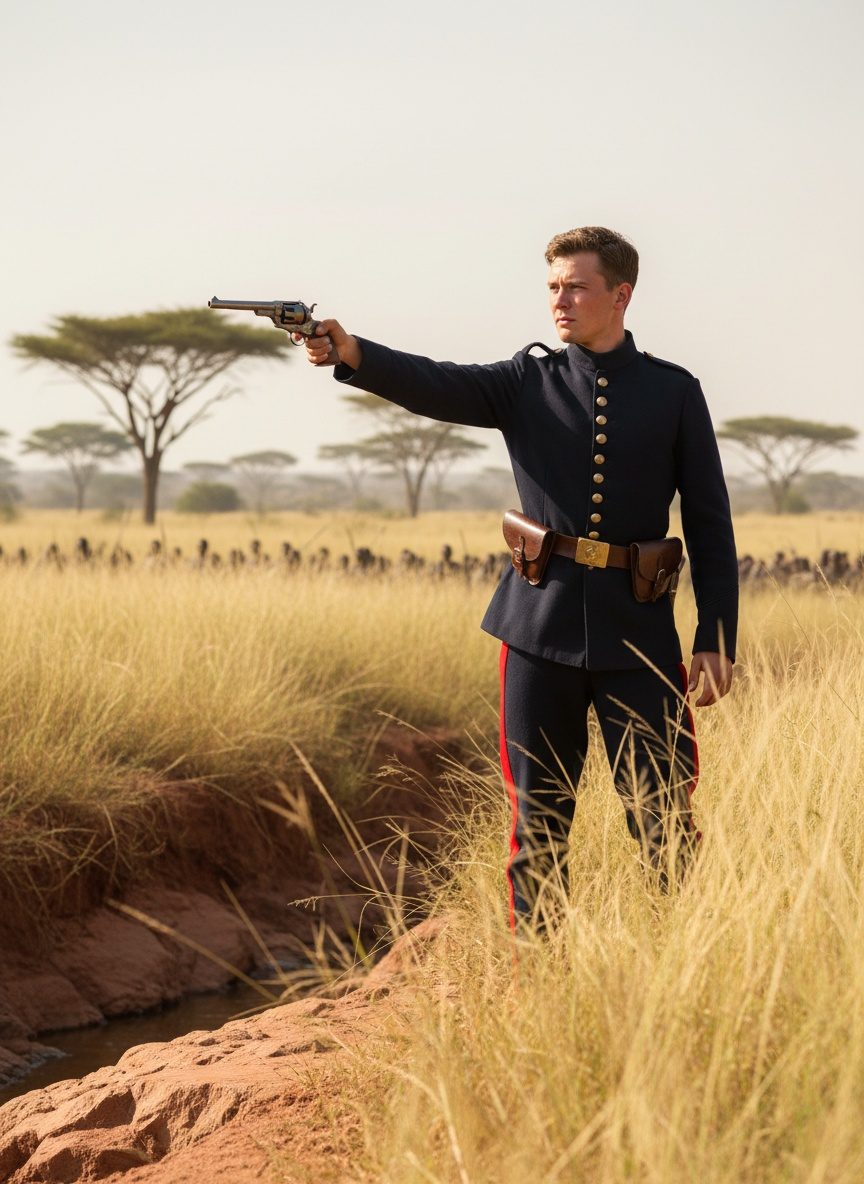
September 1898. A young officer with a ruined sword arm rode into 2,000 hidden spearmen. He had a pistol and ten rounds. The charge lasted 120 seconds. Twenty-one men never came home.
London, 1827. Elizabeth Fry entered Newgate. She found women and children in filth. She read to them. Then she refused to leave. She came back. Every week. For years. Until Parliament listened.
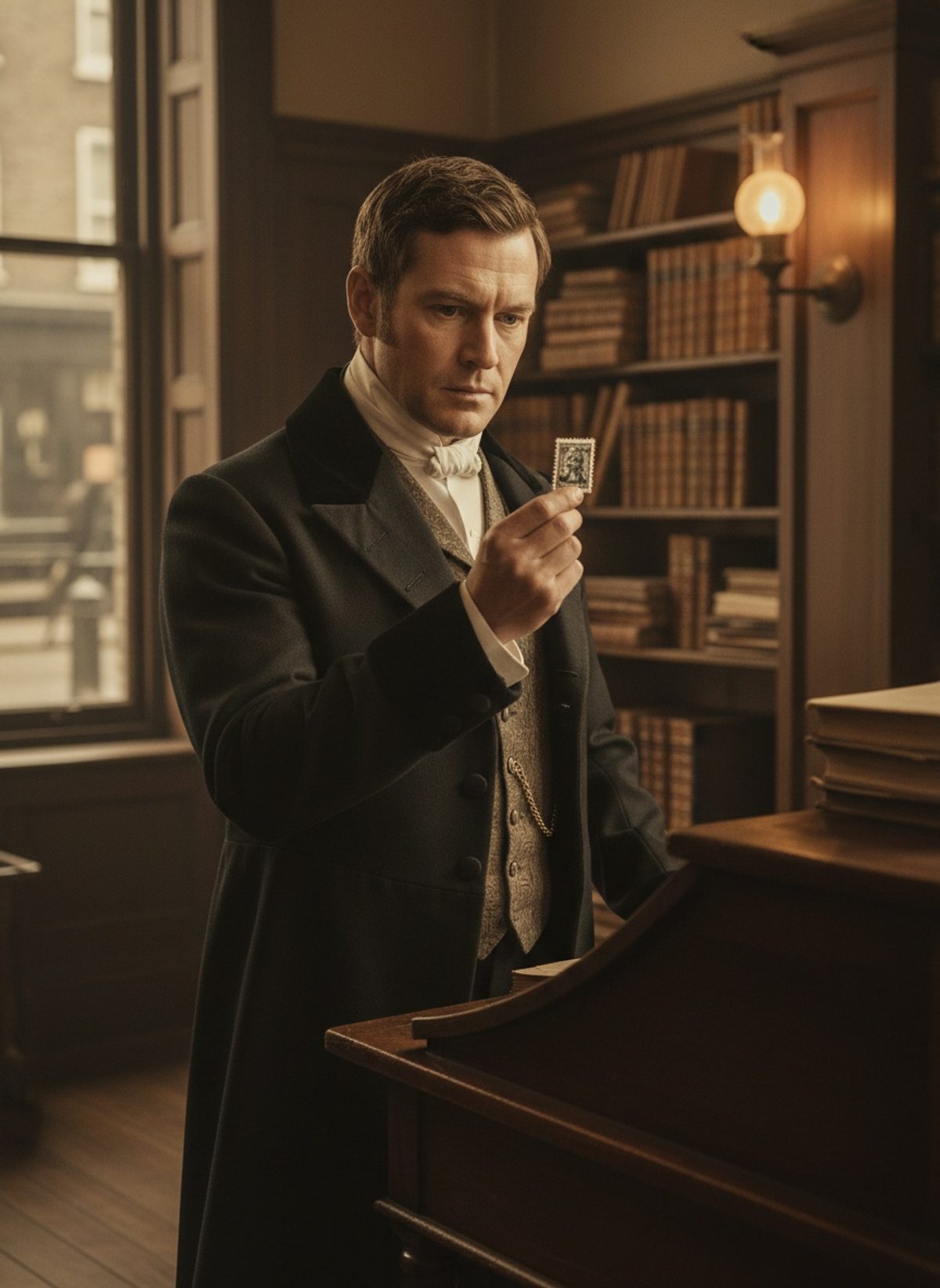
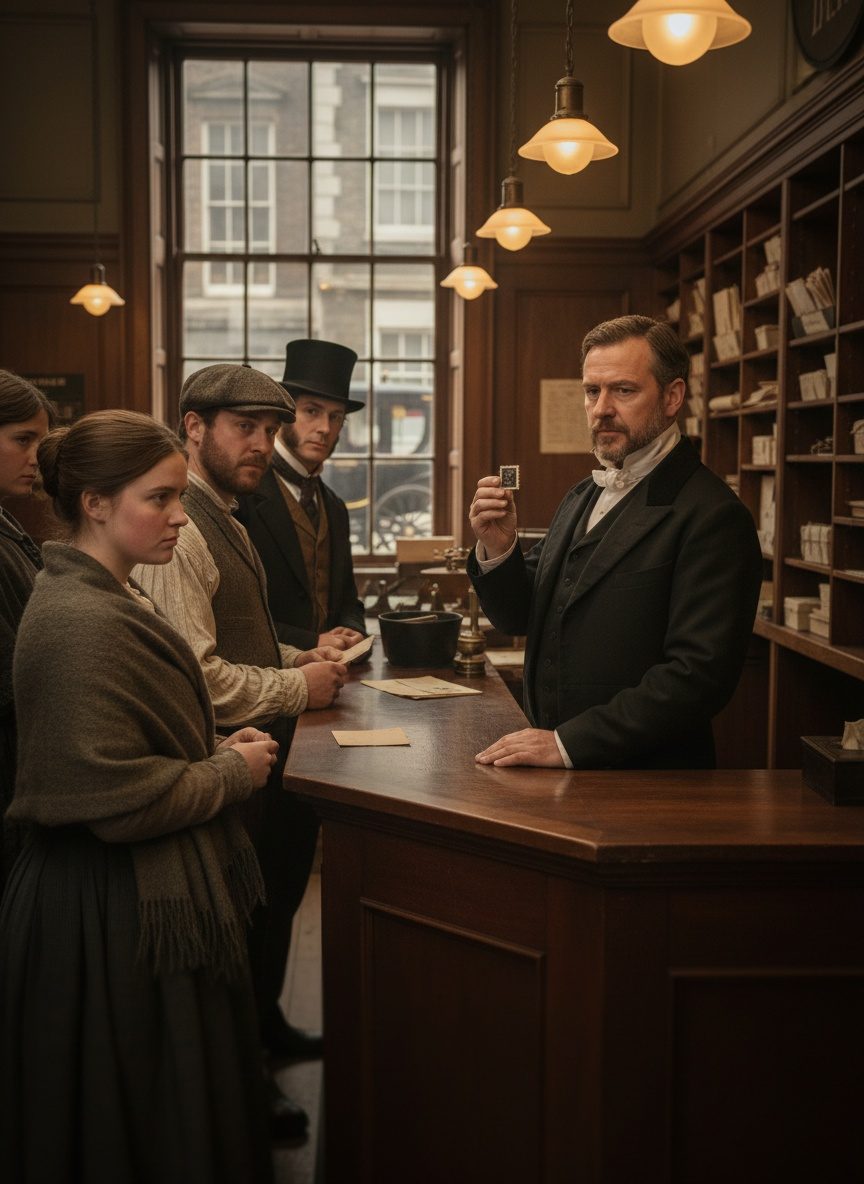
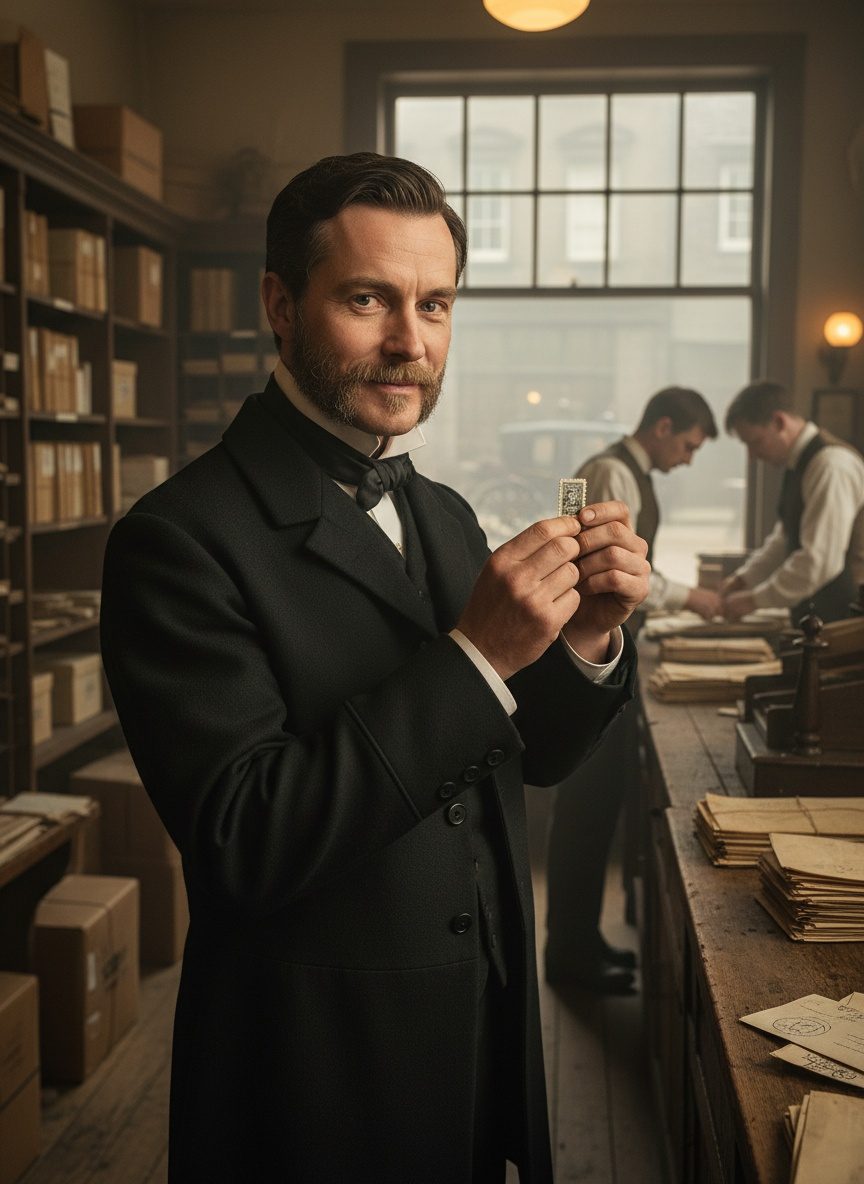
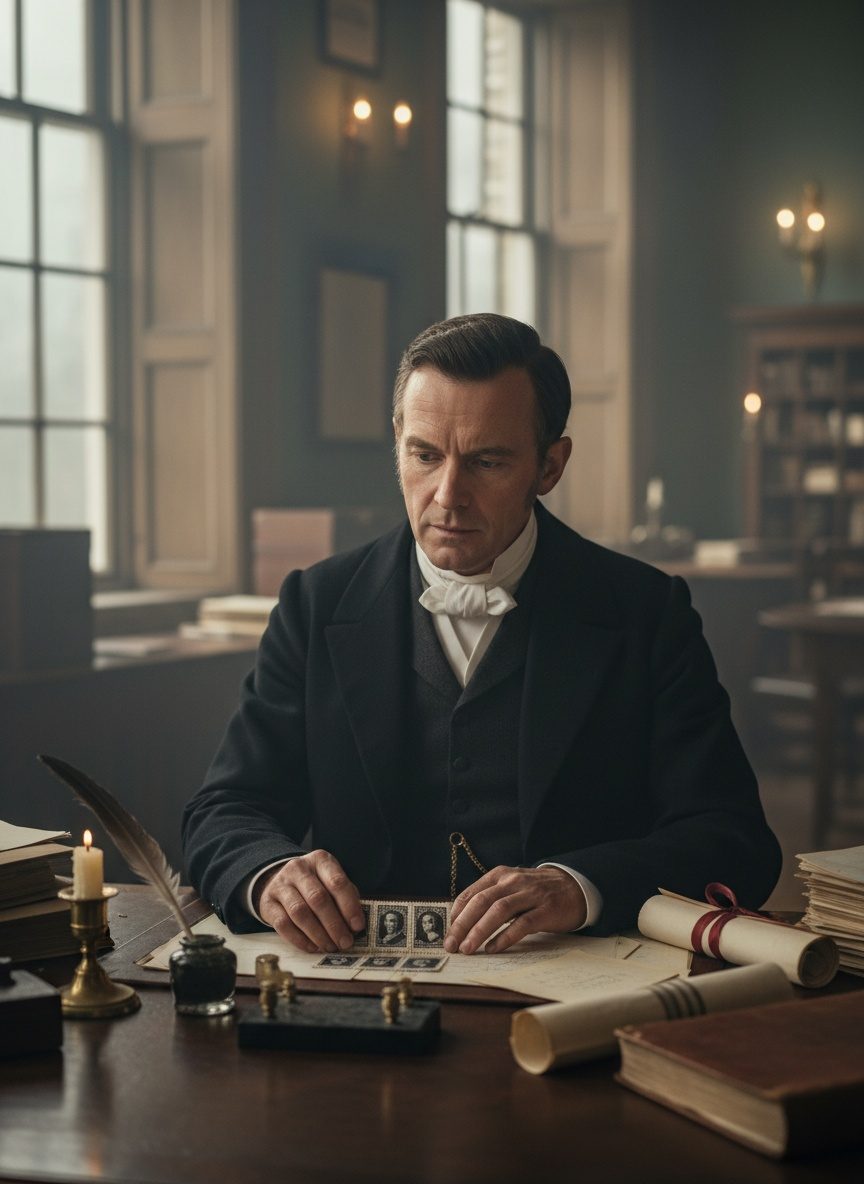
A cobbler's son from Worcestershire had an idea so simple it seemed absurd. One price. One stamp. Anyone could send a letter. In 1840, Rowland Hill changed the world for a penny.
London, 1867. Thomas Barnardo walked into the East End slums. He found children sleeping in gutters. He opened his door. He never turned one away. Not one.
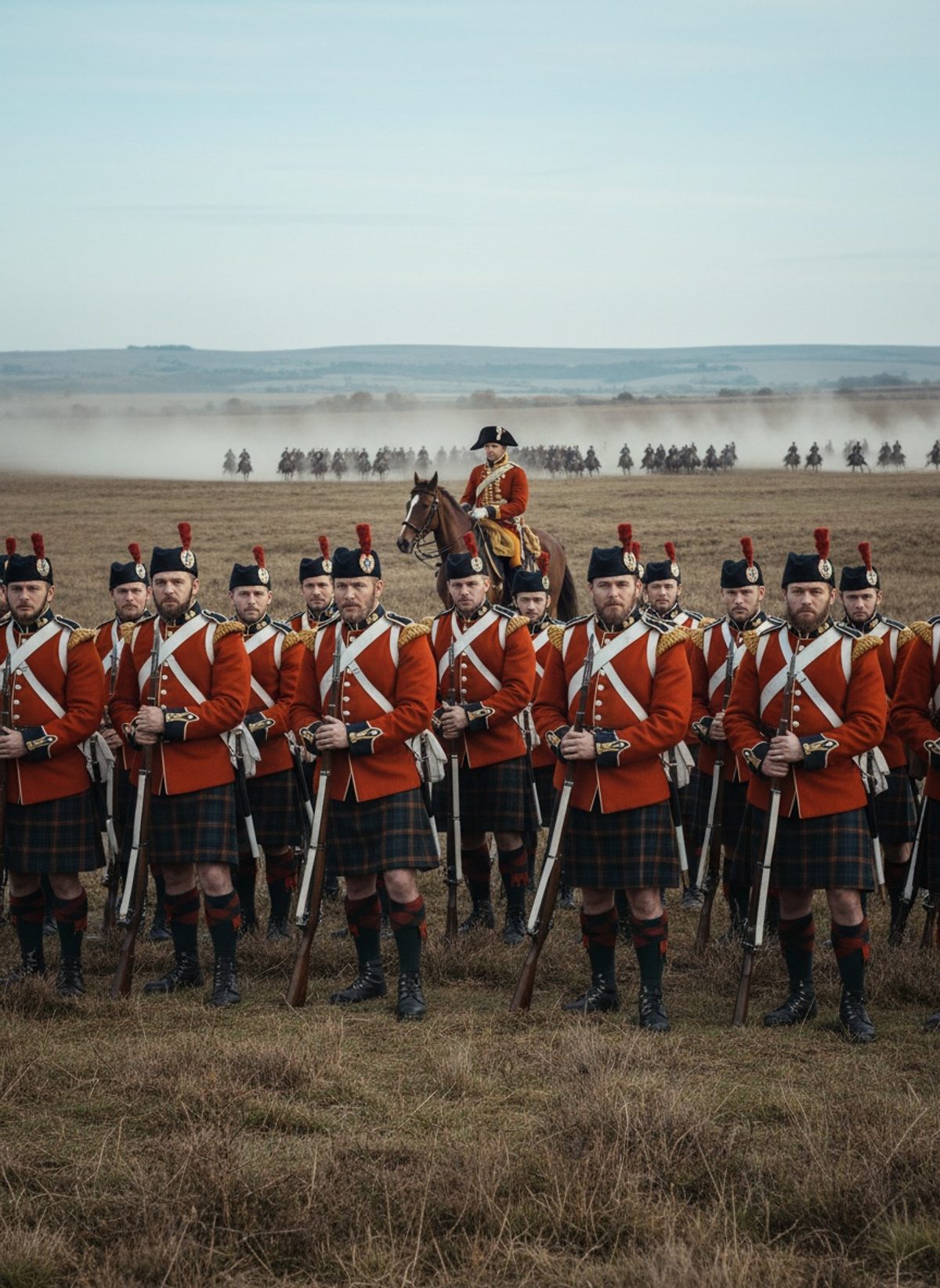
Five hundred men. Two ranks deep. Two thousand five hundred Russian cavalry coming hard. Every drill book said form square. Sir Colin Campbell didn't bother.
500 men. No square. No retreat. The Russian cavalry came over the ridge and found something they had never seen — a line two men deep that simply would not move.
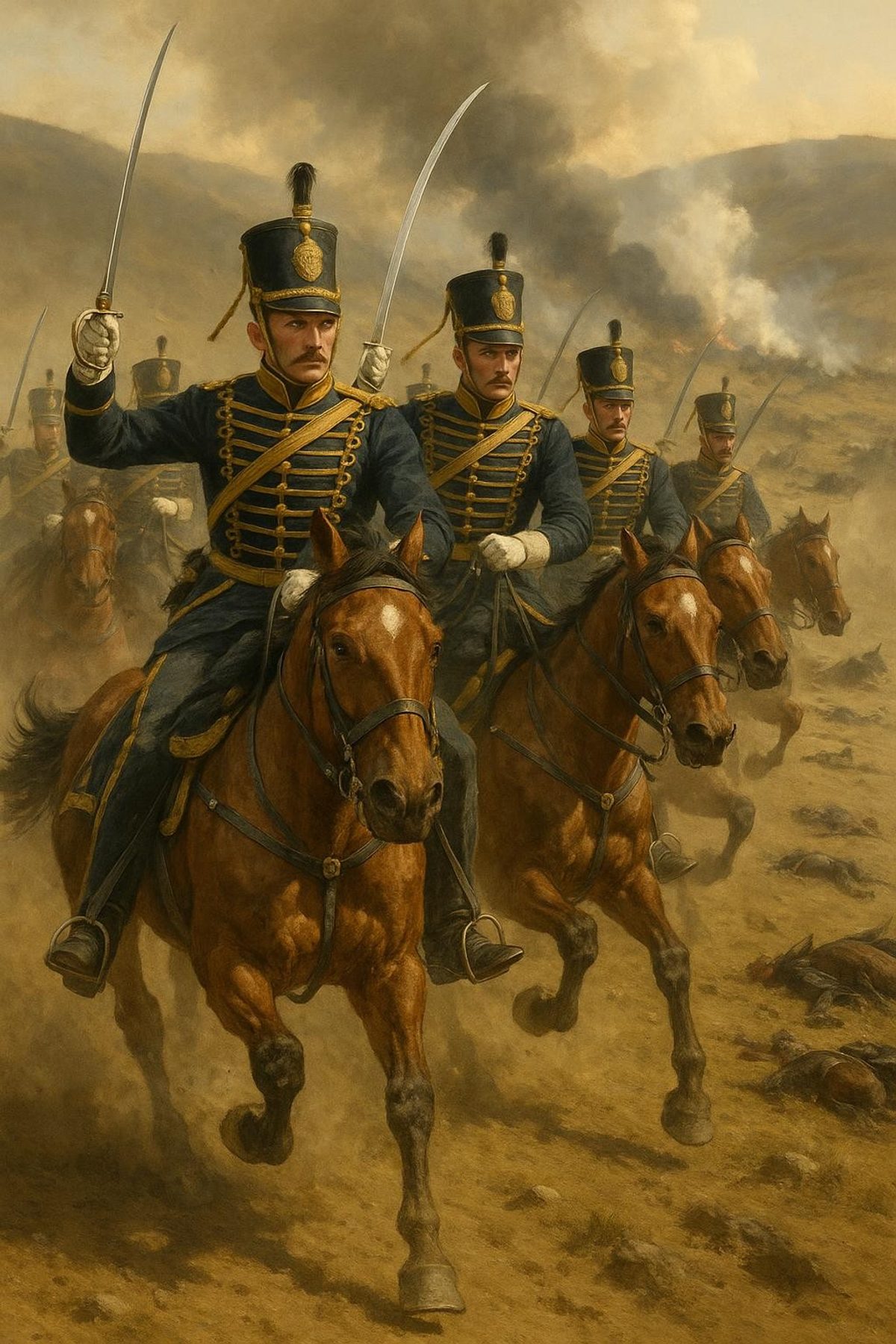
Balaclava, 25 October 1854. The order was wrong. Every officer knew it. They rode anyway. In 20 minutes, 278 men were dead or wounded. The Russians who watched them come could not believe what they were seeing.
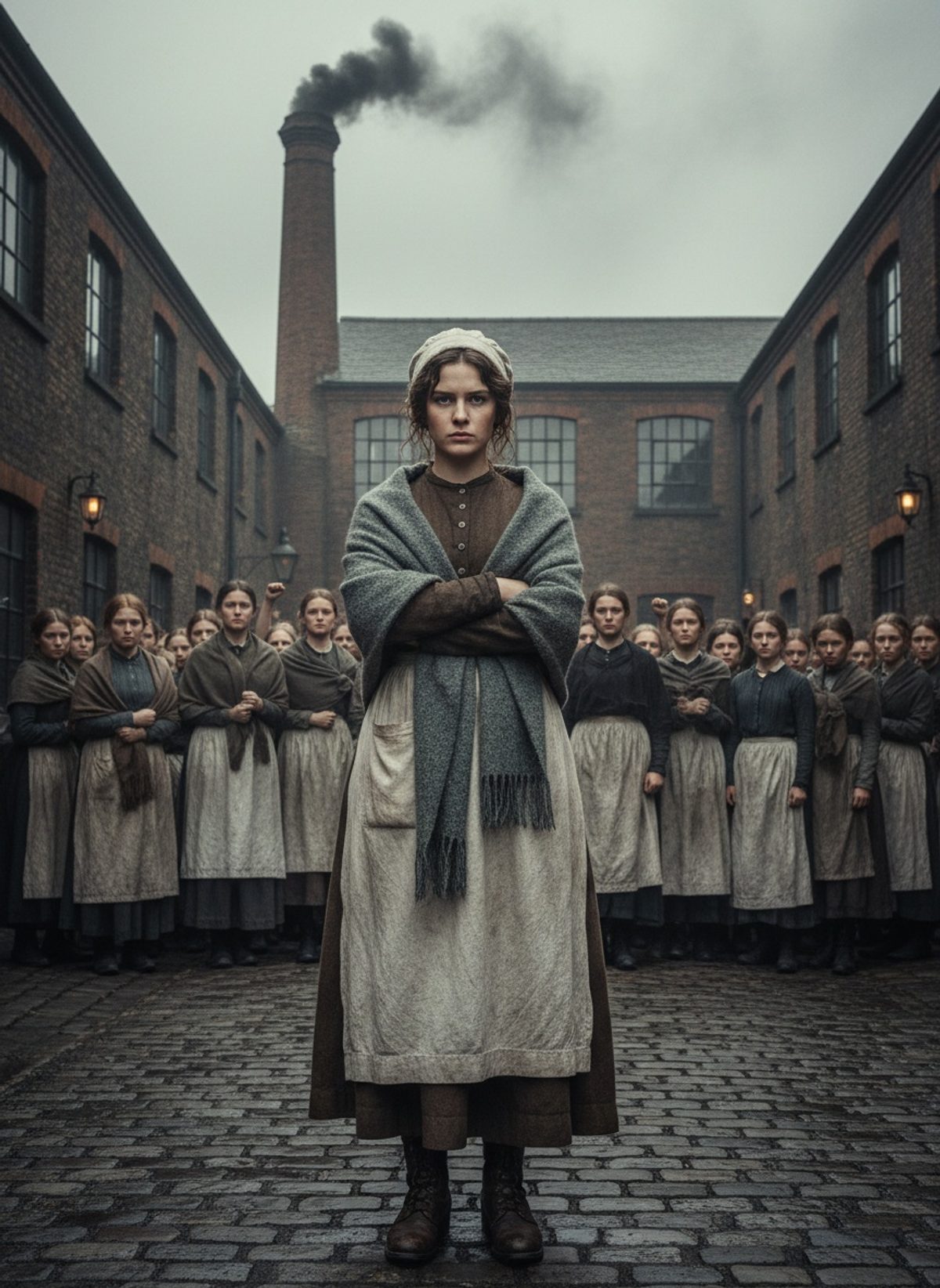
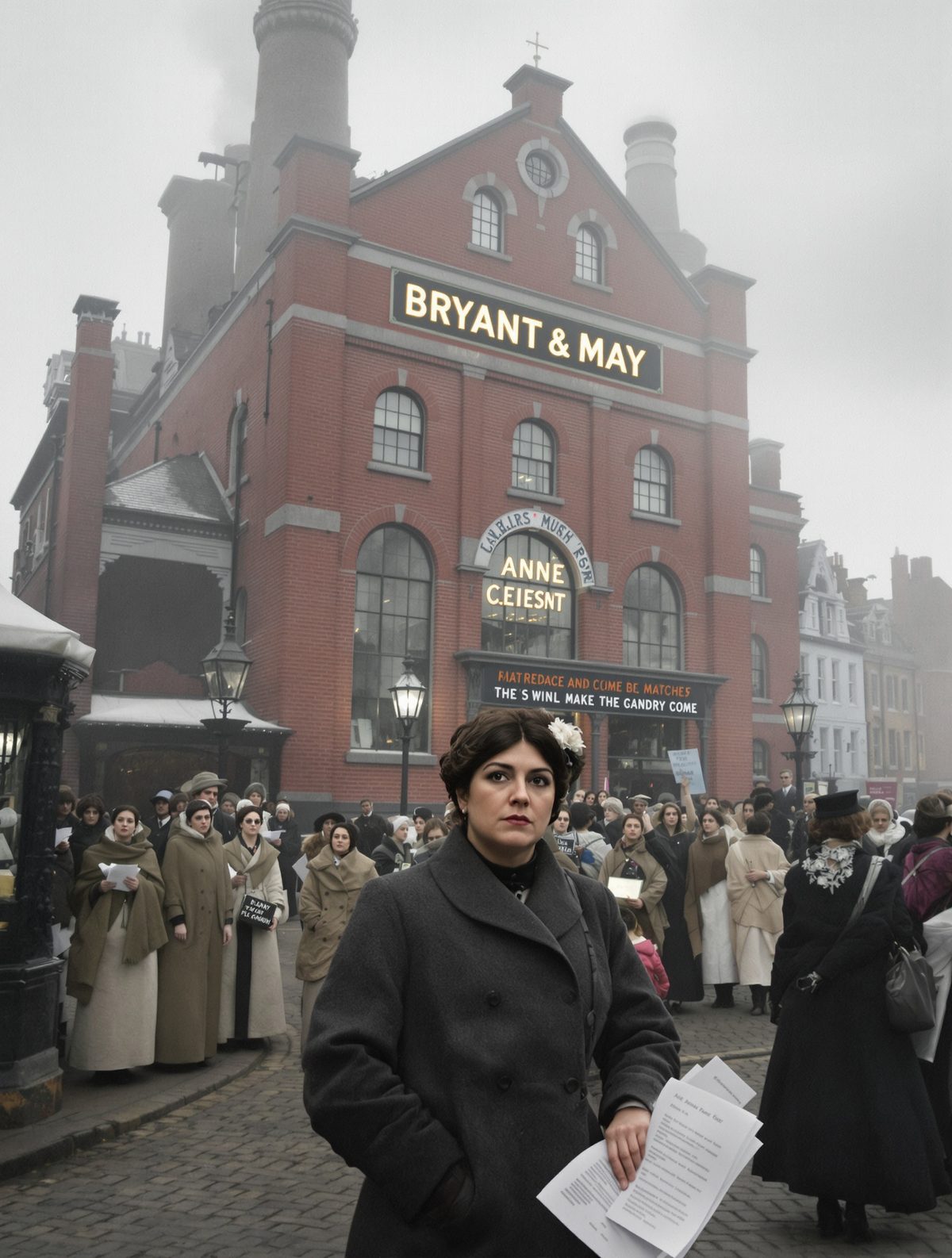
London, 1888. The Bryant and May match girls were fined, docked, and dying. One girl stood up. Then another. Then 1,400 walked out together. They had nothing. They won everything.
He was 23. His sword arm was useless. The regiment galloped straight into 2,000 hidden spearmen. In 120 seconds, 21 men died. Churchill came out the other side firing a pistol at point-blank range.
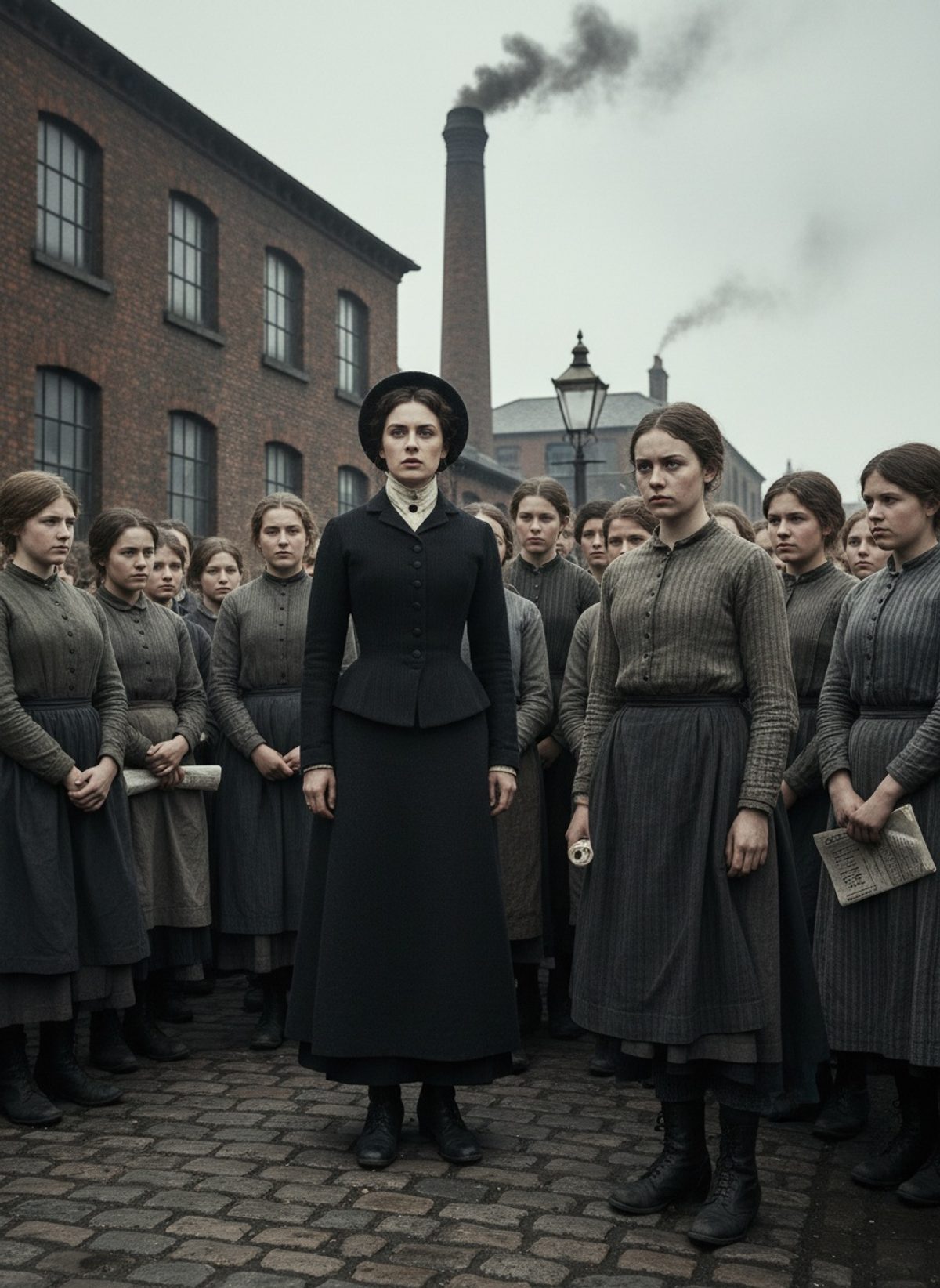
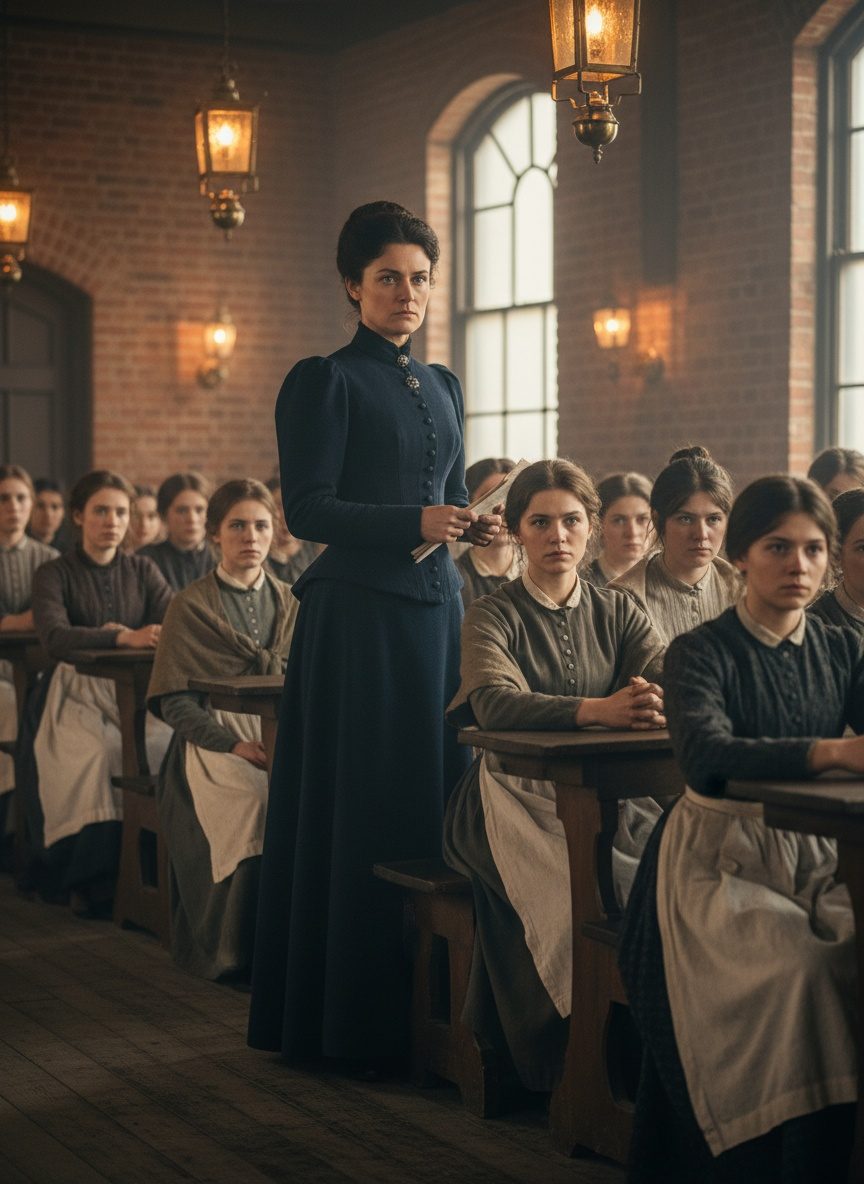
London. 1888. The match girls of Bryant and May worked fourteen-hour days with phosphorus jaw disease rotting their faces. Annie Besant listened. Then she printed every word. Three weeks later, 1,400 girls walked out.
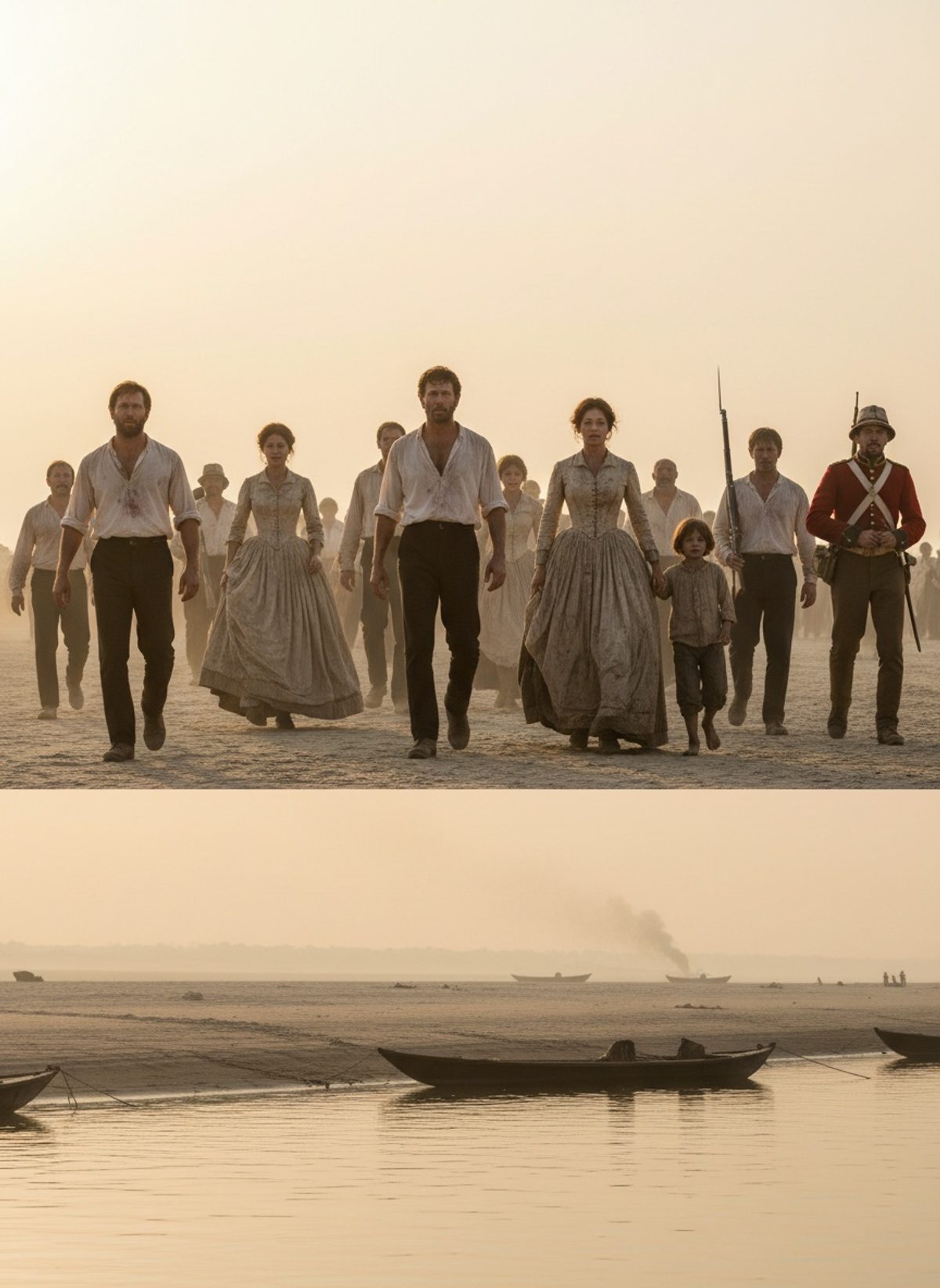
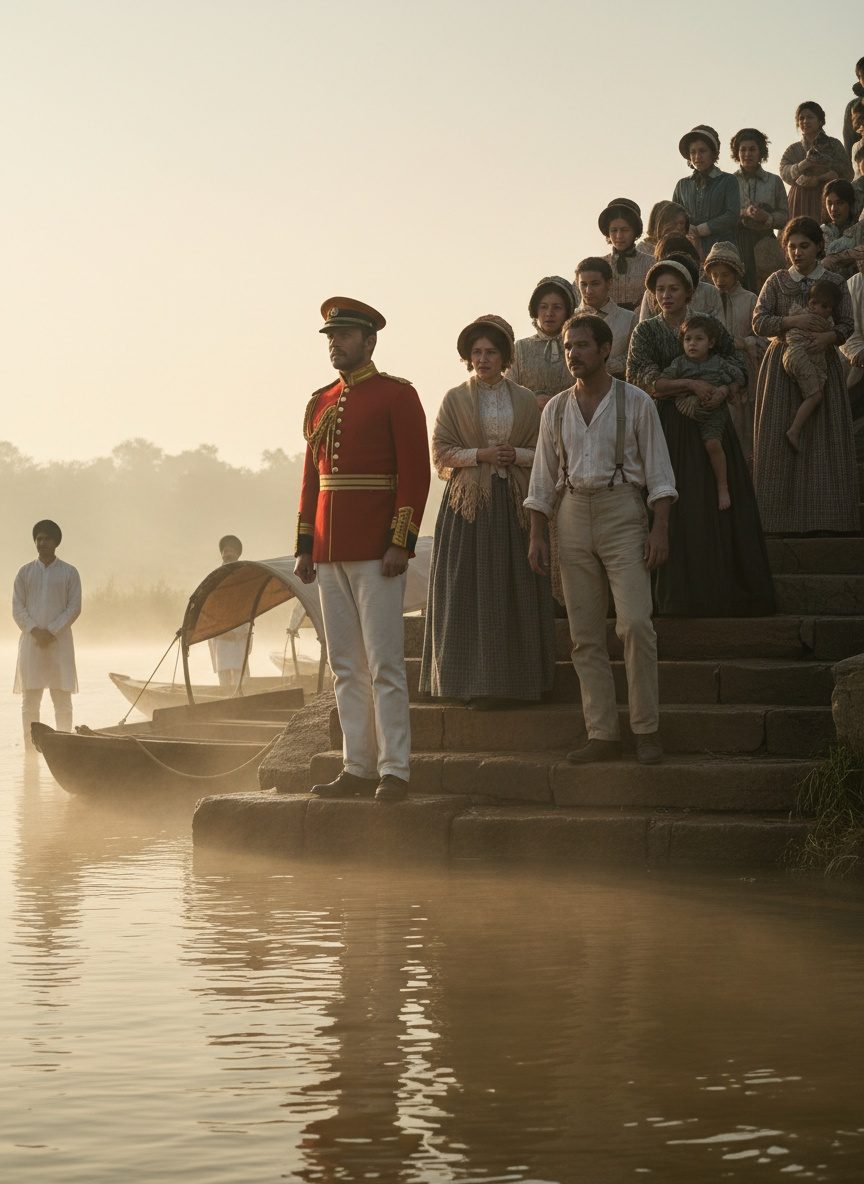
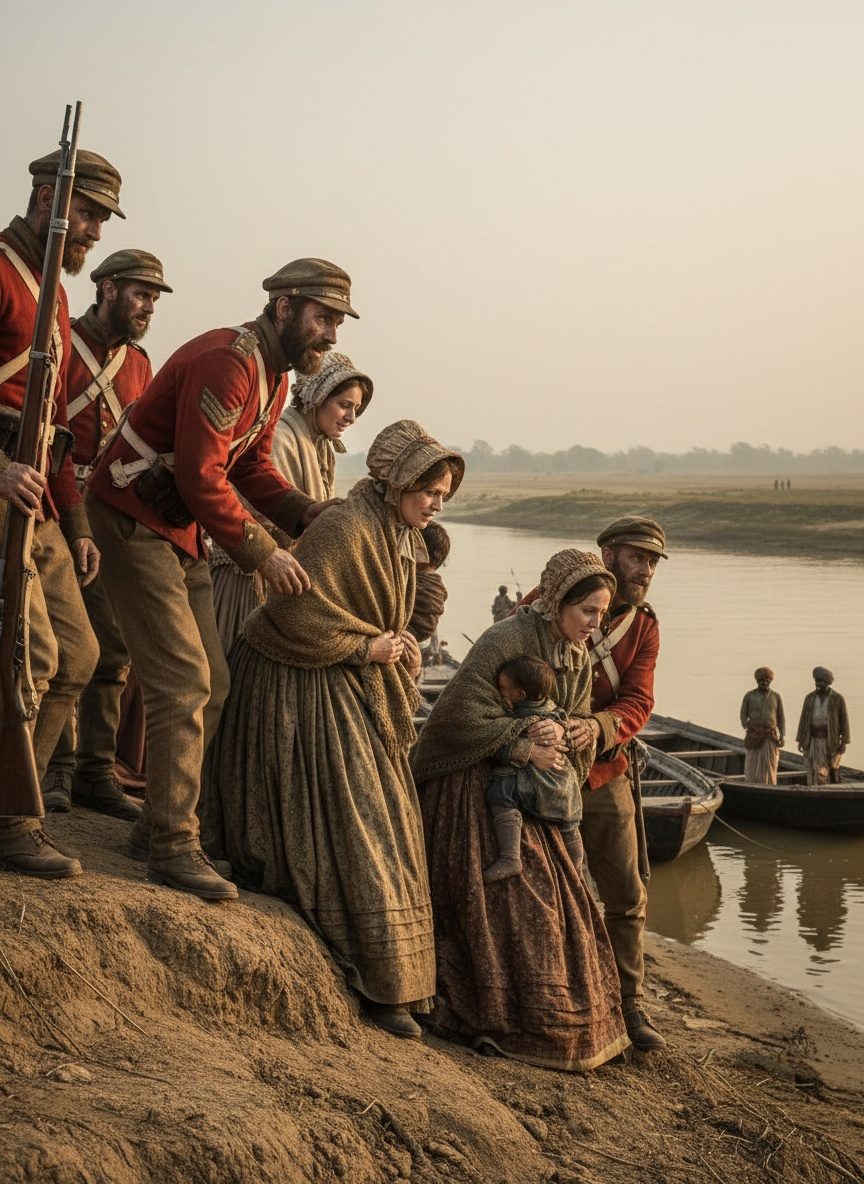
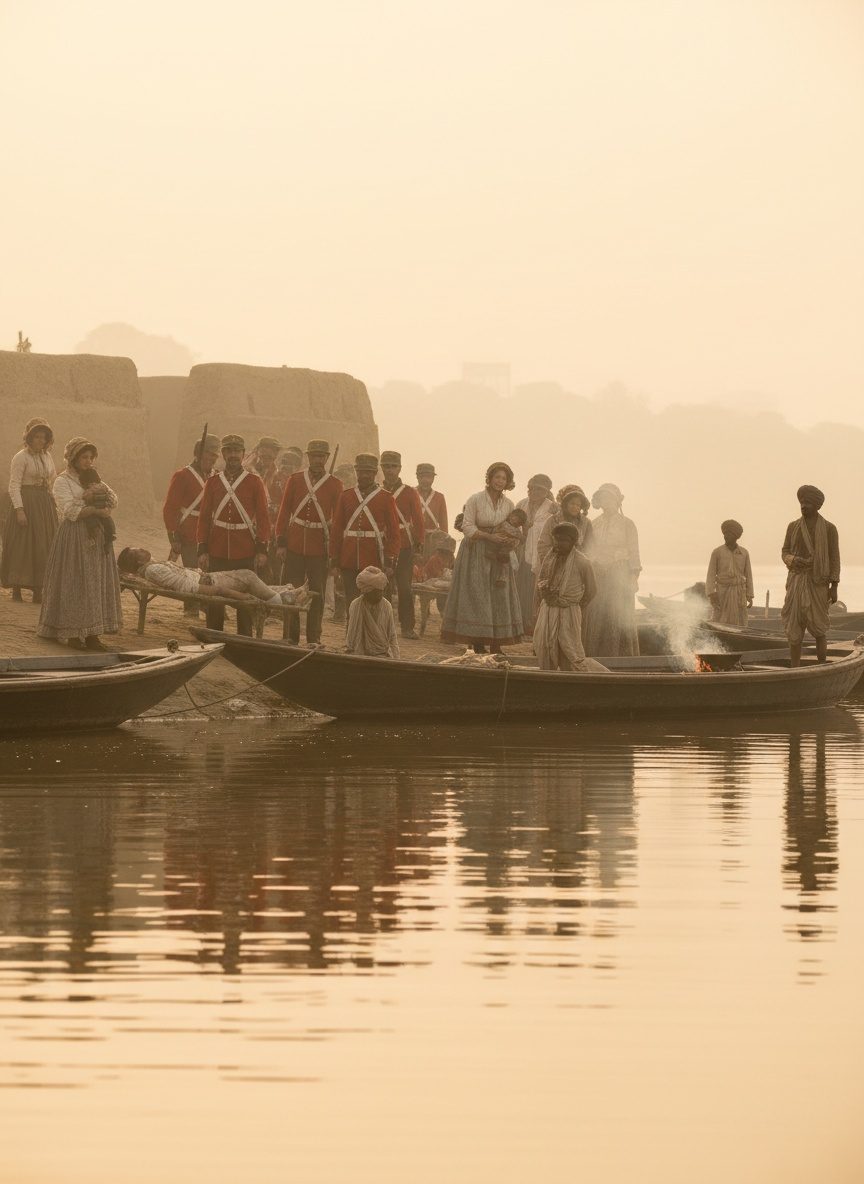
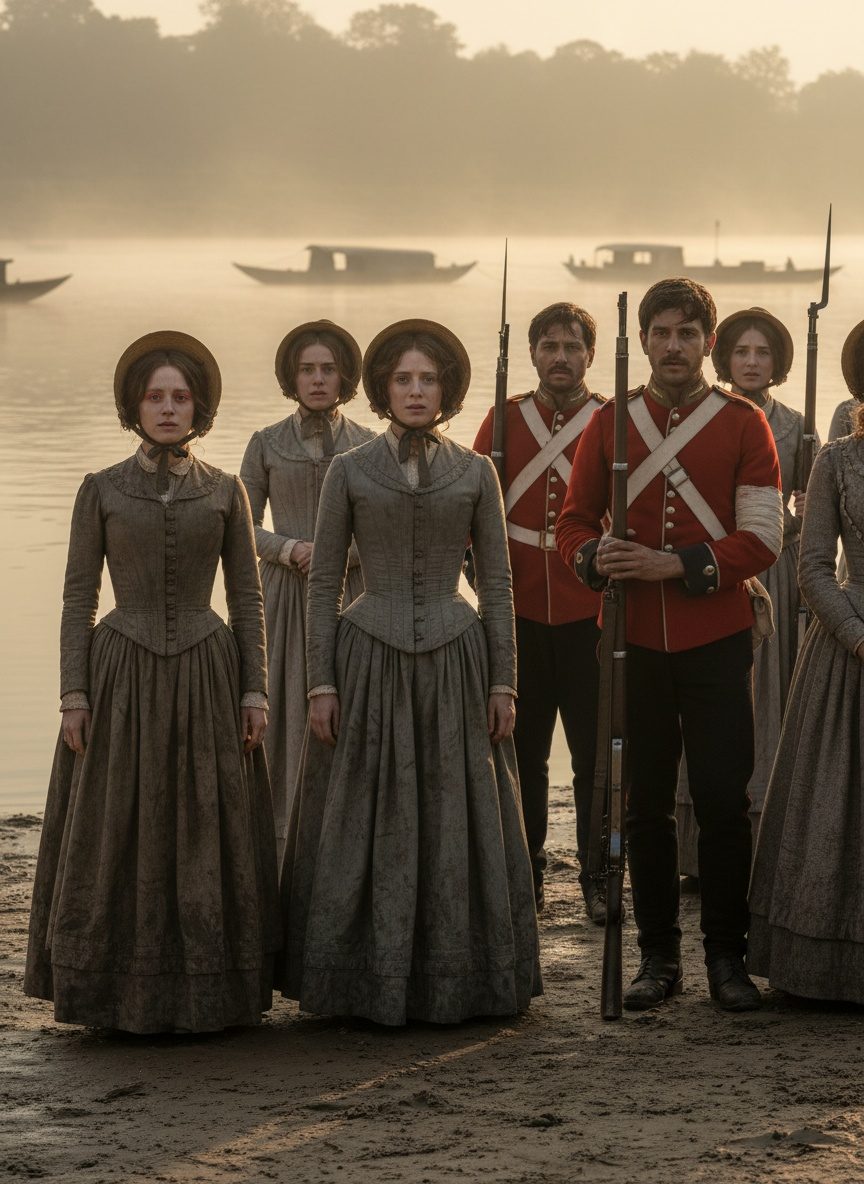
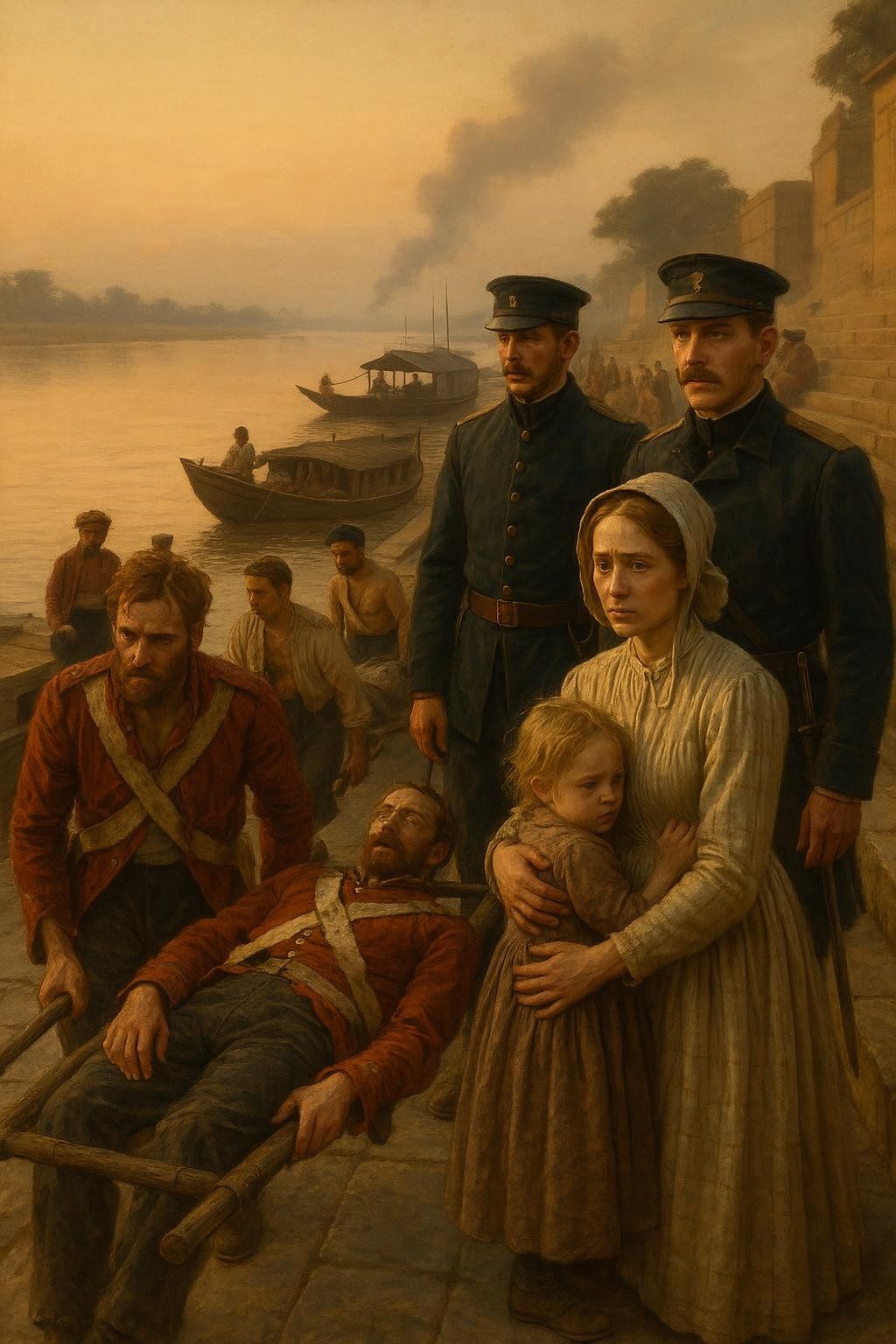
June 1857. Nine hundred British men, women and children had endured three weeks of siege, cholera and sun. Their enemy offered boats to safety. They believed him. At the river, the boats were burning.
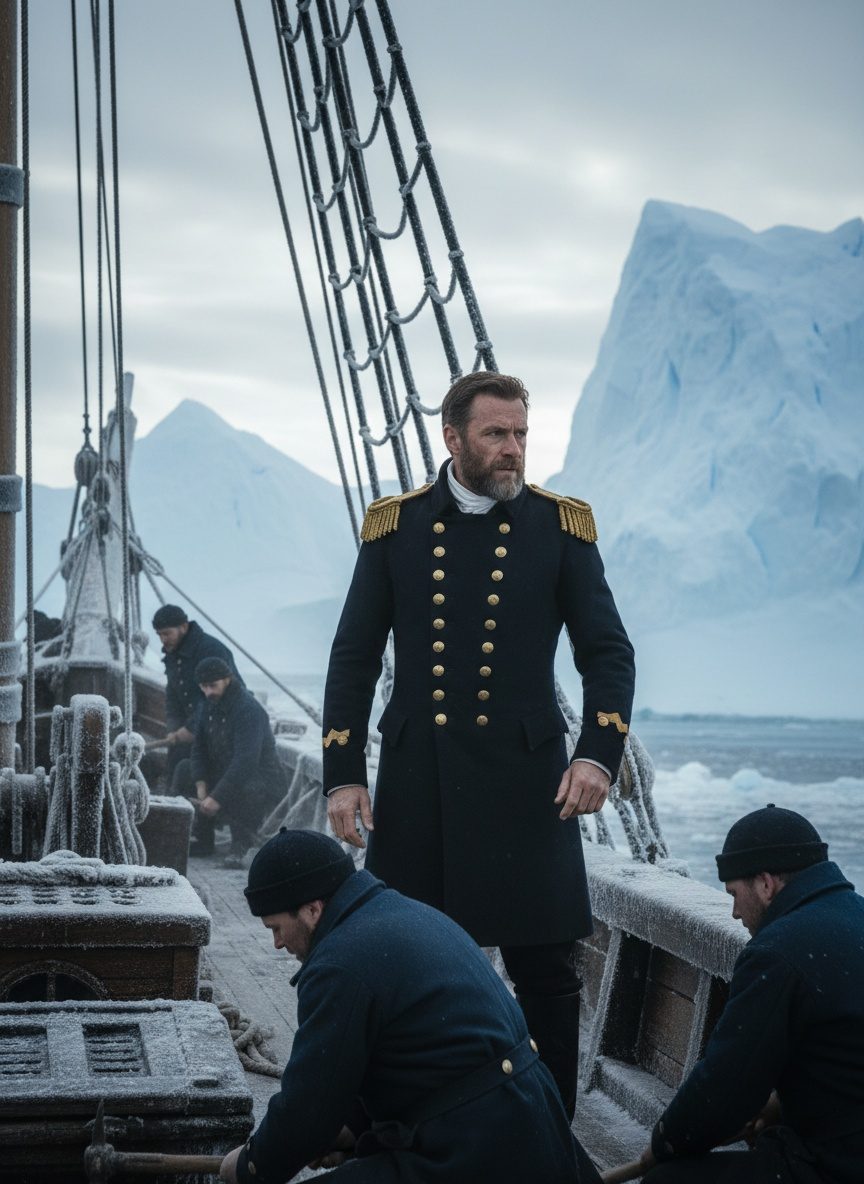
He sailed into ice that could crush his ships like matchwood. No one had gone further south. He had no charts. He went anyway — and came back with the edge of the world drawn on paper.
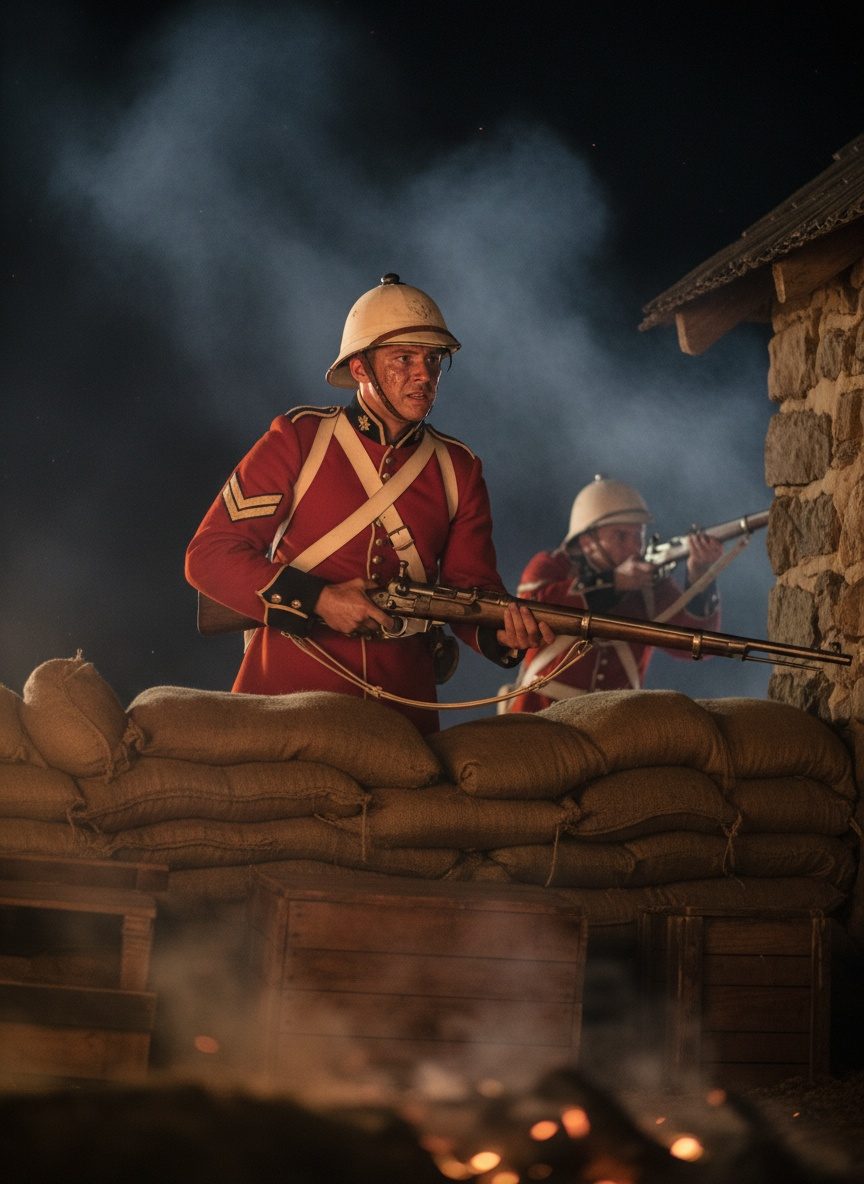
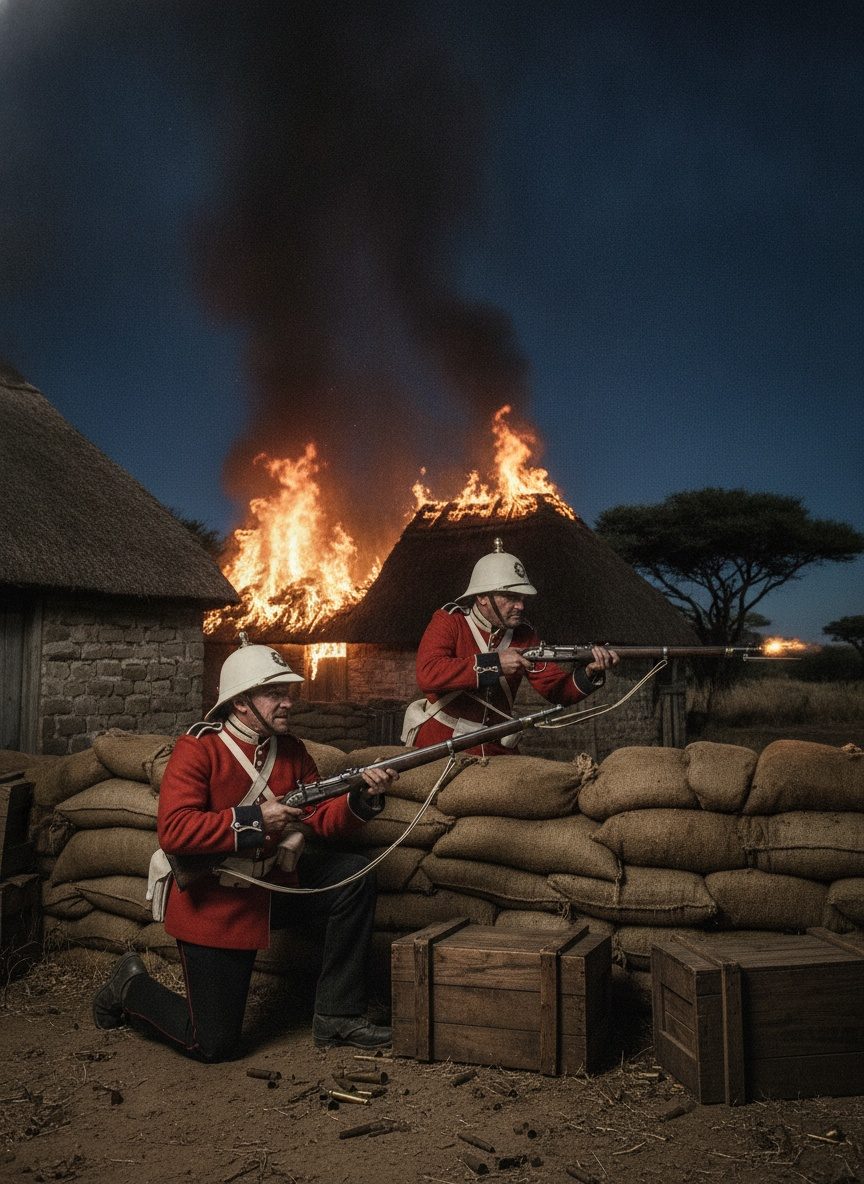
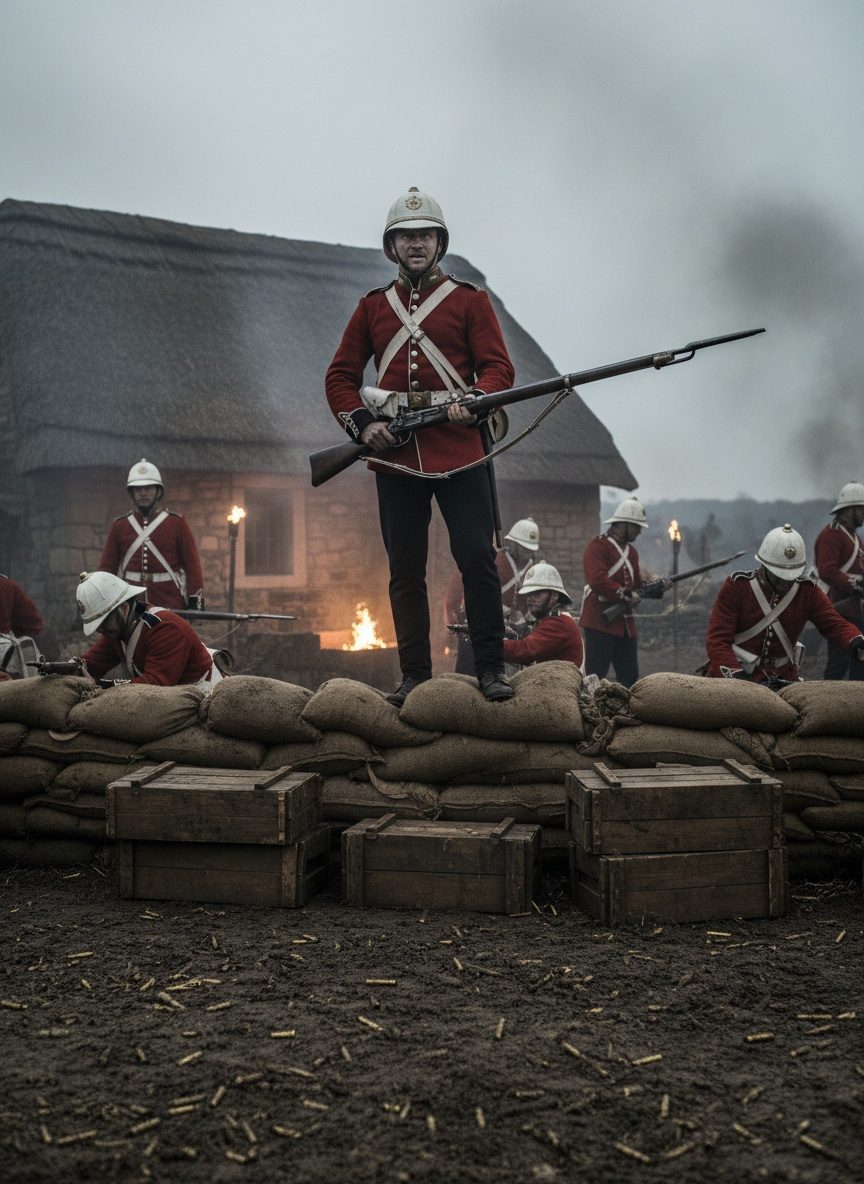
One hundred and thirty-nine men. Ten thousand warriors. A burning hospital. And a lieutenant who refused every order to retreat. Rorke's Drift lasted twelve hours. Not one man ran.
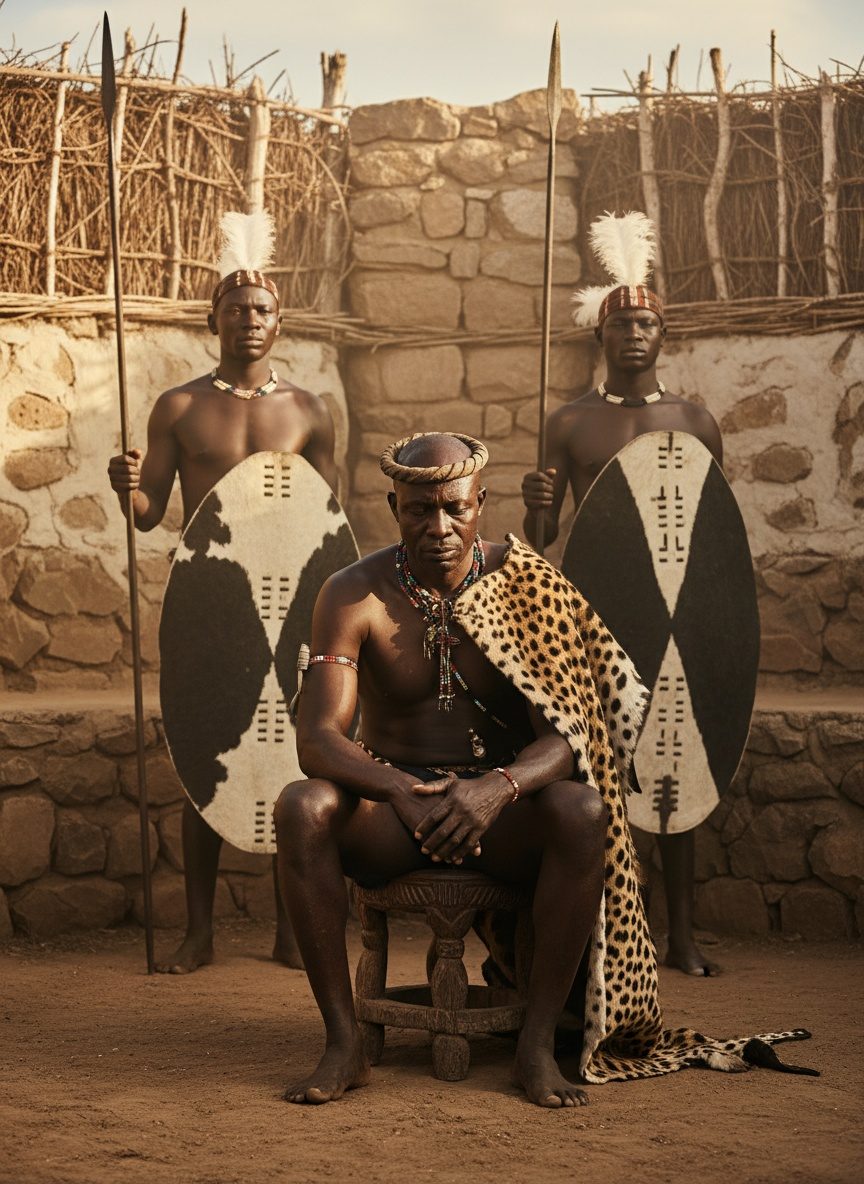
After Isandlwana, Cetshwayo ordered his impis to halt at the Buffalo River. He had won. He knew it meant nothing. He sent a message to Lord Chelmsford: he had not wanted this war.
London, 1867. Workhouse wards were dying rooms. Agnes Jones had trained under Nightingale herself. She walked into Liverpool's Brownlow Hill. Twelve hundred patients. No real nursing. She changed everything. Then the typhus took her.
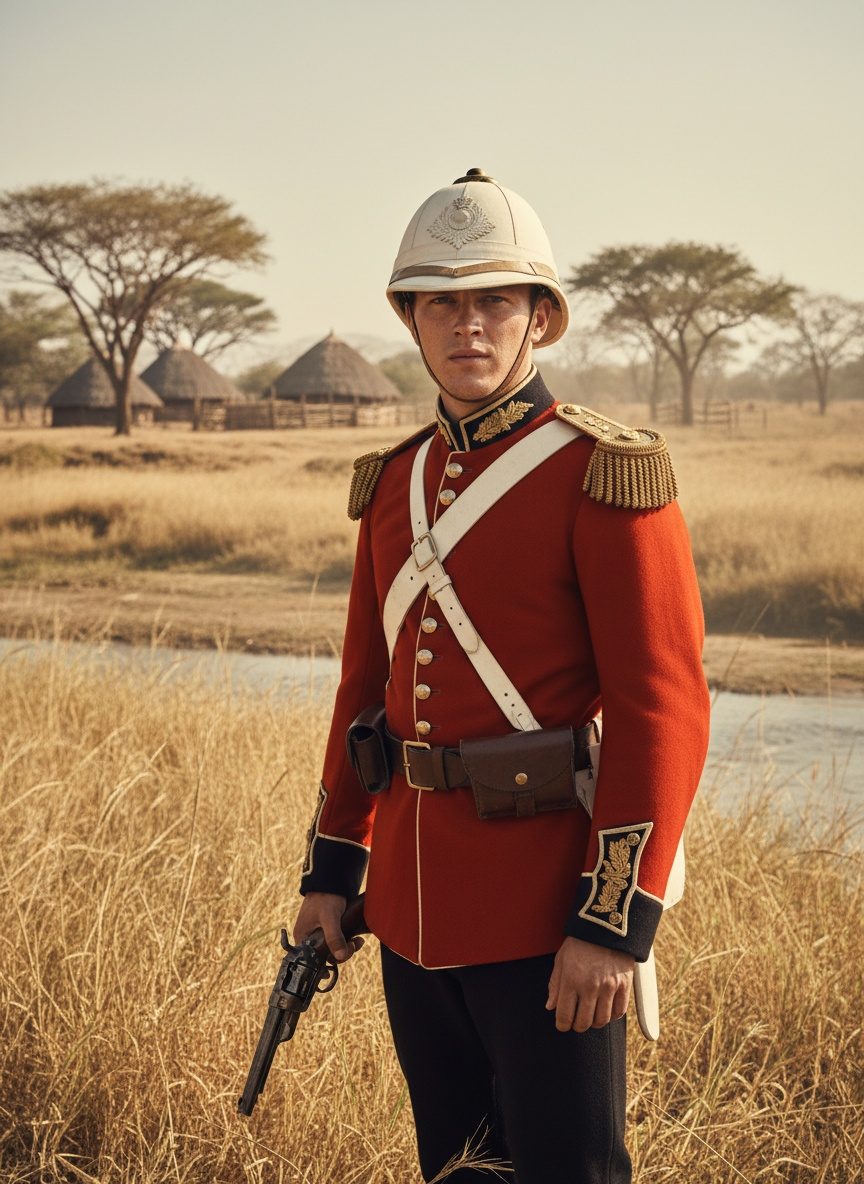
He was Napoleon's great-nephew. Heir to the French throne. He died in a ditch in Zululand, in a British uniform, with seventeen spear wounds — every one of them to the front.
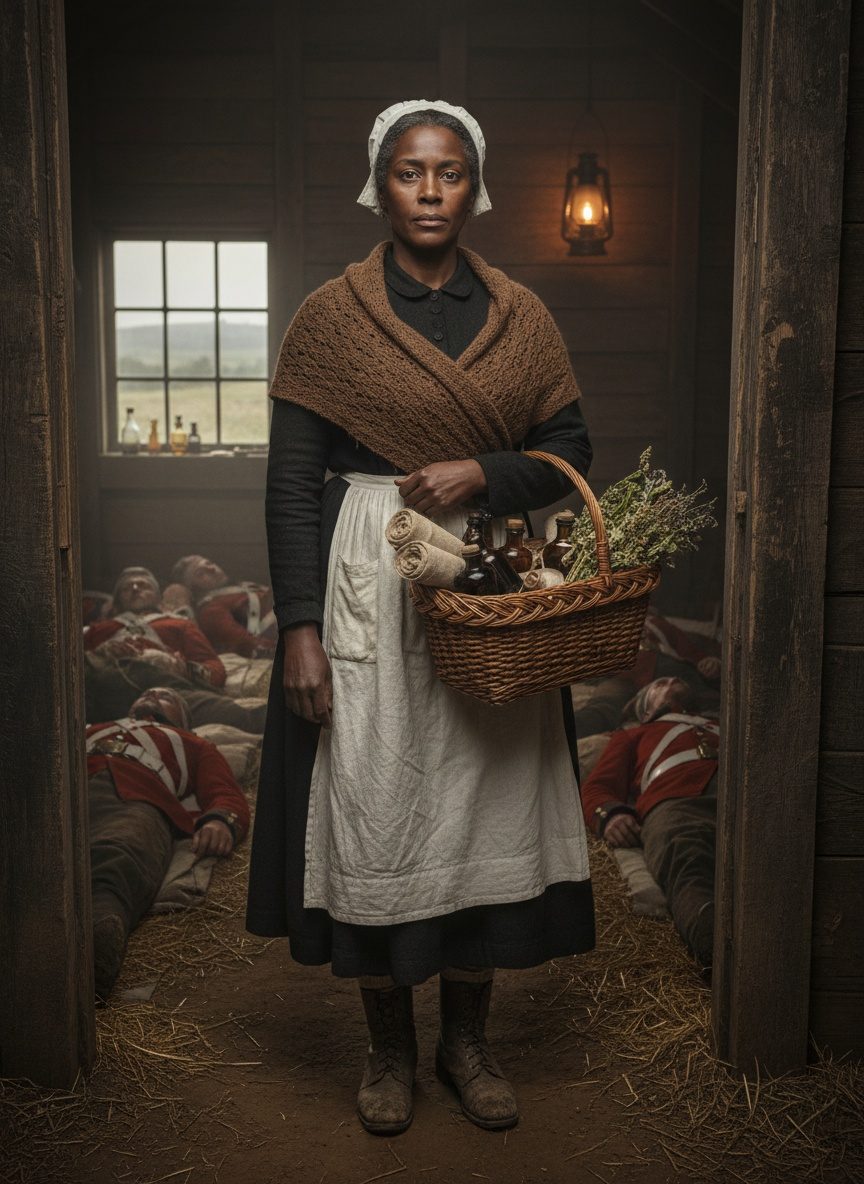
Scutari, 1855. The wounded lay dying in filth. The army surgeon refused her entry to the wards. Mary Seacole walked in anyway. She had come too far to stop now.
Two thousand hidden fighters. One regiment committed at full gallop. One hundred and twenty seconds. The most expensive two minutes in British cavalry history — and the man who ordered it knew it before the dust settled.
Nine hundred British souls. Three weeks of siege. One signed promise of safe passage. They took it. At the river, the boats were waiting — and so was the slaughter.
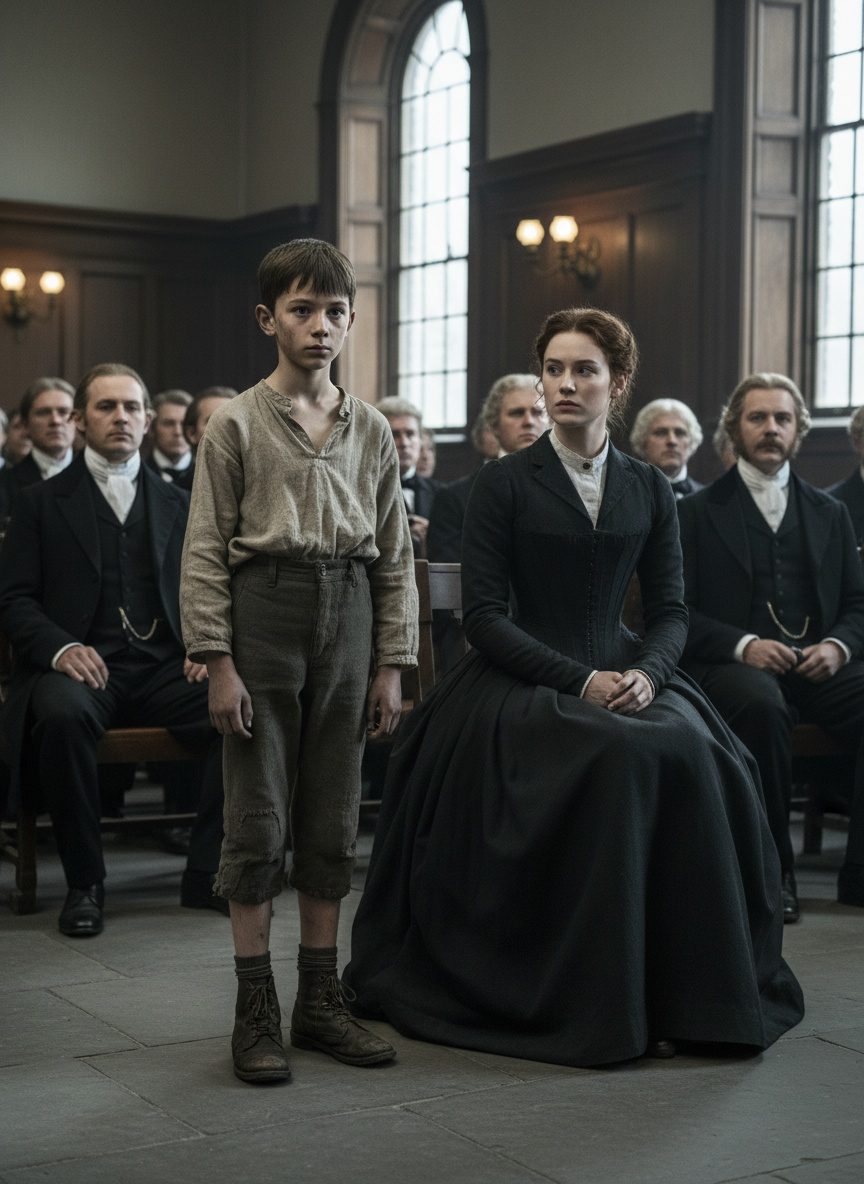
London. 1875. A soot-blackened boy of nine took the stand. He spoke quietly. The courtroom fell silent. His words ended an ancient trade. Children never climbed chimneys in Britain again.
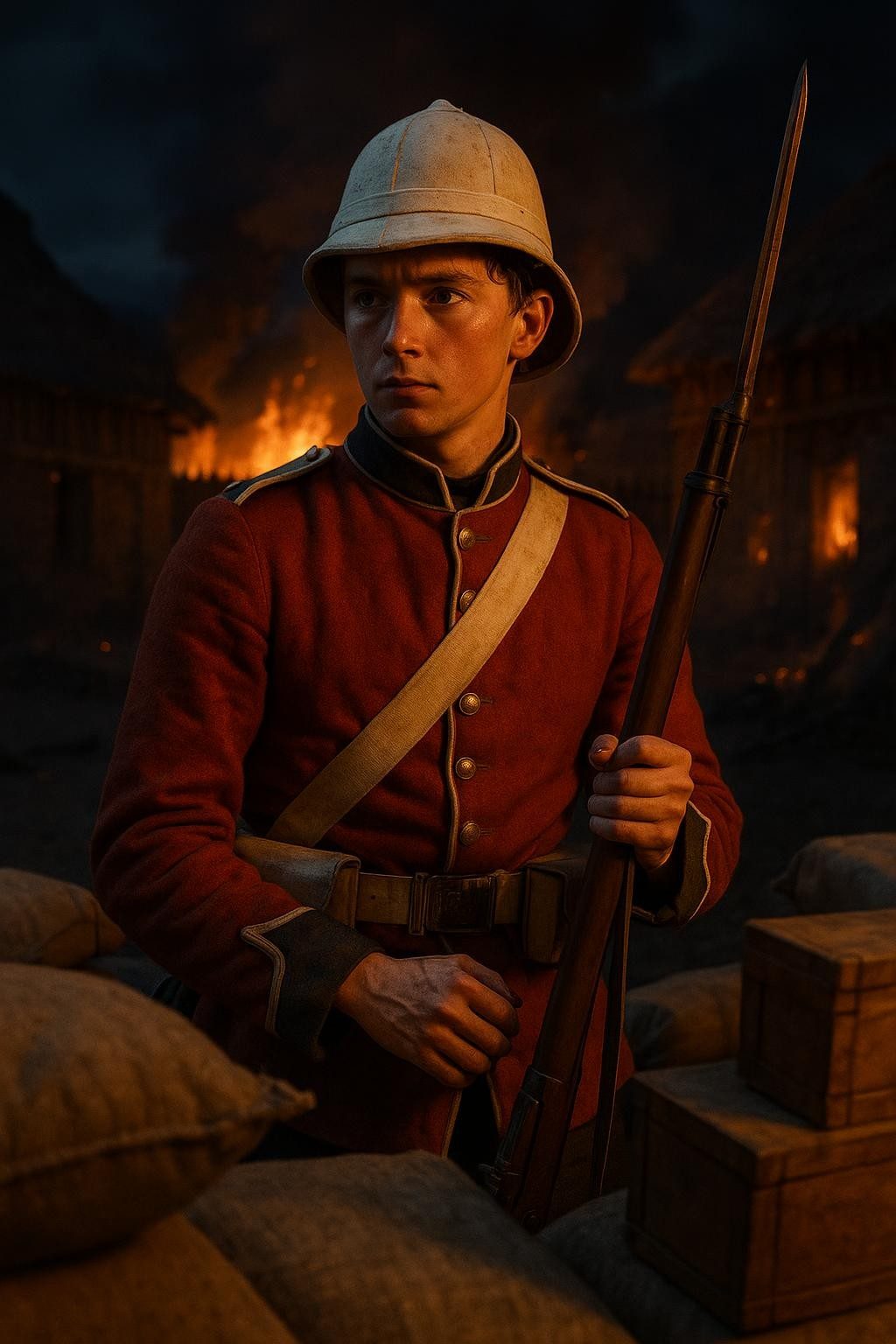
Rorke's Drift. 22 January 1879. Over four thousand Zulu warriors. One hundred and thirty-nine British soldiers. And among them, a seventeen-year-old boy who should never have been there at all.
London. 1888. Annie Besant had nothing to gain. The matchgirls at Bryant and May were dying from jaw rot. She walked into the factory. Listened. Then published every name. The strike that followed changed Britain.
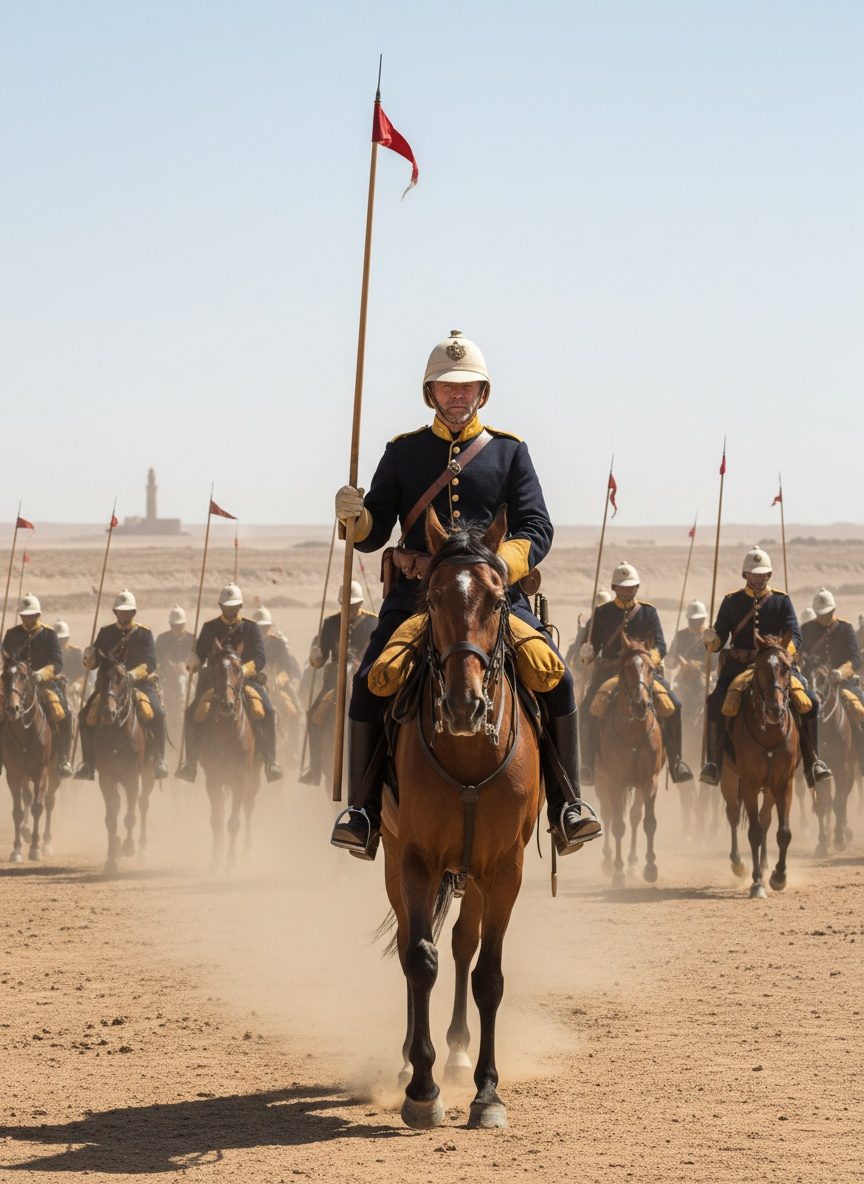
September 1898. Sudan. A regiment of lancers crested a ridge and saw only a thin line of riflemen. They charged. The ground opened beneath them. Two thousand men rose from a dry riverbed. They had one hundred and twenty seconds to survive it.
900 starving British survivors surrendered at Cawnpore after three weeks of siege. They had a signed promise of safe passage. They walked to the river. The boats were waiting. Then the shooting started.
One man. One idea. A nation transformed. In 1840, Rowland Hill convinced a sceptical government to let ordinary people send letters for a single penny. Nothing in British daily life was ever the same again.
She paid her taxes. She owned her home. But she could not vote. In 1867, Lily Maxwell walked into a Manchester polling booth anyway — and the crowd let her. Britain was never quite the same.
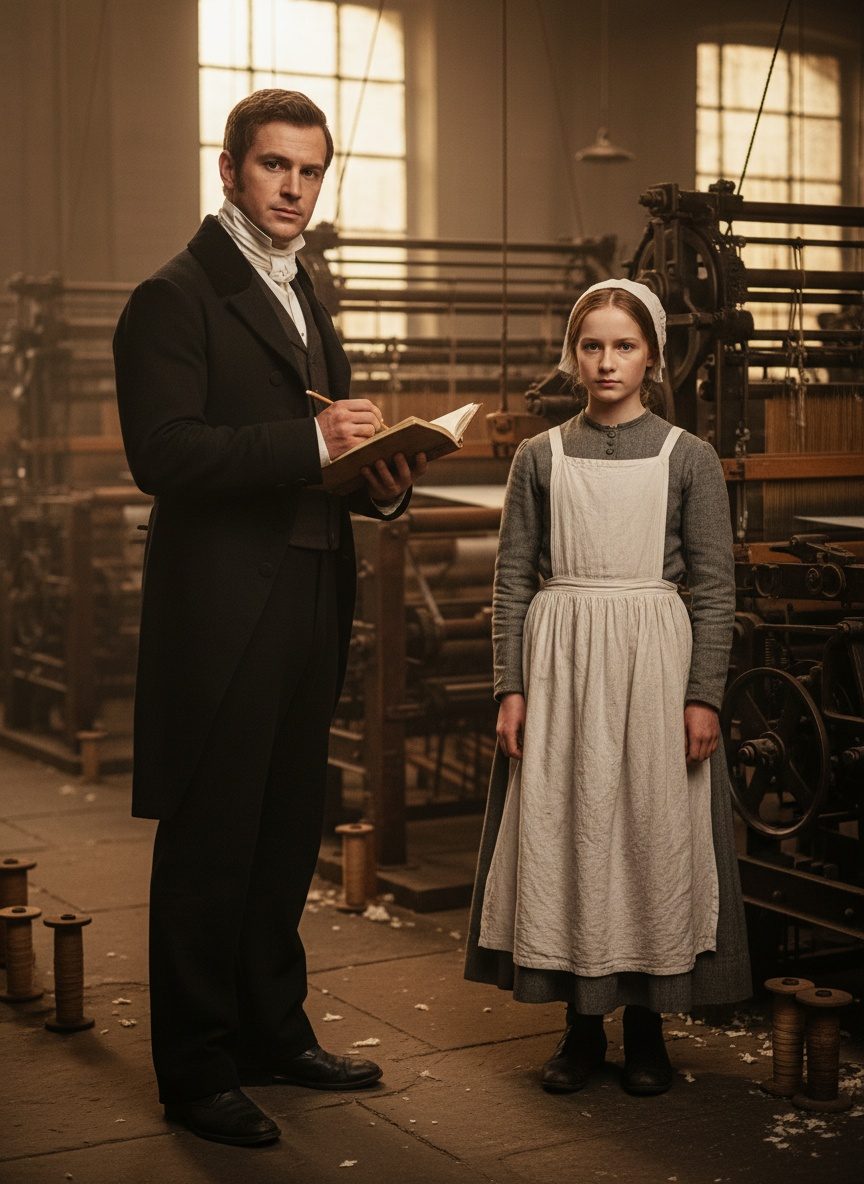
London, 1832. Ten-year-old Robert Blincoe had survived a cotton mill. He told his story to a Parliamentary commissioner. Every word was true. Every word was damning. Parliament could not look away.
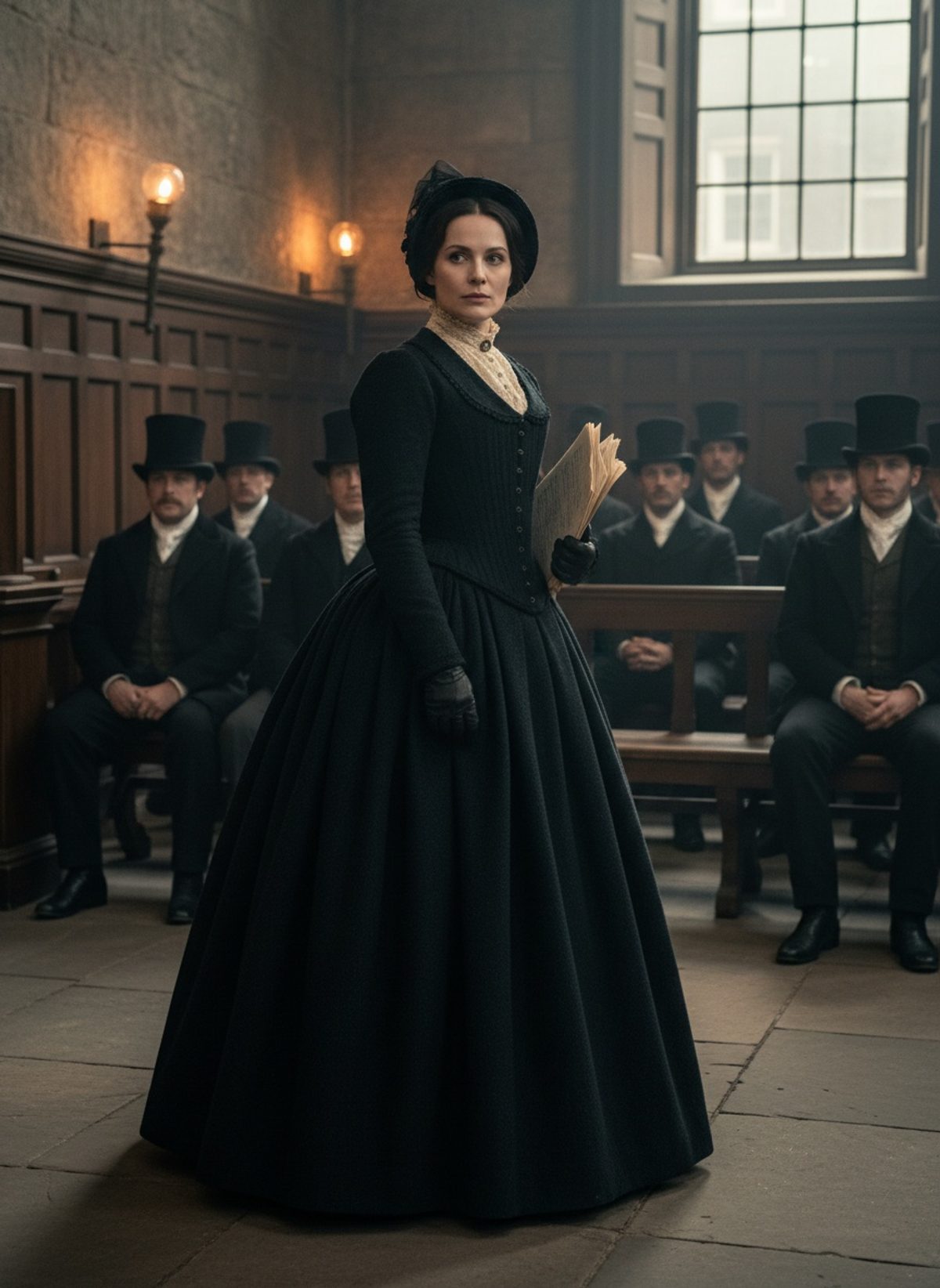
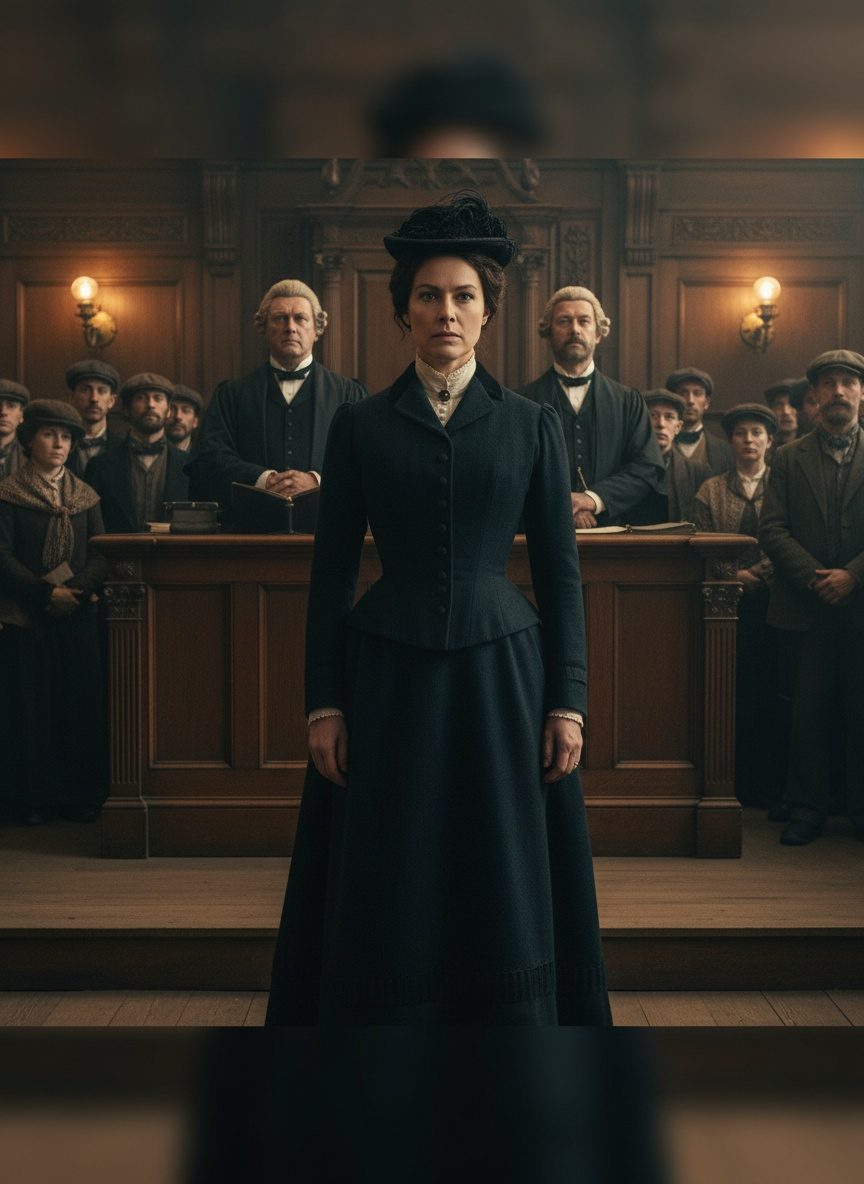
London. 1888. Annie Besant had one chance. She stood before the magistrates. Alone. No lawyer. No money. She spoke for the match girls anyway. And won.
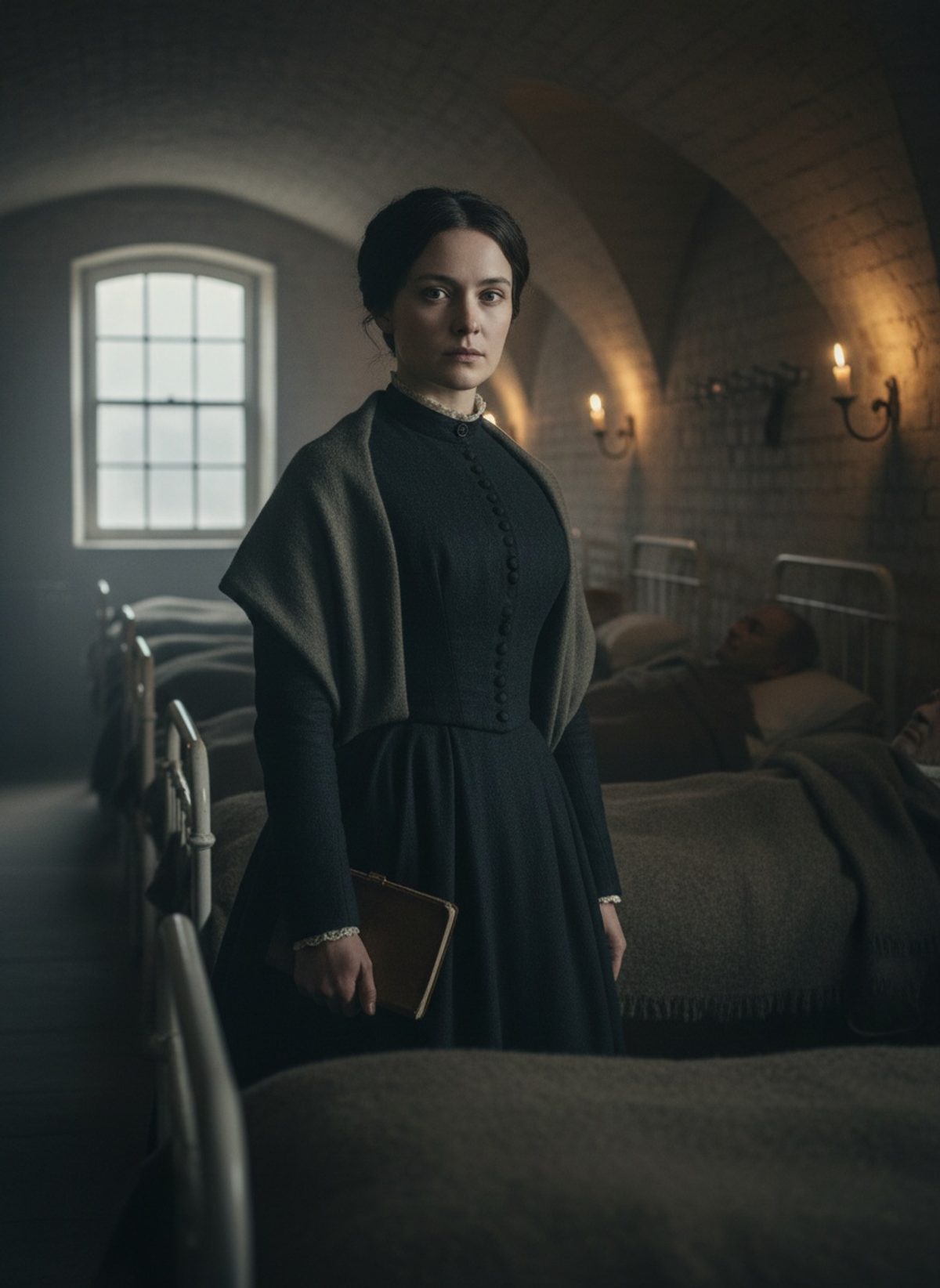
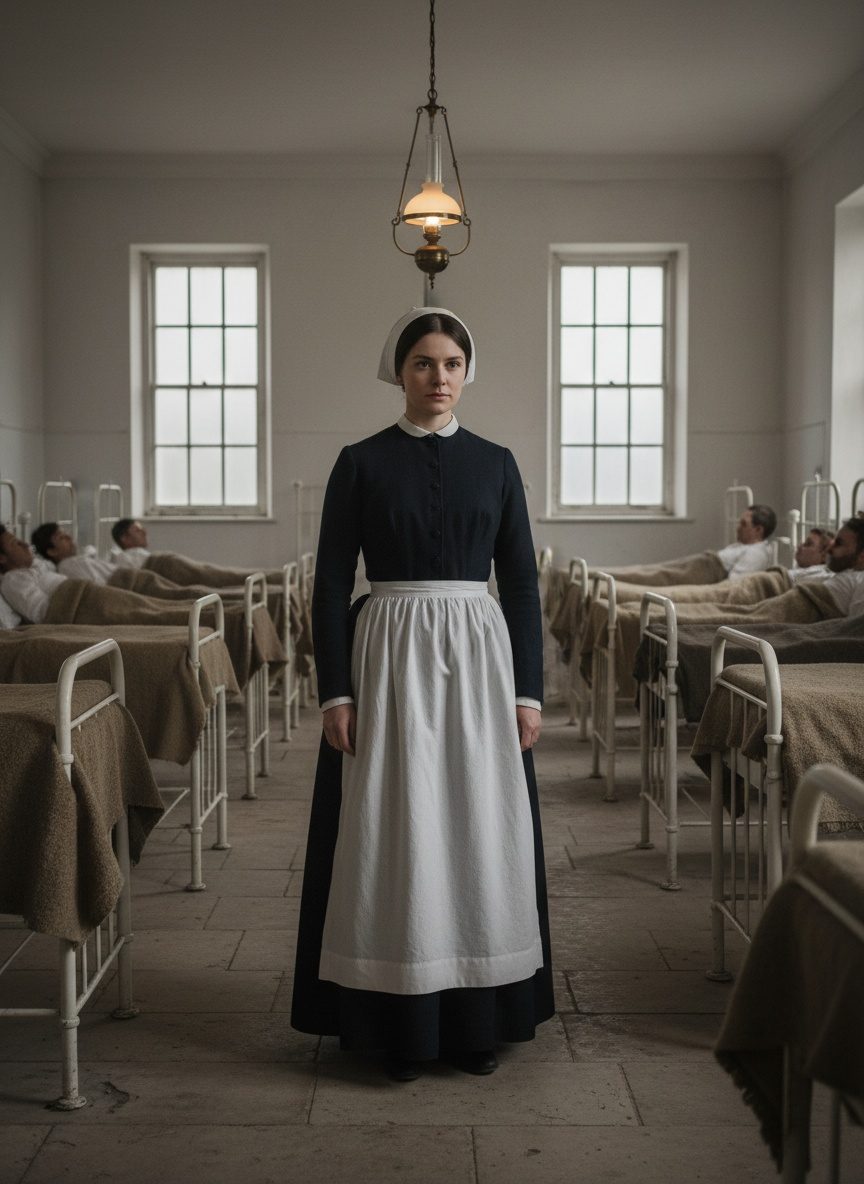
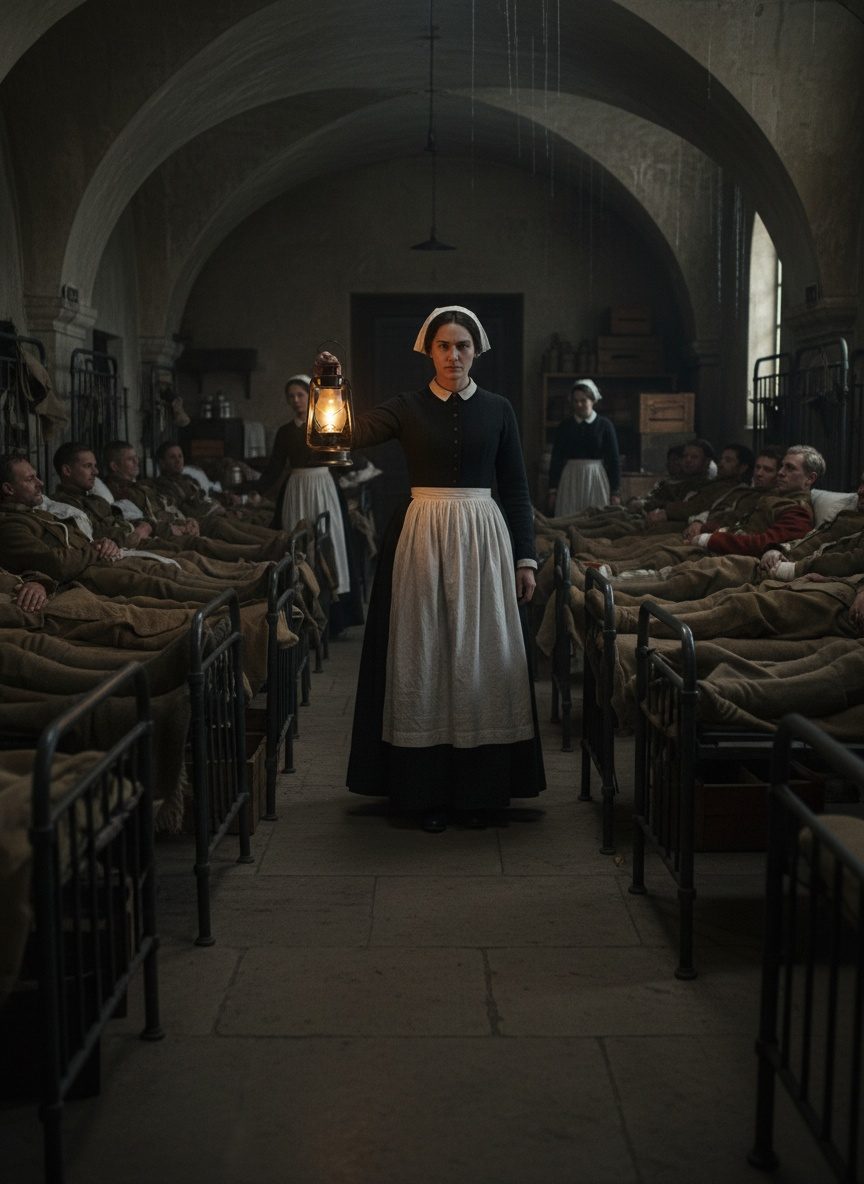
Scutari, 1854. The wards were killing more men than the battlefield. One woman walked in with a lamp and a list. Within months, the death rate collapsed. Her name was Florence Nightingale.
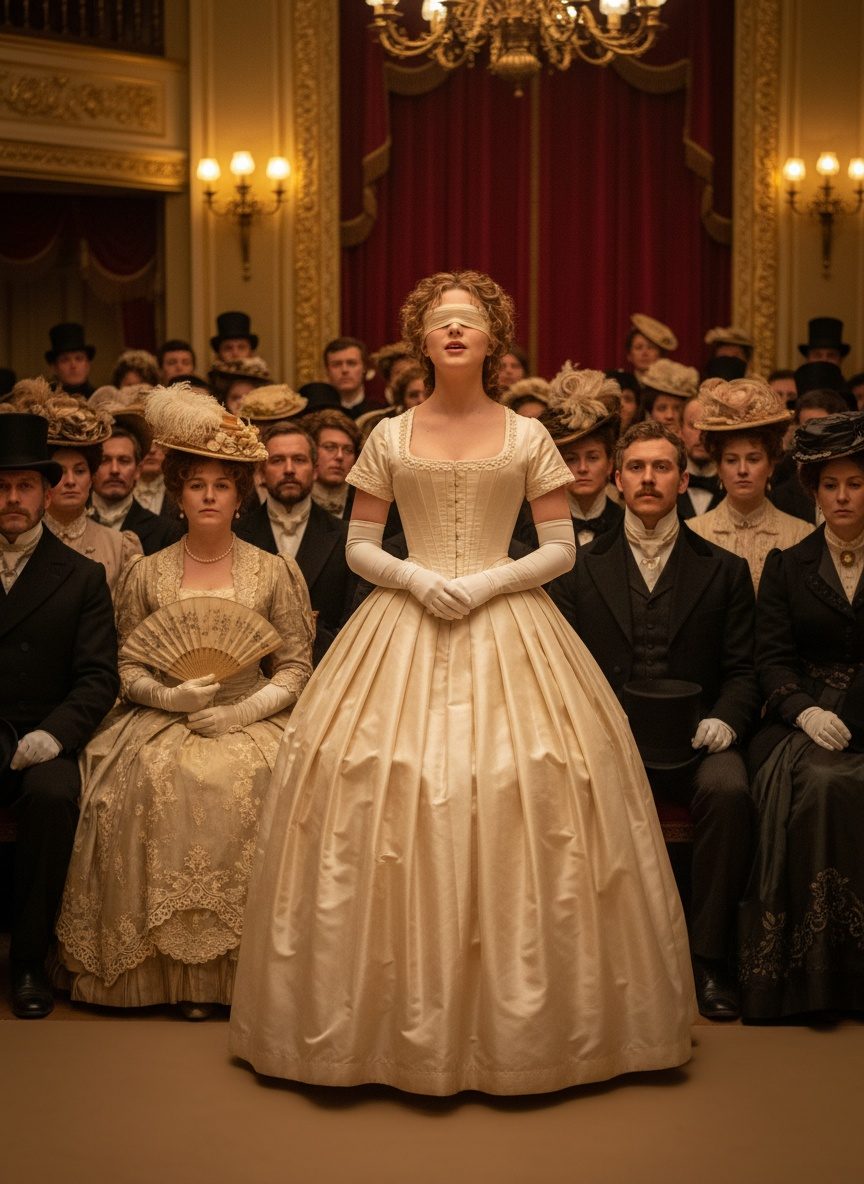
She was seventeen. Blind from birth. When she sang before Queen Victoria, the room fell silent. Nobody had heard a voice like it. And nobody would forget her name — Anna Draper.
Edinburgh. 1847. James Young Simpson sat at his own dinner table. He poured chloroform onto a cloth. Breathed it in. Woke on the floor. He laughed. Then he took it to the delivery room.
June 1857. Nine hundred British men, women and children had been dying for three weeks in the Indian sun. Then came an offer of safe passage. They trusted it. Two days later, the boats were burning.
She was ten years old. She worked thirteen hours a day. And she had no idea she was about to help change the law for every child in Britain.
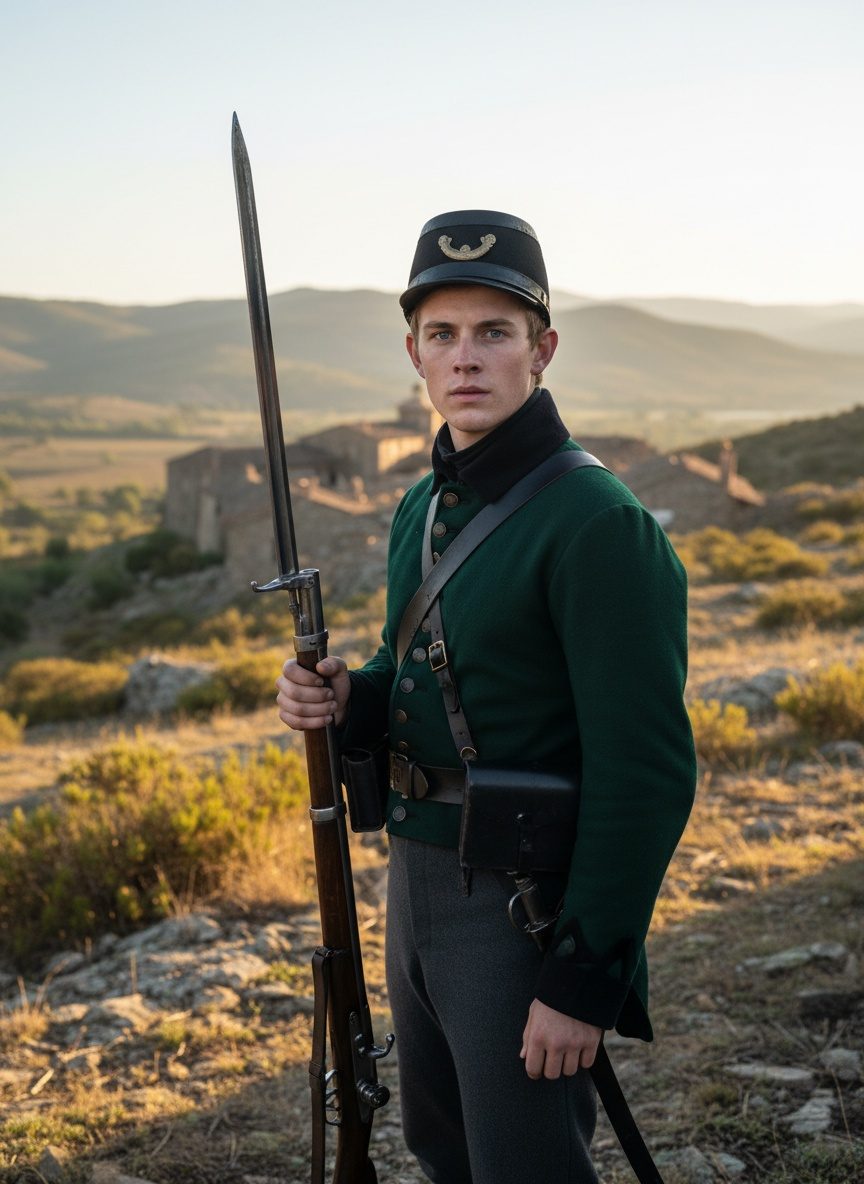
Their officers still dine beneath the colours of Salamanca. Their bugle call has not changed since 1808. They are the Rifles — and every note, every badge, every tradition was paid for in blood.
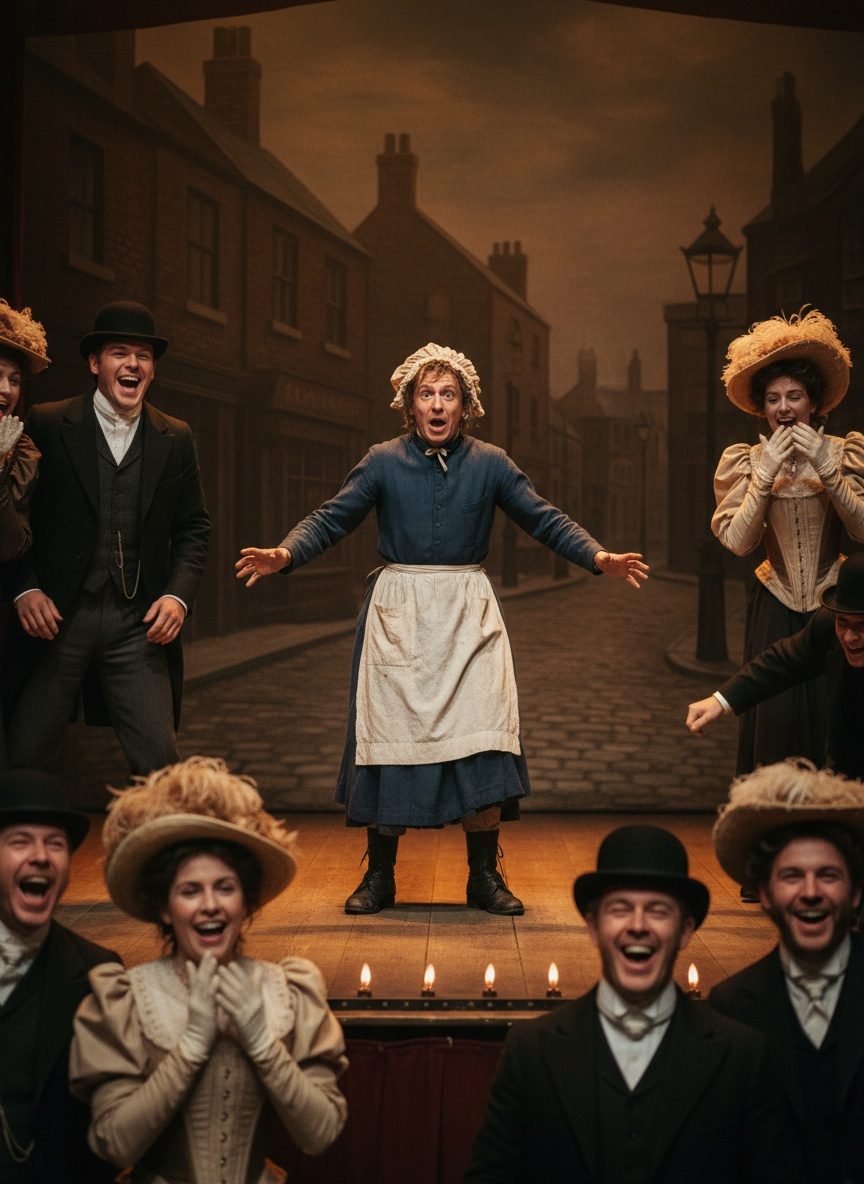
He was short, scruffy, and nobody. Then he opened his mouth. Dan Leno made Victorian Britain laugh at itself — and they never forgave him for stopping.
Liverpool. 1865. Agnes Jones walked into Brownlow Hill Workhouse. Twelve hundred sick paupers. Filth. Chaos. No proper care. She stayed three years. She changed everything. She never walked out alive.
Liverpool. 1865. Agnes Jones arrived at Brownlow Hill Workhouse. Twelve hundred sick paupers. No trained nurse in sight. She stayed. Three years later, she had changed nursing forever.
4,000 men held a ridge against 40,000. Cholera killed faster than bullets. One officer threatened to remove his own general. Then he led the charge — and was shot through the chest.
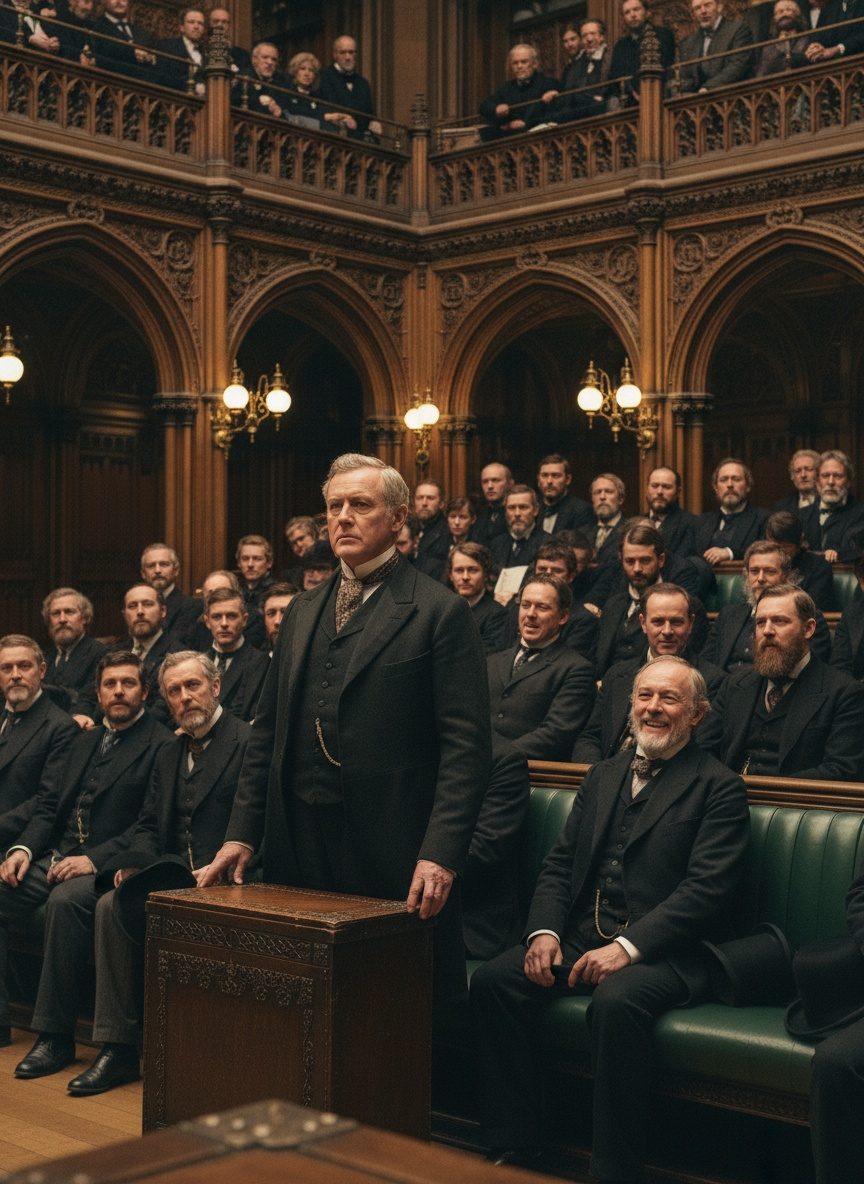
He was nervous. Unknown. Easy to ignore. But when John Stuart Mill rose in the Commons in 1867, he said something no MP had ever dared say before. Britain would never be the same.
London. 1889. A beaten child lay in a hospital ward. No law protected her. Dr Thomas Barnardo refused to give her back. He stood before the court. And he did not yield.
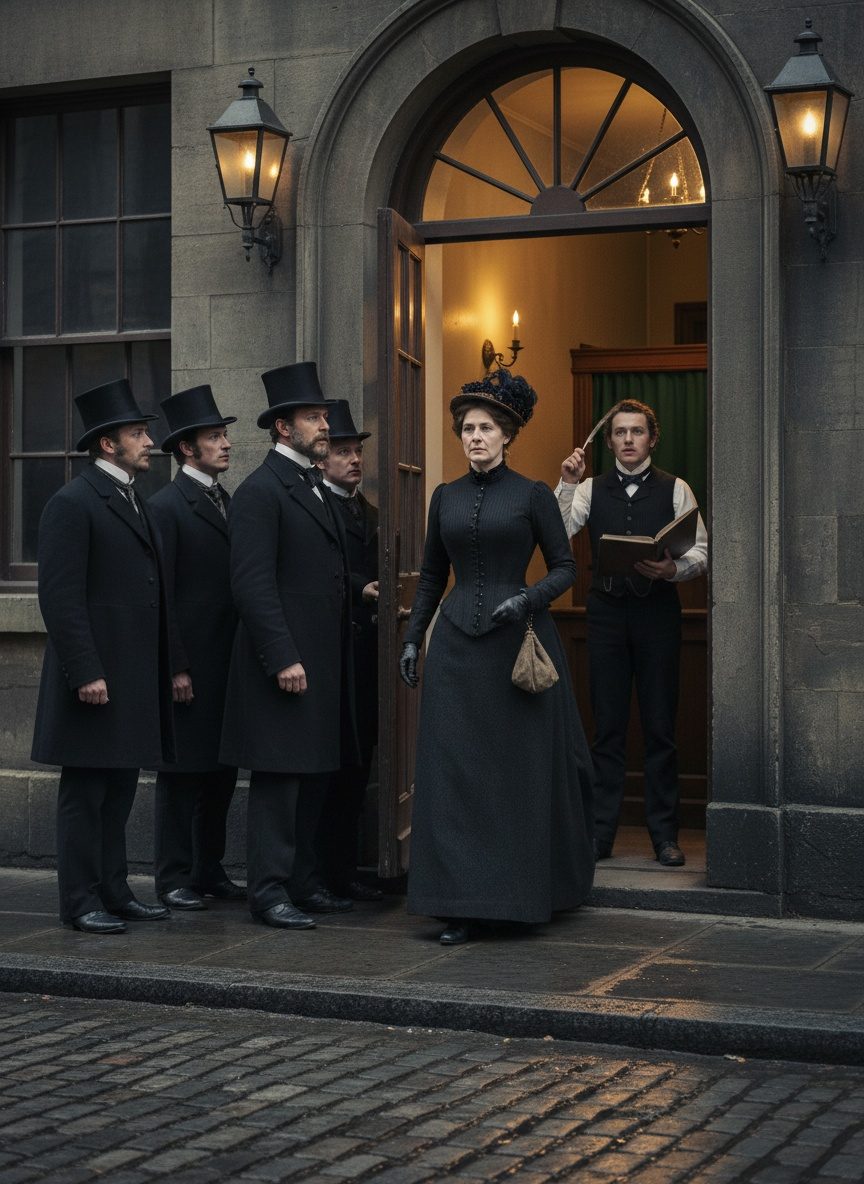
London, 1881. Josephine Butler had spent twelve years fighting alone. She stood before a packed committee room. No woman had ever done it. She spoke. Parliament listened. The Contagious Diseases Acts were repealed.
June 1857. Nine hundred British survivors accepted safe passage from the man who had spent three weeks trying to kill them. Two days later, at the river, the promise was broken in the most infamous massacre of the British Empire.
June 1857. Nine hundred starving British men, women and children accepted a rebel's sworn promise of safe passage. Two days later, at the river's edge, the boats were waiting — and so was the slaughter.
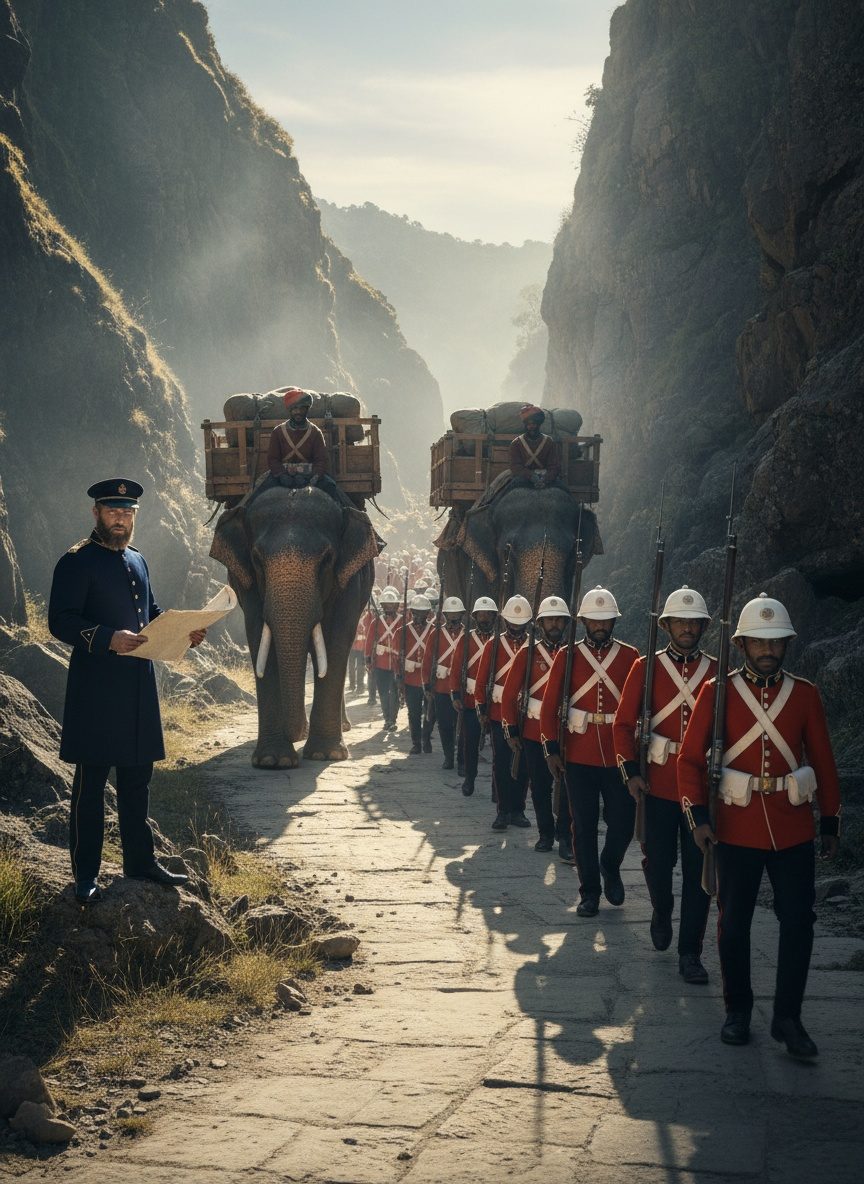
Ethiopia, 1868. A handful of British hostages. Four hundred miles of mountain wilderness. So Britain built a harbour, a railway, and an army — then marched in and got them back.
London. 1878. Caroline Norton had no legal rights. Her husband owned her children. Her earnings. Her life. One judge read her case. And quietly changed everything.
London. 1885. A twelve-year-old girl had been sold. Thomas Barnardo stood in the dock. They called him a kidnapper. He called himself her guardian. The judge listened. Then ruled in his favour.
He was Napoleon's great-nephew. A prince without a throne. He went to Zululand to prove he was worthy of his name. They found his body with seventeen spear wounds — every single one in the front.
London, 1854. Cholera was killing hundreds. Every doctor blamed bad air. John Snow did not believe them. He walked the streets alone. He mapped every death. Then he pulled a pump handle from the ground and saved a city.
June 1857. Nine hundred British men, women and children — starving, dying — accepted an enemy's promise of safe passage. Two days later, at the river, the boats were waiting. So were the guns.
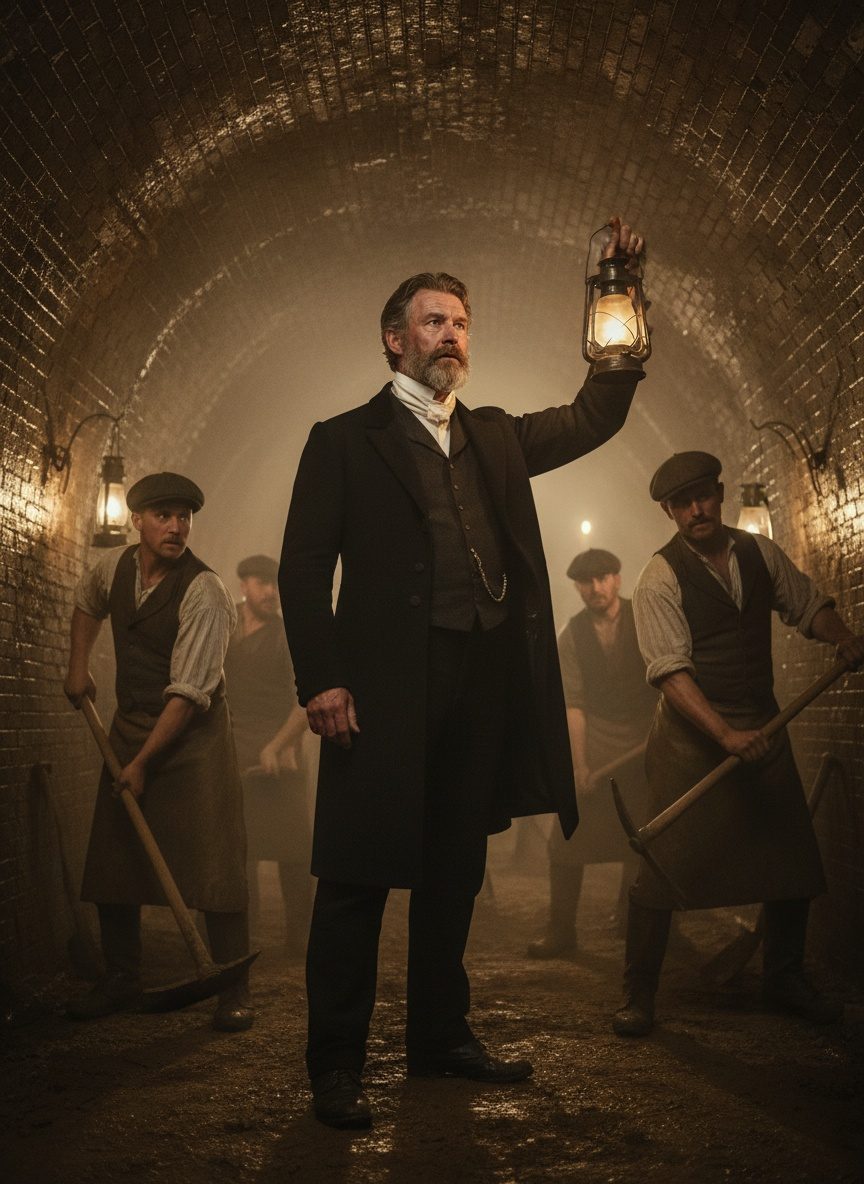
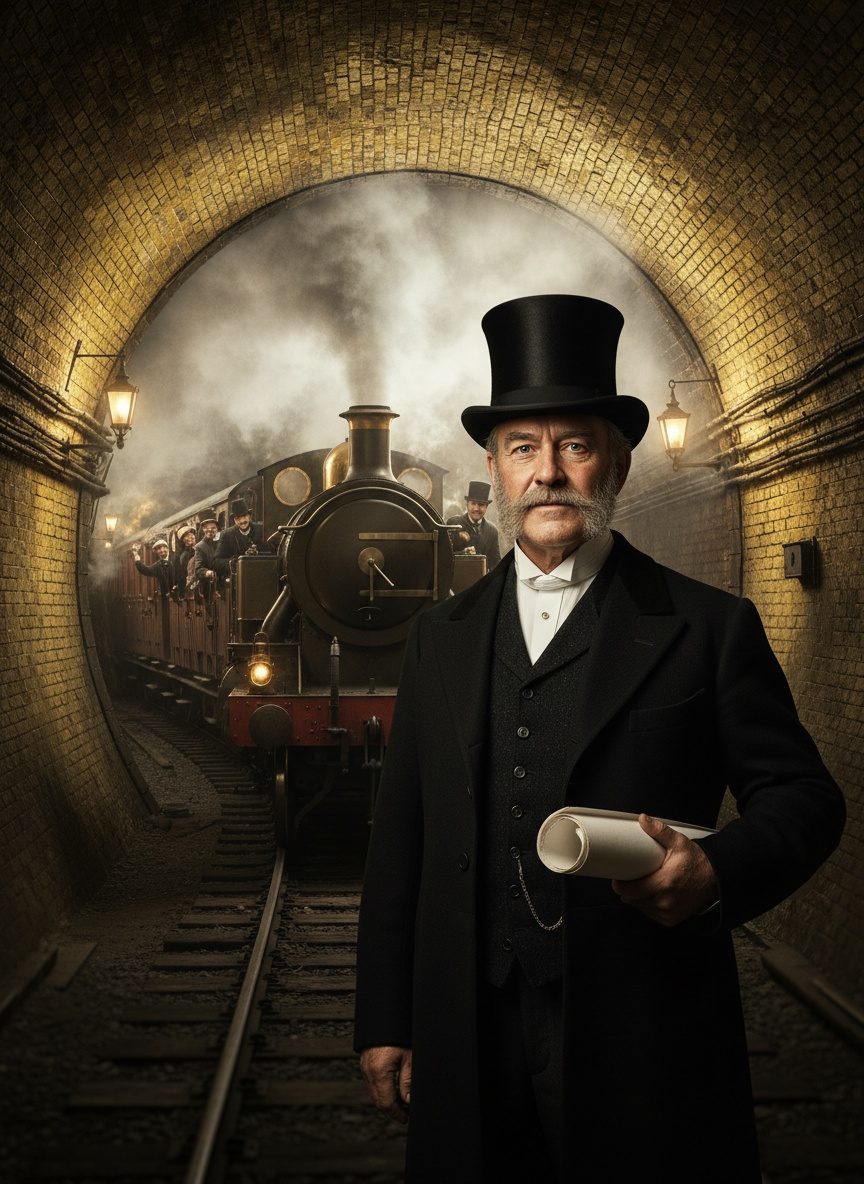
1843. The Thames Tunnel was impossible. Every engineer said so. Marc Brunel ignored them. His men dug through liquid mud and poisoned air. The tunnel held. London crossed a river underground for the first time in history.
January 1840. A letter cost more than a day's wages. Only the rich could write home. Rowland Hill had spent years fighting for the poor. One penny changed everything.
Glasgow, 1865. Joseph Lister watched men die from wounds that should not have killed them. He had a theory. He tried it. The ward fell silent. The dying stopped.
140 men. 4,000 Zulu warriors. One night that should have ended in slaughter. It didn't. Eleven Victoria Crosses were not enough to explain what happened at Rorke's Drift.
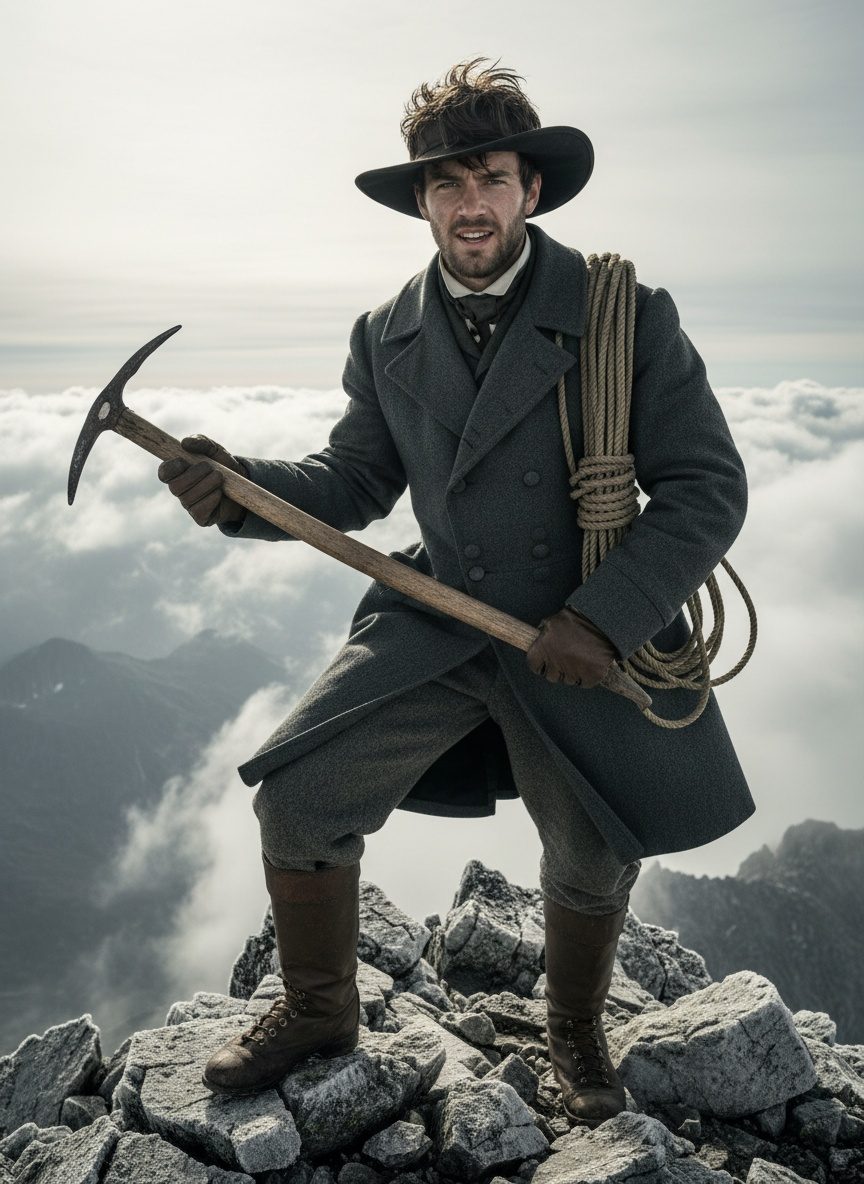
August 1865. Edward Whymper stood on the Matterhorn's summit. No human had ever stood there. Four of his companions fell to their deaths on the descent. Britain was gripped. One man had touched the sky.
He was heir to the French throne. He died in African grass with seventeen spear wounds — every one in the front. He had not run. The name Napoleon ended there.
One night. A garrison of 150 men. Four thousand Zulu warriors. By dawn, eleven soldiers held a decoration no rank can buy and no connection can arrange. Rorke's Drift changed everything.
January 1840. Britain was about to change. Rowland Hill was a schoolteacher. Nobody believed him. He said a letter should cost one penny. Any letter. Anywhere. The Post Office laughed. Parliament argued. Then the first stamp was printed.
December 1846. A packed theatre at University College Hospital. The patient lay still. No screaming. No struggling. Robert Liston cut. Timed it. Turned to the crowd. 'This Yankee dodge beats mesmerism hollow.'
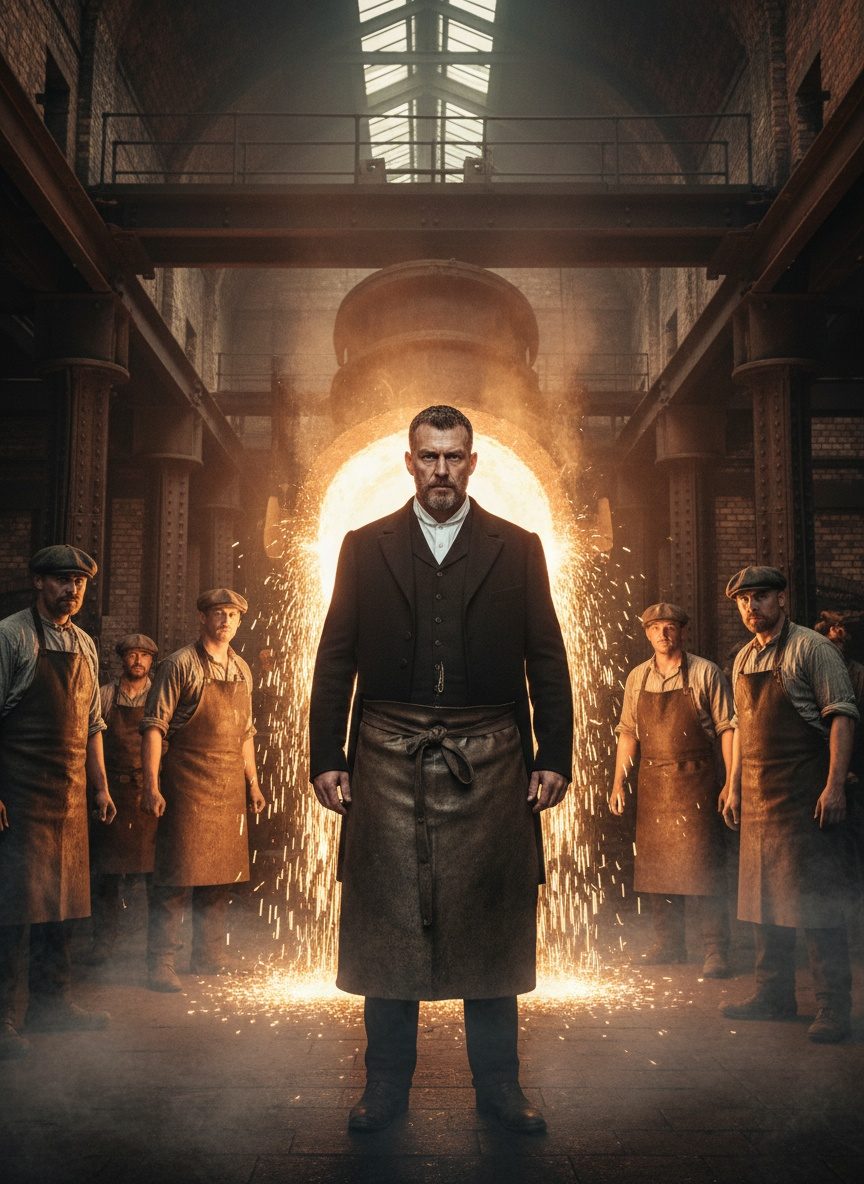
1856. A Sheffield works. A furnace glowing white. Henry Bessemer watched molten iron transform in minutes. Steel. Cheap steel. Enough to lay rails across every continent on earth.
London. 1854. Cholera was killing Soho faster than any battle. Mary Seacole had been turned away by the War Office. She paid her own way. She walked in anyway.
January 1863. London was choking. A man named John Fowler had a plan. He would build a railway beneath the city streets. Nobody believed it could work. Then the first train moved. Underground. Through the dark. And everything changed.
Edinburgh. 1847. James Young Simpson had tried everything. One night he and two friends inhaled chloroform at his dining table. They collapsed. They woke laughing. Surgery would never be the same.
1856. An American scientist had just discovered the greenhouse effect. Britain's own Eunice Foote was ignored. But one man was not ignoring her. John Tyndall. In 1859. He proved it again. And changed the world.
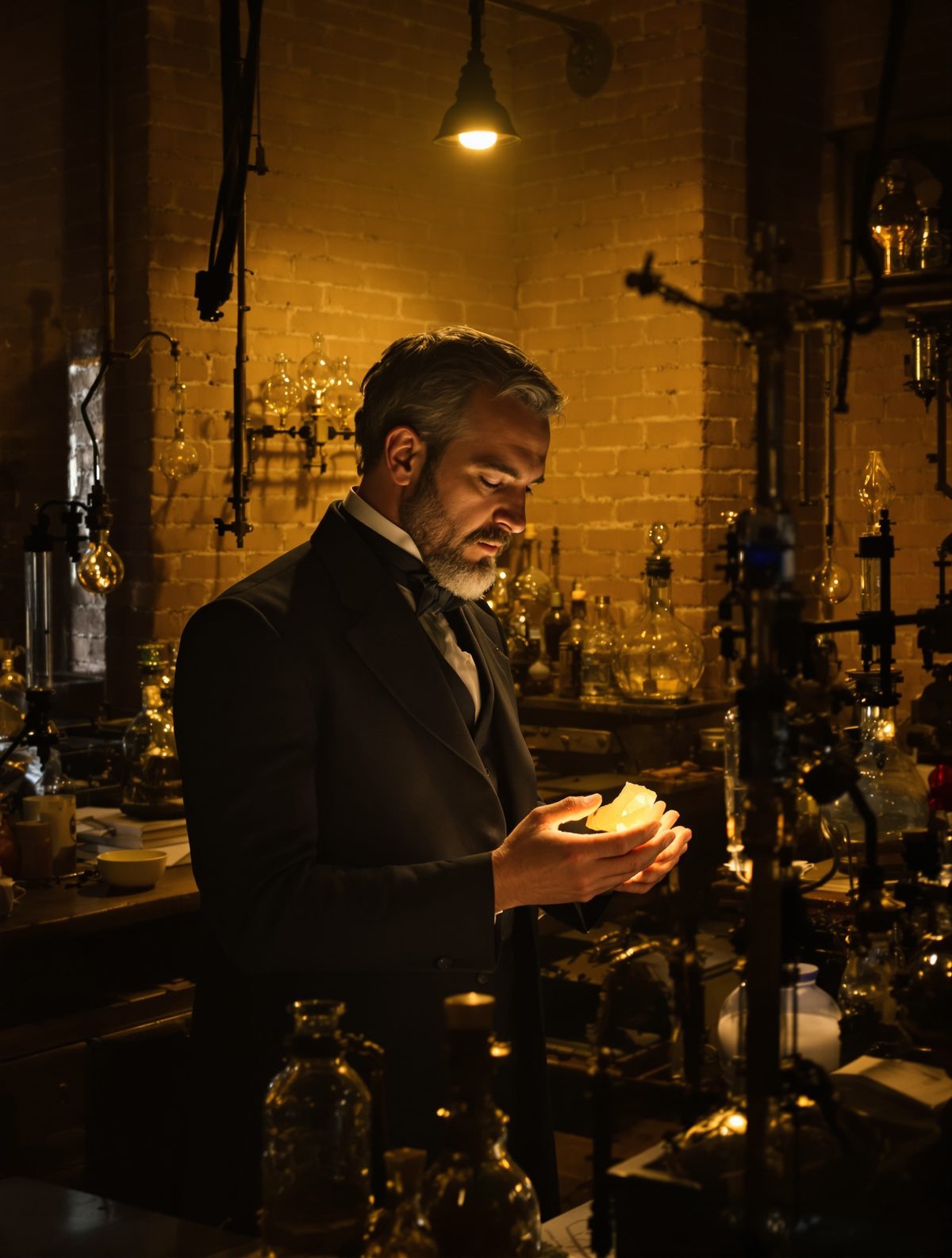
1878. Joseph Wilson Swan had worked on it for thirty years. One winter night in Newcastle, he connected the wires. The bulb glowed. Britain had electric light. He lit it a full year before Edison.
August 1856. Henry Bessemer's converter roared to life in Sheffield. Molten iron went in. Pure steel came out in 20 minutes. What once took weeks now took moments. Britain would build the modern world.
London, 1854. Cholera was killing hundreds in Soho. Doctors blamed 'bad air.' But physician John Snow had a different theory. He mapped every death. Found the source. Removed one water pump handle. Saved thousands of lives.
September 7th, 1838. Hurricane winds battered the Farne Islands. The steamship Forfarshire lay wrecked on the rocks. 22-year-old Grace Darling spotted survivors clinging to the wreckage. She grabbed the oars of her father's boat.
Birmingham metallurgist Alexander Parkes mixed nitrocellulose with camphor in 1862. Created the world's first synthetic plastic. Called it 'Parkesine' — the wonder material that would reshape civilization.
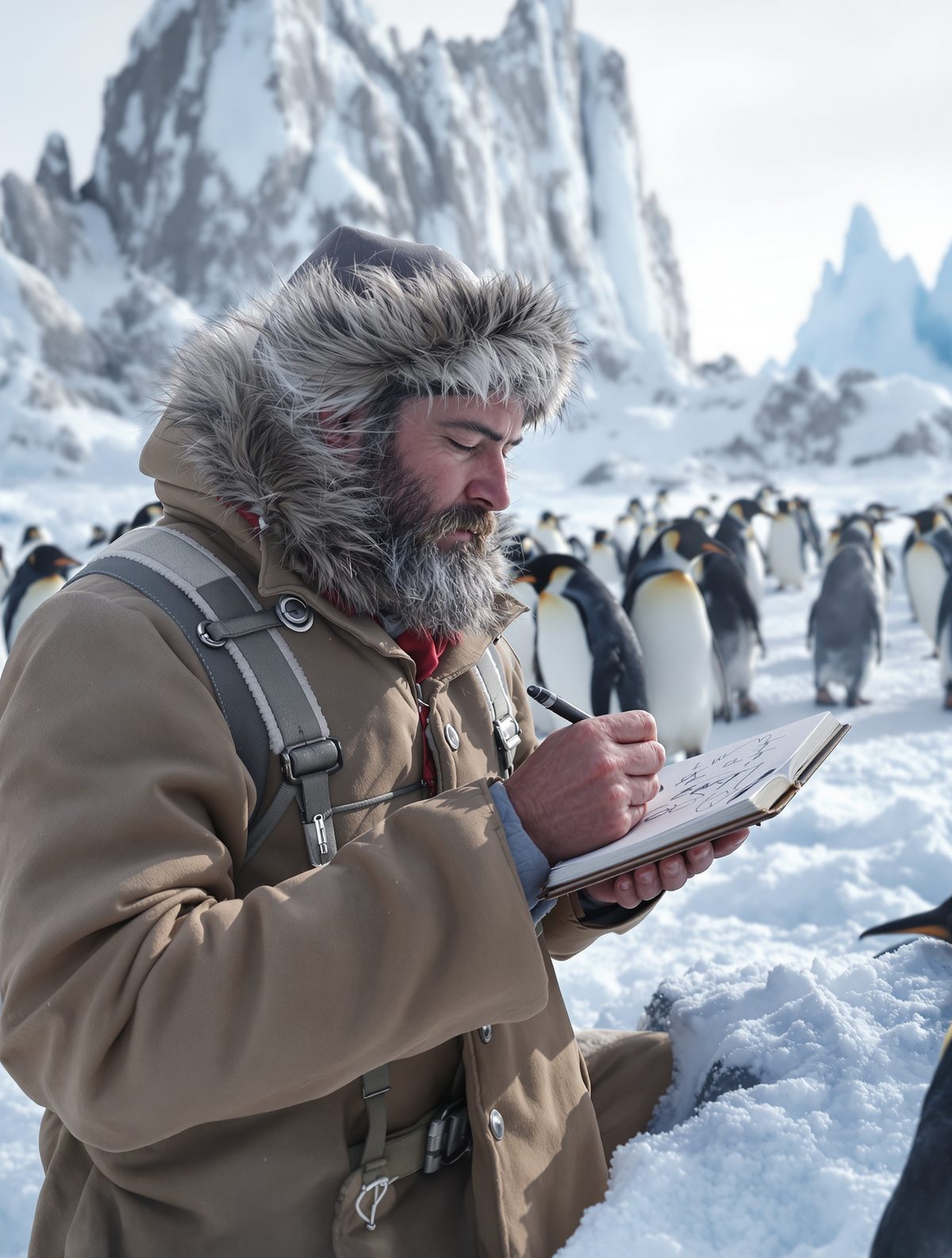
Edward Wilson sketched emperor penguins in minus 77 degrees. His fingers froze to his pencil. But he never stopped drawing. His Antarctic expedition art revealed creatures no human had ever seen.
1854. Cholera was killing hundreds in Soho. Doctors blamed 'bad air.' Dr. John Snow had a different theory. He mapped every death. Drew lines. Followed the pattern. It all led to one water pump on Broad Street.
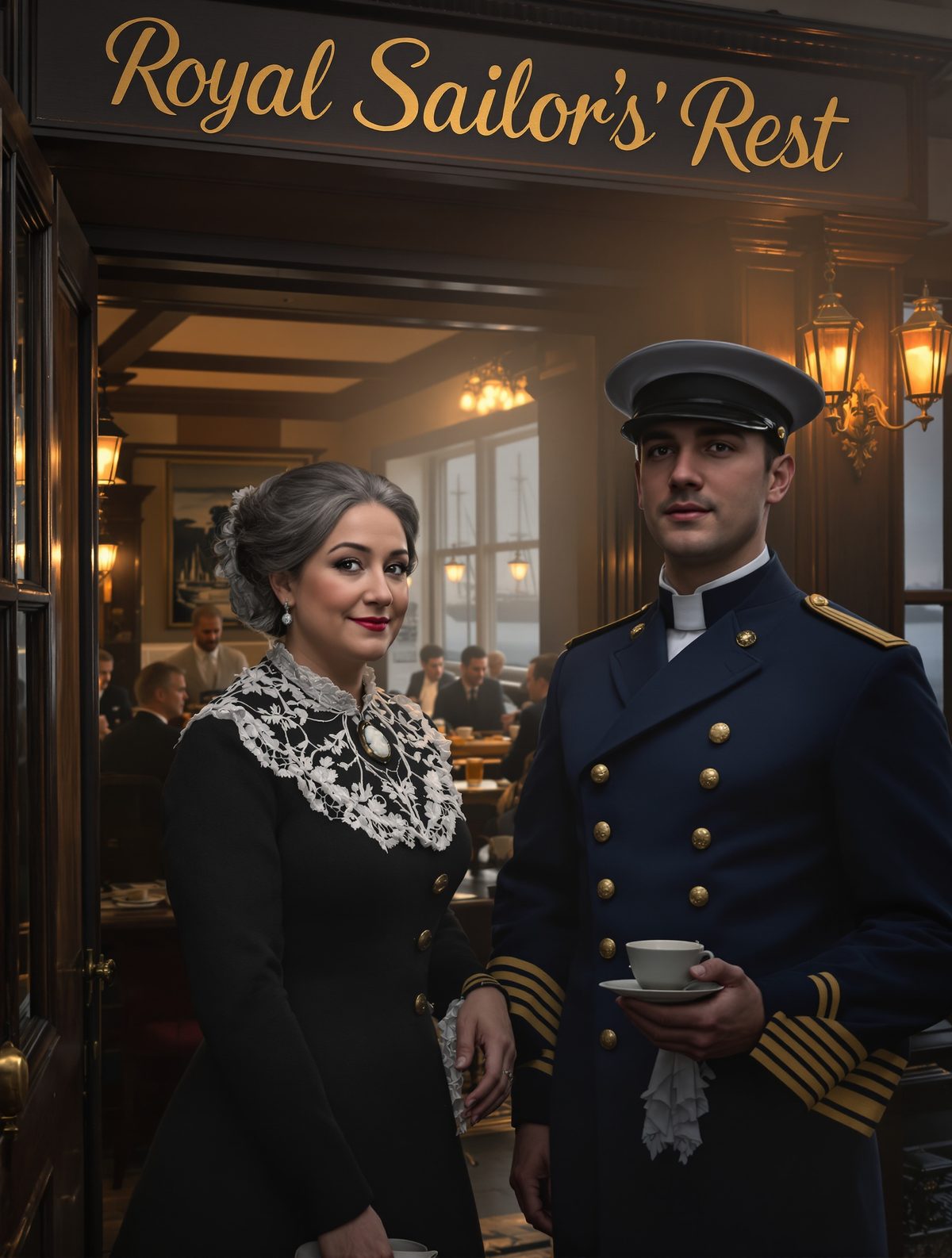
1876. Agnes Weston opened Britain's first temperance bar for sailors in Portsmouth. Navy men could finally drink tea instead of rum. Her 'Sailors' Rests' spread across the Empire. She saved more naval lives than any admiral.
Joseph Merrick was displayed as a freak show attraction. His severe deformities made him a living nightmare to Victorian society. Then surgeon Frederick Treves saw past the horror. He gave the 'Elephant Man' a permanent home at London Hospital.
1888. Annie Besant published an exposé of the horrific conditions at Bryant & May's match factory. The company sued her for libel. She faced prison and financial ruin. But 1,400 matchgirls walked out in Britain's first successful strike by women workers.
Manchester engineer Joseph Whitworth could measure one millionth of an inch in 1856. His measuring machines were 100 times more precise than anything before. He turned British engineering from guesswork into science.
Charles Booth walked every street in London. He knocked on every door. He interviewed every family. What he discovered shocked Victorian Britain. The first poverty map revealed one-third of London lived in desperate want.
Henry Tate watched his sugar factory workers struggle with massive rock-hard sugar loaves. Every grocer in Britain was smashing fingers trying to break them down. Then Tate bought a rejected German machine. One simple cube changed everything.
July 5th, 1841. Thomas Cook hired an entire train for 570 temperance campaigners. The 11-mile journey from Leicester to Loughborough cost one shilling. It included the ticket, food, and entertainment. Cook had just invented the package holiday.
Victorian explorer Richard Burton darkened his skin with walnut juice. Learned Arabic and Hindustani perfectly. Risked death to become the first European to enter Islam's holiest city. One mistake would mean execution.
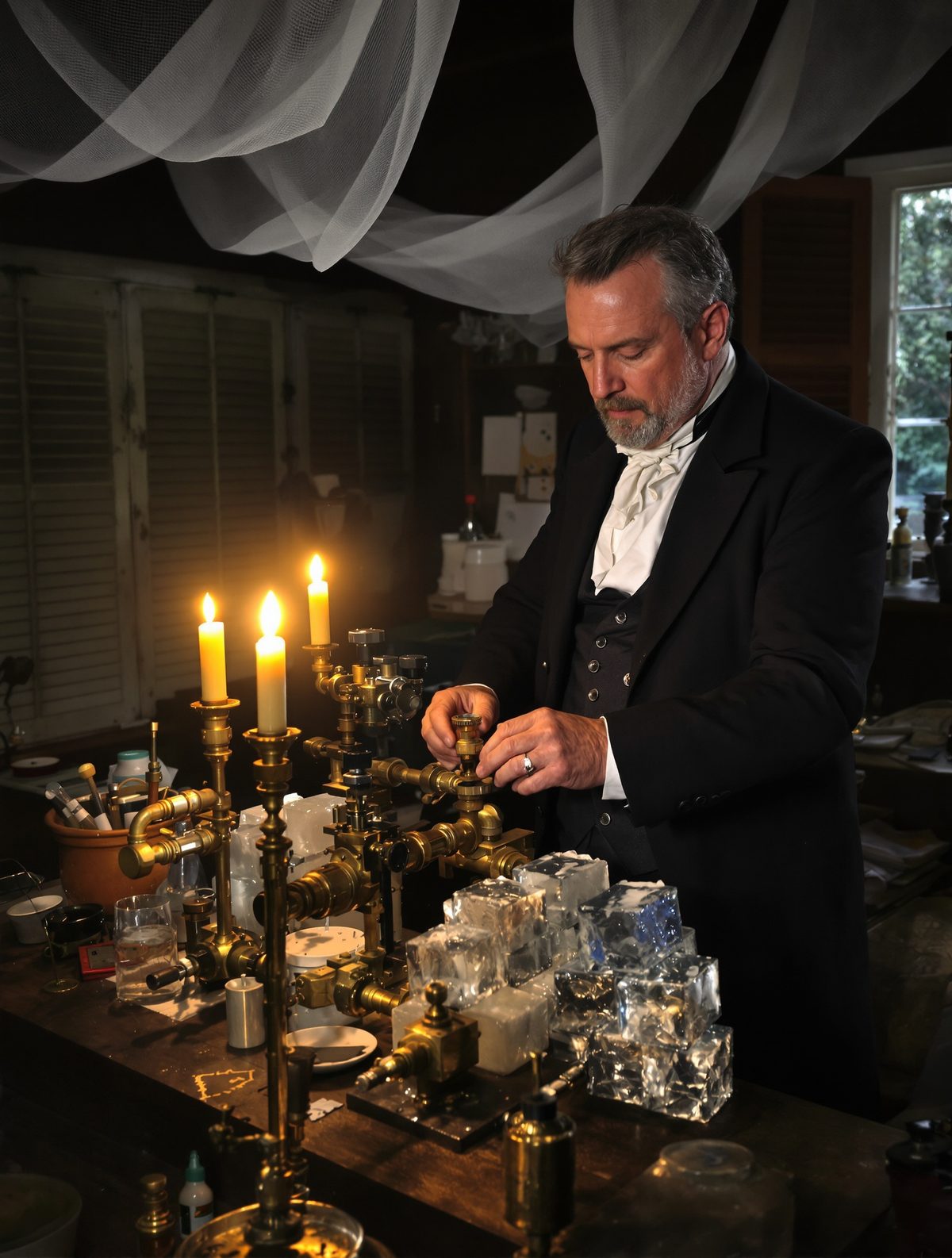
1842. Yellow fever ravaged Florida. British-trained Dr. John Gorrie watched patients die in sweltering heat. He built a machine that made ice from thin air. The fever broke. He had invented air conditioning.
Agnes Weston opened the Royal Sailors' Rest in Portsmouth in 1876. She gave sailors tea, coffee and beds instead of gin and brothels. Her mission saved thousands from drink and destitution. The Navy called her 'Mother Weston'.
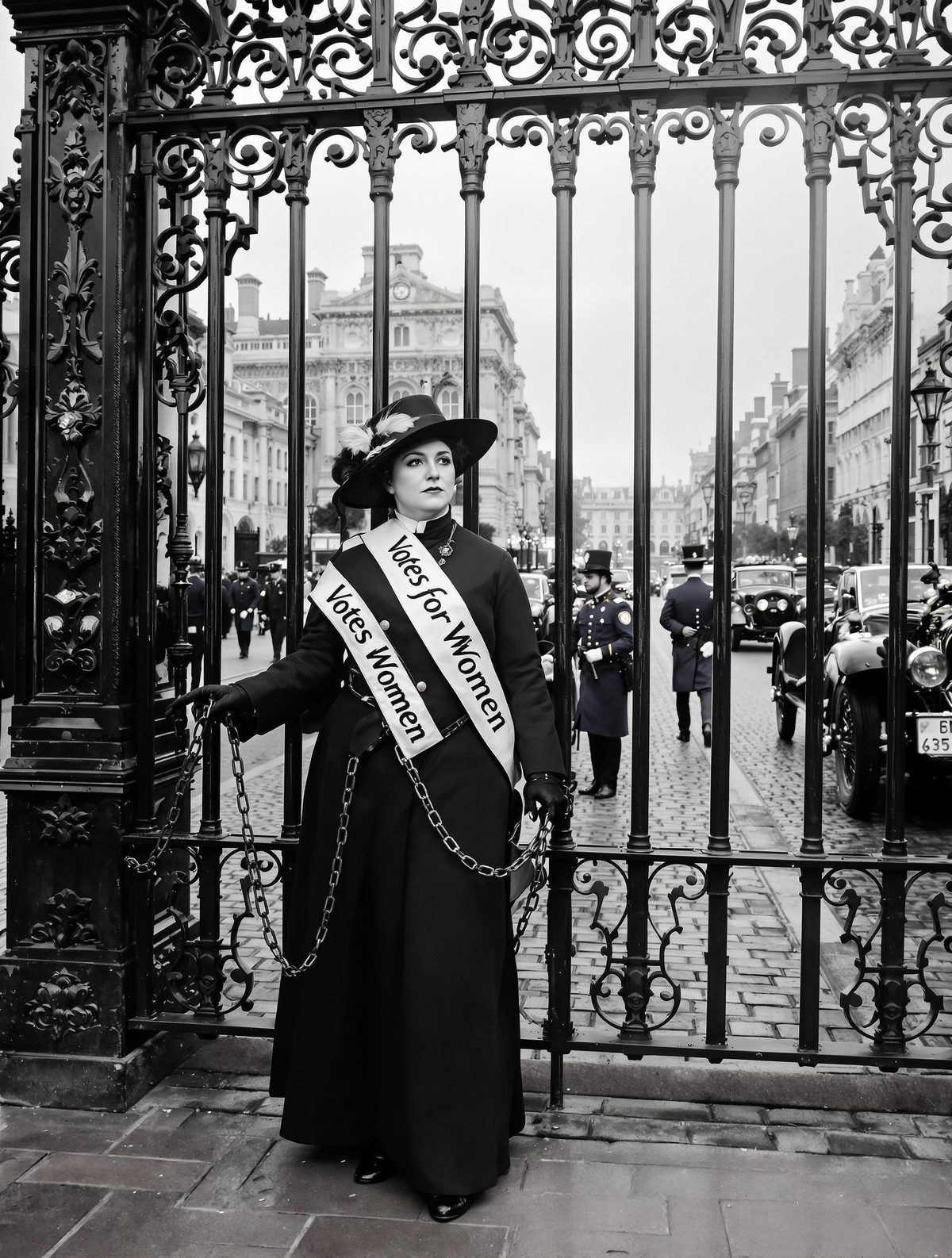
Alice Hawkins worked in a Leicester boot factory for twelve hours a day. She earned half a man's wage. In 1908 she chained herself to the railings of Buckingham Palace. The police cut her free and dragged her to Holloway Prison.
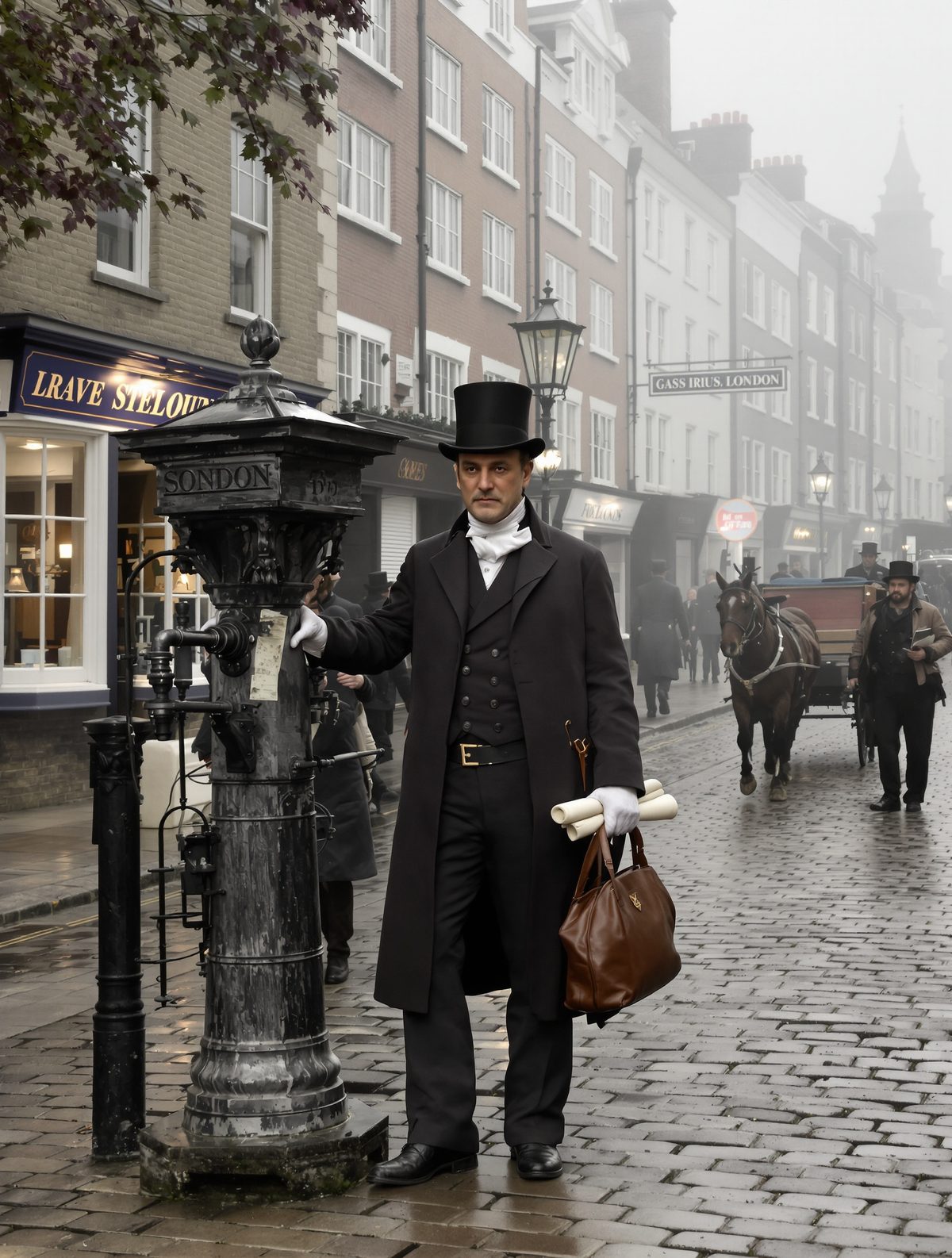
September 1854. Cholera was killing hundreds in Soho. Dr. John Snow mapped every death. All pointed to one water pump. He convinced the parish board to remove the handle. The epidemic ended overnight.
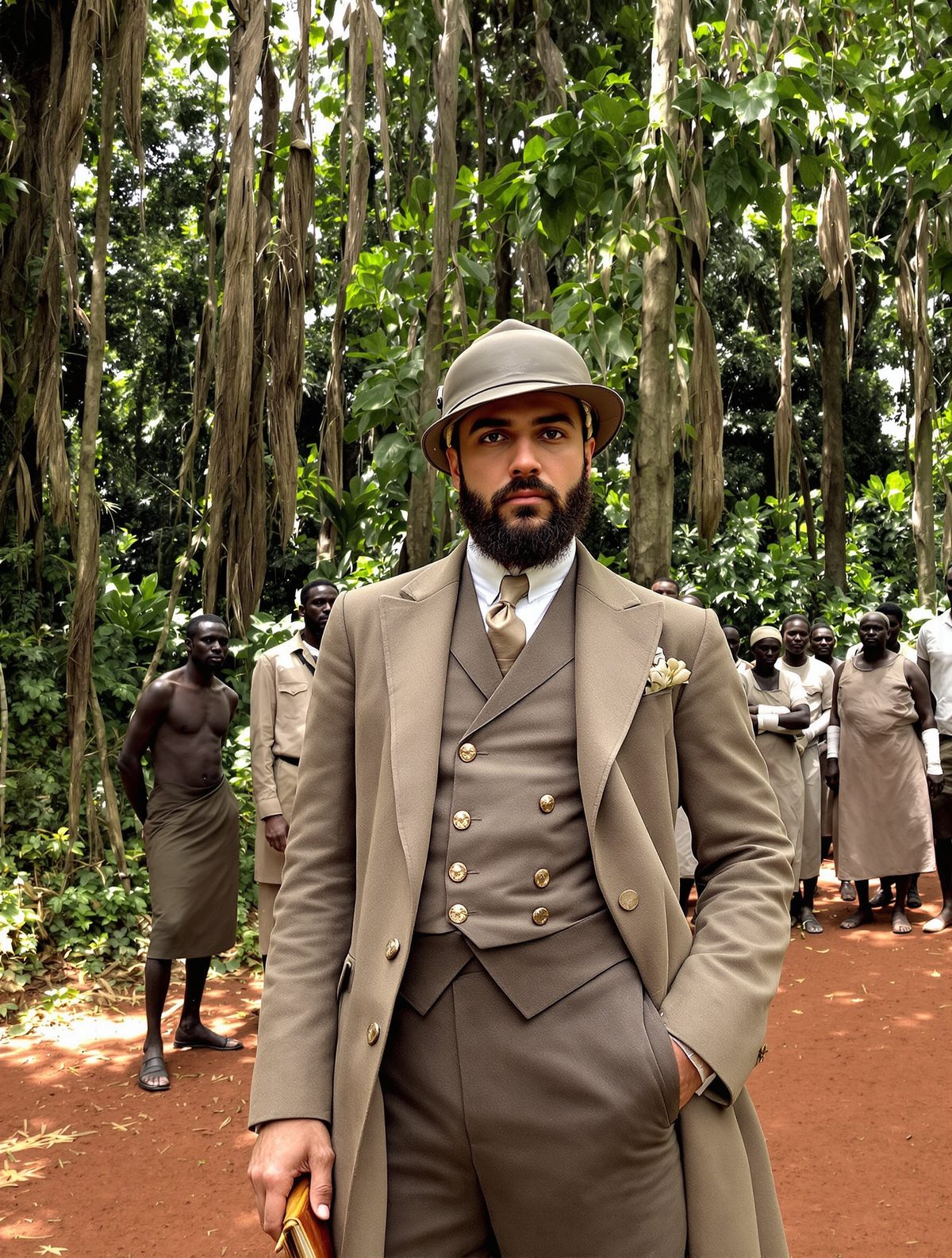
A British consul vanished into the Congo jungle alone. He came back with evidence that shook the world. King Leopold's empire of rubber and severed hands was finished.
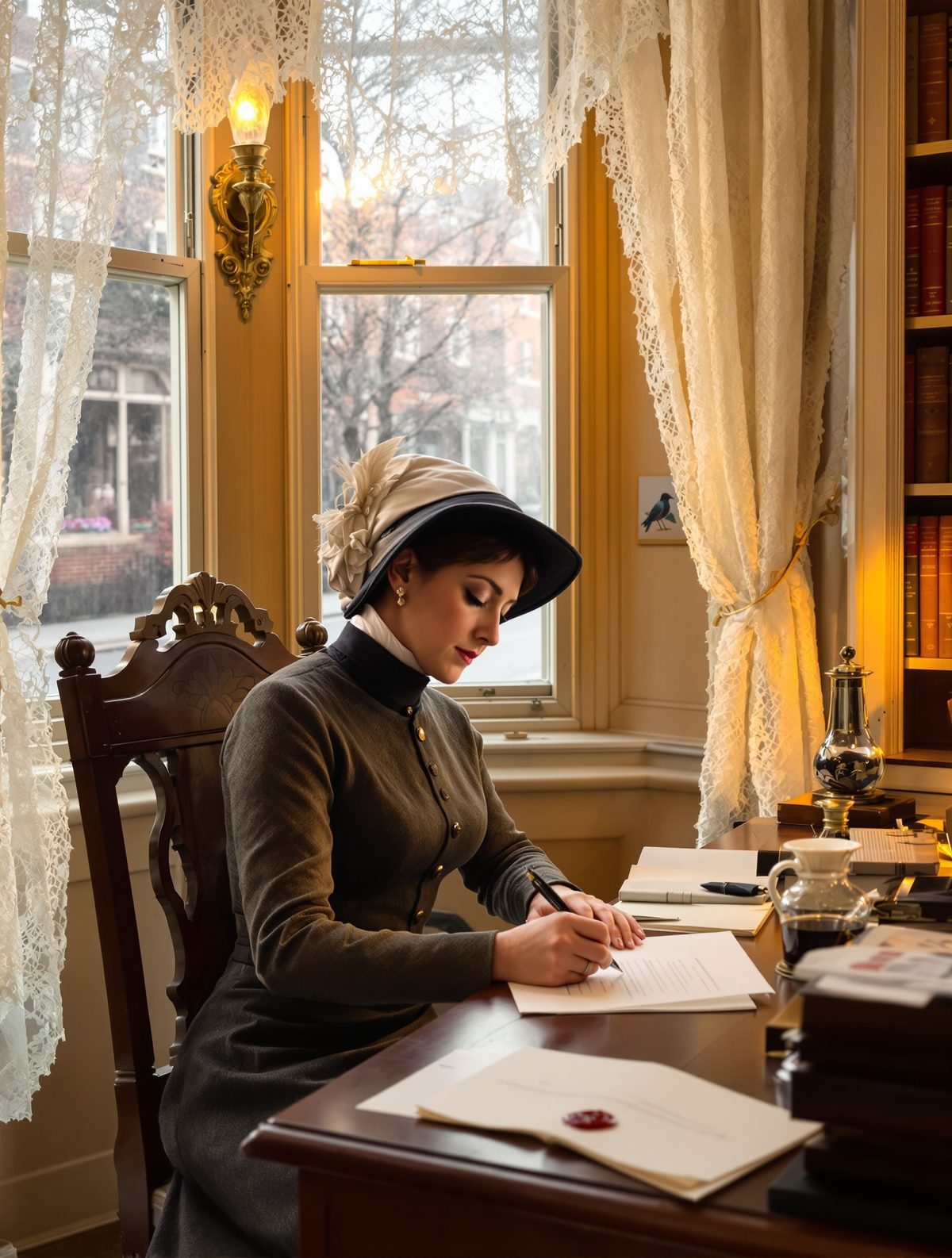
In 1889, Emily Williamson watched caged birds die in London's markets. She wrote letters from her parlour in Didsbury. Within a decade, she had changed the law — and saved Britain's wild birds forever.
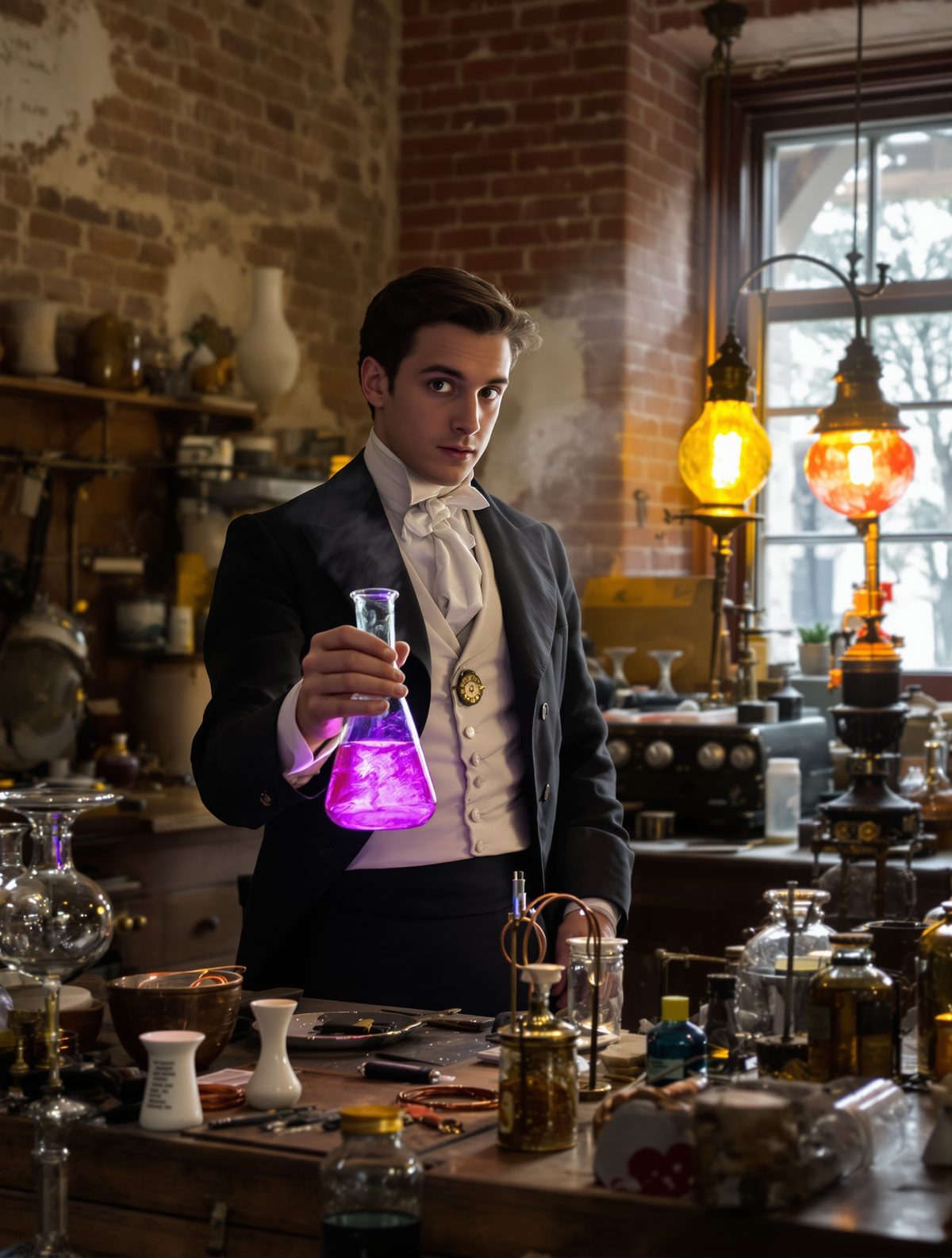
In 1856, an 18-year-old failed to make quinine in his bedroom. Instead, he accidentally invented the world's first synthetic dye. That purple stain on his flask would make him rich. And quietly save countless lives.
Hand-picked from Britain Untold's archive. The stories you weren't taught at school. 3-minute read.
No spam. Unsubscribe in one click. We hate spam too. Privacy Policy.