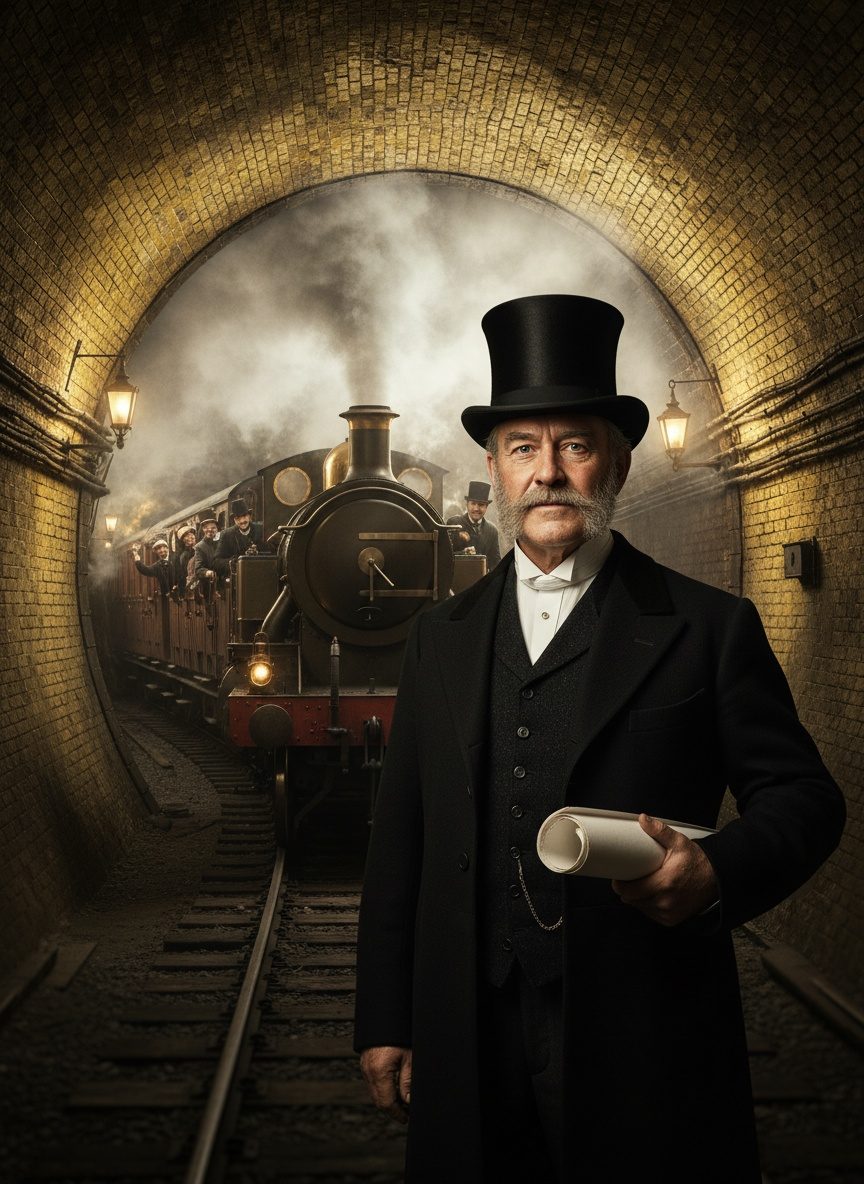
Steam engines and tunnel systems make an odd couple. Yet, in the soot and shadows beneath London's surface, they forged an unprecedented alliance that changed urban life forever.
Beneath the Smoky Skies
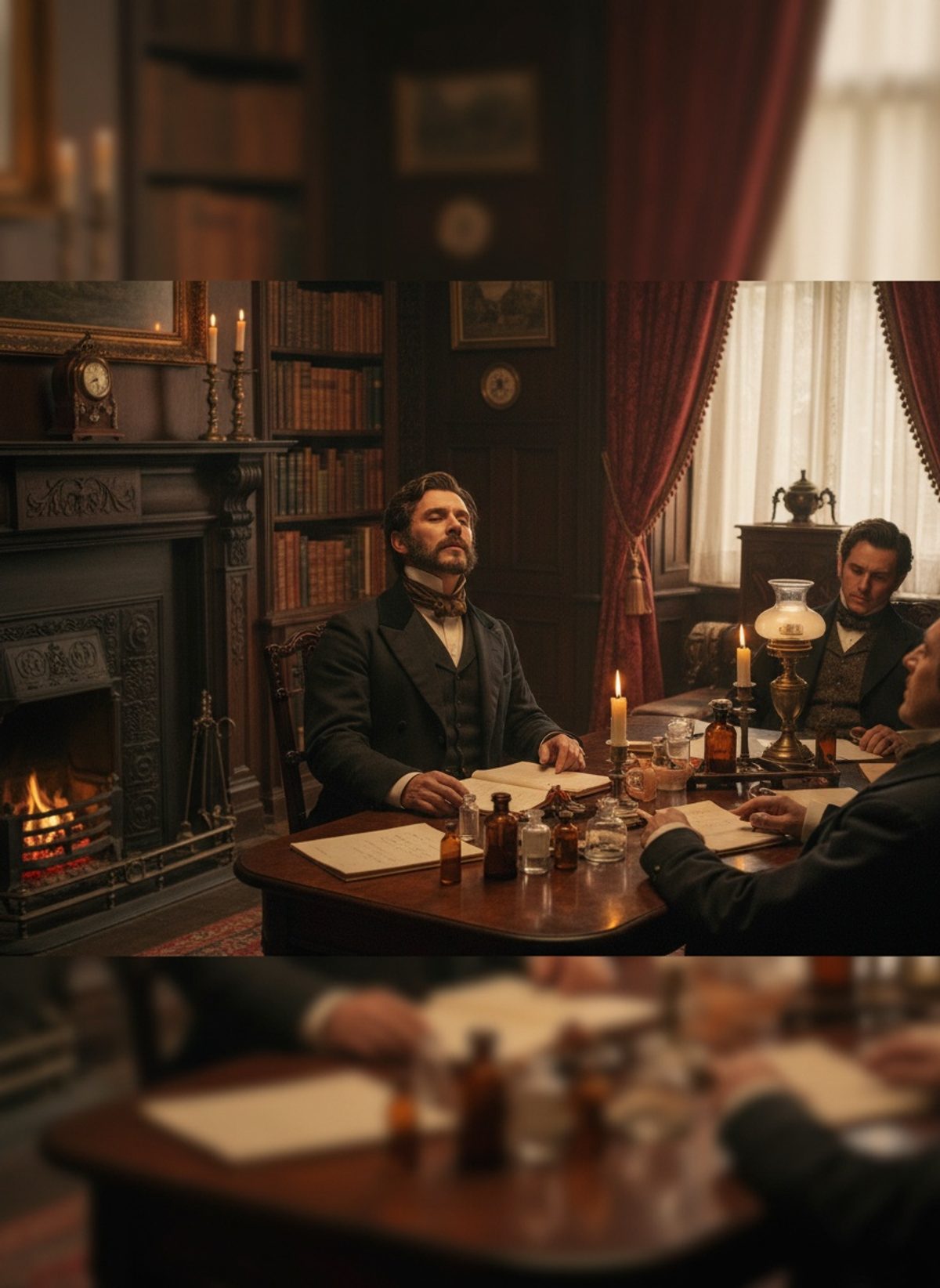
In the mid-19th century, London was a sprawling metropolis beset by its own rapid growth. Streets were congested with carriages, pedestrians dodged coal-dusty air, and hoped-for journeys through the city were halted by constant traffic snarls. As the smog thickened, the whispers for a solution grew louder. It was an ambitious engineer named John Fowler who dared to think spatially—downward. The idea of an underground railway wasn't merely audacious; it seemed impossible. Steam engines were synonymous with open air, unsuited for the dark confines of a tunnel. Yet, Fowler imagined carving a path for them under the city, like veins bringing life to the organs of a living creature. Skeptics abounded, but Fowler's resolve was as steadfast as an iron rail.
The Ten-Year Battle
John Fowler's journey to build the world's first underground passenger railway was not just an engineering endeavor—it was a decade-long struggle against disbelief and inertia. The idea of tunneling beneath London's bustling streets where ancient Roman roads intertwined with medieval paths was beyond comprehension. Social and political resistance was fierce. Investors hesitated, frightened by the significant financial gamble. The idea was as alien to them as the moon. Yet, determination knows no bounds. Fowler found allies in Charles Pearson, a visionary solicitor who shared Fowler's dream of subterranean transit. Together, they plowed through bureaucratic hurdles and financial trepidations, buoyed by the belief that their endeavor could redefine urban transit forever.
Digging Through the Dilemma
Work on the Metropolitan Railway began, transforming parts of London into construction sites of unprecedented scale. The “cut-and-cover” method was employed, which involved digging trenches in the earth, constructing the railway, and then covering it again—a solution both risky and revolutionary. Nearby streets shook with the sound of pickaxes as thousands of laborers toiled in extreme conditions, from suffocating heat to freezing cold. This epic undertaking wasn't just an exercise in engineering prowess but a testament to human resilience. In a city that had grown outward to bursting, the answer lay within. The Victorian imagination, potent and unrestrained, was about to give birth to a subterranean miracle.
Through Darkness, Let There Be Light
Then came January 10, 1863—the day history took its breath underground. Skepticism was palpable as crowds gathered expectantly. With a rush of steam and the steady clank of metal, the inaugural train moved, carving a path through the nave of the city. Six meters below the surface, passengers glimpsed into a new era. Packed into dimly lit carriages, elite and working-class alike found common ground in wonder. The rumble beneath their feet became the anthem of an age, a declaration that movement and progress need not be earthbound.
The Tracks of Transformation
In just a short journey, John Fowler's dream unspooled into reality. The Met became the harbinger of change that rippled far beyond the boundaries of London. Other cities watched with keen eyes, intrigued by the possibilities this underground revolution heralded. The challenges and triumphs of these Victorian pioneers laid the groundwork for metros worldwide. For Londoners, the underground railway wasn't just a cure for their ceaseless congestion diet; it was a bold statement about the possibilities woven deep within the earth. What had begun as a whisper of an idea became a force of change—a reminder that the solutions to our greatest challenges often lie beneath the surface.