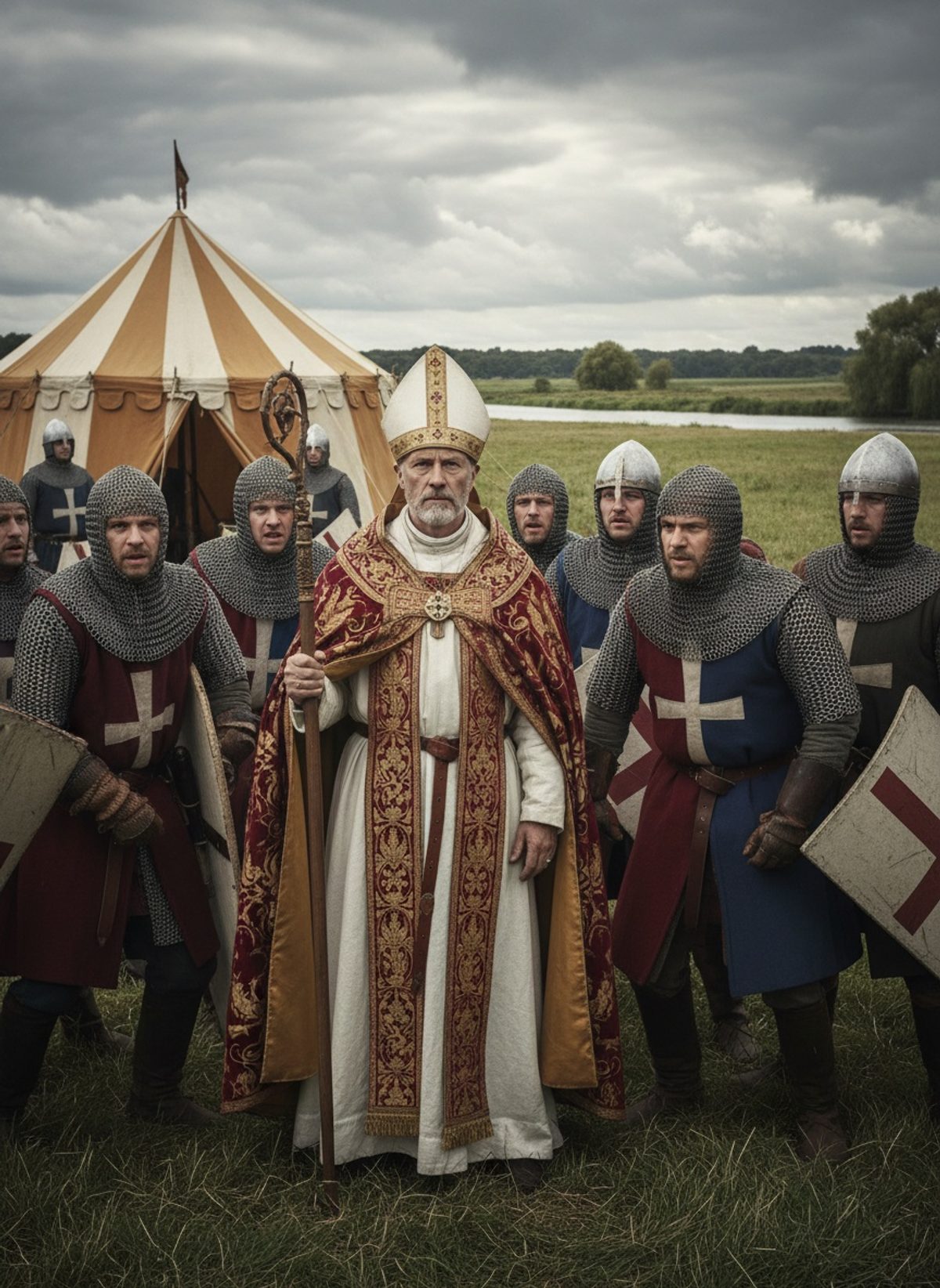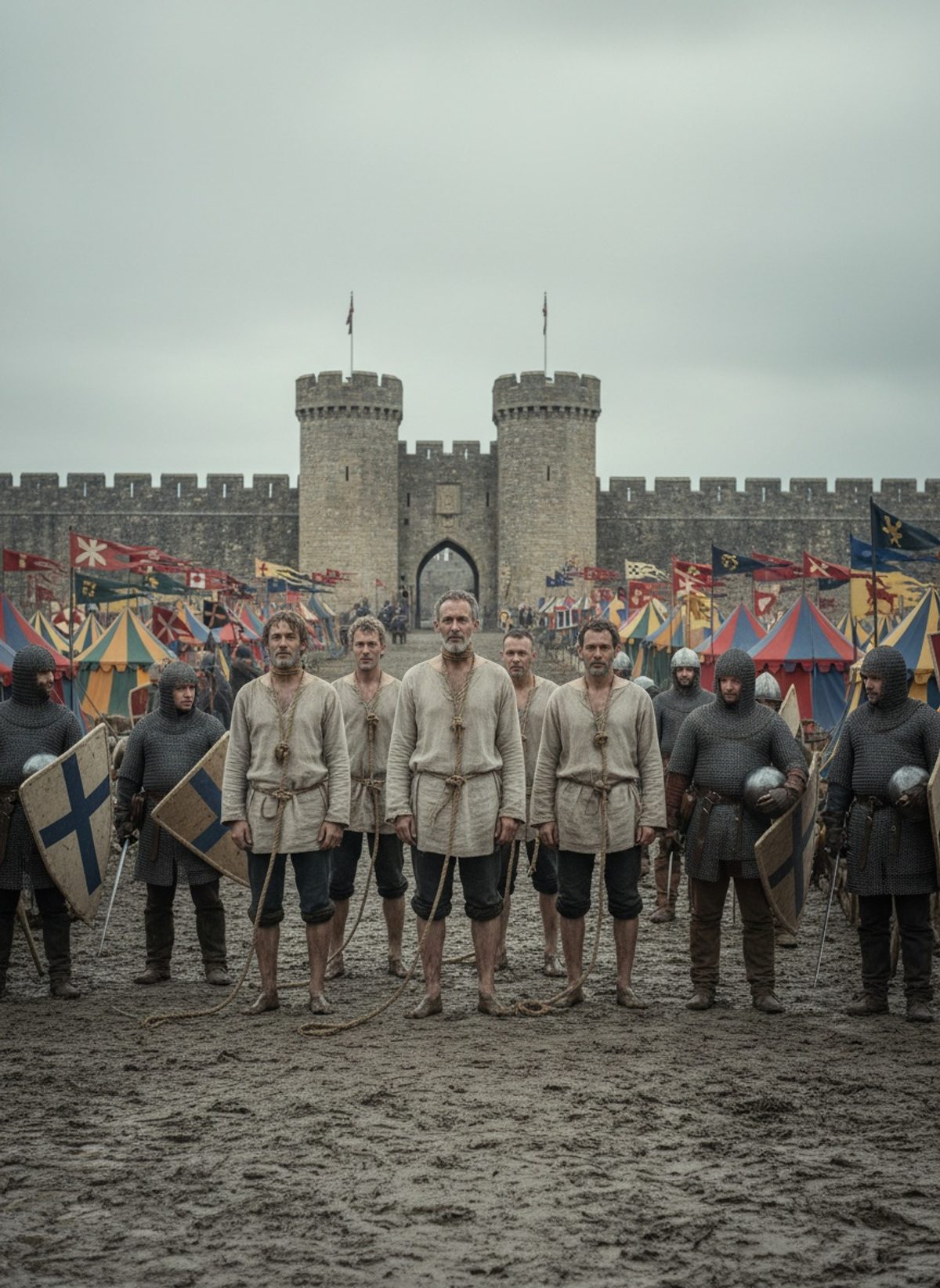
The air was thick with tension as Llywelyn ap Gruffudd approached the border town of Shrewsbury in the autumn of 1267. This was not just a journey of miles but a profound pilgrimage towards formal recognition, an act that would alter the tide of Welsh history forever. Here, in this historic town, a Welsh prince was about to achieve what none before him could—an acknowledgment by an English king that would echo through centuries.
From the Shadows of the Mountains
Llywelyn ap Gruffudd, known as Llywelyn the Last, hailed from a lineage steeped in power and ambition. Born circa 1223 into the royal House of Gwynedd, Llywelyn was a man shaped by the rugged terrains of North Wales, a land of mist-covered mountains and tales spun from ancient myth. His grandfather, Llywelyn the Great, had laid the groundwork for a united Wales, and young Llywelyn was determined to continue this legacy.
By 1258, Llywelyn had declared himself Prince of Wales. Yet it wasn't until 1267, at the Treaty of Montgomery, that his title would be formally recognized by none other than King Henry III of England. It was both a momentous triumph and a strategic maneuver. To comprehend the full scope of this concession, one must imagine the pulsating dance between power and diplomacies of medieval Britain, where allegiances changed with the tides and kingdoms were forged in the furnace of war.
The Turning Point at Shrewsbury
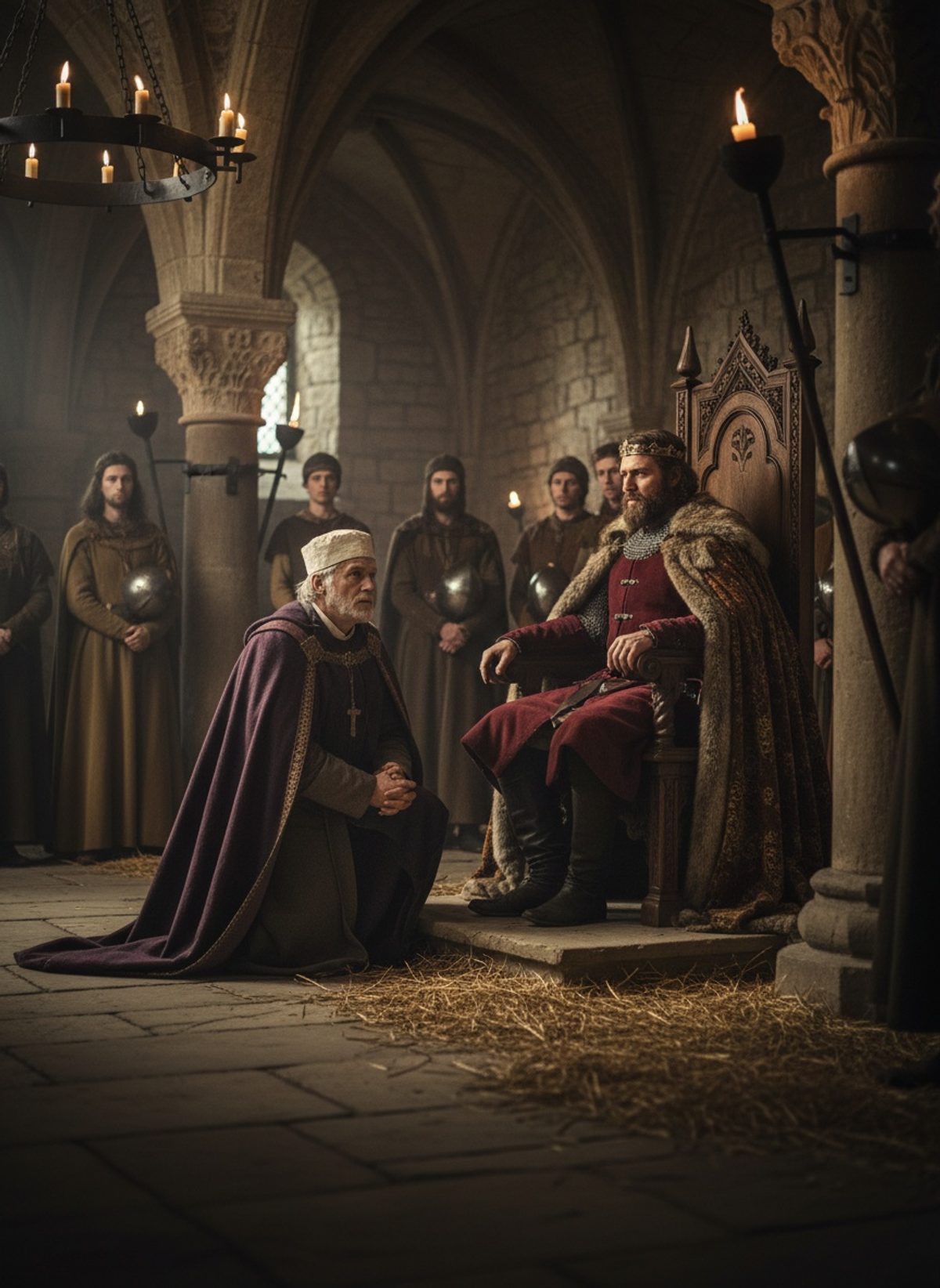
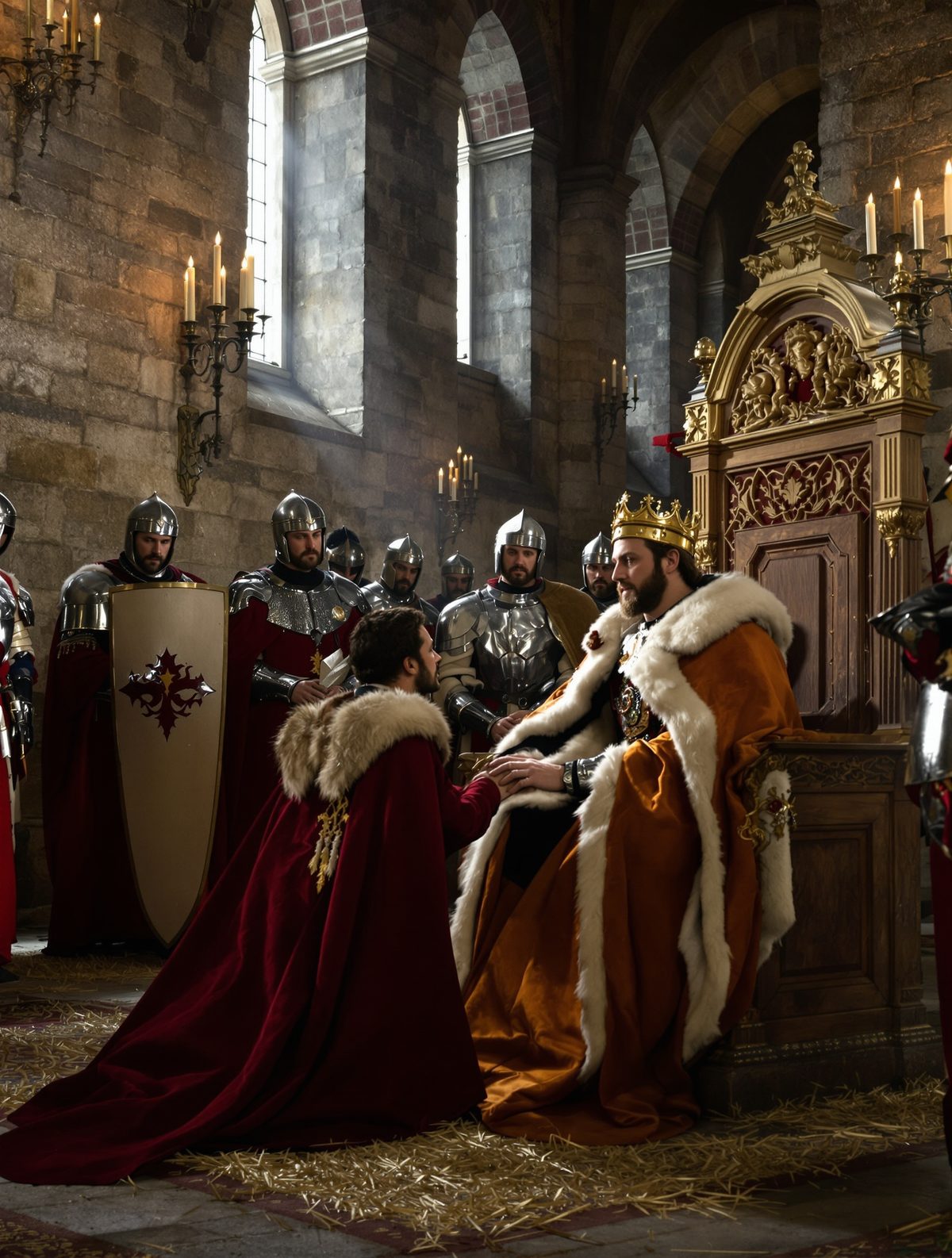
The castle at Shrewsbury stood as a sentinel on the borderlands, a symbol of English might. It was within its storied walls that Llywelyn knelt before King Henry III, an act both humbling and grand in its implications. This was more than a mere formality; it was a symbolic moment steeped in political significance.
Read next: The Day a Queen Walked Into a Rebel Camp Alone
The Treaty of Montgomery, signed on September 29, 1267, acknowledged Llywelyn as the Prince of Wales—granting him authority over vast territories in the country, including much of Powys and the homage of all Welsh lords except those of Gwent and Glamorgan. The treaty ensured the return of lands confiscated by the English and granted Llywelyn an annual payment of 1,000 marks. These were terms that underscored Llywelyn's tactical acumen and firm stance against King Henry, a monarch often beleaguered with trouble on his home front.
A Prince Amongst Princes
Though Llywelyn basked in newfound recognition, the reality was fraught with underlying tensions. Llewelyn had demonstrated unparalleled foresight, consolidating power through calculated alliances. His union with Eleanor de Montfort, daughter of the influential Simon de Montfort, Earl of Leicester, was more than a marriage—it was a strategic alliance that fortified his standing.
Narratives often neglect the significant role of Eleanor, a formidable force in her own right. Together, they dreamed of a Wales that was not under the yoke of English dominion, but a nation carved from the efforts of its own people.
The Echo Before the Storm
Despite triumph at Shrewsbury, Llywelyn's achievements proved to be a temporary alignment in the tapestry of time. The shadow of conflict loomed large with the turbulence of King Henry's successor, Edward I. Edward, known for his military prowess and merciless ambition, viewed the independence of Wales as a thorn to be plucked.
By 1276, Edward had begun mobilizing his forces, setting off a campaign that would culminate in Llywelyn's tragic fall in 1282, a story carved into the annals of Welsh and English history. Yet, the impact of Llywelyn's earlier stand remained. His title, Prince of Wales, would not die but persist through centuries, a reminder of a national identity and longing for sovereignty.
A Legacy Never Forgotten
Why does Llywelyn ap Gruffudd's tale matter today? In a contemporary world where borders are continuously reshaped and sovereignty is hotly contested, Llywelyn’s defiance against a more formidable power serves as a testament to resilience and cultural perseverance.
The title "Prince of Wales" endures, carried through the ages, echoing in the modern declarations of heritage and identity. Just as it was in 1267, the essence of Wales defies the sweep of time, reminding us that the spirit of a people is etched not merely in political treaties but in the courage to stand for one's beliefs.
Through Llywelyn, Wales once taught a lesson that has outlived medieval manuscripts and castle stones: a nation is born from the dreams and deeds of those who dare to see beyond their horizon, no matter how daunting the path may be.