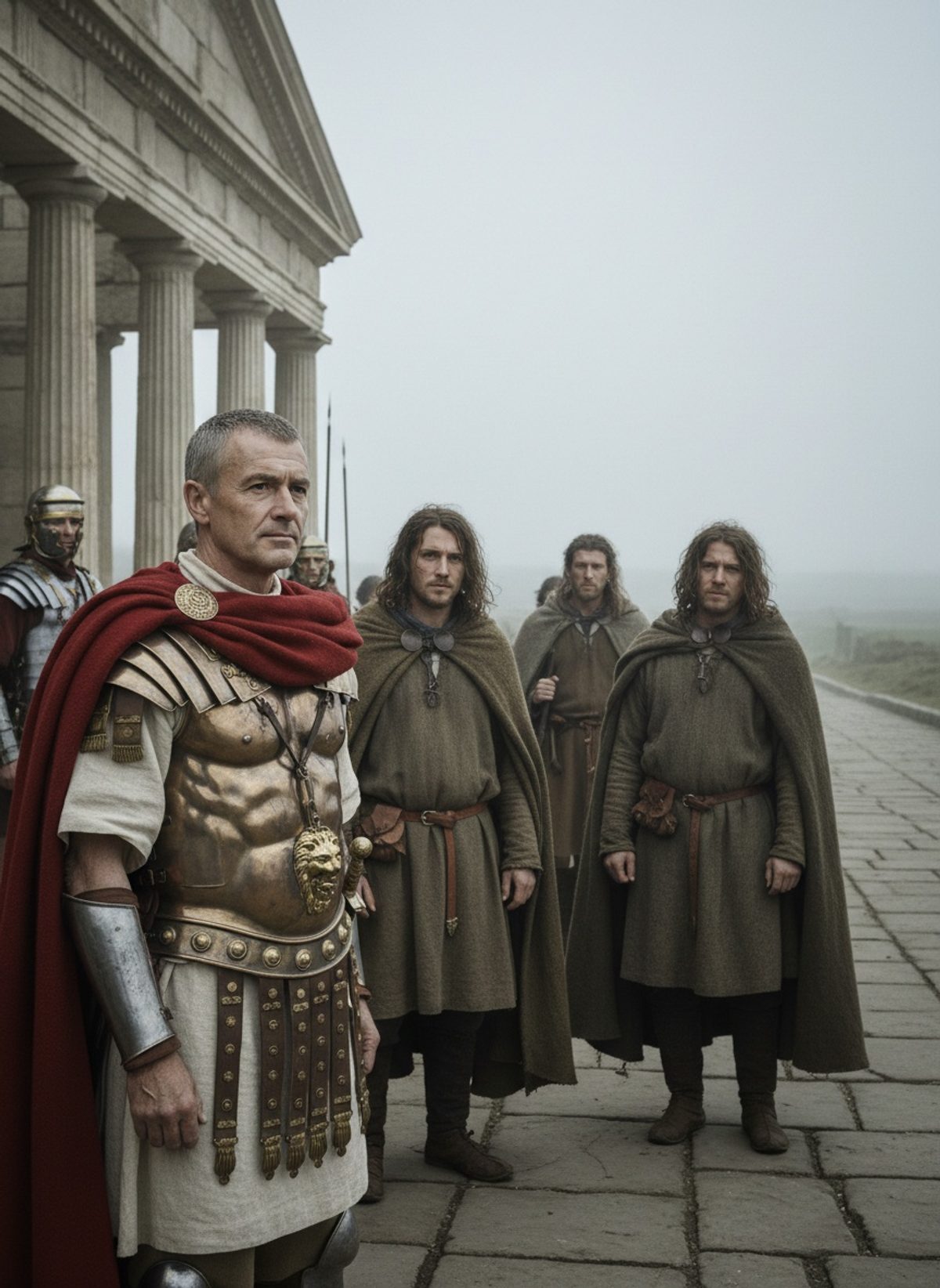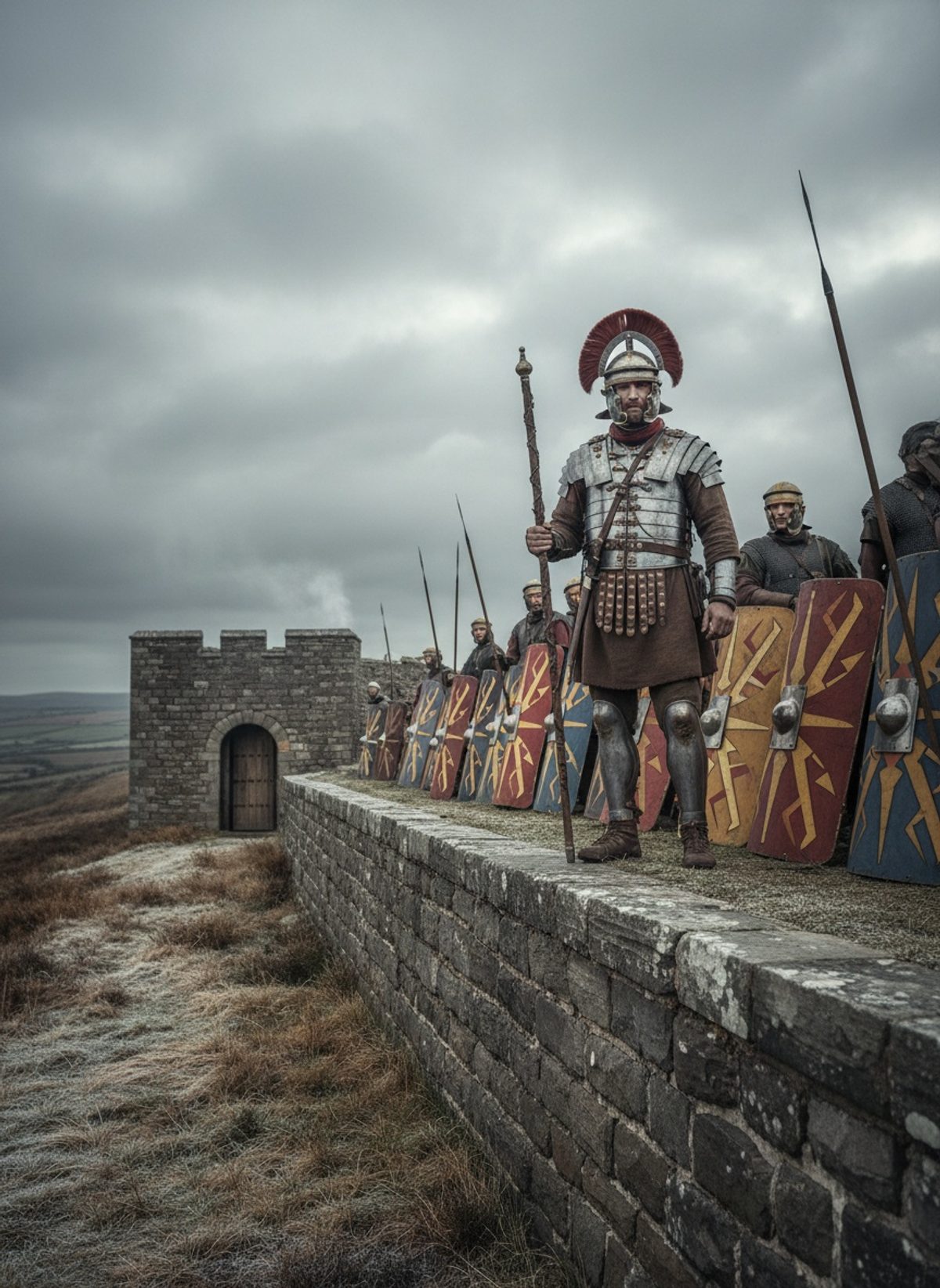
Beneath the sodden fields of Hadrian’s Wall lies an unexpected treasure, unearthed by the archaeological winds of curiosity and chance. Here, amidst the remnants of Roman Britain, an indelible whisper from the past beckons us — not with the clang of swords or the rallying cries of battle, but with something far more tender: an invitation to a birthday party.
The Discovery that Redefined History
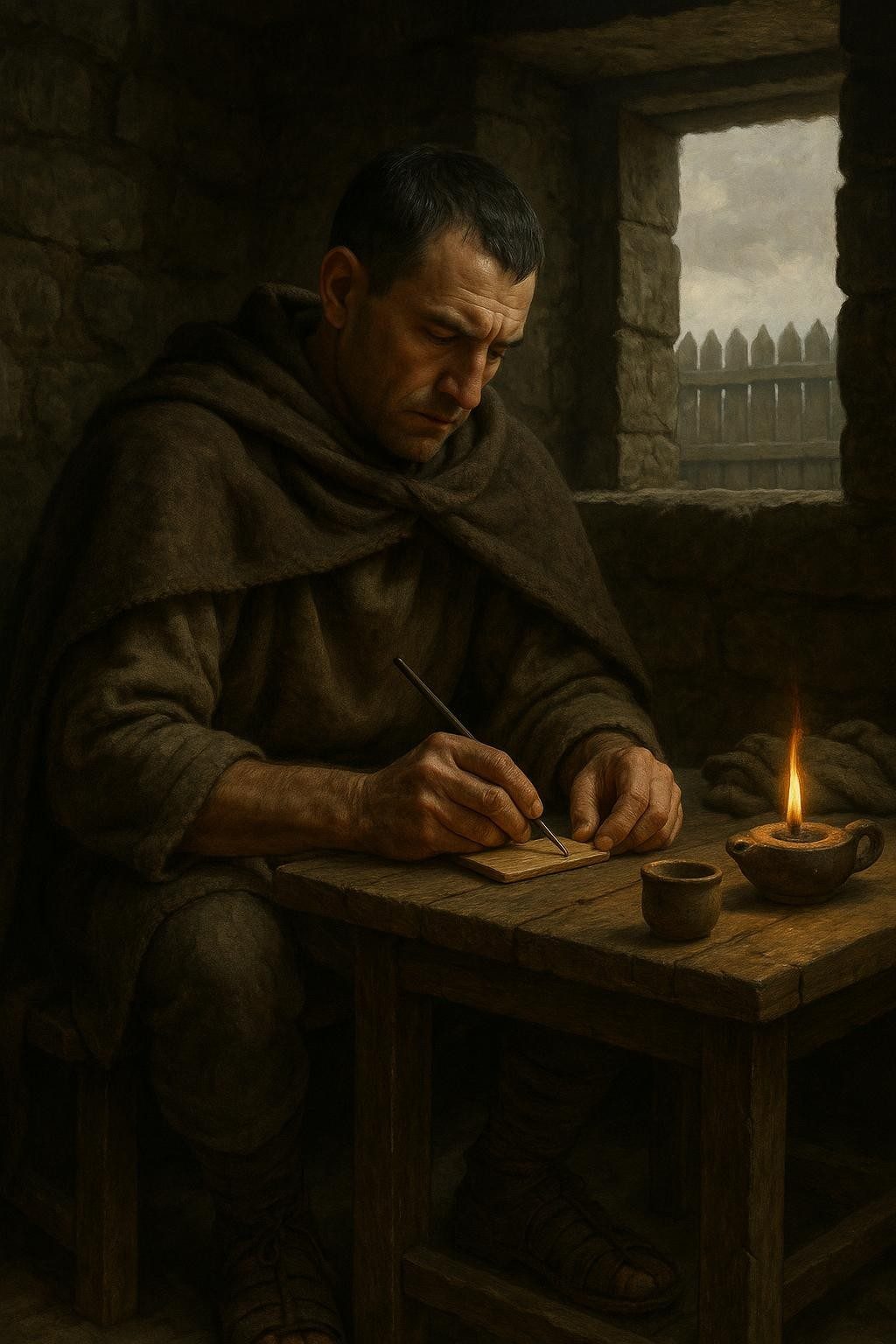
In 1973, a team of archaeologists led by Robin Birley stumbled upon a discovery that would forever reshape our understanding of Roman life on this wind-lashed frontier. Delving into the muck and mire of the Vindolanda settlement, they uncovered a significant cache of thin wooden tablets — perfectly preserved by the waterlogged soil. Among them, one artifact stood out: an unassuming piece of wood, scratched with the spidery Latin script of a Roman woman from 100 AD.
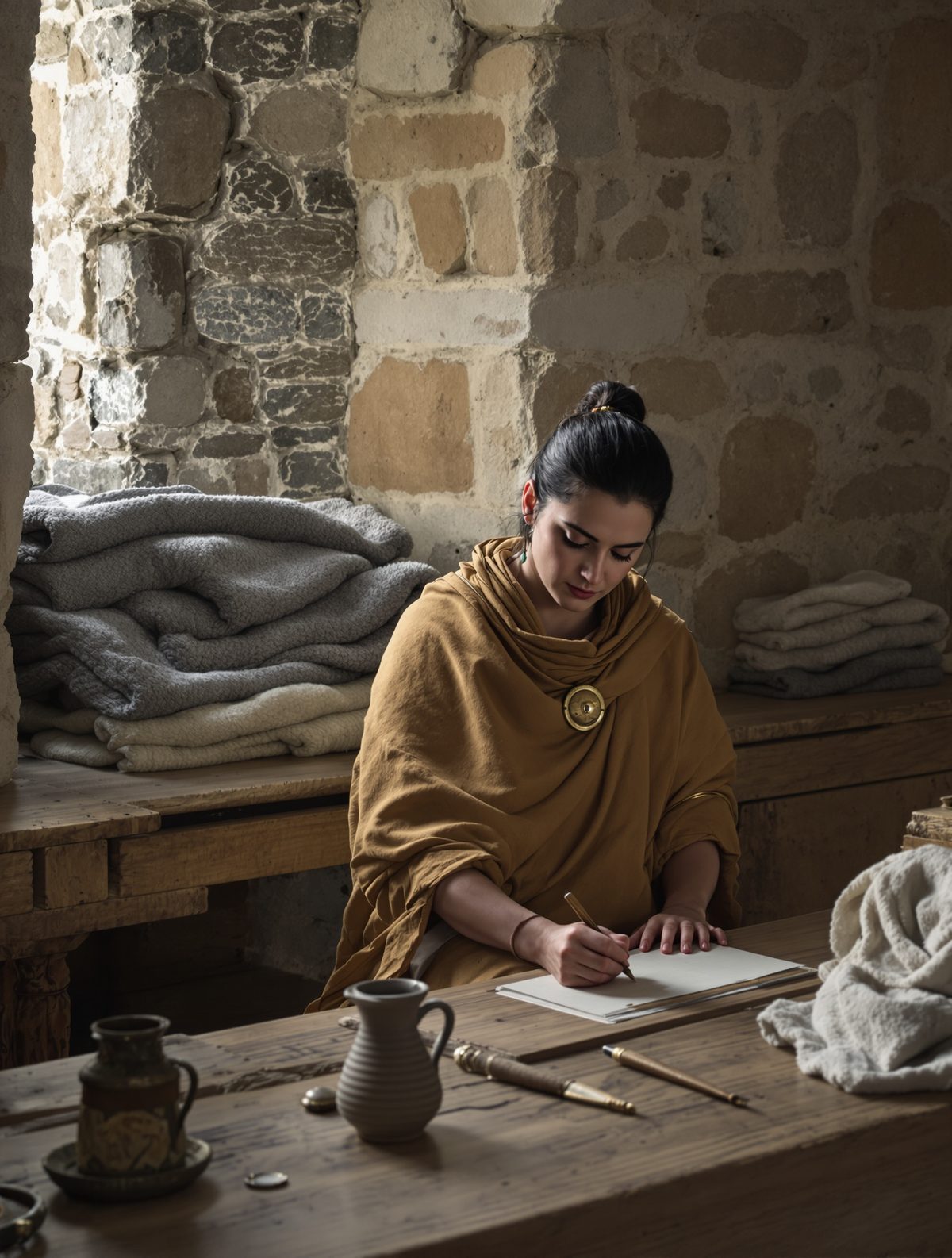
The invitation was from Claudia Severa to her friend, Sulpicia Lepidina. It reads with a delightful air of intimacy: "On 11 September, sister, for the day of the celebration of my birthday, I give you a warm invitation to make sure that you come to us, to make the day more enjoyable for me by your arrival." A brief but heartwarming message, it’s the oldest known example of a woman’s handwriting from Britain, a testament to the everyday social bonds that persevered through the annals of history.
The Life and Times of a Frontier Woman
To appreciate this artifact, we must step into the stout sandals of Roman women living at the edge of the empire. Imagine the crisp bite of the northern wind mixing with the earthy scent of smoke rising from Vindolanda’s hearths. It’s here that Claudia Severa likely resided, amidst a bustling settlement filled with soldiers, traders, and their families.
Read next: The Day a Roman Soldier Defied an Emperor to Free a Province
Claudia held a special status; she was likely the wife of a prominent officer, Flavius Cerialis. Her correspondence, including the famous birthday invitation, provides a rare glimpse into the life of a Roman matron on the remote British outpost. These letters reveal the intimate social networks, the small joys, and the shared experiences of Roman women who maintained vibrant community ties across distances and challenges.
The Ingenious Tablets of Vindolanda
But what made these tablets survive for nearly two millennia? The natural wonder lies in the boggy environment of the area. The waterlogged conditions of Vindolanda created an anaerobic environment, preserving organic materials, such as the wooden tablets, that would have otherwise been lost to time.
These tablets contain an array of messages ranging from mundane military orders and lists of supplies to personal letters that echo with the voices of a bustling Roman community. They offer a Roman-British timeline, underlined by words instead of crumbling stones. Moreover, these slice-of-life artifacts remind us that history is not only constructed from grand statues and epic battles but from simple gestures and personal connections.
A Glimpse into Roman Society on the Edge
Roman Britain in 100 AD was a cultural melting pot, with its cities acting as microcosms of the empire. The social life in these communities was complex, interwoven with customs brought from the continent and adapted into the local Celtic traditions. Through the lens of Claudia Severa’s invitation, we glean insights into the role of women in these societies — often overlooked by historical accounts focused on the male-dominated military exploits.
This tablet also challenges the assumption that literacy and letter-writing were rare among women in antiquity. Claudia Severa’s clear hand bears witness to a learned network of educated women, thriving on the fringes of the Roman world, illustrating that the roles of women were more diverse and influential than traditionally acknowledged.
The Legacy Beneath Our Feet
While the Vindolanda tablets are remarkable in their revelations of Roman daily life, they serve as profound reminders of the stories hidden beneath our everyday environments. These wooden echoes assert the permanence of human emotions — the need for companionship, the joy of celebration, and the ties of friendship — regardless of time or place.
As we tread upon the ancient roads once walked by Claudia Severa and Sulpicia Lepidina, we uncover more than the physical remnants of history; we reveal a shared humanity that transcends centuries. In a world where digital communication is fleeting, this tangible artifact underscores the enduring power of the written word. Its survival across millennia speaks as much about the passage of time as it does about the eternal nature of human connection.
Thus, the Roman soldier who seemingly carried Britain home in his pocket brought with him not just artifacts, but stories. Stories that bridge the ancient with the modern. Stories that remind us of the universality of human experience. And perhaps, that is the real treasure buried beneath the ancient soil of Vindolanda.