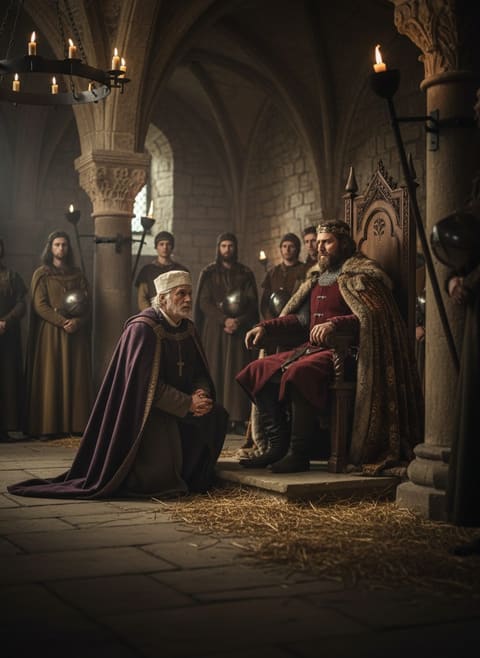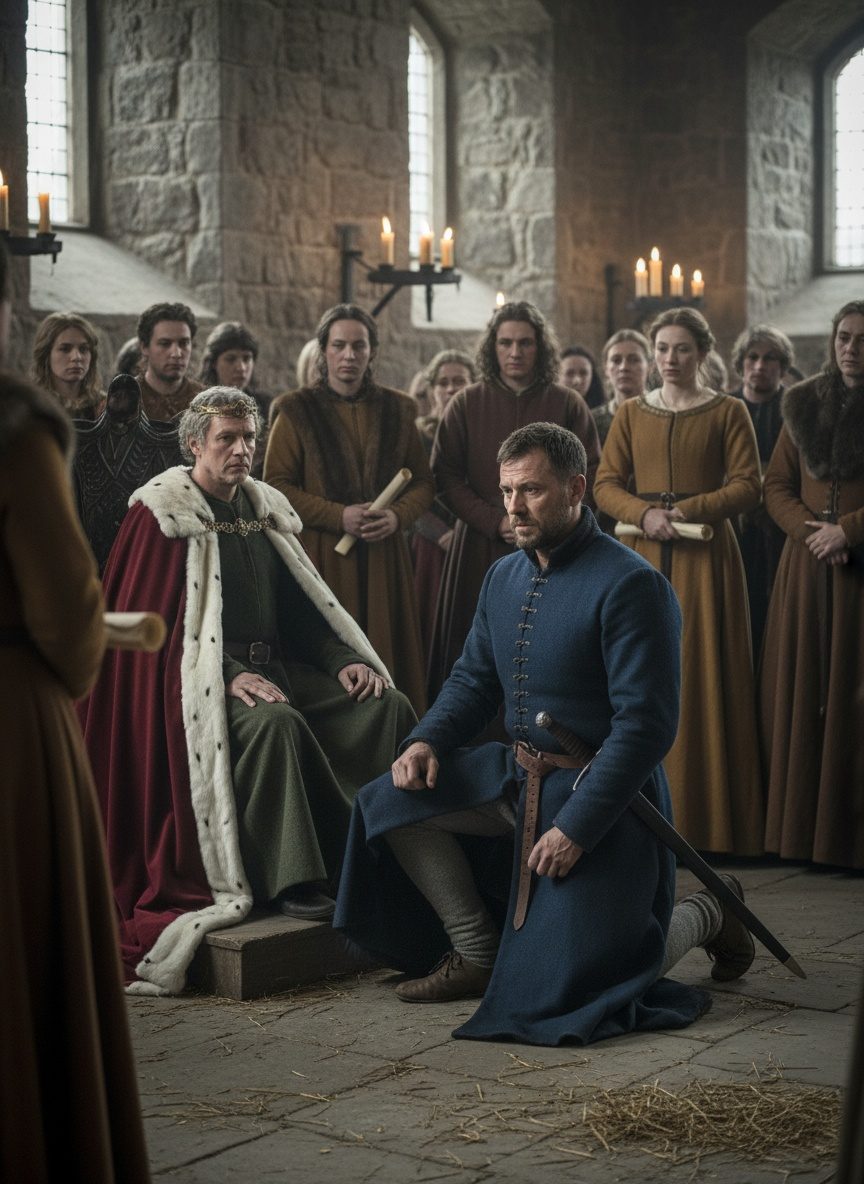
The doors of Shrewsbury's oaken hall creaked ominously as Llywelyn ap Gruffudd stepped inside. The scent of damp wood mingled with the acrid tang of burning torches, casting flickering shadows over the assembled English courtiers. He walked alone, his strides echoing in the sudden hush, the weight of history pressing down on his shoulders. Ahead, Henry III awaited, a king burdened with his realm's unrest. This was not just any meeting; it was a calculated gamble, and every victor knows the thin line between triumph and downfall.
The Unyielding Prince
Llywelyn ap Gruffudd was no stranger to the tides of conflict. For a decade, he had clenched the reins of rebellion, refusing to bow to English encroachment. Despite relentless pressure, the Prince of Gwynedd had carved out a dominion that dared to defy English advances. The Welsh hills had echoed with the clamor of skirmishes, each one a testimony to his strategic acumen and resilience.
To understand Llywelyn's resolve, one must picture the rugged Welsh landscape—its verdant mountains and valleys acting as natural fortresses, imbued with the spirit of its people. His followers were drawn from these lands, their loyalty as deep-rooted as the ancient oaks that shaded their pastures. Llywelyn's military campaigns were episodes in the larger narrative of Welsh sovereignty, infused with a cultural defiance that ran deep in the veins of his countrymen. Yet, here he was, stripped of his army and bargaining for peace.
The Summons to Shrewsbury
Autumn of 1267 painted the English landscape in hues of gold and rust, a deceptive tranquility overlaying a tumultuous realm. Inside England's borders, the specter of civil war loomed, King Henry III’s authority wavered, vulnerable to both rebellious barons and foreign threats. It was a kingdom not of iron resolve but fragile alliances, its monarch seeking more stability than his crown could guarantee.
Read next: The Day a Welsh Girl Barred the Door on a King's Army
Llywelyn received the summons to Shrewsbury with the world watching and wagering on his next move. Walking unaccompanied into the heart of English territory was a formidable act almost bordering on madness. No sovereign assurances guarded him, and treachery was always a whispered suggestion away. But Llywelyn’s decision was born of necessity and ambition—a gambit to secure his people’s status and fortify his legacy.
Kneeling Before Authority
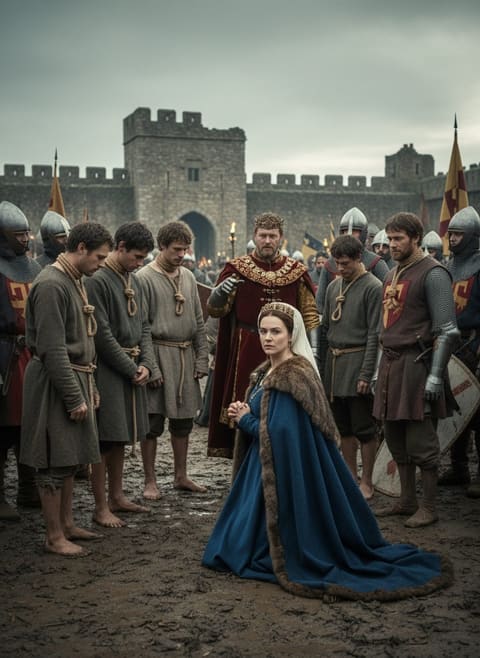
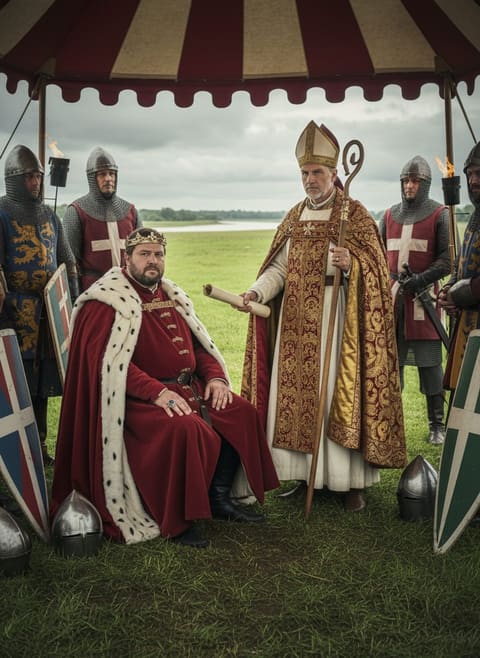
In the draughty hall, before peers and adversaries, Llywelyn knelt as protocol demanded—a fleeting moment that obscured years of struggle and valor. The act of submission is a complex language, often misconstrued. Here, at the knees of Henry III, it spoke not of surrender, but of negotiation, of mutual recognition. Llywelyn rose not as a vanquished foe but as a recognized Prince of Wales, bestowed a title never before sanctioned by the English crown.
The Treaty of Montgomery, consequential yet fleeting, marked a singular time in history. There it lay in stipulation, a relic of paper meant to capture an essence of peace in an unyielding spiral of conflict. The large wax seal dangled like a promise—one that sanctioned Llywelyn’s territorial claims and authority over other Welsh lords.
It was a moment of strategic finesse, a chess move that solidified his leadership and curtailed English pretensions over Wales, if only for a time. Yet, it was also a solemn reminder of sovereignty’s precariousness, an accord shadowed with the inevitability of future discord.
Read next: The Day a Medieval Mayor Knelt and Saved Six Condemned Men
The Meaning Behind the March
Even as the sun dipped behind Shrewsbury’s horizons, casting the world into twilight, the implications of the encounter expanded far beyond its borders. Llywelyn’s solitary march into an English court was not a mere episode but a powerful articulation of Welsh endurance amidst imperial ambition.
Moments like these illuminate the dimensions of leadership—where power often resides in the space between silence and spoken word. Beneath the sanctioned titles and formal recognitions lingered the weightier questions of identity and autonomy. Llywelyn’s decision to walk alone underscores a timeless truth about the nature of sovereignty—where it is less about the clatter of armies and more about the quiet assertion of presence.
What Llywelyn and the Treaty of Montgomery ultimately convey is not merely a chapter in medieval diplomacy but a resonant narrative on the enduring human spirit’s quest for recognition. It heralds a broader reflection on the ephemeral nature of peace treaties, merely parchment against the winds of political change, reminding us that true sovereignty is both a privilege and an endless struggle.