August 1702. The Caribbean sun blazed fiercely over the shimmering blue sea.
The Battle's Beginning
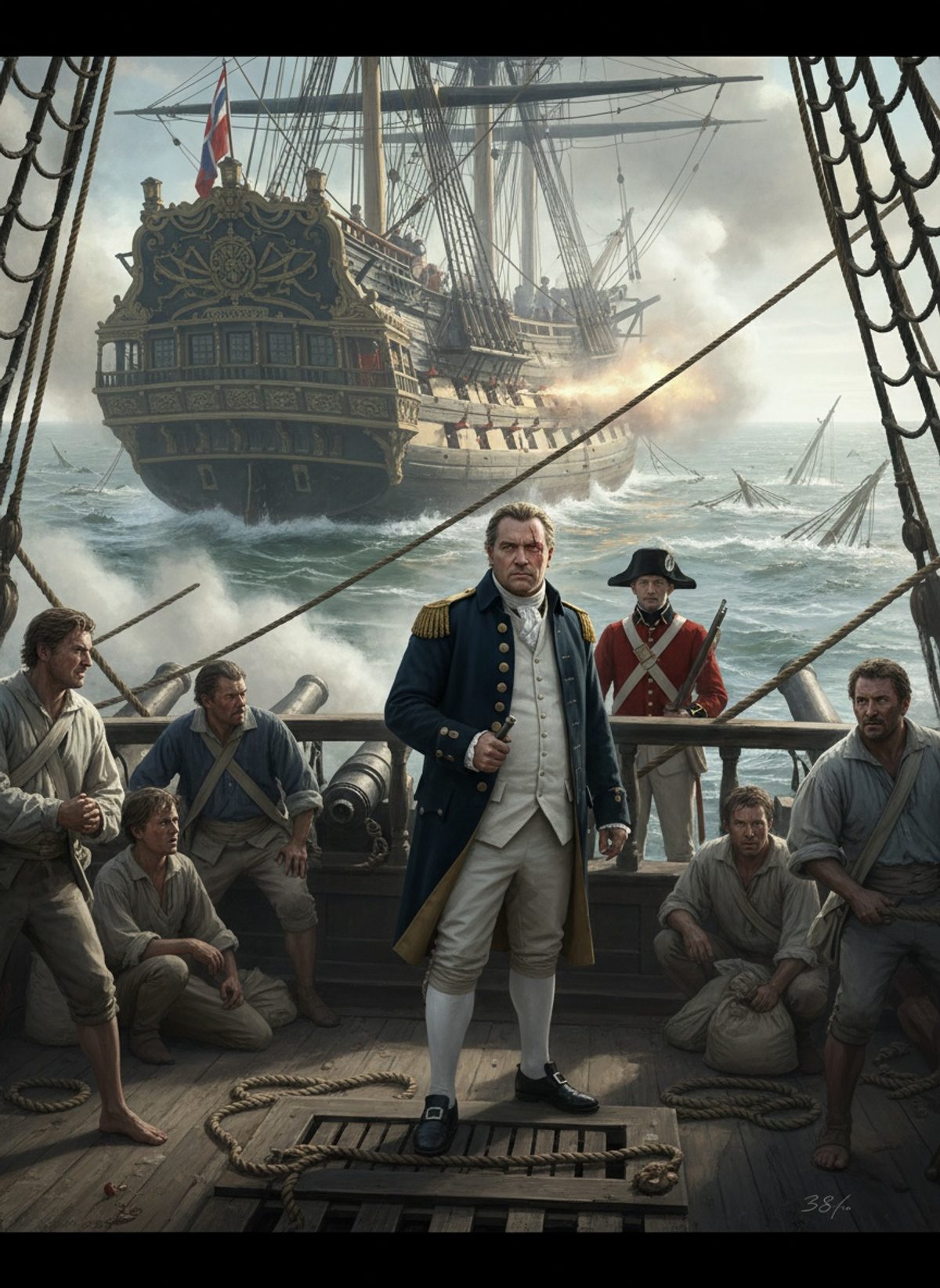
The air hung thick with anticipation and salt as the British squadron lay in wait amidst the Caribbean waters. It was August 1702, and the world was embroiled in the War of Spanish Succession. The stakes were high for those who dared to navigate these waters. Commanded by the resolute Admiral John Benbow, the squadron's mission was clear: disrupt the French fleet led by Admiral Jean du Casse. Yet, the calm before the storm is often deceiving.
On an ordinary map, the Caribbean appears as a paradise, the kind of place one daydreams of while sitting at a desk. But in 1702, it was a theatre of war, where the azure seas transformed into the stage for naval duels. It was here that Benbow's indomitable spirit and iron resolve would be tested like never before.
The Admiral and the Chainshot
Admiral John Benbow was no ordinary leader. Known for his weathered face and unyielding stare, he had risen from humble beginnings to become a symbol of British naval tenacity. As the clash with the French began, the air was torn by the thunder of cannons and the sharp report of musket fire. Vessels danced dangerously, weaving devastating exchanges of metal and smoke. Yet, amidst this chaos, one man's leadership shone unmistakably.
Read next: The Day a British Captain Stood Between Slaves and the Sea
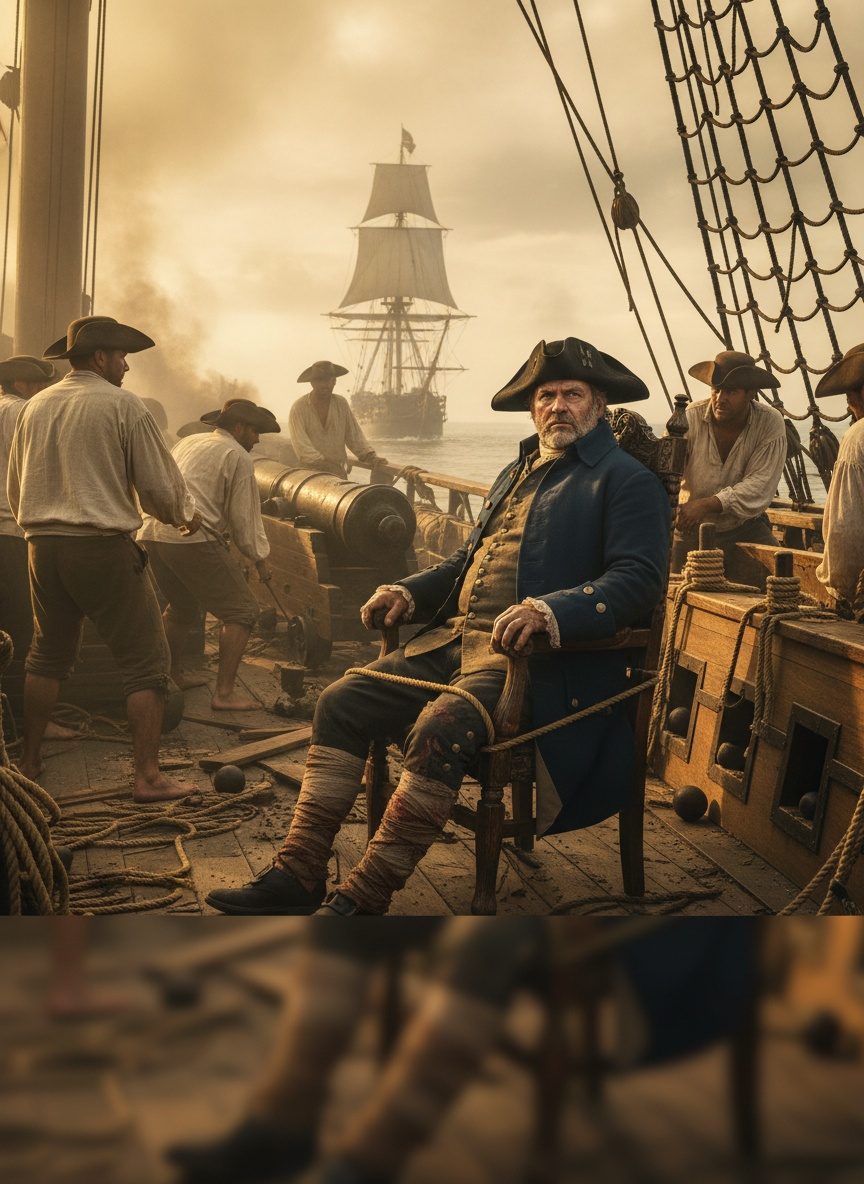
In the heat of battle, a deadly chainshot fired from a French cannon shattered through the air, crumpling into Benbow’s leg with a vicious force. Such a wound would render most men senseless with pain, but not Benbow. With a calm that commanded awe and restless fear, he had himself lashed into a chair on the quarterdeck. From there, like a master orchestrator, he directed the symphony of combat commands, refusing to relinquish his post. For Benbow, there was no greater dishonor than retreat.
A Lonely Fight
As the hours turned into days, something unexpected happened. One by one, the British vessels began to withdraw. Perhaps it was the intimidating French barrage or a lapse in collective resolve, but the captains under Benbow's command faltered. Despite orders to hold their lines, they slipped away, leaving their Admiral to contend with the daunting French forces alone.
The lone British ship, still fighting under Benbow's banner, became a defiant silhouette against the blazing sun. The Admiral, shackled not only by the chains that bound him to the deck but by the loyalty to his mission and his country, fought on. For five harrowing days, his ship engaged the enemy with a single-minded purpose—a testament to his unwavering devotion.
The Echo of Defiance
By the time the smoke cleared and the guns fell silent, Benbow’s wound had worsened, the fever and pain gnawing fiercely at his stamina. Despite the retreat of his comrades, his refusal to strike his flag—a gesture of surrender—echoed as an unwavering symbol of resistance and honor. The aftermath of the battle saw Benbow returned to Jamaica, where he would eventually succumb to his injuries, leaving behind a legacy etched into the annals of naval warfare and leadership.
This tale of Admiral John Benbow illuminates the human spirit's triumph over adversity. In an era where surrender was seen as weakness, Benbow's stand was more than an act of defiance—it was a declaration of integrity. In refusing to strike his flag, he demonstrated that true leadership sometimes means standing your ground, especially when the odds are overwhelming and the cost is great.