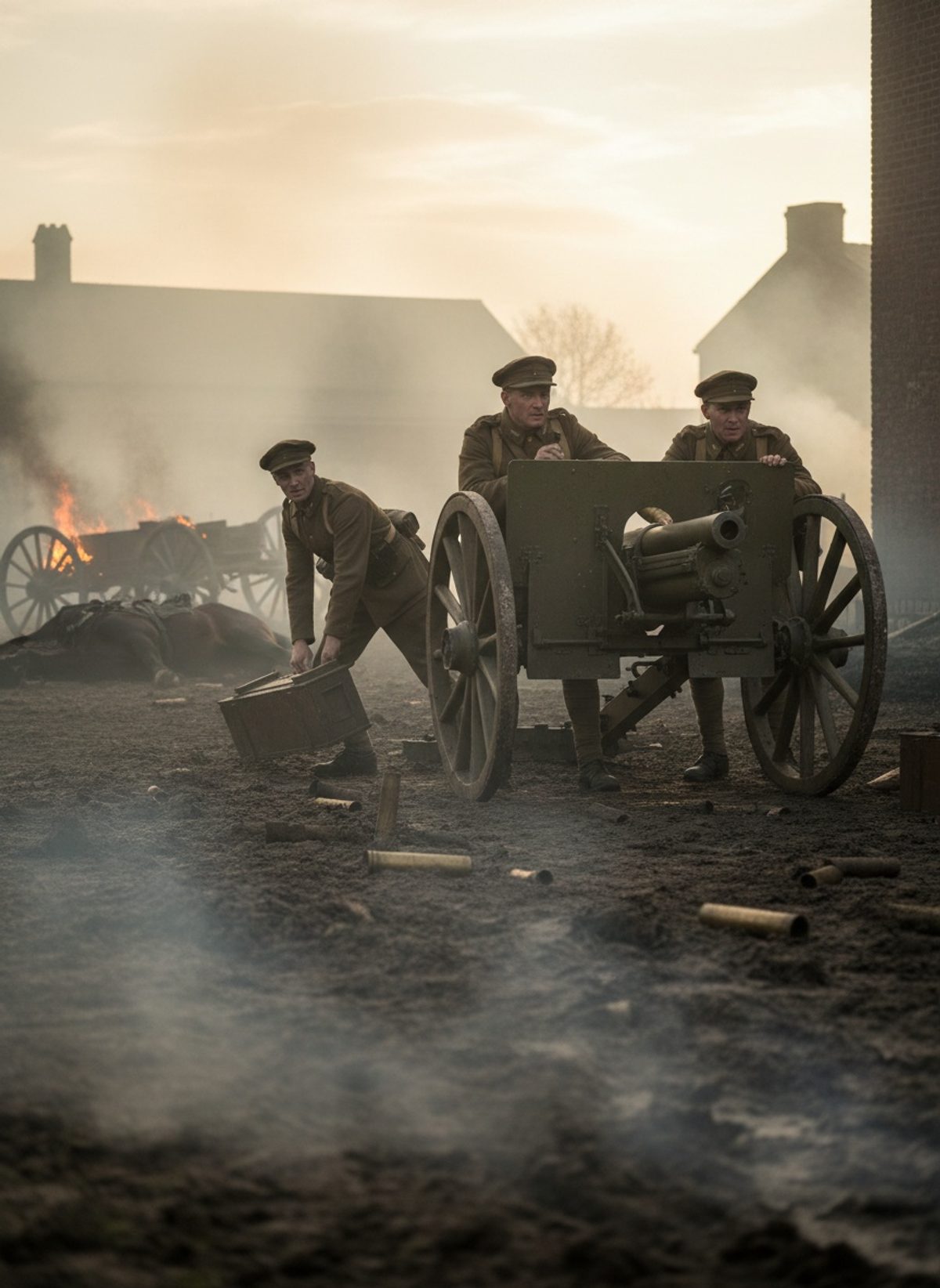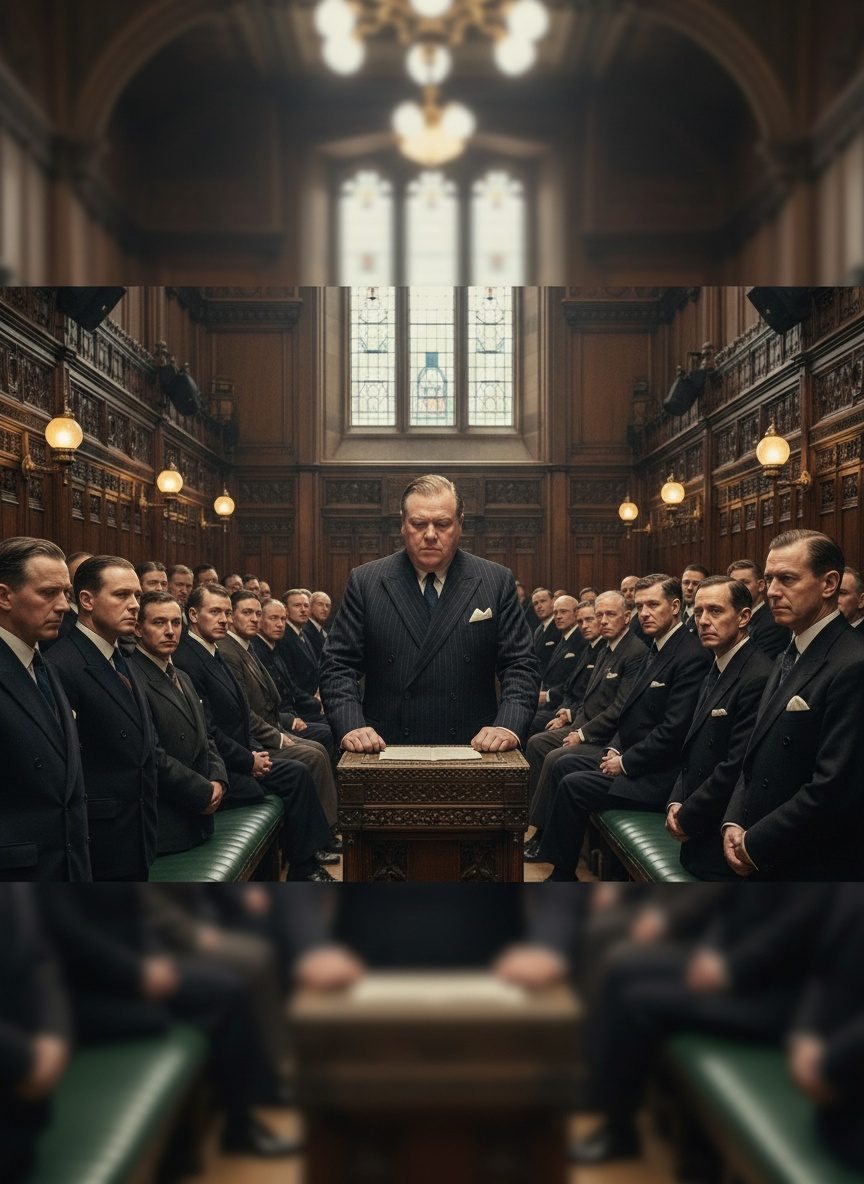
Dunkirk was a miracle. It was also a disaster. On 4 June 1940, as the House of Commons held its breath, Winston Churchill delivered a speech that would echo through history—not for its jubilance, but for its cold truth.
The Miracle of Dunkirk
The Dunkirk evacuation, often referred to as the "Miracle of Dunkirk," unfolded over a tense week at the end of May and the beginning of June in 1940. The British Expeditionary Force, along with French and Belgian troops, had been stranded on the beaches of Dunkirk in Northern France, hemmed in by the German army. With a sense of impending doom, Operation Dynamo was launched to rescue these soldiers. Astonishingly, over 338,000 men were brought back to Britain, not just by military ships but also a flotilla of civilian vessels—fishing boats, yachts, and even lifeboats—steered by brave and determined citizens. The success of this operation gave the British public a sigh of relief, but it was far from a victory.
Churchill’s Stance: No Cause for Jubilation
As the soldiers stumbled back onto British soil, weary and weaponless, the nation was poised for celebration. Yet, Winston Churchill, the newly-appointed Prime Minister, was acutely aware of the reality behind the heroics. On that fateful day in June 1940, he stood before a nation eager for good news and refused to sugarcoat the situation. In his speech before the House of Commons, Churchill recognized the bravery and spirit of the rescuers and the rescued, but he insisted on delineating the true nature of events. This was not a victory; it was a rescue—an escape from impending defeat.
The Words That Stung
"We must be very careful," Churchill cautioned, urging his audience to guard against "a spirit of self-congratulation." He made it clear: wars are not won by evacuations. It was a sobering reminder that the fight was far from over, and the threat loomed larger than ever. His speech was a call to arms, not just with weapons, but with a mindset of endurance. Churchill delivered the lines with resolve, concluding with the famous words, "We shall fight on the beaches... we shall never surrender." Yet, before he reached this crescendo, his delivery was steeped in realism, aiming to fortify Britain's resolve rather than feed its fleeting relief.
A Nation on Edge
The evacuation had left the British Army stripped of its heavy equipment, tanks, and artillery—the tools of war strewn and abandoned on French soil. The Luftwaffe dominated the skies, and the German army had gained momentum across Europe. Britain stood alone against Hitler’s advances, with only the stretch of the English Channel separating them from a potential invasion. The threat was imminent, and Churchill knew that emotional jubilation could quickly give way to despair if victory wasn't achieved on more solid terms. His speech underscored the dire circumstances, framing the Dunkirk evacuation not as a saving grace, but a hard-earned reprieve.
The Importance of Endurance
Churchill’s message was clear: resilience must triumph over fleeting relief. While the Dunkirk story is often told as a tale of endurance and solidarity, its underlying lesson, emphasized by Churchill's refusal to celebrate, is about preparation and the realities of wartime strategy. His speech remains a stark reminder of leadership's responsibility to prepare a nation not just for victory, but for the long, arduous struggle that often precedes it.
Even now, the story of Dunkirk and Churchill's response holds relevance. It underscores that true leadership involves facing harsh realities head-on and motivating a collective spirit for battles yet unwon. In times of adversity, it's the measured courage—not unbridled euphoria—that anchors a nation and steels it for the trials ahead. Churchill's speech at this moment, then, represents an enduring lesson: in the theater of war, triumphs come not from celebrating the past, but from preparing, resolutely, for the future.