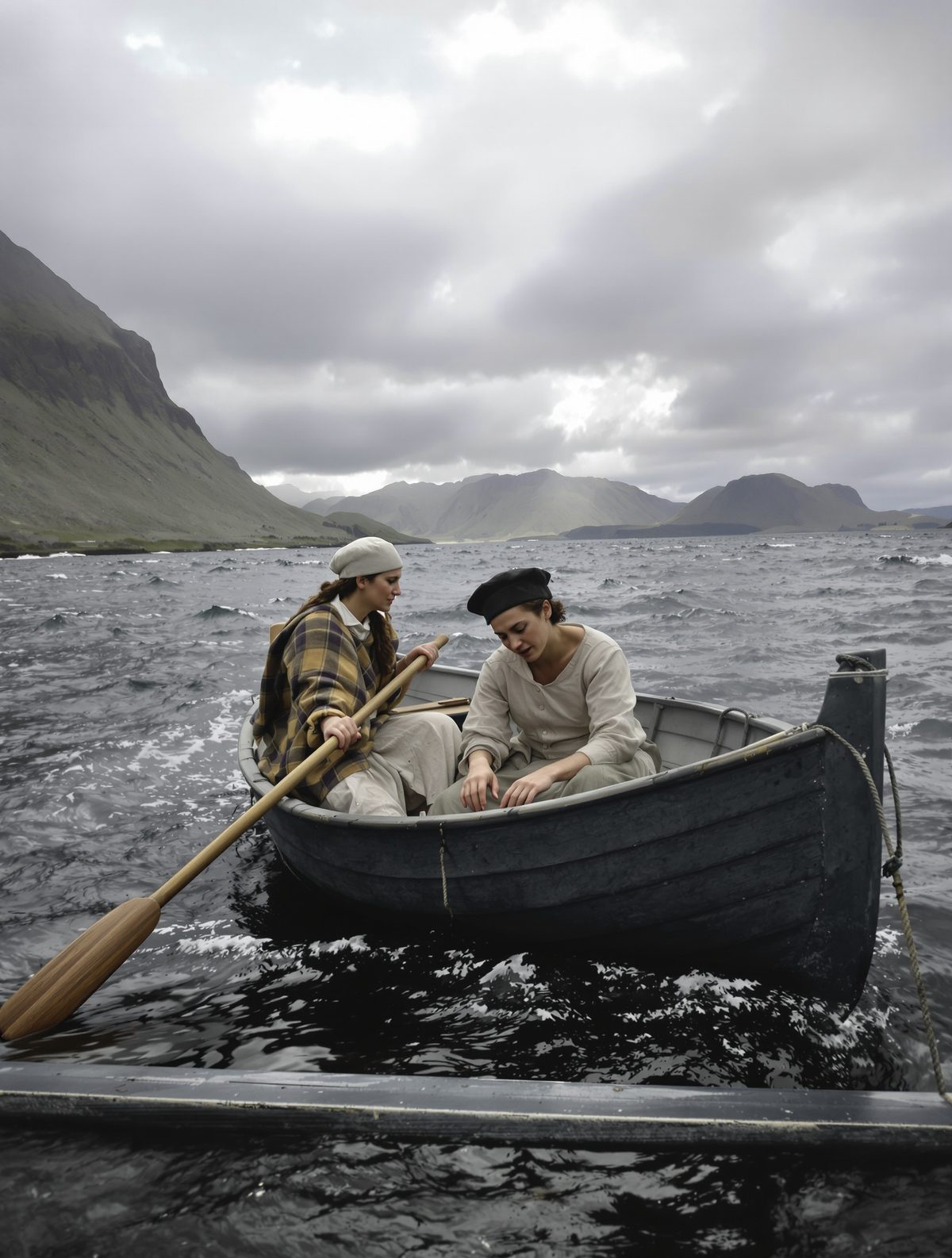
The oars cut silently through the dark waters of the Sound of Benbecula as Flora MacDonald glanced nervously at her towering companion. At nearly six feet tall, "Betty Burke" made for an unconvincing Irish spinning maid—especially when her enormous hands gripped the boat's edge with the white-knuckled desperation of someone whose life hung by a thread. One wrong word, one suspicious glance from a patrolling redcoat, and both women would face the gallows. But Flora MacDonald's passenger was no ordinary woman at all. Beneath those borrowed petticoats and linen cap sat Charles Edward Stuart—Bonnie Prince Charlie himself—the most wanted man in the British Empire.
A Prince on the Run
By June 1746, the romantic dream of the Jacobite cause lay shattered on the blood-soaked moor of Culloden. What had begun as Prince Charles's bold attempt to reclaim his grandfather's throne had ended in catastrophic defeat just three months earlier. The Duke of Cumberland's government forces had butchered the Highland army in less than an hour, and now "Butcher Cumberland" had placed a bounty of £30,000 on the Young Pretender's head—equivalent to roughly £4 million today.
For weeks, Charles had been a ghost haunting the Western Highlands and Outer Hebrides, moving from cave to croft, sleeping rough in the heather while government ships prowled the coastline and soldiers scoured every glen. The prince who had once danced in the Palace of Versailles now wore rags, his face gaunt from hunger, his hands blistered from scrambling over Highland rocks. Yet despite the enormous reward—more money than most Highlanders would see in ten lifetimes—not a single soul betrayed him.
Enter Flora MacDonald, a 24-year-old woman whose stepfather, Hugh MacDonald, served as a militia officer for the government forces on South Uist. Flora herself had no particular love for the Jacobite cause, but when her kinsman Neil MacEachen approached her with a desperate plan in late June 1746, Highland loyalty trumped political allegiance. The prince needed to reach the mainland, and Flora held the key: a legitimate pass from her stepfather allowing her to travel to Skye with servants in tow.
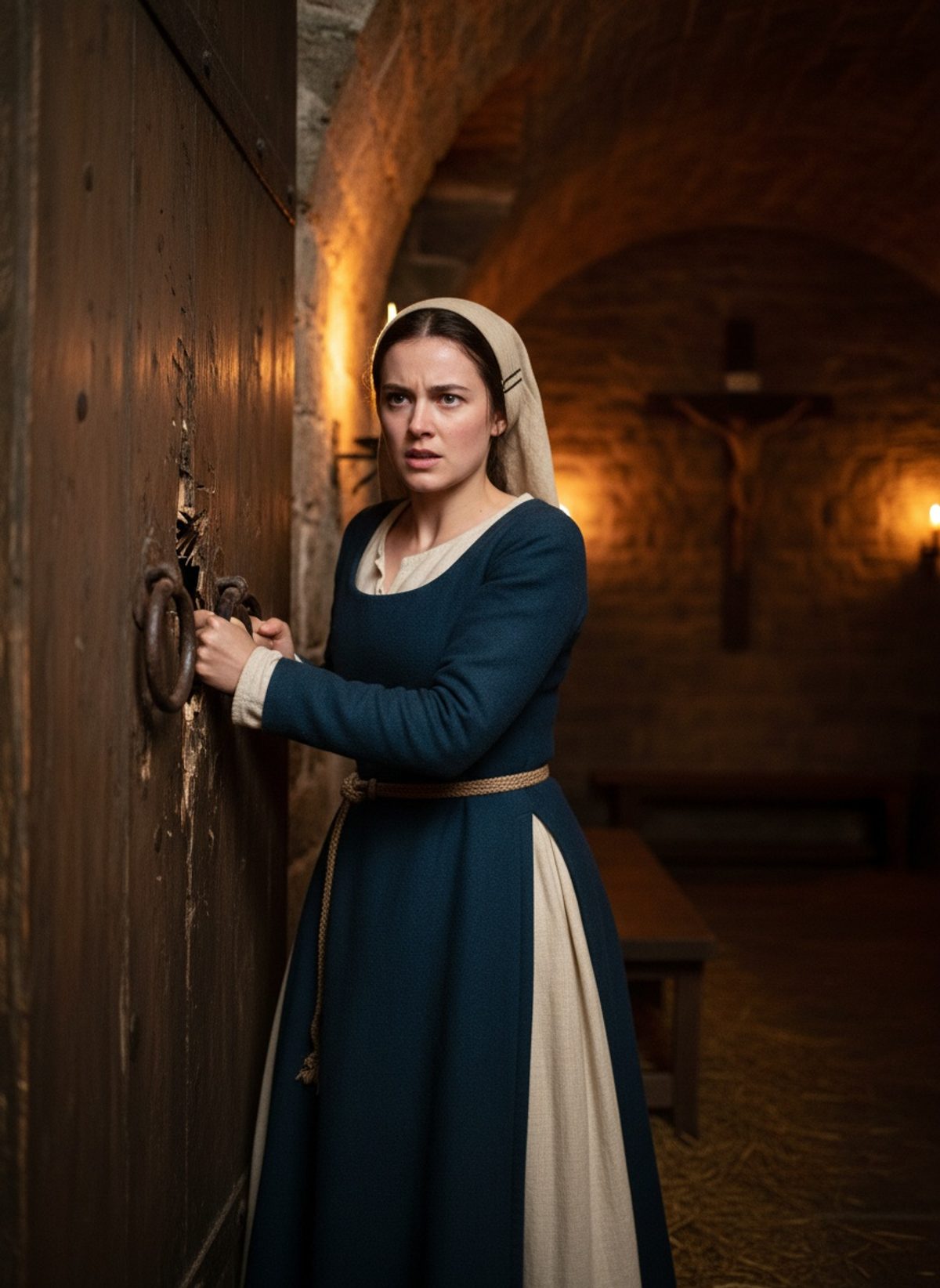
Read next: The Day a Scots Girl Thrust Her Arm Through a Door to Save a King
The Makeover of a Lifetime
The transformation of Charles Edward Stuart into "Betty Burke" ranks among history's most audacious disguises. On the morning of June 27, 1746, Flora MacDonald watched as the would-be king of Britain squeezed his lanky frame into a blue-and-white sprigged calico gown, complete with a quilted petticoat and white apron. The prince's dark hair disappeared beneath a linen mob cap, while a hood provided additional concealment for his distinctly masculine features.
Yet for all their careful preparation, the disguise had glaring flaws. Charles stood nearly six feet tall in an era when the average Highland woman barely reached five feet four inches. His hands, weathered by months of outdoor living but unmistakably masculine, could easily give him away. Most dangerously of all, the prince spoke no Gaelic—a dead giveaway in the Gaelic-speaking Hebrides. Flora coached him to remain absolutely silent and to appear ill if questioned, explaining to any curious observers that poor Betty was feeling poorly and couldn't speak.
The little party consisted of Flora, the disguised prince, Neil MacEachen posing as a manservant, and a genuine maid named Peggy Burke—whose surname Charles had borrowed for his alias. They also carried a bottle of whisky and some provisions, knowing that the 15-mile journey across the treacherous waters of the Minch could take many hours if the weather turned against them.
Across the Treacherous Minch
At around 8 PM on June 27, the small boat pushed off from Rossinish on the coast of Benbecula. The Minch—that notorious stretch of water separating the Outer Hebrides from Skye—had claimed countless vessels over the centuries. Strong tides, sudden squalls, and hidden rocks made it a graveyard for unwary sailors even in the best conditions. Tonight, with government patrol boats lurking in the darkness, it represented the difference between freedom and the executioner's block.
Flora took the oars herself for much of the journey, her small hands growing raw against the wooden handles. Charles, hampered by his heavy skirts and petticoats, could offer little help beyond bailing water from the bottom of the boat. The prince later admitted that this was one of the most terrifying experiences of his entire escape—not just the physical danger, but the psychological pressure of maintaining his feminine disguise while every instinct screamed at him to take action.
Halfway across, they spotted the dark silhouette of a government vessel in the distance. Flora whispered urgent instructions to her passenger: slump down, pull the hood forward, act sick. For agonizing minutes, they drifted in the darkness while the patrol boat's lanterns swept the water. Charles Edward Stuart—grandson of a king, son of the "Old Pretender"—sat hunched in women's clothing, his fate entirely in the hands of a young Highland woman who had every reason to turn him in.
Landing on Skye
After nearly eight hours on the water, the boat finally scraped against the rocky shore of Kilbride Point on Skye around 4 AM on June 28. But their trials were far from over. Local militia had been alerted to suspicious boat activity, and Flora soon found herself face-to-face with officers demanding to see her pass and questioning her about her companions.
With nerves of steel, Flora presented her stepfather's letter and explained that she was traveling to visit friends, accompanied by her sick maid Betty Burke and her manservant. The disguised prince played his part perfectly, hunching over and moaning softly while keeping his face hidden beneath the hood. One officer glanced briefly at the tall "woman" but showed no suspicion—after all, who would expect to find Bonnie Prince Charlie hiding in petticoats?
The group was allowed to proceed to Kingsburgh House, home of Alexander MacDonald and his wife. Here, in one of the most surreal moments of the entire escape, Charles finally revealed his identity. The MacDonalds were so shocked that Mrs. MacDonald initially refused to believe that this tall woman in calico could possibly be the prince. Only when Charles spoke in his distinctly aristocratic accent and removed his cap did the truth sink in.
That night, Charles slept in a proper bed for the first time in months while his rescuers burned the telltale women's clothing. Flora had successfully delivered the most wanted man in Britain to safety, but their parting the next morning carried the weight of finality—both knew they might never meet again.
The Price of Loyalty
Flora MacDonald's heroics didn't go unnoticed for long. Within days, word of her involvement in the prince's escape had reached government ears. She was arrested on July 12, 1746, and transported to London aboard HMS Bridgwater. Yet even in captivity, Flora demonstrated the same courage that had carried her across the Minch. She readily admitted her role in the escape but refused to name any other conspirators, protecting the network of Highland loyalists who had risked everything for their prince.
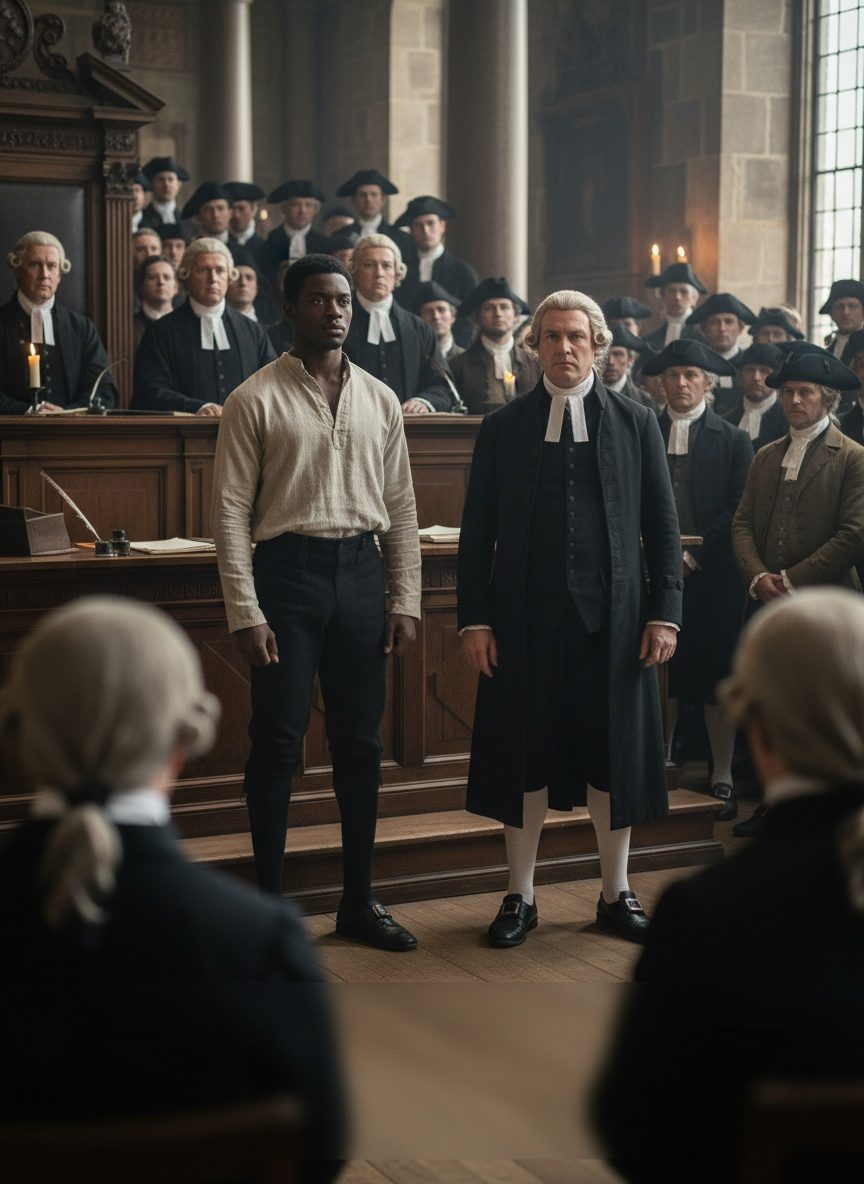
Her imprisonment in the Tower of London became something of a sensation. Flora's beauty, courage, and romantic involvement in the escape captured public imagination, and she received visitors ranging from curious nobles to sympathetic Jacobite supporters. Even some government officials found themselves charmed by the young Highland woman who had outwitted the entire British military apparatus.
The 1747 Act of Indemnity secured Flora's release, but her fame was only beginning. She became a living symbol of Highland loyalty and courage, celebrated in ballads and stories that spread throughout Scotland and beyond. When she eventually married Allan MacDonald and emigrated to North Carolina, even there she couldn't escape her reputation—during the American Revolution, she found herself once again on the losing side, supporting the British Crown while her adoptive country fought for independence.
Legacy of a Dangerous Crossing
Flora MacDonald's midnight voyage across the Minch represents far more than a daring rescue mission. In those eight hours of darkness, a young woman's courage preserved one of history's most romantic figures and ensured that the Jacobite story would live on in legend rather than ending in ignominious capture on a Hebridean beach.
Today, when we live in an age of GPS tracking and satellite surveillance, it's worth remembering that privacy and freedom once depended on the bravery of ordinary people willing to risk everything for their principles. Flora MacDonald's story reminds us that history's most pivotal moments often turn on individual acts of moral courage—the decision to help a stranger in need, regardless of the personal cost.
The young woman who rowed "Betty Burke" to safety didn't change the course of British history—the Jacobite cause was already lost. But she preserved something perhaps more valuable: the idea that loyalty, courage, and human decency can triumph over political calculations and personal gain. In our own turbulent times, Flora MacDonald's example still shines across the centuries, as bright as the lanterns that once searched for her boat in the darkness of the Minch.